


We’re at a crossroads. This moment in time is full of pressure, overwhelm, and disconnection. Threats abound. Southern forests and communities face daily challenges from industrial logging. Corporations want to expand their dirty and destructive impacts across the South. Everyday, I hear from concerned people about these growing threats. Our community partners worry about the expansion of the dirty biomass industry. What happens if these companies keep building new facilities in their backyards? What happens to their forests, homes, and families? How will this expansion affect the entire region?
What can we do about it? Let’s take a lesson from nature.
It’s spring. Spring always brings a sense of renewal and an energy of optimism. I love spring flowers. I eagerly go outside each day to check on my flower garden. Every bit of growth brings me such joy and excitement.

Spring is a time for new beginnings. Spring is a time for new growth. We cannot let fear drive us into silence. We cannot let despair make us passive.
Spring is a time for action.
Hundreds of people from across the country gathered for Break Big Biomass: A National Call to Action. We talked about ways we can unite to stop the polluting biomass industry. We heard from community leaders on the frontlines of pollution and forest destruction. They stressed the importance of community education and personal action. It was inspiring to find that each one of us has a role to play. It could be contacting your local elected officials. Maybe it’s writing a letter to the editor of your favorite publication. It could even be having these crucial conversations around the dinner table. Every one of us is essential to this movement. And that includes you.

To meet this moment, Dogwood Alliance and our partners have put together an Action Packet. This resource gives you information and opportunities to get involved and #BreakBigBiomass. Do you want to protect our forests and our communities from destructive logging? Do you want to build a healthy, sustainable future? It’s going to take all of us. Spring is the time for action. Nature’s doing its thing. Now it’s time for you to do yours!
Get involved today.
Download the Break Big Biomass action packet. Watch the recording of Break Big Biomass.
Mississippi DEQ Permitting Board Denies Drax Expansion in GlosterJackson, Mississippi. Mississippi DEQ denied Drax its request to increase pollution in Gloster, MS. Drax is a UK wood pellet manufacturing giant. Gloster is a rural community that’s been fighting this Drax facility for years. The wood pellet plant has faced fines repeatedly for pollution violations. Drax expected this hearing to be a formality. The company expected MDEQ to rubber stamp the permit. But the final decision was a surprise. MDEQ overwhelmingly rejected the permit request.
Residents shared the dangerous ways Drax has harmed their sleep, health, and community. They called on the board to deny the permit. After a marathon hearing and extensive deliberation, MDQ denied the permit. Five of six members voted against the permit, and one abstained. This is a hard-won victory for the local community.

Dr. Krystal Martin of Greater Greener Gloster
Dr. Krystal Martin of Greater Greener Gloster said:
“We did it! Drax, your permit has been denied. When we fight, we win. This wasn’t just a win for Gloster. It was a win for every community fighting the wood pellet industry from Mississippi to Alabama to Georgia and North Carolina.”
Drax is the world’s largest importer of wood pellets. They burn over 8M tons per year at their UK power station. They are also the second largest wood pellet manufacturer. They face logging and pollution controversies wherever they work. Land & Climate Review did an investigation on Drax. They found that the company broke environmental rules 11,378 times in the US since 2014.
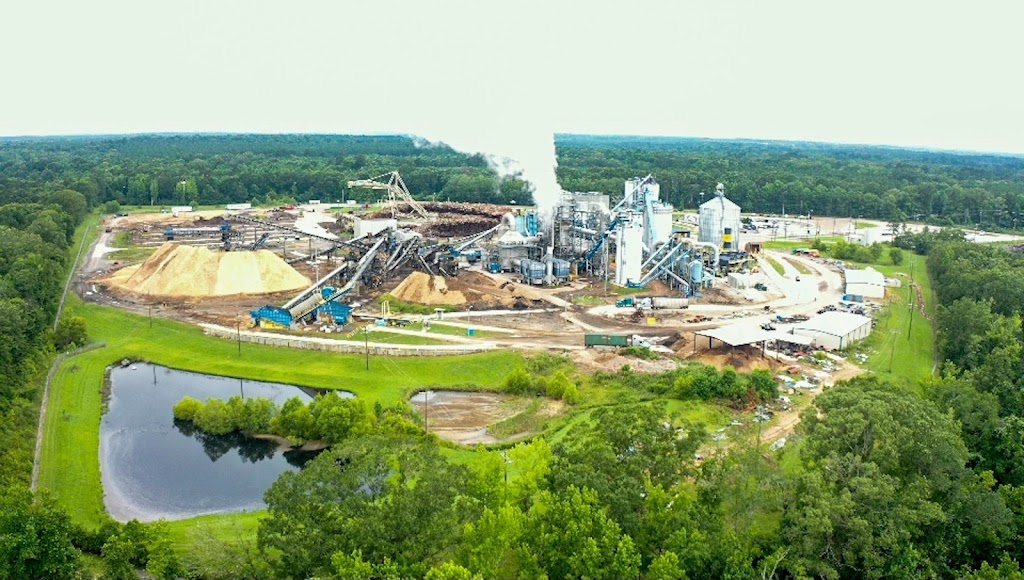
Drax Amite wood pellet facility in Gloster, MS
This is a major win for communities in Mississippi and the South. The permit board denied Drax. They based their decision on the company’s past compliance issues. MDEQ expected that Drax would exceed pollution limits again, even with the new permit.
Naya Black, Gulf South Organizer at Dogwood Alliance, said:
“It was such an emotional experience to see the state of Mississippi stand with the people. They put the health and future of a small rural town over corporate profit. Seeing the community come together and win this much-needed victory was TRULY heartwarming.”
Drax has 15 days to appeal the decision.
The world is experiencing many crises linked to increased climate change.
Drax is a biomass corporation that intends to build 20 new facilities in the United States. Georgia Power announced approvals for more biomass facilities in GA. Also, there are now reports of a Biolabs building in Georgia putting chlorine gas in the air. This will have dangerous impacts on health, safety, and the environment. Drax and Georgia Power are driving us towards dependence on biomass technology. Drax promises to capture their carbon emissions. But this false climate solution doesn’t fool impacted communities.
Companies like Drax don’t want to take accountability. They greenwash their business practices. It can be hard to fight their lies. But if they keep it up, we’ll continue to witness devastating climate events.
These industries are selling us harmful technologies and making excuses about their actions. This doesn’t help us make a sustainable and caring world a reality.
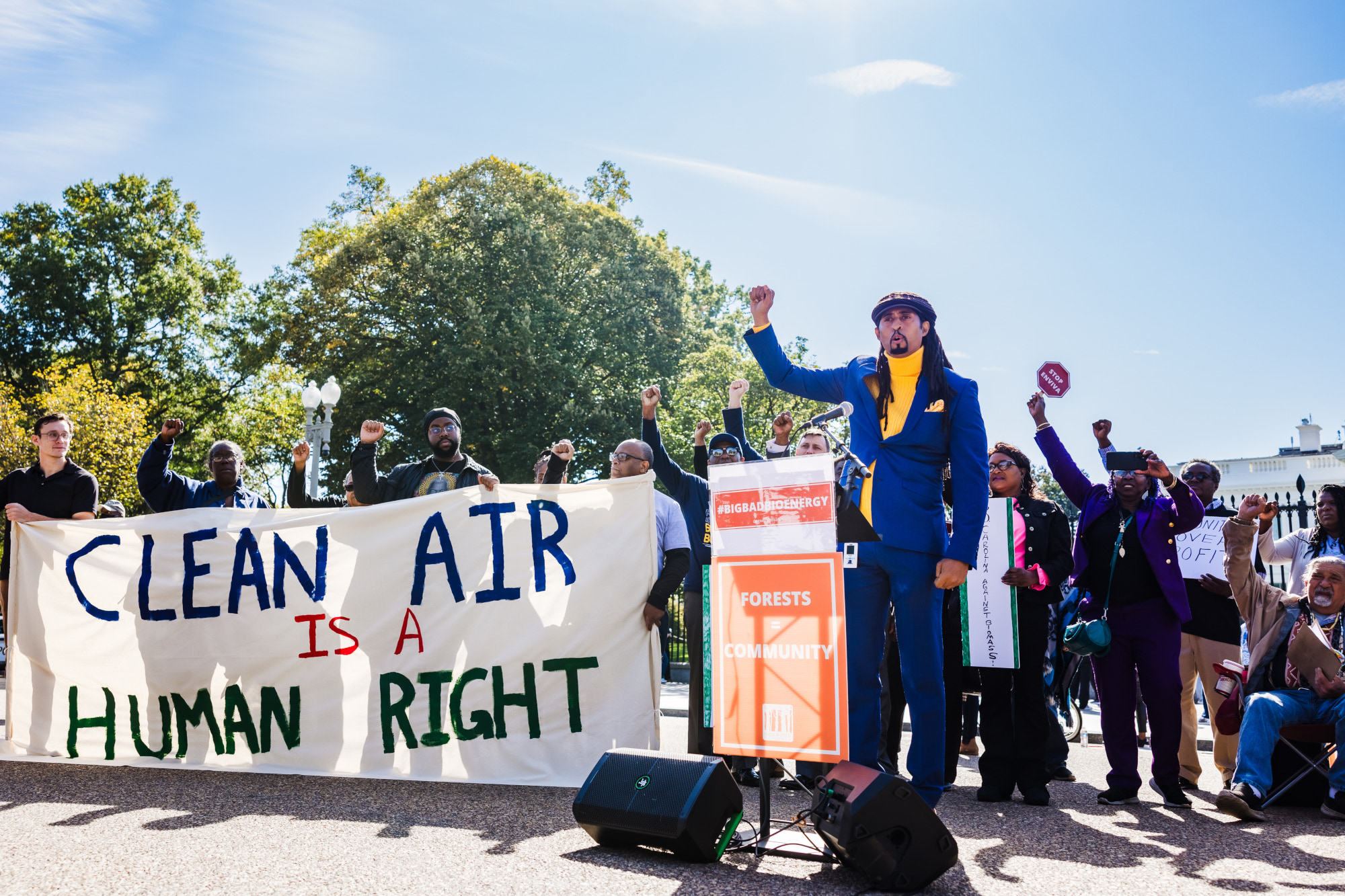
We can’t become overwhelmed and lose our will to resist. We must come together to fight climate change. Only together can we tackle these systemic problems.
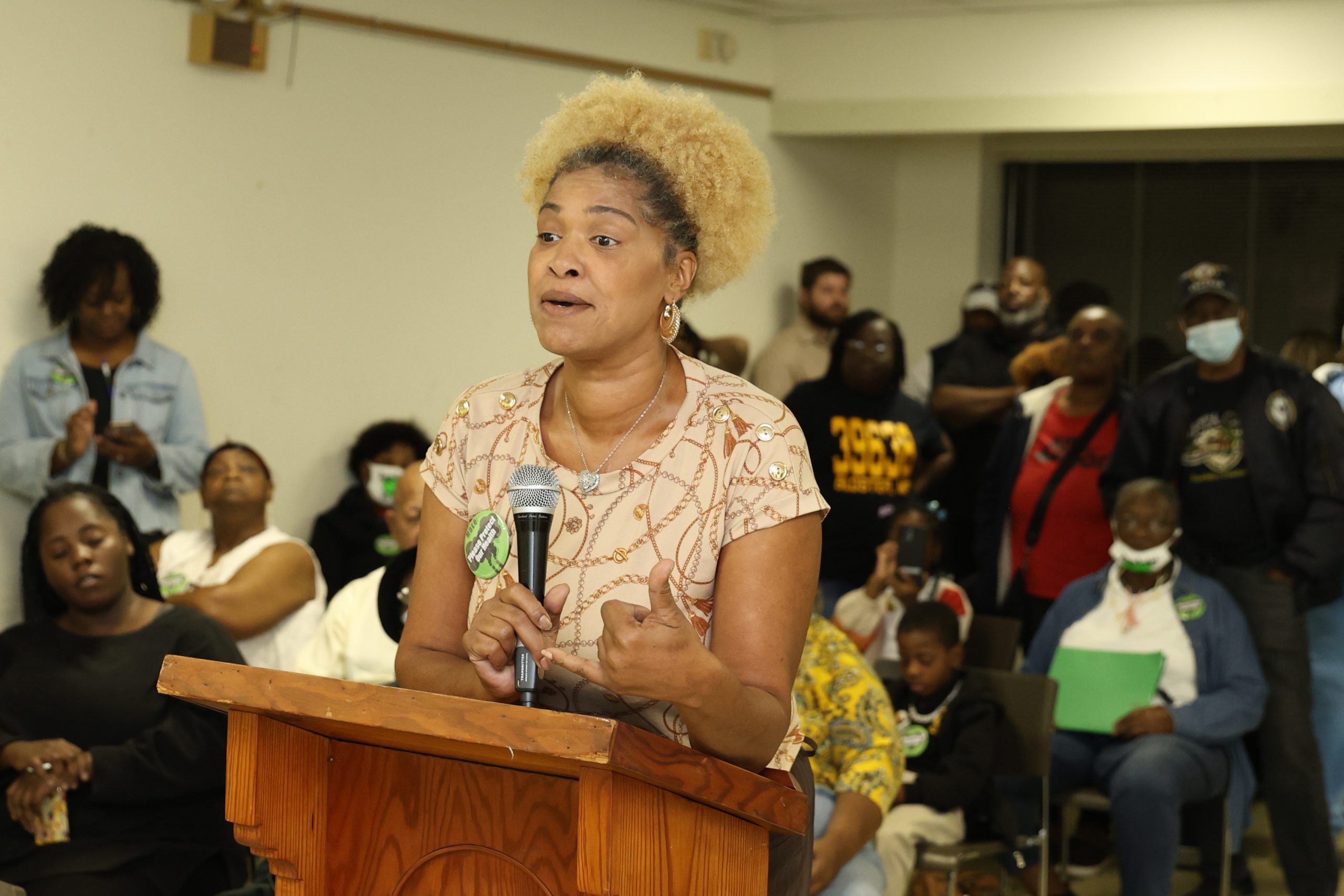

All these strategies can help break down barriers in our minds. It can be overwhelming to think about how to engage with big and complex issues. Things like climate, environmental, and racial justice can be larger than life. Yet, people are still caring and passionate about building a better world. We can shed our fears and reach for that hope together.


 Donate