


Just yesterday, the Dutch government came together to reject future subsidies for biomass.
This is nothing short of historic in the Netherlands. It sets an important precedent that will send shockwaves through the biomass industry.

In the Netherlands, public and political debate over biomass has been simmering for almost a decade. This quick turn in political events shows that it has boiled over.
But, as we know, biomass and “sustainable” are oxymorons, and the Dutch public has been calling out the industry’s false claims.
Politicians have ignored public outcry. In 2019, the Dutch government reserved an additional 11.4 billion euros to subsidize biomass. All this fueled the public outcry that has been growing.
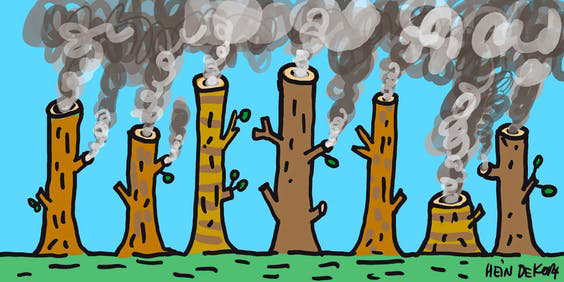
Dutch political cartoon lampooning biomass
Dutch activists and campaigners pushed their government to choose better sources of renewable energy and to leave our Southern forests alone.
A couple of years ago, insiders, experts, and even other NGO allies wrote us off. They claimed the Netherlands needed biomass in their clean energy plans to achieve their climate commitments. Together, Southerners, Dutch activists, and everyday people pushed back. We reminded the world that this was all industry greenwashing. We know that we can dispel greenwashing through organizing and dogged determination.
Everywhere you look, people are:
Enviva is the largest wood pellet manufacturer in the world and a major supplier to the Netherlands. The pressure is on for Enviva and the house-of-cards economy they built through forest destruction and community degradation.
This decision affirms the power of our social movement to create positive change. This movement continually brings us toward a safe, just, and thriving world. We must build on this victory. If it’s wrong to grant subsidies for future projects without a phaseout plan, then it’s wrong for any biomass subsidies. Period.
The powerful coalition of people and organizations in the Southern US and Netherlands are better positioned than ever before. Together we can make real renewable energy a top priority for the Netherlands government. Then we can all achieve meaningful progress on climate targets. We won’t rest until incentives shift away from dirty biomass and instead support standing forests and truly clean renewable energy.
FOR IMMEDIATE RELEASE – February, 18, 2021
Joint Statement from NAACP, EEECHO, Environmental Integrity Project, Southern Echo, Mississippi State Conference NAACP, Dogwood Alliance, and Cut Carbon Not Forests Coalition
Mississippi regulators have fined the Amite wood pellet production facility, owned by Drax, $2,500,000 for breaking environmental rules, the largest known penalty against such a facility in an industry rife with environmental violations. According to the final order from the Mississippi Department on Environmental Quality (MDEQ), Drax Amite has been exceeding volatile organic compound (VOC) limits for years. VOCs are precursors to ground level ozone and smog, which can impair lung function, trigger asthma attacks, and aggravate conditions of people with bronchitis and emphysema. Children, the elderly, and people with existing respiratory conditions are the most at risk from ozone pollution.
Drax Amite converts trees into wood pellets in order to ship them to the United Kingdom to be burned for electricity, subsidized under the mistaken notion that this is carbon neutral and good for the climate. This settlement highlights that Drax is a bad actor that not only harms forests, but also communities most vulnerable to industrial pollution and the impacts of a changing climate, according to environmental justice advocates.
“We are grateful for the state taking steps to penalize Drax for operating illegally, but it’s clear that no matter what, wood pellet production releases dangerous air pollutants that cause chronic respiratory and other health problems associated with higher covid-19 death rates. We deserve the right to breathe clean air,” says Kathy Egland of the NAACP. “MDEQ and state policymakers must immediately review its current permitting and enforcement procedures and end any state permits for pollution, starting with wood pellet producers like Drax.”
After attorneys from the Environmental Integrity Project (EIP) first identified these illegal emissions in 2017, Drax eventually conceded the facility emits three to four times the level of VOCs authorized. But not before attempting to hide their true emission levels. According to Patrick Anderson, an attorney for EIP, “Drax first tried to hide their unlawful emissions by submitting extremely dubious emissions test results that were more than 25 times below the true emissions rate.”
In recent years, the wood pellet industry has grown across the south, specifically targeting Alabama and Mississippi for expansion. In July of 2019, the largest wood pellet facility ever was permitted in Lucedale, MS, despite on-the-ground organizing efforts led by justice groups including the NAACP, Southern Echo, EEECHO (Education, Economics, Environmental, Climate, and Health Organization), and the MS Sierra Club. The expansion has gone unchecked while the negative impacts of wood pellets, such as this fine is illustrating, are well documented and shocking.
The Drax Amite wood pellet facility, located near lower-income communities, contributes to pollution both around the production facility and near the power-generating facility in the U.K., where the wood pellets eventually end up. Drax is western Europe’s biggest power station and is the world’s largest consumer of wood pellets– making it the single largest emitter of CO2 in the UK.
“It’s a relief to see Drax being held accountable for polluting the air in Mississippi, but these fines are a drop in the bucket compared to the 2 million per day the UK government hands the company in the form of biomass subsidies,” says Sasha Stashwick, from the Cut Carbon Not Forests Campaign, a coalition of US and UK NGOs. “Drax’s pollution violation makes it clear that dirty biomass subsidies going to the company in the UK must end now.”
In addition to the $2.5 million fine, MDEQ’s final order requires Drax Amite to install a new regenerative catalytic oxidizer to reduce emissions with a stipulated penalty of $80,000 for each month of continued operation as well as a production limit of 40,000 tons per month until the new control is installed.
Ruth Story from EEECHO, finds temporary relief in this settlement: “The biomass industry is nothing like the clean, sustainable answer to climate change it paints itself to be. In fact, it is a major source of air pollution.”
# # #
For further information, please reach out to:
Katherine Egland, +1 228-617-0891, NAACP
Ari Phillips, +1 505-629-6148, Environmental Integrity Project
Ruth Story, +1, 228-223-6885, EEECHO
Rachel Mayes, +1 601-214-3601, Southern Echo
Erniko Brown, +1 864-321-5150, Dogwood Alliance
Daniela Arellano, +1 424-268-6677, Cut Carbon Not Forests
Before the 1950s and 60s, we built the majority of products we produced and consumed to last. People returned glass milk bottles for sterilization and re-use. Restaurants offered ceramic plates and stainless-steel cutlery, and the plastic bag didn’t exist yet.
But since then, as technology progressed we have developed an ability to produce low-cost products en masse. This, alongside a growing culture of disposability, has given us mountains of waste, devastated landscapes, and a culture of “single-use”.
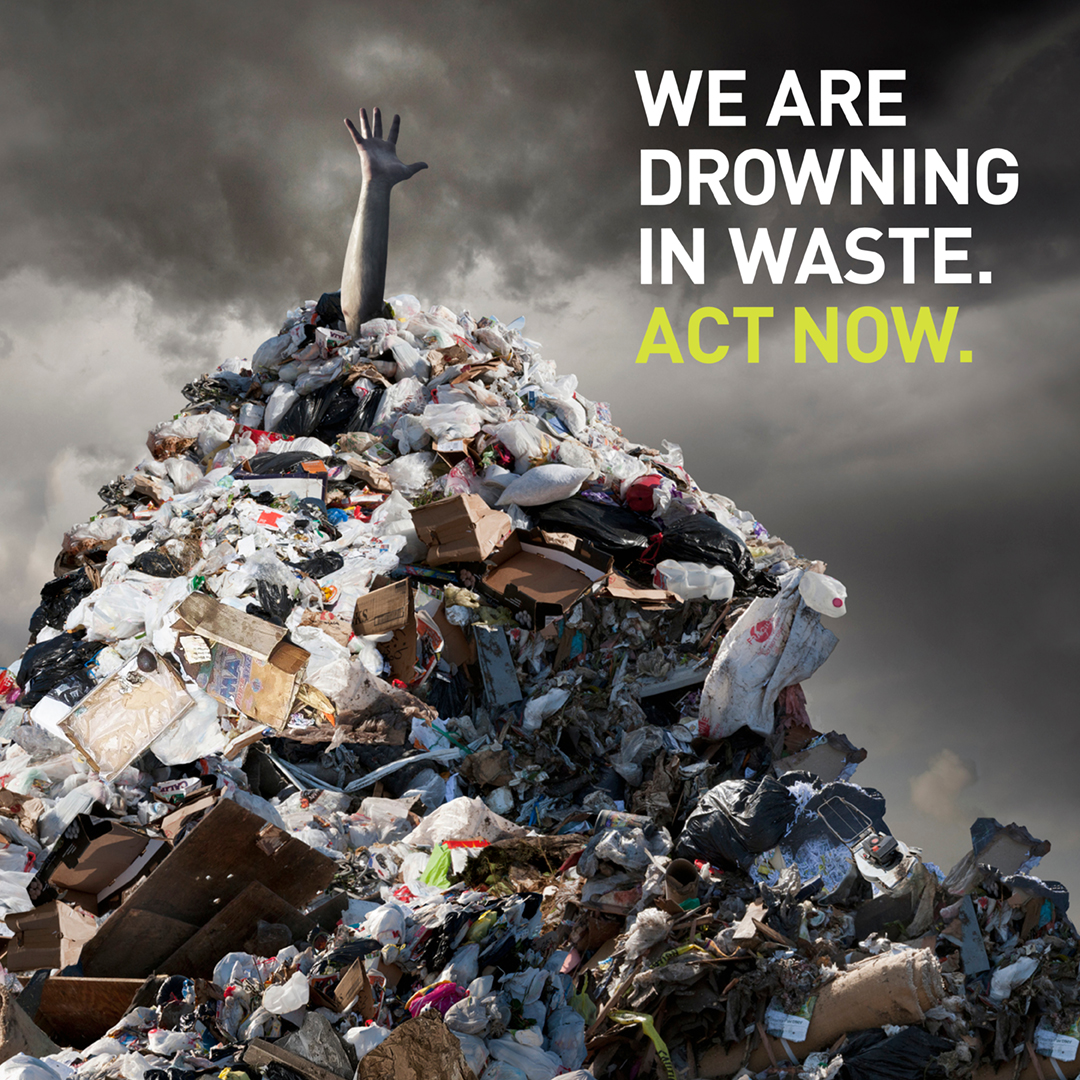
It may not be surprising that one of the main culprits is plastic. It litters our land and chokes our oceans. It can be found in quite literally every corner (and stomach) on this planet, even on Antarctica. Plastic is produced using fossil fuels and is responsible for 5% of greenhouse gas emissions globally. Its toxic nature causes harm to millions of living creatures, including humans. We’ve all seen the devastating images of entangled turtles and suffocated seabirds.
Whilst the plastics industry would like consumers to think that many plastic products are recyclable, less than 10% of all the plastics produced since the 1950s has actually been recycled with the rest incinerated, dumped in landfills, or left to pollute the environment.
There is now a growing awareness of the long-term destructive impacts of plastic and our need to “turn off the tap” on the production of plastic. As a result, several corporations and even governments have announced commitments to switch to alternatives, mainly paper.
That’s roughly an area the size of the United Kingdom. Many of these trees come from the world’s most endangered forests, which are home to Indigenous communities that depend on forests for their livelihood as well as countless threatened and endangered species. These forests are important carbon storehouses and vibrant, unique eco-systems that once displaced can never be replaced.
To do so, it’s imperative that we limit the number of trees that are used to make single use products and packaging.
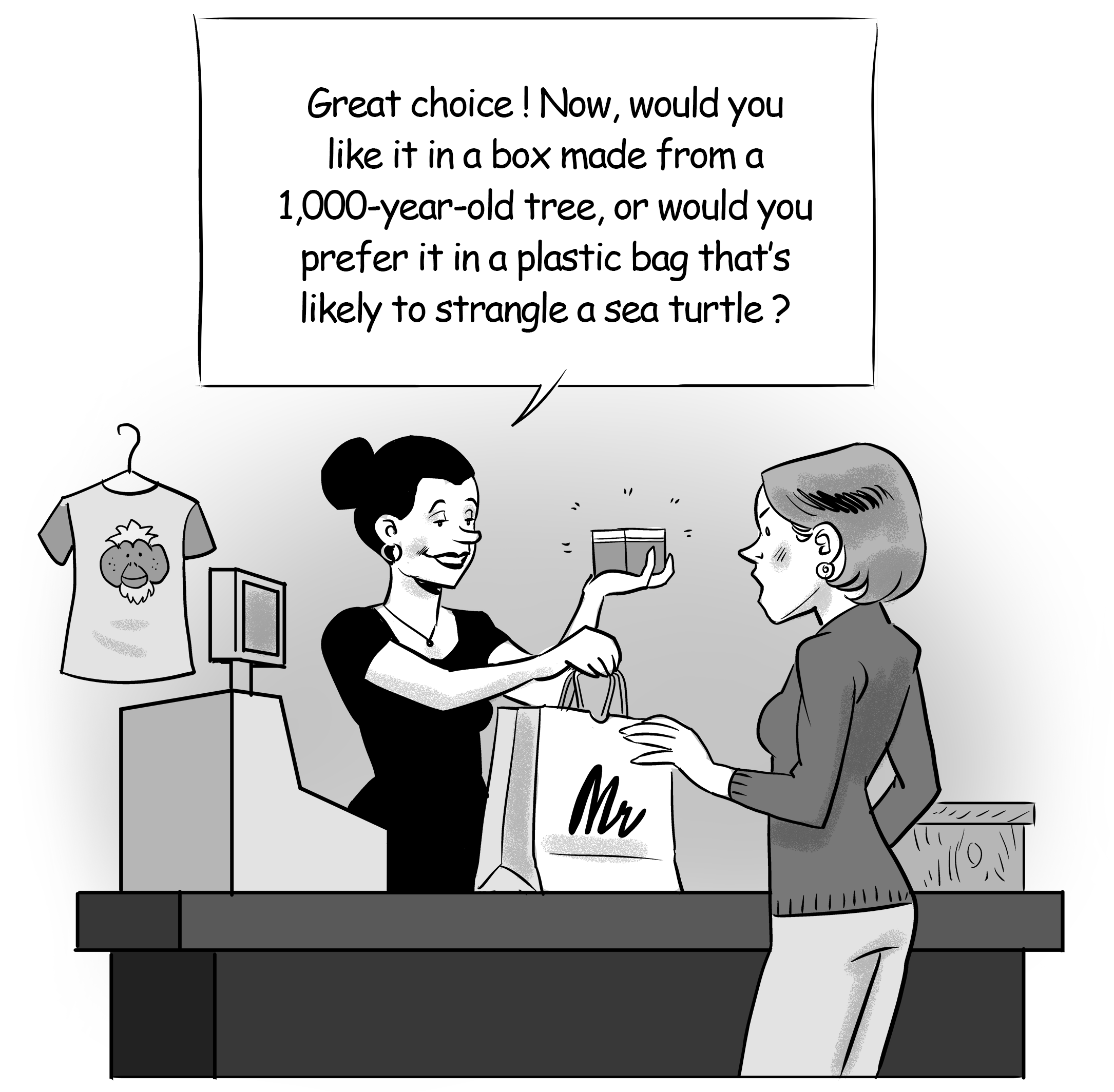
It’s ironic that in 1959, Swedish engineer Sten Gustaf Thulin invented the plastic bag as an alternative to paper bags, which were considered bad for the environment because of their contribution to forest loss.
We shouldn’t have to choose between paper or plastic at all, especially when we have readily available alternatives. It’s time to halt our reliance on single-use products altogether.
Dogwood Alliance, along with these organizations, is calling on governments, businesses, investors, non-profits, and civil society to reject single-use products in favor of reusable, recyclable, and compostable ones made with the lowest possible environmental and social footprint.
Most importantly, we must work collaboratively to enable transformative action on single-use items. To do so will reap far-reaching benefits for both ourselves and our natural world.
For Immediate Release: February 17, 2021 – As government representatives from 193 member states prepare to discuss “Strengthening Actions for Nature”[1], 188 environmental groups from around the world are calling on them to change the systems that support production of polluting single use products.
The environmental groups today issued a joint position paper “From Single Use to Systems Change”, to highlight the massive impact that disposable products are having on the natural environment, wildlife, human health, and vulnerable communities.
Single use products, from packaging to food containers, to disposable cups and cutlery, are a key contributor to the 2 billion tonnes of waste that humans produce every year. That number is projected to increase 70% by 2050.
“We’re depleting the very life support systems that we all need to survive, simply for the supposed convenience of single-use products,” said Tamara Stark, Campaigns Director of Canopy, one of the authoring organizations of the joint position paper. “Doing away with disposables will not only reduce waste but help address climate change, protect forests, and stop microplastics from poisoning marine life.”
The paper points to specific actions to be taken by governments, business leaders, financial institutions and investors, in order to transform production systems, reduce the overall use of raw materials and consumption, and spur innovation. Whilst actions by individuals also play a part, the NGOs say that more responsibility resides with decision-makers and those designing and approving the systems themselves.
“Too often, it is the most vulnerable people in our societies that bear the brunt of these polluting products – which contaminate local food supplies, clog landfills, and poison water and soil with toxic chemicals,” said Von Hernandez, Global Coordinator of the global Break Free From Plastic movement. “It’s high time that we make corporations and industries that are driving global pollution and the climate crisis accountable for their actions. We need to see radical change in how products are delivered to people, without the use of harmful and polluting packaging.”
“Paper versus plastic has always been a false choice. From the perspective of paper it means more forests logged, destruction of our best defense against climate change, and more pollution for the frontline communities where paper mills are sited,” said Scot Quaranda, Communications Director for Dogwood Alliance. “After watching our environmental safeguards decimated over the last several years in the U.S., it is high time we and other industrialized nations take the lead on shifting to more sustainable production methods and products.”
The Environmental Paper Network is another key advocate for a shift away from single use products and systems, and have this week launched the new website SolvingPackaging.org to help companies, lawmakers, advocates, and individuals ditch disposables and embrace sustainable packaging solutions.
The joint paper From Single Use to Systems Change can be found here www.canopyplanet.org/single-use-to-systems-changeFor more information please contact:
Laura Repas, Communications and Marketing Specialist, Canopy, [email protected] +1 416 729 7484
Estelle Eonnet, Communications Officer Europe, Break Free From Plastic, [email protected] +33 6 13136527
Scot Quaranda, Communications Director, Dogwood Alliance, [email protected], +1.828.242.3596
Canopy is a solutions-driven not-for-profit environmental organization dedicated to protecting forests, species and climate. Canopy has worked with over 750 companies to guide them to more sustainable practices. Canopy’s partners include H&M, Sprint, Target, Amazon, Penguin Random House, Zara, TC Transcontinental, and Scholastic. www.canopyplanet.orgBreak Free From Plastic is a global movement envisioning a future free from plastic pollution. Since its launch in September 2016, over 11,000 non-governmental organizations and individuals from across the world have joined the movement to demand massive reductions in single use plastics and to push for lasting solutions to the plastic pollution crisis. www.breakfreefromplastic.orgDogwood Alliance advances environmental justice and climate action by mobilizing diverse voices to protect Southern forests and communities from industrial logging. This year they are celebrating their 25th anniversary. Learn more at www.dogwoodalliance.org or on Twitter – @DogwoodAlliance[1] The United Nations Environment Assembly 5 has adopted the theme of “Strengthening Actions for Nature to Achieve the Sustainable Development Goals. According to the United Nations own report Global Biodiversity Outlook 5. None of the signatories to the Aichi Biodiversity targets have achieved even one of the 20 goals they committed to, two decades ago.
This is a guest post by Jason Williams of stormsafety.org, a website dedicated to providing information to help people be prepared for storms. The views and opinions expressed are those of the author and do not imply endorsement by Dogwood Alliance.

Image via Pexels
Nature-deficit disorder (NDD) is a term created by journalist and Audubon Medal recipient Richard Louv and was first introduced in his best-selling book, Last Child in the Woods: Saving Our Children from Nature-Deficit Disorder. It describes the issue of children not spending enough time in the natural world and being disconnected from nature, which leads to issues including stunted emotional development, being more prone to illness, and a host of other problems. It’s important to note that while NDD is not a medical condition, it’s a recognized problem that’s been discussed in countless outlets, including the New York Times, the University of California at Berkeley’s Greater Good Magazine, and National Geographic.
NDD is a problem that affects children and adults alike, especially as we spend more time on our mobile devices and less time in nature. By spending more time outdoors and less of our lives on tech devices, however, we can reverse the negative effects of NDD or prevent it from becoming a problem in the first place. To help families combat NDD, Dogwood Alliance invites you to consider the following resources!
The best way to encourage outdoor activity is to come up with ways to spend time outside together.
Take a Family RV TripGo Mountain BikingFind a Local Hiking TrailEnjoy a Night of StargazingStart or Participate in an Urban or Community GardenGo GeocachingSnowshoe Through a Park or TrailVisit a Botanical GardenVisit an Archery Range
When the family is home-bound, consider different ways to explore the great outdoors if you have a backyard.
Make Your Own Backyard ZiplineCreate an Outdoor Reading Nook Your Kids will LoveBuild a Sunflower House as a FamilyCreate a Backyard Dragonfly GardenSet Up a Few Lawn GamesCamp Out in Your BackyardLearn How to Observe WildlifeEncourage Outdoor Play in the Winter
By enhancing your backyard or setting off on a family-friendly adventure, you’ll help your children to develop an appreciation for the outdoors—while also protecting them from nature-deficit disorder. It’s never too late to overcome NDD, but it’s best to teach your kids to appreciate nature as early in their lives as possible.
On January 27th President Biden signed a series of Executive Orders on Climate Change. One was an Executive Order to protect 30% of US lands by 2030. Another was on Environmental Justice, directing all federal agencies to invest in “low income and communities of color”. This includes Black, Indigenous, and Latinx communities that have borne the brunt of pollution impacts.
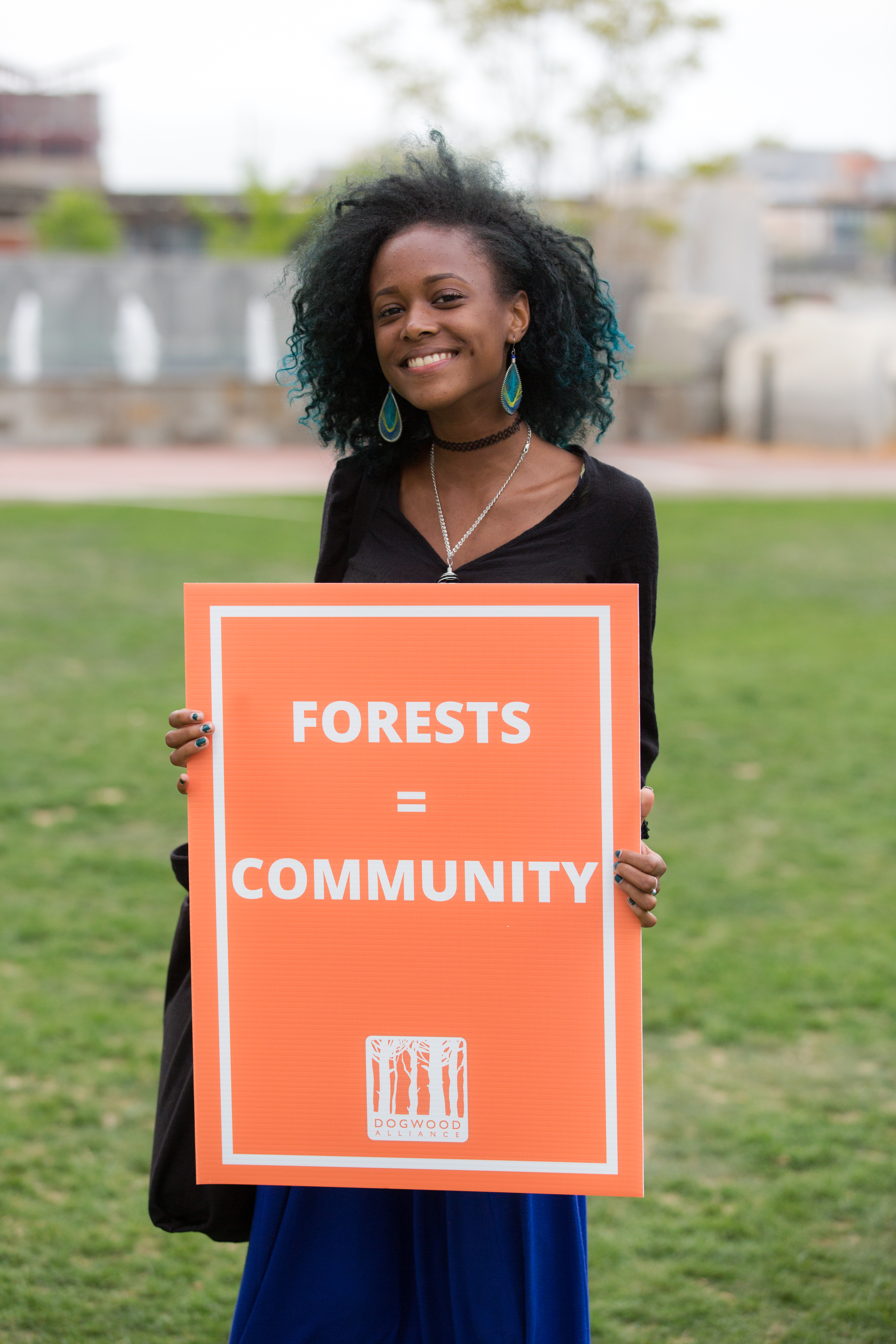
Standing forests are vital to solving the climate crisis, providing natural flood control, and ensuring fresh, clean drinking water. Yet, the South is at the forefront of global wood production. Low income, communities of color across the rural Southern Black Belt are at the epicenter of our region’s industrial logging and wood production. They are also on the frontlines of climate change, having suffered devastating impacts from the extreme flooding of the past five years.
Reverend Leo Woodberry and I wrote a piece taking a deep dive on what the Biden administration can do to protect forests and address environmental injustice in the Southern US.
(Be sure to follow me on Medium while you’re there.)
Our key recommendations to ensure the Biden Administration acts to protect land and address these long-standing inequities are to commit to the following:
Dogwood Alliance works at the intersection of forest protection, climate change, and environmental justice. We believe that now is the time to address these long-standing crises. We’ll continue to work at the Federal level to ensure that our standing forests, local communities, and climate gain the protection and wins that they deserve.
Dogwood Alliance Statement on Michael Regan EPA confirmation hearings
This afternoon, the Senate Committee on Environment and Public Works will hold confirmation hearings for North Carolina Secretary of the Department of Environmental Quality (DEQ), Michael Regan, to lead the Biden Administration’s Environmental Protection Agency (EPA).
Regan has headed the NC DEQ since 2017. On the bright side, Regan played a lead role in the development of the state’s Clean Energy Plan pursuant to Governor Roy Cooper’s Executive Order on Climate Change. This work led to the state rejecting biomass energy as a false solution to climate change.
The plan states,
“Currently, the wood pellet industry does not contribute to NC’s energy generation portfolio and does not advance NC’s clean energy economy. The wood pellets harvested from NC increase the state’s carbon output during logging, processing, and transportation and are burned for fuel elsewhere, mostly Europe. There are currently no known plans for the industry to become a contributor to NC’s energy sector in the coming years.”
Regan also created the Environmental Justice and Equity Board. In Regan’s own words,
“Together we will protect our natural resources, our economic interests, and our communities so that ALL North Carolinians will have clean air and clean water for today, tomorrow, and future generations to come.”
Unfortunately, sufficient agency action did not back up these statements. Against a backdrop of strong local community and state-wide opposition, two new wood pellet facilities permitted and three more permits for expansions were issued during his tenure, with irreversible climate, forest, and human health impacts, all of which disproportionately affect low income, rural communities of color.
Under Regan’s leadership, the wood pellet industry has rapidly expanded in our state. Over 60,000 acres are clearcut every year in the state for wood pellets. The resulting loss of forested wetlands and the increase in monoculture pine plantations pose a serious threat to our state’s resiliency to climate change. The forest products industry, including wood pellet production, is the third largest carbon emitter in the state, barely behind electricity and transportation. And every single wood pellet facility built in the state were sited in environmental justice-designated communities, increasing air pollution risks to local residents.
We hope that if he is confirmed, he will say no to biomass as part of federal renewable criteria, put frontline communities at the forefront of regulatory decision-making, and stand up to industrial polluters that hope to continue destroying our forests to boost shareholder value.
We believe there are four pathways that Regan should aggressively follow in order to achieve this:
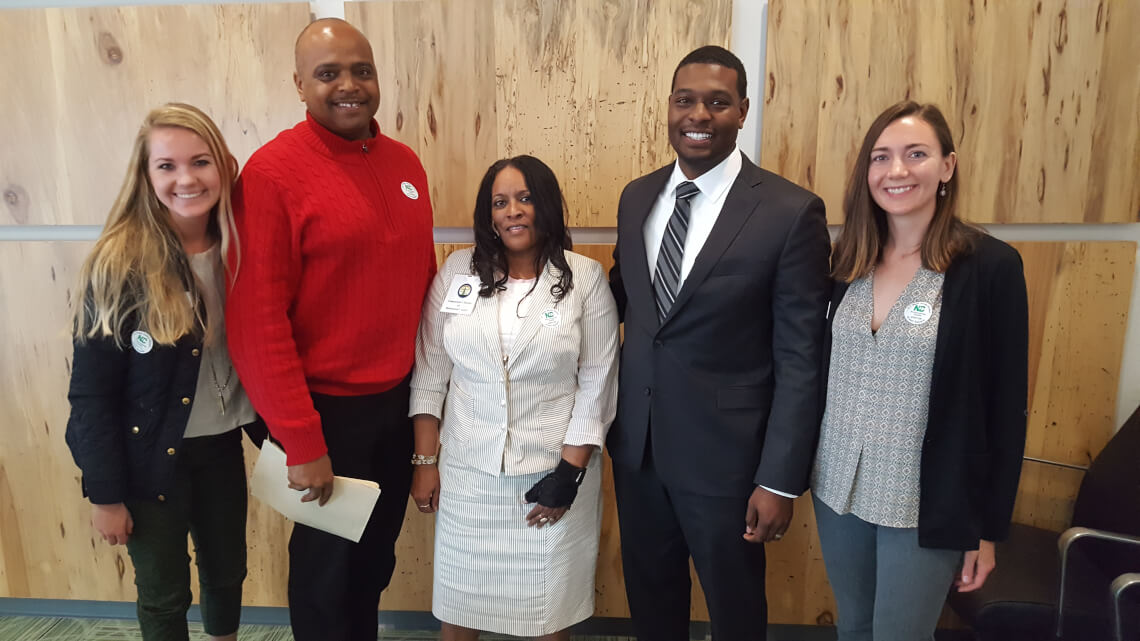
Dogwood Alliance, BREDL, and Concerned Citizens of Richmond County meet with Secretary Regan to discuss the negative impact of wood pellet mills on communities, forests, and climate.
This World Wetlands Day we’re celebrating and bringing attention to wetlands as a source of freshwater. We’re also encouraging actions to restore, protect, and stop their loss.

The contribution of wetlands to the quantity and quality of freshwater on our planet is more important than ever. 180 million people in over 68,000 communities rely on forested lands and wetland forests to capture and filter their drinking water. Major US cities that may seem distant from forests actually rely on water from forest agency lands. For example, Atlanta receives a significant portion of its water supply from national forests/wetland forests.
Wetlands support our social and economic development through multiple services:
Wetland and wetland forests are homes to rare, endemic species. Wetlands removes pollutants from water. Wetlands will play an ever-increasing role in the recreation and tourism industries, which brings jobs and economic prosperity to communities around this vital ecosystem.
Furthermore, wetlands are a key player in helping us regulate our climate and the impacts of climate change by absorbing carbon from the atmosphere.
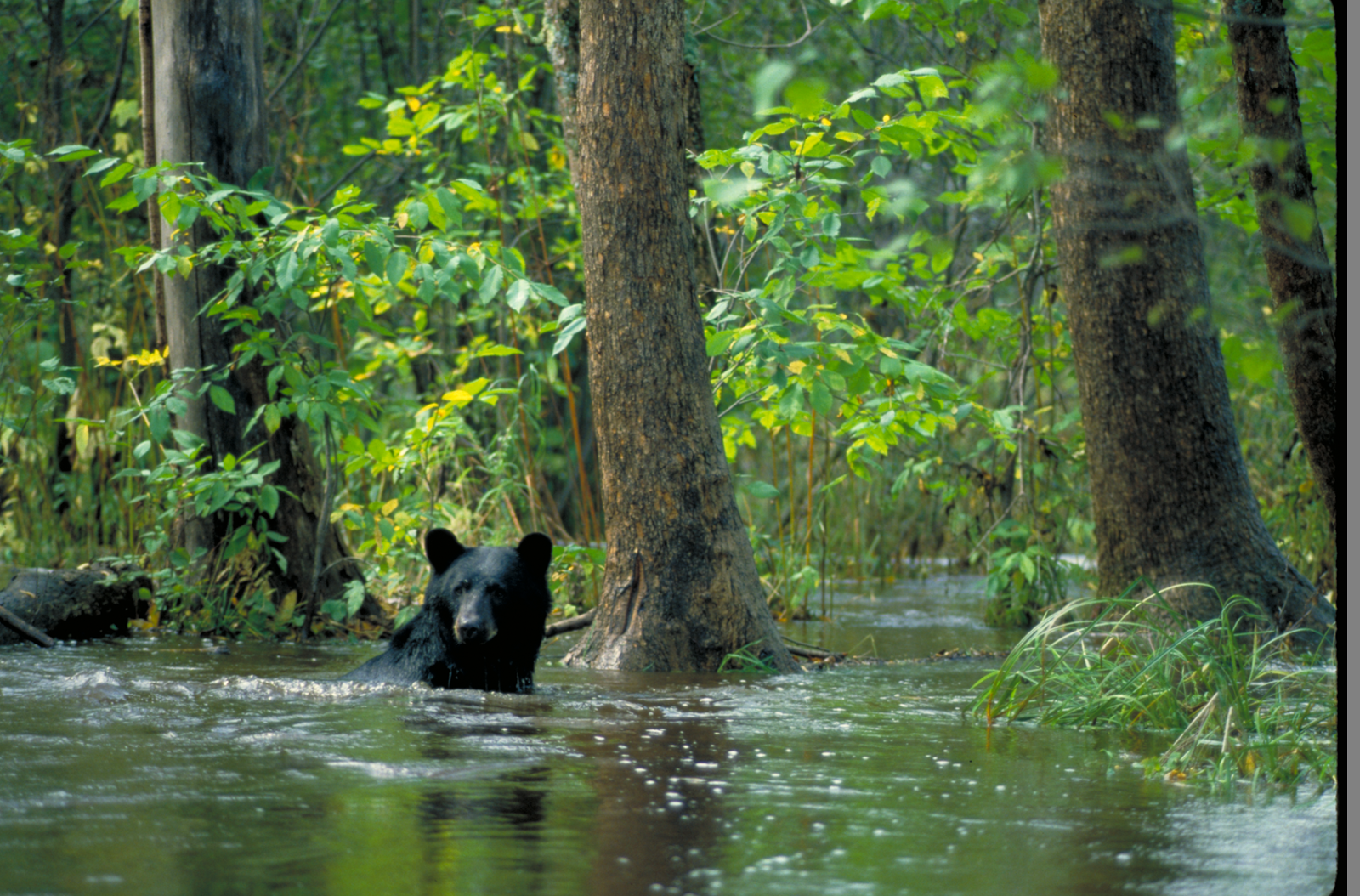
Wetlands keep us safe, protecting us from floods and storms. Each acre of wetland absorbs up to 1.5 million gallons of floodwater.
We use more freshwater than nature can replenish, and we are destroying wetlands, precious ecosystems that water and all life depend on.
Only 2.5% of water on Earth is freshwater, and less than 1% is usable. We must protect rivers, lakes, and swamps as essential surface water sources and key elements to our survival.

Tell your leaders about how much you care and urge them to preserve wetlands and wetland forests.
Urge your Congress members to protect wetland forests and the communities that depend on them!
The Okefenokee National Wildlife Refuge, is one of the nation’s most important wetlands. Last year, Dogwood supporters joined over 60,000 concerned citizens to take action, calling on the Army Corps of Engineers to deny Twin Pines a permit to mine deep into the ridge that retains the waters of the refuge. After changes the previous presidential administration made to the rules governing the waters of the US, the company has even less oversight now, offers NO assurances that their mining operations will protect the swamp from permanent damage, and makes no claims to protect the interests of the people who depend on it for recreation and economic opportunity. Take action: Tell Georgia’s governor to protect the Okefenokee Swamp.
Do you want to learn more and raise awareness about the vital role of wetlands, clean water, people, and the planet?
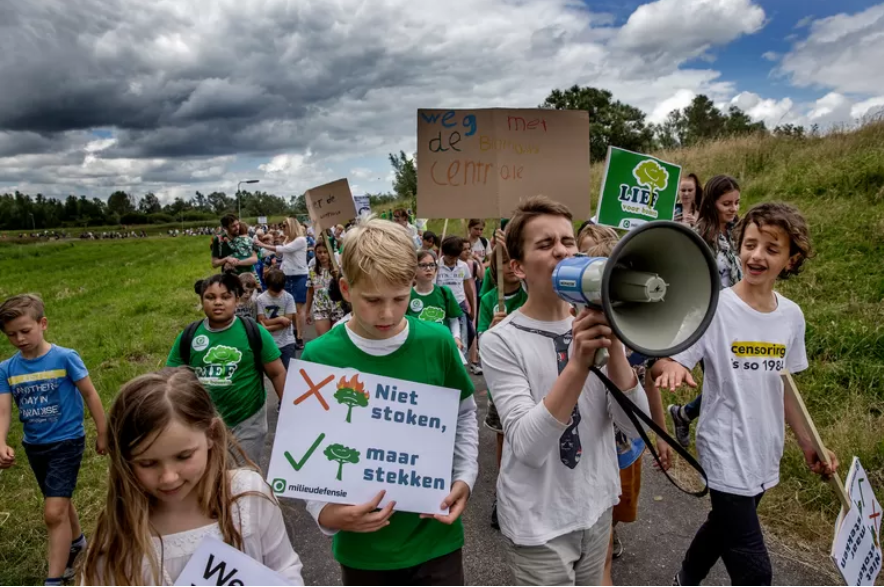
The biomass debate in the Netherlands continues to burn hot. For over two years, people have organized and protested against the country’s largest proposed biomass combustion plant slated to be built in Diemen, a small town just north of Amsterdam. Vattenfall, the Swedish energy company behind the project, is feverishly trying to show their business practices are “sustainable.” However, it’s fairly obvious that the public is not fooled: two major political parties do not support biomass, 800 scientists sent a letter to the EU commission, and even hundreds of children marched against Vattenfall Diemen last year.
The solution to replacing coal is not to burn forests. The solution is to replace fossil fuels with low carbon sources, such as solar and wind. However, the Netherlands sets aside 14 billion Euros in subsidies for biomass plants and these incentives continue to fund the business practices of wood pellet producers like Enviva in the Southern United States. Enviva is reliant on “renewable energy” subsidies, even though there’s nothing clean nor green about burning wood pellets. Companies like Enviva and Vattenfall harm communities, forests, and the climate.
A five day “Stop Vattenfall” tour against biomass will starts this February in the Netherlands. A moving billboard bus will make its way throughout the Netherlands. The tour will culminate in a court hearing against Vattenfall. Bringing forth this case are Clean Air Committee, Mobilization on the Environment, and Dutch Society for Nature Conservation. The hearing will occur along with a national demonstration against biomass power plants in Haarlem.
Vattenfall could be the first energy company to turn against the combustion of biomass. They could request the province of Noord-Holland immediately withdraw granted permits. If not, Vattenfall could face a customer boycott in favor of one of the five clean-energy suppliers. Vattenfall needs 200,000 tons of imported pellets needed every year. That demand threatens over 3,600 football-field’s-worth-of-forests every year.
We need your help. Dogwood Alliance unites with Netherlands organizations to pressure Dutch parliament because our forests are cut down to fuel biomass energy in the Netherlands.
North Carolina’s destructive wood pellet energy industry expanded rapidly during Governor Cooper’s first term in office.
The Cooper Administration approved the construction of 2 new wood pellet facilities and the massive expansion of 3 existing wood pellet facilities. The biomass industry is having a huge and unaccounted for impact on North Carolina’s forests, our climate, and the well-being of North Carolina residents. Yet the rapid expansion of this industry continues without any meaningful public or policy discourse.
Biomass makes us more vulnerable to climate change effects, like floods and hurricanes. Our elected officials must reject any growth of the biomass industry in our state.
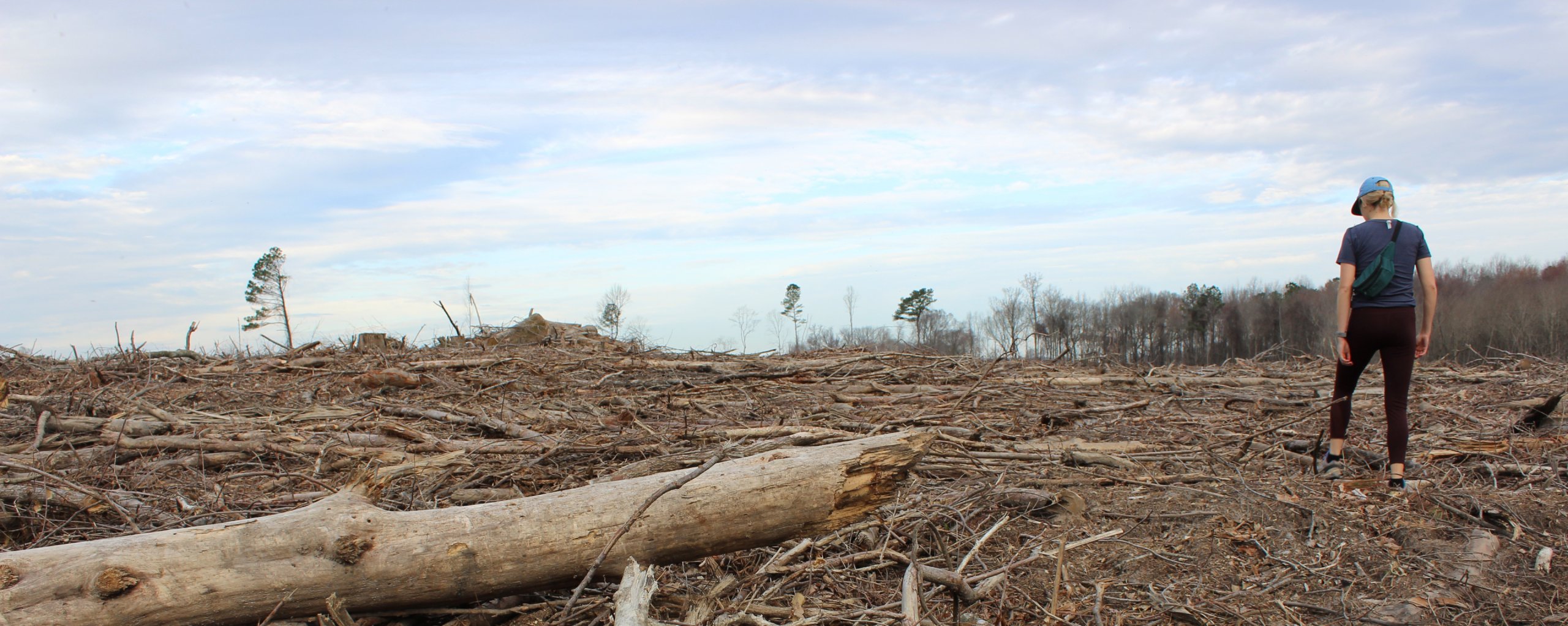
Dogwood Alliance’s Rita Frost stands in a North Carolina clearcut linked to an Enviva harvest.


 Donate