


Investing in nature can be the smartest investment we can make to preserve our land, waters, and communities. Why? Because investing in wetlands and other natural systems and green infrastructure will significantly reduce the impacts of flooding, storms, and wildfires.
In 2016, two of the five most expensive natural disasters in the world were due to storms that caused severe flooding in the rural Southeastern United States. Last year, Hurricane Florence caused devastating flooding along rivers in some of the most heavily logged areas of our state. And most recently, Hurricane Dorian caused serious destruction on its path.

The country suffered more than $300 billion in damages primarily due to hurricanes, severe storms, and wildfires (Mark Terce-Forbes.com). And this is just the beginning of spending our money in recovery efforts when the solution is right in front of us.
In the wake of continued hurricanes, it is more important than ever to invest in nature to protect communities from the damage wrought by these intense storms. Natural forests and wetlands absorb floodwaters and slow them down, buffering communities from flooding and reducing costly property damage.
Protection from extreme events generates over $150 billion dollars in ecosystem service value.
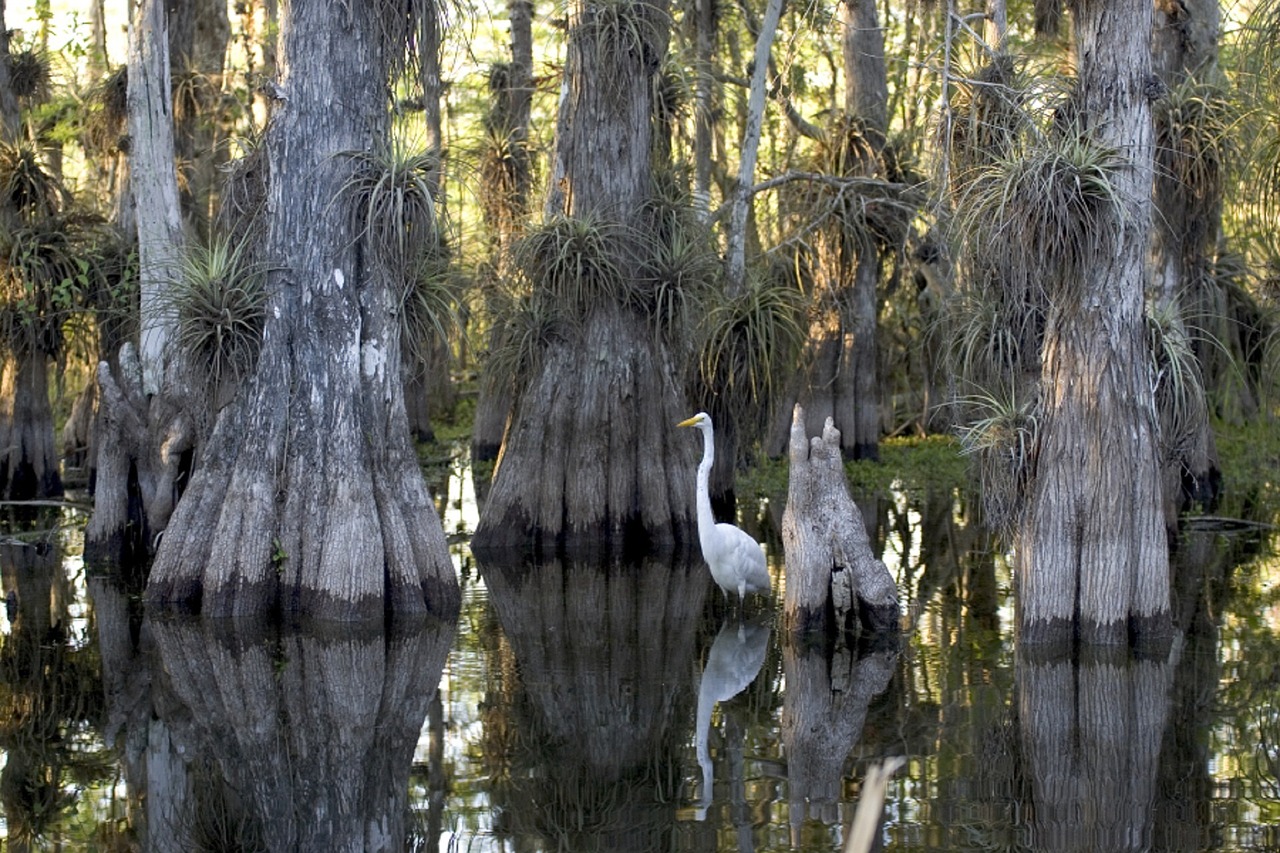
When we invest in extractive economies (like the wood pellet industry) versus non-extractive economies (like preserving our wetland forests), what is the outcome we can expect? What will our future look like?
The wood pellet industry is accelerating wetland and forest destruction in some of our most valuable ecosystems. For example, Enviva, the largeset wood pellet manufacturer, sources whole trees from the Mid-Atlantic Coastal Ecoregion, which are ecologically important, sensitive ecosystems and critical for flood control and water filtration. Furthermore, Enviva is clearcutting wetland forests along the rivers in eastern North Carolina, weakening our natural flood control system at a time when our communities need it the most.
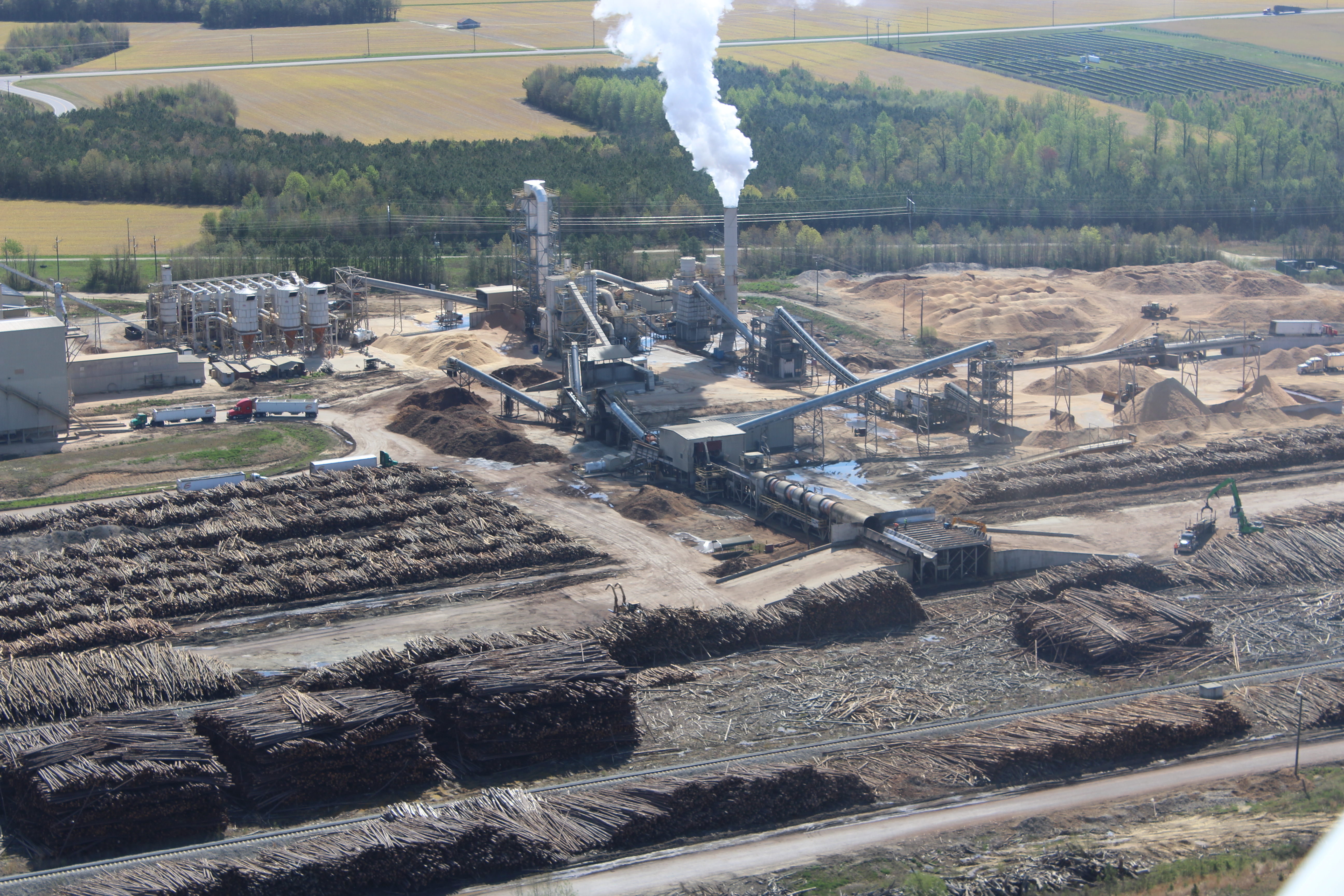
At a time when we should be scaling up the protection of forests along our rivers for their ability to lessen the blow of extreme floods, cutting and burning our forests releases carbon into the atmosphere and is dangerous and irresponsible.
Unfortunately, that isn’t the case.
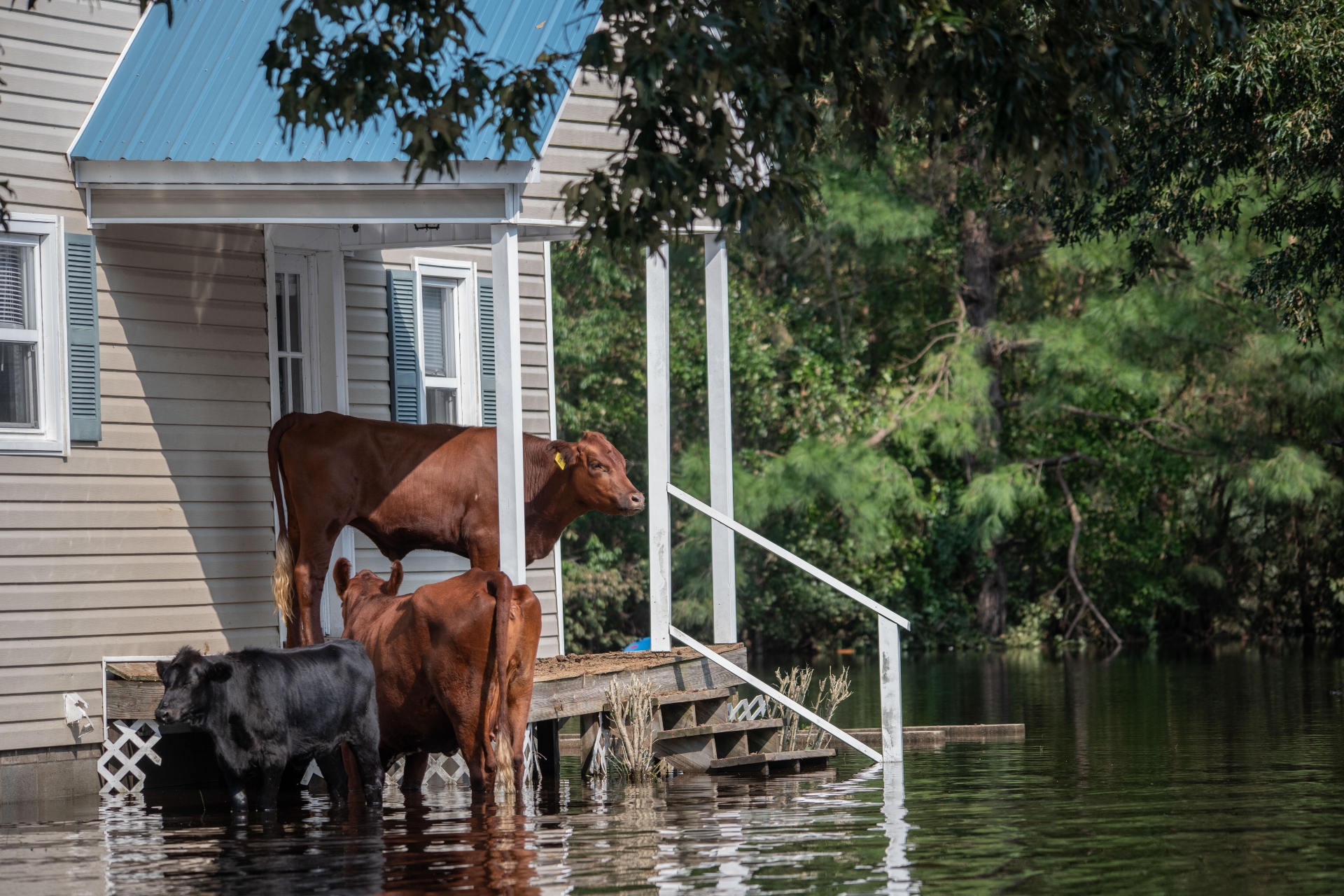
Our communities, our homes, our peace of mind, our security, valuable ecosystems that are hubs of biodiversity, outdoor recreation, clean water, and much more.
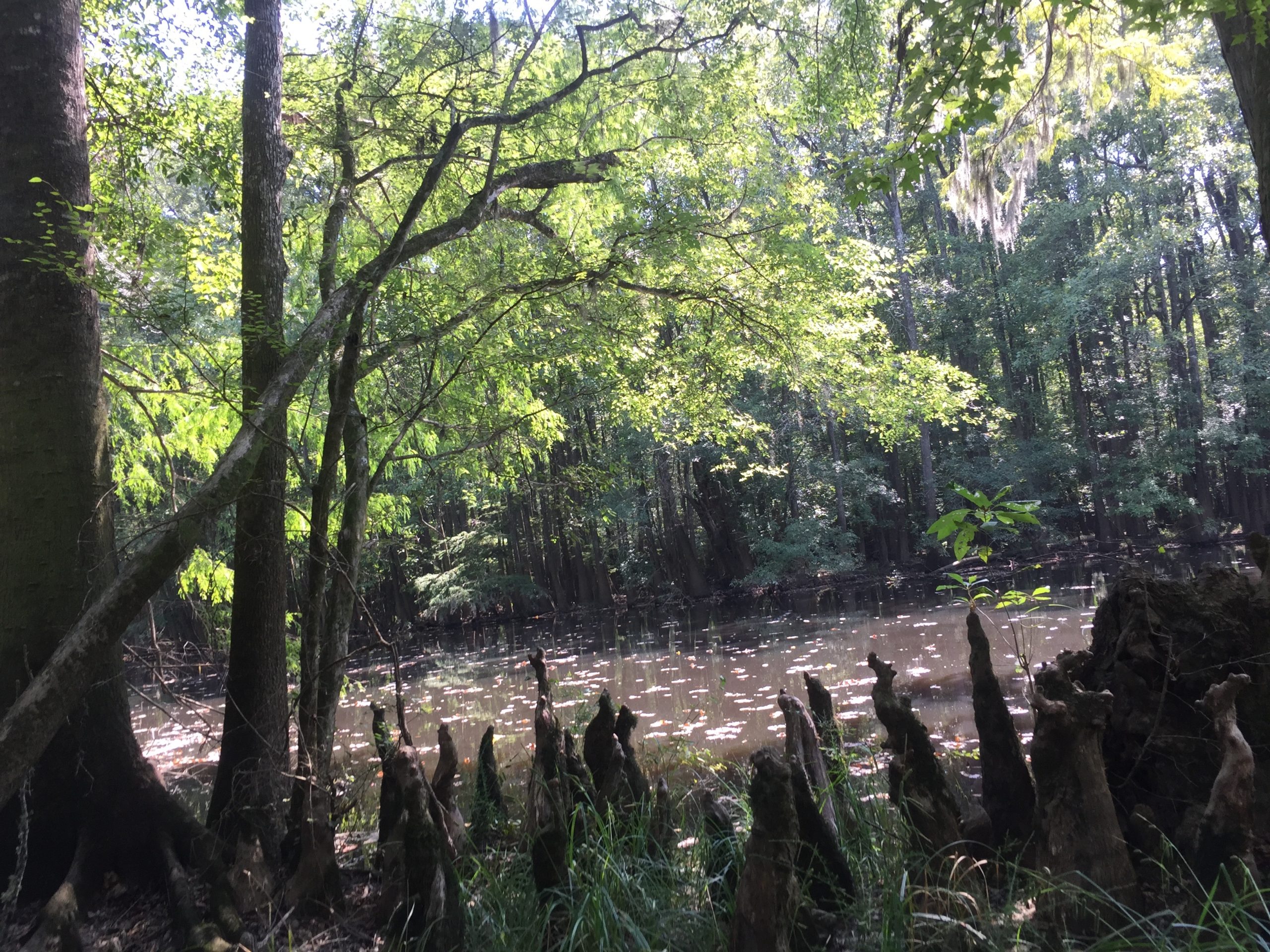
Protection from extreme events, water filtration and waste treatment, recreation, tourism, and aesthetics, food and pollination services, climate regulation, and raw materials.
A biodiverse ecosystem is a safety net to our communities in times of climate shocks and natural disasters. It turns out, what’s good for bears, is also good for us humans.
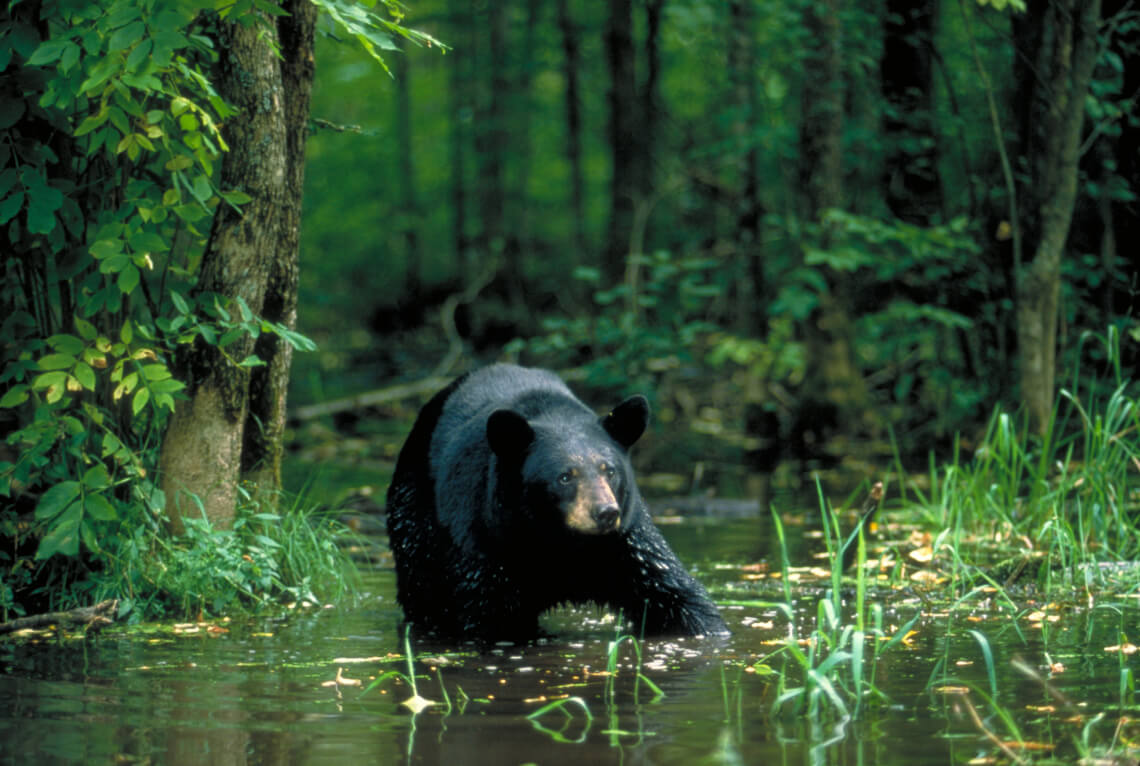
We have to face the reality that we must transition to a non-extractive economy in this time of climate crisis. The loss of natural forests due to the wood and biomass industry and the loss of carbon resulting from conversion to pine plantations are putting us at risk.
New investments in wetland forest protection and restoration can drive business innovation and create new opportunities for rural communities.
The City of Conway, SC added 152 acres of riverfront property to its corridor, conserving land in an effort to mitigate future flood risks.
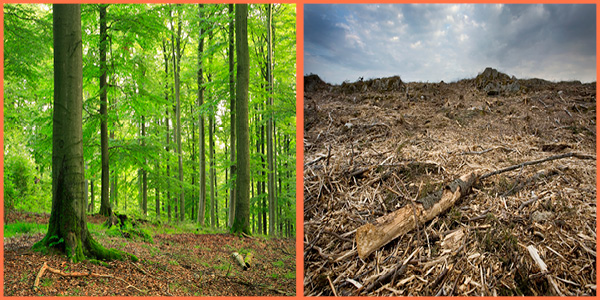
Forests give us so many reasons to celebrate. They supply us with clean air and water, offer shade and peace on a hot summer day, and they provide habitat for a vast variety of species of plants and animals.
Forests are also a critical climate solution, storing enormous amounts of carbon in their trees and soils and buffering communities from climate impacts like flooding and storms. But our forests are being destroyed and degraded at an alarming rate — and even shipped overseas to be burned for electricity.
Now, our new report with Center for Sustainable Economy puts a spotlight on North Carolina and tells the story of just how big of a climate catastrophe logging is in the state. We hope to replicate this research for all of the states in the US South, where logging rates are some of the highest in the country.
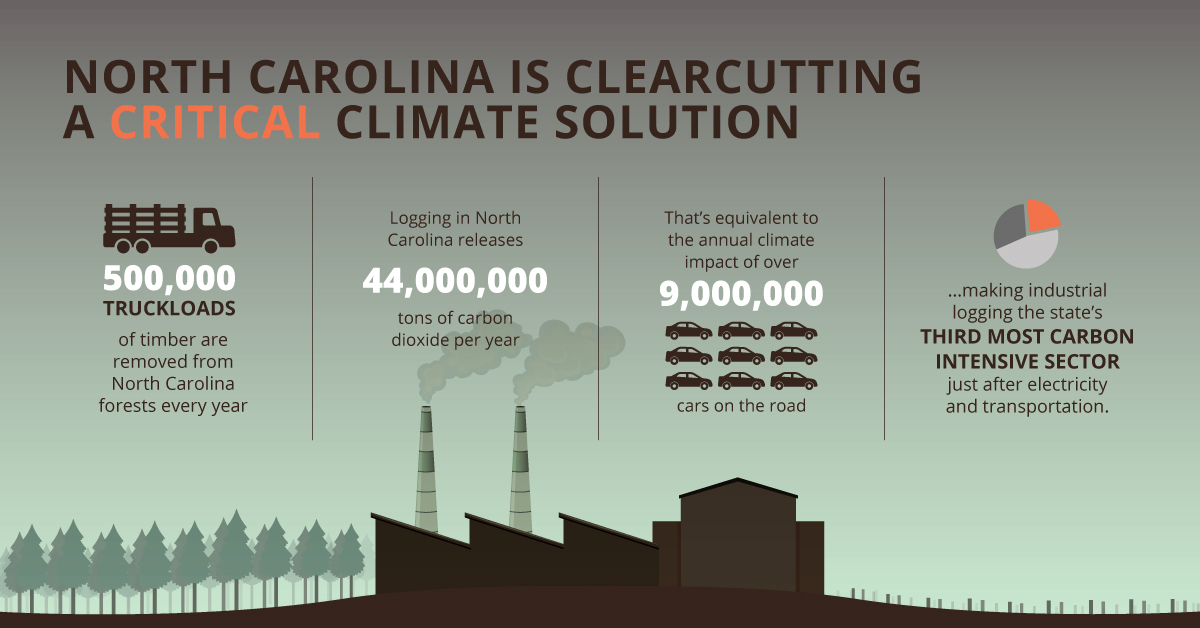
Key findings from the report include:
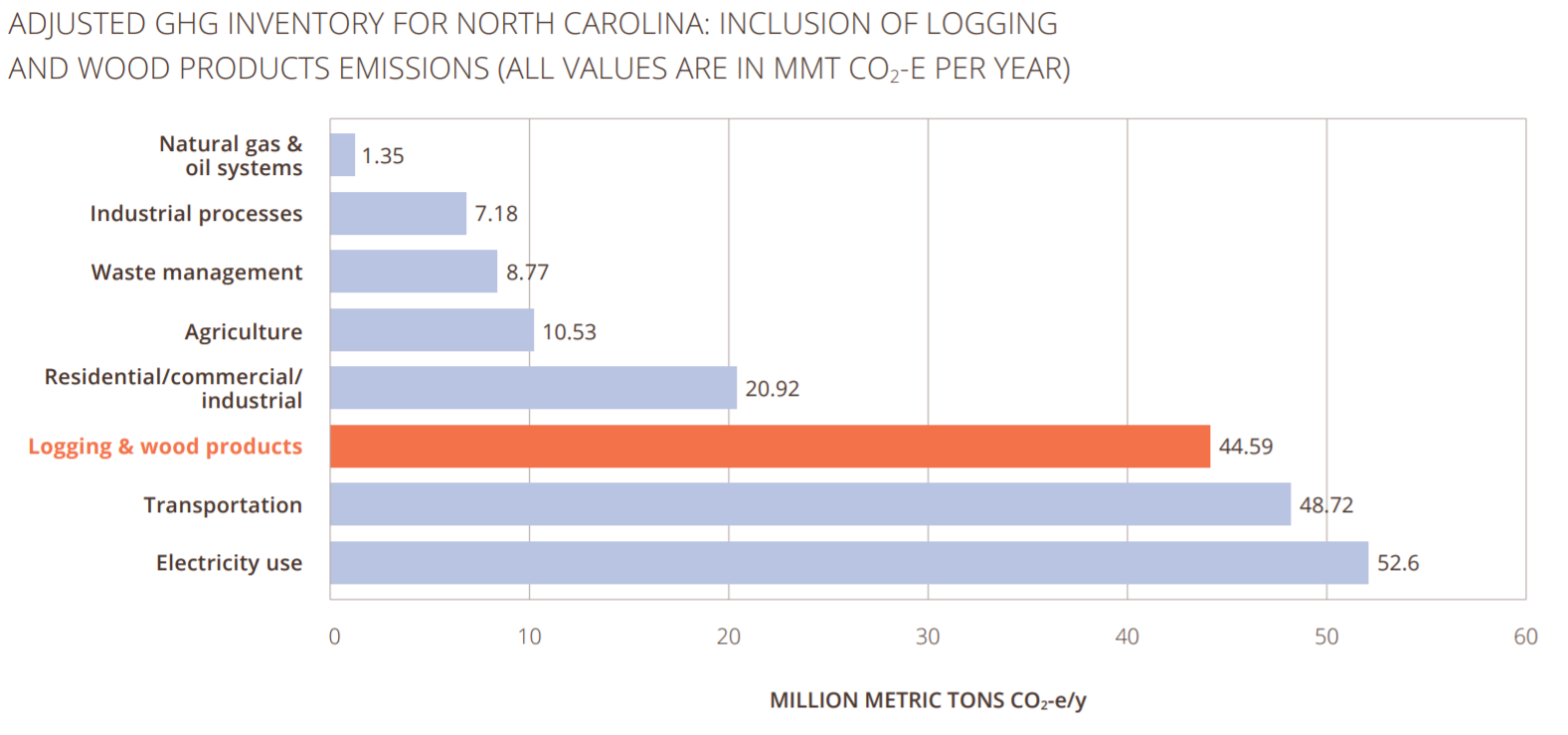
Emissions from logging fall just short of emissions associated with transportation and are only 15% less than emissions from electricity use in the state. But this problem is flying under the radar: North Carolina’s recently released Greenhouse Gas Inventory fails to accurately account for a significant amount of emissions from logging, forest degradation, and the biomass industry.
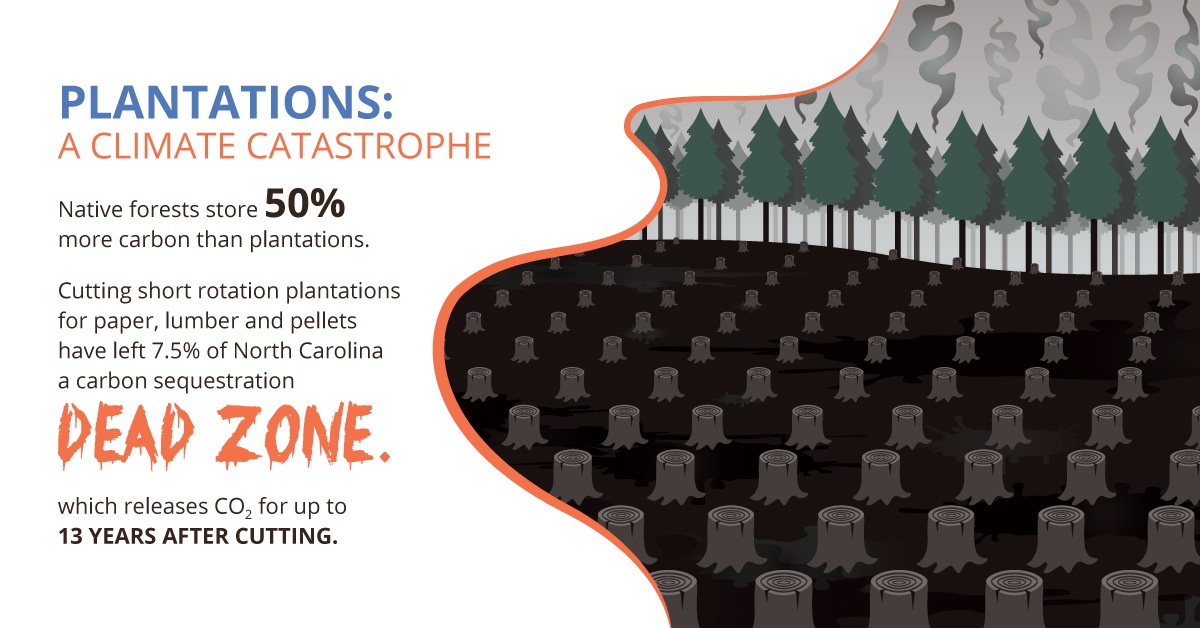
Not only are logging and wood products releasing tons of climate-warming pollution right now, they’re also hampering the ability of our forests to be carbon sinks for years to come. Thanks to short rotation timber plantations for paper, pellets, and low-quality timber, 2.6 million acres of North Carolina forestland — or 7.5% of the state — is a carbon sequestration dead zone. That means that when forests are clearcut, those lands become net emissions sources for an extended time, releasing CO2 for up to 13 years after cutting.
Instead of further industrializing the landscape of our region, we need to dramatically scale up forest protection, restoration, and proforestation.
Privately owned forestlands in NC make up 83% of total forests in the state, but they also represent a serious gap in our carbon storage potential.
It’s pure and simple: if we stop logging NC’s forests, we meet and exceed our climate goals.
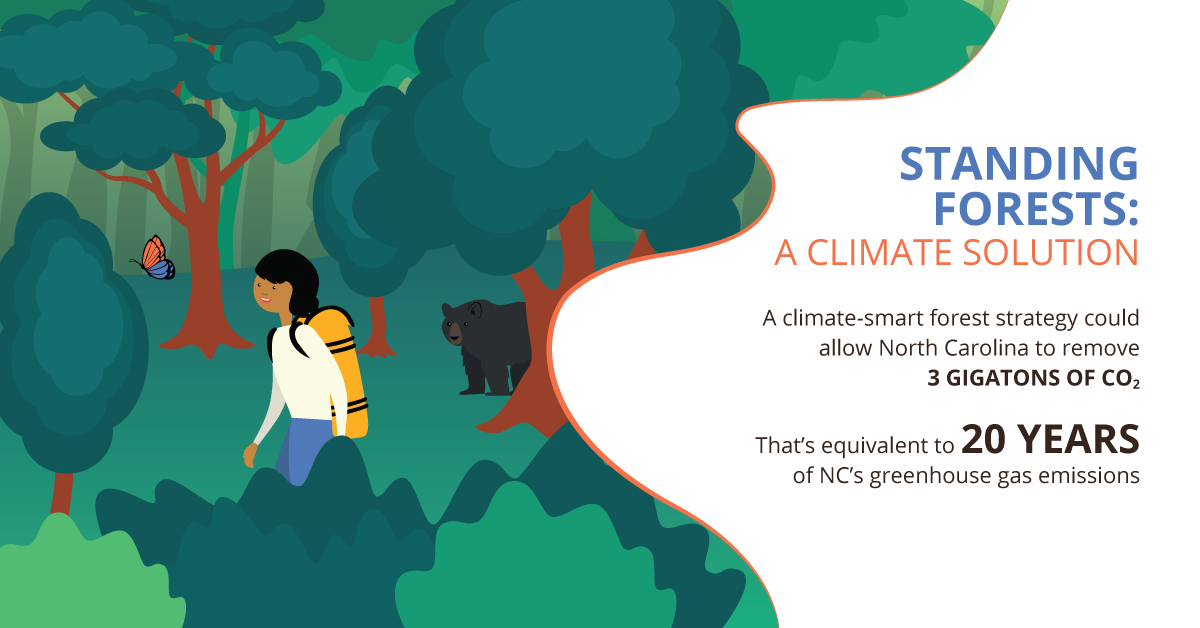
North Carolinians and our neighbors across the South are already suffering from the burdens of climate change. In recent days, after wreaking untold devastation on the Bahamas, Hurricane Dorian swept across the Southeastern coastline and brought heavy rain, flooding, storm surge, and wind across the region — including North Carolina’s coast and Outer Banks, where the storm made landfall over Cape Hatteras. Many of these communities are still recovering and rebuilding from last year’s Hurricane Florence and from Hurricane Matthew in 2016.
Last year, in the wake of Hurricane Florence, Governor Cooper pledged to make the state a climate leader by signing an executive order on climate action. Executive Order 80 set the goal of slashing North Carolina’s greenhouse gas emissions and making our state more resilient to extreme weather. Now Governor Cooper recently made headlines with the release of the state’s Clean Energy Plan. At the same time, forest destruction is on the rise, and his administration continues to greenlight the rapid expansion of Enviva, the world’s largest wood pellet producer — along with other dirty developments like fracked gas infrastructure.
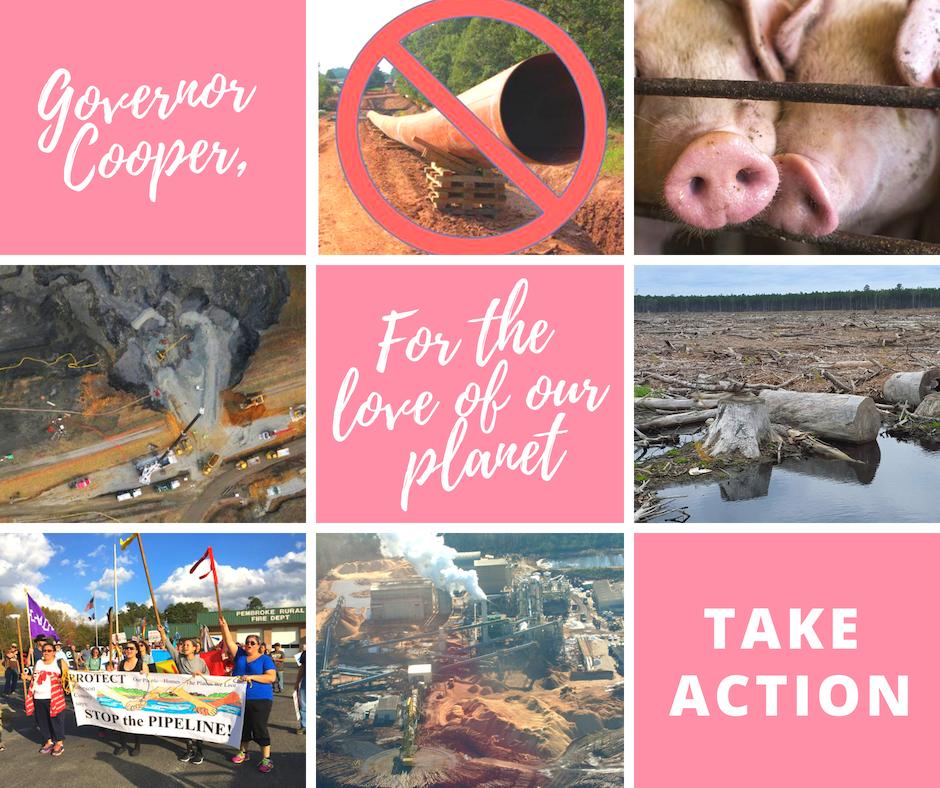
Governor Cooper can be a national leader on forests and climate, setting an example for the entire country — or he can continue to turn a blind eye to forest destruction, at the risk of undermining the state’s climate goals and resiliency.
Our latest research is conclusive proof that now more than ever, we need to be protecting forests, not cutting them down and burning them. If North Carolina can turn their serious logging problem around, it will send a huge signal to leaders across the region and around the world.
How do we move forward?
 Read the full report, Climate Impacts of Industrial Forest Practices in North Carolina.
FOR IMMEDIATE RELEASE: September 10, 2019 9 am EDTContact: Scot Quaranda, [email protected], 828-242-3596
New report outlines the impact that industrial logging has on our climate and the need for change if we are going to address the climate crisis; Governor Cooper can ensure his climate legacy by taking action and stopping further forest destructionAsheville, NC – A new report from the Center for Sustainable Economy and Dogwood Alliance puts a spotlight on North Carolina, and shows just how big of a climate catastrophe logging is in the state. The report finds that industrial logging is the state’s third most carbon intensive sector, just after electricity and transportation and for the most part goes completely unaccounted for. For example, North Carolina’s recently released Greenhouse Gas Inventory fails to accurately account for a significant amount of emissions from logging, forest degradation, and the biomass industry.
Forests are a critical climate solution. They store enormous amounts of carbon in their trees and soils, and buffer communities from climate impacts like flooding and storms. With Hurricane season here and North Carolina already witnessing the flooding, property destruction, and loss of life from Hurricane Dorian, this is now more critical than ever. But they are being destroyed and degraded at an alarming rate — and even shipped overseas to be burned for electricity. The US South is ground zero for destructive industrial logging, and North Carolina is the largest wood pellet exporter in the country.
“Our latest research is conclusive proof that now more than ever, we need to be protecting forests, not cutting them down and burning them,” said Danna Smith, Executive Director of Dogwood Alliance. “Governor Cooper should see this as evidence that forest destruction in North Carolina is contributing to the climate emergency that must be addressed. If North Carolina can turn their serious logging problem around, it will send a huge signal to leaders across the region and around the world.”
In addition to finding that logging in the state is a climate catastrophe, the report shows that compared to natural forests, tree plantations are far inferior at mitigating climate change and storing carbon. The report authors also looked at the best path forward and propose adopting climate smart forestry practices that eliminate clearcutting and instead focus on protection, restoration and lighter impact logging. This research replicates findings from a report on the Oregon forest products industry by the Center for Sustainable Economy that found that the logging industry is the most carbon intensive sector in that state.
According to Dr. John Talberth, lead author of the report, “Contrary to the timber industry disinformation, conventional wood products are very carbon intensive. And just like fossil fuels, we need to dramatically reduce our consumption. But the good news is that climate smart forest practices – like long rotations and alternatives to clearcutting – can meet all of society’s demands for wood products while capturing and storing the equivalent of over twenty years of North Carolina’s greenhouse gas emissions. To make climate smart practices the norm and not the exception, lands owned by clearcutting corporations should be transferred back into the hands of skilled foresters who know how to log and leave a climate resilient forest behind.”
The report found that because of short rotation timber plantations for paper, pellets, and low-quality timber, 7.5% of North Carolina (2.6 million acres) is a carbon sequestration dead zone. When forests are clearcut, instead of removing CO2, they release it for up to 13 years and even when left standing, plantations store 50% less carbon than native forests. Essentially, natural forests catch and store carbon, and even in a best-case scenario, plantations catch and release it.
Key findings include:
“The world has been watching North Carolina. Last year, Governor Cooper pledged to make the state a climate leader, and recently made headlines with the release of the state’s Clean Energy Plan,” continued Smith. “The Governor can be a national leader on forests and climate, setting an example for the entire country. But instead forest destruction is on the rise as his administration continues to greenlight the rapid expansion of Enviva, the world’s largest wood pellet producer.”
Download and read the full report here: https://www.dogwoodalliance.org/wp-content/uploads/2019/09/Climate-Impacts-of-Industrial-Forest-Practices-in-NC-web.pdf# # #
Center for Sustainable Economy straddles the divide between a think tank and a do tank. They conduct peer-reviewed research on the full range of sustainable development challenges humanity faces, including climate change, deforestation, extinction, inequality and poverty. They are also vocal advocates for change, using legislative and administrative processes, the courts, and grassroots mobilization to achieve their goals. Learn more at https://sustainable-economy.org/
Dogwood Alliance mobilizes diverse voices to protect Southern forests and communities from destructive industrial logging. They utilize community and grassroots action, hold corporate and government decision-makers accountable, and catalyze large-scale conservation. Learn more at https://www.dogwoodalliance.org/ or on Twitter – @DogwoodAlliance
“There is no power for change greater than a community discovering what it cares about.” – Margaret J. Wheatley
When the owner from Flora, Melissa Thomas-Lichtenwald, reached out to us wanting to collaborate and host fundraising events in support Dogwood Alliance’s work to protect forests, we were overjoyed! We had no way of knowing that it would turn into a beautiful collaboration of Asheville’s most innovative chefs, mixologists and crafters of the sensory experience.
There are no words to describe the magic of the evening; but fortunately, Erin Adams, a local photographer and supporter, shared her photography with us.
For this evening, Flora was completely transformed into a woodland dinner party which would not have been possible without the generous donations from West Elm and Classic Event Rental.

Guests were welcomed into the space through an arbor of foliage that surrounding the front door. It was like entering The Secret Garden for a magical garden party!

Once inside, guests were offered a botanical cocktail created by mixologists from Chemist.

Entertainment was provided by American folk duo, Brooke and Nick.

The talented chefs of The Admiral and Bull & Beggar served a four course summer feast expertly paired with wine from Rise Over Run and Haw River Wine Man.

To follow dinner, delectable desserts were prepared by Woodland Keep along with Appalachian Fernet by Eda Rhyne.
It was an endlessly magical evening in a woodland setting that reminded all present that we must , Stand For Forests, they bring us so much.
As our Executive Director, Danna Smith said in her toast that evening, though Dogwood Alliance is focused on preserving Southern forests, our expertise is increasingly being recognized at the national and international level. But our roots will always be at the community scale. We support and amplify the voices of our partners in towns and counties hit hardest by the logging and the wood pellet industries. We rally those who care about forests and the effects of the climate crisis to speak truth to power. And of course, we rely on a community of passionate friends who further our work by hosting, sponsoring, and attending our special events. And by spreading the word and donating to our work.
On Thursday, August 15, Catawba Brewing, with four locations in NC and Palmetto Brewing in Charleston, SC, launched month-long $1 per pint fundraisers to benefit Dogwood Alliance’s work protecting the forests and people of the South.
American Light Lager is a small batch with a mild flavor profile built on Pilsner malts with flaked rice added to the mash to lighten the body. Pale straw in color. Crisp, clean, well-balanced finish. Highly refreshing and absolutely crushable.
You can drink American Light Lager at Catawba Brewing at the South Slope and Biltmore Village in Asheville, at the original location in Morganton, and on Louise Ave in Charlotte.

If you’re in Charleston, head over to Palmetto Brewing on Huger St for a refreshing American Light Lager and support the forests and people of the Southern US!
We met the founder of Co-operate WNC, Zev Friedman, at Earthaven Ecovillage. Earthaven Ecovillage is an intentional community near Asheville that focuses on learning and living sustainably through natural building, organic farming, and community collaboration.
Zev walked us around the neighborhood where we saw gardens and a set of solar panels, that took up about as much space as someone’s backyard swimming pool, but powered 19 family’s homes with energy from the sun.
Co-operate WNC is a regional mutual aid society whose mission is to meet human needs and address economic and social challenges through regional scale cooperation.
The simplest way to explain what a Mutual Aid society is that it’s a beneficial association that seeks to provide its members with more than monetary assistance, but support especially in the face of loss or economic and social threats – like climate change to give an example.
This blog was written by Joe Lee, Dogwood Alliance’s Campaign Intern during the summer of 2019. Joe is a rising senior studying Public Policy Studies at Duke University.
As my time at Dogwood Alliance comes to a close, I’ve found myself in reflection over the lessons I will take away from my 11 week experience as Dogwood’s Durham-based Campaign Intern. The end of this internship marks the beginning of my senior year at Duke — in other words, the countdown to find a full-time job and figure out my next steps. Although this next chapter can seem daunting, I’m happy to know that I will be more prepared after this internship. Here are some of the most beneficial lessons I have learned.
When I first started this position, I was given a list of projects I would need to complete by the end of the summer. This required me to set goals and create an agenda for myself. It can be easy to feel lost when you work on a variety of projects in an extended timeframe. I needed to step back at times and learn to celebrate the small wins.
From the standpoint of working to protect forests, correcting environmental injustices, and general environmental non-profit work, it is especially important to take the time to celebrate the big and small wins. It can be a long and slow process making change. It can be difficult to see results and progress. On a day-to-day basis, it’s hard to see how each petition or letter to the editor impacts Dogwood Alliance’s overall mission and vision. But throughout the summer, I realized that efforts such as petitioning for the Stand4Forest platform or campaigning people to attend the Sampson County public hearing contributed to the long-haul of building a movement to protect Southern forests and communities.
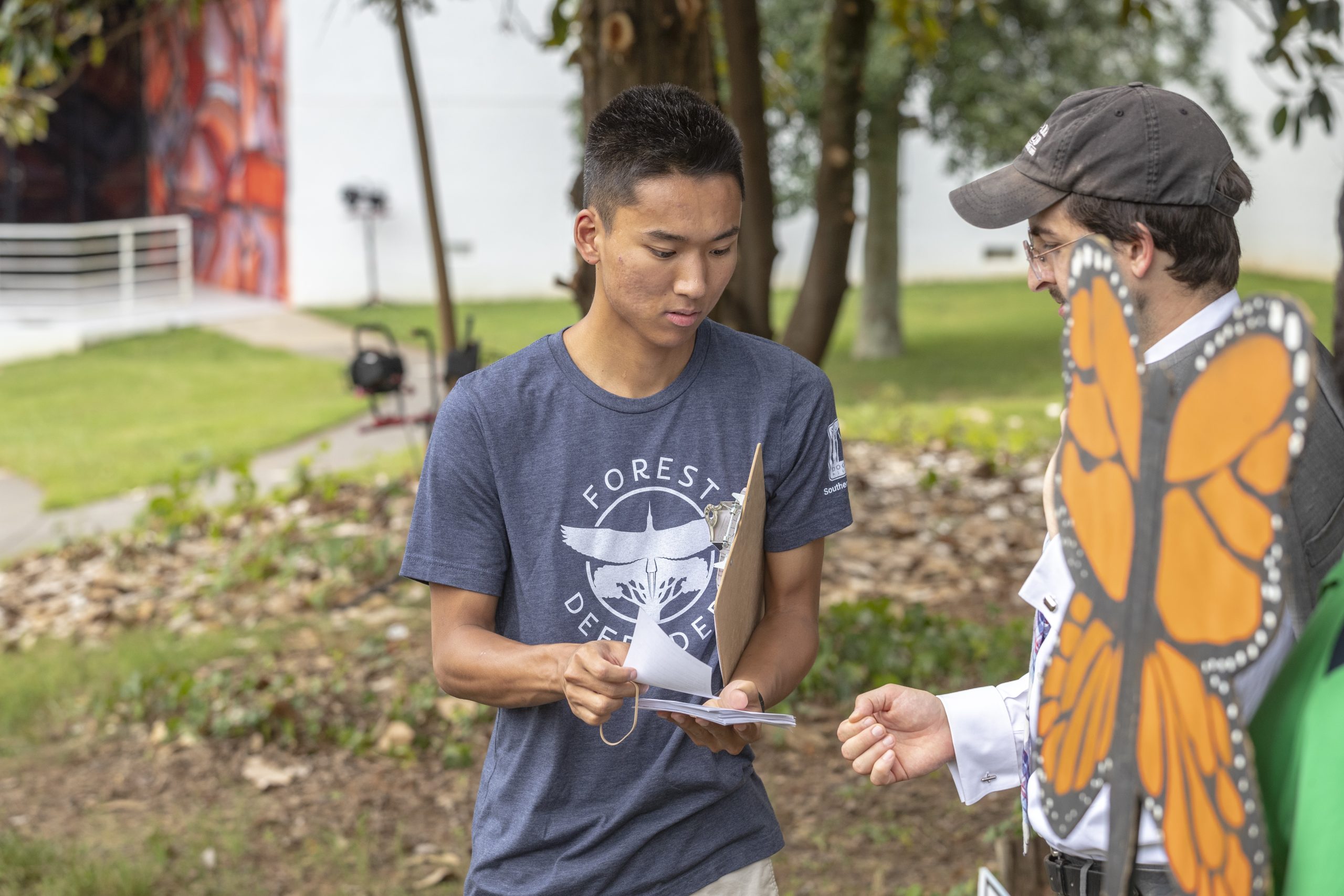
Petitioning at the Rally for Real Clean Energy, following the North Carolina Interagency Climate Council meeting in Winston-Salem
During this internship, I learned how powerful writing can be. Writing opinion letters to the newspaper and public comments to the Department of Environmental Quality are great tools to build a movement and demand action from the government. I was able to partake in multiple writing projects throughout the summer, including writing letters to the editor, public comments to DEQ, and in-person public comments to present at hearings. Although I’ve never enjoyed writing, I now appreciate the impact that it can have outside of the university setting.
I personally felt the influence that writing can have after giving my public comment at the Sampson County public hearing on Enviva’s expansion. It was empowering to call out the damaging climate impacts of the wood pellet industry in front of their executives and government officials. After the public hearing, The News & Observer and several other outlets published articles on the hearing. Just a few days later, I tabled at the Durham Farmers Market to engage the local community in Dogwood’s mission, and several people came up to me to talk about the article and to learn more about the damage Enviva is doing. I was happy to see that immediate effect on the public.

Giving a public comment at the Sampson County public hearing on Enviva’s Expansion
I hoped that this internship would bring more clarity on the career I want to pursue – it did not. Despite this, it has provided me with a better understanding of my skillset and taught me that most people in my position don’t know what they want to do, and this is perfectly fine. Through this internship I’m able to appreciate the experiences, relationships, and skills I was able to take away from it. I found that it’s most important to continue to sharpen my skills and build relationships with people. These two, along with some hard work, will hopefully help me prepare for the future.
The truth is I absolutely loved working at Dogwood Alliance. The amazing people and the important work they do to protect our forests and communities, inspires me to pursue a career that brings positive change.
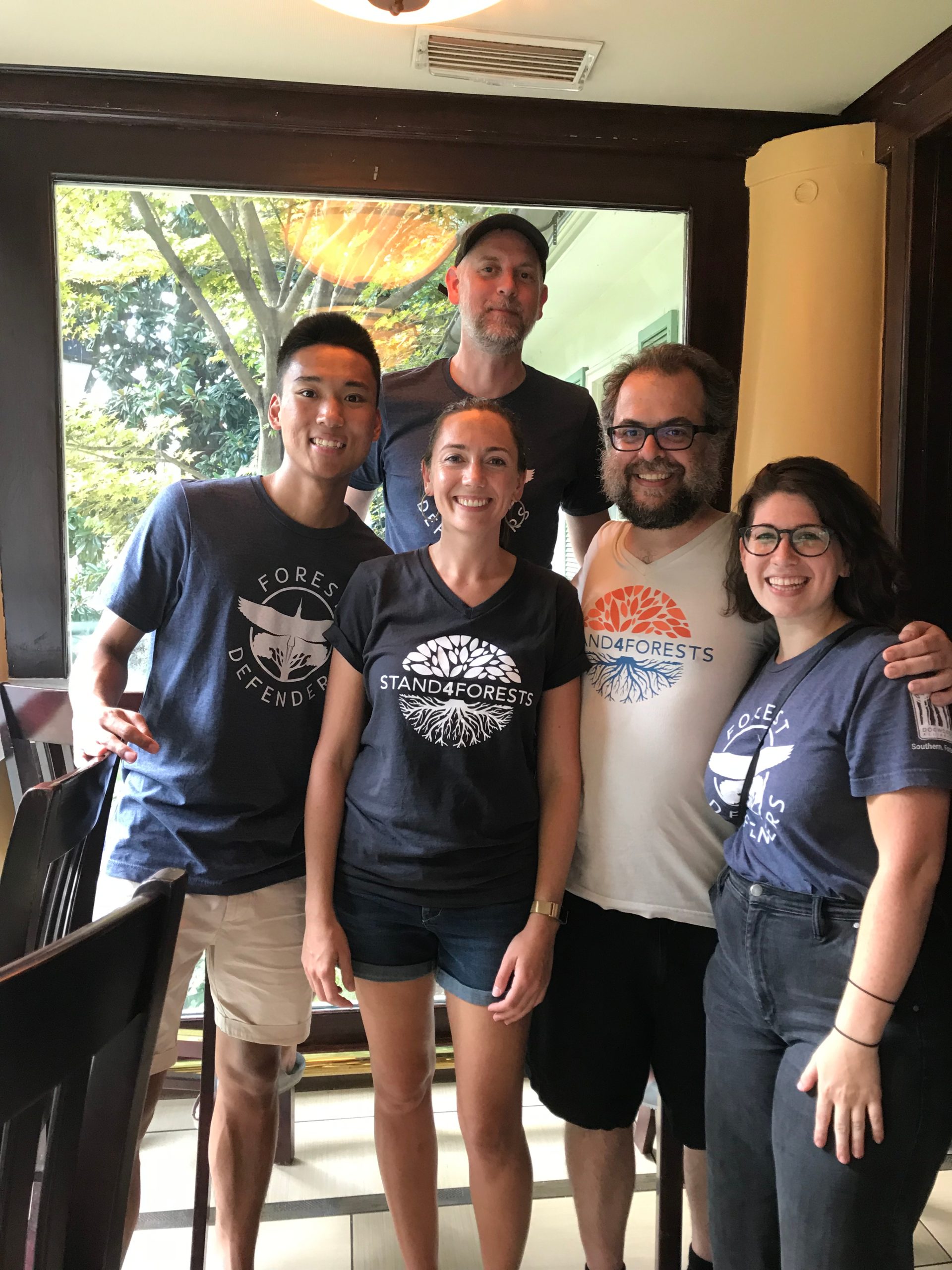
Celebrating with some of the Dogwood Alliance team!
FOR IMMEDIATE RELEASE – August 1st, 9 am
Durham, NC – Today, with the imminent release of the Governor’s Clean Energy Plan, 28 national to local organizations representing tens of thousands of North Carolinians sent an open letter to Governor Roy Cooper urging him to exercise all regulatory and political authority to stop the expansion of dirty energy projects throughout the state. They also called for additional steps to address the escalating impacts of the climate crisis on North Carolina’s communities, economy, and environment.
The groups point out that in spite of the Governor’s recent actions pursuant to his Executive Order on Climate Change his Administration is enabling the expansion of fracked gas and wood pellets, dirty fuels that will increase greenhouse gas emissions, pollution, and forest destruction for many years to come, disproportionately impacting those with a low income and communities of color.
“It is crucial that all of us—from Governor Cooper, to his administration, to we at the community level—embody our state’s motto and choose to be protectors of our future rather than to simply seem as such,” said William Barber III of the Poor People’s Campaign. “North Carolina has already seen firsthand the devastation of the climate crisis, and we need this administration to lead in stopping environmentally destructive projects and instead, advance real climate solutions that put the state at the forefront of building a green economy that creates sustainable jobs in struggling communities.”
“We are tired of politicians who say the right thing but don’t take necessary action,” said Reverend Corine Mack, President of the state’s largest NAACP chapter in Mecklenburg County. “Communities already suffering from pollution and climate change are now under attack by the fracked gas and wood pellet industries, which are going to make things worse not better. We need Cooper’s actions to match his rhetoric.”
The groups warn that these environmentally damaging projects directly contradict the Governor’s stated commitments to reduce greenhouse gas emissions, advance clean energy, and build climate resilient communities as outlined in last year’s Executive Order on Climate Change.
“Despite the Governor’s commitments, the fact is, his administration continues to green light the expansion of dirty, climate destructive infrastructure throughout our state, such as Duke Energy’s Atlantic Coast Pipeline and Enviva’s wood pellet biomass facilities,” said Danna Smith, Executive Director of Dogwood Alliance. “Governor Cooper can still be a climate champion but we need real action, and that’s not what we’re seeing on the ground.”
The letter calls for immediate action in several areas including: a clean energy plan that commits the state to 100% clean, renewable energy and an immediate halt to the expansion of fracked gas and wood pellet facilities, a plan for increased forest protection and pollution remediation, and a plan for a just transition to a green economy that prioritizes creating equitable job opportunities for struggling communities.
Jim Warren, Executive Director of NC WARN, said today, “We appreciate the Governor bringing attention to the climate crisis, but we need his administration to move past Duke Energy’s talking points about fracked ‘natural’ gas being clean. Gas is worse than coal for the climate, and it’s now more expensive than solar, wind, and energy storage — as already proven in many states.”
The letter states that failure to take bold action to stop dirty energy projects will erode the public’s trust in Cooper’s climate leadership. It notes that a recent public opinion poll conducted by Yale and George Mason University following Hurricane Florence found that 60% of voters in our state are worried about climate change and want the government to take action.
# # #
Contact: Scot Quaranda, [email protected], 828-242-3596 or Jim Warren, [email protected], 919-416-5077
Have you been inspired by Greta Thunberg? Is your family watching the jubilant climate parades and marches occurring in Denmark? Fired up by the kids leading school strikes on climate? Yes, I know, me too!
One of the places we’re seeing meaningful policy on climate change and renewable energy is the European Union. However, as Dogwood Alliance and our allies are all too aware of, in many cases, renewable energy legislation that incentivizes burning forests for fuel is directly threatening the ecosystems and climate sinks that we need most to help us fight climate change.
The Renewable Energy Directive II, the EU’s climate change and renewable energy policy for 2020 until 2030, falsely included biomass in the renewables club. While this decision was faulty, member states may apply their own standards to biomass energy.
I traveled to Latvia and Estonia over the past week, meeting with civil society groups, the media, and hosting film screenings of BURNED to help ratchet up the people power to stop biomass in its tracks.
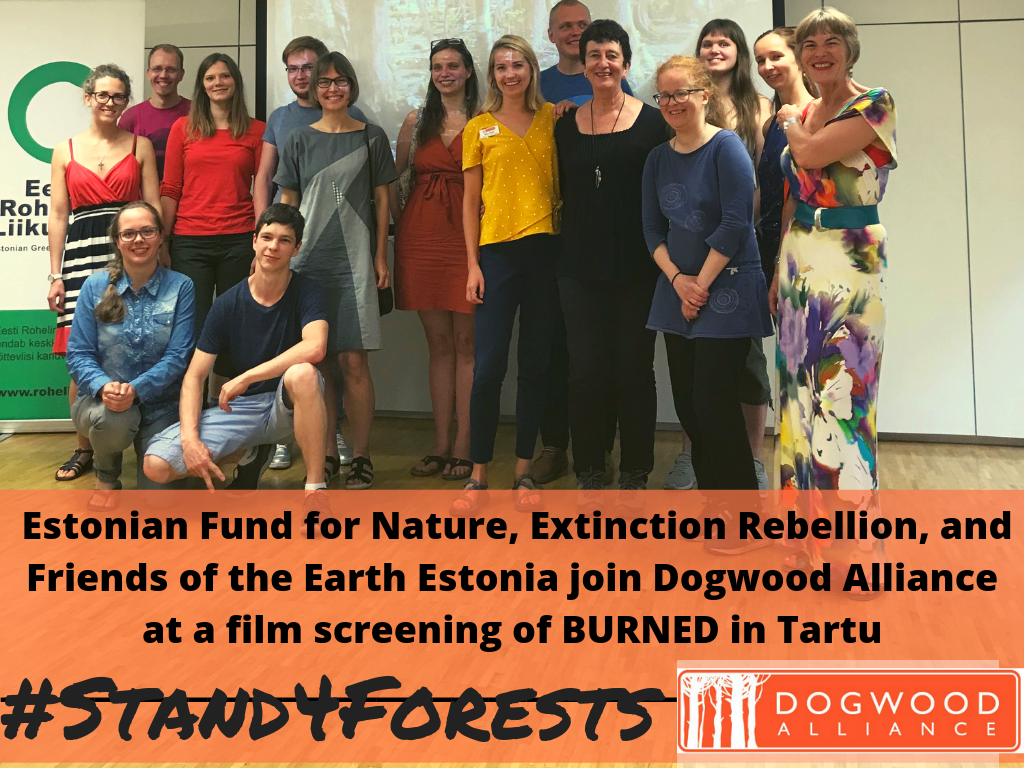
In the Southern US, we’re all too aware of how this industry rapidly expands from zero to vast. We also know what happens with a booming industry that is wholly reliant on subsidies: the bust is not far off. In 2012, the Southern United States was exporting 860,000 tons of biomass.
According to the Environmental Paper Network (EPN), the use of forest biomass as a source of “green energy” is set to increase by a staggering 250% over the next decade. Latvia and Estonia are experiencing that increase now.
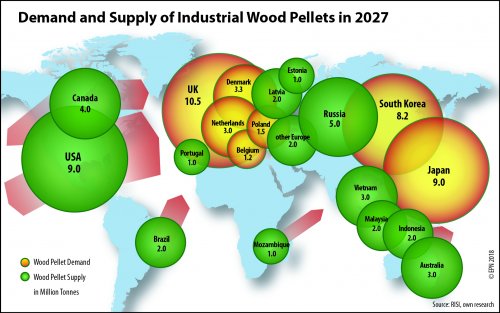
Two of the major importers hoping to source Baltic state biomass are Denmark and the Netherlands. In 2018, the Netherlands demanded 160,000 tonnes in pellets. Starting this year, the demand has shot up thanks to subsidies, which will allow Dutch coal power stations to co-fire up to 4 million tonnes of wood pellets with coal. One of Denmark’s power stations, the Avedore power station near Copenhagen owned by Ørsted, burns 1.2 million tonnes of wood pellets a year.
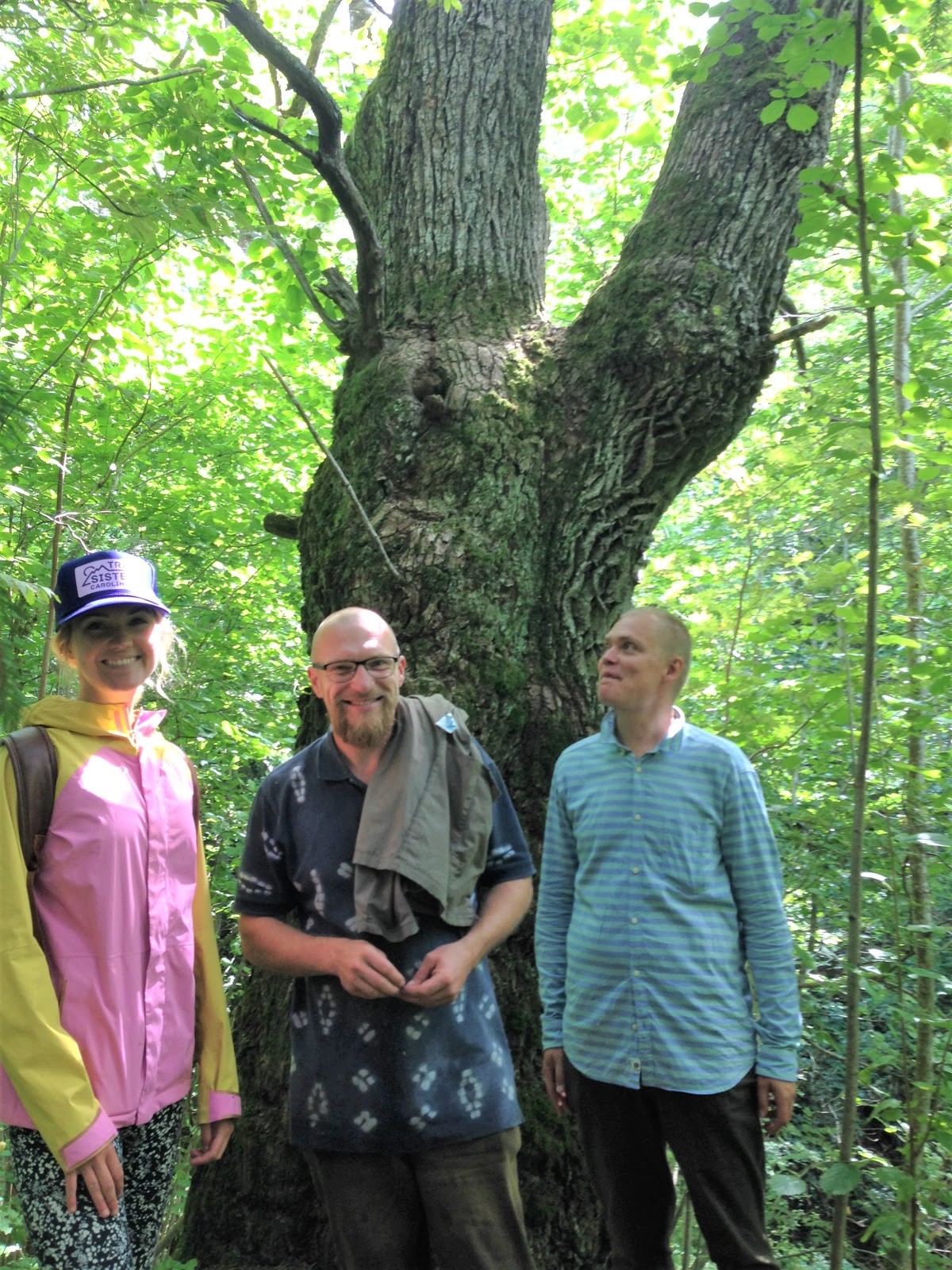
Meeting with civil society groups and activists in Latvia and Estonia invigorated my sense that the forest defender movement is strong and growing. The global demand for biomass is growing, but the movement to stop biomass in its tracks is formidable. Responding to a remark that the battle against the incentivization of biomass seems like it’s only uphill, Liis Kuresoo, forest expert at the Estonian Fund for Nature, put the fight into historical context for us:
“Estonians’ recent history is living through the fall of the Soviet Union. The fall of the USSR wasn’t only the fall of communism in our country, but it was a collapse of everything: education, the military, and the economy. But, we made it through. We are stronger economically than we ever have been. We were resilient then, and we will be able to be resilient again. Estonians have great pride for our forests and won’t stand for the burning of our forests as a false solution to climate change.”
Our forests are being destroyed to be burned in countries halfway around the world based on the false assumption that it will stop global warming. Building community with activists in the Baltic region reminds me so much of home. While the reasons for protecting our forests are individualized in their own way and specific to the country at hand, people everywhere know that #OurForestsArentFuel and that we must #Stand4Forests. Burning forest biomass, no matter where it’s coming from, can’t reduce emissions when compared with fossil fuels within meaningful timeframes to avoid the worst dangers of climate change. Policymakers must continue to Act on Climate, but focus on investments in genuinely clean and renewable energy as well as ambitious agendas to protect, restore, and expand forests.
On July 15th, Dogwood Alliance joined with community members and advocates across the region for a public hearing on Enviva’s proposed expansion in Sampson County, North Carolina. We stood together, showed the power of our movement and made front-page headlines — inspiring more people to support our shared vision of healthy forests, sustainable jobs and thriving communities.
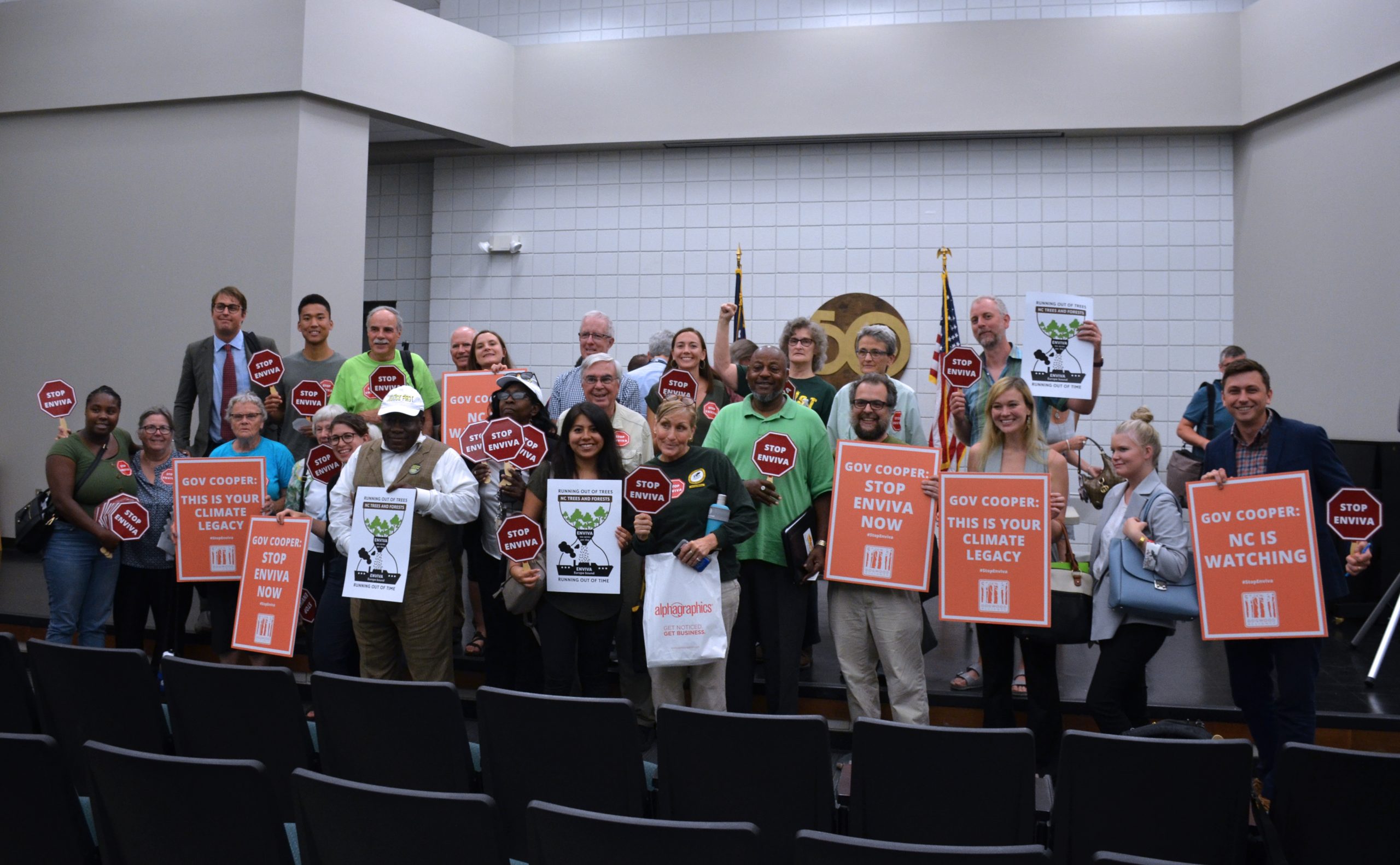
Of the nearly 60 people that gave a public comment, the majority were in opposition to any expansion of the wood pellet industry. Our message was loud and clear: it’s time to stop destroying our forests, shipping them overseas, and burning them for electricity. It’s time to hold North Carolina Governor Roy Cooper accountable to his promises on climate action, clean air, and environmental justice.
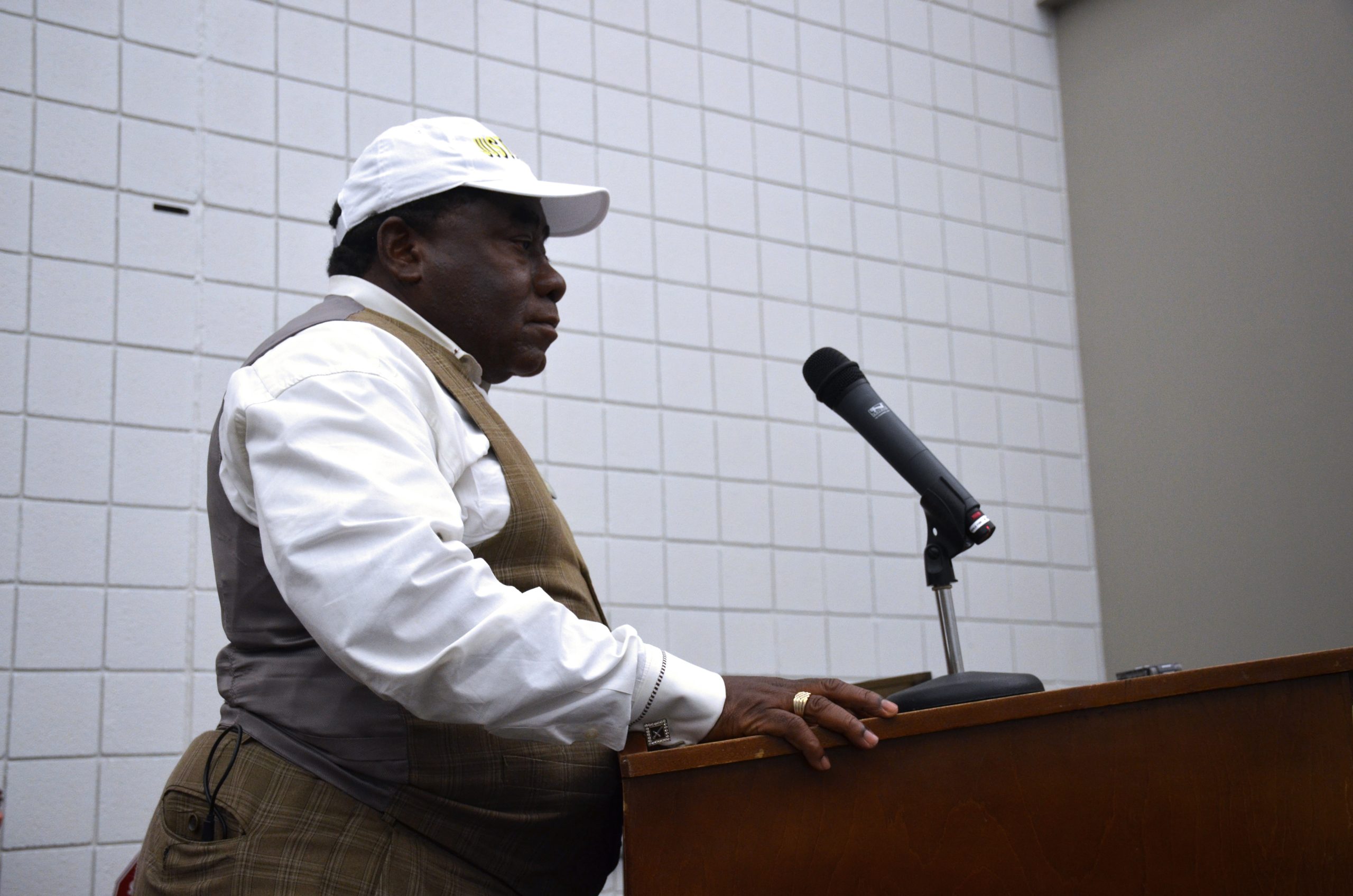
“We must reduce emissions, not only in North Carolina but throughout this entire country,” said Reverend Leo Woodberry. “And we cannot do that by cutting down our forests.”
In Sampson County, Enviva has applied to increase production by 119,375 tons of wood pellets per year. If the Department of Environmental Quality (DEQ) permits this expansion, it will mean 2,865 additional acres of forests logged each year, increasing the facilities needs to over 15,000 acres of forests annually.
This expansion would also mean more carbon dioxide in the atmosphere. The Sampson County facility alone would produce 1,203,595 tons per year – equivalent to 231,822 additional cars on the road.
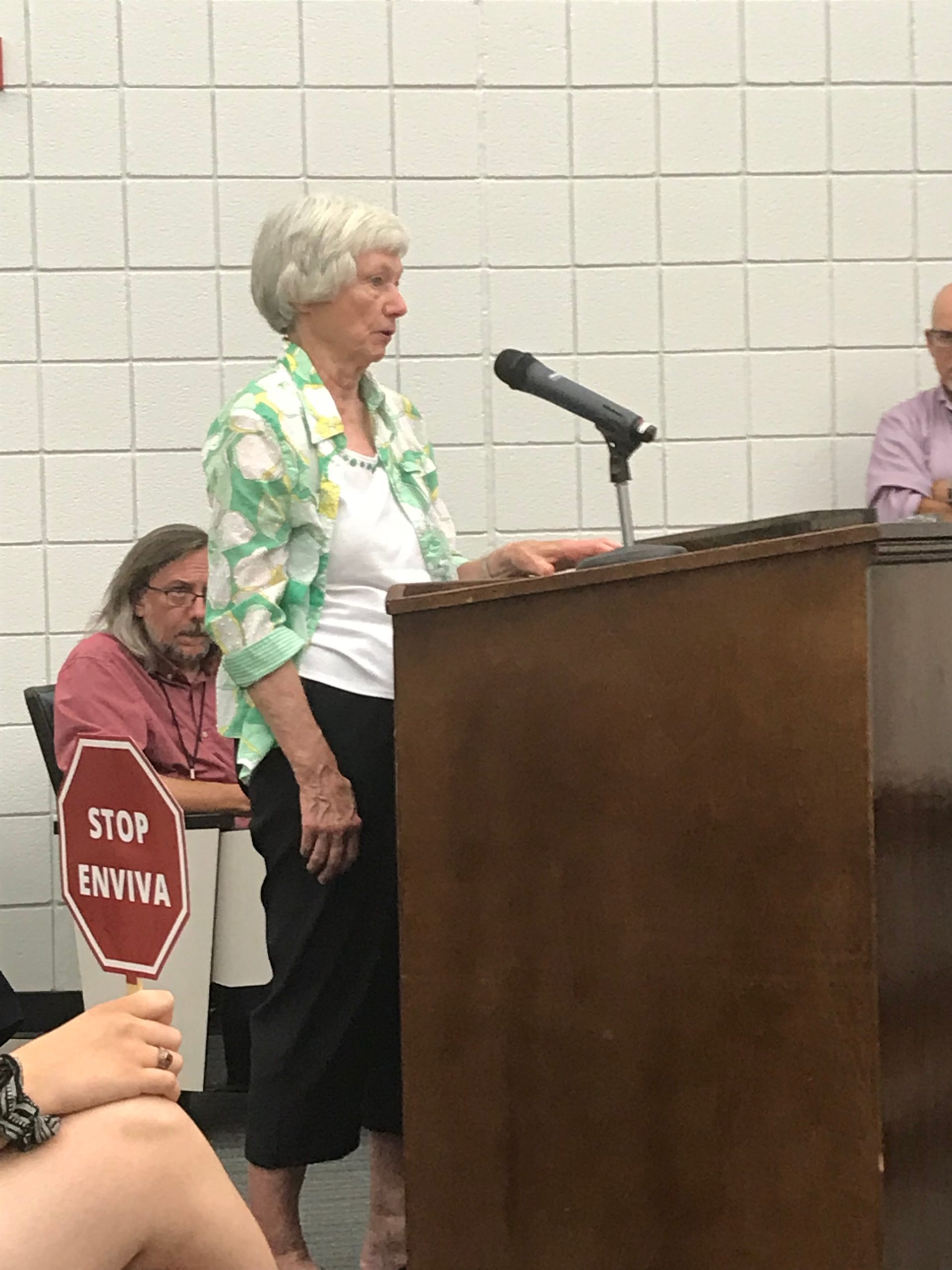
“Pine plantations are not forests. Let’s be proactive, not reactive, before it’s too late and we don’t have any forests,” commented Jane Thornton, a Sampson County resident living less than one mile from Enviva’s Sampson County facility.
As our movement to protect forests and communities across the South grows, Enviva continues to apply for permits to destroy even more forests. Before the public comment period on the Sampson County facility had even closed, NC DEQ had already issued draft permits for expansion at another Enviva facility — this time in Northampton County, where Enviva’s dirty facility is just one of many environmental injustices that community members face.
Stay tuned! We’ll be asking you to submit public comments to NC DEQ and Governor Cooper to stop the expansion in Northampton County and to attend the public hearing on August 20th.


 Donate