


Part 3 is a five week series exposing as the South’s largest forest destroyer…
Our previous two entries have detailed ‘s (IP) gigantic global impact on the world’s forests. Now would it really surprise you to find out that one of the world’s largest corporations would constantly have their hands reaching out for state and federal handouts? IP is a huge recipient of misguided taxpayer subsidies and often leads the charge for huge payouts and tax breaks, time and time again convincing the government that they and colleagues in the paper industry will fall into financial ruin without the free money.
Several months back, Dogwood Alliance and our partners exposed the Black Liquor loophole and called for its closure. Big paper companies, led by , found a loophole in the 2005 Transportation bill that they have exploited for billions of dollars in free money at the taxpayers expense. The loophole in the 2005 federal bill was intended to stimulate production of alternative fuels for vehicles. Instead, it has increased consumption of fossil fuel and threatened to strike a catastrophic blow to the recycled paper collection and manufacturing industries, while making IP and its cronies rich.
Paper companies, in a scheme devised by consultants, are now being richly rewarded for the long-standing practice of using a byproduct of the wood pulping process known as “black liquor” as a fuel to run their mills. In March of 2009, received a first payment of $71.6 MILLION for ONE MONTH of burning the fuel last year, and one report estimates they could stand to receive payment of up to $3.7 BILLION.
You can read more about the issue here and go here to take action to stop this taxpayer boondoggle.
And this just in, though the loophole was set to expire at the end of this year, and other large paper companies just got a ruling that will allow them to collect free subsidies until 2013, meaning a total giveaway just shy of the highly publicized bailout received by the auto industry.
From a story in tax.com by Martin Sullivan: “Well, believe it or not, the IRS has just given the industry a green light to use an even larger loophole. The source of this fantastic news for pulp producers is a just-released legal memorandum (ILM 200941011) from the IRS chief counsel dated June 3, 2009. The memo says that when the alcohol fuel mixture credit expires at the end of this year, black liquor will still be eligible for an even more generous tax credit — the $1.01-per-gallon cellulosic biofuel producer credit. It is not scheduled to expire until the end of 2012. By our estimates, this credit will provide the paper industry with $25 billion of additional tax benefits that Congress never intended.”
That is billion with a B! Add to that the tax shelters provided to IP and other paper companies from massive land sales earlier this decade, millions of dollars in state and local funds to woo the companies to their area, and government funded cost share programs for planting trees in plantations and you have a whole lot of cash. Seems like taxpayers need a break from the pulp and paper industry!
Check back next week to learn more about how spends millions of dollars funding greenwashing.

Paid for using your tax dollars.
A wonderful reminder to get out enjoy the treasure that is our Southern forests…
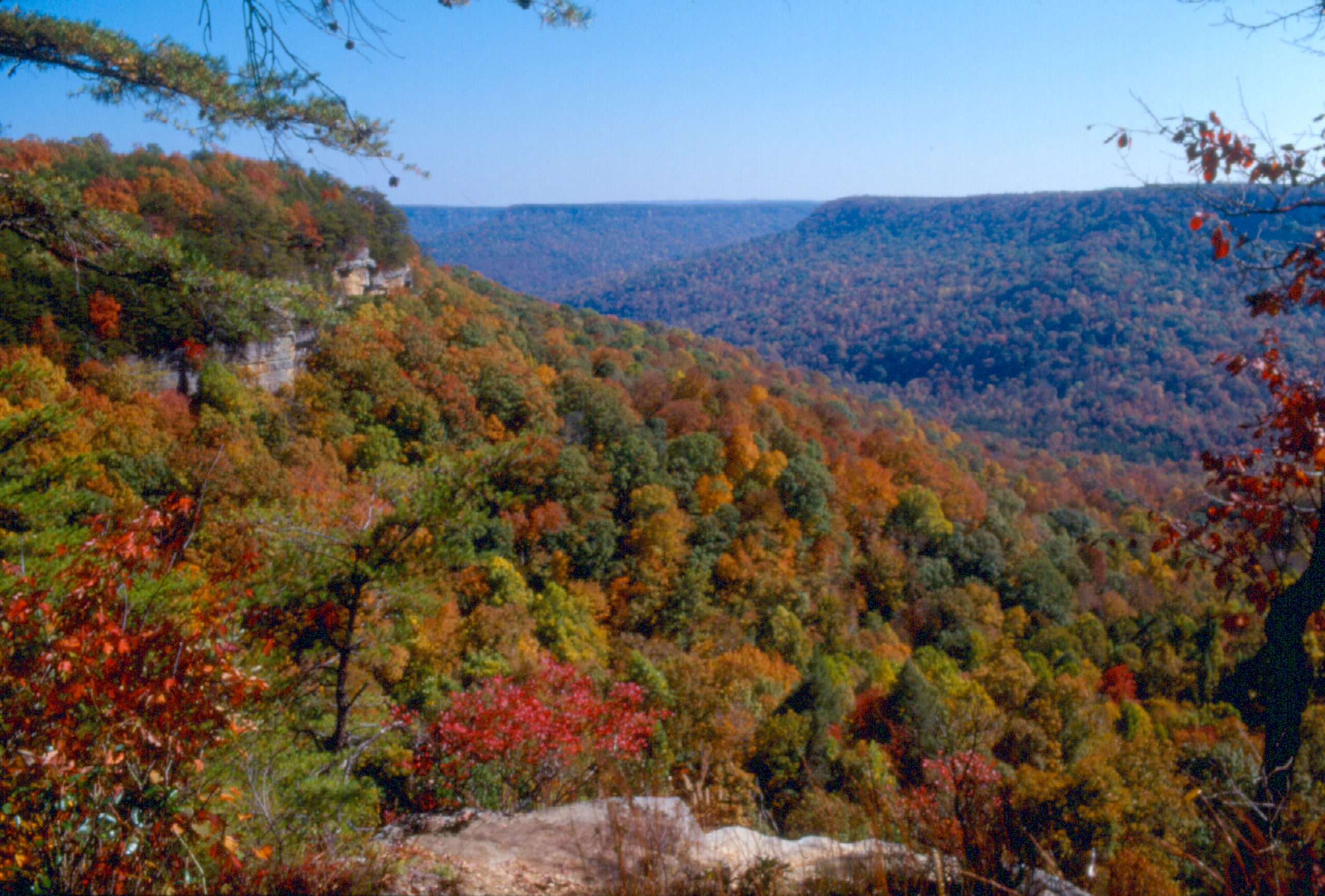
Leaves are turning, days are getting shorter, temperatures are dropping and fall is in the air. I can’t think of a better time to put Southern forests in the forefront of our minds than at this time of year when they are at their most beautiful. Here in the Blue Ridge Mountains it is easy to look out at the purple skyline and remember how blessed I am to be in such a rich jewel of Southern forest biodiversity. My desire to be outside strangely tends to increase with the dropping temperatures because I can’t get enough of that magical smell of dried leaves, lungfulls of crisp air and hours taking in the bright scarlets, butter yellows and pumpkiny oranges of the trees against the blue sky. So much time outside always prompts me to think more about forests and all that I get from them. Everyday commodities are obvious (Southern forests provide 20% of paper for the entire world), but my mind turns to some of the less obvious things I benefit from. For example, once while hiking in Hot Springs I stopped to rest and looked out over one of the amazing vistas on the trail and thought about how many gallons of water the trees I was looking at were holding. How many pounds of soil the roots held in place. How many tons of carbon were contained. How many floods had been prevented by each tree simply doing their everyday ecological functions, not to mention how many mudslides had been avoided, and with both of these things how much property damage had been avoided. The positive effects of letting a forest simply stand are so numerous it is hard to conceive of them all. I often find that the best way to appreciate the ecological gifts we in the South have been blessed with is to get out and enjoy them. October is one of the best times to go hiking, in my opinion, because we get to see the forest this way for approximately one month. So make the most of your Southern forest this month, whether it is in the Appalachian Mountains, or a pine bog on the Gulf Coast or even just a stand of oaks in the park down the street from your house. Love your forest, and it will love you back. Happy October.
By Adrienne Outcalt, Research Intern at Dogwood Alliance
Joining over 8000 blogs nationwide today shining a spotlight on climate change…

Today is Blog Action Day and this year’s focus is Climate Change. Dogwood Alliance is joining over 8800 blogs around the world to shine a spotlight on climate change and invite our readers to stay informed and take action on this important issue. Last week we launched an exciting project called the Carbon Canopy to fight climate change by teaming up with some of our former foe to protect and restore Southern forests which you can read all about here. Today, we are going to highlight an important national movement and upcoming events people should look out for in their local communities.
This year the United Nations is hosting an international conference on climate change in Copenhagen. As we have seen more and more impacts of climate change around the globe from major glaciers melting, sea levels rising, further salination of fresh water and more intense weather patterns, this conference is bound to be interesting.
James Hansen, a NASA climate scientist has released a study explaining that 350 parts per million is the highest concentration of CO2 that the Earth’s atmosphere can maintain over a long period of time. Above this level, damage begins to occur, including the melting of ice caps and sea level rising. Currently we are at 387 parts per million.
On October 24, people from around the world will hold events to raise awareness on the need for immediate action to address climate change. You can view the map of events around the world and search for an event near you here.
Dogwood Alliance is doing our part and will be at our local in Asheville, NC. It will take place downtown in front of City Hall from 2-4 PM. There will also be a group picture taken that will be combined with all of the pictures worldwide to produce a collaborative image of support. We will be tabling at this event, so come out and support this cause and participate in the global petition! For more info on the Asheville event, visit here.
We thank your for being a reader of our blog and we hope you will take a few minutes to peruse various other blogs today writing about differing aspects on this important issue and type up and email or two to national and local leaders inviting them to take action on this critical issue that impacts every single person on the planet.
Part two in a five week series exposing as the South and the world’s biggest forest destroyer…
Last week we took a closer look at ‘s impact on the forests of the South and United States. This week, we are going global to highlight the “international” in . Not only is IP a big bad actor in the US, with paper mills in Mexico, South America, Asia and Europe, they are contributing to the destruction of endangered forests around the globe. Additionally, IP has longstanding partnerships with Ilim Paper in Russia and Sun Paper in China.
Here is the complete list of IP’s paper mills outside of the US:
Europe (4): Arles, France Saillat sur Vienne, France Kwidzyn, Poland Svetogorsk, Russia
Asia (1): Yanzhou, China
South America (3): Luiz Antonio, Brazil Mogi Guacu, Brazil Tres Lagoas, Brazil
Mexico (1): Veracruz, Mexico
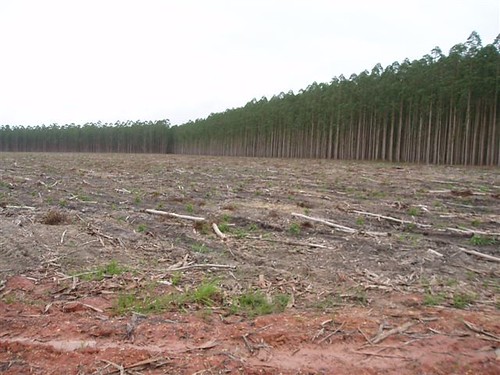
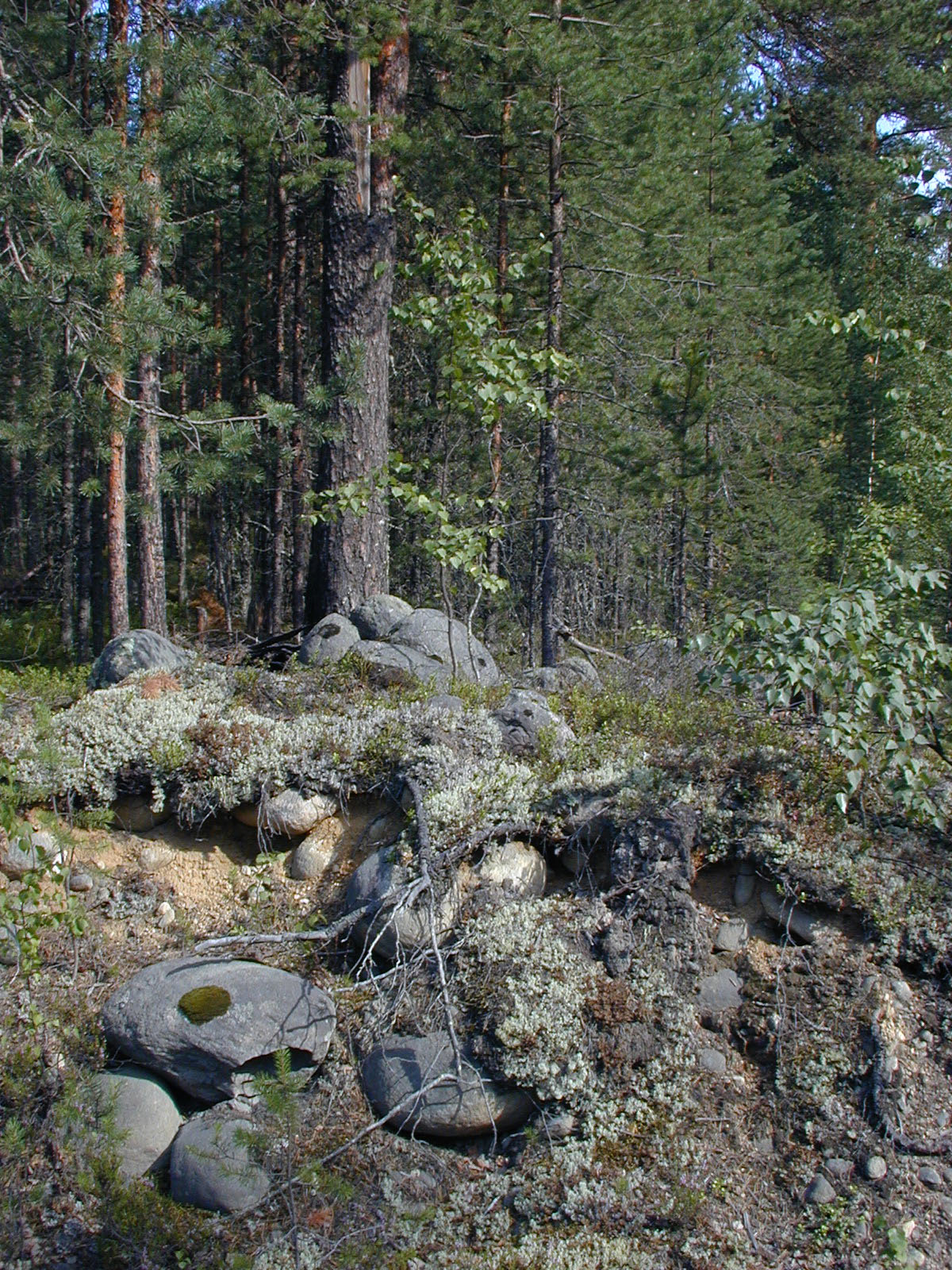
(Above: Brazilian Eucalyptus plantation – credit: Chris Lang; Below: Karelian Old Growth – credit Wikimedia)
In Brazil, has institutionalized the conversion of natural forests to plantations across the landscape to feed their mills. Instead of loblolly pine, their favored species for plantations is eucalyptus including the genetically modified variety called Urogrand. Eucalyptus plantations in Brazil are replacing natural forests and in some cases agricultural land, draining critical water resources, displacing indigenous and landless communities and overall are incredibly resource intensive. Additionally, IP is working to export eucalyptus back to the US South in the form of cold-tolerant, genetically engineered trees. You can read more here about the threat of genetically engineered trees in the US South here and here.
In Russia, the ‘s mill is located on the Karellian Isthmus near the border with Finland. This Eastern European region is a hot spot for old growth Scots Pine and Norway Spruce and there are 1184 species of wild vascular plants found on the isthmus. Unfortunately, regulations are weak in the region and IP and its partners at Ilim Paper are under fire from Russian and Finnish environmental groups for logging of the incredibly biodiverse old growth forests of the region.
So as you can see, not only contributes to the destruction of the forests of the Southern US, but also has a large global footprint. Check back next week to learn more about how IP is bilking American taxpayers for billions of dollars in misguided subsidies.
Staples, Conservation Groups, Wood Products Companies and Landowners Join to Protect Forests and Combat Climate Change
Diverse Stakeholders Work to Build Credibility Within US Forest Carbon Market
Will Create Incentives to Protect, Restore and Conserve Forests While Providing Sources of Paper and Wood Products from Forests Managed to a High Environmental Standard
October 8th, 2009 — Staples, and one-time foe Dogwood Alliance are teaming up with other conservation groups, wood products companies and landowners to announce a new, comprehensive project that will protect forests, combat climate change and help develop sources of paper and wood products certified to the high standards of the Forest Stewardship Council (FSC).
The Carbon Canopy is focused on forests in the Southern US, the largest paper and wood-producing region in the world where 90% of the forests are privately owned. Combined with the loss of forests to development, logging practices such as large scale clearcutting and the conversion of natural forests to plantations has created concerns about the long-term health of the region’s forests.
As a first step to addressing these concerns, the Carbon Canopy will develop a pioneering project that will be based on rigorous environmental standards to determine how the emerging US forest carbon market can be credibly leveraged to pay private landowners to expand carbon stores in working forests in the South. The ultimate goal is to create financial incentives for landowners to increase forest conservation and restoration efforts, and to certify management practices to the high standards of Forest Stewardship Council (FSC).
Through the pilot project the Carbon Canopy will “test” how southern forest landowners might benefit financially from expanding forest conservation and restoration on the ground in a working forest certified to the high standards of FSC certification. The pilot project will be focused on increasing the abundance of older, more mature natural forests through select logging and thinning. In addition to expanding carbon sequestration the management practices will ensure the protection of water quality and biodiversity. The initial project will meet the rigorous carbon accounting standards of the Voluntary Carbon Standard (VSC) and the Climate Action Reserve (CAR) and the management practices will meet the high standards of FSC certification. Staples and Interface, have offered to pay the pilot project landowner(s) for increases in carbon stored and sequestered as a result of improved forest management practices on the ground. Pacific Forest Trust will manage the development of the pilot project. “Never before have we seen this kind of collaboration in the South between forest industry, large US corporations, landowners and environmental groups to find real solutions” stated Danna Smith, Executive Director of the Dogwood Alliance. “Through investing in the protection, conservation and restoration of forests, we can not only reduce carbon emissions, but we can also ensure a healthy forest legacy for future generations, while providing a helping hand to the millions of families and individuals who manage forestland in the Southern US.” “This project is a continuation of the important work that we began with Dogwood Alliance years ago to effect change and responsibly preserve and cultivate the forests of the US,” said Mark Buckley, vice president of environmental affairs of Staples Inc. “We are excited to be a part of a project focused on the longevity of our forests, one that will benefit the stewards of the land, positively impact future generations and support local and regional economies by creating products originating from forests managed to a high environmental standard.”
“At this critical time in the history/life of our forests, we think that this timely project is a running start towards conserving our nation’s precious resources and reducing carbon emissions,” said Jim Sitts of Columbia Forest Products. “We look forward to traveling this path together towards sustainability and better business practices, cultivating our most valuable natural asset-our forests-for the future.”
“Domtar is thrilled to be involved in the partnership. We firmly believe that combating climate change through sustainable forest management is the way to go. Additionally, recruiting forest landowners to be a part of our team is also an integral part of the process,” said Lewis Fix, Vice President of Sustainable Product Development and Brand management of Domtar. “The Carbon Canopy is a model for teamwork, and shows what can be accomplished when we work towards our common goals together.”
Carbon Canopy partners include: Staples, Dogwood Alliance, Columbia Forest Products, Pacific Forest Trust, FSC US, Rainforest Alliance, Green Press Initiative, Domtar, The Home Depot, Environmental Defense, Interface, The Forestland Group and The Keystone Center.
Announcing Our Newest Initiative – The Carbon Canopy
Dogwood Alliance and One Time Foes Join Together to Protect Forests & Fight Climate Change
Today we launched a brand new initiative to protect Southern forests and fight climate change.
Dogwood Alliance, Staples, Conservation Groups, Wood Products Companies and Landowners Join to Protect Forests and Combat Climate Change
Today, Dogwood Alliance and one-time foe Staples teamed up with other conservation groups, wood products companies and landowners to announce a new, comprehensive project that will protect forests, combat climate change and help develop sources of paper and wood products certified to the high standards of the Forest Stewardship Council (FSC).
The Carbon Canopy is focused on forests in the Southern US, the largest paper and wood-producing region in the world where 90% of the forests are privately owned. Logging practices such as large scale clearcutting and the conversion of natural forests to plantations have created concerns about the long-term health of the region’s forests.
As a first step to addressing these concerns, the Carbon Canopy will develop a pioneering project that will be based on rigorous environmental standards to determine how the emerging US forest carbon market can be credibly leveraged to pay private landowners to expand carbon stores in working forests in the South. The ultimate goal is to create financial incentives for landowners to increase forest conservation and restoration efforts, and to certify management practices to the high standards of Forest Stewardship Council (FSC).
Through the pilot project the Carbon Canopy will “test” how Southern forest landowners might benefit financially from expanding forest conservation and restoration on the ground in a working forest certified to the high standards of FSC certification. The pilot project will be focused on increasing the abundance of older, more mature natural forests through select logging and thinning. In addition to expanding carbon sequestration the management practices will ensure the protection of water quality and biodiversity. The initial project will meet the rigorous carbon accounting standards of the Voluntary Carbon Standard (VCS) and the Climate Action Reserve (CAR) and the management practices will meet the high standards of FSC certification. Staples and Interface, have offered to pay the pilot project landowner(s) for increases in carbon stored and sequestered as a result of improved forest management practices on the ground. Pacific Forest Trust will manage the development of the pilot project.
Never before have we seen this kind of collaboration in the South between forest industry, large US corporations, landowners and environmental groups to find real solutions. Through investing in the protection, conservation and restoration of forests, we can not only reduce carbon emissions, but we can also ensure a healthy forest legacy for future generations, while providing a helping hand to the millions of families and individuals who manage forestland in the Southern US.
Here is what our friends at Staples had to say about the Carbon Canopy, “This project is a continuation of the important work that we began with Dogwood Alliance years ago to effect change and responsibly preserve and cultivate the forests of the US,” said Mark Buckley, vice president of environmental affairs of Staples Inc. “We are excited to be a part of a project focused on the longevity of our forests, one that will benefit the stewards of the land, positively impact future generations and support local and regional economies by creating products originating from forests managed to a high environmental standard.”
Carbon Canopy partners include: Staples, Dogwood Alliance, Columbia Forest Products, Pacific Forest Trust, FSC US, Rainforest Alliance, Green Press Initiative, Domtar, The Home Depot, Environmental Defense Fund, Interface, The Forestland Group and The Keystone Center.
Danna Smith
Executive Director
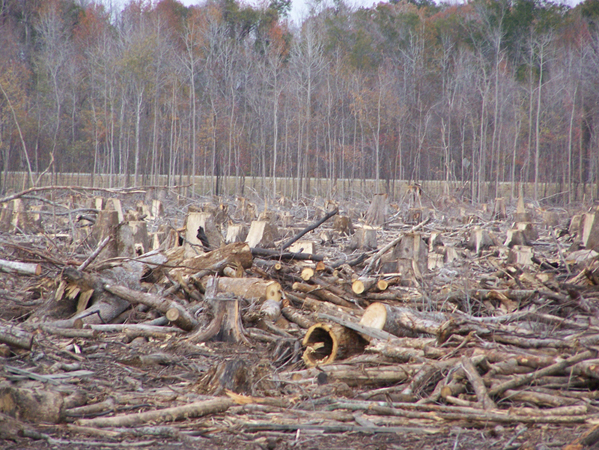
For year’s we have been telling you that the Southern US is the largest paper producing region in the world.With just 2% of the world’s forests, the region produces over 20% of the world’s pulp, paper and forest products.But have you ever wondered who is behind the curtain of forest destruction in the Southern US?Well the wizard is none other than , the largest paper producer in the world and the largest operator in the South’s with 25 paper and packaging mills in the US.The company is a notorious bad actor and with years of pressure from concerned citizens has done little to change that shameful image or on the ground practices, in fact recently, Wall Street 24/7 tagged IP as one of the world’s top 10 biggest greenwashers.This piece is the first in a five part series focusing on the IP and takes a closer look at the companies US operations.

Here is the complete list of IP’s 25 paper and packaging mills in the US: Alabama (3): Courtland, Prattville and SelmaCalifornia (1): Port HuenemeFlorida (1): CatonmentGeorgia (2): Augusta and SavannahIowa (1): Cedar RapidsKentucky (1): HendersonLouisiana (3): Campti, Mansfield, and PinevilleMississippi (1): RedwoodNorth Carolina (1): RiegelwoodNew York (1): TiconderogaOklahoma (1): ValliantOregon (2): Albany and SpringfieldSouth Carolina (2): Eastover and GeorgetownTexas (1): Queen CityVirginia (1): FranklinWisconsin (1): Menomonee Falls
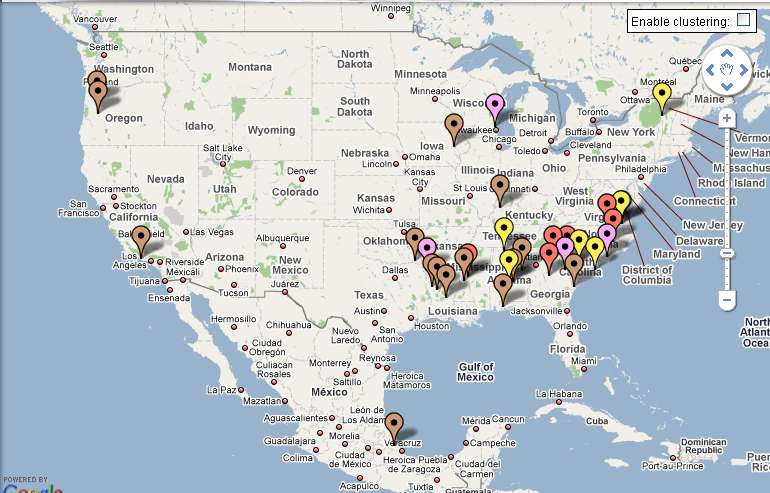
That is a pretty big footprint!Of course, we here at the Dogwood Alliance are primarily focused on the forests of the Southern US, so let’s take a quick look at one area in our region that has been hit particularly hard by ‘s destructive practices, the Mid-Atlantic Coastal forests.IP has five major mills sourcing from this important and threatened eco-region; Franklin, VA, Riegelwood, NC, Georgetown, SC, Augusta and Savannah, GA.
From the cypress swamps, pine bogs, pocosins and longleaf pine savannas to the alligators and the unique Venus flytrap, the Mid-Atlantic Coastal Forests are home to a rich and diverse swath of the natural world. Indeed this diversity of life is of national and global significance.You can read more on our website about the Green Swamp, Great Dismal Swamp and Savannah River by clicking these links.
Beyond the importance of the amazing biological diversity in these forests, they also provide a broad array of resources that are integral to both our quality of life and are an essential part of our cultural heritage. We all rely on clean, healthy air to breathe. Our forests act as important air filters and with global warming expected to intensify the power of the storms hitting the southern coasts; these forests also play a major role in moderating climate and preventing flooding.
holds broad economic, social and political influence over the management of these forests and therefore over the protection of the ecological values of the region with a particular focus on the impact of three large paper packaging mills (Franklin, VA, Riegelwood, NC and Augusta, GA), one large containerboard mill (Augusta, GA) and one mill producing office paper (Georgetown, SC) which all source wood fiber from these forests.
So as you can see from this example which plays itself out in each and every community adjacent to the 25 mills listed above, has a gigantic footprint here in the US.Check back next week to learn more about IP’s international footprint.
Join Dogwood Alliance for a night of amazing music when super green band The Duhks perform at the Orange Peel on October 8th…

Are you in Asheville on October 8th? If you are, check out The Duhks at the Orange Peel! Dogwood Alliance staff and volunteers will be tabling at this show. As a “green” group, the Duhks are big supporters of Dogwood Alliance, including being one of the first bands to sign onto our Greening the Music Industry’s Packaging Campaign. They have also created their own Sustainability Project to make a difference as a band while touring the country.
The Duhks tour as sustainably as possible by fueling their vehicle with Biodiesel, supporting local organic farmers and recycling and offsetting their CO2 emissions with carbon credits. Their show at the Orange Peel is one of their “GreenDuhks Events” where they will perform and use their time by educating concertgoers on ways to make a difference. Learn more about their cause by visiting their project’s website: www.greenduhks.com.
Come out and support a great band that has a passion for environmental issues! Their fusion of traditional bluegrass, folk rock, Afro-Cuban jazz and soul guarantees a funky night of music! And don’t forget to stop by at our table!
P.S. Are you in a band that would like to sign on to help green the music industry? We are currently collecting signatures from people in the music industry (in a band, on a label, independent musician, manager, DJ, etc.) to say, “I want to see more sustainable packaging!” Act now by clicking here to join the cause!
Learn about the September 21st Day of Action against tree plantations and how you can help…
September 21st is the International Day of Action against Monoculture Tree Plantations. Plainly spoken, communities are protesting the continued global expansion of pine, eucalyptus, oil palm and jatropha tree plantations which major paper companies, fast food companies and energy companies are planting to replace forests, indigenous lands and arable agricultural lands. Take a moment to watch a wonderful animation developed by our friends at the World Rainforest Movement in Uruguay that illustrates this problem worldwide.
In our region, we are all too familiar with tree plantations as the Southern US has 42 million acres of plantations, more than anywhere else around the world. In the South, plantations which replace natural forests, have resulted in more large-scale clearcutting, reliance on toxic chemicals in their management, pollution of drinking water, the loss of wildlife habitat, the replacement of vital carbon sinks, and the list goes on and on.
Recently it has come to our attention that , the largest paper producer in the South and around the globe, is petitioning the US Department of Agriculture to permit plantations of non-native, genetically engineered eucalyptus trees in the South. Not only could genetically engineered trees wreak havoc on the ecosystems of our region, but if approved will signal a massive increase in the amount of tree plantations in the region.
Enough is enough! We invite you to take action and tell to say NO to genetically engineered tree plantations.
backed ArborGen, a joint venture with MeadWestvaco and New Zealand’s Rubicon has developed and plans to plant genetically engineered eucalyptus on a large scale. Now they have genetically engineered eucalyptus trees designed to survive in the temperate U.S. South. Eucalyptus trees are non-native, water intensive, highly flammable and should not be introduced into our already fragile environment.
A recent story in Bloomberg News confirmed that ‘s main motivation is to remake forests in the same way that Monsanto dramatically changed farming and food production in the US and around the globe. Not unsurprisingly, the current CEO of ArborGen spent 18 years at Monsanto.
So today, Dogwood Alliance joins international civil society in protesting tree plantations. We hope you will take a moment to take action and will enjoy this sweet little animation created by the World Rainforest Movement in support of today’s activities.


 Donate