A new vision for conservation


The Lower Eastern Cherokee Nation of South Carolina has conserved 23 acres of Tribal Forest. These 23 acres will remain conserved forever. The land is now under the protection of the Tribe. This preserves its forests, plants, wildlife, and tribal culture for years to come!
This is our third project built on the Justice Conservation Model. This model brings a new approach to the rural South. Justice Conservation is rooted in environmental justice. It helps communities and tribes buy, own, and protect land. It moves beyond the traditional “working forest” model tied to logging.
Justice Conservation projects focus on solutions. They’re a major step away from exploitation and extraction. They move us towards a regenerative economy that thrives.
The Tribal Forest is in Laurens County, SC. Biomass producer Enviva operates there. Enviva cuts down trees in the surrounding area. Then they turn them into pellets and send them overseas to be burned for energy. The Enviva facility is 30 miles from the tribal grounds. This Tribal Forest is now protected. Enviva will never log it.
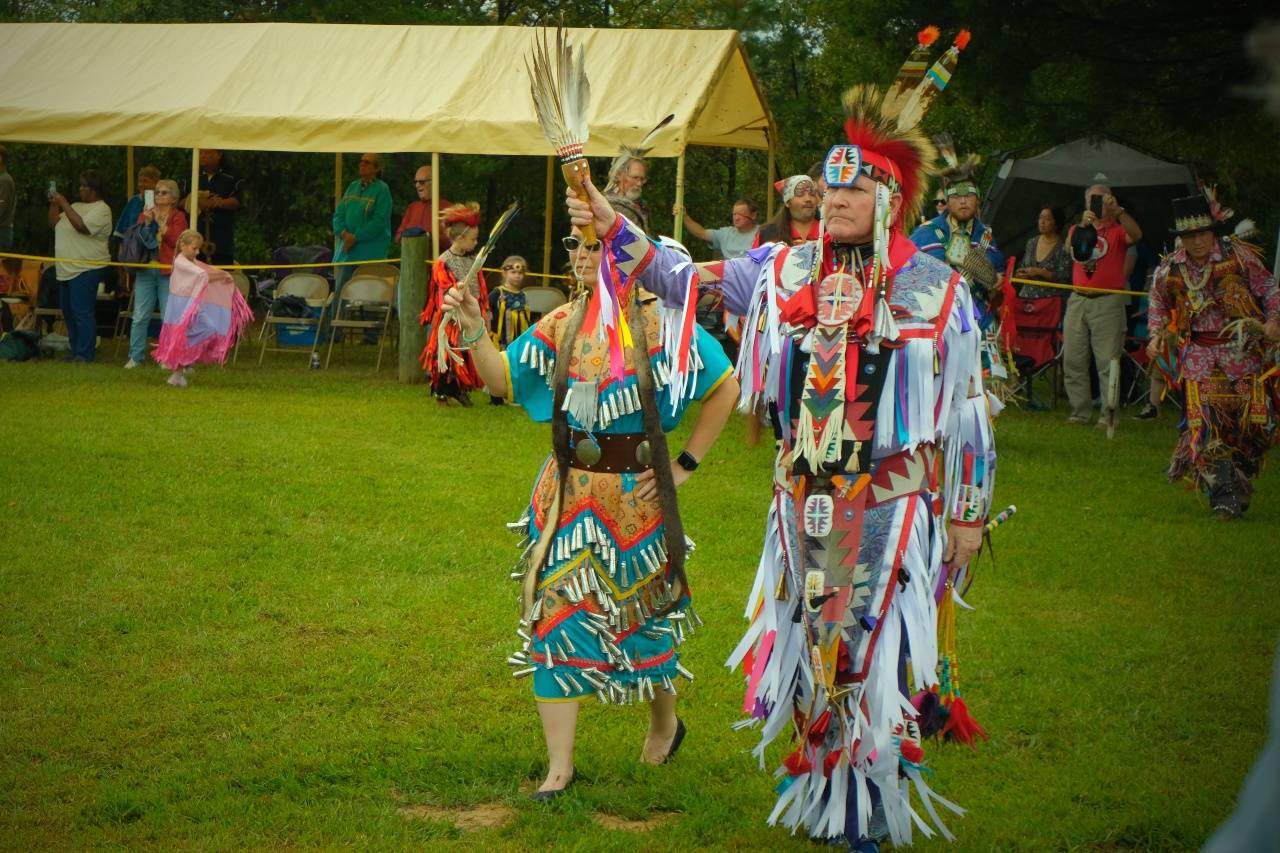
The Tribe and Dogwood have a shared vision for this land. It relies on working in balance with nature. The Tribal Forest offers the Tribe and others a chance to:
There will be a nature trail with interactive stations. Visitors will learn about the Lower Eastern Cherokee Nation. They’ll explore its history, traditions, and care for the land. The trail will support:
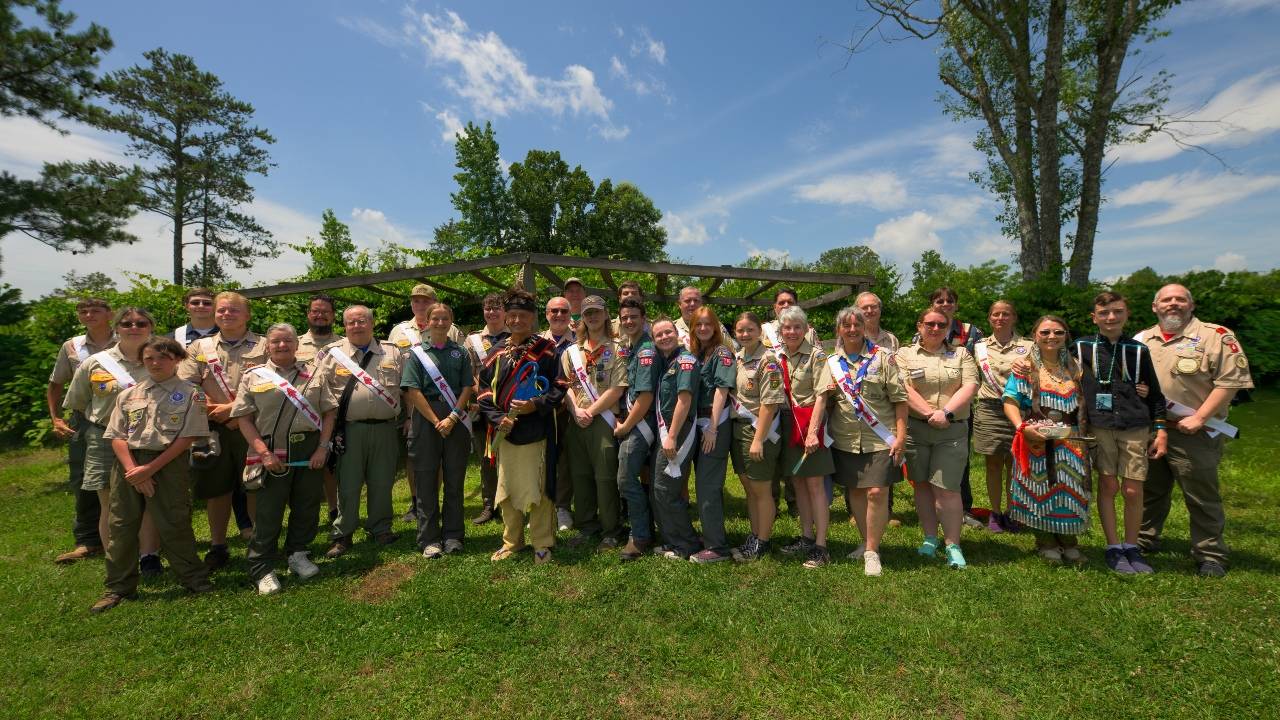
The protected land is a living celebration of tribal heritage. It’s a place for people who love nature and culture. It will renew traditions and build stronger ties to the land. It will also bring economic benefits to the Tribe, local communities, the county, and the state.
This Tribal Forest is charting a new path. It shows that healthy forests and strong communities can thrive without industrial logging.
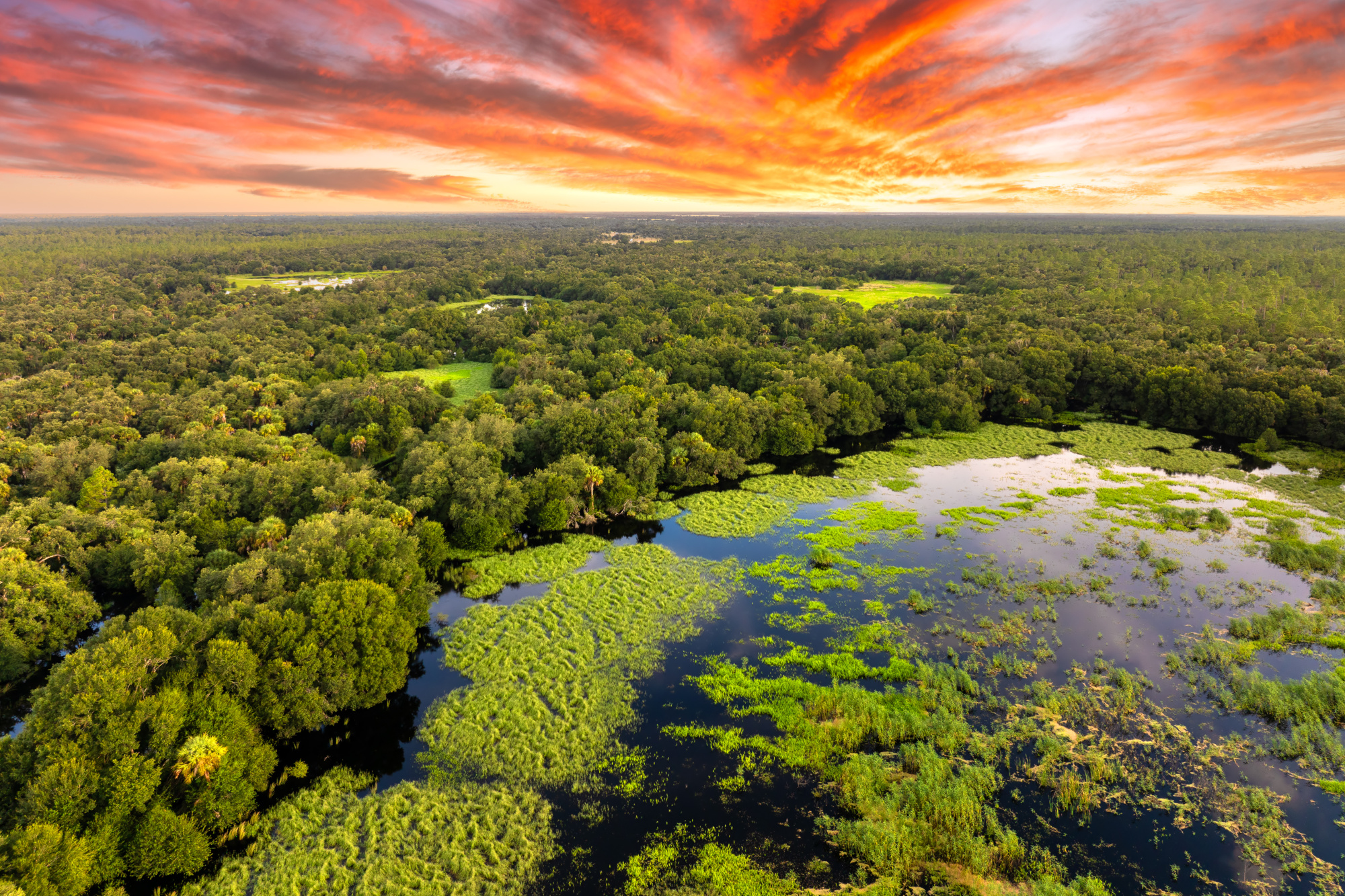
Healthy wetlands are critical for clean water and climate resilience. Wetlands support life. But they’re under threat.
Urge your state elected officials to protect all types of wetlands. Each one has an important role to play!


 Donate