


Forests in the United States play a critical role in addressing the climate emergency, protecting biodiversity, and safe-guarding our communities across the US. Unfortunately, the climate movement often misunderstands how we actually protect US forests. This disconnect leads to the inclusion of widespread and misleading industry narratives into climate policy at all levels of government. This promotes more logging and fails to keep forests standing.
The Stand4Forests report series is a suite of resources and facts to educate the climate movement, elected officials, community leaders, and members of the media on the biggest logging industry myths vs reality.
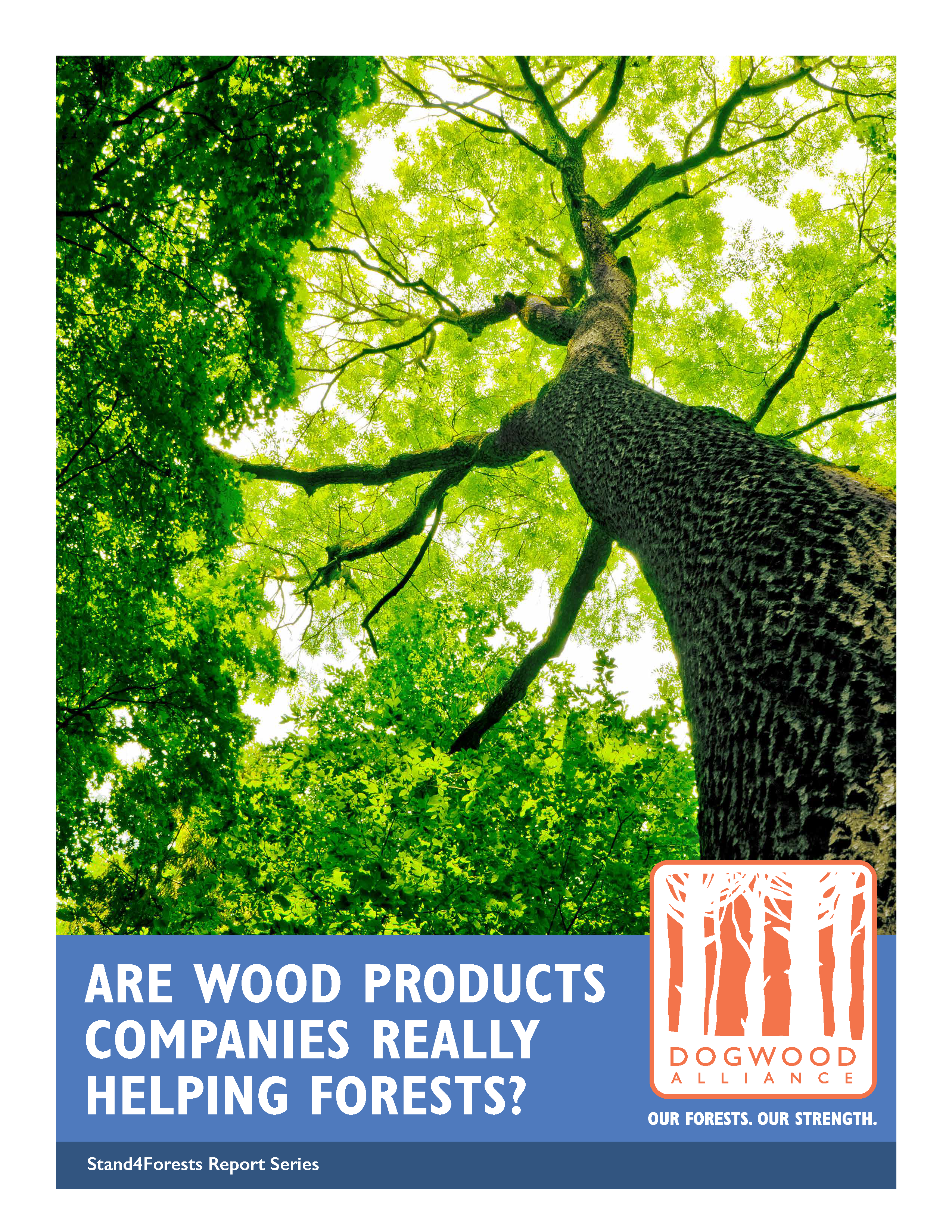
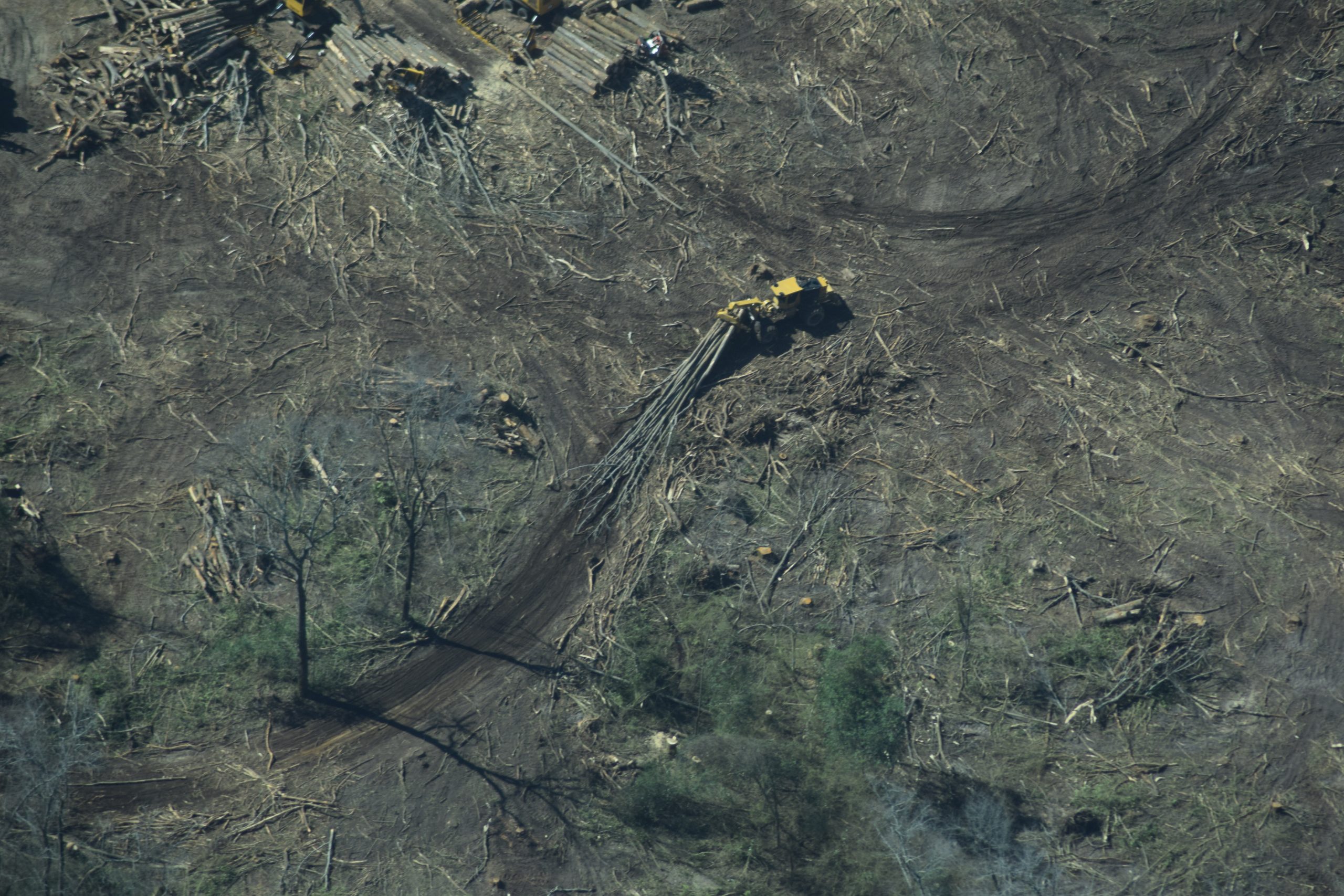
If you speak to a logger, forester, or executive at a paper company, they are quick to tell you that we need to create wood products to keep our forests healthy. They say that cutting trees down somehow keeps forests around. However, wood products companies only care about the ability of forests to provide a steady supply of wood. In reality, our forests in the South are suffering from extreme logging practices.
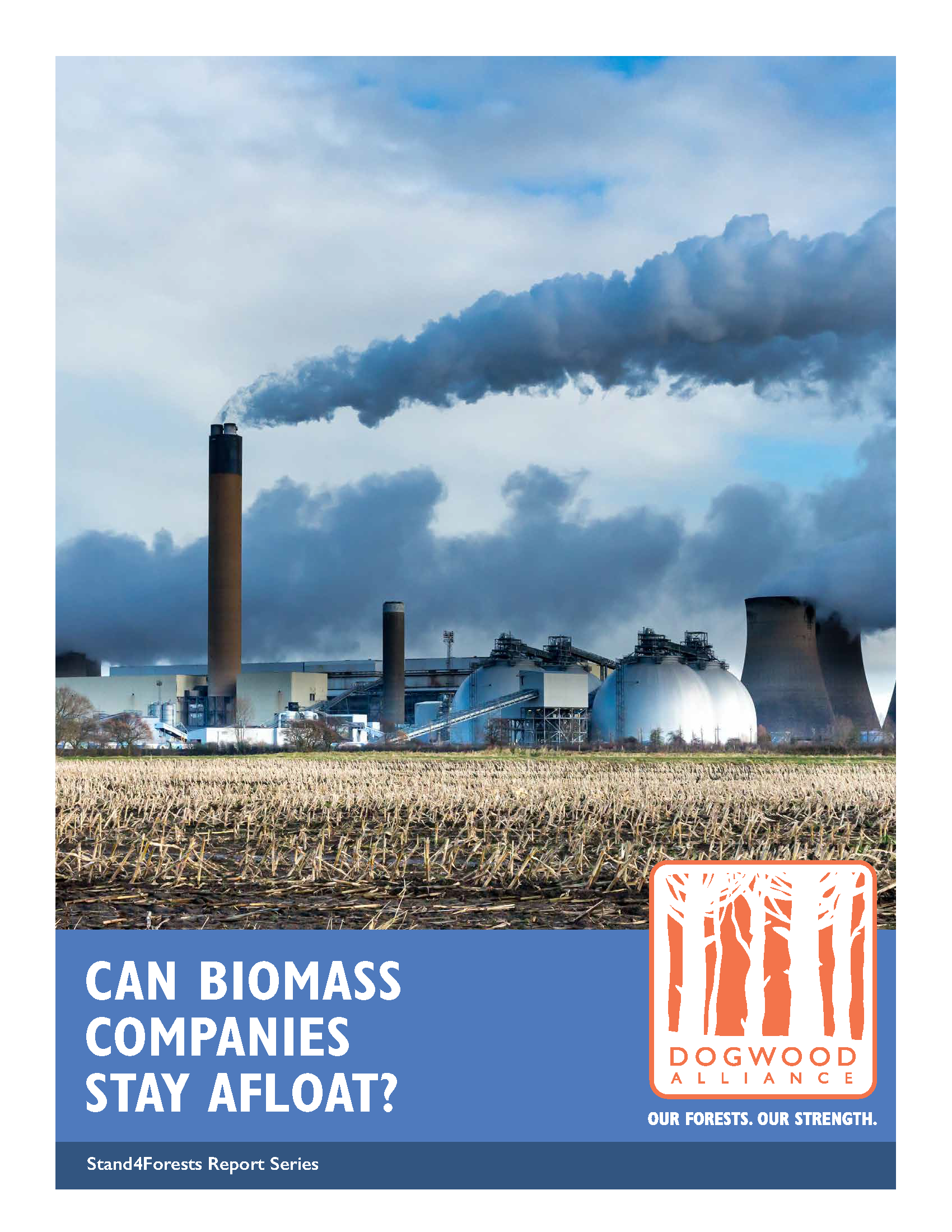
Shareholder reports paint a promising picture of the wood pellet export business. Behind record profit quarters is a longstanding pattern of accepting government subsidies just to stay competitive against other forms of renewable energy. With our need to act swiftly on climate change, we cannot continue to support a noncompetitive, polluting, and forest destroying industry at the expense of truly low-carbon technologies like wind and solar.
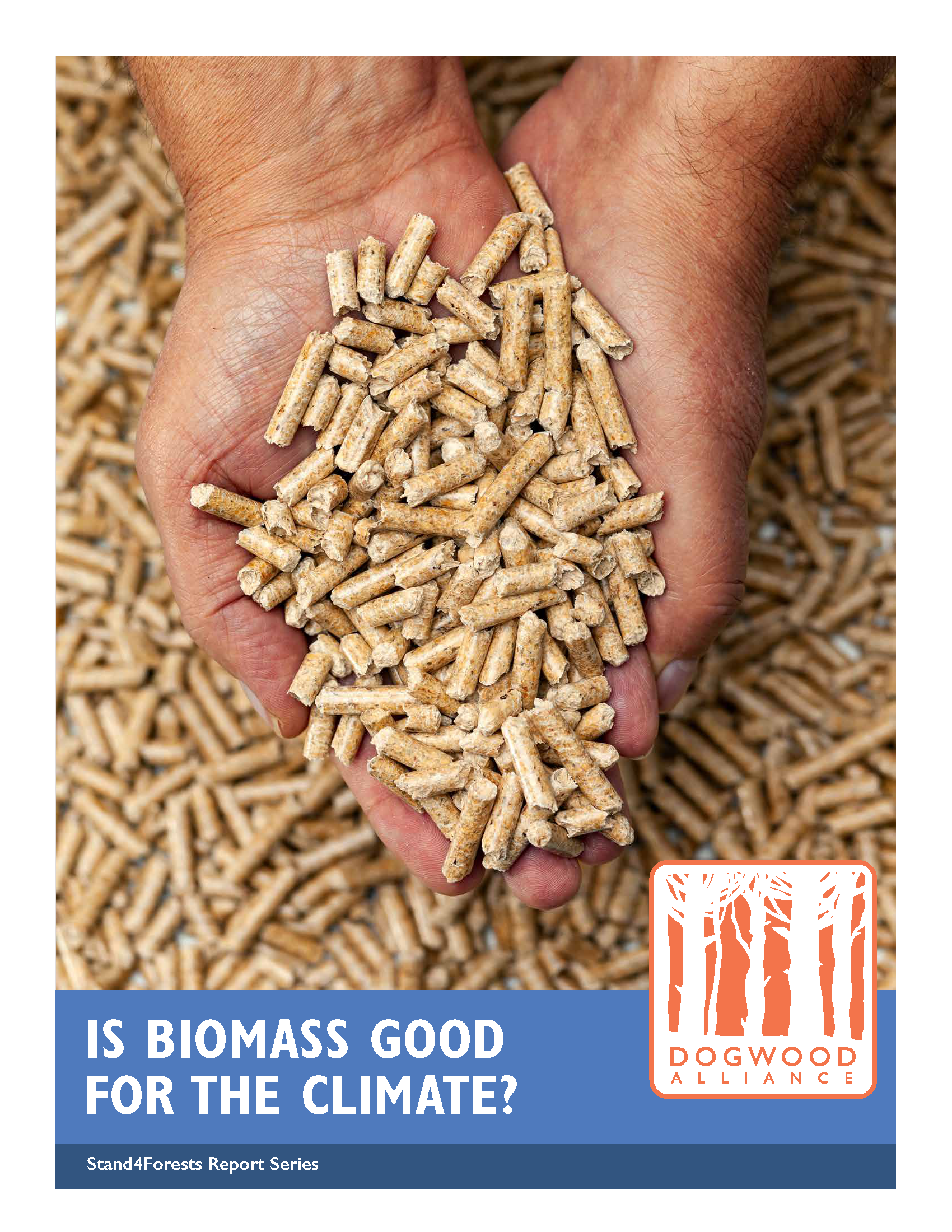
Wood pellets are seen by some as a solution to the climate change crisis. However, wood pellets damage our forests, our climate, and the communities where they are produced and used. Wood pellets release significant greenhouse gases when burned. We need new policies designed to reduce logging and leave more forests standing.
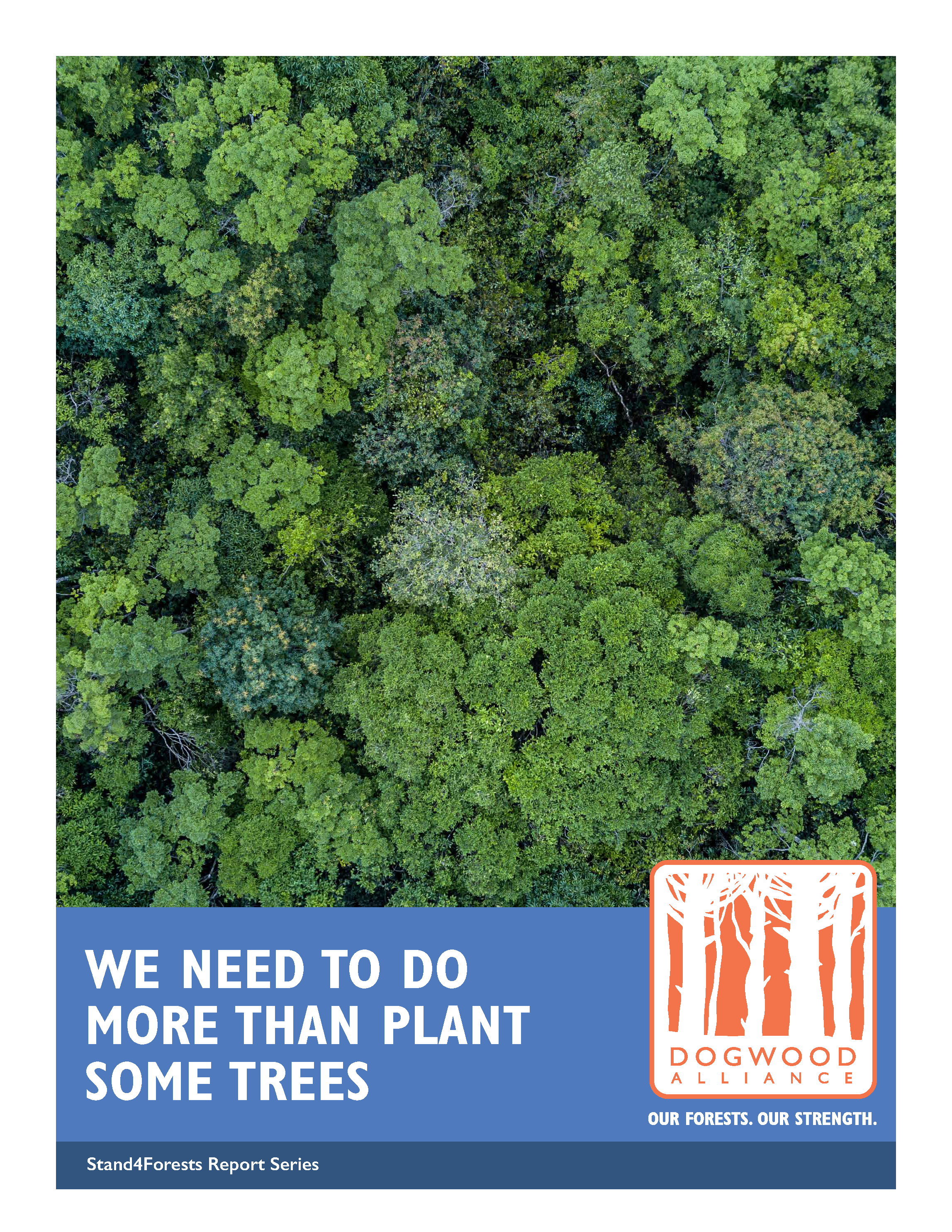 We Need to Do More Than Plant Some Trees
Recently, there have been talks about planting trees as a way to offset climate change. Planting trees may help cities stay cool, but won’t be good in other ways. Instead, we must do more to restore natural forests. Natural forests have the ability to clean water, purify air, and provide homes for wildlife. We believe that the concept of proforestation, allowing natural forests to grow older, is a better and lower cost answer for the complex problem of climate change.
 Will Carbon Markets Help the Climate?
Forests clean our water and clean our air. Forests provide homes for wildlife, keep greenhouse gases out of the atmosphere, and can even prevent floods. Some believe that “carbon markets” may be a way to fix climate change. However, others have serious concerns about carbon markets. Carbon markets may not be scalable or effective. And carbon markets might cause justice issues in local communities.
 The Facts About the Wood Products Industry, Jobs, and the Rural Economy
Economic development can be difficult in rural communities, especially in the South. Community members and elected officials want to be sure that the companies not only provide well paying jobs for decades to come but also serve as “good actors” in the community. Unfortunately, many companies mislead politicians about their impacts on health and pollution in order to set up shop.
Right now flooding, droughts, and heat waves are becoming more extreme. Frontline communities are working to transition their local economies to be just, resilient, and non-extractive. Letting forests grow bigger and older is one of the smartest things we can do to stop the ongoing warming of the planet, protect biodiversity and our communities, and support efforts for equitable economic justice.
US forests and communities are in trouble. We must quickly combat troublesome fairy tales told by the commercial logging industry. Land, particularly forests, hold so much of our past, our present, and our future. Working for climate action and racial justice are intricately linked to keeping our forests standing.
*The video in the blog is the webinar recording from October 8th. If you’d like to view the webinar from October 6th, please visit our YouTube page.
Enviva, the world’s largest manufacturer of wood pellets for export to Europe has applied for a permit to expand pollution at its facility in Greenwood, South Carolina. Wood Pellet production facilities release dangerous air pollutants that cause chronic respiratory and other health problems associated with higher COVID-19 death rates.
Governor McMaster has taken numerous steps to limit business operations to ensure the safety of SC citizens, including requiring face masks and limiting capacity in “nonessential” businesses, such as restaurants and beauty salons. But, to date nothing has been done to limit nonessential businesses that emit pollutants known to cause respiratory illnesses that put communities at even greater risk of death from COVID. That’s why a caravan of cars with signs that read “We Can’t Breathe: Stop Enviva” circled DHEC offices and the Governor’s Mansion recently.

Though African Americans make up 27% of the population, they account for 46% of the state’s COVID deaths. Polluting facilities which emit hazardous air pollution are disproportionately located in communities of color, a major reason why they suffer at higher rates from the underlying chronic health issues linked to COVID deaths.
All five of the company’s wood pellet mills in the Carolinas, including its mill in Greenwood, are located in low income communities with large populations of people of color. Why would the state permit Enviva — a Maryland-based company supplying a nonessential product to foreign countries — to emit even more pollution known to make it harder to breathe, increasing the risk of death during a public health crisis?
DHEC reported the ongoing spread of COVID-19 with 691 new confirmed cases and 11 new deaths this week. The total number of deaths in South Carolina due to COVID is now 3,464.
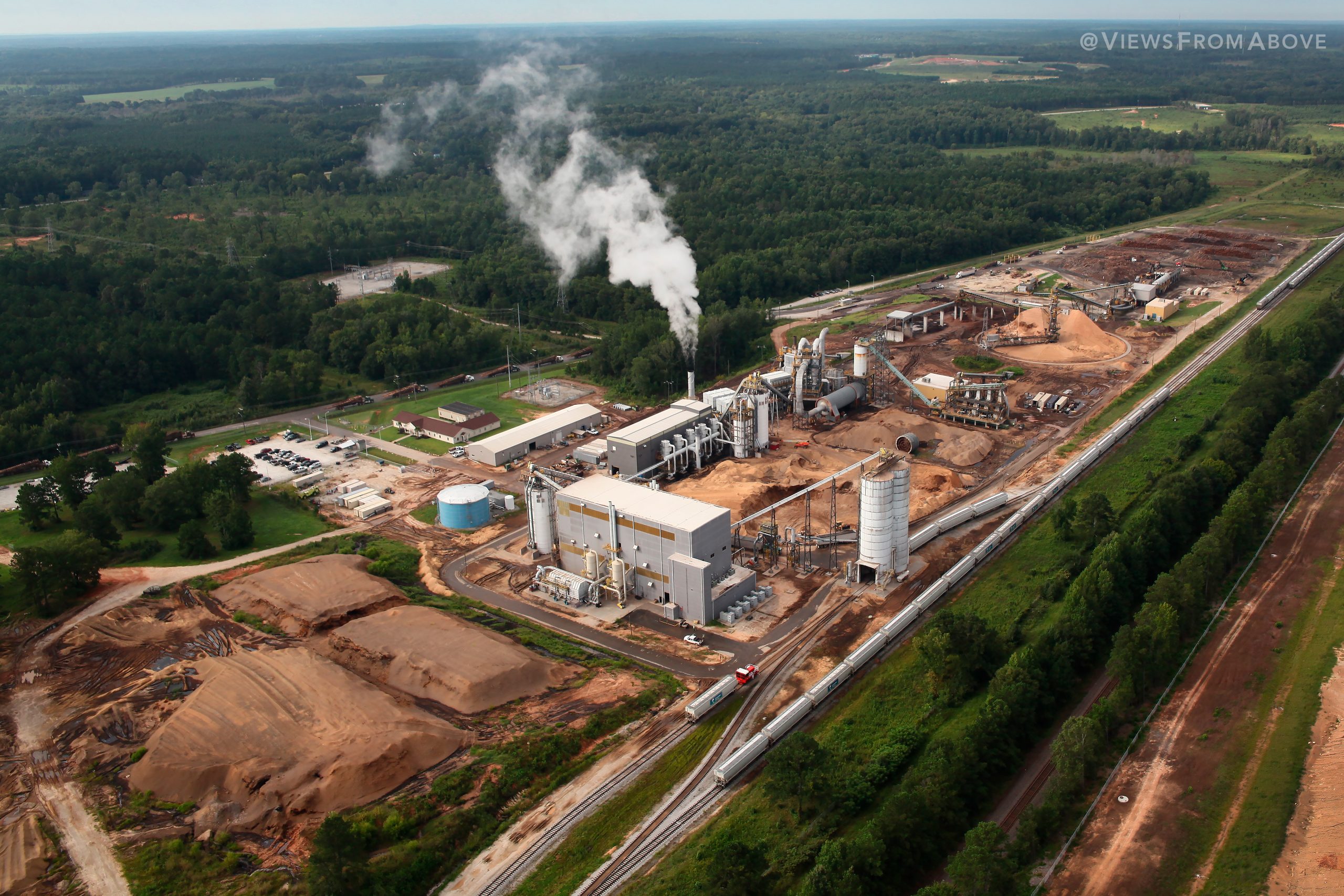
Image courtesy of Views From Above
Protecting the lives of all citizens of South Carolina must be the government’s top priority. Governor McMaster, DHEC, and our state legislators must take the necessary steps to ensure that no SC citizens are put at increased risk by polluters. DHEC is scheduled to make a decision about the Enviva permit at the end of the month. All citizens of SC who value the lives of their families, friends, and neighbors should contact the governor, their state legislators, and DHEC to demand an immediate stop to any state permits for pollution, starting with Enviva.
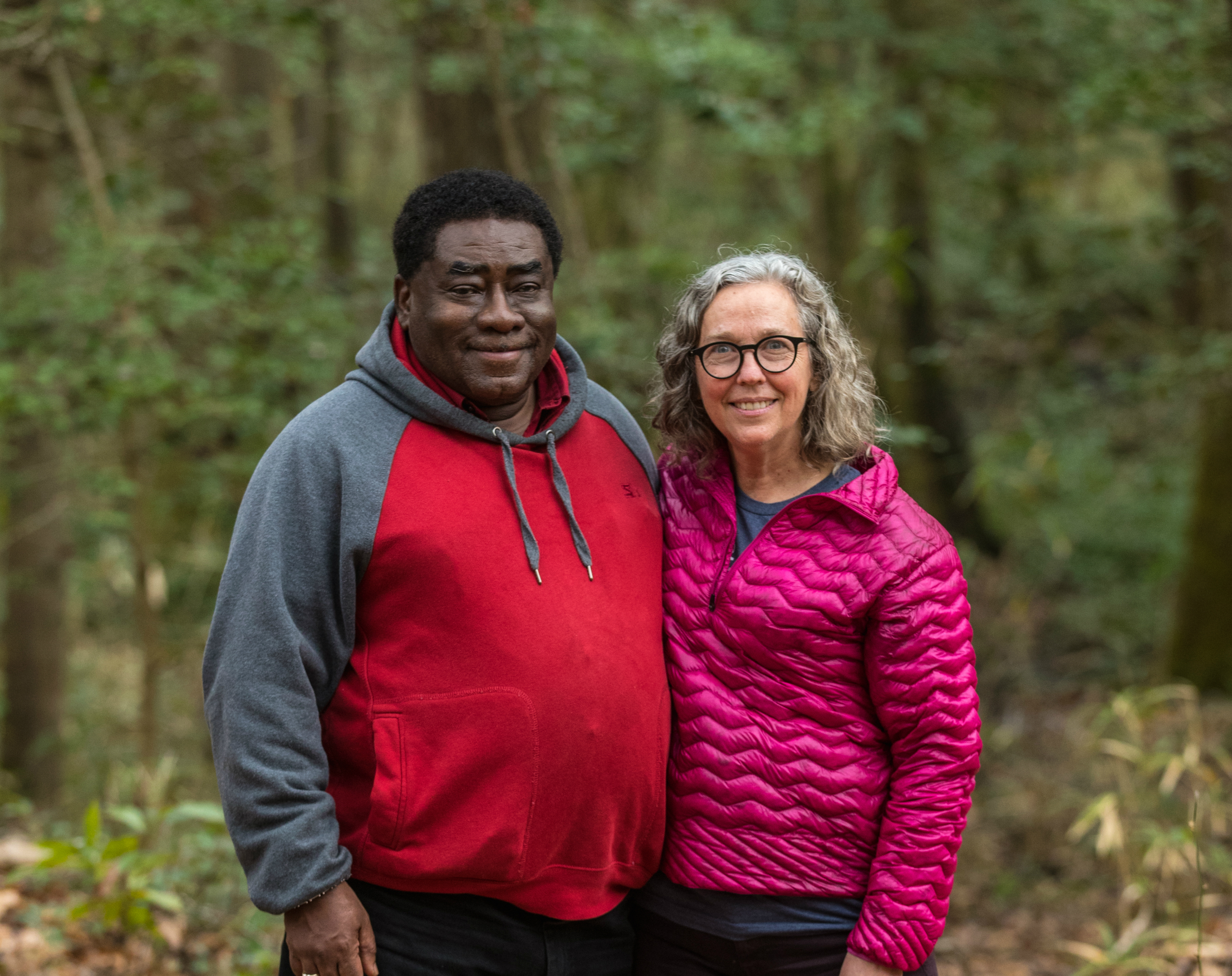
Reverend Leo Woodberry and Danna Smith, co-authors of this blog


 Donate