


 Donate


The US Department of Agriculture (USDA) is accepting comments to determine how their agency will undertake climate change mitigation and resilience through April 29th.
We are submitting our comments and we need you to submit comments, too!
This blog will provide a high-level overview of our message and guide you through the submission process.
On President Biden’s first day in office, he issued an Executive Order to tackle the climate crisis at home and abroad- bringing a renewed focus on environmental and climate justice. Each of the Administration’s agencies must submit their plans to achieve the goals laid out in the recent Executive Order. It’s our opportunity and responsibility to submit feedback on the USDA’s role, considering the Forest Service is a division of the USDA.
The questions around forestry are particularly troubling and advance the industry narrative of wood products as a climate solution — you can see the questions here.
For decades, the USDA and Forest Service have shut out environmental justice and frontline community voices. The people of these communities have been chronically under-resourced, discriminated against, subjected to state-funded police violence, and exposed to toxic pollution through industrial extraction of resources. Even more, the forests and communities of the Southeastern US have become a sacrifice zone, bearing the brunt of the impacts of our nation’s unsustainable wood production and consumption.
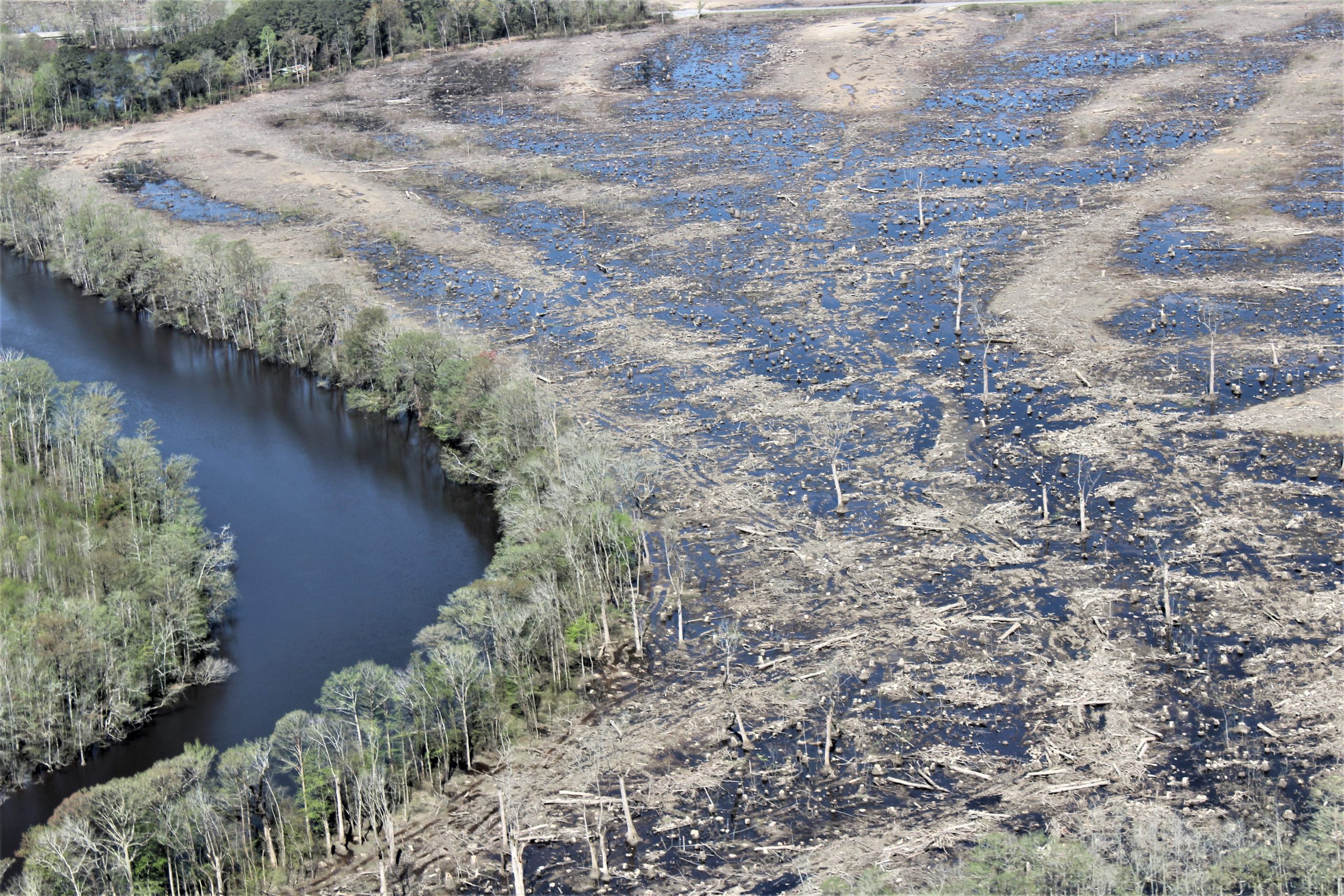
Much of our nation’s wood production is consistently concentrated in rural communities of color across the Black Belt of the US South.
Where poverty, unemployment rates, and other indicators of socio-economic stress remain high. Wood production and industrial forestry are not a sound rural economic development strategy. If they were, the economy in these communities would be thriving not struggling.
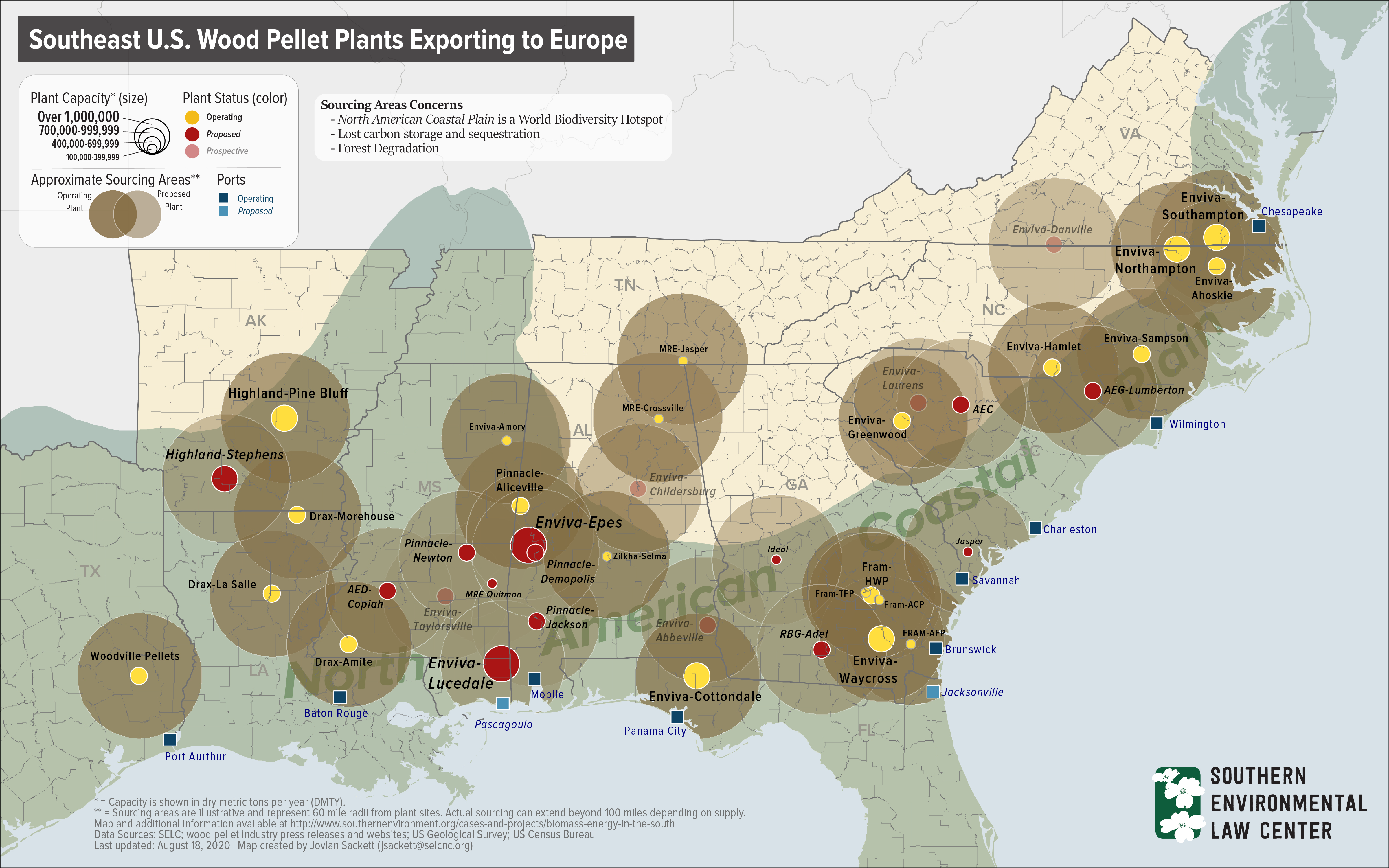
Wood pellet plants are expanding throughout all of the US, polluting our air and clearcutting the best natural tool we have against climate change: our forests. Source: Southern Environmental Law Center
We cannot continue to ignore the climate impacts of the forest industry.
To do so means we have no hope to substantially reduce global greenhouse emissions in accord with the Paris Climate Agreement. Logging is a major driver of climate change. It’s time that we reduce the “productivity” of forests in exchange for reaping more of the climate and carbon benefits they provide. Programs, funding, and financing should be directed towards the sequestration of carbon dioxide over more traditional approaches to forestry management.

Given that we have an opportunity to partake in this public process, Dogwood Alliance plans on submitting comments, and we want you to as well. The more individual submissions, the better. If you prefer to sign onto our comments and be represented that way, you can do so here.
Find Dogwood Alliance’s comment here. Our topline messages will be:
- We must acknowledge and address the impacts of the forest industry on climate change. We know that logging is a major driver of climate change and biomass will make the problem worse not better. Rather than ignore these impacts, we must properly quantify them. And make decisions about our federal investments that address their impacts, not expand them.
- Equity and environmental justice must be at the center of government policies on forests and climate change. The rural Blackbelt of the Southern US can no longer be a sacrifice zone.
- We need to rethink forest policy and the forest economy. We must transition tax and regulatory incentives from industrial extraction to a restorative economy. One that aligns with pro-forestation, outdoor recreation, and other regenerative economic actions. This must be at the center of our federal efforts to restore rural economies and Build Back Better.
How do I submit comments?
- Comments may be submitted online via the Federal eRulemaking portal.
- Go to http://www.regulations.gov and search for the Docket No. USDA-2021-0003.
- Follow the online instructions for submitting comments.
Join us and submit your comment before the April 29th deadline. If you’d like additional guidance and information for your comments, please contact me, Rita, at [email protected]
Rita Frost

 September 10, 2026