


 Donate


Community organizer, Anita Cunningham, reached out to me about joining Dogwood Alliance’s North Carolina Legislative Fellowship. At first, it surprised me to realize I knew almost nothing about the wood pellet biomass industry. I’ve been involved in environmental justice work since my sophomore year of college. I was excited to learn about an issue that was completely new to me. I was already familiar with advocacy work. Such as researching policy, lobbying legislators, and participating in many environmental justice projects.

But before accepting the opportunity, I did my own research. I wanted to understand all sides before forming my own opinion. I wanted to understand why the wood pellet industry had support in the first place. At first, I could see the appeal. The industry presents wood pellets as a renewable energy source. On the surface, it seems like a good idea. But the more I learned, the more I realized. There was an entire side of the story that wasn’t being told enough. The community side of the story. The environmental justice side of the story.
Taking the community story to legislators
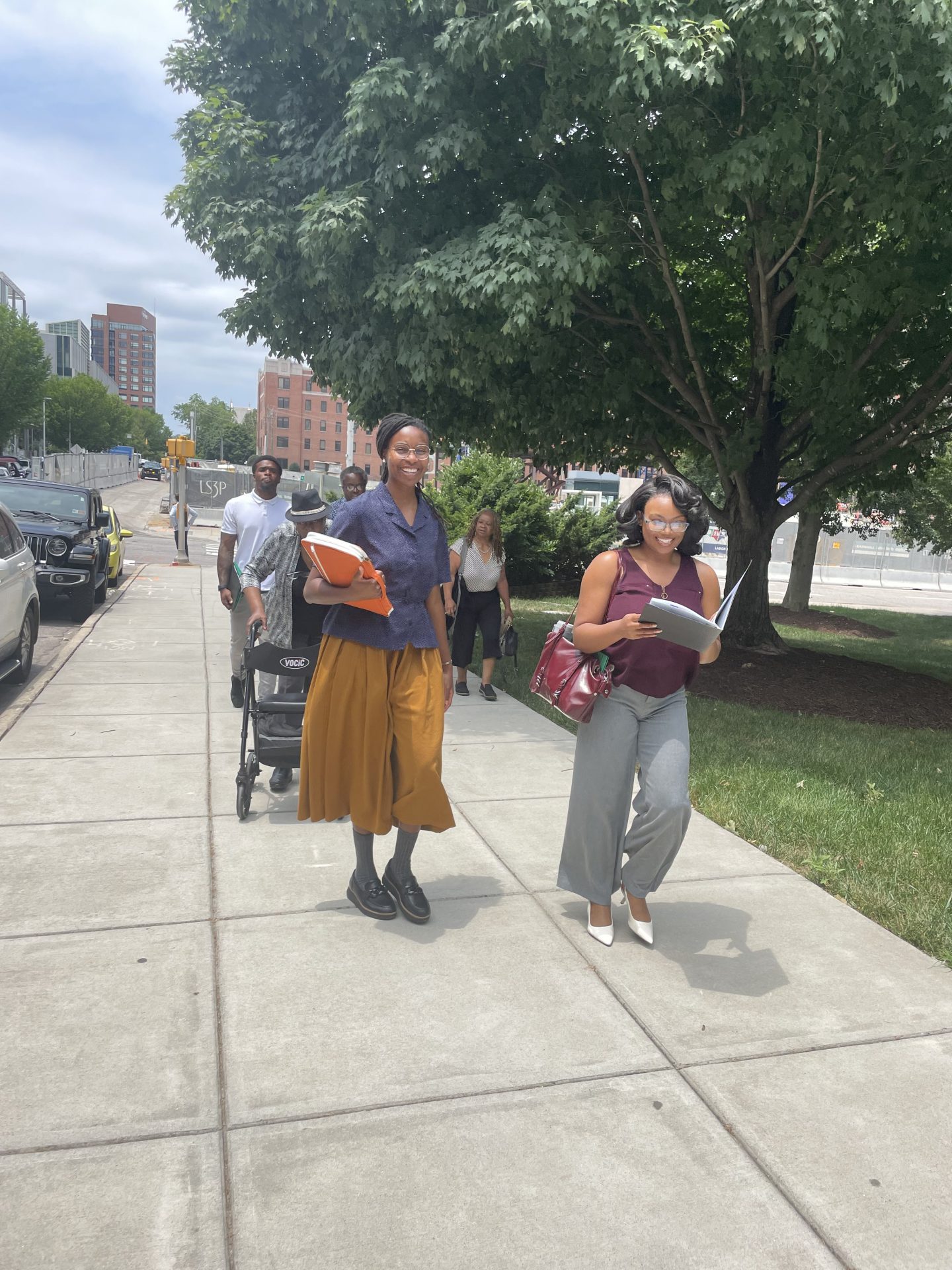
NC Lobby Day gave me the opportunity to bring that missing side of the story to legislators. Every conversation was different. One legislative assistant quickly dismissed our concerns. Others took the time to ask thoughtful questions. One even shared that they had toured an Enviva facility. They initially viewed wood pellets as a good renewable energy source. Dogwood’s NC State Manager, Paige Polk, later described those tours as the “red carpet” experience. That was the perfect description. Of course a company is going to present itself in the best possible light. But we talked about the health concerns of residents. We talked about the negative experiences communities were having with the industry. Then the conversation shifted. Legislators began asking questions instead of simply repeating what they had heard.
My biggest takeaway from this fellowship is that the voices of impacted communities deserve to be heard. That begins with education. Before this summer, I knew almost nothing about the wood pellet industry. It made me realize how many important issues across North Carolina young people have never learned about.
What can educational institutions do about wood pellets?
Elections are approaching this November. Colleges and universities should host a nonpartisan civic education event. They can bring community organizations together with faculty and student leaders. They can share their work on different issues across the state. This would be a better strategy than hosting different events throughout the semester. Together, we can combine our resources to create one larger event. The goal is to reach more students while exposing them to a variety of issues. Whether it’s environmental justice or public education. Voting rights or other challenges facing North Carolina. I’m not talking about another class for students to sit through. We need an interactive resource fair with music, food, and activities. Give students opportunities to meet organizations and ask questions. So they can learn how different issues affect communities across our state.
The goal isn’t to endorse candidates or persuade students how to vote. It’s to ensure they understand the issues. It gives them the chance to hear the voices of the communities most affected. This equips students to make informed decisions. College is about preparing students for adulthood, and civic engagement should be part of that journey. Colleges can use social media to highlight these events. They can inspire one another to host their own. This could create a statewide movement that encourages civic engagement. Most importantly, this helps more students become informed citizens.
Nyla Hankins
Nyla Hankins is pursuing her Master of Public Administration (MPA) at Wake Forest University. Research and outreach are central to her work. She focuses on public education, voting rights, and environmental justice. Nyla is committed to educating others and strengthening communities. She's committed to promoting more equitable and inclusive public systems.

 June 18, 2026