


We’re excited to introduce you to our North Carolina team of organizers! Organizers Debra David, Dr. Ruby Bell, and Pastor Richie Harding all live in NC communities that the wood pellet industry most directly harms. In their respective communities, they’re educating their neighbors on the damaging impacts of the wood pellet biomass industry, and encouraging their communities to get involved in advocating for forest protection and environmental justice.
Local organizing is a critical component of our work for forest protection. For too long, lax policies and regulations have enabled a system of forest destruction that concentrates harm in lower-income communities of color. An organized and educated movement is the first step in advancing policies that don’t allow for the rampant logging and pollution.

I am a 46 year veteran in the field of education. From teaching to administration, I have experience at the PreK-12, Community College, and the four-year College/University levels. I’ve worked with children, parents, and the community for quite some time. I subscribe to the motto “every child, every chance, every day” as my focus to help children be successful. I now apply it to my community endeavors to give every person in every community every chance, every day to have a viable, healthy community.
Serving as Tri-Chair of the Diversity, Equity, and Inclusion Special Interest Group for the North Carolina Association for College and Teacher Educators opened my eyes and heart to the needs of the underserved communities of color. Dr. Iris P. Frye said, “Where we live, learn, work, and play affects our health, and over time, the conditions we experience lead to varying levels of health risks.” Therefore I believe we must have broad conversations, discussions, and advocate to assist the communities in addressing the needs and removing any barriers to health. Keeping the community knowledgeable through education is extremely important. I love this Margaret Mead quote:
“Never doubt that a small group of thoughtful, committed citizens can change the world; indeed, it’s the only thing that ever has.”
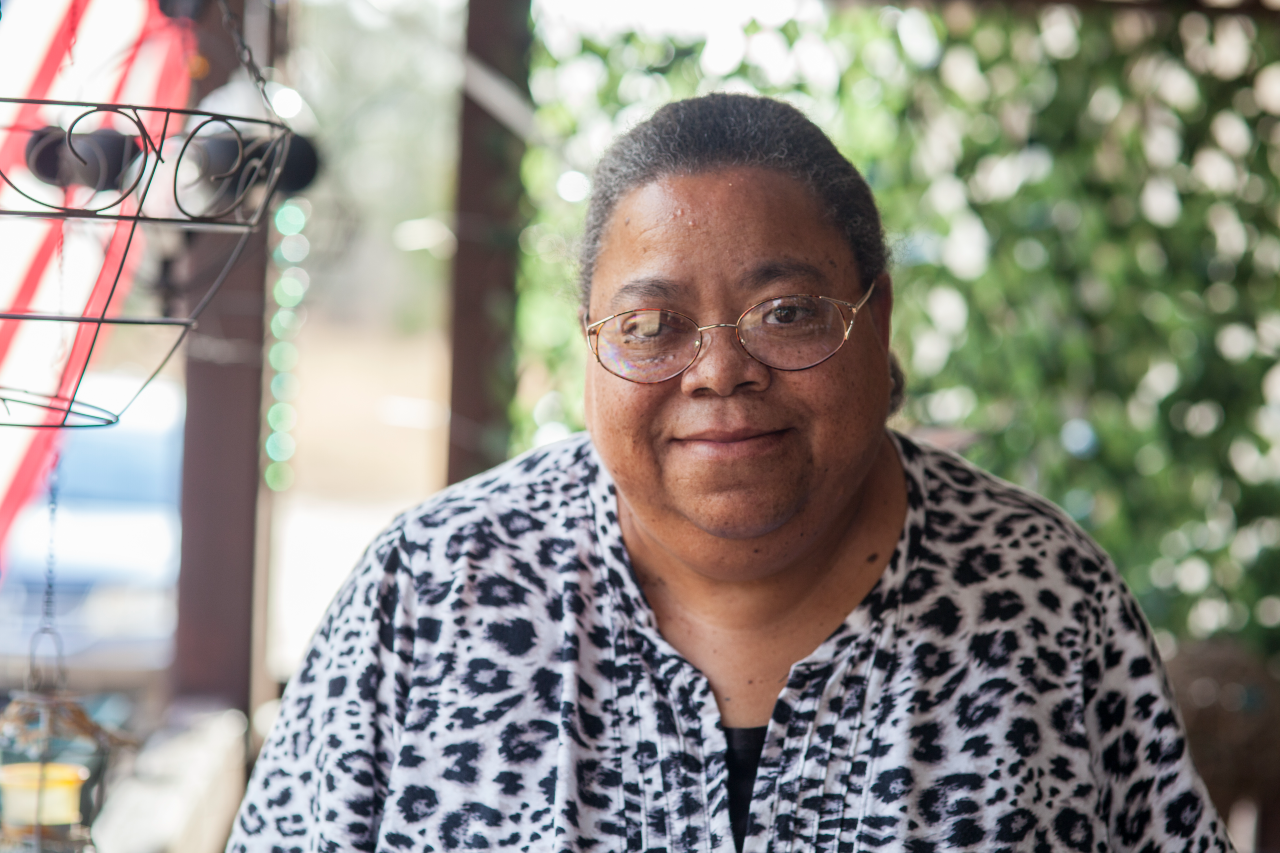
Debra David
Hi my name is Debra David. I am a resident of Richmond County. I am the organizer for Concerned Citizens of Richmond County. I live just down the road from an Enviva wood pellet plant, and I support my community in organizing around wood pellet issues. In 2019, our local group was successful in getting a huge win when our work forced Enviva to reduce pollution at their Richmond County plant by 95%. I love what I do, especially with environmental issues. I love working along with Dogwood Alliance.

Richie Harding is a Pastor and husband/family man from Gaston, North Carolina. This former veteran and IT specialist spends most days working with the kids as the executive director of Gaston Youth and protecting the environment through Northampton First. Richie’s community is home to many lifelong residents but has seen the appearance of a wood pellet facility and two CAFOs (Concentrated Animal Feeding Operation). “Of course we work to protect our children and environment ensuring growth for the future, but our people are suffering now. We need answers. We need help. We need change now.”
The latest Intergovernmental Panel on Climate Change (IPCC) report has a glimmer of hope among the bleak warnings. The report calls for a huge shift that focuses efforts on the maintenance and growth of natural systems. Natural systems like forests. To avoid the worst, the report urges us to conserve half of the Earth’s lands. The report also underscores the need to deviate from “maladaptive solutions”, or well-intentioned solutions gone wrong. To preserve the livability of our planet, we must change course and stop large scale biomass immediately.
Biomass is an ambiguous term that is also called bioenergy, wood pellets, woody biomass, and more. No matter the name, it means burning trees in power stations for electricity.
For over a decade, the biomass industry has operated on a foundation of faulty logic. They claim it’s a renewable and carbon neutral form of energy. But biomass releases climate warming carbon into the atmosphere every step of the way. The industry cuts down forests of the Southeastern US and converts them to pellets. They ship our forests overseas. Then they burn our forests in foreign power stations as an alternative to coal.
This industry couldn’t survive without taxpayer dollars. Governments throw money at biomass companies because they think biomass can help their countries reach renewable energy goals. All the while biomass is pushing those countries and the rest of the world further away from a clean energy future.
The biomass industry destroys rich, biodiverse forests and replaces them with single species plantations. Quickly converting carbon sinks into carbon emitters. These plantations can take decades to store the same amount of carbon as mature forests. Decades we don’t have.
Our planet desperately needs viable renewable energy now so that we can move away from fossil fuels.
It increases carbon emissions, forest destruction, and harms us all by increasing pollution and weakening climate resiliency.
Unfortunately, the demand for biomass is rapidly growing. What was meant to be a transitional energy source has unleashed a Pandora’s box of climate catastrophe. Large scale forest destruction in the Southern US hurts climate resiliency worldwide. Losing a forest may be a local issue, but burning a forest is a global one. To help you understand how we got here, we created this list of Biomass Baddies propelling the rise of this polluting, propped-up industry.

A bad policy led to biomass becoming classified as a “renewable energy”. In 2009, the European Commission created The EU’s Renewable Energy Directive (RED). The RED uses bad logic: If you cut down a tree, burn it, and then plant another one, it’s carbon neutral. We have plenty of scientific evidence that burning biomass for energy emits 30-50% more carbon than burning coal.
After the 2015 Paris agreement, the RED decided Europe’s path to reach their goals of reducing carbon emissions. Because of false carbon accounting, bioenergy is now ⅔ of the energy the EU classifies as renewable. When RED II passed in 2018, it doubled down on bioenergy as a so-called renewable energy solution for at least another decade.
We shouldn’t define biomass as renewable energy, and the EU should not subsidize it. Industrial bioenergy is not “renewable” and adds emissions to the atmosphere when we need to be reducing them. The EU must change course before the rest of the world follows their horrible lead.

Once the EU gave the green light, the UK jumped at the opportunity to greenwash burning wood for electricity. The UK is the largest importer of wood pellets in the world. They source destroyed forests from the Southern US, Canada, Estonia, and Brazil. Even after Brexit, the UK continues to subsidize biomass at astonishing levels. In 2019 alone, the UK imported 8.5 million tons of biomass. They also granted subsidies of almost £3 million a day to large biomass-burning power plants in the UK.
Massive amounts of public resources are going towards an energy source that hurts forests and biodiversity, increases carbon emissions, and places communities at risk. One in every five pounds the UK spends on renewable subsidies goes to bioenergy. Not to wind, solar, or other truly clean energy sources. This is shocking. Wind and solar power guarantee real emissions reductions, are readily available, and come at a fraction of the cost. Prime Minister Boris Johnson says he wants to lead the world in tackling the climate crisis and protecting nature. Yet, his government has invested billions in subsidies for dirty biomass electricity.

Drax has been identified as the UK’s biggest source of CO2 emissions. The UK may be the largest importer of wood pellets in the world, but Drax is the biggest burner of our forests. Drax claims its biomass is “sourced from sustainably managed working forests which grow back and stay as forests.” That’s simply not true. Reports show their sourcing has come from natural hardwood forests in the Southern US. In some cases, they’ve sourced wood from ancient forests in Belarus and Russia. All this burning of biomass is awful for the climate. Drax is one of Europe’s top five emitters of dangerous particulate emissions. They’re on the list with some of the continent’s worst coal power plants.
Drax is also the world’s second largest wood pellet producer. They operate facilities in Louisiana (Morehouse, La Salle) and Mississippi (Amite). Drax recently bought Pinnacle Renewable Energy (PRE), a Canadian wood pellet manufacturer. PRE has sourced wood from forests that provide a home for the Southern mountain caribou, an animal threatened by habitat loss.
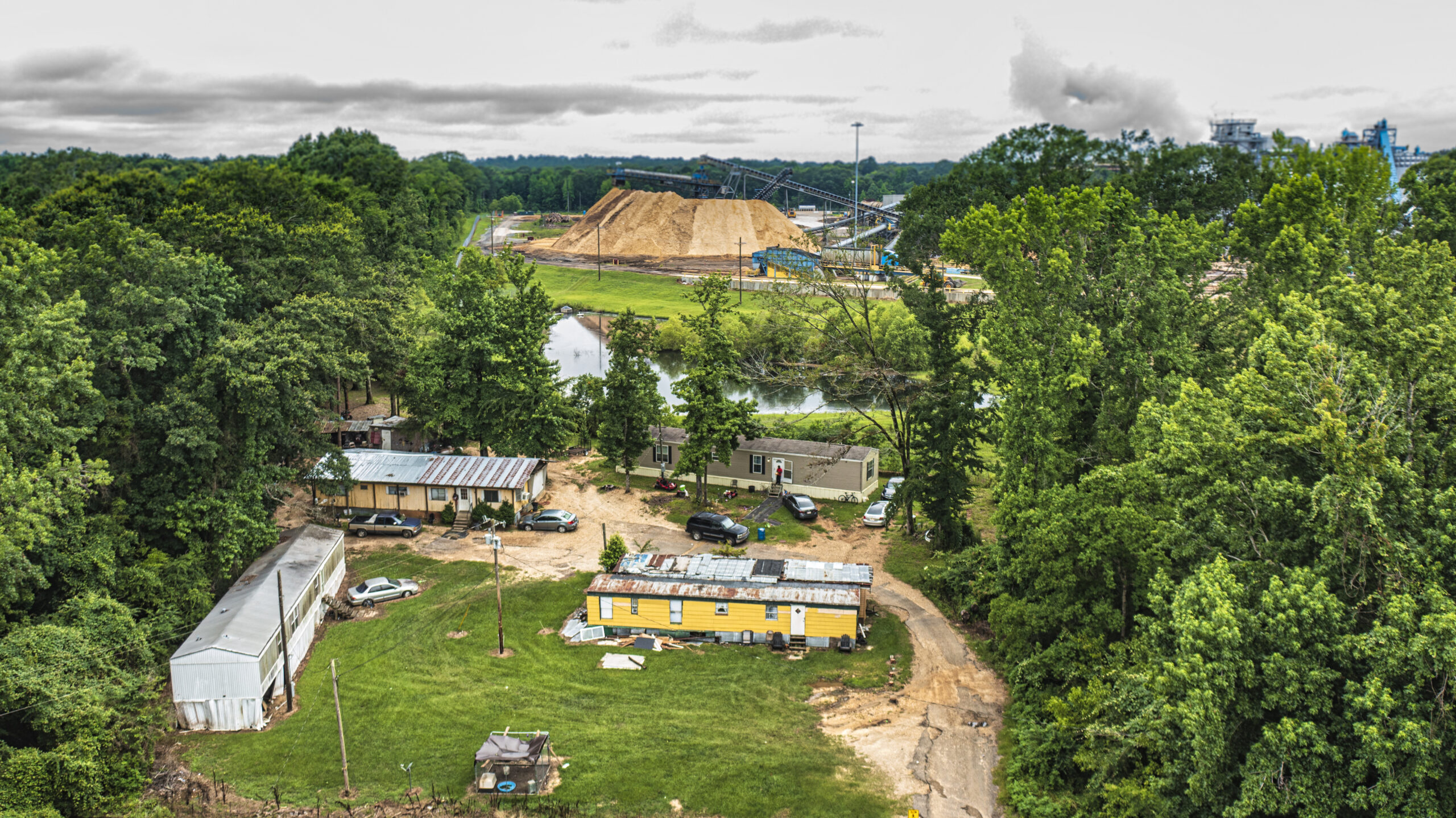
This facility is in the backyard of the Blackmon Hole community who has not received one cent to improve their health. The community was shocked to learn that the $2.5 million dollar fine was less than the subsidies that Drax receives from the UK government in a single day.
Drax’s strong relationship with the UK government is beginning to fail. One of the government’s ministers said “there are real problems” with burning wood for electricity. Let the entire house of cards come crashing down. That’s better than the UK digging in deeper with biomass or carbon capture storage (BECCS). Let’s take those taxpayer subsidies from Drax and give them to truly clean energy projects.

Maryland-based Enviva is the world’s largest manufacturer of wood pellets. They turn mostly whole trees into pellets that are then shipped overseas and burned in power stations. Europe and the UK’s policies have caused Enviva to rapidly grow. Enviva claims that its product is fighting climate change. Yet, in North Carolina alone, Enviva has logged 300,000 acres of forests in just eight years. This forest destruction released 28 million tons of CO2e (carbon dioxide equivalent) during harvest, transport, production, and combustion. That’s the same as burning 14 million tons of coal or 6.5 coal plants operating for a full year.
Enviva currently operates nine wood pellet facilities, has three more in various parts of development, and is considering five more. In January of 2022, they announced plans to double their production.
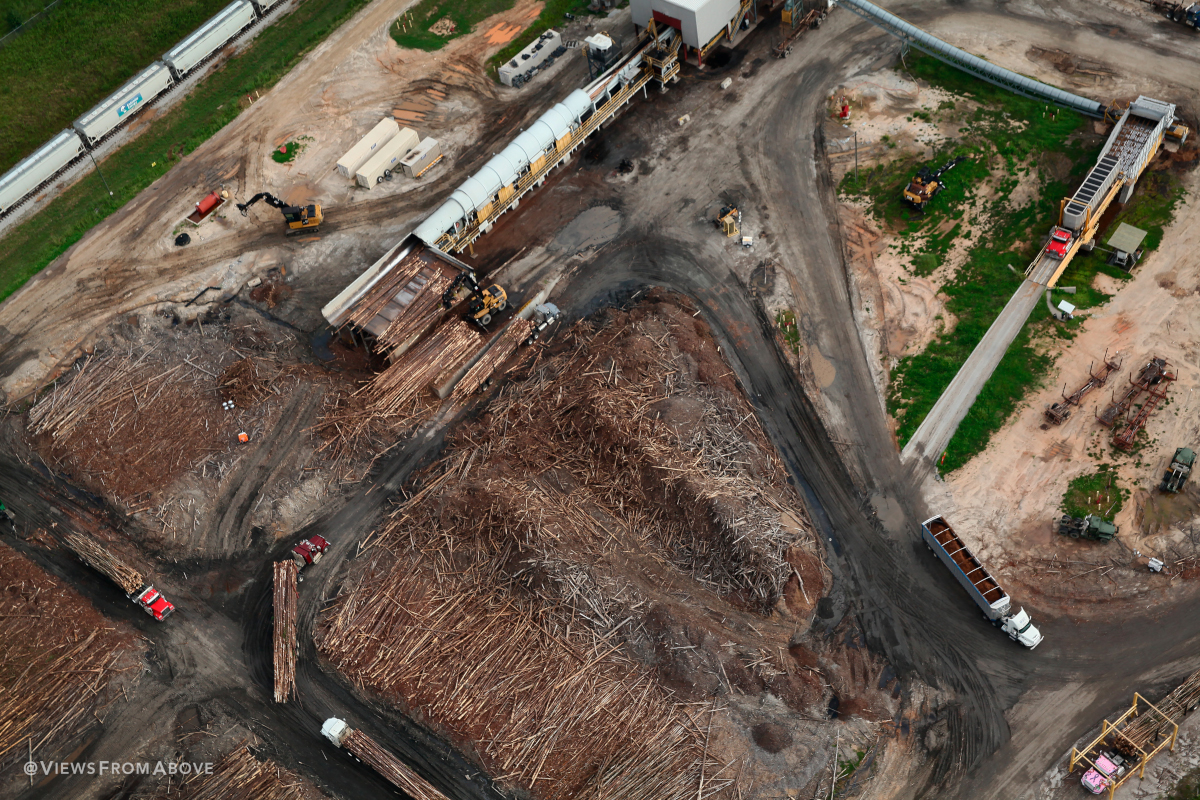
Their plants run 24 hours a day, 7 days a week. Nearby residents never get a break from the incessant noise, dust, volatile airborne compounds, and pollution. All this amounts to increased rates of cancer, asthma, and tree loss. Tree loss increases air temperature, which can lead to even more health risks. Enviva’s entire operation negatively impacts community health and climate resiliency.
Enviva also promises good, high-paying jobs when they come to town. Check out their Indeed employee reviews to see how they really treat their workers. Former employees complain about dangerous working conditions, lack of job security, and bad management practices. Enviva talks a good game, but in reality they crush their people like they destroy our forests and climate. Reality doesn’t match their boasts about the great jobs they bring to rural communities.

If you look at any paper product, you might find a symbol. Many of these products will have a SFI or FSC symbol. These symbols are certifying that they’ve manufactured the product to a certain standard. Certifications are businesses, and they operate by charging licensing fees. Manufacturers then use certification schemes to sell their products for a premium.
Certification schemes are never as rigorous as they should be. In some cases, they’re outright greenwashing. This is true of one certification in particular: the Sustainable Biomass Program (SBP). Biomass companies created the SBP standard themselves. Then they turn around and use it to certify that their products were sustainable and legally sourced.
To quote our partners NRDC on the matter,
The SBP standard is a perfect example of greenwashing and self-regulation gone wrong.

We’ve been asking North Carolina’s Governor Roy Cooper to break up with the biomass industry for years. Despite calling himself a climate leader, under his leadership NC became the largest exporter of wood pellets in the nation. The biomass industry cuts 60,000 acres of the state’s forests every year to feed demand.
North Carolina has given away $10 million in our tax dollars to subsidize the biomass industry. That money could be invested in wind, solar, or other forms of truly renewable energy. The state could also use those resources to invest in pollution controls for communities living with dirty biomass.
Governor Cooper hasn’t stopped the permitting of facilities in communities already suffering from the cumulative impacts of many pollution sources. His latest executive order does promise to address this concern in the future, but we must ensure he delivers on this promise.
While politicians like Governor Cooper have done little to stop the growth of the biomass industry, there are a few actively promoting its expansion. Rep. Bruce Westerman (R-AR) worked as a forester before his election to the House. His interests are the logging industry’s interests. In 2021, he introduced the Trillion Trees Act. While a trillion trees sounds lovely at face value, it’s a wolf in sheep’s clothing. The bill requires an annual increase in logging levels and that all activities in the bill spur timber markets. That’s why environmentalists have called it the Trillion Stumps Initiative. The bill also tries to declare biomass as carbon neutral.
Rep. Westerman isn’t the only politician trying to replicate the EU’s terrible policy. Senator Susan Collins (R-ME) has also introduced legislation to declare biomass as a carbon neutral renewable energy source. This would be a US version of the Renewable Energy Directive I & II. If the US follows the EU down this path, it will be disastrous for forests, climate, and environmental justice.

The mission of the Environmental Protection Agency (EPA) is to protect human health and the environment. Congress writes environmental laws and the EPA implements them through regulations and enforcement. State level agencies are usually the last line of defense when it comes to protecting public health, maintaining air and water quality, and ensuring public input. Unfortunately, state agencies in the South are failing us when it comes to the biomass industry.
Time and again state agencies are rubber stamping permits for biomass facilities. In some cases, they don’t even allow for a public comment period. The residents of Adel, GA are still waiting for the Georgia Environmental Protection Division (GA EPD) to give them their chance to speak against a proposed biomass plant in their backyard.

In cases where people showed up to protest, like in Greenwood, SC or when hundreds of people have spoken out in opposition, like in North Carolina, it doesn’t change the outcome. Georgia’s EPD, South Carolina’s Department of Health and Environmental Control (SC DHEC), and North Carolina’s Department of Environmental Quality (NC DEQ) granted permits for new or expanding biomass facilities. This was despite fierce opposition from the Black and Indigenous people that will be living with dirty air as a result. They’ve done so without any consideration for those already burdened with existing pollution sources.
In Gloster, MS, Mississippi’s Department of Environmental Quality (MS DEQ) fined the Drax Amite plant $2.5 million dollars for exceeding air pollution limits for over three years. This fine amounts to a slap on the wrist and is around the amount of money Drax receives daily in subsidies. MS DEQ is yet to notify local residents the pollution occurred, and they haven’t invested a dime in repairing the community’s health.
How are these agencies protecting human health and the environment when they allow our people to be poisoned and our forests to be destroyed?

Japan is now the world’s fastest growing market for wood pellets. Japan’s Prime Minister Suga committed the country to carbon neutrality by 2050. Large energy manufacturers have had to follow suit. For coal burners, like Sumitomo, we’ve seen a massive shift from burning coal to burning forests. As a result, Japan has dramatically increased imports of wood pellets from forests.
By 2025, Enviva expects to produce 7.1 million tons of wood pellets (compared to 3.6 million tons in 2019) to meet Japanese demand. This is a staggering increase in production. More and more the future of our forests and climate is tied to Japan’s biomass industry. Companies like Sumitomo and the Japanese government should avoid biomass if they don’t want the negative impacts on forests and high greenhouse gas emissions.

The Nature Conservancy’s (TNC) mission is to conserve the lands and waters on which all life depends. That’s why it’s mind-boggling that they falsely promote wood production and logging as a solution to the climate crisis. They’ve used their power and influence to shape forest policy that benefits the forest industry, not climate justice.
In fact, they supported over $1.5 billion in subsidies for the forest industry as part of the 2021 Infrastructure Investment and Jobs Act. They have also promoted forest carbon markets. This allowed fossil fuel polluters to “offset their emissions” with sham forest conservation efforts for TNC’s financial gain. TNC has also refused to recognize the impacts of wood products and logging on climate, biodiversity, and environmental justice communities.
The coalition produced the exposé after years of failed attempts to open a dialog with TNC only to have their concerns repeatedly dismissed. The exposé was released alongside an open letter to TNC’s CEO, Jennifer Morris, that more than 150 organizations signed.
Why is the world’s largest conservation organization using their massive resources and influence to promote forest destruction? As recently as 2021, they allowed a major investor and board member of Enviva to sit on their Advisory Board for the NatureVest program. They’re also a member of the Forest Climate Working Group along with both Enviva and Drax. This group promotes investments in wood markets as a “natural climate solution.”
TNC is the wealthiest, most powerful environmental organization in the world. The coalition hopes that public awareness will prompt funders and policymakers to demand accountability for the problems of industrial logging. In addition, they hope public pressure motivates TNC to shift their focus to protecting forests and communities instead of enabling polluting industries like biomass.
Whether it’s sunken cost fallacy or malice, it’s a mistake to classify biomass as carbon neutral. Governments and corporations have wasted more than a decade pursuing a maladaptive climate solution.
It’s possible that none of these baddies set out to intentionally harm our forests, climate, or people. But instead of focusing on the intent of biomass, we should be focusing on its impact.
The impact is more climate-warming carbon in the atmosphere. The impact is weaker resiliency against rising waters and temperatures. The impact is Black and Indigenous communities living with greater air pollution and susceptibility to disease. It’s losing forests and biodiversity at a massive scale, especially in the US South. It’s wasting billions of dollars in subsidies that could be invested in truly renewable clean energy alternatives. The impact is we’ve lost valuable time propping up an industry that isn’t economically or environmentally sustainable.
Many of the same scientists that have warned us on climate are now warning us against biomass. We should listen to them. Forests are a natural system that removes and stores carbon. They’re key to our survival and climate adaptability. Forests are our best climate defense. Protecting forests protects our future on this planet.
[share-buttons]
This post was co-authored with Rita Frost.
Is biomass bad for the environment? Using either wood (bioenergy or biomass) or fossil fuels for energy creates greenhouse gas emissions that worsen climate change. The global energy trade is large, and many countries import fossil fuels or biomass to produce energy.
Biomass imports have proven extremely harmful to climate change mitigation efforts. As the world changes its relationship with fossil fuels, we can’t rely on dirty fuels like biomass energy to make up the difference.
The International Panel on Climate Change (IPCC) recently released a new report on climate change and fossil fuels. Their report tells us,
“The scientific evidence is unequivocal: climate change is a threat to human well-being and the health of the planet. Any further delay in concerted global action will miss a brief and rapidly closing window to secure a liveable [sic] future.”
Is biomass harmful to the environment? The IPCC is clearly warning the world about energy sources. As the world tries to move towards a clean energy future, we have to be smart about it. The world can’t continue using fossil fuels for energy. We do need to power the world. But the more that we can rely on a green and clean energy source, the better. We need to get off of fossil fuels, but burning biomass to generate electricity is not the answer. Though renewable, biomass energy produces more greenhouse gases than coal when it is burned.

Here are just a few reasons that the world should think twice before using wood pellets and other biomass as fuel sources to replace fossil fuels.
The IPCC does not give a green light to burning biomass as an energy source. No matter what producers like Enviva or Drax will tell you, it’s a bad fuel choice. Burning biomass produces more carbon dioxide than fossil fuels. Even though biomass is sometimes considered one of several renewable energy sources used to generate electricity, its carbon dioxide emissions are very large.
The IPCC says in its latest AR6 report,
“Large scale deployment of bioenergy, including Bioenergy with Carbon Capture and Storage (BECCS) … can damage ecosystems directly or through increasing competition for land.”
In other words, this renewable energy can damage ecosystems in two ways. First, logging for biomass energy can harm ecosystems in direct, measurable ways. Secondly, it can influence how expensive land is or what it’s used for.
The world keeps track of carbon dioxide through carbon accounting systems. Unfortunately, here’s a big loophole in global climate policy. It classifies burning woody biomass as a “carbon neutral” energy source. As a result, the UN and many countries think that biomass energy is acceptable. But scientists have proven that burning biomass is worse than burning coal for energy production. And ultimately, it just leads to more carbon dioxide emissions, and more global warming.
Declaring biomass wrongfully “carbon neutral” has created cascading economic effects. The forestry industry, especially in the US, gets massive subsidies to produce millions of tons of wood pellets annually. The carbon dioxide emissions from burning biomass are essentially “free” – even if they contribute to global warming. Plus, more bioenergy means less room for food crops – and we need food crops to eat!
Subsidies are fueling rapid growth of the biomass industry. The US, Canada, Eastern Europe, Russia, Vietnam, and Malaysia are all cutting forests down for energy. The EU and UK are the largest biomass energy market, but the market continues to grow. There’s rapid expansion of biomass power plants now occurring in Japan and South Korea.
Unfortunately for the climate, the biomass boom is only beginning. To avoid disastrous global warming impacts, subsidies for biomass must end. Without government subsidies, power plants can’t afford to buy biomass feedstock. Without subsidies made up of taxpayer dollars, the biomass industry can’t turn a profit.
More than a decade of research has shown that wood pellets often cause more carbon pollution than coal. Last February, more than 500 scientists signed a letter sent to President Joe Biden and other world leaders. It urged them not to substitute burning trees for fossil fuels as a climate solution. They wrote,
“The burning of wood will increase warming for decades to centuries.”
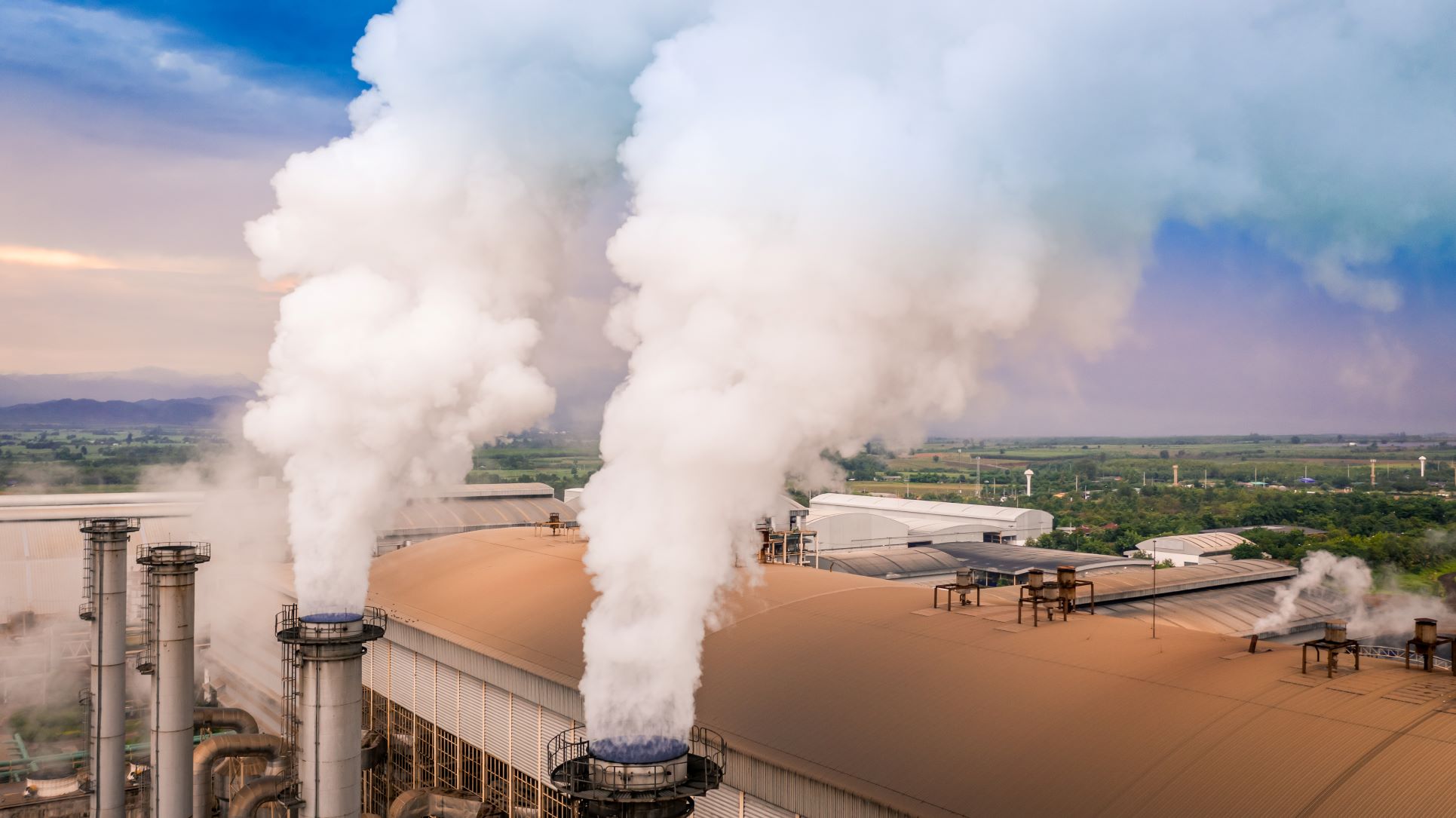
Here in the US Southeast, we’re no stranger to the threat of biomass production. We’re the world’s largest wood-producing region where logging rates are among the highest on Earth. Industrial logging is the largest cause of carbon emissions from US forests. As a result, natural forests in our region are declining in both acreage and health.
Many species rely on natural forests for habitat. From mixed pine forests to bottomland hardwoods, forests and wildlife are all harmed when logging occurs. Logging is a cause for many local and global extinctions, even here in the US.
Enviva, the world’s largest wood pellet manufacturer plans to double production over the next 5 years. This would mean they’re also doubling their carbon emissions. It’ll come as no surprise if they try to gobble up an opportunity in the market should countries stop buying Russian created-biomass.
While an end of consumption of Russian-based biomass is necessary, it must not end there. It’s time to close the biomass carbon accounting loophole and end the burning of forests for electricity.
Producing biomass creates a lot of air pollution that can impact human health. None of the compounds created by wood pellet production should be inhaled. Biomass is one of the dirtiest energy sources out there.
People living near biomass production facilities complain about dust and noise. Some have resorted to rinsing off their cars many times a month because of dust accumulation. If you can see it, you’re definitely breathing it.
It’s no wonder that the so-called “making alternative energy sources” seems to take place overwhelmingly in poor communities of color. Many rural communities have less voice in how their communities deal with renewable energy production.
This “renewable energy source” is responsible for releasing the following chemicals during operations – all of which can impact human health:
Billions of dollars in the form of subsidies go to biomass burners every year. The United Kingdom, Netherlands, Denmark, Belgium, Japan, and South Korea are some of the top burners. If leaders in those countries are committed to tackling climate and nature, they must do more.
They must realize that biomass wood harvest drives both the climate and biodiversity crisis. Instead of billions more in dirty biomass subsidies, governments must focus on renewables like solar and wind. Solar and wind guarantee real emissions cuts at a fraction of the cost of burning wood for electricity
The walls built up around biomass, have started to come down. The facts about biomass as a false renewable energy source are increasingly recognized. For instance, two major financial institutions have downrated Drax. They believe that Drax has an unsustainable business model.
From Citi Group on December 2, 2021,
“While sentiment could continue to support what’s perceived as a green growth stock…we do not fundamentally see biomass as a sustainable source of energy…”
Drax is in court for health hazards from fugitive dust in the UK. It was also fined the largest amount ever for biomass producers in the US over a clean air violation. Drax’s billion pound subsidies will expire in 2027.
Subsidies that go towards biomass are being wasted. Instead, we must invest subsidies elsewhere. Let’s tackle the climate crisis and help protect biodiversity by investing in communities near forests.
In the US South, industrial logging disproportionately harms low income communities of color. If this was truly a way to advance economies, the South would be one of the wealthiest areas of the world.
Instead, it’s become a sacrifice zone for the forestry industry, which is now parading as a clean energy industry in the form of biomass. Forest solutions should work for communities, not just landowners and corporate executives.
The latest report from the IPCC hit our inboxes this week and it’s mostly all doom and gloom. What did you expect, sunshine and unicorns?
Now I said mostly, meaning that there were rays of sunshine. I’ll get to those in a second. First the necessary background and required dark and depressing bits.
This week’s report is part 2 of a 4 part series. Part 1 released in October and focused on the data, which was dire indeed. This installment focuses on the impacts of a climate breakdown. It identifies vulnerable places and how we can adapt and protect against some of those impacts.
The UN Secretary General literally called this report “an atlas of human suffering.” We’re facing more droughts, floods, and heatwaves globally. Our coastal and island communities are even more threatened. All in all, things aren’t looking great.
The report calls for expanded protection for forests and land.
“… maintaining the resilience of biodiversity and ecosystem services at a global scale depends on effective and equitable conservation of approximately 30% to 50% of Earth’s land…”
This is the clarion call we need to protect and restore our forests, wetlands, and mangroves across the Southern US and around the world.
Data highlights why protecting forests from industrial logging in the South should be a top climate priority:
Let’s give nature a break and let forests recover so they can do what they do best – harbor life and provide us shelter from the storm.
 And one last note to the IPCC scientists currently working on part 3 of the report due in April:
You warn about the urgent need to reduce carbon emissions. Burning trees for energy and investing billions in carbon capture and storage technology are not the answer. You made that error over a decade ago, and our forests and communities have suffered because of it. There’s ample scientific evidence that industrial logging is as big of a climate problem as outright forest loss. You need to name it.
First, close the biomass carbon accounting loophole. Next, end the burning of forests for electricity and stop the expansion of wood markets as any kind of solution to climate change.
We must invest in community-led solutions. Embrace the need for bold action that protects 50% of the world’s forests from industrialization. And remember that local communities are far better at protecting forests than corporations. If we do, we can protect forests at the scale necessary to avoid even more damage.
Salamanders may look like lizards, but these curious creatures aren’t reptiles. In fact, salamanders are part of the amphibian family. Yes, they’re more related to frogs, but they’re not as vocal. Lizards have dry skin, while salamanders on the other hand have wet and moist skin. Sometimes a salamander will even use their skin to breathe!
Salamanders play an important ecological role in natural communities. They eat various insects that are considered pests like slugs, mosquitoes, and flies. They’re also a food source for a wide range of other animals. The United States has the highest diversity of salamanders in the world, specifically in the Southern Appalachian Mountains. We prepared a list of some salamanders you can encounter in the US South along with their identifying characteristics.
This is probably the most iconic salamander species. They’re the third largest species of salamanders in the world and the largest one in the United States. Contrary to popular belief, they’re not poisonous, but their teeth are sharp enough to break human skin. So beware!
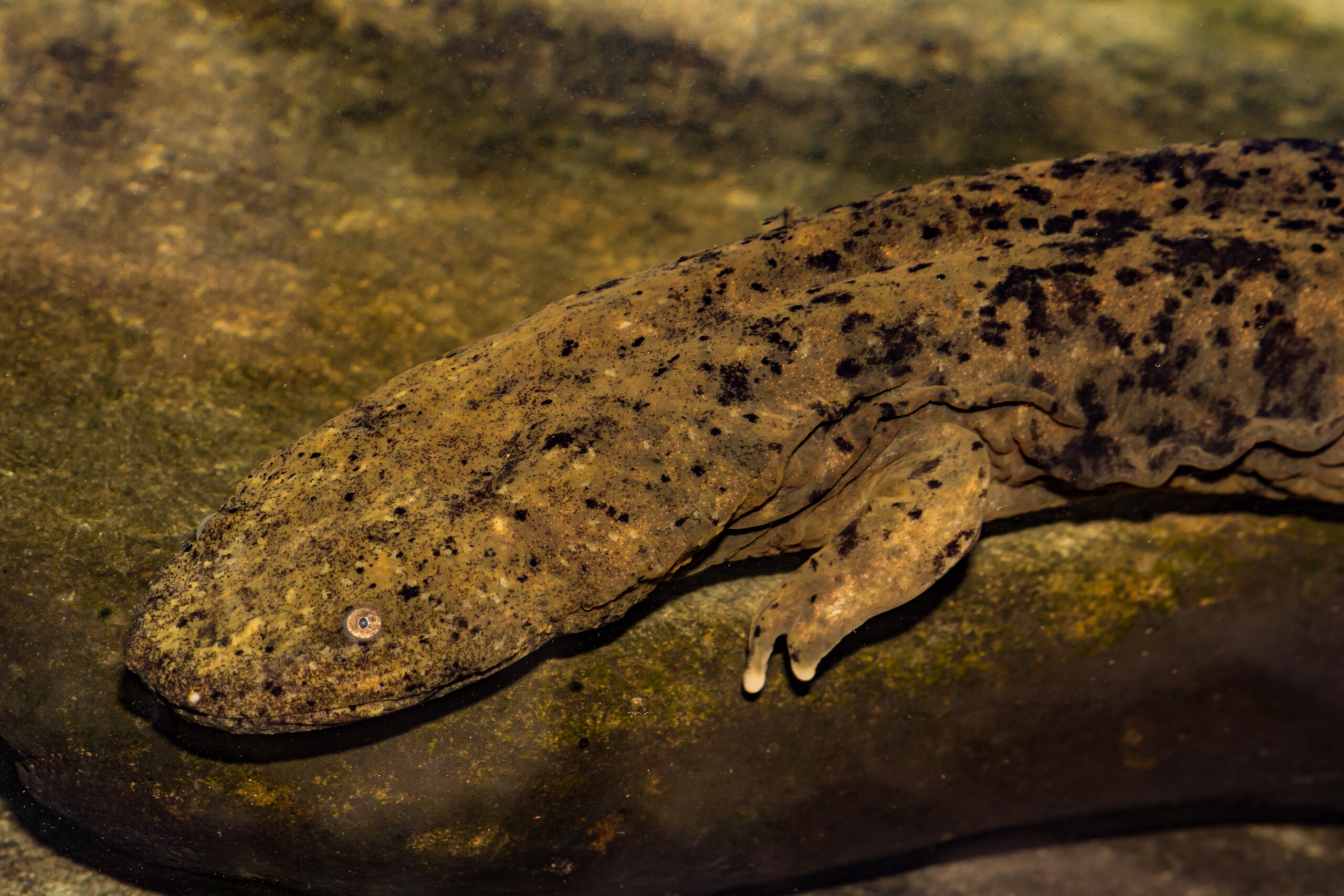
Eastern hellbender salamander
These salamanders love to be under the rocks. In fact, they’re loyal to their rocks and stay under the same one year after year. You can spot a hellbender from Southern New York to Northern Georgia, and even in some parts of Oklahoma, Ohio, Illinois, and Kansas, too.
This type of salamander can be difficult to spot because of their lifestyles. They like to spend most of their time inside the water. Even when the water dries out, they burrow in the mud to avoid drying out.
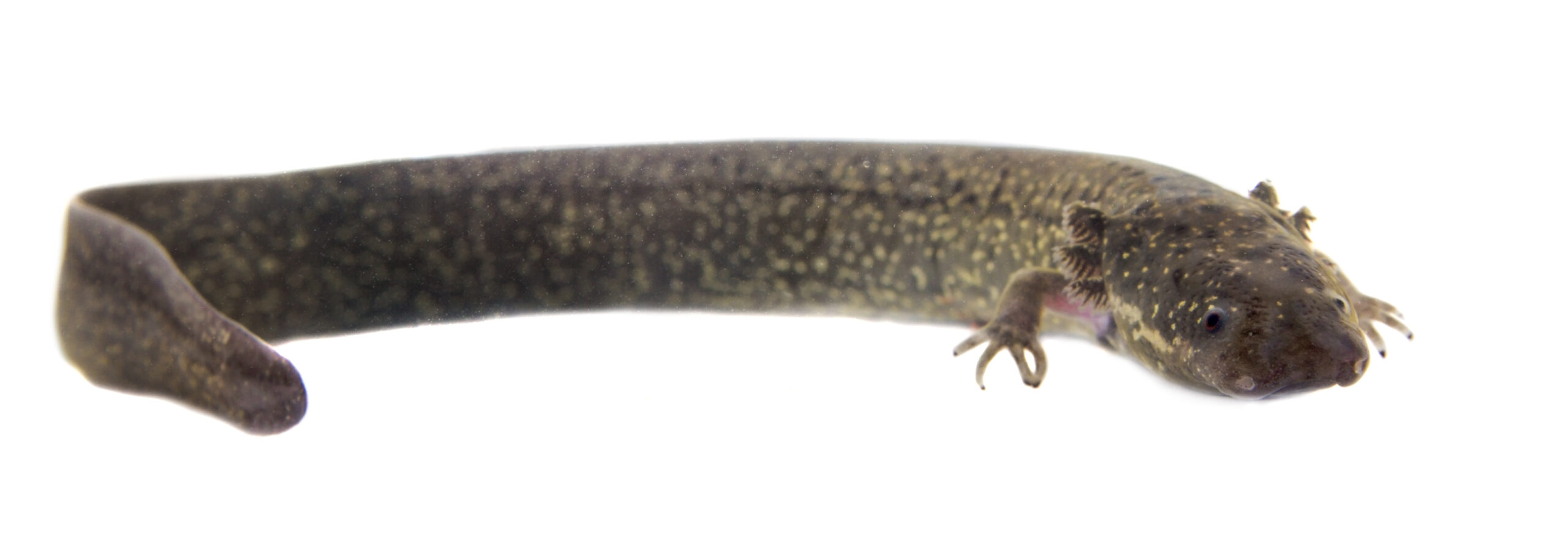
Siren salamander
They can be found exclusively in aquatic environments in the Southern and Eastern United States, along the Atlantic and Gulf coastal plains. They can live as far north as Eastern Virginia and South through the tip of Florida, and as far west as Southwestern Alabama.
This salamander is the second most widely distributed species in the United States. They’re aquatic and terrestrial, in case they need to move from one pond to another. When on land they become slightly toxic, so watch out!
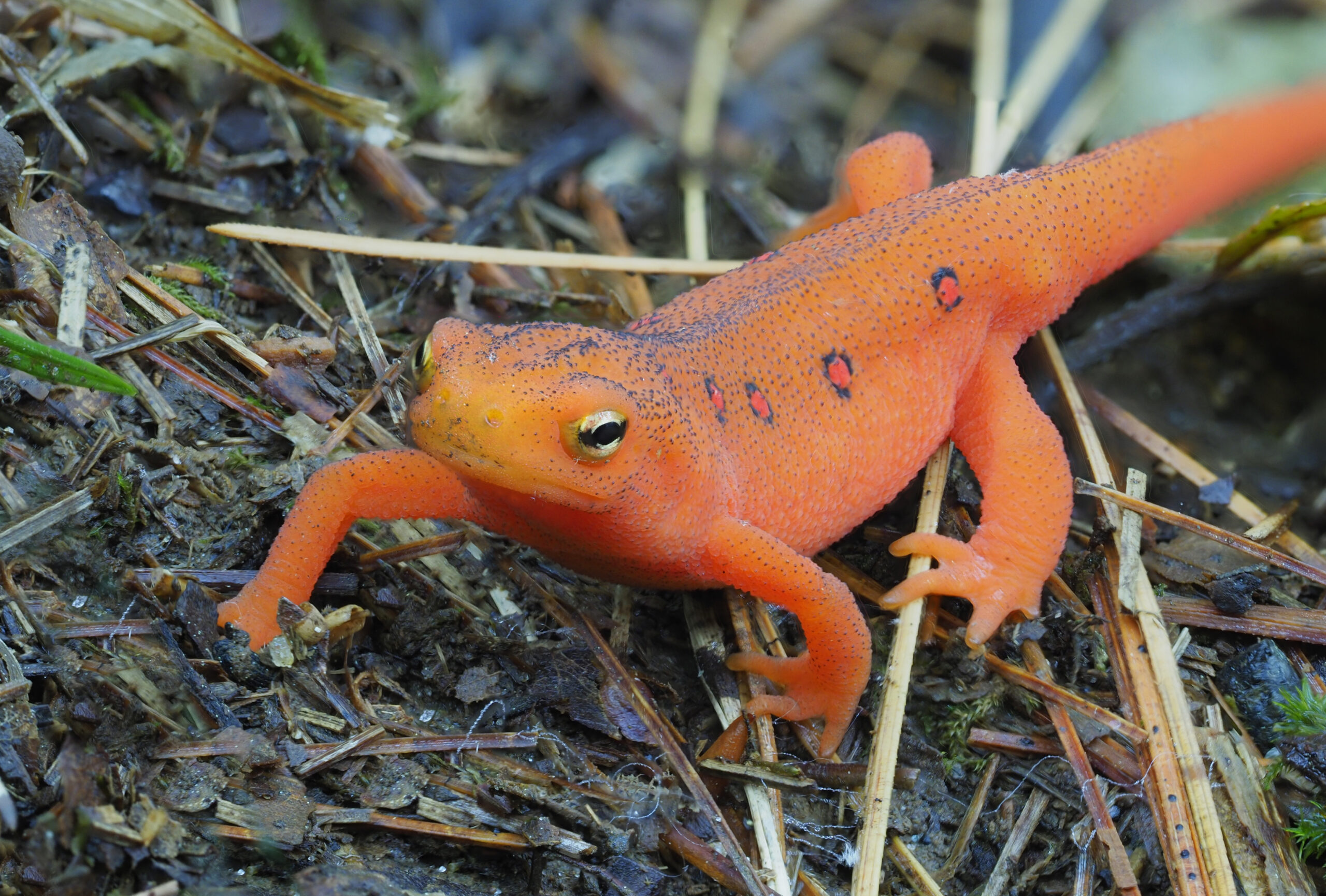
Eastern newt
You can spot these salamanders throughout the Eastern United States. From Canada to South Florida. In fact, newt salamanders can be found in every county in North Carolina.
These salamanders can be difficult to spot since they spend most of their lives under objects or underground. They make their homes in swamps and wetlands. Your chances of spotting them may increase during breeding season. Be careful if you see one because they have poison glands in their tails, so don’t touch them.
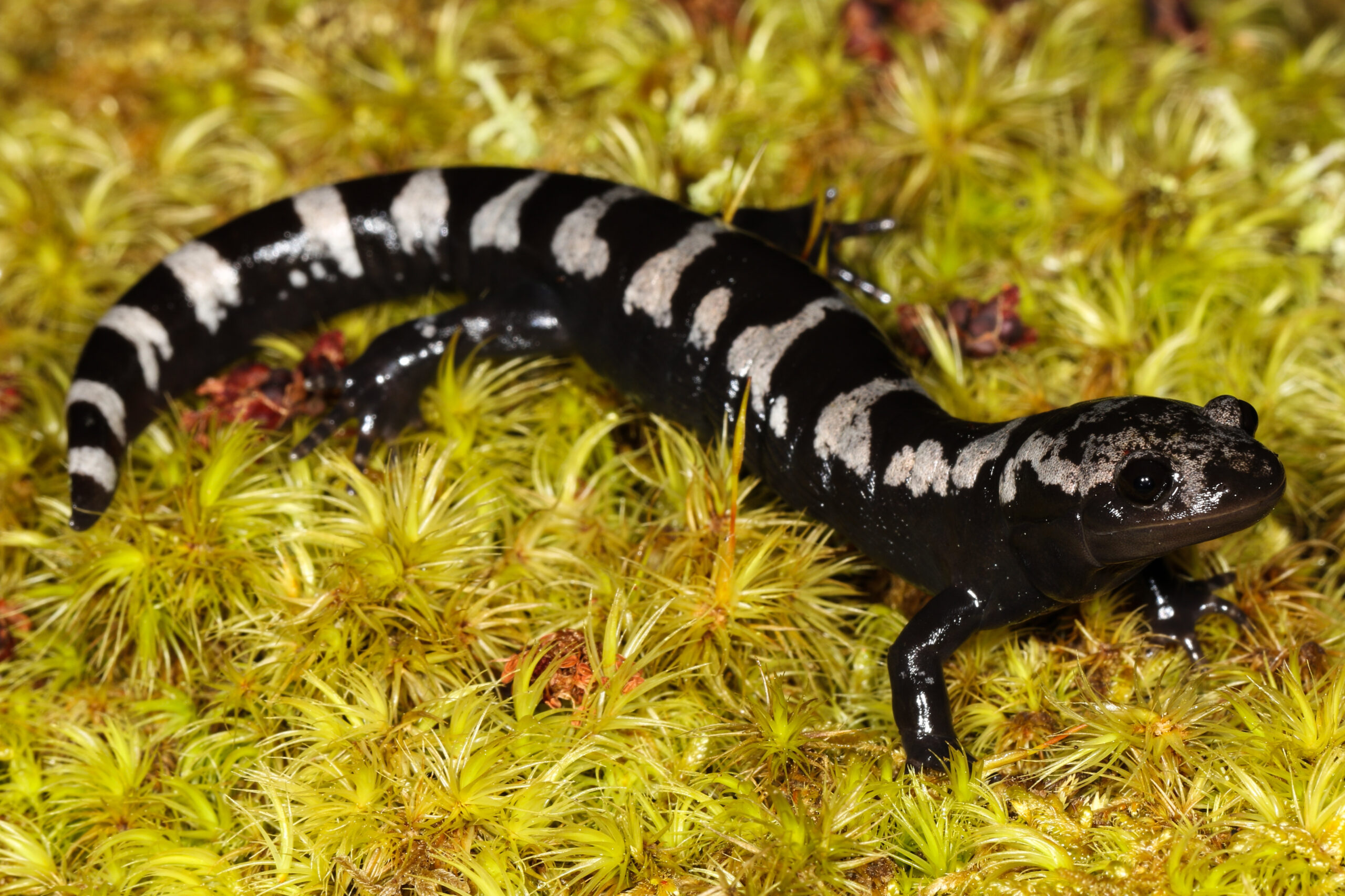
Marbled salamander
They can be found at wetlands or damp woodlands all over the Eastern United States, from Southern New England to Northern Florida, and west to Illinois and Texas. Fun fact: the marbled salamander is the state salamander of North Carolina.
This salamander can also be hard to find. They spend most of their time under rocks or in the burrows of other forest animals. They have glands on their backs and tails that release sticky toxic liquids. So be very careful!
You can find these salamanders in the Eastern United States, throughout the Southeastern states, with the exception of Florida. They’re common in the Piedmont and Mountain regions of South Carolina and Georgia.
This is a very rare and distinct type of salamander. They can only be found in one part of the world and they spend their whole lives in the water. Because of this, little is known about this unique species. Consider yourself lucky if you are able to spot one.
These types of salamander can only be found in the state of Alabama, specifically, in the Black Warrior River basin.
It’s very unfortunate that so many species are threatened by population declines that may lead to extinction. The biggest threat is the loss of their natural habitats. It’s crucial to preserve areas of natural forests and wetlands to sustain populations of different species of salamanders. Currently, the US Fish and Wildlife Service listed 11 different salamanders as endangered species. If you want to preserve these animals, start taking some of the following actions:
We hope that this article has helped you learn to identify salamanders! Let us know in the comments or on social media about all of the cool critters you’ve found.
Become a Forest Defender today! Your monthly gift will protect the salamanders and the biodiversity of the South.
Join our email list to get new Biodiversity in Your Backyard stories sent directly to your inbox!
Las salamandras pueden parecer lagartos, pero estas curiosas criaturas no son reptiles. De hecho, las salamandras son parte de la familia de los anfibios (sí, son más parientes de las ranas, pero no son tan vocales como ellas). Los lagartos tienen la piel seca, mientras que las salamandras tienen la piel húmeda y mojada. ¡Muchas salamandras incluso usan su piel para respirar!
Las salamandras juegan un papel ecológico importante en las comunidades naturales. Se alimentan de varios insectos que se consideran plagas como babosas, mosquitos y moscas. También son una fuente de alimento para una amplia gama de otros animales. Estados Unidos tiene la mayor diversidad de salamandras del mundo, específicamente en el sur de los montes Apalaches. Preparamos una lista de algunas salamandras que puedes encontrar en el sur de los Estados Unidos junto con algunas de sus características identificativas.
Esta es probablemente la especie de salamandra más emblemática. Son la tercera especie más grande de salamandras en el mundo y la más grande en los Estados Unidos. Contrariamente a la creencia popular, no son venenosas, pero sus dientes son lo suficientemente afilados como para romper la piel humana. ¡Así que ten cuidado!
A estas salamandras les encanta estar bajo las rocas. De hecho, son leales a sus rocas ya que permanecen debajo de las mismas año tras año. Puedes ver a una salamandra gigante desde el sur de Nueva York hasta el norte de Georgia, e incluso en algunas partes de Oklahoma, Ohio, Illinois y Kansas.
Este tipo de salamandra puede ser difícil de divisar debido a su estilo de vida. Les gusta pasar la mayor parte del tiempo dentro del agua. Incluso cuando el agua se seca, se entierran en el barro para evitar secarse.
Se pueden encontrar exclusivamente en ambientes acuáticos en el sureste de los Estados Unidos, a lo largo de las llanuras costeras del Atlántico y el Golfo. Pueden vivir tan al norte como el este de Virginia y al sur a través del extremo sur de Florida, y tan al oeste como el suroeste de Alabama.
Esta salamandra es la segunda especie más distribuida en los Estados Unidos. Son acuáticos y terrestres, en caso necesiten trasladarse de un estanque a otro. Cuando están en tierra se vuelven ligeramente tóxicos, ¡así que ten cuidado!
Puedes ver estas salamandras en todo el este de los Estados Unidos. Desde Canadá hasta el sur de Florida. De hecho, las salamandras tritón se pueden encontrar en todos los condados de Carolina del Norte.
Estas salamandras pueden ser difíciles de detectar ya que pasan la mayor parte de su vida debajo de objetos o bajo tierra. Hacen sus hogares en pantanos y humedales. Las posibilidades de detectarlas pueden aumentar durante la temporada de reproducción. Ten cuidado si ves una porque tiene glándulas venenosas en la cola, así que no las toques.
Se pueden encontrar en humedales o bosques húmedos en todo el este de los Estados Unidos, desde el sur de Nueva Inglaterra hasta el norte de Florida, y en el oeste hasta Illinois y Texas. Dato curioso: la salamandra jaspeada es la salamandra estatal de Carolina del Norte.
Esta salamandra también puede ser escurridiza y difícil de encontrar. Pasan la mayor parte del tiempo bajo las rocas o en las madrigueras de otros animales del bosque. Tienen glándulas en la espalda y la cola que liberan líquidos tóxicos pegajosos. ¡Así que ten mucho cuidado!
Puedes encontrar estas salamandras en el este de los Estados Unidos, en todos los estados del sureste, con la excepción de Florida. Son comunes en las regiones del Piedmont y las regiones montañosas de Carolina del Sur y Georgia.
Este es un tipo de salamandra muy rara y distinta. Solo se pueden encontrar en una parte del mundo y pasan toda su vida en el agua. Debido a esto, se sabe muy poco sobre esta especie única. Considérate afortunado si puedes divisar una.
Este tipo de salamandras solo se pueden encontrar en el estado de Alabama, específicamente, en la cuenca del río Black Warrior.
Es muy lamentable que muchas especies estén amenazadas por la disminución de su población, tanto que puede conducir a la extinción. La mayor amenaza es la pérdida de sus hábitats naturales. Es fundamental preservar áreas de bosques naturales y humedales para poder sustentar poblaciones de diferentes especies de salamandras. Actualmente, el Servicio de Pesca y Vida Silvestre de Estados Unidos declaró 11 especies de salamandras en peligro de extinción. Si queremos preservar estos animales puedes empezar a realizar algunas de las siguientes acciones:
Join us as we explore! We’ll learn about the wildlife, plants, trees, and even mushrooms. All right outside our doors. When you sign up, we’ll deliver more Biodiversity in Your Backyard tips directly to your inbox!


 Donate
  April 5, 2026