


Join us for Episode 5 Season 3 Woods & Wilds: The Podcast! In this episode we’re joined by educator and business founder, Tierra Mack. Tierra joins us to talk about the children she works with, about creating comfortable and safe space to be a kid in this current environment, and becoming water.

Tierra Mack (she/her) is a Georgia native with a passion for digital media, reproductive justice, and environmental advocacy. Tierra is a first generation college student. She’s a senior at the illustrious Hampton University. She’s majoring in political science and minoring in Spanish. Her advocacy for women and children began during her youth in Savannah. Today, Tierra is an aspiring nonprofit leader and entrepreneur with a passion for community activism and youth programs. She has served as the administrative assistant for the Southeast Care Coalition in which she organized grassroots campaigns for community leaders. Tierra is also the founder of WP Lincoln, a business consultancy firm, and Ms. Mack’s Loving Arms, a transportation service. These two business endeavors help to holistically bridge the gap between small business and the global community at-large.
Join Dogwood Alliance and SlayTheMic as we bring you tales of connection to nature and music.
Want to listen to more?
Read the full transcript of our interview with Tierra Mack!
Elizabeth Lashay: Hello everyone. Welcome to another episode of Woods and Wilds: The Podcast. I am Elizabeth Lashay Garland, and I am really excited because I get to work alongside my wonderful co-host who is…
Kimala Luna: I’m Kimala Luna and I’m with Dogwood Alliance, and we are here today with Tierra Mack. Tierra is a Georgia native with a passion for digital media, reproductive justice, and environmental advocacy. Tierra is a first-generation college student, senior political science major. Spanish minor. Attending the illustrious Hampton University. Her advocacy for women and children began during her youth in Savannah, Georgia. Today, Tierra is an aspiring nonprofit leader and entrepreneur with a passion for community activism programs and youth programs. During her service year, she, she served as the administrative assistant for the Southeast Care Coalition, in which she organized grassroot campaigns for community leaders. Tierra is also the founder of WP Lincoln llc, a business consultancy firm and Ms. Mack’s Loving Arms, a transportation service. These two business endeavors help to holistically bridge the gap between small business and the global community at large. Welcome Tierra.
Tierra Mack: Thank you. Welcome. Hello. Greetings everyone.
Kimala Luna: So happy to have you with us today. So our podcast this season is largely focused on youth and opening space up at the table, and it looks like that is a big part of your focus as well. And so can you talk a little bit about your inspiration there?
Tierra Mack: So my inspiration definitely comes from my family. I come from a family of teachers and educators who work in the school system, so making an impact on the youth has always been one of my dreams to just run programming and be able to change the minds of the youth and encourage them to sort be more than their environment around them, that they can be anything they wanna be.
Elizabeth Lashay: I absolutely love that, and I think it’s so important whenever we are talking about how are we including those that are younger and how are we fostering that experience and growing and nurturing that. I know that this podcast is also talking about nature and the power of outdoors and so. If you remember whenever you were younger, was there a memory that stood out in your mind of your experience in nature?
Tierra Mack: So when I was younger, I was a girl scout. One of my favorite memories is going to Girl Scout camp for the first time when I was about eight years old in second grade. I always loved going outside and star watching, being a part of nature, going to the playground. But at camp it’s like I was around other like-minded women. Who wanted to think and see the world, like how I saw the world, in nature. I remember we were walking through the marsh and we got to play with periwinkle and see possums crawling in their environment and to know like we are also in their home and not to be afraid, but to protect their homes, like how the government officials. Adults around us always protected us. And just to build that trust with nature from a young age shaped me into this person who always wants to view the world around me. From that experience in the wood and being emerged into nature and knowing that the nature protects me and I should protect it in return.
Kimala Luna: Are there ways that you incorporate that same mentality and philosophy in your youth programs?
Tierra Mack: Yes. So in my Ms. Mack’s Loving Arms program, we service ages four through 13. In that program we talk about the social emotional learning a lot since the Covid Pandemic. We noticed that sometimes it can be socially awkward for some students to interact with each other since during that time it was a lot of big isolation. Teaching them that you are a product of your environment and you should protect it. And to be who you are and know who you are, knowing your identity within your community and in your environment is definitely important during this time to reshape that social emotional learning curve that has been created since the pandemic.
Elizabeth Lashay: I absolutely loved your bio because it is multifaceted and it really shows that you have a range of passion and love to give. Please tell us a little bit about your passion of digital media.
Tierra Mack: In middle school, I started a blog. This is back when Tumblr was popular and Instagram, when the whole social media way just had begun. In my generation, I feel like we grew up with social media and not just like Facebook, but like the expansion of all the different media outlets and even in school, we were always challenged to make a video, record it, learn how to edit, be digitally involved, get a Microsoft certification. I think through blogging through always using my youth voice, I just found advocacy within my blogging to just share my story and share the stories that were being told around me. Always kind of empowered me to keep going and to never forget where I am from a coastal port city in Georgia originally. And, just sharing that story in general, as I traveled to a bigger city and then out of the country and through study abroad and different excursions, I realized that sharing my story was more important because not a lot of people have a passport or go traveling or go explore out of their city limits. I found my voice within my blogging, but also it strengthened how I shared my stories and how I developed, during that time. Through my blogging, through my website, through my different service learning programs, I learned how to be a better writer and try to digitally organize myself online to not just post for fun, but post with a purpose.
Kimala Luna: As an entrepreneur, I’m sure that you’ve had this moment where you had this idea and it just so made sense and it felt like it was part of your purpose. Can you describe the last time you’ve maybe felt that way and what that experience was like and what the idea was?
Tierra Mack: So my other business, WP Lincoln, I guess that was one of my biggest ideas around my college tenure. It’s a business consulting firm. I felt like a lot of people would come to me with their big ideas and they wanted to have time to process that big business idea and go to the drawing board and create the design and the brand awareness. I think from my blogging experiences and just sharing my story, I understood how to conceptualize. Different business plans digitally and how to think about how do we wanna present this idea to somebody. I think with that business endeavor, I get to explore myself creatively, since I did just begin as a blogger, but also bringing on new clients and taking on new businesses. Like I intern with lighting and production, which is a , It’s totally different from what I study. It’s, it’s about lighting and media, but my focus is in politics and I think stepping outside of that political arena and learning how to navigate different arena inspired me to think, oh, I really can do things outside of my major and connect to my community better because we are digitalizing every day as like the markets are globalizing.
Elizabeth Lashay: As we talk about the world that we’re currently navigating and what we’re constantly seeing, we’re immersed in conversations around environmental justice and what does that really mean, and also reproductive justice and what does that really mean? How are you fighting for that justice in your personal pursuit?
Tierra Mack: Personally, I love lobbying. That was always my dream job to be a lobbyist when I first went off to school. I try to stay involved with different non-profits, the YMCA, the NAACP, or even working for the Girl Scouts. Just doing different youth programs to bring not just awareness, but highlight and advocate for those people who are not being represented in those areas. So as a woman, reproductive justice just means to me to fight for being a woman medically and to be seen and to be heard when I have concerns about my body. Advocating for those different areas. We get to see how, you are just literally a representation of your environment and how that looks for you. You bring a different perspective to the table when you’re discussing these bigger ideas and you’re representing not just yourself, but your community and what you come from.
Kimala Luna: Absolutely. So it is, it is a heavy time for everyone right now in the world. What are some of the ways that you cultivate joy in your daily life?
Tierra Mack: I have a very strict morning and afternoon routine. My morning routine consists of me drinking coffee and going out in nature and gardening first thing when I wake up in the morning and practicing some yoga. I think practicing mindfulness during this time and decluttering and just being aware and taking some time in nature and breathing and just knowing the power of your breath is just something that I try to focus on during this hectic time. Reconnecting with my family and moving closer to home and being in my community again, cuz I was, living in Newport News, Virginia, and then I came back to Savannah, Georgia to continue running programming. Being in my community and being uplifted by them during this time and being reminded of where I’m from and the impact that I can have is getting me through each day and practicing having that gratitude for each day and my environment.
Elizabeth Lashay: I love that. So when you think about, trees, flowers, anything in nature, if you could be one thing, what would it be and why? Why would you want to be that element of nature?
Tierra Mack: If I could be any element of nature, I would definitely be water. I think water is so powerful. It’s such a small element. It’s so transformative. with it being transformative, you get to take on different roles in the environment. It’s not easy to go through a different metamorphosis or a change and to become even stronger than you were before. It’s just so hydrating and water just makes me radiate. I love water so much. Having that power to create change just like water, like even just drinking water or sitting in water is so relaxing. It brings such ease in that I really truly think humans were definitely fishes once upon a time, , because we just crave water so much and it fills us up with so much joy. So definitely water.
Kimala Luna: So this connection was made, through Erniko Brown, who is doing incredible work in the South. Can you talk a little bit about your connection with Erniko and also the environmental, advocacy work that you do?
Tierra Mack: I met Ms. Erniko, via phone call. I was talking to one of my mentors Ms. Angela Harris, who’s a community grassroot organizer with the Southeast Care Coalition. I’m her administrative assistant and we were talking about my programs that I was running with Ms. Mack Loving Arms and how we did a youth convention through our church to get the children back tapped into their spirituality and just to give back to the community. We did a creative dance and we focused on STEAM in Ms. Mack Loving Arms which is science, technology, engineering, arts and math. I feel like arts is always the first thing to get cut in the educational system. So we try to focus on art and expression and how are they really, truly feeling throughout this whole post pandemic lifestyle that we have now. And so we were talking about the environment and how it is holistically viewed and it’s more than just trees and nature and bees. Through that conversation we called Ms. Erniko and we were talking about the children and how we were creating a garden this summer through the Ms. Mack’s Loving Arms because we are a transportation program, but a student not going straight home, they do come to our facility and we like help them with homework and we work on their social emotional development and we talk about different things of nature. But during this particular day we were talking about our garden. We currently are growing, celery, green onions, white onions, and ginger root. So we’re doing our different plants and we’re looking at the house, the facility that we are in, which is my home. We’re in coastal Georgia, so we were talking about coastal plains and the importance of the water and the different elements. I was sharing this story with my mentor and Ms. Erniko about how the girls were just so interested in the soil and like in the rollie polies and in the different elements in nature. They were just like, oh my goodness, I didn’t know that these things were around me. And I’m like, Yes, but we’re in their home. And just knowing that you are safe in your environment. It’s just so beautiful to watch the girls light up. Be excited about their environment and knowing that they wanna protect it and learn about fire safety and water conservation, these big things. Cause climate change is definitely affecting all of us, even at young age. I mean, it’s skyrocketing gas prices and food shortages, and it’s just all connected to our world today. Something that you cannot ignore. So bringing up these conversations of energy and water and recycling. It’s definitely big ideas that children can understand and that they make a change by the little things that they do at home. So that was how we connected. She was like, Wow, you should share this story. And I was just like, Okay, I’m just doing the work here. I’m just doing what I’m passionate about. Just giving back to my community. I didn’t wanna like draw any attention to myself, but I was just like, I’m just proud to continue the work of the Southeast Care Coalition and viewing the environment, than more than just trees in nature, our culture and our history and the social awareness that goes into protecting our community.
Elizabeth Lashay: That is extremely important and I love that you’ve created this garden. And I also wanna dive a little bit deeper into the Ms. Mack’s Loving Arms. Before I do that though, I also want to know, has there been someone who has extended loving arms to you, and helped nurture what you’re currently doing?
Tierra Mack: Yes. So that person would definitely be my mother. She is my, she is my rock, she is my business partner. My mom has always been a teacher in an after school program. Youth engagement has always been her passion. Running the STEAM program. I think she drives the force behind what programming we do, and she always signed me up for different community programs when I was growing up to be involved in my community since I was the only child. We work with families who are single parent homes or recently divorced or any type of emotional hardship that you can really go through. The families that we tend to are experiencing those things and we just want the girls to have an expressive outlet, because no matter if your family unit is changing or your family issues are happening, your economic hardships or whatever the case may be. You don’t wanna have to feel that pressure as a child. You wanna keep your innocence. So knowing that their environment is the natural, but also the cultural and the social and the economic and the political. Bringing all of those components together and making them aware of life and the different life experiences that you have in nature. Every child just wants to have fun and play and keep that childhood innocence. So I think my mom allows children to be children, to provide a safe kid environment and we’re always outside. We’re always staying active and doing different things so that they know who they are ethnically and how we operate in our different public spaces and how economics does not have to impact your experience as a child.
Kimala Luna: What is something that brings you comfort or makes you feel safe?
Tierra Mack: Honestly, what makes me feel safe is fitness and food. Those two things are definitely equal, I think, as a woman, as a Black woman, I think me feeling strong, physically, mentally, It’s definitely something that I chase after every day. I feel like I used to chase happiness, but then I realized that it was the strength within the happiness that I felt. So, I do strengthening yoga and I practice in my breath and I try to always keep calm. Just having that routine of strength training kind of brings me some some peace about how I navigate through the world because I am a traveler and I do solo trips sometimes. it’s adventurous and different, but having that confidence within myself to know that I work out, I am strong. I am confident enough to walk down the street and feel safe in myself. I don’t necessarily need weapons, but I am strong and I am okay. Having that safety and confidence within myself definitely helps me navigate every day.
Elizabeth Lashay: Going back onto, the element of nature and then intertwining that with entrepreneurship, how do you see yourself incorporating elements of water like the description that you provided within your entrepreneurship journey.
Tierra Mack: I just love water. I’m sorry it’s so abstract. You can just do so much with it. In my business I see water flowing and I translate that to financially how money just flows in and out. And when it comes, it’s just like, it pours so heavily. It replenishes the nest and it, it flourishes [00:19:00] out and it continues to flow through me. When it comes to my business, I think the water is definitely how we interact with each other when we’re all in this giant pool also we’re all together and we always need the next partners. And I think of us as little water molecules sometimes. Working together to just create this safe space of coolness. I think nature wise, I think water represents how we interact with each other and how we always need each other to come together and bring more to the table.
Kimala Luna: That reminds me of that water experiment where you have like two jars of water and one water. You’re saying I love you to, and another water cup of water. You’re saying I hate you, and you look at it under a microscope and the water that you’ve said I love you to is usually beautiful crystal patterns and the water that you’ve said negative stuff to is dark and looks like it’s getting bacteria. Are there ways that you practice that kind of positive affirmation to the youth that you work with?
Tierra Mack: Yes. So we actually come up with affirmations twice a month. Most of them are like, I am kind, I am intelligent, I am beautiful. I am at peace. I am still because with the emotional, social, emotional awareness, different students kind of separate, different, I wouldn’t say mental illness, but the anxieties are kind of high. And having those affirmations and taking time to breathe and to say, I am statements like I am strong. I am adventurous. I am brave. It encourages them to be demanding of life and to demand the adults around them to provide safe space for them. I think even saying, “I am Tierra Mack.” that is the strong statement within itself because I am whatever I want to be. I am a digital community organizer. I am entrepreneur. I am a nomad. I am a woman. I think those statements, acknowledging that I am all of those things and not just one entity. I’m just so powerful. And I think passing that on to the youth encourages them to say, Yes, I am London Brown. I am Zanaya Rivera. I am me, and I am a woman and I am talented. And we always use this like king and queen analogy, that they’re divas, that they’re dedicated, that they’re intelligent, they’re victorious, they’re articulate, and they’re kind and noble and gentle. I think those different characteristics are awesome and that they encourage them to be great and to be a standard of excellence every day. I think that’s just so powerful to have those affirmations and to affirm myself and them at the same time.
Elizabeth Lashay: I love that. So whenever we think about advocating for others That’s typically when you’re like a teenager or you’re getting older into adulthood, you’re growing up, you’re seeing life in a perspective. From your expertise and your wisdom, how would you tell a third grade or a second grader to advocate for, you know, fill in the blank for justice.
Tierra Mack: When I’m explaining advocacy to youth, I try to encourage them to always speak up and not to be shy. Being a shy person is not a negative thing. You can express this through a drawing or be expressive in a different way, cuz not everybody is extroverted. I think drawing it out or writing a poem or acting it out. And a skit is definitely a way to express yourself . Having them comfortable enough to even share their ideas and teaching ’em, Hey, everybody has the time to shine, Everybody has the mic taking turns and patience and things of that nature. Explaining to them that when you have a gut feeling that something is bothering you, that it’s okay to speak up because if you didn’t speak up somebody who is afraid to speak up. They could relate to you and you could help them as well. And encouraging them to just be a leader and not to just advocate for themselves, but if they see something wrong, to not be a bystander. I think when somebody is feeling sad they need comfort. And so we teach the students to comfort each other and to be a friend, because I know with social distancing, you always want your own space, but we did a friendship circle and we were holding hands and everybody was like, this feels so weird to hold hands. I’m like, Yes, but we are human and we need to be touched, and we need to be comforted by our friends and by our neighbors, and to know that we are not alone. And as a second and third grader, The feelings of loneliness still occur when you’re going through something with your friends, or you’re experiencing bullying or you’re experiencing economic hardship at home. You feel those pressures subconsciously and sometimes you don’t know how to process them. And so teaching them how to process big stress concepts expressively and artistically and creatively as an outlet, it teaches them that they don’t have to walk around feeling sad or lonely all the time, but that they can lean on their friend. They can lean on a trusted adult to share how they feel and to know that it is okay to not be okay sometimes, but it is not gonna stay that way forever.
Kimala Luna: What is something that you learned from the children that you work?
Tierra Mack: That’s a great question. I learned so much from the children I work with, but the one thing that I learned the most is to never say no to yourself to always keep going. I think children are fearless in everything that they do. I always say that they choose violence every day because they’re just so, they’re just so adventurous and their sense of safety goes out the window and it’s like, I am driven to accomplish this goal right now. Whether that is run out into the street after this ball, or it’s like my hand in this fire. I am curious enough to try something new and I think that is what I learned, that if my mind thinks about anything, sometimes I should maybe entertain it and explore different options, and to always not be afraid of what’s next. That’s what I learned from my students the most is not to be afraid of the next chapter. For me, I suffer with mental illness and I get anxious so, so much sometime, and it hinders me from a completing certain goals. The future is one of the biggest things that I’ve kind of learned to adopt from them because they’re always so excited to learn something new and to be courageous and to go out in the community and just trying something new. I take that from them and I empower myself. To always try new things and keep an open mind and not to worry about all of the variables, but to just have fun and live in the moment and be present. And so I think they teach me so much, but I love that they teach me to keep going, and never to give up.
Elizabeth Lashay: Mm. Well, I know that SlayTheMic is a hip hop and r&b radio show, and we really value music in all forms. I wanna ask you, has there been any music that is really healing for you, your soul within this work? Being an entrepreneur, whether it’s an artist or a song, an album.
Tierra Mack: I would say like I have about three artists that come to mind. One is Snoh Aalegra. She’s a Swedish artist. Her song I Want You Around her whole album, You, Division, their last album Engineer Aiko with Chilombo. I think those are some healing albums that talk about life and talk about your feelings and your emotions and how you process the world and how you want that love. Love is definitely a driving force in my early twenties. I’m always looking, I’m such a hopeless romantic, but I craved that love and that sense of belonging. And I think that sense of belonging that I get from listening to different songs, I think that is what kind of motivates me to go so hard in my community. Because when I was growing up, I didn’t see women in my life that looked like me, being in a gifted class. There was other Black students in my class, but they were Black males. They weren’t Black women. Until I got to college, I didn’t really see any in my high school or middle school, like different women, even professional women who looked like me, who were my teachers. They were always other races until I got to school. When I went to HBCU, I was actually surrounded by other thinkers and intellectuals who actually looked like me and viewed the world as me. In my music, I listen for that woman or that Black human or person who is experiencing these feelings of love like me because it’s just like, I didn’t see those things growing up. I just saw diversity, but no inclusion. Having that sense of belonging in my music keeps me motivated all the time.
Kimala Luna: That’s beautiful. I wanna open it up a little if there’s something that we haven’t covered that’s really important to you that you would like to share with those listening in. And then definitely wanna ask you how we can stay in touch, how we can support, where our listeners can find you to follow along.
Tierra Mack: Yeah, so we are on Instagram, at WP Lincoln like Abraham Lincoln, so WP, L I N C O L N. That’s our Instagram handle. And we’re also on Facebook, but we mainly operate on Instagram. We post our divas and our kings all the time in our programming that we do. We are currently in Savannah, Georgia, but we do programming work in Newport News as well. So we’re remote right now in transitioning, to see where we’re gonna be in the fall. But that is where you can follow up with us and keep in touch with us. We do wonderful things and Savannah and we just protect our environment and protect our youth.
Elizabeth Lashay: Well, I definitely wanna thank you from the bottom of our soul of, of what you do because it takes a lot of time and energy, dedication. Love and loving arms to create a space where young individuals can be seen, heard, empowered, and then nourished. So what you’re doing is a huge lift. And we thank you for doing it.
Tierra Mack: Thank you
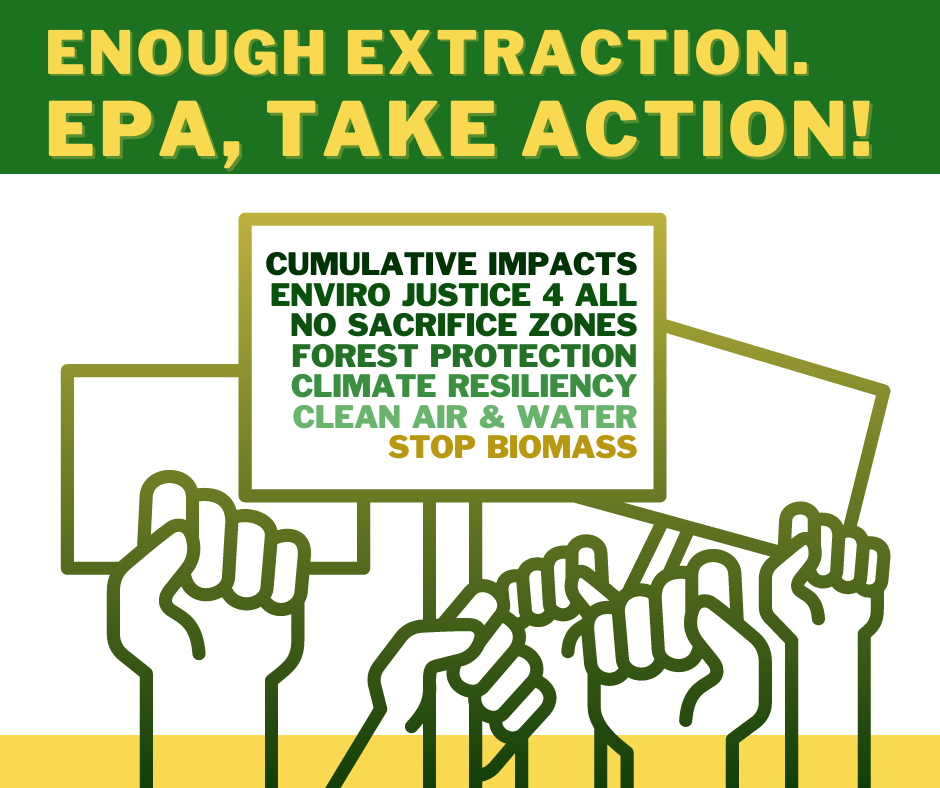
Atlanta, GA, USA – Today dozens of impacted community members, environmental justice leaders, and grassroots activists gathered at the EPA Region 4 Headquarters in Atlanta to call for federal oversight of the rapidly expanding wood pellet biomass industry. The press event they held was in response to the unchecked, rapid expansion of the wood pellet biomass industry in the Southern United States. The biomass industry disproportionately impacts low wealth, communities of color across the region and thus far the EPA has failed to acknowledge or address the environmental justice concerns associated with the industry.
Reverend Leo Woodberry, pastor of Kingdom Living Temple and Executive Director of New Alpha CDC in Florence, SC said:
“For far too long now our communities have suffered the injustices of air pollution and forest destruction at the hands of the wood pellet biomass industry, and our government has failed to take action. We gather here today in solidarity with people across the South who face these burdens and call on the Environmental Protection Agency to take action.”
The communities will officially launch a nationwide petition asking the EPA to:
The wood pellet export industry has grown rapidly over the last decade as European utilities transitioned from coal to burning wood or “biomass” as “renewable energy.” This is in direct conflict with scientific warnings that burning wood is worse for the climate than coal. Wood pellet mills across the South are disproportionately sited in low wealth, Black, rural communities. These facilities emit toxic air pollution known to cause health problems. They devour surrounding forests that are vital for natural flood control. There is little to no government oversight.
Dr. Treva Gear, a member of Concerned Citizens of Cook County and Georgia State Manager for Dogwood Alliance said:
“My small community of Adel in South Georgia faces not one, but two wood pellet production facilities, which is an injustice that we have been fighting for the past two years. Permitting two wood pellet plants in our town that is already overburdened by polluting industries is a direct assault on the health of our residents. Clean air is a human right! We do not want the dirty air, flooding, and destroyed forests that this industry brings. We want a healthy thriving community!”
The event featured community members from North Carolina, South Carolina, and Georgia. All acted in solidarity and read statements from communities in Mississippi and Alabama who were unable to attend. It was the primary event today in the largest wood pellet exporting region on the planet as part of the International Day of Action Against Biomass happening around the globe. This global campaign is calling for long-term solutions that embrace the people, the planet, and the future. Communities are calling on EPA to act now to mitigate the damage and prevent the further growth of this industry.
# # #
For additional statements from community partners in Mississippi, Alabama and North Carolina, please visit here.
You’re probably familiar with the terms clean energy, green energy, and renewable energy from the news. You may even think that they mean roughly the same thing. I’m sorry to say that’s not the case. (It’s ok, you’re not alone in that.)
It turns out that each of the three terms differ from one another and have their own specific meaning. They all sound like they’re good for the environment. Some of them are better for the environment than others. These differences are vitally important if we’re going to save the environment and tackle the mounting climate change problems we’re facing. So keep reading as we explore each type of alternative energy to fossil fuels.
Clean energy is simply any energy source that doesn’t pollute and release greenhouse gasses like carbon dioxide, methane, or nitrogen monoxide. Clean energy sources are great long-term replacements for fossil fuels because they keep greenhouse gas emissions to minimum levels and don’t pollute the environment around them.

If you said solar power, wind power, wind turbines, or hydroelectric power (as long as it doesn’t pollute) then you’re correct! Have you ever heard of geothermal energy? Geothermal energy is heat energy taken right from the Earth. The earth’s heat is used to boil water and create steam, which is then used to generate electricity. Think of a coal power plant that runs on the Earth’s natural heat!
In contrast, biomass energy is not a clean energy source. This is because, unlike wind power, biomass energy produces a lot of air pollutants and greenhouse gases. It also doesn’t rate very high in energy efficiency.
Green energy is any type of energy that comes from a natural source. This means that solar energy, wind energy, and hydro energy are all examples of green energy. The Environmental Protection Agency (EPA) describes green energy sources like wind energy as providing the highest environmental benefit. Like renewable energy (which you’ll read about next), green energy is a great solution towards achieving greater sustainability in our power grid.
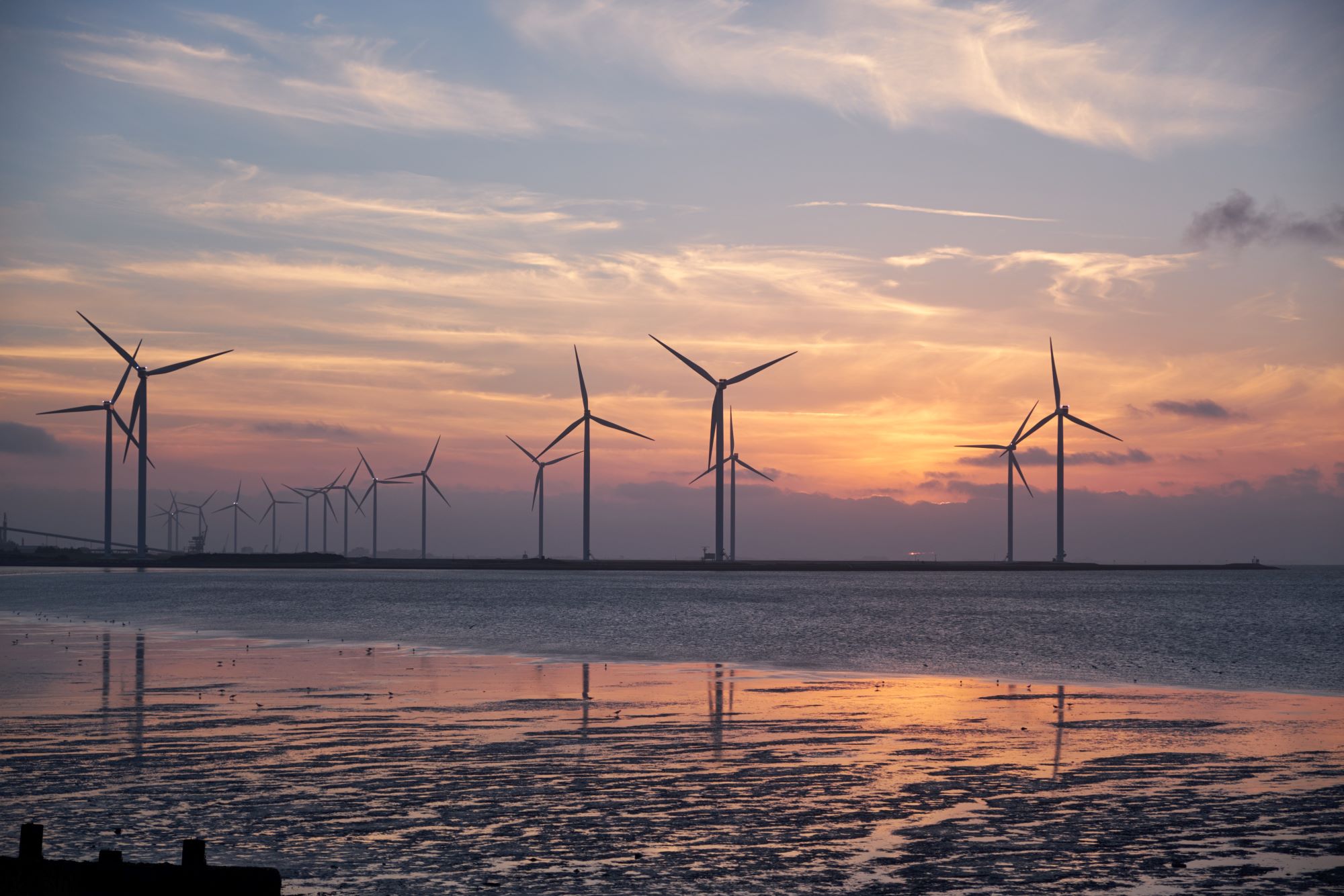
Renewable energy is any type of energy that comes from natural sources and replenishes itself. Believe it or not, people have already been using renewable energy resources for hundreds of years. Wind farms for generating electricity and transforming the wind into wind power. This renewable electricity is helping us decrease our green house gas emissions.
Once again, if you said solar energy or wind energy, then you’re correct! Before cheap and dirty alternatives were available like coal, gas, and oil, people would heat themselves with renewable sources like the sun. Now we use solar panels and wind turbines to harvest the power of Earth’s renewable energy sources.
Did you notice there are similarities and significant overlaps among the three types of energy? In fact, the terms are so similar that they’re often used interchangeably everyday even by environmentalists! But there exist small but important differences. These differences are related to their creation, their renewal, and their impact.
Renewable energy generates electricity from natural sources. These sources can be replaced completely within a generation. If you’re thinking fossil fuels and natural gas are natural sources, then you’d be correct. However, they take millions of years to replenish, so they’re not renewable energy sources.
Green energy is a subset of renewable energy. It must come from natural sources, but it can’t pollute the environment. Like green energy, clean energy doesn’t (or nearly doesn’t) pollute, but it doesn’t need to come from renewable energy sources.
As the name implies, renewable energy is renewable! It doesn’t run out and is naturally restored. As a subset of renewable energy, green energy is also renewable, in addition to not having a negative impact on the environment.
Clean energy, though, is separate. Like green energy it doesn’t pollute, but it doesn’t have to come from renewable energy sources. Some consider nuclear energy a clean form of energy that isn’t renewable energy. However, the waste water nuclear energy produces is potentially a pollutant to the surrounding environment, so saying that nuclear is clean energy is a questionable claim.
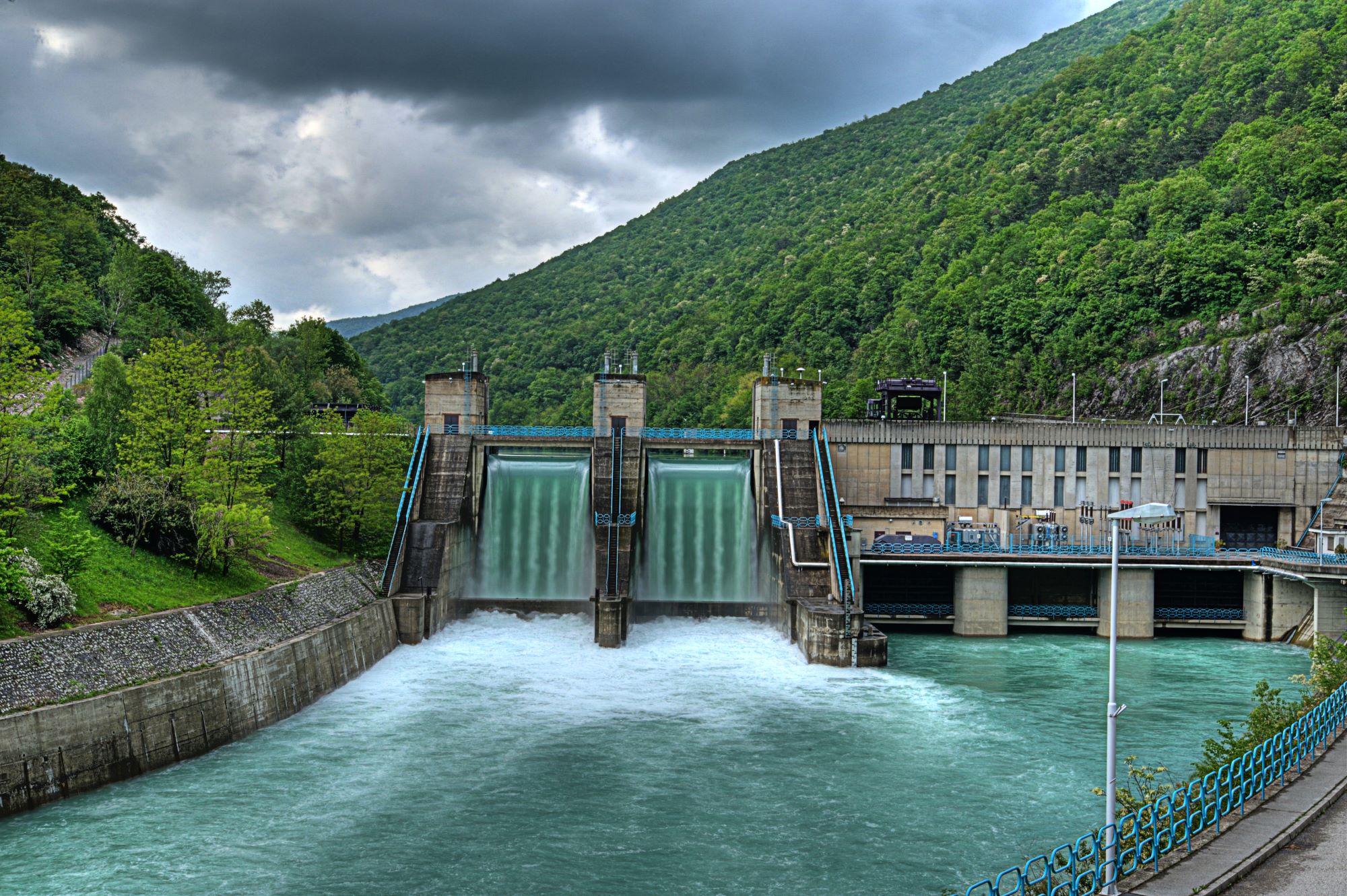
Lastly, some renewable energy sources can have an environmental impact. For example, the creation of a hydroelectric dam can have harmful or even devastating impacts on its immediate environment and local fauna, while providing renewable energy. Both clean energy and green have no (or negligible) environmental impacts.
Energy can fall under one, two, or even three of the categories at the same time. Take solar energy and wind energy for example. These two types of energy are clean (they do not release greenhouse gasses or polluting chemicals), green (they come from natural sources), and renewable (they replenish themselves).
This makes energy sources like wind and solar ideal because they renew themselves and produce electricity and power. They do this in a sustainable way that doesn’t contribute to climate change and is a better solution for generations to come.
Now you know the similarities and differences between clean, green, and renewable energy. They’re all important improvements upon burning fossil fuels for energy production. Some are better than others, but conversion to any of the three is a step in the right direction towards combatting and countering the effects of climate change. Remember, ideal combinations of the three exists, such as solar power or wind energies, but one or two out of the three isn’t bad either!
Probablemente estás familiarizado con los términos energía limpia, energía verde y energía renovable tras ver y leer las noticias. Probablemente incluso pienses que significan más o menos lo mismo. Lamento decirte que estás equivocado (está bien, la mayoría de tus vecinos y amigos también creen que son lo mismo). ¡Pero no te preocupes ni temas, porque estamos aquí para aclararte y enseñarte la diferencia!
Resulta que cada uno de los tres términos difieren entre sí y tienen su propio significado. Todos suenan como si fueran buenos para el medio ambiente, algunos son mejores que otros. Estas diferencias son de vital importancia para ayudar a salvar el medio ambiente y abordar los crecientes problemas asociados con el cambio climático. Así que sigue leyendo mientras exploramos cada tipo de energía alternativa a los combustibles fósiles.
La energía limpia es simplemente cualquier fuente de energía que no contamine ni libere gases de efecto invernadero como el dióxido de carbono, el metano o el monóxido de nitrógeno. Las fuentes de energía limpia son excelentes sustitutos a largo plazo de los combustibles fósiles porque estas no contaminan el medio ambiente que las rodea al mantener las emisiones de gases de efecto invernadero en niveles mínimos.
Si dijiste energía solar, energía eólica, o energía hidroeléctrica (siempre que no contamine), ¡entonces estás en lo correcto! ¿Alguna vez has oído hablar de la energía geotérmica? La energía geotérmica es la energía térmica tomada de la misma Tierra. El calor de la tierra se usa para hervir agua y crear vapor, este vapor se usa para generar electricidad. ¡Piensa en una central eléctrica de carbón que funciona con el calor natural de la Tierra! Incluso la energía nuclear es energía limpia si las aguas residuales se almacenan de forma segura.
Por el contrario, la energía producida por la biomasa no se considera una fuente de energía limpia. Esto se debe a que, a diferencia de la energía eólica, la energía de la biomasa produce muchos contaminantes atmosféricos y gases de efecto invernadero. Tampoco califica muy alto en cuanto a eficiencia energética.
La energía verde es cualquier tipo de energía que proviene de una fuente natural. Esto significa que la energía solar, la energía eólica y la energía hidráulica son ejemplos de energía verde. La Agencia de Protección Ambiental (EPA) describe a las fuentes de energía verde, como la energía eólica, como aquellas que brindan el mayor beneficio ambiental. Al igual que la energía renovable sobre la que leerás a continuación, la energía verde es una gran solución para lograr una mayor sostenibilidad en nuestra dependencia eléctrica.
La energía renovable es cualquier tipo de energía que proviene de fuentes naturales y que se repone a sí misma. Lo creas o no, las personas han estado utilizando recursos de energía renovable durante cientos de años. Campos eólicos para generar electricidad y transformar el viento en energía eólica. Esta electricidad renovable nos está ayudando a reducir nuestras emisiones de gases de efecto invernadero.
Una vez más, si dijiste energía solar o energía eólica, ¡entonces estás en lo correcto! Antes de que alternativas baratas y contaminantes como el carbón, el gas y el petróleo estuvieran disponibles, la gente se calentaba con fuentes renovables, como el sol. Ahora, usamos paneles solares y turbinas eólicas para aprovechar la energía de las fuentes de energía renovables de la Tierra.
Estoy segura de que notaste que existen similitudes y superposiciones importantes entre los tres tipos de energía. Eso es correcto, los hay! De hecho, los términos son tan similares que a menudo se usan de manera intercambiable todos los días, ¡incluso los ambientalistas lo hacen! Pero existen pequeñas pero importantes diferencias entre los tres. Estas diferencias están relacionadas con su creación, su renovación y su impacto.
Las energías renovables generan electricidad a partir de fuentes naturales y estas fuentes pueden reemplazarse por completo dentro de un período de tiempo de una generación. Si estás pensando que los combustibles fósiles y el gas natural son fuentes naturales, estás en lo correcto; sin embargo, tardan millones de años en reponerse, por lo que no son fuentes de energía renovable.
La energía verde es un subconjunto de la energía renovable, ya que proviene de fuentes naturales y, al mismo tiempo, no contamina ni deja una huella negativa en el medio ambiente. Al igual que la energía verde, la energía limpia no contamina (o casi no), aunque no es necesario que provenga de fuentes de energía renovables.
Como su nombre lo indica, ¡la energía renovable es renovable! No se agota y se restaura naturalmente. Como subconjunto de las energías renovables, la energía verde también es renovable, además de no tener un impacto negativo en el medio ambiente.
Una vez más, la energía limpia tiene una diferencia. Al igual que la energía verde, no contamina, pero no necesariamente tiene que provenir de fuentes de energía renovables. Si las aguas residuales se almacenan de forma segura, la energía nuclear es una forma de energía limpia que no se considera energía renovable.
Por último, algunas fuentes de energía renovable pueden tener un impacto ambiental. Por ejemplo, la creación de una represa hidroeléctrica puede tener impactos dañinos o incluso devastadores en su entorno y en la fauna local, al mismo tiempo proporcionando energía renovable. Tanto la energía limpia como la verde tienen impactos ambientales nulos (o insignificantes).
La energía puede caer en una, dos o incluso tres de las categorías al mismo tiempo. Tomemos como ejemplo la energía solar y la energía eólica. Estos dos tipos de energía son limpias (no liberan gases de efecto invernadero ni químicos contaminantes), verdes (provienen de fuentes naturales) y renovables (se reponen).
Esto hace que las fuentes de energía como la eólica y la solar sean ideales porque se renuevan y producen electricidad y energía, de una manera sostenible que no contribuye al cambio climático que afecta a las generaciones futuras.
¡Y ahí lo tienes! Ahora conoces las similitudes y diferencias entre la energía limpia, verde y renovable. Todas son mejoras importantes frente a la quema de combustibles fósiles para la producción de energía. Algunas son mejores que otras, pero la conversión a cualquiera de los tres es un paso en la dirección correcta para combatir y contrarrestar los efectos del cambio climático. Recuerda, existen combinaciones perfectas de las tres categorías, como la energía solar o la energía eólica, ¡pero una o dos de las tres tampoco está mal!
There’s been a lot of discussion lately about the possibility of using wood-based aviation fuel as a way to reduce our dependence on fossil fuels. While this may seem like a good idea, there are several reasons why it’s not a practical solution. Learn more about the problems with using wood-based fuels for the aviation industry.
We’re talking about “sustainable aviation fuel” (SAF), a 1:1 replacement for energy-dense jet fuel made from oil and gas. Technologies like wind and solar are not appropriate fuel replacements for planes. For current planes, we need to develop energy-dense sustainable fuels to replace traditional jet fuel.

Much like the push for cross laminated timber (also known as CLT), the hype for these alternative fuels is overblown. Shell has publicly stated that they’re planning to produce two million tonnes of sustainable jet fuel by 2025. Even if Shell could successfully produce a ten-fold increase in sustainable aviation fuels, it still wouldn’t be enough. It would be equivalent to just 0.6% of all aviation fuel demand in 2019 (330 million tonnes of conventional jet fuel).
Plus, the Center for Biological Diversity has identified that scaling up would cause significant climate harm. Through analysis, they found that the Biden administration would only be able to meet 4%-38% of their goal by 2050.
Successfully scaling up sustainable aviation fuel to ten times what it was in just three years would be nearly impossible. Even the woody biomass industry, which has grown rapidly at the expense of our forests, has not achieved 1000% increases in just three years.
Currently, sustainable aviation fuel comes from sources like animal fats, oils, and ethanol. The US Government is subsidizing research in these technologies, but the cost is still outrageous. For example, Reuters notes that the cost for sustainable aviation fuel can be up to eight times higher than conventional jet fuel.
The fact is that most of the biofuel industry is propped up on taxpayer money and subsidies. Time and time again, independent researchers like Taxpayers for Common Sense point out the unsustainable subsidies driving this faulty research.
The entire premise of biofuel production is that it reduces the carbon footprint. However, these carbon emissions calculations are based on something called a “lifecycle analysis” (LCA). LCAs take the entire lifecycle of a fuel into account. The lifecycle may be short for something like corn-based ethanol, but it can be decades or centuries for a tree-based biofuel like wood pellets. This is because while corn only takes a season to grow, a tree takes decades. Unfortunately, according to the worlds’ best scientists, we don’t have decades to address the climate crisis.
Let’s say you’re burning corn ethanol as fuel. When you burn that fuel, the carbon stored in the corn gets emitted into the atmosphere. This is similar to when you burn a petroleum-based fuel like gas for your car. The difference is that with a biofuel more corn is growing for biofuels. That corn, over its life, “takes up” the carbon that’s emitted in the burning process. Because corn grows in just a season, the lifecycle for corn fuels is “complete” after a single season. This measure of completion is also known as “time to parity” among scientists.
But wood-based fuels are different. Wood pellets for electricity and sustainable aviation fuel for airplanes are both problematic because of the amount of time it takes for wood to grow back and take up the carbon from when wood fuel was burned. In other words, it’ll take a season for corn fuels to reach “time to parity”, but it will take decades for a wood-based fuel to do the same.
Furthermore, investigations from watchdogs and independent news outlets have shown that many wood pellets come from natural forests. This is different from corn grown for a specific purpose. Natural forests cut down for wood pellets aren’t purpose-grown. In terms of the climate, we’d be better suited if that forest was left to grow. Forests absorb carbon and have many other benefits, like clean water, habitat for animals, and recreation.
It takes a lot more energy to make a gallon of liquid jet fuel than it does to make an equivalent amount of wood pellets. Much like how gasoline is refined, wood needs to be pelletized and then further refined to create a concentrated liquid fuel. Numbers are still emerging, but we know that in corn this pattern holds true. It takes a lot of energy to produce a single gallon of corn-based fuel. One resource says that it takes over 26 pounds of corn to produce a single gallon of corn ethanol.

We don’t have decades to fight climate change. We have less than a decade to get our carbon emissions under control. So wood should not be used for biofuels production or for other fuels either. The best place for our trees is in the ground, actively storing carbon.
Trees also have benefits beyond their carbon footprint. Forests provide us with fresh water, they improve soil quality, they clean our air, and they shade us from very hot temperatures. Forests reduce emissions and give us places to fish, hike, bird watch, and more. Increasing feedstock production for biofuels from our forests is going to severely reduce these “ecosystem services” that the trees provide. The environmental effects of clearcuts are dramatic and last for decades.
Look at what biofuel demand has done to the communities of the US South. Residents complain of increased dust, flooding during rain events, and even breathing problems. Increasing logging in the South is only going to hurt these communities more. There is already a targeted effort to place biofuel production facilities in the South. Creating demand for sustainable aviation fuels is just going to make it worse.
We’re already seeing these impacts of sustainable aviation fuel (jet fuel). LanzaJet has received $50 million to build a sustainable aviation fuel plant in Soperton, GA. Soperton is in Treutlen County, which has a poverty rate of over 23%, more than double the national average. After a wood pellet plant opened in Northampton County, NC, the poverty rate actually increased from 26.3% up to 28.5%.
There are other ways to reduce carbon emissions. Many companies have slashed their travel budgets, and many conference and event planners have switched to hybrid or remote-only events. Increasing efficiency with new technologies is another way for us to reduce GHG emissions without relying on faulty lifecycle analyses for biofuels and jet fuel.
The aviation industry is responsible for about 3% of global carbon emissions. That might not sound like a lot, but it’s actually more than the entire country of Germany emits.
So when we’re talking about reducing our reliance on oil and gas for jet fuel, the aviation industry is a good place to start. Solar, wind, and hydrogen-powered planes are still the stuff of fantasy. But “sustainable” aviation fuel made from wood isn’t the solution either.
We need to control greenhouse gas emissions today, not fifty years from now. Join us in calling on President Biden to protect our forests.
Do you know what lives in your backyard? Chances are, there are all sorts of creatures lurking in the bushes and trees that you never even knew existed! Let’s explore the world of backyard biodiversity in a slightly spookier fashion.
Together we’ll focus on the creepier, crawlier side of Halloween. From spiders to caterpillars, many species play a vital role in our ecosystem. Most of the creepy-crawly creatures we’ll talk about are from the phylum Arthropoda, which means that they have segmented bodies. This is a guide to a few species of the most common backyard (and indoor!) bugs along with tips on managing your backyard ecosystem!
You might not think that your backyard is home to many different types of insects and spiders, but you’d be surprised at the variety of critters that call your yard home. From bees and beetles to ants and wasps, there are many different types of bugs that you can find in your backyard. Some of these bugs are helpful, while others can be pests. However, all of them play an important role in the ecosystem.
If you take a closer look, you might see bees busy collecting pollen from flowers. These bees are important pollinators, and they help ensure that plants can make fruits and vegetables. You might also see beetles crawling on the ground or flying through the air. These beetles feed on other insects, which helps to keep populations under control. Additionally, you might see ants scurrying around looking for food. While ants can be nuisances, they also help to aerate the soil and recycle nutrients back into the ecosystem.
Since it’s Spooky Season, let’s go through a few of our favorite types of creepy-crawly creatures that live in and around our houses and explore what makes them so cool. Who knows, maybe you’ll even find them slightly less creepy after reading about them!
Centipedes are arthropods that have long, flat bodies and many legs. Their name comes from the Latin word for “hundred” because they usually have lots and lots of legs. Centipedes are predators, and they use their long legs to run quickly to catch their prey. They also have poison claws that they use to kill their prey. Some centipedes can grow to be over a foot long! Many different species of centipedes are found all over the world.
You can tell the difference between a centipede and a millipede by looking at the number of legs per body segment. If there’s just one pair of legs, it’s a centipede. They tend to be faster, more agile, and predatory. In contrast, two pairs per body segment means that it’s a millipede. They tend to be herbivorous. They can also release small amounts of cyanide as a defense chemical, so be careful!

The house centipede is a common type of centipede that you might find in your home. House centipedes are brown or yellowish-gray, and they have long legs with black stripes. They like to live in dark, moist places, such as under sinks or in basements. House centipedes are harmless to humans, but their presence can indicate that there is another pest problem in your home, like an infestation of cockroaches or silverfish. Or, they could just be wanderers. Either way, I can’t make them look less creepy. Sorry!

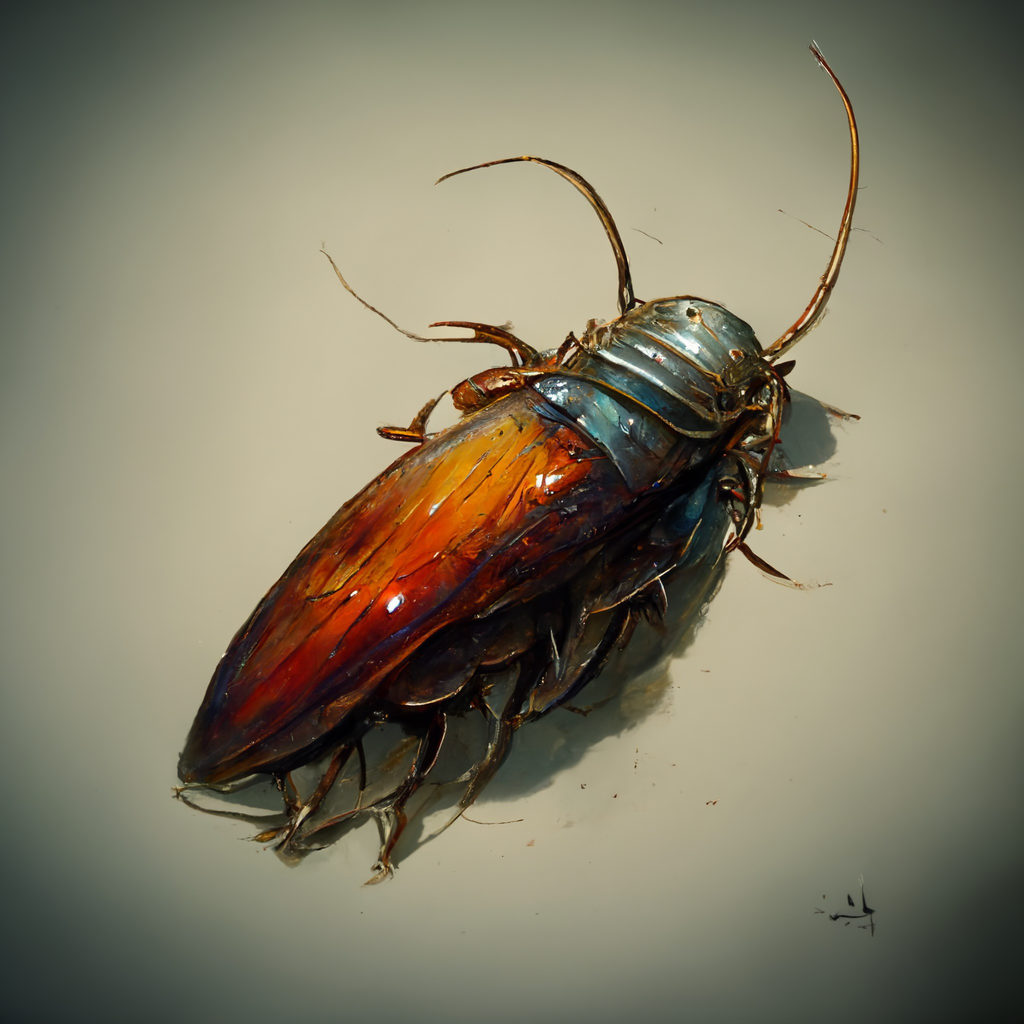
Most people think of cockroaches as dirty, disease-ridden pests. However, there are actually many different types of cockroaches, and not all of them are harmful to humans. Several cockroach species are pests and try to live in our houses with us. But most cockroaches are considered beneficial for the environment.
Cockroaches undergo “incomplete” metamorphosis, which means that the cockroach nymphs (babies) look very similar to the adults. Some female cockroaches can undergo “parthenogenesis” which means that they don’t need a male to produce offspring. How cool!
Wood cockroaches, for example, help to break down dead insects, wood, and leaves. This enriches the soil and makes it easier for new plants to take root, so wood cockroaches play an important role in the ecosystem. Although they may not be the most popular insects, cockroaches are fascinating creatures that play a vital role in our world.
Wolf spiders are one of the many types of cool spiders that you can find in your backyard. There are over 200 different species of wolf spider, and they can be found on every continent except for Antarctica. Most wolf spiders are brown or gray with dark markings on their backs. They range in size from about 1/2 an inch to 2 inches in length. Unlike other spiders, wolf spiders don’t usually make webs.
Wolf spiders are hunting spiders, which means that they actively hunt down their prey rather than build webs to capture it. They are also very fast runners, and they have excellent eyesight. When they’re not hunting, wolf spiders spend most of their time hiding in burrows or under rocks. If you’re lucky enough to spot a wolf spider in your backyard, you’ll be able to see why these amazing creatures are so named!

Wheel bugs are one of the many types of cool insects that you can find in your backyard. They get their name from the wheel-shaped crest on their backs. Wheel bugs are predators and prefer to eat soft-bodied insects like caterpillars. They use their long, curved beak to puncture their prey and inject them with a paralyzing toxin. Wheel bugs are relatively large compared to other bugs, and adults can grow up to 1 inch in length.
They are brown or black in color and have a distinctive pattern of yellow and black markings on their abdomens. They can be beneficial because they help to control pest populations. Better to look and not touch because wheel bugs can defensively bite you, and their bites do hurt. So, the next time you see a wheel bug in your backyard, take a closer look and appreciate this amazing creature!

Silverfish are small, wingless insects that are often found in dark, damp places such as basements and closets. These pests are attracted to food sources such as cereals, flour, and sugar. They can also damage clothing and books. Silverfish are silver or grey in color and have a tapered body shape. They’re named for their fish-like appearance and swimming motion.
Although they do not bite or sting, silverfish can be a nuisance due to their potential to damage property. If you find a lot of silverfish in your home, removing moisture and cleaning up any food materials will help get rid of them without harmful sprays or a call to pest control.

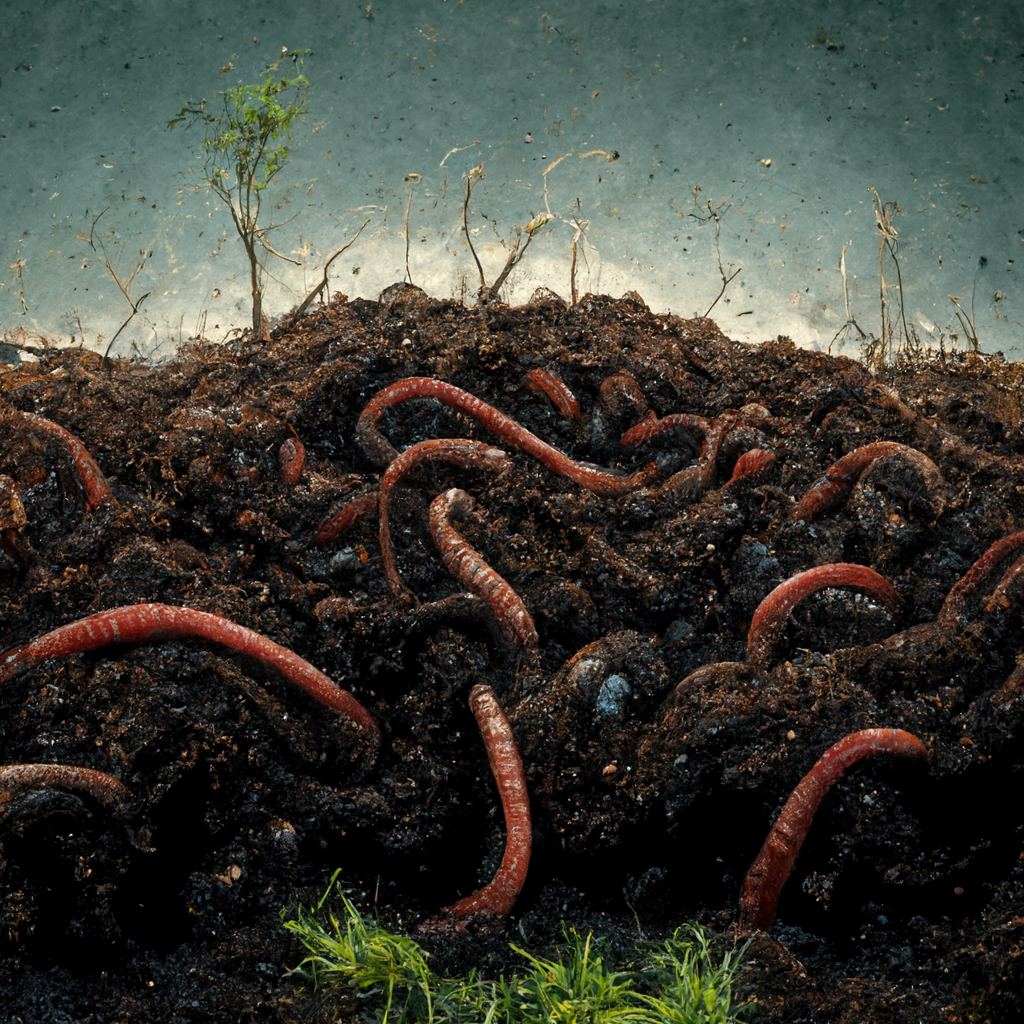
Worms are often thought of as slimy, icky creatures that live in the mud. But did you know there are over 20,000 species of worms? They come in all shapes and sizes that can be found all over the world. Some types of worms even glow in the dark!
Worms play an important role in the ecosystem. They help to break down dead plants and animals, which helps to create nutrient-rich soil. Worms also aerate the soil, which helps plants to grow. In fact, some farmers even use worms to fertilize their crops!
So the next time you see a worm, don’t be disgusted. Take a moment to appreciate these amazing creatures that play such an important role in our world.
We all know that ants are social insects, but did you know that there are some ants that become zombies? Zombie ants are infected with a fungus called Ophiocordyceps unilateralis. This fungus causes the ant to turn into a “zombie” – abandoning its nest and ultimately dying to spread the fungus.
Zombification can happen to many different ants, and it’s one of the coolest fungal reproduction methods out there! Insects, usually ants, are infected with a parasitic fungus that takes over their minds and bodies. The fungus tells the ant to climb to the top of a blade of grass or leaf, where it will clamp down with its jaws and die. The fungus then grows out of the ant’s head and releases spores, which infect other ants. Zombie ants are pretty creepy, but they’re also fascinating creatures.
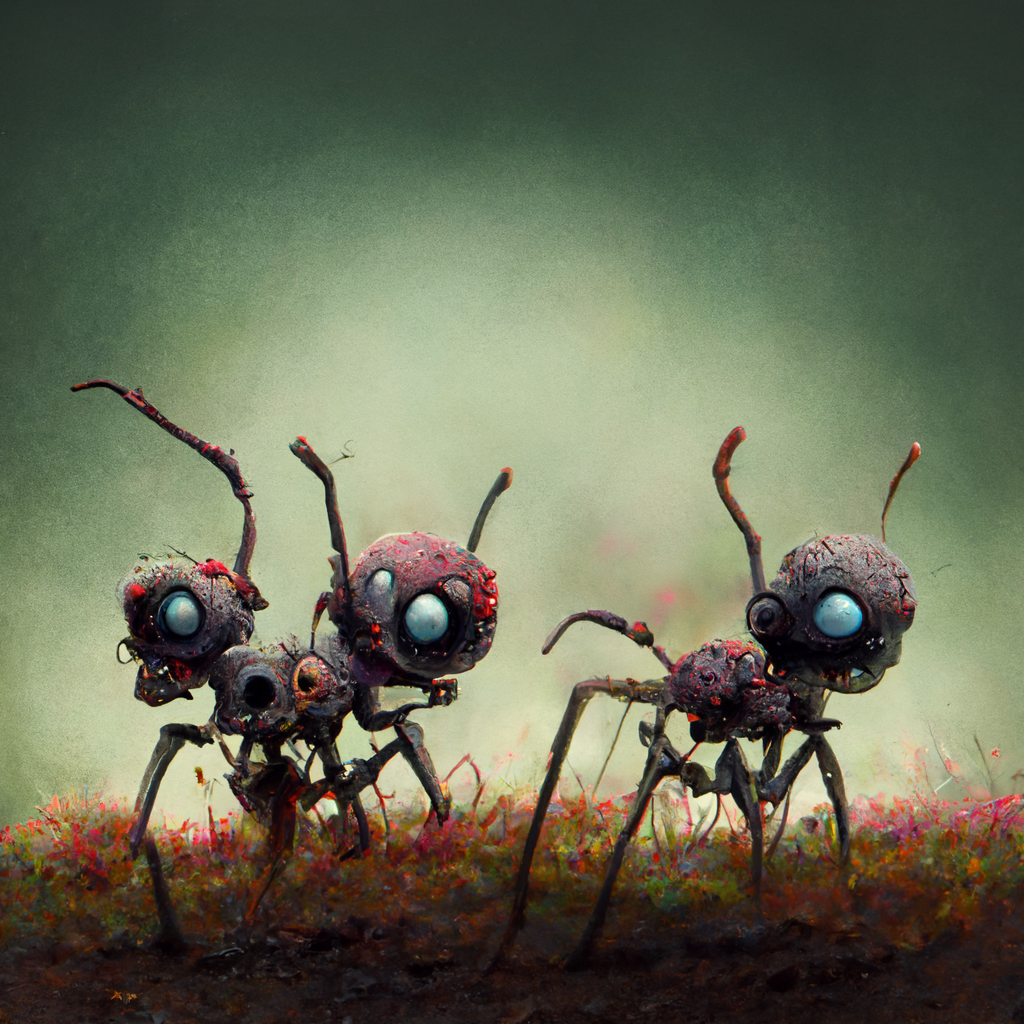
How zombie ants might be imagined for a scary movie
You might not think of your backyard as a hotbed of biodiversity, but it’s actually teeming with all sorts of different insects, spiders, and other arthropods. From bees and butterflies to beetles and bugs, these creatures play an important role in our ecosystem. Unfortunately, they’re also under threat from a variety of factors, including habitat loss, pesticide use, and climate change. By taking steps to create a more hospitable environment for them, we can help to protect these essential members of our ecosystem.
Now you know there are a variety of different types of cool insects and spiders that you can find in your backyard and around your house. Each one has its own unique features and behaviors. By taking the time to learn more about these creatures, you can appreciate the many different ways that they contribute to the world around us.
Did you enjoy learning about these creepy Halloween-y creatures? If so, why not show us!
Share your favorite creepy-crawly picture and tag us on Instagram, Facebook, or Twitter!
Want to do more?
Become a Forest Defender today! Your monthly gift will protect the biodiversity of the South.
Join our email list to get new Biodiversity in Your Backyard sent directly to your inbox!
Join us as we explore! We’ll learn about the wildlife, plants, trees, and even mushrooms. All right outside our doors. When you sign up, we’ll deliver more Biodiversity in Your Backyard tips directly to your inbox!


 Donate
  April 5, 2026