


Gloster, Mississippi – UK-based power company and wood pellet manufacturer, Drax, has been polluting the town of Gloster, Mississippi since it opened operations in 2015. The company was fined $2.5 million in 2021 for exceeding air permit limits. The Environmental Integrity Project made a Freedom of Information (FOIA) request. They uncovered that Drax is still emitting pollution beyond the legal limits for hazardous air pollutants during the years since that fine.
Janice Lyons, President of the Amite County NAACP chapter, said:
“Drax claims to be a good neighbor and to care about the environment. But they have been dumping toxics on us and making us sick since day one. This facility harms the development of our children, our economy, and our environment. Our community is tired of being treated as a dumping ground.”
On May 9th, more than 200 Gloster residents turned out for a community forum and site visit. US EPA, USDA, and MDEQ organized this to discuss concerns with the pollution linked to the Drax plant. This visit stemmed from the 2021 $2.5 million fine. This was an extraordinary turnout from such a small community. It’s a testament to how strongly residents feel about the environmental justice crisis in Amite County. Drax declined to attend.

While MDEQ was at the community forum, they knew the Drax facility was exceeding its air toxics and Hazardous Air Pollution limits. They knew it had been happening for at least two years. None of the agencies at the community forum mentioned this air pollution violation.
But they failed to disclose the violation with the public. It took the FOIA request to uncover the truth.
Kathy Egland of EEECHO and NAACP said:
“We are appalled that MDEQ did not share this information with the community immediately. To say nothing of failing to disclose it during a community forum dedicated to the topic of Drax’s impact on local air quality. It is disingenuous for MDEQ to not inform the people they’ve been entrusted to protect that they have been exposed to illegal levels of toxic pollution. This shows just whose interests they represent.”
This will be the second time the Drax Amite plant violated the Clean Air Act. The second time MDEQ has not been public about the information. Now Drax is applying for a permit simply to allow for this degree of air pollution.
MDEQ is not the only one withholding information. Dr. Krystal Martin and Kathy Egland traveled from Mississippi to London earlier this month. They delivered their community’s concerns directly to Drax. They spoke at the Annual General Meeting of the company. They sat down with Drax CEO Will Gardiner after the meeting.
They didn’t say a word despite receiving a violation two months earlier. The Yorkshire Post covered the visit. Drax representatives told them, “Drax is committed to being a good neighbor and the safety of our people and the communities where we operate is our priority.”
Dr. Krystal Martin of Ladybug Outreach in Gloster, MS said:
“The CEO of one of the largest power companies in the world told me that they invested $10 million in pollution control equipment as required by the state and was pretty sure that we are compliant now. So, Will Gardiner lied to us. He along with his board members continue to lie to the world about how burning forests and polluting Black, rural, and underserved communities is good for the planet.”
There is noise and air pollution in North Carolina. There are air quality violations in Georgia and Louisiana. This is proof that this industry must stop its expansion.
Dr. Treva Gear of Dogwood Alliance said:
“Drax and the wood pellet industry consistently fail pollution limits. State agencies across the South continually fail to stop them. With President Biden’s Executive Order on Environmental Justice, it is long past time for the EPA to take responsibility for regulating these industrial wood pellet facilities. Not just in Amite County, but across the US South.”
# # #
There’s a lot of talk in the news and in conservation about mature and old-growth forests. You’ll sometimes see them abbreviated as MOG(F). But what exactly is old-growth forest, and do we really have any around here?
Old-growth forests are some of the most valuable ecosystems on the planet. They give a wide range of benefits to both the environment and local communities. Destroying old-growth can have devastating consequences. Let’s explore why old-growth forests are so important, and what we can do to help.
An old-growth forest is a forest that has reached its later stages of stand development. These forests tend to have:
Old-growth forests are habitat for many wildlife species. Therefore, they support high levels of biodiversity. Mature and older forests types have had time to go through ecological processes. These processes include floods, fires, strong winds, and even ice in the winter. These events are also known as “natural disturbances”. These events help to create “canopy gaps”. They weed out weaker or unlucky trees. Ultimately, they create the old-growth characteristics that we’re looking for.
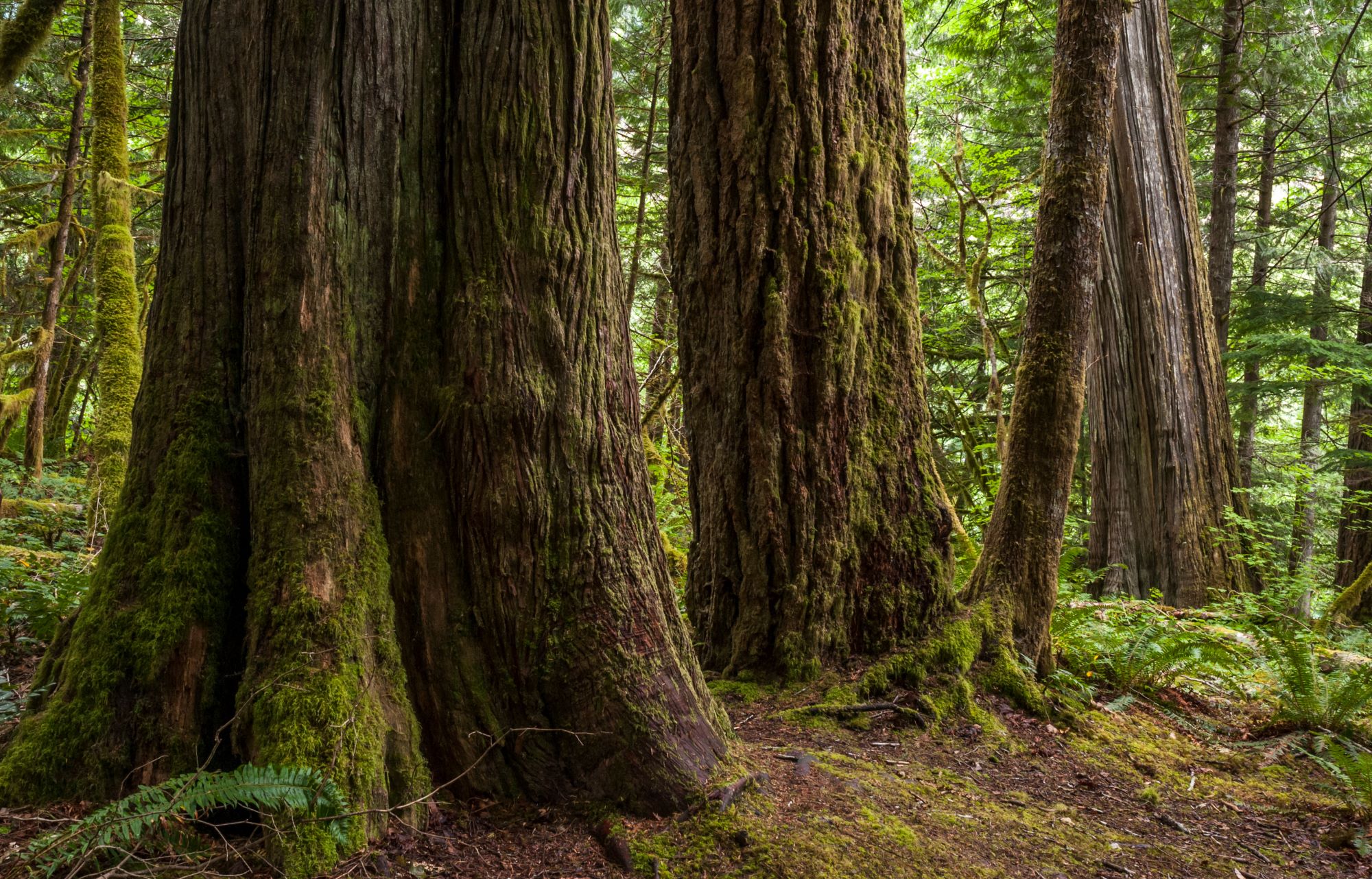
This is in contrast to younger forests. Younger forests may have younger trees, poor quality soil, and not as many species. Large trees are few and far between. The canopy (the top of the forest) looks even and simple with lots of canopy gaps.
Unfortunately, there may be a lot of evidence of human disturbance in both young and old forests. Human disturbance can be remnants of housing or fences, trash and litter, or even damage to the trees.
You might see some folks refer to “virgin” forests when talking about old-growth. A virgin forest is defined as one that humans have never disturbed. Virgin forests are so rare in the US that they’re practically nonexistent.
Unfortunately, the logging industry argues that old-growth forests and virgin forests are the same thing. They go on to say that there’s no “true” old-growth left. And therefore, every forest can and should be logged. This dangerous argument causes logging in vulnerable habitats across the country.
From 1850 to about 1920, we deforested two-thirds of the Eastern US. This massive loss of forests means that many of our forests are a maximum of a hundred years old. That means that many forest types could just now be maturing into old-growth.
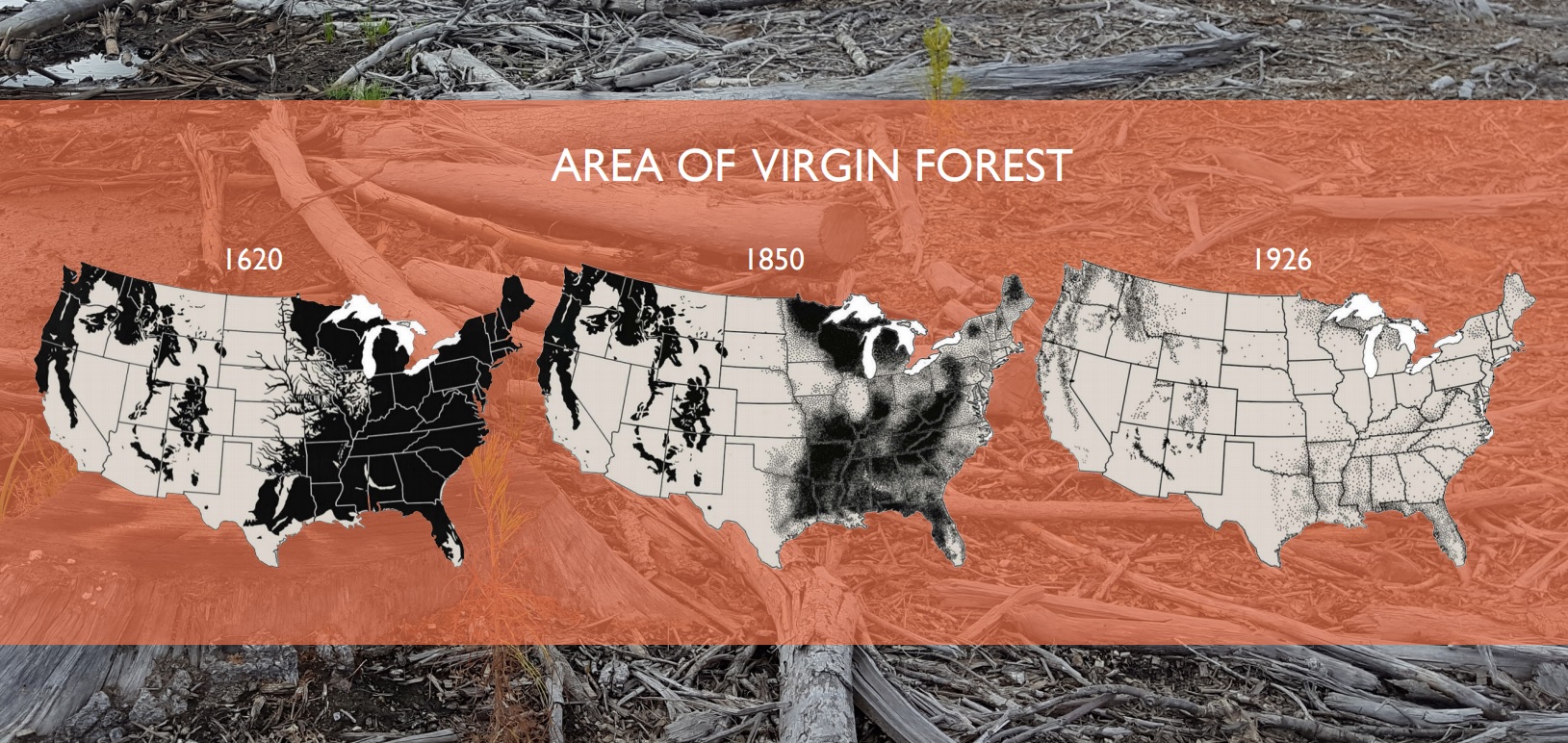
Unfortunately, much of the country has been repeatedly logged. This is especially true in the US South. Even so-called “responsible” forest management can leave behind ugly clearcuts. Clearcuts have dead, dry soil and total loss of animal life.
There are well-known old-growth forests in the Eastern US. You can find most of them in a national park. The Great Smoky Mountains National Park, for example, has quite a bit of old-growth. Many protected forests in and near North Carolina do, too, including:
In addition to these well known forests, there are many others. Strongholds of old-growth forest still exist anywhere it’s challenging to clearcut. If we couldn’t get to it easily, it had a much better chance of developing old-growth conditions. Many hardwood forests occur on ancient mountains (near the Appalachian Trail, for example). These difficult landscapes contain potential or confirmed old-growth forests. But a mountain range isn’t the only safe harbor for old-growth.
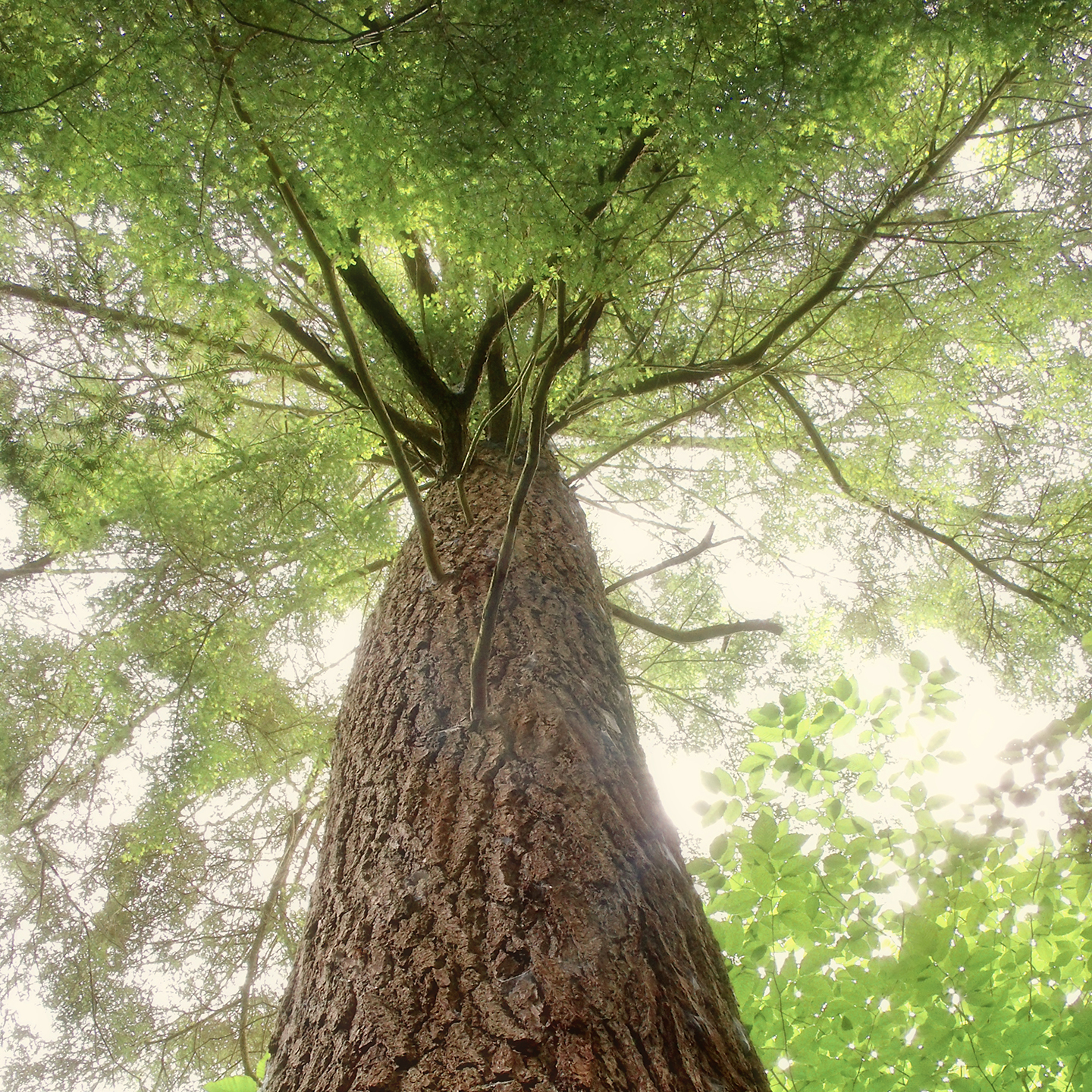
Other places can and do have old-growth forests, including:
You can find undiscovered old-growth at higher elevations, in the middle of swamps, and far from roads. Old-growth can be found in the hills and the valleys, at low and high elevation. An old tree can be found just about anywhere. But finding a whole old-growth ecosystem can be challenging, especially in the US South.
Old-growth forests offer many benefits to both the environment and local communities. Perhaps what they’re best known for are carbon storage and wildlife habitat.
Old trees are world-renowned for carbon storage. Every living tree in old-growth forests is busy storing carbon year round. Every ton of carbon stored in a forest is one less in the atmosphere. (Side note: natural forests are among the best solutions to climate change.)
Old-growth forests are also great for wildlife habitat. Old-growth tends to have a lot of “microclimates.” These are little patches where the weather is cooler or warmer depending on the trees above. Microclimates support a wide range of plant and animal life. From shade-tolerant species to rare birds, old-growth is where it’s at.
Other old-growth benefits include:
There are so many benefits to old-growth forests, and we’re discovering more and more every year.

Destroying old-growth forests hurts everyone. It can:
The old-growth characteristics that protect these forests can also have a downside. For example, old-growth tends to be challenging to access (like on ancient mountains). Therefore, scientists can’t properly study the plant and animal life within. There may be undiscovered species lurking in old-growth that we just don’t know about. Many people believe that these forests are reservoirs for biological diversity. Our next cure for cancer could be in some moss, bacteria, or fungi only found in old-growth forests.
There are many conservation efforts to protect old-growth forests from destruction. Organizations like The Old-Growth Forest Network (OGFN) identify areas where old-growth still exists. Then, they work to protect these places from logging that could damage the special environments.
Unfortunately, in the US, this is challenging. Many people believe the lie that there are no old-growth forests in the Eastern United States. Or, they think that the only old-growth that we have left is confined to protected areas like the Great Smoky Mountains National Park.
But National Parks are just the start of the old-growth story in the United States. Remember, old-growth forests can be cultivated through time. And many of our forests are almost at the old-growth threshold! There are some ways that we can support the growth of mature and older forests in the US.
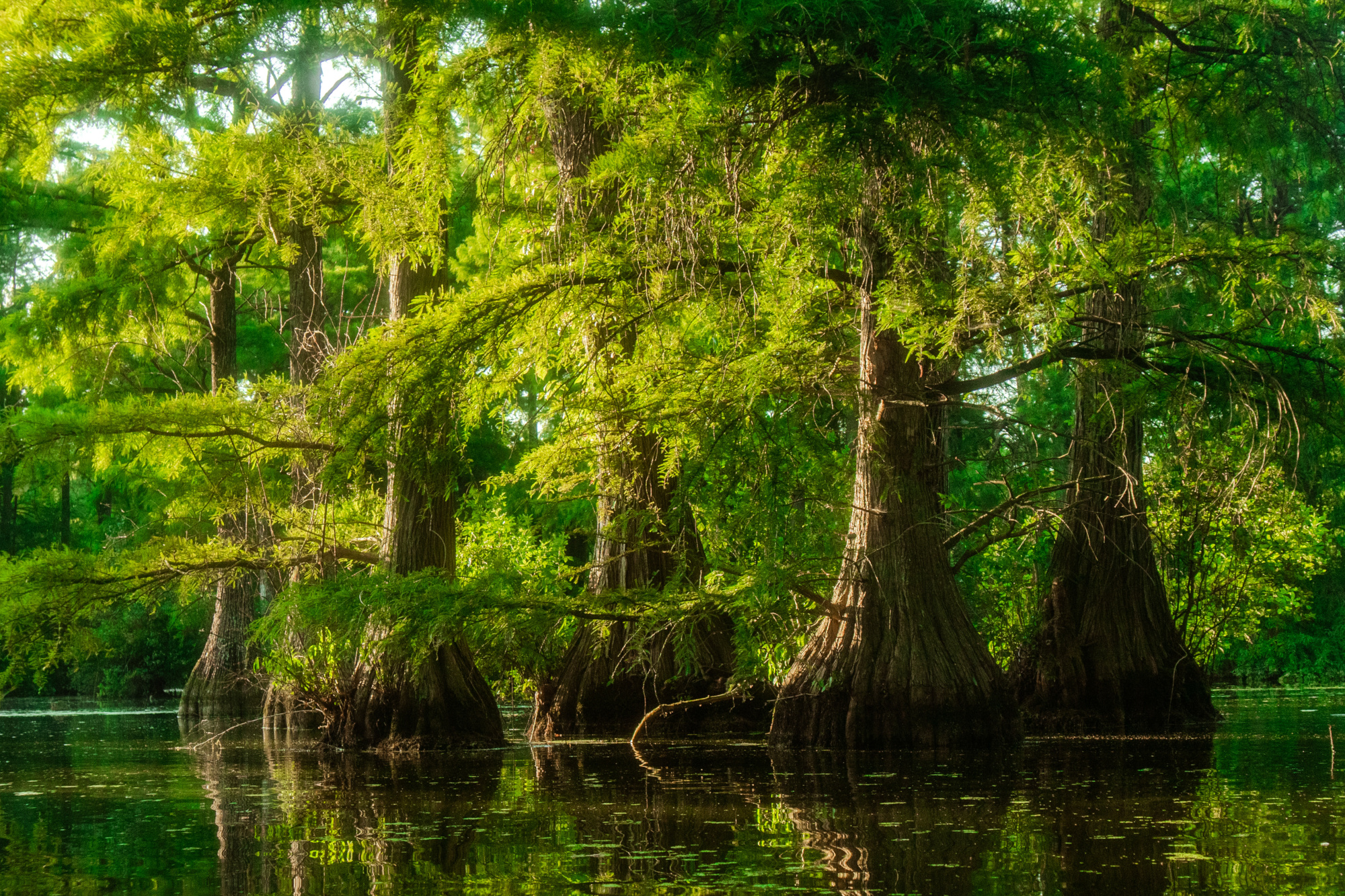
Proforestation is the act of allowing forests to grow to maturity. Proforestation is a term that Dr. Bill Moomaw and colleagues coined in 2019. It’s a climate mitigation strategy that supports forests by leaving them alone. Radical, yet cost effective. We’ve written about proforestation a few times, and we’re behind it 100%. Proforestation is critical to ensuring a safe climate future.
President Biden has signed several executive orders about mature forests. One executive order focused on the value of old-growth. The other demanded that our natural resource agencies actually document where old-growth forests are located.
It’s a great start, but it’s not nearly enough. We need action to protect mature and old-growth forests now. Not decades from now. Here’s how you can help:
We all have a responsibility to protect our planet’s precious old-growth forests!
Take action today to tell your elected officials about the importance of mature forests.
The Okefenokee National Wildlife Refuge is a unique natural wonder in Southeastern Georgia. The Okefenokee Swamp is a 438,000-acre wetland. It straddles the Georgia–Florida line. It’s considered the headwaters of the Suwannee and St. Marys Rivers.
The Fish and Wildlife Service owns and runs the Okefenokee National Wildlife Refuge. They partner with third parties, like the Okefenokee Swamp Park. These partners provide recreational opportunities to visitors. These Okefenokee “adventures” include hiking, camping, canoeing, kayaking, and birdwatching. The refuge lands are a great opportunity for folks from across the US to experience the beauty of the swamp.
We’re highlighting the Okefenokee in celebration of American Wetlands Month. So, here are seven things you probably didn’t know about this amazing swamp:
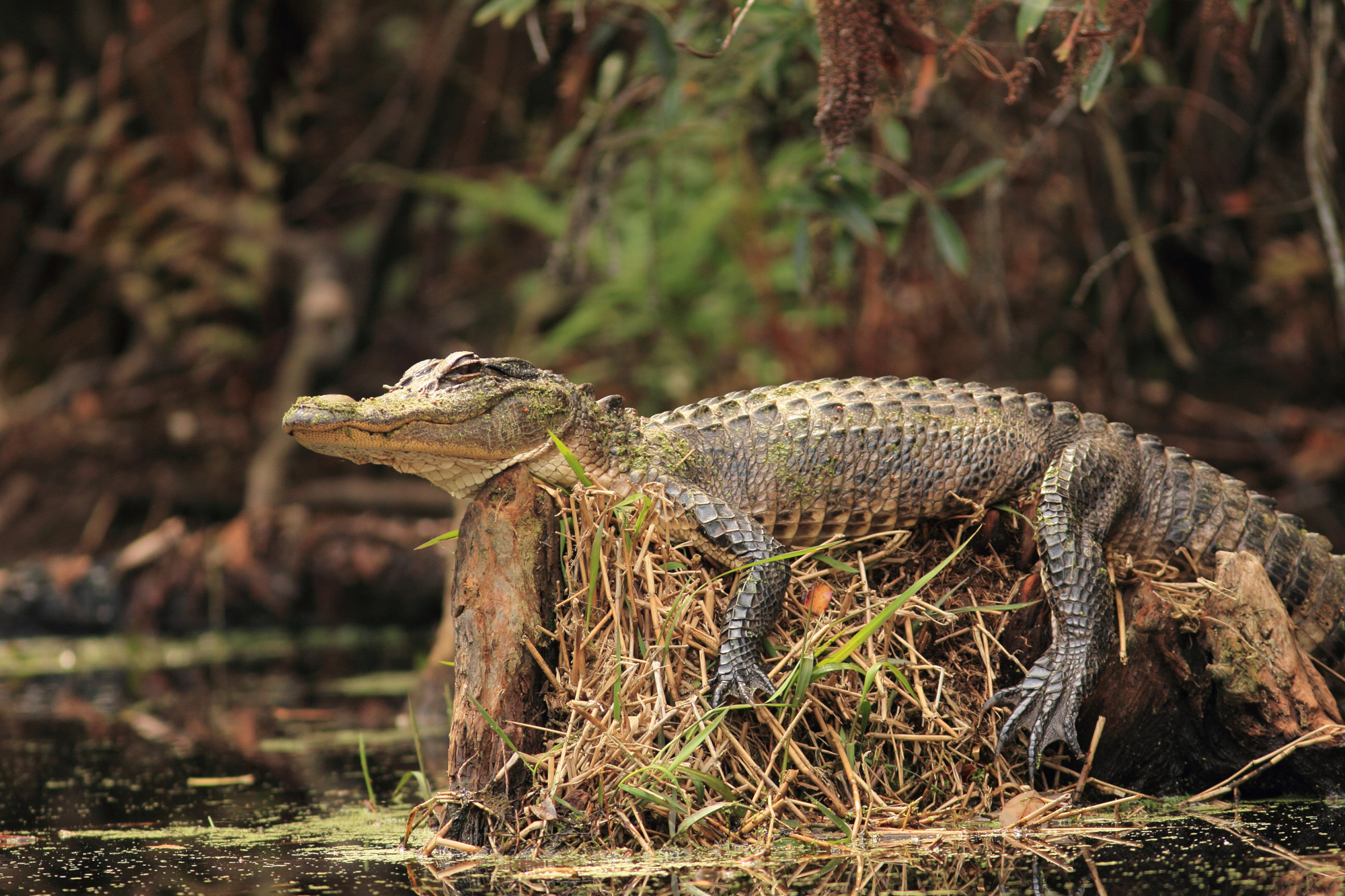
The Okefenokee Swamp is home to many threatened and endangered species. These special species include:
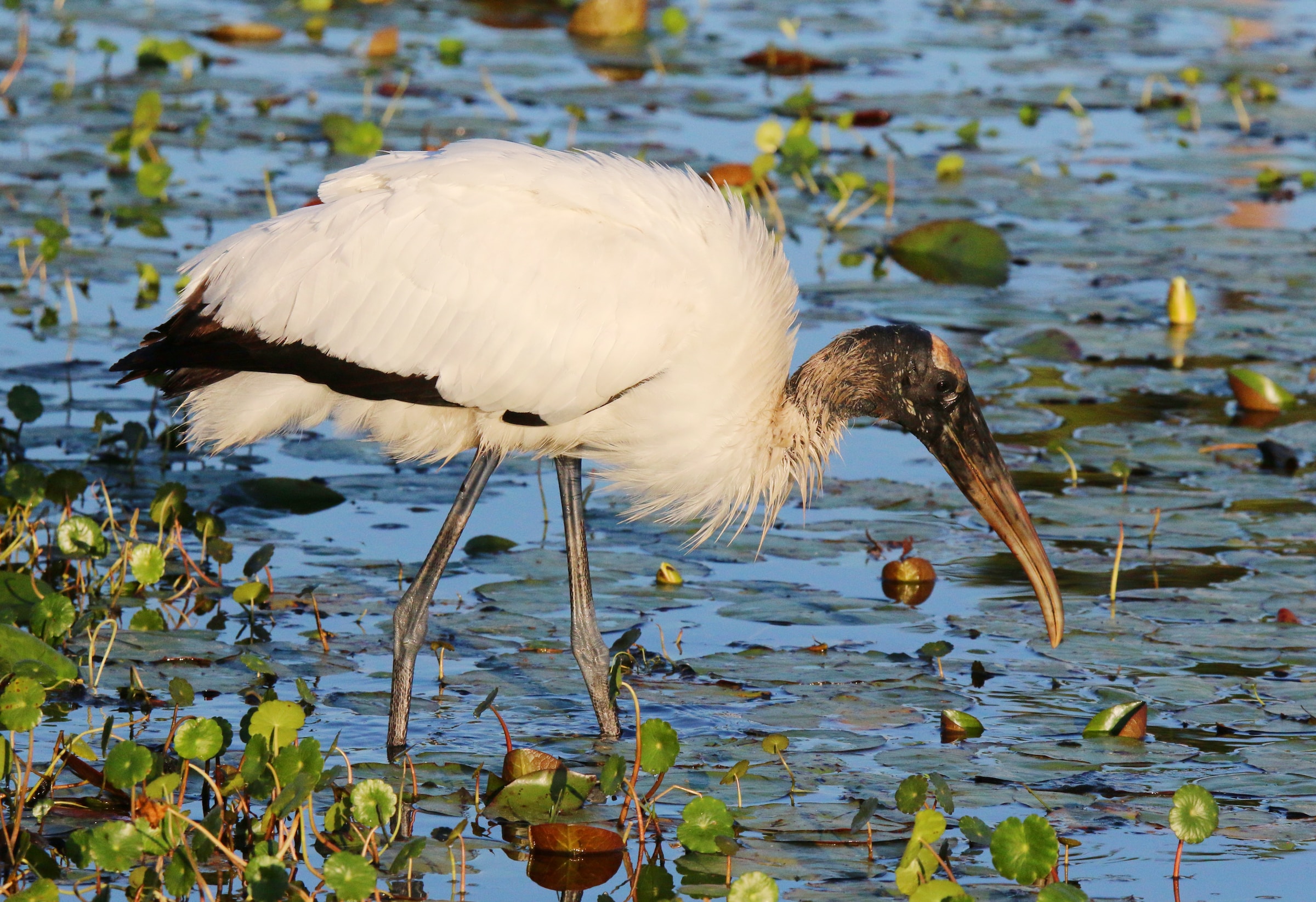
The wood stork is a federally endangered species. These birds have a unique appearance with white feathers, a bald black head, and long legs. They’re carnivorous, feeding on fish, frogs, and small mammals in the swamp. Wood storks have an important role as predators in the Okefenokee Swamp ecosystem. Their presence helps to maintain a healthy balance of nutrients and species.
Habitat loss threatens another species, the Eastern indigo snake. These snakes are the longest snakes native to the United States. They reach up to 8 feet in length. They’re nonvenomous and play an important role in the swamp’s ecosystem as top predators. Indigo snakes are also significant to Indigenous communities who live near the swamp. Restoration programs are reintroducing this snake into its historical range.
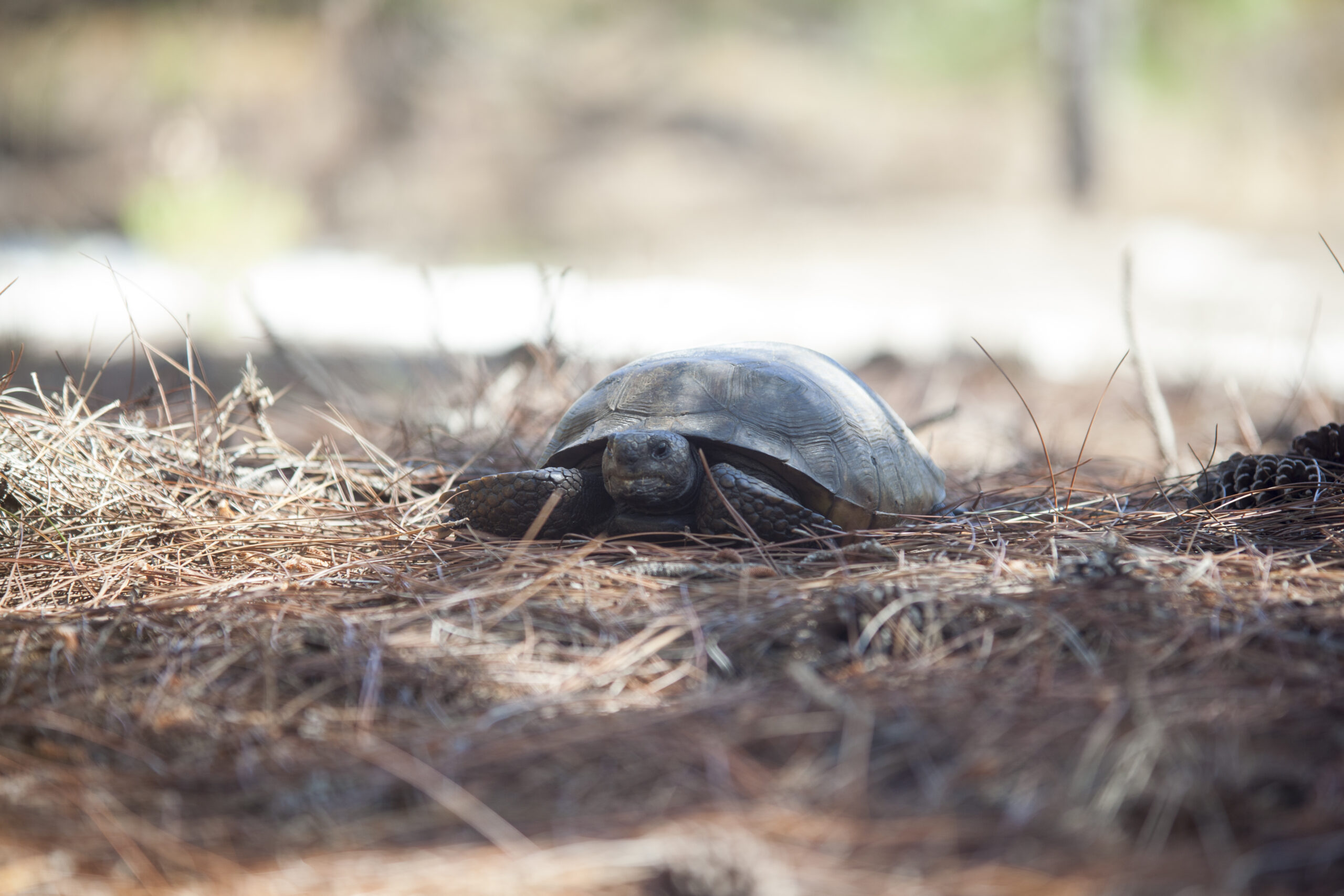
Habitat loss and fragmentation threaten another species: the gopher tortoise. These tortoises are ecologically important. They create burrows that provide homes for other animals and help aerate the soil. Gopher tortoises are a keystone species in the Okefenokee Swamp ecosystem. A keystone species is like “the glue that holds a habitat together.” Further decline in their population would have significant impacts on the surrounding habitat. Conservation efforts are protecting and restoring their habitat across the South.
The swamp’s soil composition is peat. Peat is a type of acidic soil that’s mostly made of dead vegetation. Peat, combined with a hot, humid climate, creates perfect places for carnivorous plants.
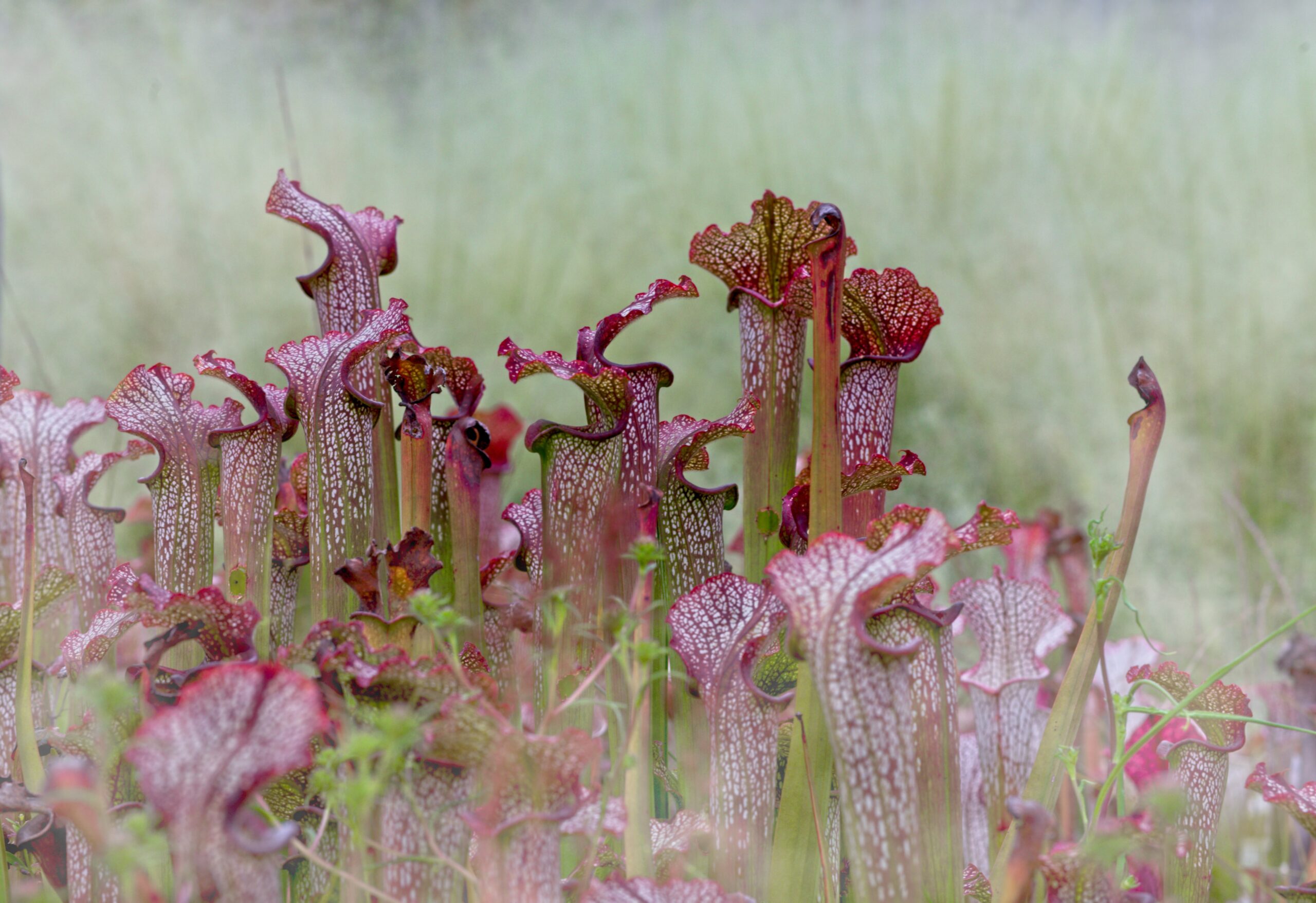
One of the most famous carnivorous plants found in the swamp is the pitcher plant. These plants have trumpet-shaped leaves, which form a long cavity. They lure insects inside where they become trapped and digested. The surrounding surface of the pitcher plants is slippery. This makes it difficult for any trapped insects to escape.
Another species of carnivorous plant found in the Okefenokee Swamp is the sundew. These plants have long, sticky tentacle-like leaves. Like the pitcher plants, these leaves trap insects upon contact. Sundews then digest their prey with enzymes. You can read more about carnivorous plants right here!

Beyond carnivorous plants, the Okefenokee Swamp is also home to a few orchids. These orchid species include rose pogonia and the yellow-fringed orchid, among others. These orchids are rare and distinctive, with a unique, unmistakable appearance. Orchids are globally rare, but they’re easily found within the Okefenokee Swamp.
Conservation efforts are in place to protect these rare and unique plant species. Visitors to the swamp should avoid damaging or disrupting plant habitats. Be sure to follow all park regulations and stay on designated trails.
Believe it or not, the Okefenokee Swamp existed long before any of us were born. It’s survived centuries of human intervention and destruction. The name “Okefenokee” actually means “trembling earth.” It’s a European interpretation of the Seminole tribe’s language.
In 1937, the Okefenokee National Wildlife Refuge was established to protect the swamp. It even protects surrounding areas including wetlands, grasslands, and forests. The Refuge covers over 400,000 acres. It’s home to many animal and plant species. When the Refuge formed, the government forced humans living within to move outside.
Before the Refuge’s establishment, people lived within the swamp. These people included Native American tribes like the Seminole and Muscogee (Creek). Others who called the swamp home included settlers, loggers, hunters, and fishermen. These settlers left their mark on the swamp by changing its ecology and hydrology.
The Okefenokee is also known for its role in music. It was responsible for nurturing a type of music: Sacred Harp or Shape Note Singing. This distinctive musical tradition has its roots in colonial America. Traveling singing school teachers taught congregations to sing using a four-note system. This system was based on the syllables fa, sol, la, and mi, which represented different pitches.
Sacred Harp singing became popular among Primitive Baptist churches in the Okefenokee region. Churches valued it for its religious significance as well as how it brought communities together. The songs feature unconventional harmonies that created an intense emotional experience for listeners and singers alike. The style blossomed in the Okefenokee. It eventually became known as the “Hoboken style” of Sacred Harp singing.
Just how big is the Okefenokee National Wildlife Refuge? It covers over 550 square miles of land. That means it’s larger than cities like Nashville, Tennessee! This remarkable expanse of wetlands, forests, and grasslands is a testament to the power of preservation.
The Okefenokee Refuge is such a vast wilderness that it has a few different entrances. You can enter this National Wilderness Area from:
You should do some research before you go. That way, you’ll know where to go if you want guided boat tours, camping, hiking trails, or other activities.
The Okefenokee Refuge has many ecosystems, including cypress forests, peatlands, prairies, and marshes. These ecosystems provide homes for many animals. In fact, over 300 bird species and 50 mammal species call the area home.
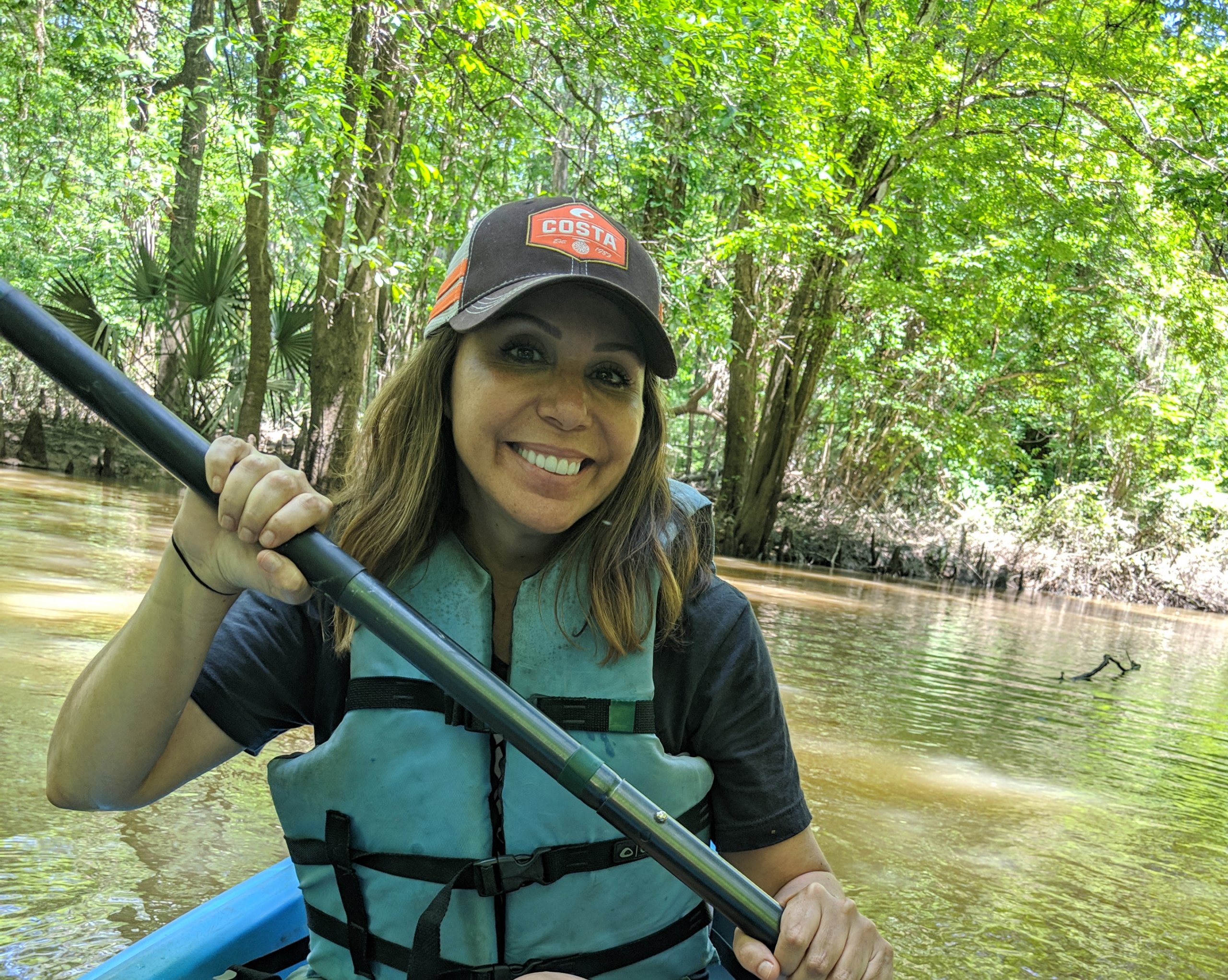
Visitors can enjoy many activities at the Okefenokee National Wildlife Refuge. Hiking trails, boating, and fishing make this a popular destination for nature lovers. The trails range from easy to moderate, taking you through lush forests. You can spot rare, scenic views of wildlife at its best. Wildlife observation towers and boat tours offer a chance to see animals without disturbing them. You can even camp on a platform in the swamp!
The Okefenokee Swamp Park is a nonprofit organization. They work with the Okefenokee National Wildlife Refuge to provide recreational opportunities through the swamp. They offer guided tours and camping experiences for all ages.
The Okefenokee is the central hub to Georgia’s largest honeybee operations. This is because it’s full of “honey plants” for bees. Honey plants include tupelo gum trees and gallberry plants, among others. They were well-known to locals before any commercial operations were established.
Even without the bees, the Okefenokee is of international importance. It’s been nominated as a potential World Heritage site. If chosen, it would be a World Heritage site, just like the great Egyptian pyramids!
The Okefenokee swamp is an incredible natural wonder, located in Southeast Georgia. The swamp is home to rare and endangered species like the American alligator, black bear, and wood stork. Unfortunately, this breathtaking wilderness is under threat. A proposed titanium mine that could devastate the area.
Twin Pines Minerals, LLC is the current proposed titanium mine. The mining site would be just over two miles South of the refuge. Twin Pines Minerals’ mining operations would threaten the swamp’s hydrology and ecology. It would also threaten surrounding watersheds. Mining could have devastating impacts on wildlife, including birds, alligators, and black bears. It could also lead to water contamination. That poses a risk to both human and animal health. Furthermore, this mining operation could adversely affect local communities.

Fortunately, we can act now to protect the Okefenokee swamp from this threat. Contact your local representatives and urge them to take action on this issue. Join forces with other conservation groups to raise awareness about this important cause. Put pressure on your representatives and even on the Fish and Wildlife Service to advocate for this park.
The comments are currently closed on Okefenokee public hearings, but you can take action right now.
Become a Wetlands Defender by taking action to protect wetlands today!
The Okefenokee swamp is a natural wonder. It captivates anyone who has the pleasure of experiencing it. From its diverse wildlife to its rich history, this swamp is teeming with life. It tells a story that is unique to the region.
Yet, the threat of mining operations looms over this precious ecosystem. Devastating consequences to the wildlife, environment, and local communities could be irreversible. It’s up to us to take immediate action to protect this treasure.
It is so important to preserve our natural resources. We must ensure that future generations can experience the beauty of the Okefenokee. We must support organizations and campaigns working towards protecting this vital ecosystem. Finally, we need to take concrete actions in our daily lives to reduce our impact on the environment.
I urge you to make a donation today. Together, we can preserve this beautiful natural wonder.
Dead trees, also known as deadwood or snags, may seem like a blight on the landscape. People may consider them eyesores or hazards to remove. But in reality, dead trees play a vital role in creating healthy and thriving ecosystems. Dead trees:
Why are dead trees important? Dead trees are a key component of many natural environments. Every dead tree is a carbon store or a home for wildlife. Together, we’ll explore the many reasons why deadwood is so crucial to the ecosystem. We hope you’ll see why we need to change our perspective on these unsung heroes of the forest.

Standing dead wood, also known as snags, may appear lifeless. But in fact, they support a rich array of biodiversity. They provide a critical source of food, shelter, and nesting sites for many wildlife species. Species that use standing dead tree branches and trunks include birds, mammals, insects, and fungi. Snags serve as important habitat for many endangered and sensitive species. These species depend on the unique microclimates of dead wood.
Snags provide useful resources for woodpeckers, nuthatches, and other cavity-nesting birds. Woodpeckers excavate cavities from dead and dying wood. Then they build their nests inside. They’re known as primary cavity nesters.
The holes that they create in the bark of snags also support many other bird species, such as bluebirds, swallows, and chickadees. Other animals, like bats and raccoons, also use cavities in snags as roosting sites and nurseries for their young. These other animals are called secondary cavity nesters. Tree cavities, both excavated and natural hollow cavities, are important for many animals.
The decay that occurs in standing dead wood creates some unique habitat opportunities for wildlife. As the wood breaks down, new cavities form, creating more homes for wildlife. It also enhances the diversity of the ecosystem as more species move in. Many insects rely on snags as feeding and breeding sites. The fungi that grow on dead wood can serve as a food source for a wide variety of flora and fauna.
Live trees, dying trees, and fully dead trees may all have some level of decay. Loose bark, dead branches, or broken tops are all places where decay can occur. While decay may feel ugly to some, it’s critical to forest ecology. A healthy forest always has some decay happening.
Studies have shown that the removal of snags in forests can have a severe impact on wildlife biodiversity. For example, keeping snags (instead of removing them) in an East Texas forest meant that there were more species of birds. This study showed that decline in some bird abundance may come from something as simple as removing dead or dying trees.
In the forests of the Eastern United States, loss of large old-growth trees has led to a decline in cavity-nesting birds. In some cases, this has led to the extinction (ivory billed woodpecker) or endangerment (red-cockaded woodpecker) of a species. Restoration efforts include reforestation, restoration, and nest box installation.

Nutrient cycling is when organic matter breaks down into its component parts. This releases nutrients into the soil that nourish plants and other organisms. It helps the efficient transfer of energy between different levels of the food chain. Without nutrient cycling, we couldn’t make and use healthy soil.
Dead trees play a critical role in nutrient cycling. As they decay, dead trees and other forms of organic matter release nutrients into the soil. This decomposing process is essential to the functioning of forest ecosystems. The nutrients released back into the soil support the growth of new vegetation. Decomposition releases nitrogen, potassium, and phosphorus.
Simply put, dead trees contribute to soil quality by providing a source of available nutrients. Plants then absorb these nutrients. By releasing these nutrients back into the ecosystem, dead trees play a crucial role in the forest. They support the health and well-being of most other living beings within the forest.
Clearcutting and deforestation can disrupt nutrient cycling within ecosystems. When we cut down trees, the organic matter used for nutrient cycling is no longer available. Soil quality then declines, and the surrounding vegetation dies off. Soil erosion and decreased water quality are other negative impacts associated with deforestation.
Effective land management practices can help prevent these negative outcomes. We know the things we can do to help nutrient cycles in logging areas:
Maintaining a healthy nutrient cycling process is essential. The health and well-being of the forest and its living organisms depend on it.
Climate change is one of the most pressing issues facing our planet today. Climate change is the result of increasing levels of carbon dioxide (and other gases) in the atmosphere. Dead trees play a vital role in combating this issue.
Dead trees are, in fact, important carbon sinks. This means that they remove carbon dioxide from the atmosphere and store it in their wood. The carbon remains trapped in the wood, even after the tree dies. The carbon stays secure for years, and in some instances, even hundreds of years. If we harvested those dead trees for pellets or paper, the carbon would end up in the atmosphere within a decade.
Standing dead wood and other forms of dead wood may account for up to 50% of the carbon stored in forests. Every piece of dead wood left in the woods can prevent carbon emissions into the atmosphere. As we already know, dead trees provide refuge for many species. These species create stable ecosystems that further promote carbon storage.
As we’ve learned, snags help maintain the rich biodiversity of forest ecosystems. Unfortunately, clearcutting for bioenergy wood pellets erodes the natural balance of these environments. To make bioenergy, forests are cut and turned into pellets, shipped overseas, and burned to make electricity.
One of the most worrying aspects of bioenergy production is the impact that it has on the forest floor. When trees naturally decompose, nutrients release back into the soil, nourishing the ecosystem. When we clearcut, the forest floor loses nutrients stored in dead and decaying trees. This leads to a decline in soil quality and, ultimately, the forest ecosystem.
Removing snags disrupts the habitat of many species of wildlife. It’s harder for them to find food, shelter, and nesting sites. Snags provide these resources as well as serving as a cornerstone of the localized food web. By logging, we disrupt the complex, interdependent ecosystem of the forest.
Using standing dead trees for bioenergy production can impact forest carbon sequestration. Forests are one of our best weapons in the fight against climate change. This is because they absorb large amounts of carbon dioxide from the atmosphere. Removing snags interferes with this process. It even releases previously captured carbon into the atmosphere.
Despite these serious ecological consequences, the wood pellet industry continues to use forests. They tout forest destruction as a green alternative to fossil fuels. This greenwashing fools many politicians, but don’t let it fool you.
It’s time to call out the wood pellet industry for what it is: an opportunistic exploiter of natural resources. We must push for more responsible, sustainable forest land management. We must rethink our reliance on wood pellet production. To preserve standing dead wood systems, we must treat them with the respect they deserve.
Are you ready to demand change? You’re in the right place! From live trees to dead, from pine forests to hardwood trees: say NO to the wood pellet industry. For wildlife, trees are the difference between life and death. We can’t subsidizing this deadly industry. We’ve got to take steps to preserve habitat for the next generations.


 Donate
  April 5, 2026