Donate


If a tree falls in the woods and no one is around to see it, did it happen?
To the mycelium and the worms, yes.
To the birds that create nests and the insects that burrow deep, yes.
For the mammals and amphibians that make it their home, yes.
For the water that finds refuge, yes.
Industries have distorted our view of the world. Industries have made us think that the only value in forests is paper, pellets, and timber. But the value of standing forests is much more. There’s even value in dead and dying parts of the forest. There’s a big difference between tree plantations and biodiverse natural forests.
Why are tree plantations bad?
A tree plantation is a crop. They’re even often called treefarms. Tree plantations are where people plant rows upon rows of one kind of tree. They’re often quick-growing and non-native. In tree plantations, even birdsong is hard to come by.
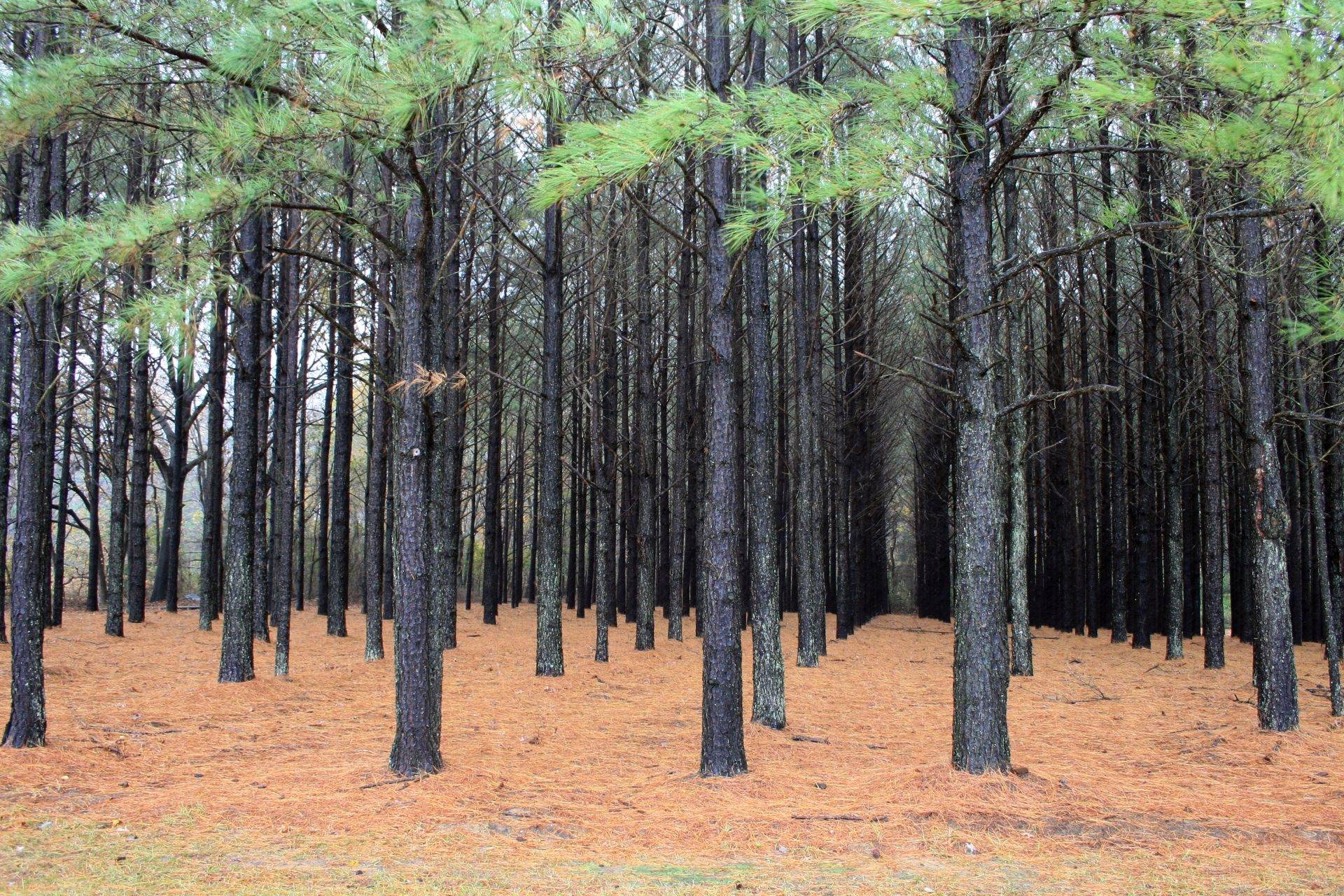
Tree plantations are worse than natural forests at providing:
- carbon storage
- water retention
- habitat for biodiverse species
Plus, tree plantations are more susceptible to forest fires. They’re a terrible replacement for natural forests. We should be pouring resources into saving our natural forests.
The circle of life
The cycles of nature are all inherently valuable.
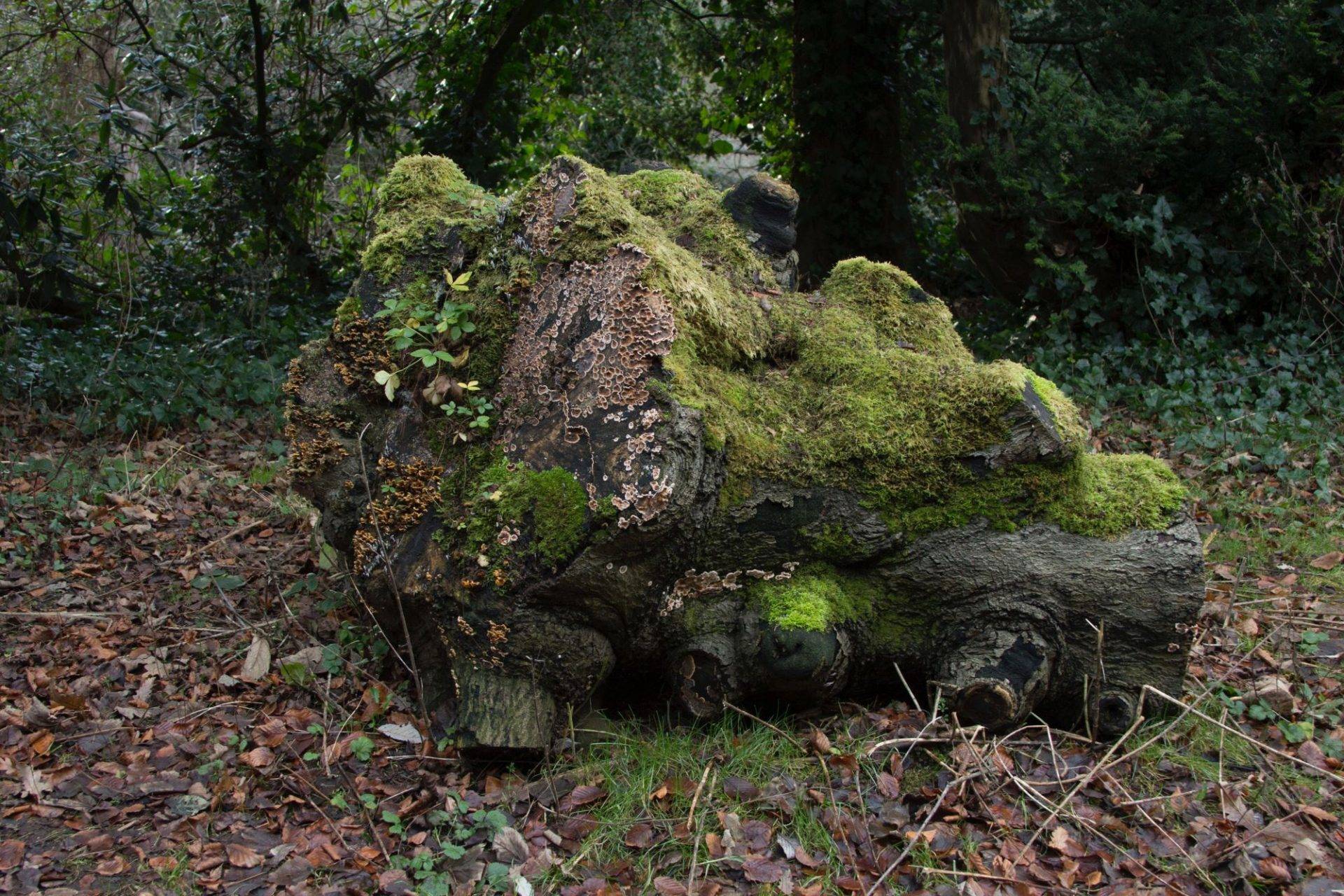
When a tree falls, it begins something remarkable. After being a small part of a giant ecosystem, it becomes an ecosystem in itself. Naturally fallen trees become home to all the life-giving forces of nature. From the predators to the prey, from the worms to the fungi, from decay to life. It all happens in a hollowing log. The rot is home to much more than we’ll ever understand.
We often think of rot as bad news in our modern human lives. Rotting fruit in our homes means money lost. It means new food waste for our landfills. Rot in our gardens means our neighborhood beautification project is at risk. Rot in the wood of our homes or furniture is costly to repair.
But rot isn’t just essential. It’s inevitable. Nature and life are synonymous with rot. To grow fruit, seeds, saplings, and vegetables, the soil must be nutrient rich. That happens in part because of rot.
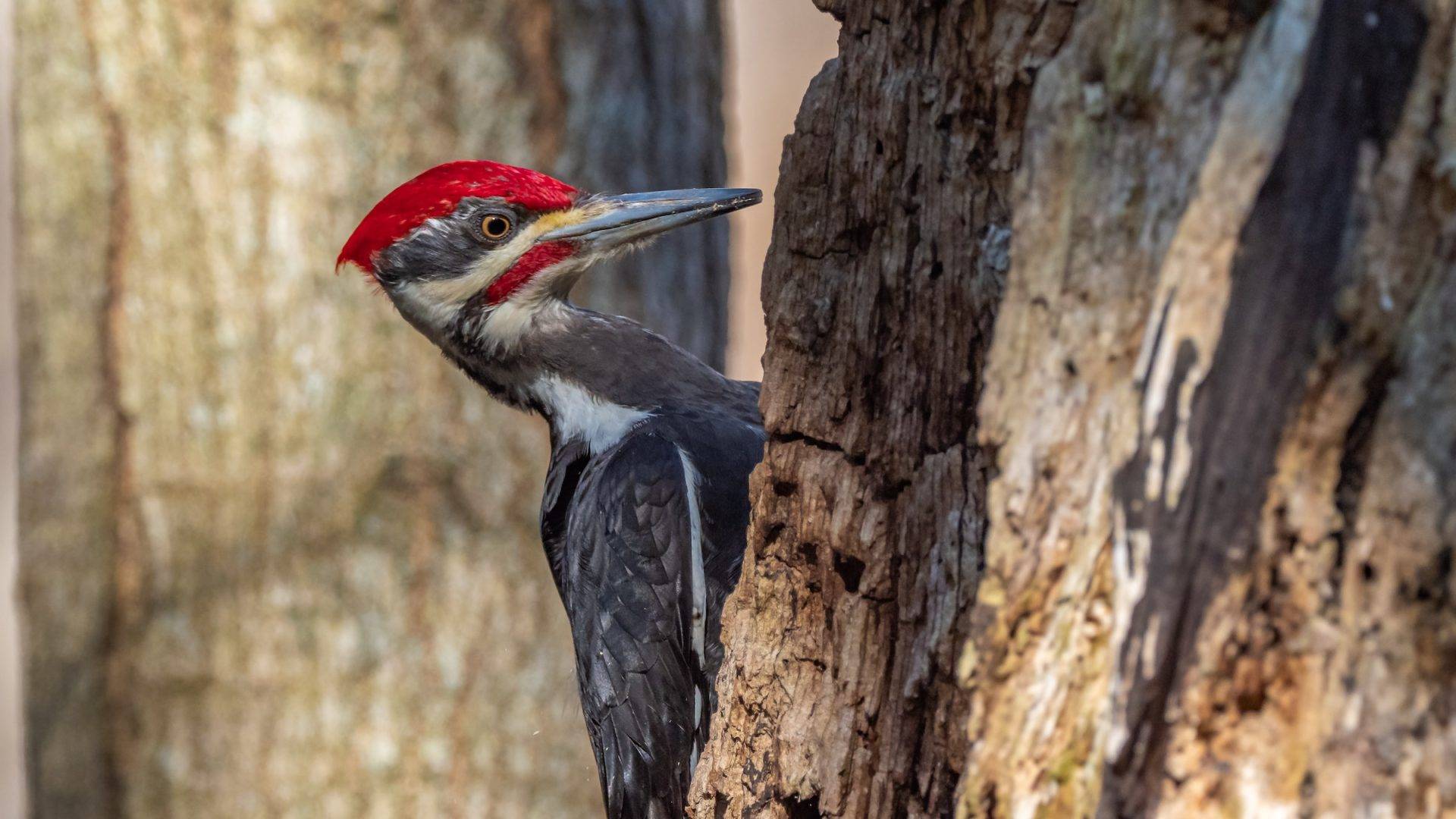
Some plants can take root in a way they couldn’t on a healthy standing tree. Some animals make their homes in dead trees. For decomposers to do their best work, they need rot and decay. Rot makes forests healthier.
The value of rot
To fully value nature we have to value all parts of it. Even those that are separate from our daily lives. By respecting the rot of nature, we can be better stewards of Mother Earth. We can’t create policies that don’t consider nature. Policies like that hurt nature, but they hurt us, too. We’re a part of nature. We must develop policies that account for the holistic functions of entire ecosystems.
We live in an era of devastation and forest destruction. We’re facing increasingly harsh impacts of climate change. It’s time for a different kind of forest advocacy. One that’s uncompromising in its love for all parts of nature. One that recognizes the big picture and doesn’t need a price tag or a pitch on its ROI.
Dogwood Alliance is a proud advocate for the trees, the forests, the rot, and the have-nots. Communities who are dismissed, undervalued, and over-polluted. Forests that suffer from our dismal track record of conservation, protection, and stewardship. We value all the parts that make us whole.
Together let’s fight for a better world. One with greater love for human and nonhuman life on this beautiful floating rock we call home. May we all find that love for ourselves, for one another, and for the forests.
Michél Legendre

 September 10, 2026