


 Donate


Written in collaboration with Okefenokee Protection Alliance
The Okefenokee Swamp is the largest blackwater wetlands in North America and one of the world’s largest intact freshwater ecosystems. Located in the southeast corner of Georgia, its wide range of habitats is home to a rich diversity of plants, birds, fish, and wildlife and includes the headwaters of the Suwannee and St. Mary’s Rivers.
This ancient bog is a popular recreation destination that generates millions of dollars each year for the local economy.
Annually over 400,000 visitors from all over the world come to enjoy its cypress swamps, upland pine forest, wet and dry prairies, and winding waterways.
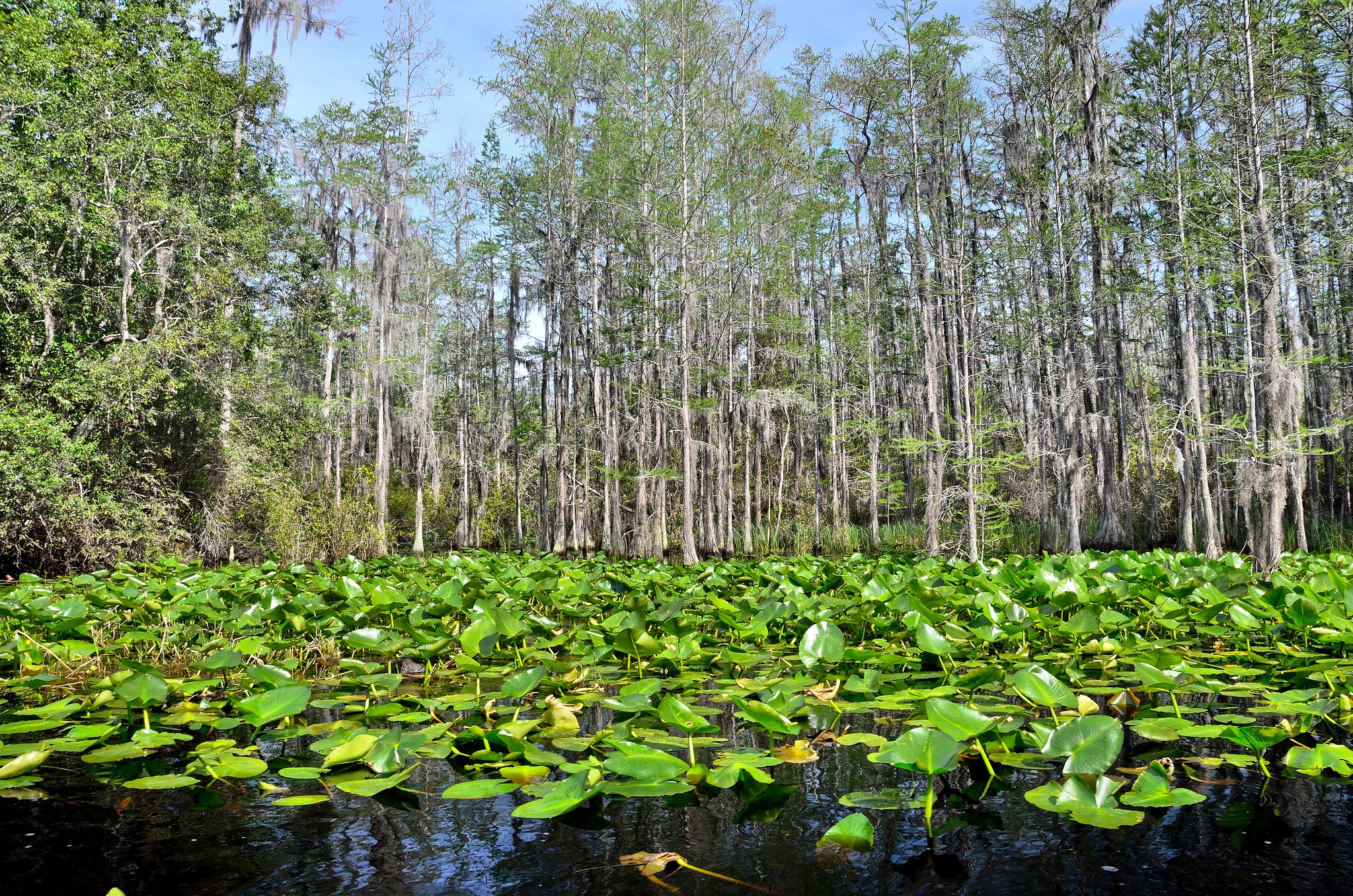
Photo by: Timothy J. Carroll
Trail Ridge, the geologic formation that forms the eastern boundary of the Okefenokee swamp in Georgia, has long been a target of the titanium mining industry. In the 1990s, the DuPont corporation attempted to mine a vast swath of land along the refuge boundary — a proposal that faced near-universal opposition. Because the project threatened to impair the function of the swamp, as well as its famed wildlife habitat, then Interior Secretary Bruce Babbitt declared that mining “should never happen,” and has no place next to what he called a “very uncommon swamp.”
Extensive public outcry and government opposition led DuPont to abandon the project and donate much of the property for permanent protection.
Yet, in 2019, Twin Pines Minerals submitted an application to the US Army Corps of Engineers to operate on 2,414 acres, adjacent to the refuge boundary. As a result of strong citizen opposition, they were forced to withdraw that application.
But Twin Pines Minerals didn’t give up.
They submitted a revised application in 2020. It slightly reduced the size of the project area but government agencies expect operations to eventually grow to 12,000 acres, potentially coming within 400 feet of the swamp itself. Tens of thousands of people contacted the US Army Corps of Engineers to voice their opposition to this destructive project.
Unfortunately, the Okefenokee is still under threat because the federal government has changed rules in the Clean Water Act. Now Twin Pines Minerals is pushing to proceed with their 600-acre heavy mineral sand mine without any federal oversight.
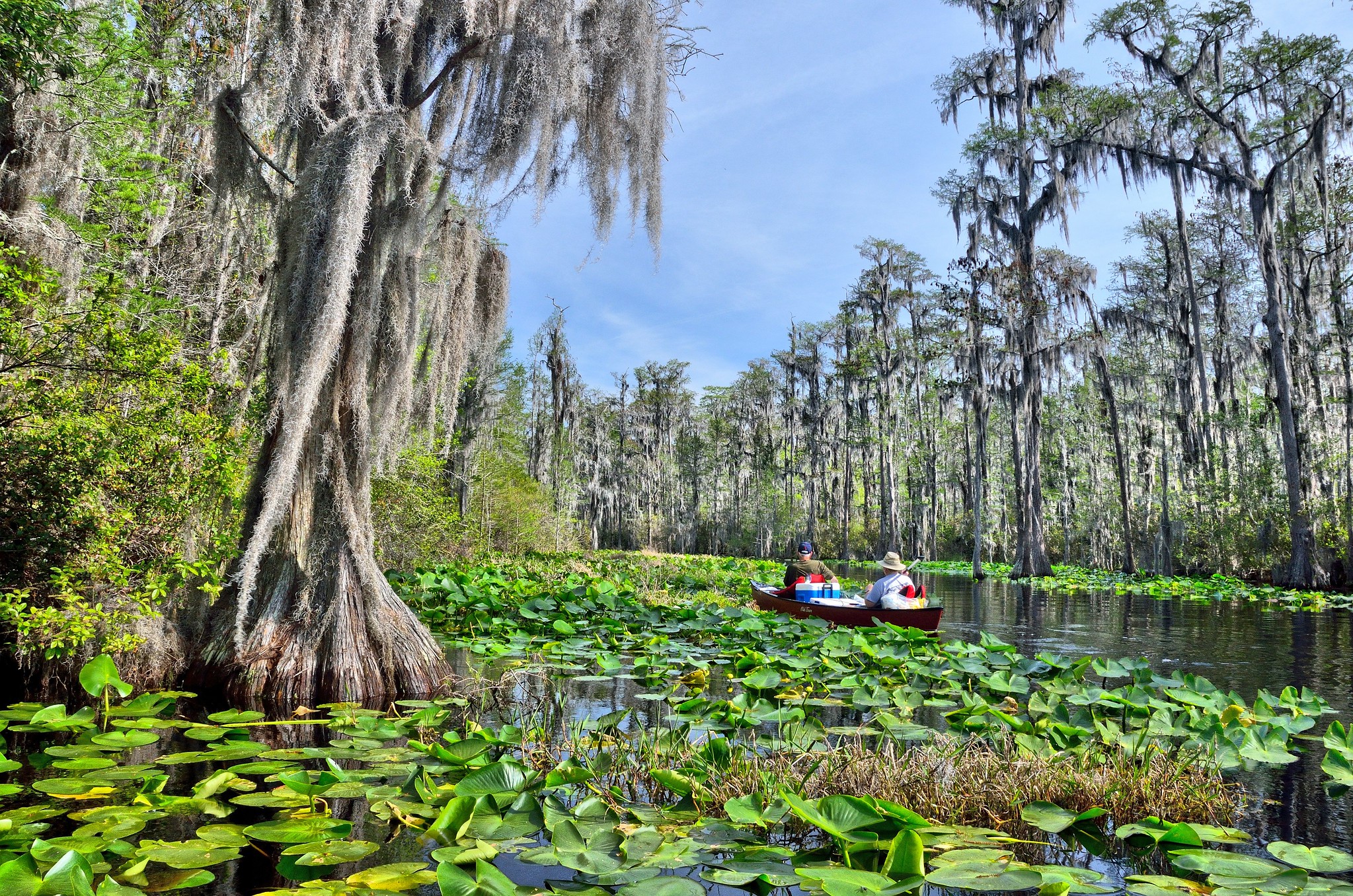
Photo by: Timothy J. Carroll
This project would first impact the wetlands along the Trail Ridge.
This area of the Trail Ridge barrier consists of semi-permeable soils that allow for water storage and circulation within the swamp. Should mining damage these soils, the US Fish and Wildlife Service and US Environmental Protection Agency anticipate that “permanent” and “unacceptable” damage could befall the Okefenokee Swamp.
Additionally, mineral mining requires freshwater sources, and the most reliable source of water in Southeast Georgia is the Floridan aquifer. The amount of withdrawals required for titanium mining operations could lower the Okefenokee Swamp’s water table and reduce the natural flows of both the Suwannee and St. Marys Rivers.
Groundwater drawdowns could also exacerbate fire frequency and intensity and contribute to droughts, compounding the impacts of climate change.
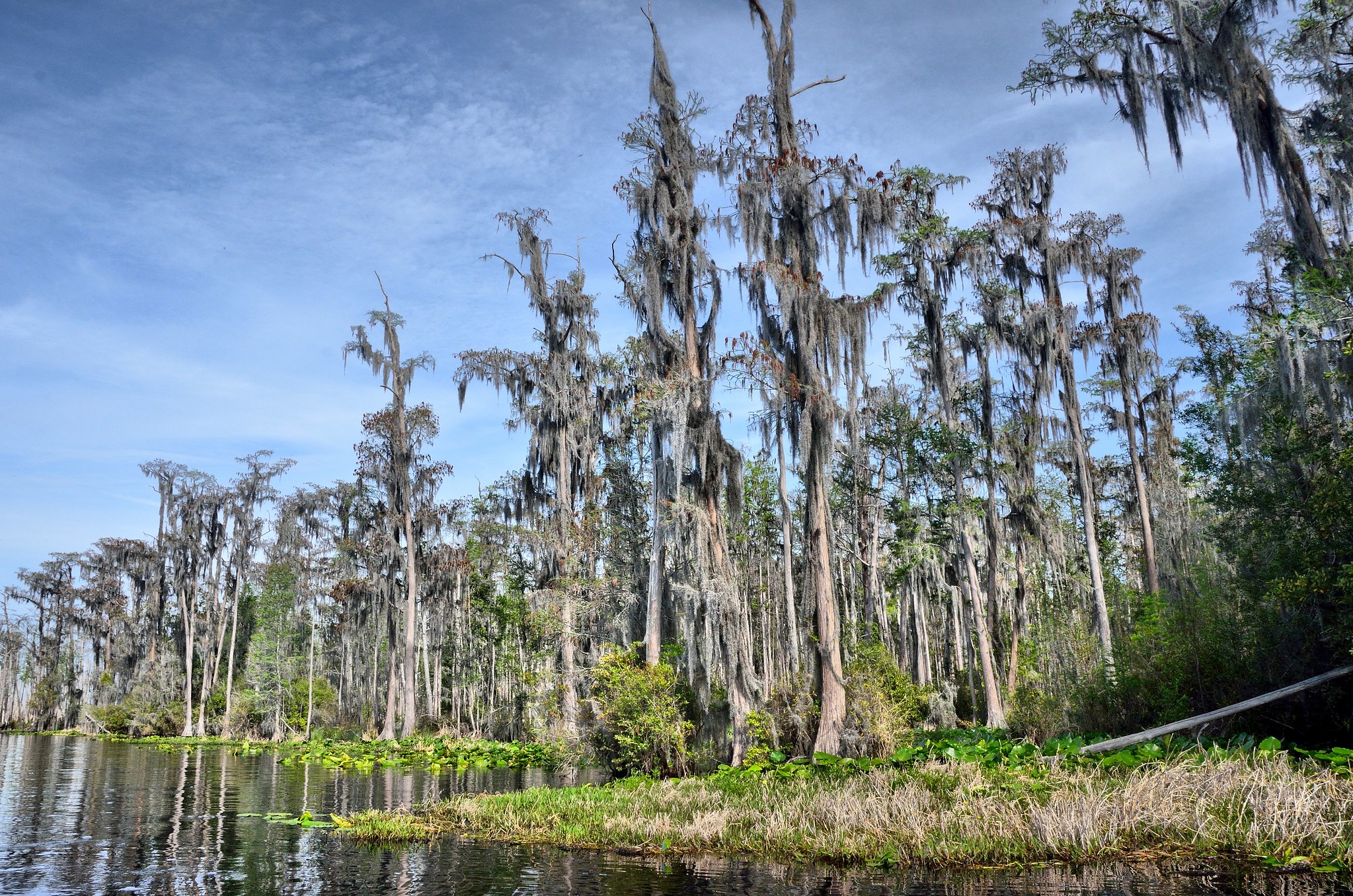
Photo by: Timothy J. Carroll
Permitting agencies must reject any proposals that risk the long-term protection of the treasured swamp and the rivers it births, including the Twin Pines titanium mining permit. With the federal agencies abandoning science and public input, we now must depend on Georgia’s leaders to do the right thing.
Don’t Risk One of Georgia’s Seven Natural Wonders: Tell Georgia’s Environmental Protection Division to deny this permit
Vicki Weeks

 October 29, 2025