


Across the US South, forests are being used to produce wood pellets. These pellets are burned for electricity generation in the European Union and beyond. This industry was almost nonexistent before 2010. So how much wood is now going to producing wood pellets? Let’s find out together.
Biomass energy is an older technology that uses wood pellets from whole trees to produce electricity. It’s known by many different names: biomass energy, wood pellets, bioenergy, and more.
Biomass energy is a “renewable energy” source, but it does release a lot of carbon dioxide into the atmosphere. Carbon dioxide is a greenhouse gas, which contributes to global warming.
Biomass energy has become popular among governments in Europe and Asia. It’s because they’re struggling to reach renewable energy goals. They can make a few tweaks to existing coal plants and be ready to burn wood pellets.
In theory, energy from forest biomass could replace energy from fossil fuels like coal and natural gas. But biomass fuel is terrible for the environment, despite what these companies say.
International treaties declared that this process to generate electricity is carbon neutral. On paper (and in politics), the carbon stored in wood pellets doesn’t count. The amount of carbon that bioenergy produces is higher than other renewable energy sources like wind and solar. But for some reason, it’s still acceptable as an energy source to other countries.
Scientific evidence shows that burning wood pellets emits a lot of carbon. Burning biomass releases up to 50% more carbon “at the smokestack” than if you burned fossil fuels. In other words, we shouldn’t be using pellets to reduce the carbon emissions of power plants.
Plus, the energy efficiency of pellets compared to fossil fuels is really, really bad. Most of the time, pellets burn alongside fossil fuels to produce electricity. This is because existing equipment can’t have more than 5-10% of the fuel source as bioenergy.
Even so, some countries continue to believe that pellets are a sustainable option. International demand is driving the expansion of wood pellet production across the US.
International treaties declared bioenergy to be carbon neutral because trees grow back. However, this natural regeneration of forests can take decades or even centuries. Plus, we lose out on the carbon sequestration that the forest could’ve provided during that time. Consistently logged forests are less healthy than intact, mature natural forests.
Scientific evidence shows that it can take decades for biomass energy to reach carbon neutrality. Countries are better off fighting climate change with wind and solar as alternative energy sources. Not biomass.
Now that we understand the basics about bioenergy, we can understand how much wood is being taken to produce pellets. Luckily, the US Forest Service provides an annual (ish) dataset called the Timber Product Output (TPO) database. This helps us understand where our forest inventory is going. Is it all going to paper production? All going to pellets? Somewhere in between?
The answer depends on the state you’re in. There are four states where bioenergy takes over 10% of the total wood. In order by percentage, they are:
Unsurprisingly, these are the four states with the largest wood energy plants around. South Carolina is using 6% of its total wood to produce wood energy. Both Louisiana and Mississippi are using 4% of their forest biomass to make pellets or chips. Finally, Alabama is using about 3% of their logs for renewable energy production.
What’s remarkable is that before 2010, pellets were only produced for residential heating. There was no meaningful export of pellets to other countries for energy generation. Foreign demand for “renewable energy” is driving the growth in the biomass industry. Those countries simply ignore the fact that bioenergy still produces carbon pollution.
Before 2010, the answer may have been yes. But since foreign demand increased for pellets and wood chips, there’s not enough “waste” wood to address the demand. Logging residue removal may provide a small portion of the wood used for pellets. But mostly, these companies are using whole logs and harvested trees for pellets.
The pelletization process emits greenhouse gas at every step. Carbon dioxide and other greenhouse gases get emitted when:
There are additional emissions for transport across the ocean to foreign countries. Plus, even if they replant the trees immediately, it takes decades for the forest to recover.
Now that you know there’s a problem, it’s time to take action! We’re calling on our elected representatives to do something about the bioenergy problem. Biomass results in more greenhouse gases and real impacts on the communities where it’s produced.
You CAN help.
In this first part of the year, we’re exploring our new survey’s results on logging, bioenergy, climate impacts, and nature. Here, we’re taking a closer look at bioenergy in the US South. We asked our respondents five questions about wood pellets and bioenergy. They responded in surprising ways. Find out what it means for forests – and for environmental campaigns – everywhere.
In December of 2022, YouGov surveyed 1,000 people across Georgia and North Carolina. NC and GA are the top two wood pellet producing states in the US. These states are also major producers of other wood products. This survey followed up on previous surveys YouGov has done for Dogwood Alliance. We asked 17 questions about attitudes towards and knowledge of environmental practices, including:
Participants were also asked to provide basic demographic information. This included age, sex, race, income, education, and social media participation. Survey responses were voluntary and relay important insights about these topics.
Alright, let’s get into it! Survey says…
We had never asked this question before, but what we found was enlightening. Gen Z and Millennials (ages 18-34) were the most likely to be educated about wood pellet use in electricity production. 57% of ages 18-34 were familiar. 33% of those aged 55+ were familiar. That’s a statistically significant difference.
An industry that relies on exporting forest destruction should be on everyone’s radar. Especially when everyone feels the impacts of dirty air, damaged roads, noise pollution, and fallen trees.

While awareness isn’t as high as we would’ve liked, this survey question gave us with critical insight. Participants who understood the wood-pellets-for-energy scheme were also more likely to understand other environmental issues. In other words: bioenergy is a keystone issue for environmental campaigns.
Wood pellets, or pellets made from “woody biomass”, are sometimes used to produce electricity. This method of electricity production from biological material is known as “bioenergy.” All three of these terms – bioenergy, biomass, and wood pellets – are used interchangeably to talk about this issue.
Before 2008, wood pellets were almost never used for electricity. Instead, they were used for things like:
As a result, wood pellet production in the US occurred at smaller facilities. It truly was a waste-based business, operating on waste material from paper factories or forest operations.
In the mid 2000s, that changed. Billions of dollars started flowing to wood pellets in the name of renewable energy. These foreign investments have caused an exponential increase in the wood pellet industry. In 2022, the wood pellet industry produced 8.9 million tons of wood pellets in the US. These wood pellets were exported to countries in Europe and Asia.

The problem with bioenergy is that it’s bad for the climate. Burning wood pellets actually produces one and a half times more carbon dioxide than burning an equivalent amount of coal. That’s right – renewable energy subsidies are driving power plants to put even more greenhouse gasses into the atmosphere. Bioenergy is just not the “green” energy it claims to be. You can read more about the issues with bioenergy here.
Through this survey, we’ve found something surprising. People who’ve heard of bioenergy are more likely to understand the many other environmental issues that we’re facing.
In this next section, we’ll explore the questions that we asked and how answers changed if people were familiar with wood pellets.
We asked survey respondents if they agreed or disagreed with the following statement: “Burning wood pellets is not climate-friendly because it creates greenhouse gasses like carbon dioxide.”
Across the entire survey, half of respondents said that they agreed that wood pellets were not climate friendly. The public is beginning to understand the climate implications of wood pellets.
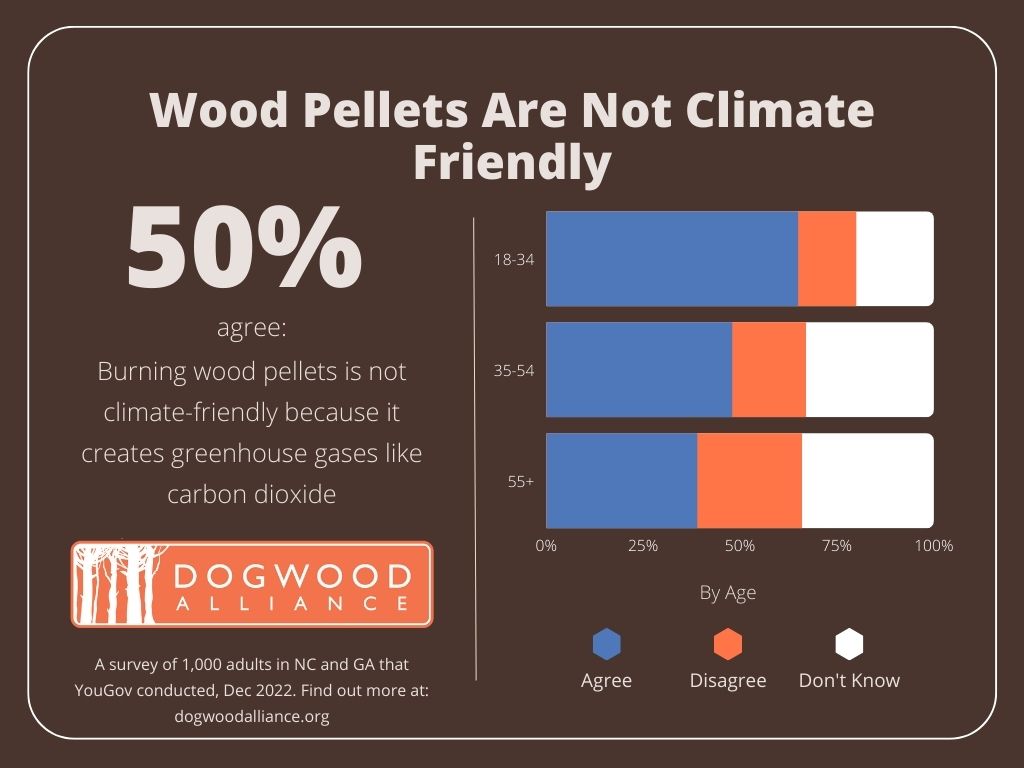
But for people who were already familiar with wood pellets? 77% of those people agreed that wood pellets were not climate friendly. That’s right – a 22% jump in agreement once people were familiar with the issue.
We asked survey respondents if they agreed or disagreed with the following statement: “Energy companies that use coal should not receive renewable energy subsidies.”
Across the entire survey, over half (52%) agreed with this statement. But when we filtered the data by those familiar with bioenergy, agreement again rose sharply.
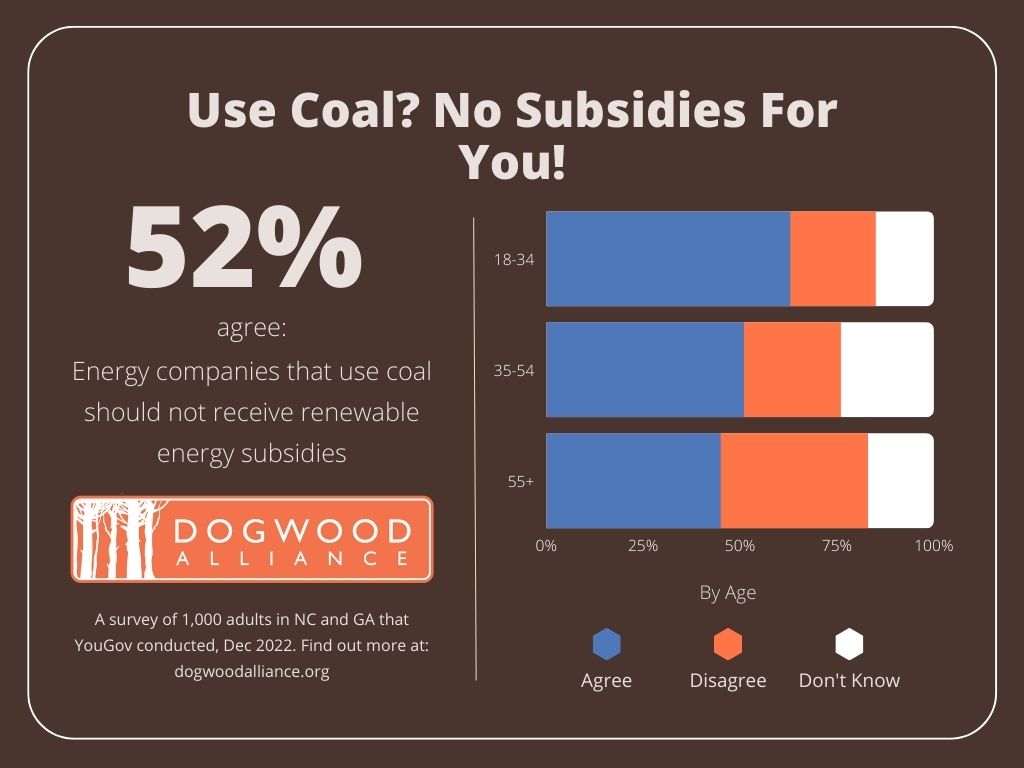
Nearly 70% of people who knew about the wood pellet scam thought that companies shouldn’t receive subsidies at all when they kept burning fossil fuels. People who know about wood pellets can see through greenwashing easily.
We asked survey respondents if they agreed or disagreed with the following statement: “Renewable energy supplies like wind and solar power should be able to meet our energy needs in the next ten years.”
Among the full survey respondents, 59% of people agreed with that statement. People are confident that true renewables like wind and solar are going to meet our energy needs.
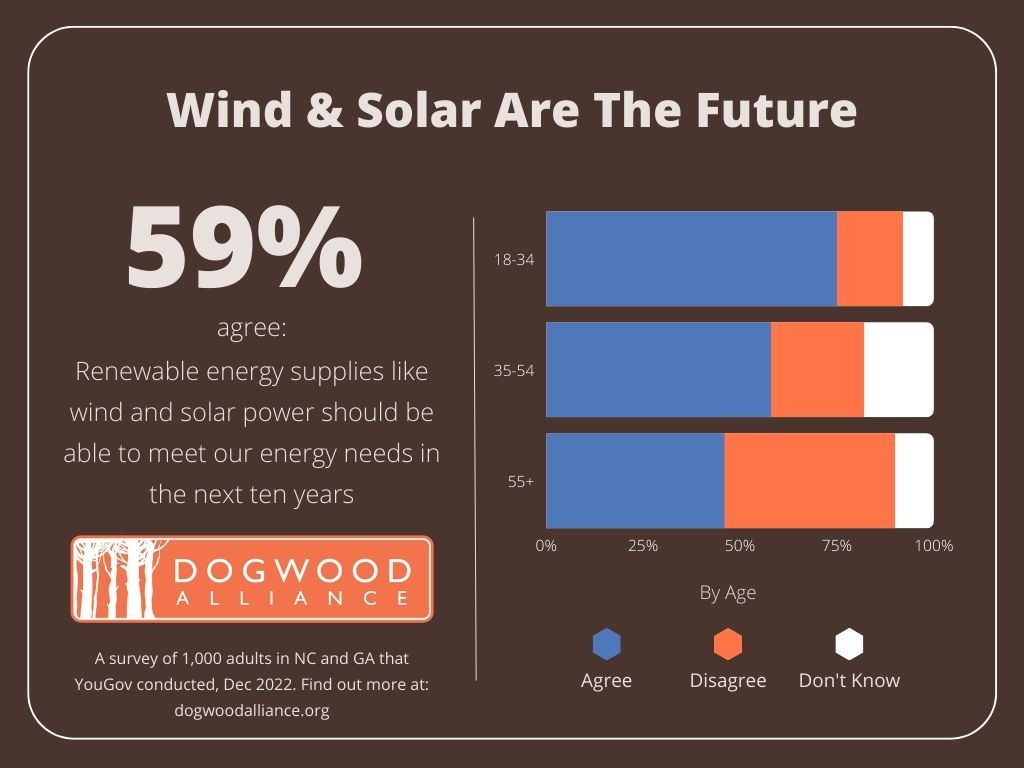
People who were familiar with bioenergy were also more likely to agree with this statement – 71%, in fact. Less dramatic than the other questions, but still a big jump in confidence.
People weren’t too sure about this question. We asked survey respondents if they agreed or disagreed with the following statement. “Companies shouldn’t make wood pellets in communities that are already polluted by other industries.”
Just 48% of the full survey responses agreed. But among people who understand what’s at stake with bioenergy? A full 66% of people agreed.

I’m the author of the survey. And I have to admit: I should have phrased that question better. What I should have said was this:
Some communities already have a lot of polluters. From coal burners and train depots to natural gas and paper mills, some communities are suffering. Should these communities also have to suffer from wood pellet pollution?
The answer, for a lot of people, is no. If you’ve already got a smelly manufacturing plant up the street, you probably don’t want another one. But that’s exactly what’s happening.
Don’t believe me? Check out this video. Five other polluters in this tiny town, and they want to make wood pellets here, too. How are people supposed to enjoy where they live?
People across the country are resisting environmental injustices like these. And you can, too. This survey shows you’re not alone. Many people across North Carolina, Georgia, and the country care deeply about the issues at hand.
The renewable energy boom continues to grow across the world. We must examine the true implications of energy projects like these. Environmental racism is when specific communities, like BIPOC (Black, Indigenous, or People of Color) neighborhoods, are subjected to more environmental harms than their white neighbors.
Communities experiencing environmental racism might be subjected to:
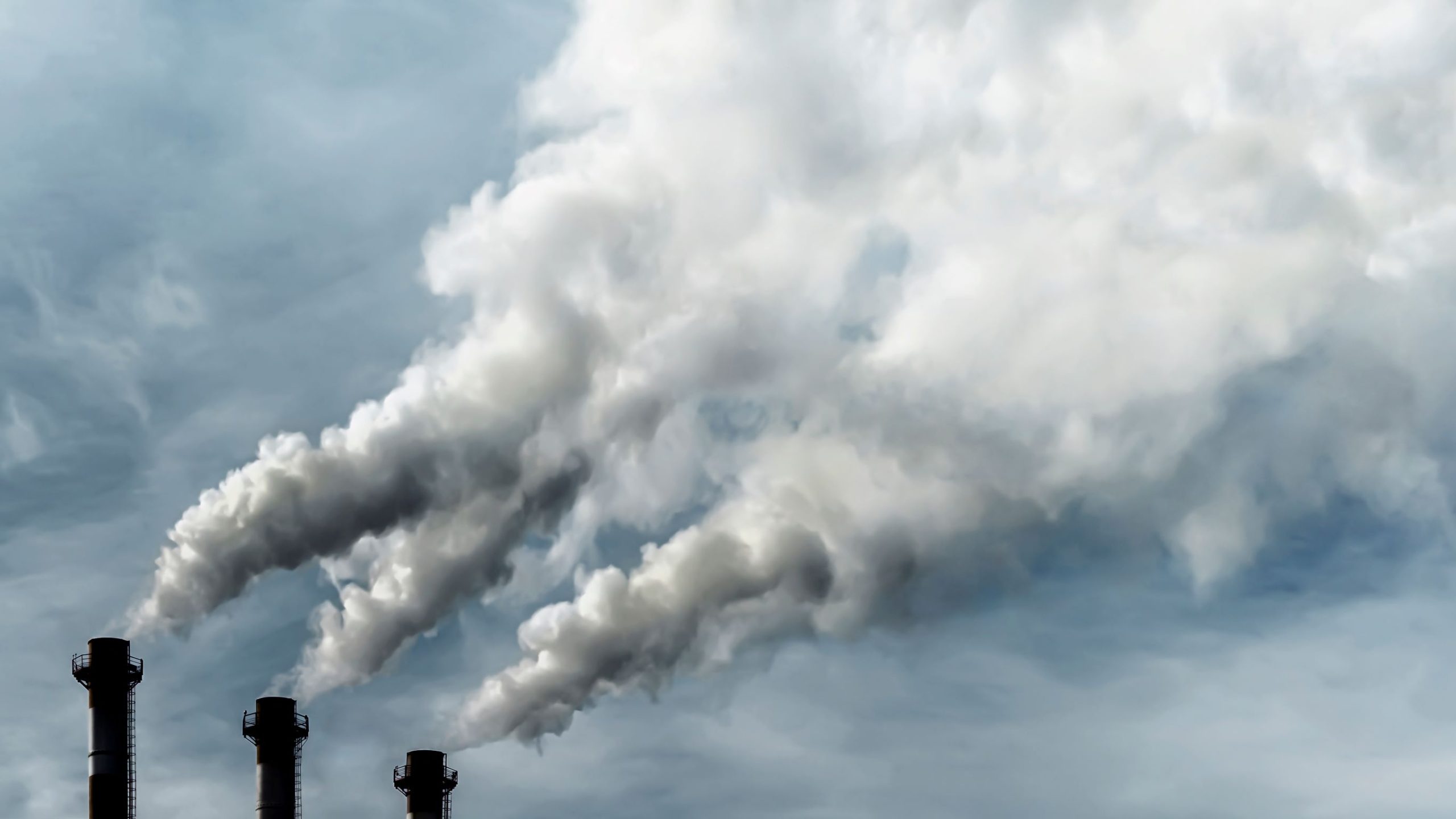
Not all renewable energy is made the same. Some renewable energy, like wind and solar, has a relatively low footprint on the communities where it’s located. Other renewable energies, like wood pellet production, have a much higher impact on nearby community groups.
Biomass energy, or bioenergy, creates energy by burning living materials like plants and trees. The wood pellet industry uses trees to make wood pellets. It then ships them to Europe and Asia. There it burns them in power plants to create electricity. Wood pellet plants are as dirty and problematic as coal plants.
Wood pellet production often occurs in low income communities of color. These communities often have little access to political power and are vulnerable to environmental exploitation. The wood pellet production process creates air pollution, destroys forests and/or wetlands, and generates noise pollution 24/7. It disrupts the lives of people living in nearby communities.
Truly low-carbon technologies like solar and wind energy are often cheaper and don’t harm environmental quality. They also have lower carbon emissions. While biomass energy projects may receive renewable energy credits, they need a constant source of forest biomass to operate. So as long as biomass power plants are operating, they need to cut down trees to produce energy. Unlike better renewable energy (wind, solar), this produces a lot of carbon emissions.
Companies that produce wood pellets have been saying for years that it’s harmless. They claim to take less wood than paper and packaging companies. However, there’s been a lot of growth in the biomass industry. As a result, Enviva is on track to become the fourth largest wood user in the US. There’s nothing small about that impact.
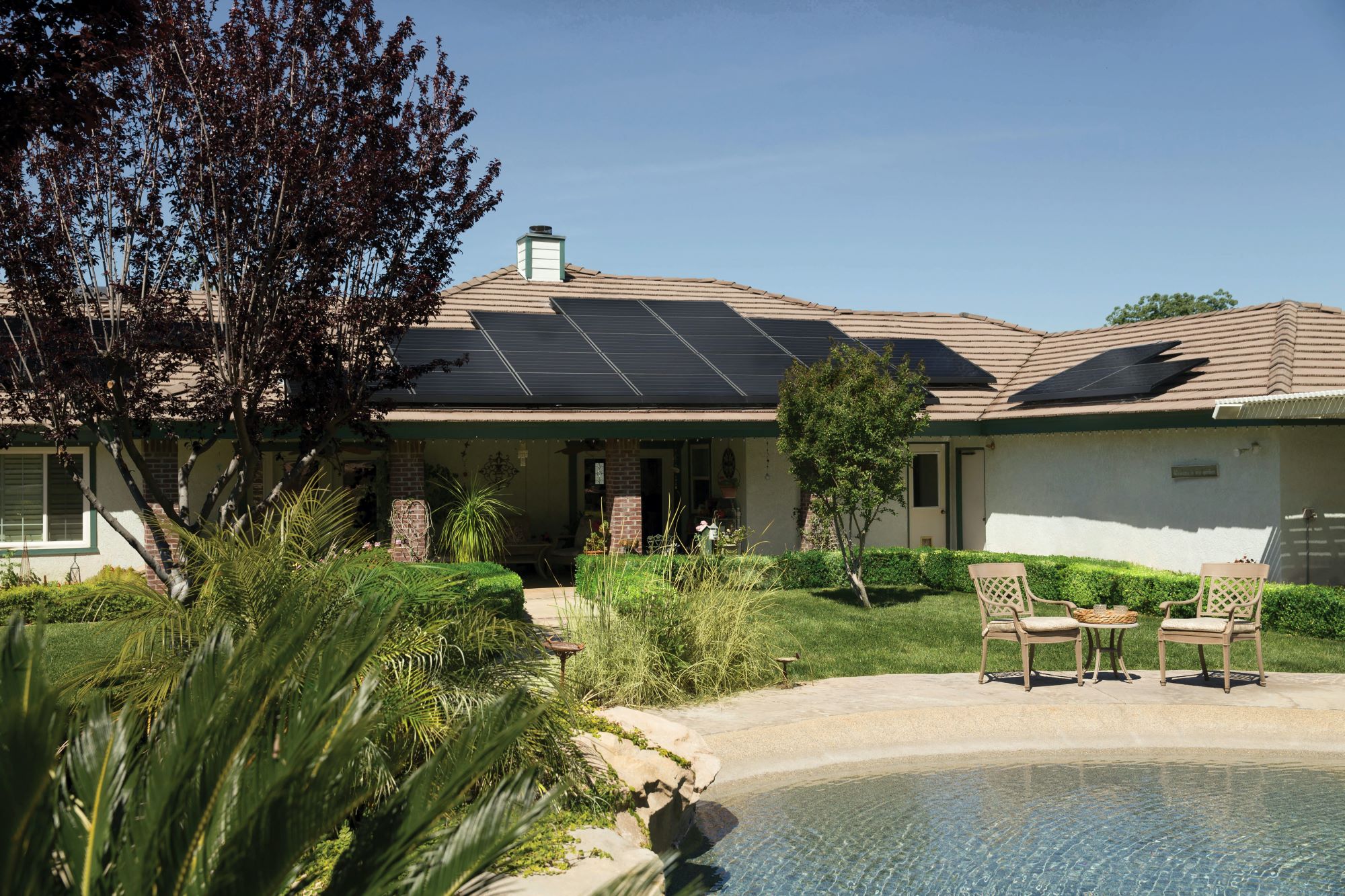
Producing and burning wood pellets creates greenhouse gas emissions like carbon dioxide and carbon monoxide. It can also produce a lot of dust. This is called particulate matter. The carbon emissions associated with burning wood pellets are even greater than when fossil fuels like coal are burned. This is because wood pellets are less dense, so they require more heat and time to produce the same amount of energy as coal.
Unfortunately, this means that wood pellets are bad for climate change mitigation. Wood pellet production facilities simply release too much carbon dioxide into the atmosphere to help the fight against climate change. They also degrade and destroy natural forests to get their forest biomass material. Collectively, wood pellet production means:
Wood pellet production facilities are simply a no-go for both the climate and communities.
We’ve explored air pollution in detail, but here’s what you need to know. Wood pellet mills emit thousands of tons of particular matter, carbon monoxide, nitrogen oxides, and volatile organic compounds (VOCs) each year. All of these air pollutants can cause or worsen a range of health conditions. From asthma and heart disease to cancer. That’s a pretty steep price tag for supposedly renewable energy.
Extractive, polluting industries like the wood pellet industry have been locating in rural communities for decades. These communities continue to struggle with poverty and unemployment, while industry executives who live outside the community prosper. Both property values and livability may decline in areas near wood pellet factories.
The wood pellet industry is twice as likely to put their dirty plants in Black or minority neighborhoods than in white ones. The industry treats these communities as dumping grounds and exposes residents to noise, dust, odors, and air pollution. This is an environmental injustice.
Read more:
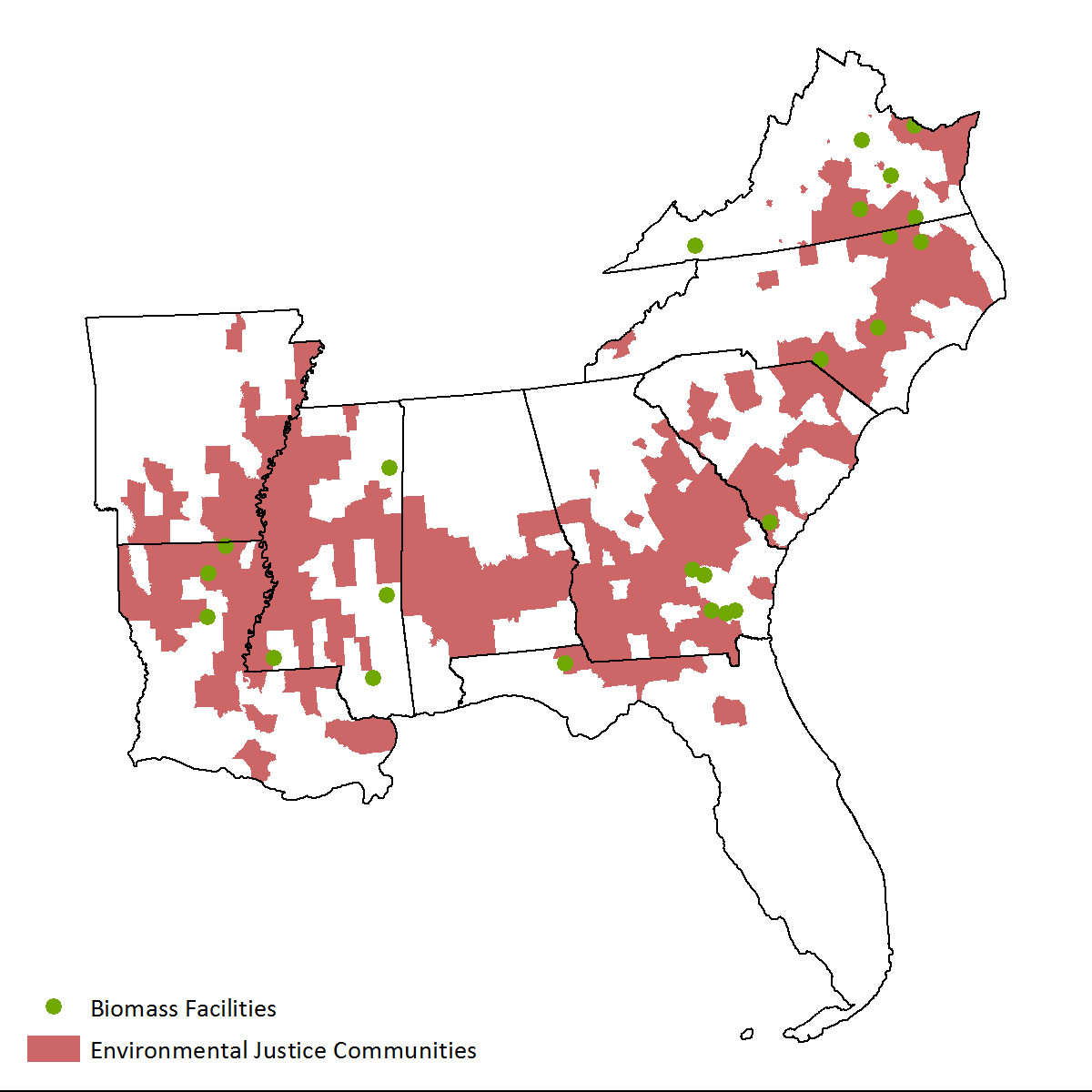
In the US South, wood pellet mills are often placed in low-income communities of color, which are more likely to experience environmental injustice. These “environmental justice communities” often already have other sources of pollution in or near their them like:
Given this pattern of injustice, why does the biomass industry continue to operate in these communities? Foreign subsidies drive wood pellet production. Billions of US dollars prop up an otherwise unprofitable wood venture. All at the cost of the communities where wood pellets are made.
Below, you’ll find information about each operating wood pellet facility in the Southern United States. You can find the full table of referenced statistics here.
There are three wood pellet mills in Alabama. They produce over 1 million tons of pellets per year. The three counties where wood pellet mills are located are: DeKalb, Marengo, and Pickens counties. Here are some facts about all three Alabama counties where wood pellet production occurs:
Collectively, these wood pellet production facilities have likely clearcut over 167,000 acres of forest biomass in Alabama.
The Highlands Pine Bluff facility is located in Pine Bluff, Jefferson County, Arkansas. Highland Pellets owns it. It opened in 2016 and produces 750,000 tons per year of wood pellets. The county has:
Since opening in 2016, this facility has likely clearcut over 108,000 acres of forest biomass to produce wood pellets.
The Enviva Cottondale facility is located in Cottondale, Jackson County, Florida. Enviva owns it. It opened in 2008 and produces 730,000 tons of wood pellets per year. The county has:
Since opening in 2008, this facility has likely clearcut over 245,000 acres of forest biomass to produce wood pellets.
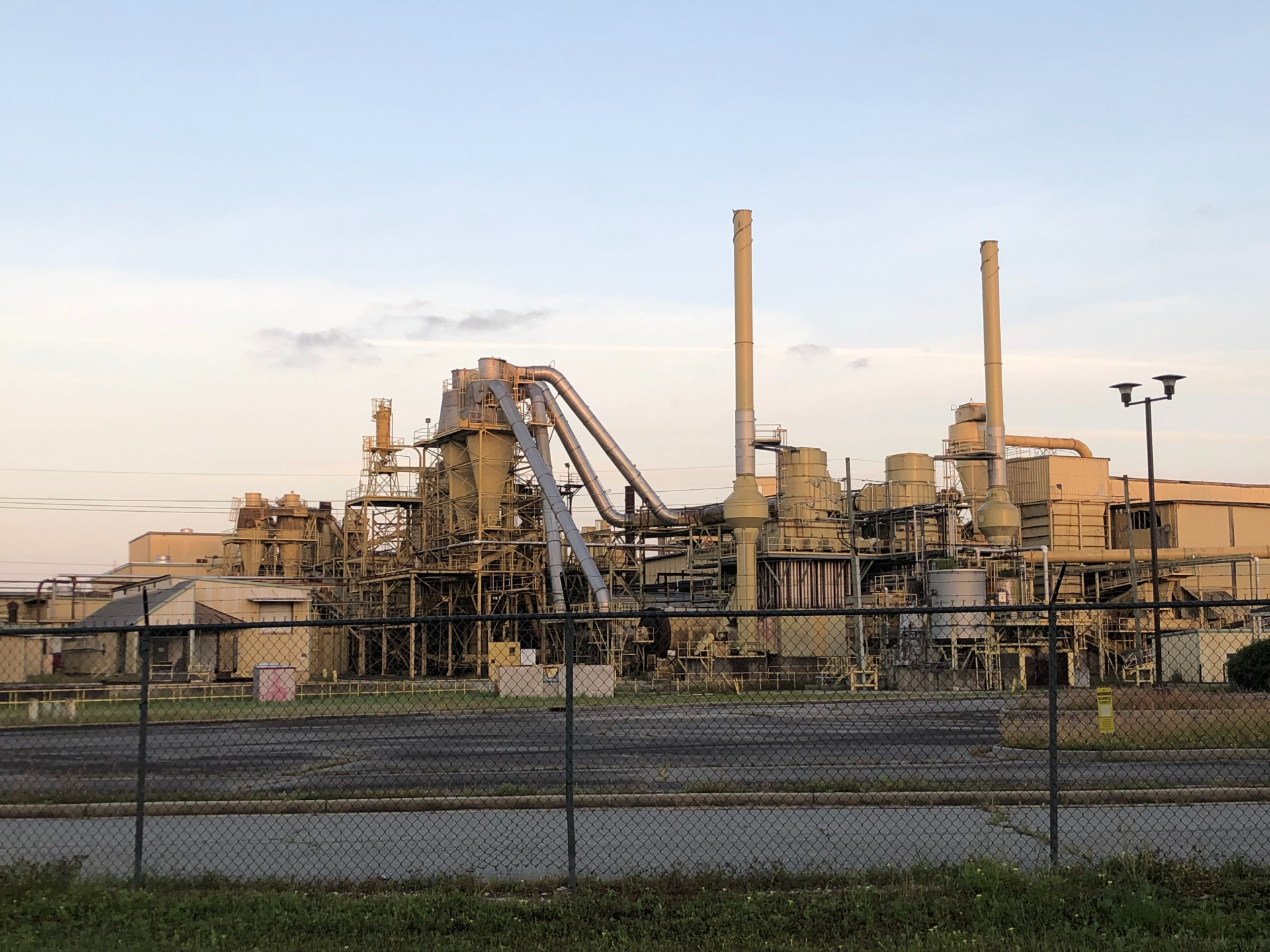
There are six wood pellet mills in Georgia. They produce over 2 million tons of pellets per year. The six counties where wood pellet mills are located are: Ware, Jeff Davis, Appling, Brantley, Telfair, and Emanuel counties. Here are some facts about all six counties where wood pellet production occurs in Georgia:
Collectively, these six wood pellet production facilities have likely clearcut over 376,000 acres of forest biomass in Georgia.
There are two wood pellet mills in Louisiana. They produce over 1 million tons of pellets per year. The two counties where wood pellet mills are located are: Morehouse Parish and LaSalle Parish. Here are some facts about both counties where wood pellet production occurs in Louisiana:
Collectively, these wood pellet production facilities have likely clearcut over 151,000 acres of forest biomass in Louisiana.
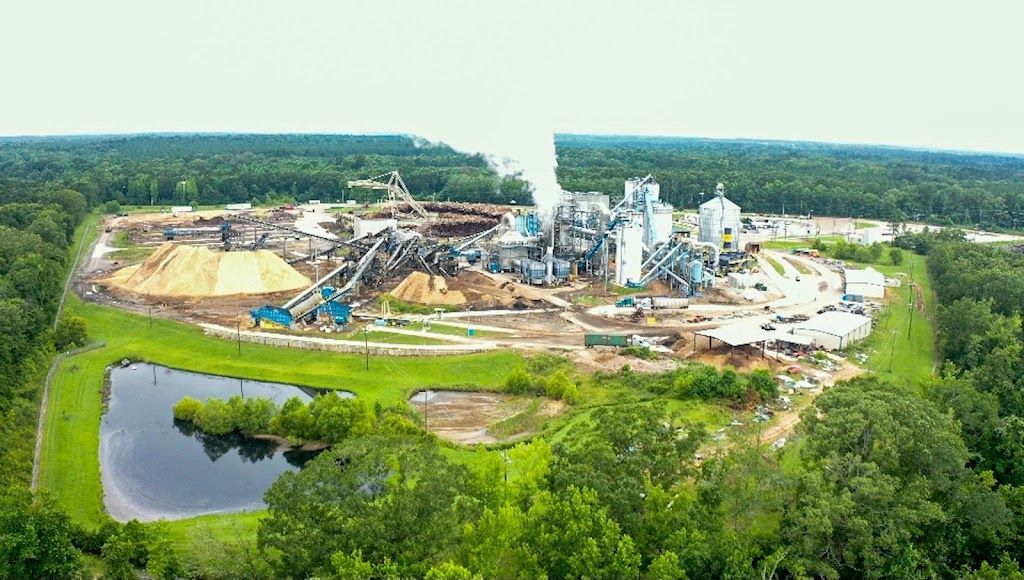
There are four wood pellet mills in Mississippi. They produce over 2 million tons of pellets per year. The four counties where wood pellet mills are located are: Amite, George, Monroe, and Clarke counties. Here are some facts about all counties where wood pellet production occurs in Mississippi:
Collectively, these four wood pellet production facilities have likely clearcut over 172,000 acres of forest biomass in Mississippi.
There are four wood pellet mills in North Carolina. They produce over 2.5 million tons of pellets per year. The four counties where wood pellet mills are located are: Northampton, Sampson, Richmond, and Hertford counties. Here are some facts about all counties where wood pellet production occurs in North Carolina:
Collectively, these four wood pellet production facilities have likely clearcut over 511,000 acres of forest biomass in North Carolina.
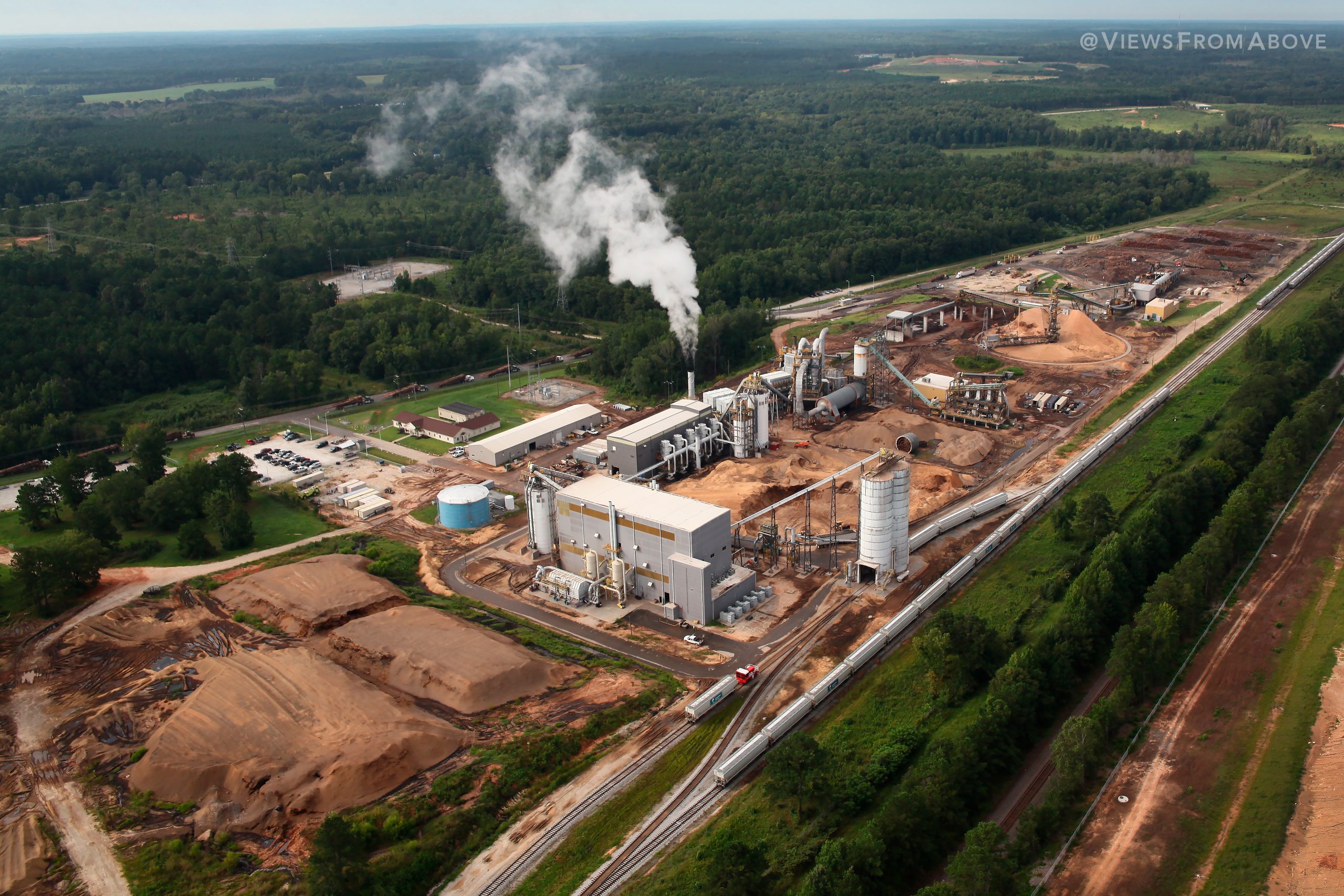
Enviva Greenwood, SC facility. Image by Views from Above.
The Enviva Greenwood facility is the world’s largest wood pellet company. It opened in 2018 and produces 600,000 tons per year of wood pellets. The county has:
Since opening in 2018, this facility has likely clearcut over 72,000 acres of forest biomass to produce wood pellets.
The MRE Jasper facility opened in 2017 and produces 240,000 tons per year of wood pellets. The county has:
Since opening in 2017, this facility has likely clearcut over 34,000 acres of forest biomass to produce wood pellets.
Graanul Invest Group owns the Woodville Pellets facility. Graanul is the second largest pellet producer in the world and the largest in Europe. Their Woodville Pellets facility opened in 2014 and produces 500,000 tons of wood pellets per year. The county has:
Since opening in 2014, this facility has likely clearcut over 108,000 acres of forest biomass to produce wood pellets.
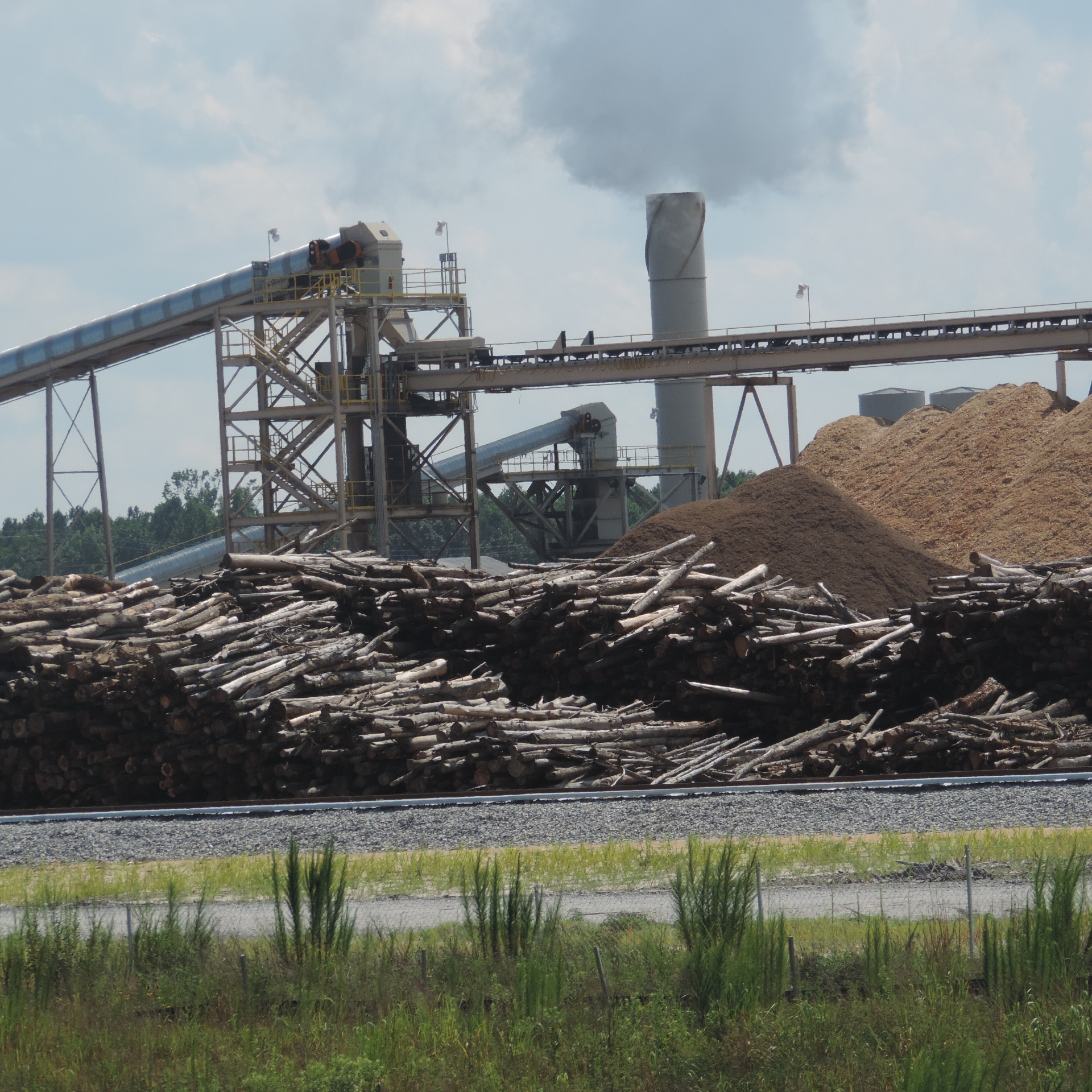
Enviva Southampton facility in VA.
The Enviva Southampton facility is the world’s largest wood pellet company. It opened in 2015 and produces 745,000 tons of wood pellets per year. The county has:
Since opening in 2015, this facility has likely clearcut over 143,000 acres of forest biomass to produce wood pellets.
Wood pellet production is not the economic boon that it claims to be. As you now know, it’s often propped up through polluting vulnerable local communities. There are no environmental benefits to woody biomass production. It’s not a cost-effective strategy to combat climate change. The more people learn that the biomass industry is a scam, the better chance we have of ending it.
Download and share this fact sheet on the environmental injustice of bioenergy.
More resources:
By creating habitats for native species in your area, you can help them thrive. Learn how to increase biodiversity in your garden or backyard. Every little step counts. Let’s get started!
Biodiversity is the variety of life on Earth. It’s made up of all living things: plants, animals, bacteria, fungi, and more. Biodiversity helps ecosystems function well. It also creates food, water, shelter, and other resources for our planet’s inhabitants.
Biodiversity is important for many reasons. For one thing, it ensures a healthy environment for all organisms on our planet. Biodiversity can make our food supply sustainable and healthy. Additionally, biodiversity creates natural habitats for wild animals. These wild animals, like birds and mammals, need enough food and shelter to survive.
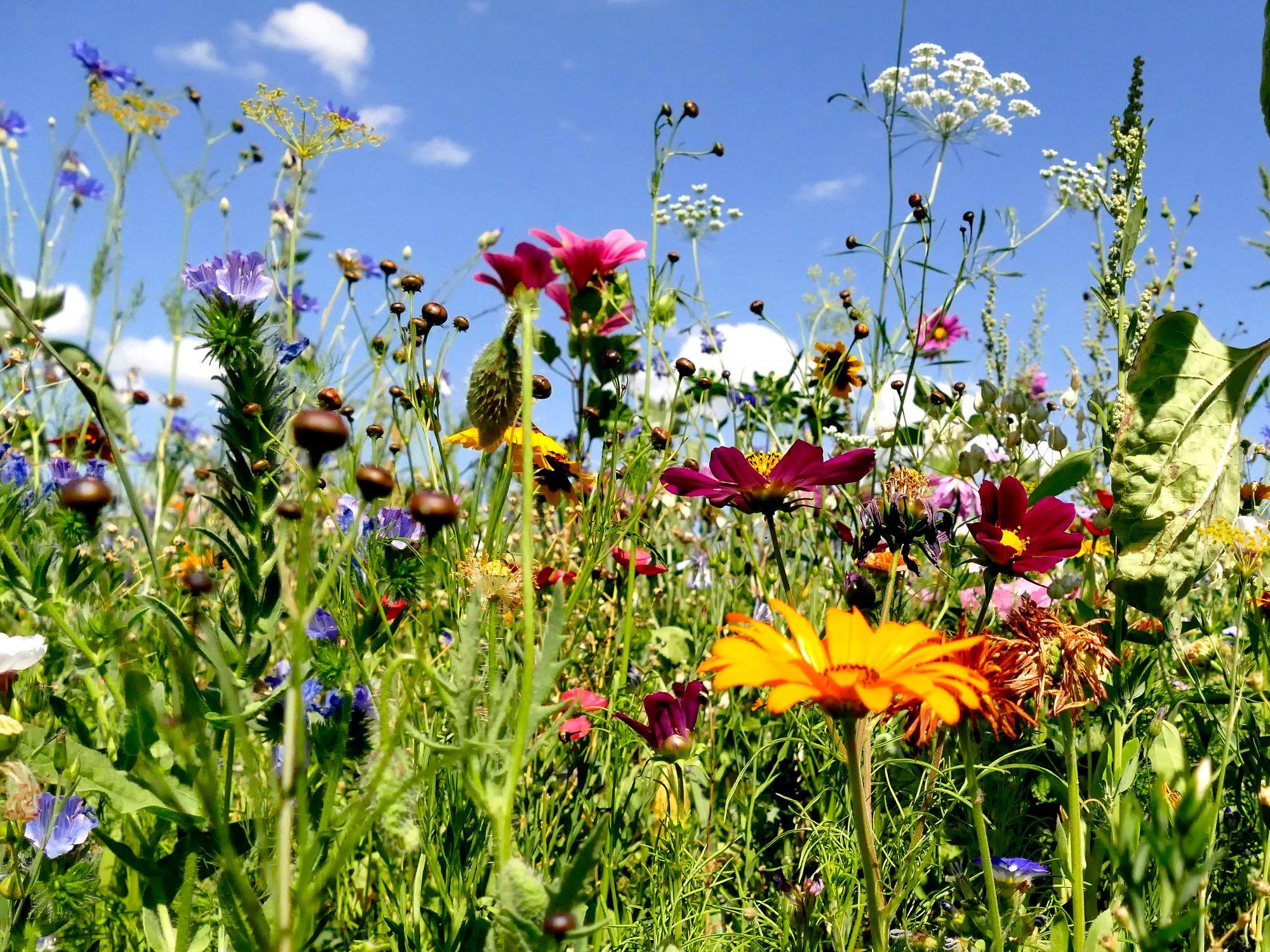
Biodiversity is about more than the number of species. It’s about genetic diversity, too. Genetic variety is what makes us different. In humans, genes make us short or tall, have brown hair or blonde hair, and much more. In plants, genes determine things like:
When you value biodiversity, conservation becomes key. That’s why so many organizations are trying to save rare species and varieties!
To create a biodiverse habitat, we need to provide variety. You want more than grass. You’ll need different kinds of plants: trees, shrubs, flowers, vines, and the like. Grasses and other ground cover can help fill in the spaces, instead of dead mulch or gravel. By having many different plants, we’ll attract many different species: birds, animals, and insects.
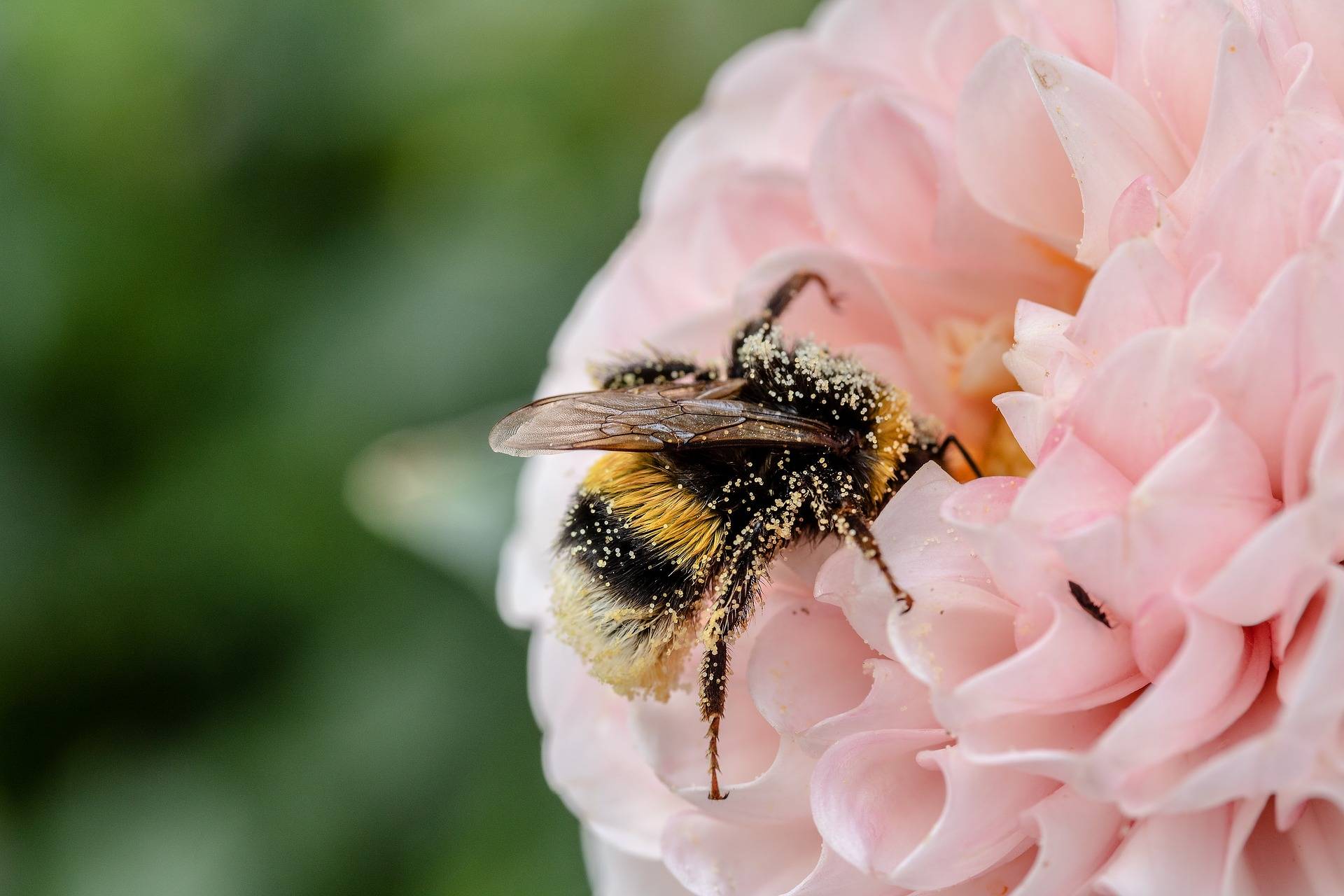
When you plant the right species, you’re inviting beneficial insects and birds to visit. A diverse garden will help maintain the ecosystem balance. Plus, many of these critters, like hummingbirds, are cool to see! Incorporating different plant species into your garden also helps provide habitat for local wildlife.
Let’s explore a few different ways to create biodiversity in our backyards!
Organic gardening practices can also promote biodiversity. Organic gardening practices include:
Organic gardening is great for wildlife. And creating your own compost is great for vegetable gardens! When you create a source of water and shelter in your backyard, more wildlife will visit. Cut down on pesticides in your garden, and you’ll help protect local ecosystems. Organic gardening has a lot of perks!
If you want to create a biodiverse backyard garden, you need to include natural features. You can start by planting native species and flowers that attract pollinators. That includes:
Plants like the butterfly bush aren’t native, but some alternatives, like butterfly weed, are easy to find. The natural world is full of native plants and green spaces that support helpful insects. Milkweed is a popular native plant that supports Monarch butterfly larvae.
You should create habitats such as ponds, rock piles, and log piles for wildlife. This is “habitat heterogeneity” in science talk. Basically, create a bunch of habitats, and critters will come. There are lots of little things you can do to create these spaces. A bird feeder is great if you don’t have a lot of room.
A biodiverse backyard might include:
You should choose native plants adapted to the local climate and soil. A fragrant garden becomes a pollinator garden. Your native garden will grow healthy and colorful flowers, shrubs, trees, and more.
One way to do this is by planting a variety of different plants in different areas of your garden. This creates habitats for wildlife like birds, bees, butterflies, and other pollinators. Native trees are also great for local pollinators, so be sure to plant trees.
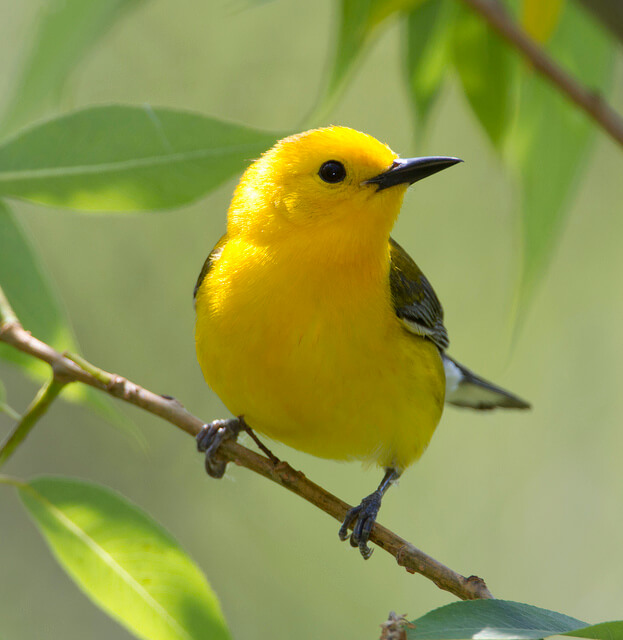
It’s also important to be mindful of the pesticides and other chemicals you use in your garden. Pesticides can harm wildlife and beneficial insects. Instead of using chemicals to control pests, try natural methods. Natural methods are also known as bio-controls or organic controls.
Finally, when you choose your plants, avoid invasive species that can disrupt the local ecosystem. Ornamental plants may be beautiful, but you can usually find native alternatives.
To create a biodiverse ecosystem in your backyard, you can try several things. For example, you can plant greenery that attracts pollinators and other beneficial insects. Some plants to consider include wildflowers, pollinator-friendly plants, clover, and Eastern beebalm. Native pollinator plants:
A biodiverse garden isn’t just about the plants. You should also add a variety of trees and shrubs to enhance the diversity of your garden. Native plants are ideal because they provide habitat and food for wildlife. They’re also easy to maintain. They won’t fall down during the first winter storm because they’re adapted to the climate. You can also use built habitats like birdhouses, bee boxes, bat boxes, and bug hotels. These attract birds, pollinators, and other wildlife.
Be sure to leave some areas of your garden untended to encourage wildlife to thrive. You’ll provide areas for animals to find shelter and food sources. This will create a healthy ecosystem for all the creatures living in it. Besides, planting fruit trees and shrubs can attract birds and insects to your garden. This will help to make your garden a haven for different species.
It is easy to create habitats for native species in your backyard and garden. Plant native species like wildflowers and shrubs. This will create a natural habitat for local wildlife. Trees, bushes, and other plants all provide shelter, food, and cover for animals.
You can also build birdhouses and nesting boxes to encourage birds to visit your garden. This is a great way to attract local biodiversity. You can expect visitors like songbirds, finches, wrens, and chickadees. You can even get woodpeckers at your bird feeders! One of the most common visitors to bird feeders is the squirrel, so be prepared to either encourage coexistence or deter the little poachers.
Water features are an important component of many natural habitats. These include ponds, streams, wetlands, and other water features. Water features provide shelter and habitat for frogs, turtles, fish, and dragonflies. Water features that are carefully maintained will NOT worsen a mosquito problem.
Another way to create habitats for local wildlife is with piles of leaves, logs, and rocks. These’ll be shelter for small animals, reptiles, and insects to hide in. Not only will you help enrich the biodiversity, but you’ll be giving them with shelter and food.
To create biodiversity in your backyard and garden, it’s important to go organic with pest control. Avoid pesticides, herbicides, and poisons as much as possible. You can have a sustainable life and garden without chemical pesticides. Instead, plant species that are beneficial to local ecosystems. This can include plants like wildflowers, shrubs, trees, and grasses. They’ll feed pollinators and other animals.

Organic gardening is really just about outsmarting pests. Use tools like netting instead of chemicals to keep cabbageworms away. Or purchase ladybug or praying mantids to keep other pests at bay.
This approach to gardening supports many insects and animal life. When you create a balanced ecosystem in your backyard, you also create a habitat for wildlife of all sizes.
Hopefully, you now feel more confident in how you can create biodiversity in your garden. With climate change bearing down on us, we have to take steps to make our yards sustainable. Environmental organizations like Dogwood are leading the way.
Have you gotten a few ideas about creating habitats for native plants and wildlife? Are you ready to start increasing biodiversity in your backyard? You can keep unwanted pests and weeds away, while supporting local flora and fauna. Remember: start small and be patient. It takes time for new plants to thrive!
We hope you’ve enjoyed learning about increasing biodiversity in your backyard. Do you want to learn more about the biodiversity all around us?
Share your favorite backyard oasis picture and tag us on Instagram, Facebook, or Twitter!
Want to do more?
Become a Forest Defender today! Your monthly gift will protect the biodiversity of the South.
Join our email list to get new Biodiversity in Your Backyard stories sent directly to your inbox!
What is the purpose of an Environmental Justice and Equity Advisory Board (EJEAB) if their recommendations go ignored? North Carolina’s Department of Environmental Quality (NCDEQ) organized the EJEAB in 2018. The EJEAB advises the state (NCDEQ) on matters of environmental justice and equity.
In November 2022, they held a special meeting to consider the impacts of the wood pellet industry. Afterwards, the EJEAB expressed deep concerns about the impacts on nearby communities. In a letter, they described environmental injustices near all four Enviva plants in NC. They also outlined several steps that NCDEQ could take to reduce harm.
Instead, NCDEQ enables these injustices time and time again. They continue to give permits to these plants to build and expand. If NCDEQ implemented the changes suggested by the EJEAB, it would improve the lives of people nearby.
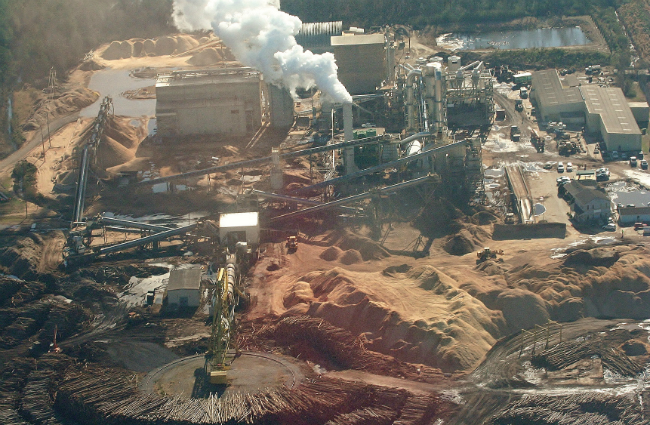
Aerial view of the Enviva Ahoskie pellet manufacturing facility
In response to the EJEAB special meeting and letter, NCDEQ delayed the release of the permit. Despite reviewing the evidence, NCDEQ ultimately issued the permit with few changes. This most recent permit is for the expansion of Enviva’s facility in Ahoskie (Hertford County). NCDEQ has completely failed to address the concerns and recommendations of the EJEAB.
The new Title V permit:
Air pollution control is good, but increasing production by almost a third is not. This Enviva facility will release even more dust pollution and toxic pollutants, like acrolein. These pollutants can cause respiratory illnesses and cancer.
The EJEAB believes that NCDEQ has failed to consider disproportionate impacts. This is a violation of Title VI of the Civil Rights Act of 1964. Nor do they pay attention to monitoring fugitive dust and its health impacts. There’s inadequate air monitoring within harmed communities. NCDEQ also doesn’t consider the cumulative impacts when several polluters are nearby.
It is remarkable that NCDEQ did not heed the advice of their own advisory board. Instead, they showed preference to a company with a long history of violations. In their response, NCDEQ lists several voluntary actions that Enviva can put in place. Voluntary actions have no place in conversations about environmental justice. Enviva has agreed to only one of their recommendations.
EJEAB’s recommendations were strong. They were based in the best available science. Yet NCDEQ ignored them. Governor Cooper and the NCDEQ give only lip service to environmental justice.
Our recommendation? Follow the advice of their own advisory board.
For more information on Enviva’s recent transgressions:
Woody biomass (bioenergy) is energy derived from trees. Bioenergy made from wood comes with steep environmental costs. Side effects of this industry include:
Despite these environmental issues, companies produce more and more each year. In this article, we’ll look at the economic impacts of bioenergy production.
The woody biomass energy industry uses trees to make wood pellets. It then ships them to Europe and Asia. The pellets are then burned in power plants to make electricity. Many people believe that trees are a great replacement for fossil fuels. Yet, this type of energy production produces a lot of greenhouse gas emissions. As a result, it shouldn’t replace fossil fuels or any other high carbon energy production method. Wood pellet plants are as dirty and problematic as coal plants.
There are better ways to reduce carbon dioxide emissions from fossil fuels than biomass energy. While trees may be a “renewable” energy source, they’re simply not a green substitute for fossil fuels.
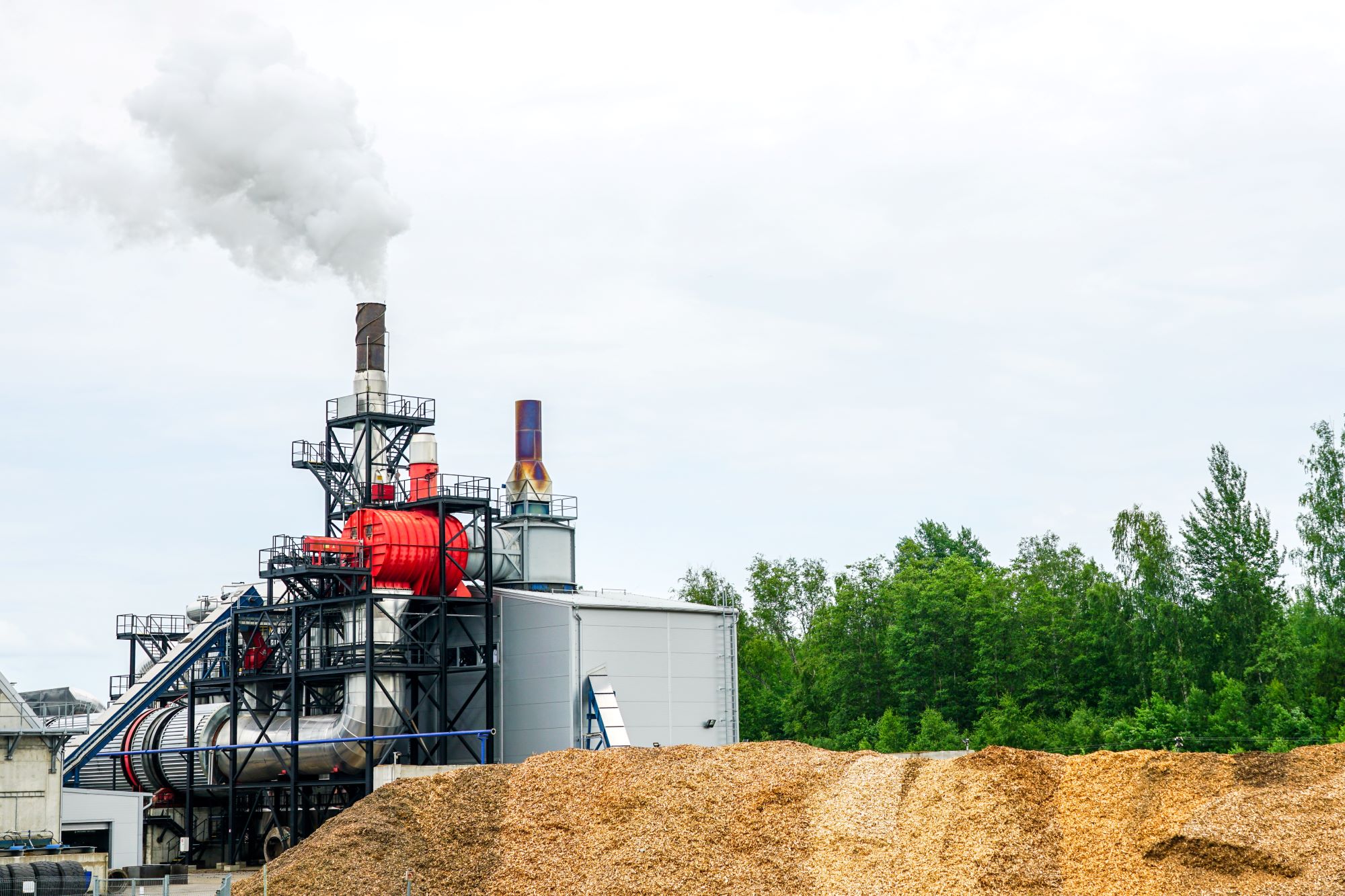
The production cost of bioenergy isn’t going down. Burning wood and plants for heat has been going on for thousands of years. While burning wood for energy production is newer, advancement has stopped. We can’t get more energy out of a single plant or tree, regardless of technological advancement.
This stands in stark contrast to truly green energies like wind and solar. The production cost for these new technologies has been steadily decreasing. And because the wind and sun are inherently free, there are no ongoing feedstock costs. Biomass facilities, on the other hand, need a steady supply of materials to burn.
Many communities hope that the biomass industry will provide social benefits to rural areas. They believe it’ll help the local economy and lower poverty. As a result, governments at all levels provide millions of taxpayer dollars in incentives to attract new businesses. These include things like tax breaks, use of land, and support with water and road systems. Even international governments give subsidies.
There’s no scientific evidence to support the idea that bioenergy production results in strong economic growth. Even models show trade-offs between:
Read more:
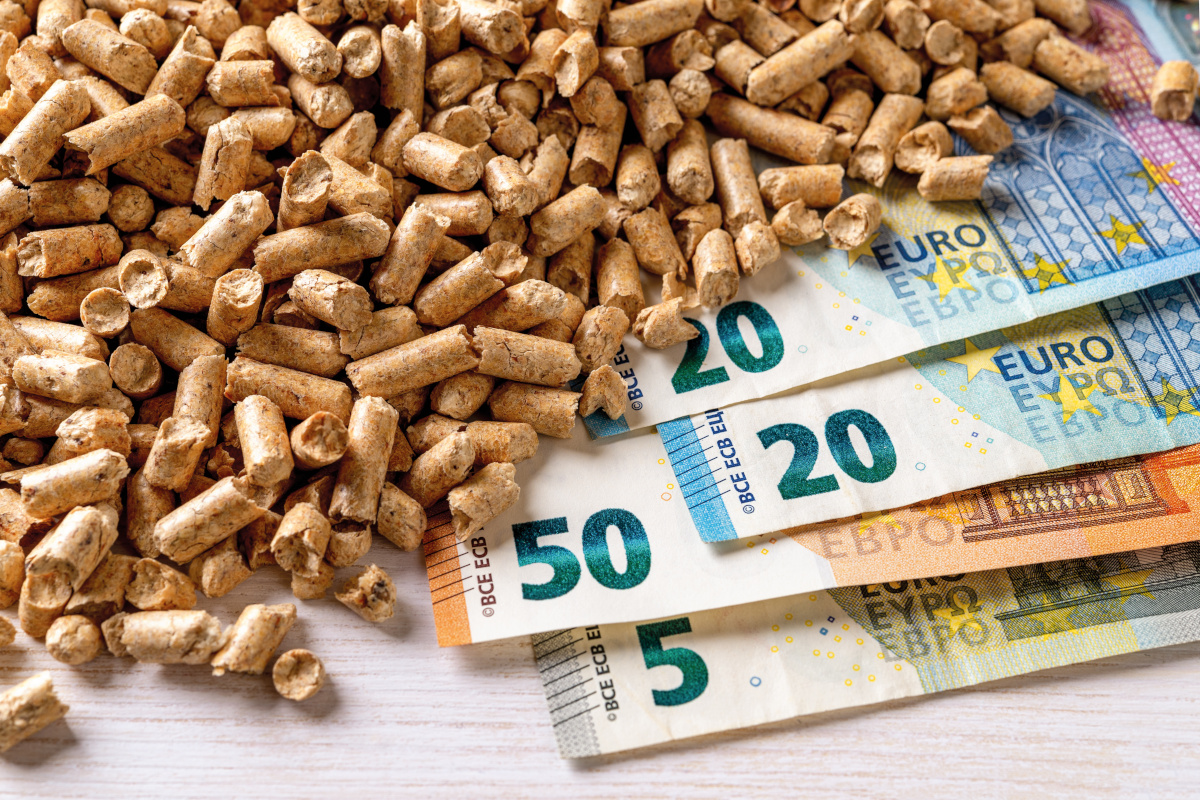
On paper, any biomass energy that a country imports from the US is “free.” In other words, it doesn’t count against their carbon emissions. This type of investment props up “solutions” that are still releasing carbon dioxide. This, unfortunately, will disproportionately impact developing countries.
Read more:
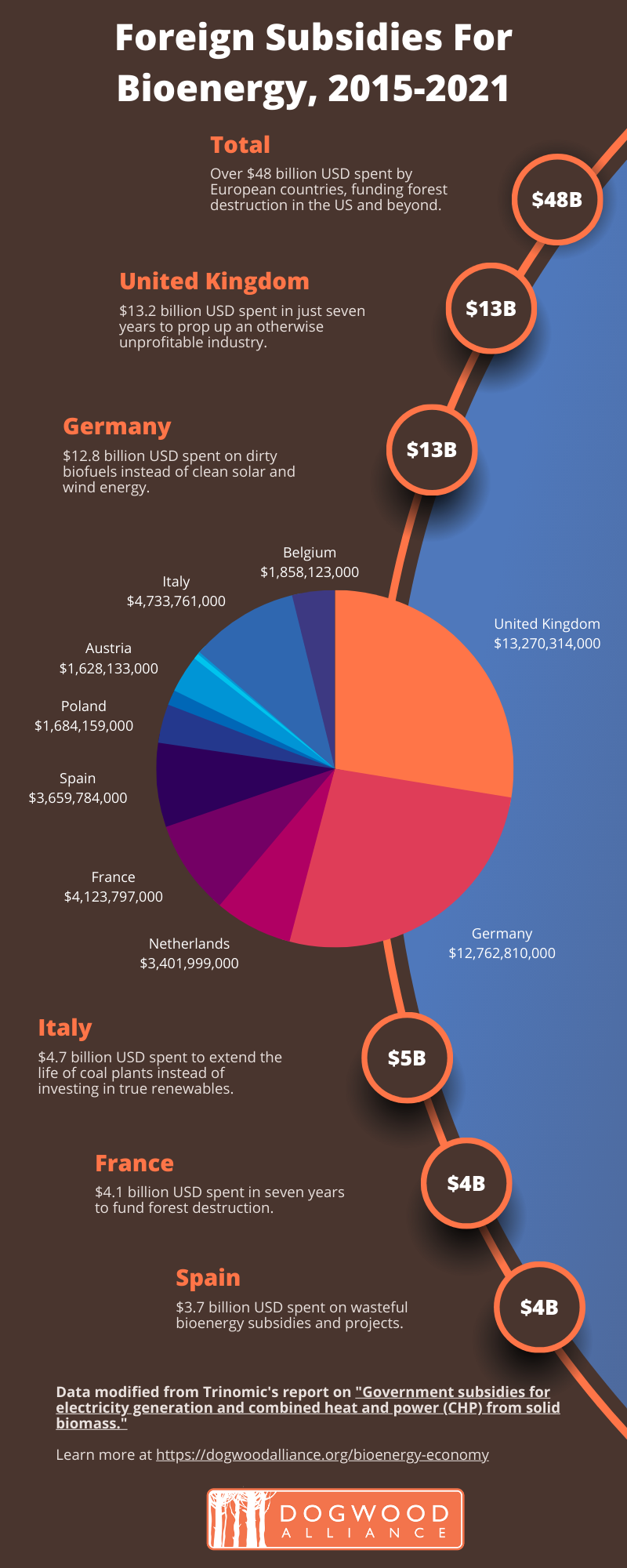
International green energy subsidies are propping up the bioenergy industry. In most situations, carbon dioxide is “counted” as emissions when it’s released into the atmosphere. When a power plant burns coal, those emissions are counted. This is true in most electricity production, agriculture, and many other industries.
With bioenergy, there’s a weird loophole. The carbon emissions are counted during the trees’ harvest, but not when burned. Because most trees get harvested in other countries, European countries can burn trees (wood pellets) for “free.” There are no emissions counted against them because they didn’t cut the trees down.
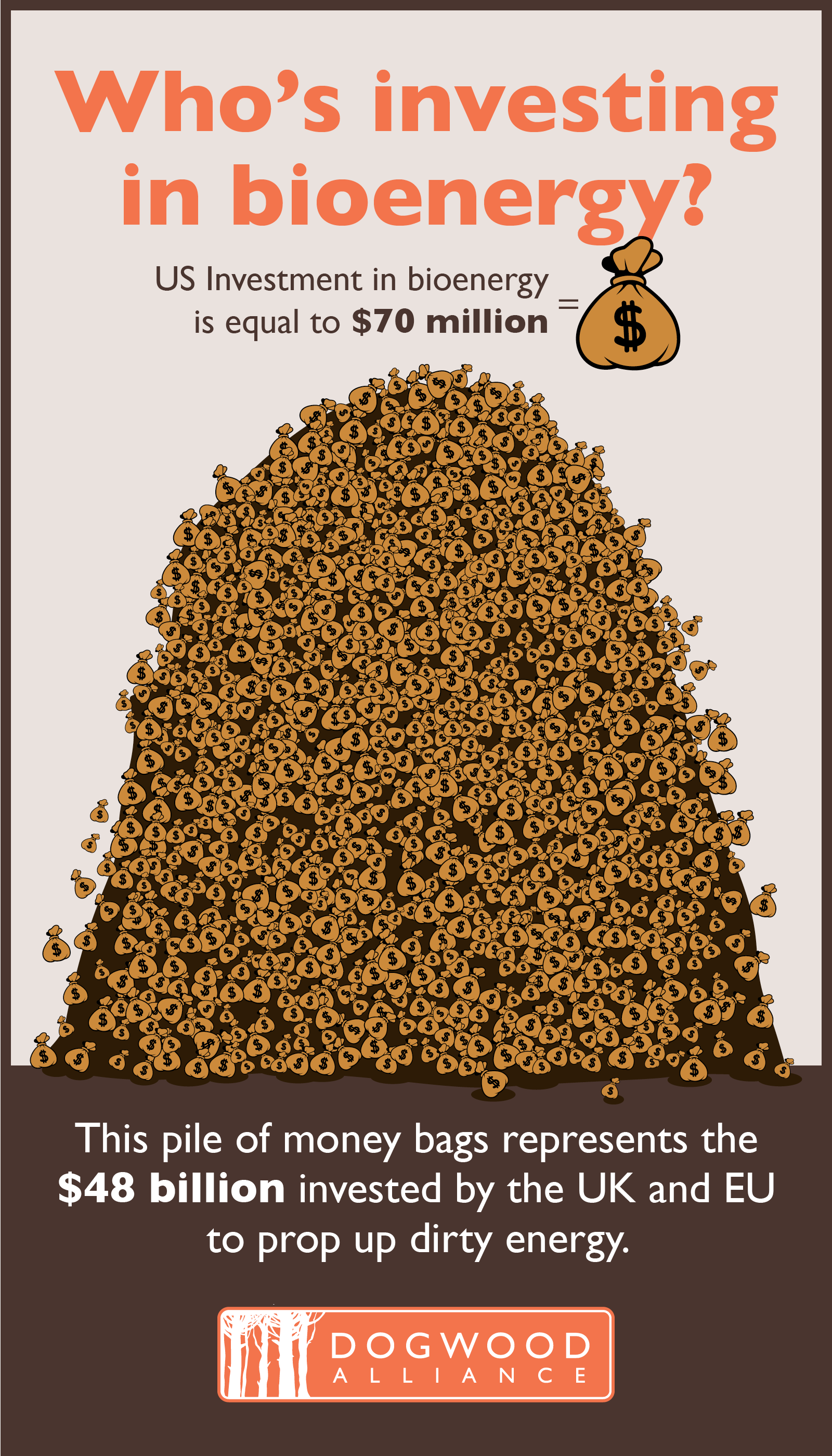
This system has lent itself to perverse incentives. Countries across Europe and Asia are importing wood pellets from North America. It’s a cheap, easy way to meet their climate goals. And often, the governments are subsidizing these purchases, at the cost of billions of dollars. Since 2015, European countries have provided the equivalent of nearly 50 billion US dollars to subsidize burning trees from other countries.
Read more:
International governments are not the only ones to subsidize. In the US, both the Department of Agriculture (USDA) and state/local governments subsidize this industry. While the USDA does so in the name of “research,” other entities tend to offer subsidies in the name of questionable economic benefits.
Read more:
State and local governments are throwing money at these dirty industries. Most of the state and local money to bioenergy facilities comes via “Economic Development” programs. These programs may or may not require reporting on the number of jobs created. Indirect subsidies may come in the form of:
Collectively, states and the federal government have provided over 75 million dollars to subsidize wood pellet production.
Read more:
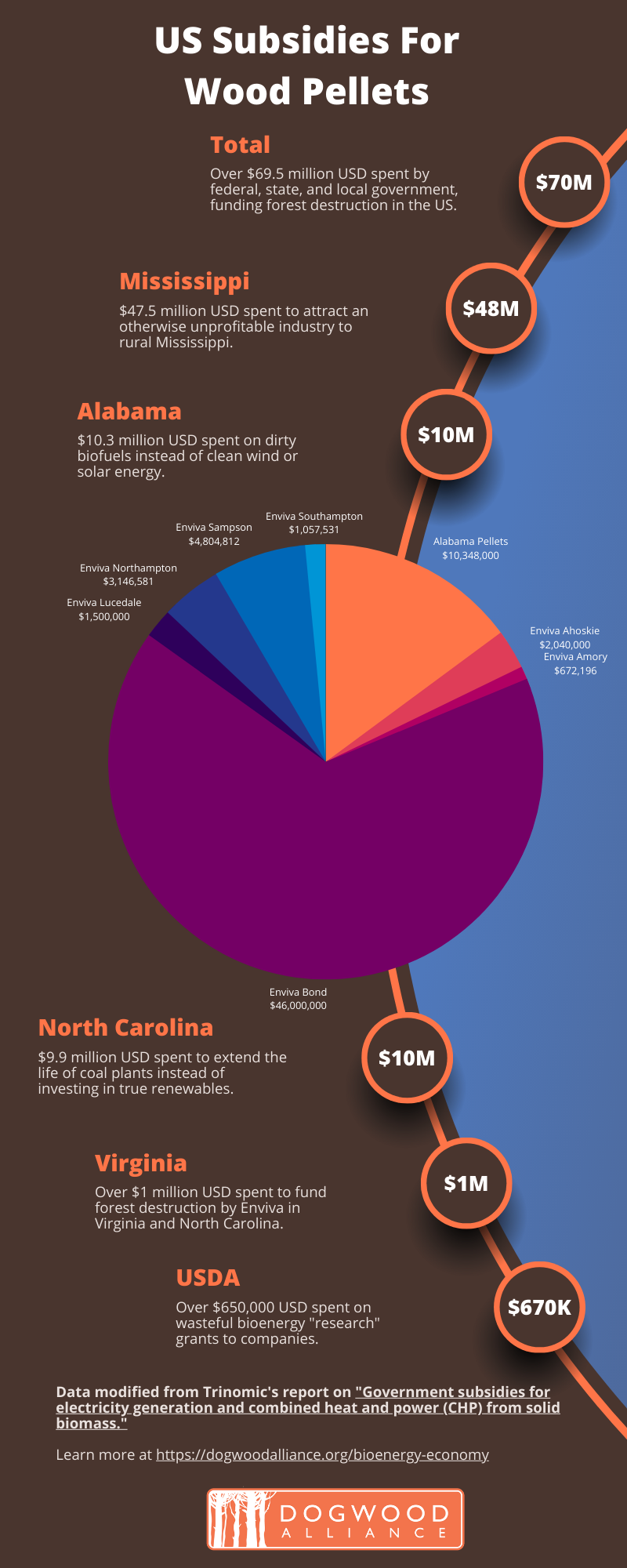
Even though millions of dollars seems large, the US investment into bioenergy is small compared to foreign investment. The funds for bioenergy from foreign sources are nearly 700 times more than the domestic funds. While not all of that money ends up in the hands of US companies, a significant portion does. To deal with the wood pellet issue in the US, we must work with foreign governments.
Polluting industries like biomass wood pellets have been moving into rural communities for decades. These communities continue to struggle with poverty and unemployment. And industry executives who live outside the community prosper. Both property values and livability decline in areas near heavy manufacturing like wood pellets. In some places with wood pellet plants, tax rates have increased despite no changes in income level or housing value.
These issues are collectively known as environmental justice issues.
Wood pellet production is not the economic boon that it claims to be. As you now know, it’s often propped up by unsustainable foreign and local subsidies. There are no environmental benefits to woody biomass production. It’s not a cost-effective strategy to combat climate change. The more people learn that the biomass industry is a scam, the better chance we have of ending it.
Download and share this fact sheet on the economics of bioenergy.
Read more:
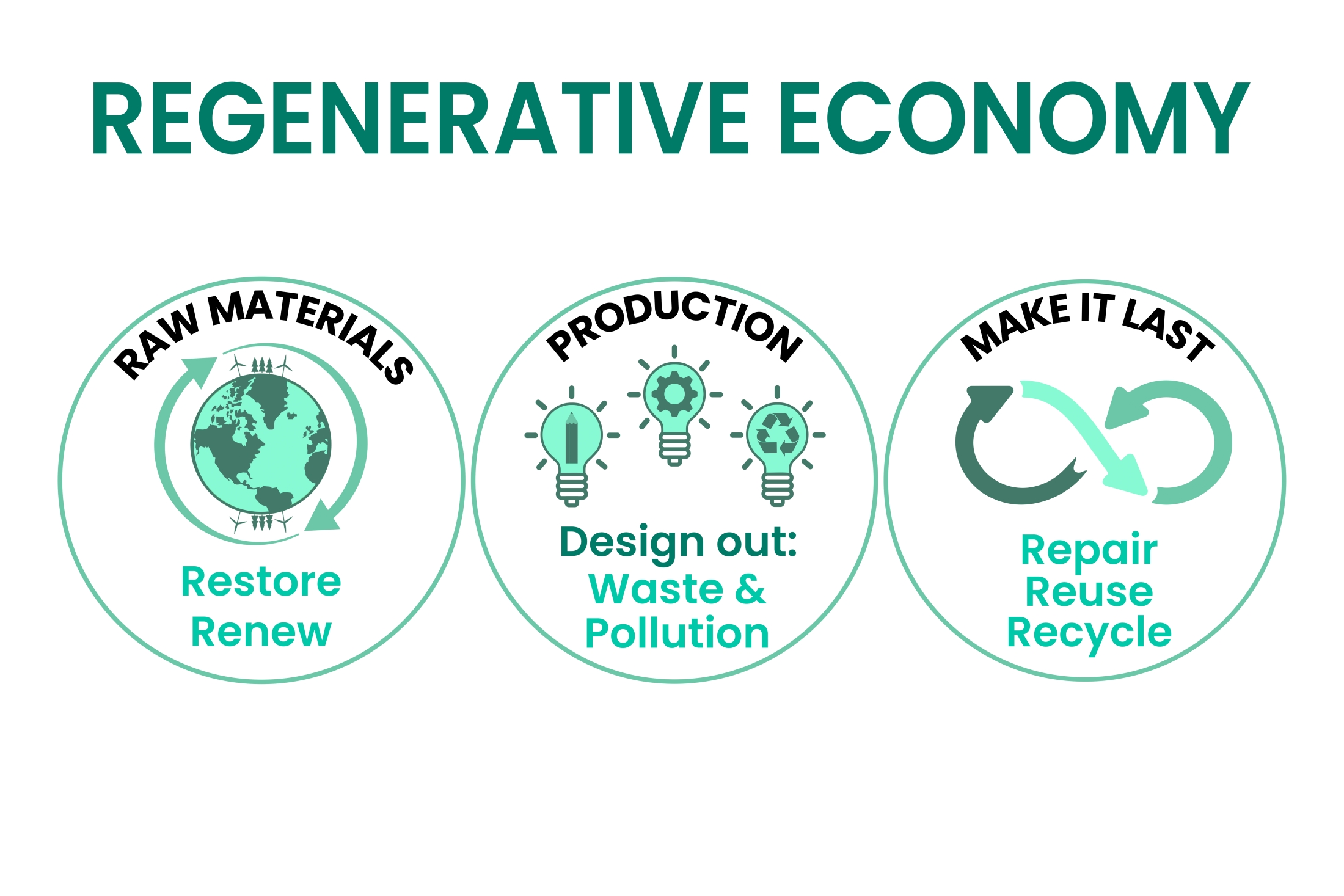
In a regenerative economy, we operate in harmony with nature. Businesses create conditions that regenerate and heal the planet. This concept builds on ecological design, which tries to restore balance in nature. We need to create a sustainable economy, one that:
Regenerative economies thrive in healthy ecosystems, social equity, and economic growth. They value natural resources as a source of wisdom and power. They view human society as stewards of the Earth. In a sustainable economy, all people have a role to play in creating a thriving planet.
Find out more about this approach to business practices with our frequently asked questions below.
A sustainable economy doesn’t overuse natural resources. It may use waste as raw material or protect living ecosystems with organic practices. A sustainable business might recycle from local communities to make new products. Or a business owner might use business practices with fewer natural resources.
We need a sustainable economy to:
Climate justice demands that we use sustainable business practices. This will help us deal with the climate crisis in a nature-positive way.
A sustainable economy uses something known as a “closed loop system.” Think about copy paper to understand the difference. A closed loop system might be making paper from recycled waste. An open loop version would be producing paper from old growth forests. It’s often impossible for a “loop” to be completely closed, but that doesn’t mean we shouldn’t try.
By using closed loop systems, we can avoid destroying natural resources. This fits well within the “reduce-reuse-recycle” adage of older generations. Human society thrives when we can keep our forests standing and our waters clean.
Sustainability has become so important because our current economic model is unsustainable. The current business model is damaging to global ecosystems and natural resources. By turning towards regeneration, we’ll have a stable, diverse, and efficient economic system. It’ll have better potential for long-term growth and prosperity. This will improve human life and well-being everywhere.
Leaving behind unsustainable practices will help protect the planet. We need the planet’s finite resources for future generations. A sustainable economy fits into the principles of climate justice. Embracing a regenerative economy is essential for sustainable global progress.
A regenerative economy needs to thrive within the natural limits of our planet. There are a few simple ways that businesses can change their practices:
There are many ways that community leaders can run a sustainable, successful business. By prioritizing human well-being, business leaders can cut carbon emissions and still grow. Business leaders should consider using the UN’s sustainable development goals to guide them.
In 2015 the United Nations created the Sustainable Development Goals (SDGs). They’re a set of 17 goals. These goals provide a framework for governments, businesses, and civil society. They help end poverty, protect the planet, and ensure prosperity for all. The SDGs focus on issues like:
Is a regenerative economy important to you? Read more about the SDGs and find out how they can fit into your business model.
A regenerative economy prioritizes the health of our environment and communities. Regenerative economic models can have many benefits for us and for future generations. It reduces carbon emissions and can:
With a regenerative economy, we create a fair society. One that values ecological integrity alongside financial security. It’s an exciting challenge that each of us can contribute to in some way or another.
Regenerative economics can create a more resilient environment for generations to come. By creating and improving closed loop systems, we can ensure a healthier planet.
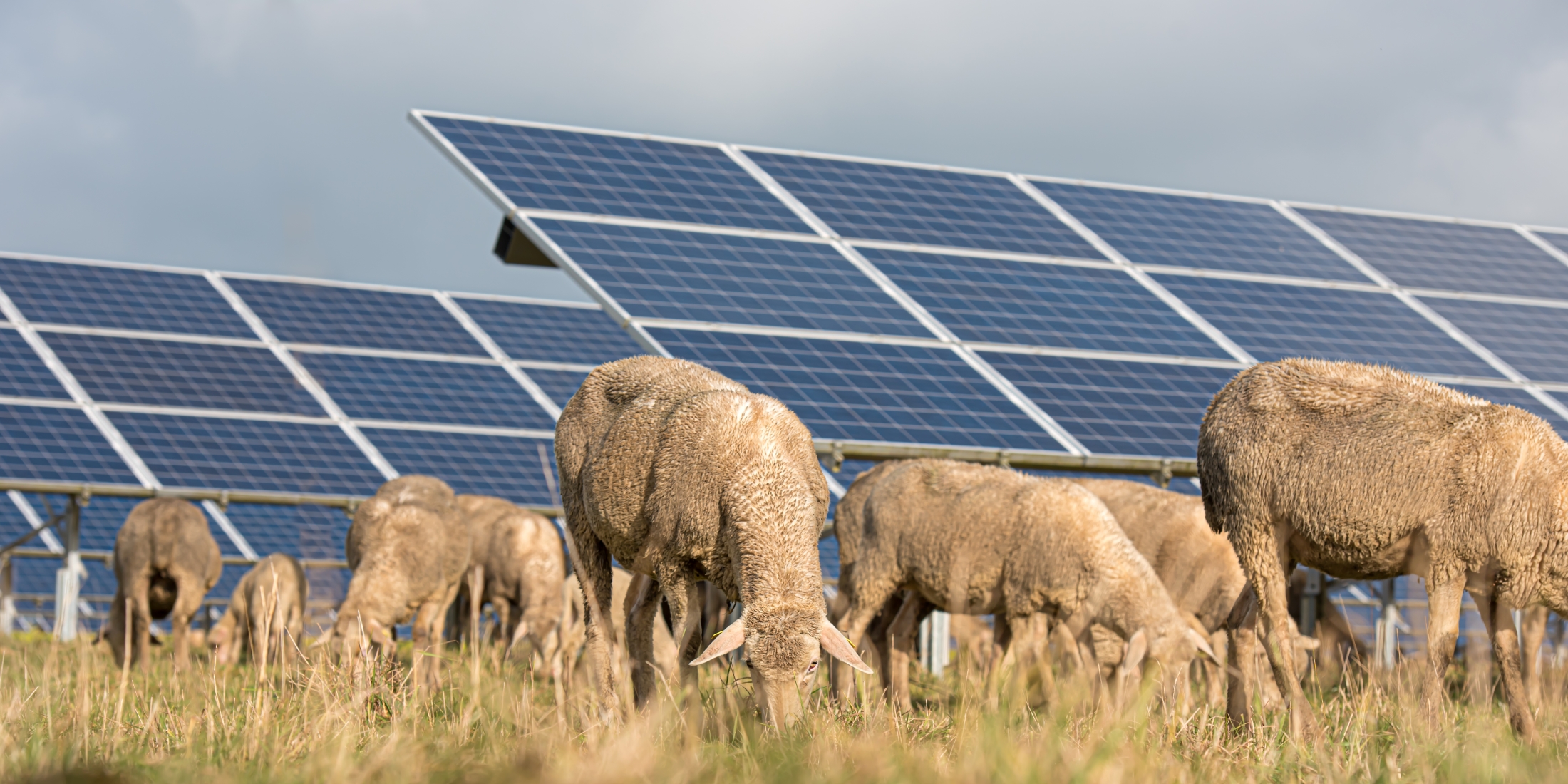
A regenerative economy has tremendous potential to transform our lives in positive ways. Pollution and waste are not only annoying byproducts of economic activity. Instead, they’re potential resources to reuse or recycle.
When we transition to sustainable business models, we protect and restore healthy ecosystems. This could result in many benefits like:
A regenerative economy will help businesses make responsible choices about production and consumption. A regenerative economy is the pathway forward through climate change.
An economy that uses regenerative principles has a more holistic approach to sustainability. It should help us move toward a healthier environment. But there may be some negative aspects.
Some argue that this shift could harm those who struggle with access to resources. We’ve seen this play out with marijuana legalization time and again. This could lead to deeper inequality gaps in society.
For budding business owners, choosing sustainability can be challenging. It can be harder to build a business that relies on closed loop systems. Business owners may need to compromise on their final plan. They may need to seek grants to upgrade equipment.
A regenerative economy believes that we’re all interconnected. That we depend on the well-being of others. That we depend on the health of the planet. Moving to a regenerative economy means a major shift in our thinking and behaviors. But it comes with many benefits:
If you’re involved in business, the easiest way for you to work on the regenerative economy is to take a closer look. Where can you reduce, reuse, or recycle? Do you need to use natural resources to make that product? Do you advertise your environmental sustainability? Take stock of what you’re doing well and where you need improvement. Then make those changes.
Not involved in a business? Then the next best thing for you to do is to support programs like ours that put our climate first. Support the work of Dogwood Alliance by joining the Forest Defenders program.
It’s time to look back at 2022, where it took us, and where we’re heading. Something profound is happening. The biomass industry’s house of cards is collapsing.
The wood pellet industry has run rampant for nearly a decade. They’ve gained support behind closed doors. Support from governments around the world, private investors, and large conservation organizations like The Nature Conservancy (TNC). Rural communities were largely unaware of the impacts and unprepared. So the promise of green jobs was especially attractive.
The biomass industry relies on lies and misinformation. Claims that burning trees for electricity is good for our climate, forests, and communities. Every year, we debunk those claims with:
Every year we demand decision makers protect our forests and communities from this industry.
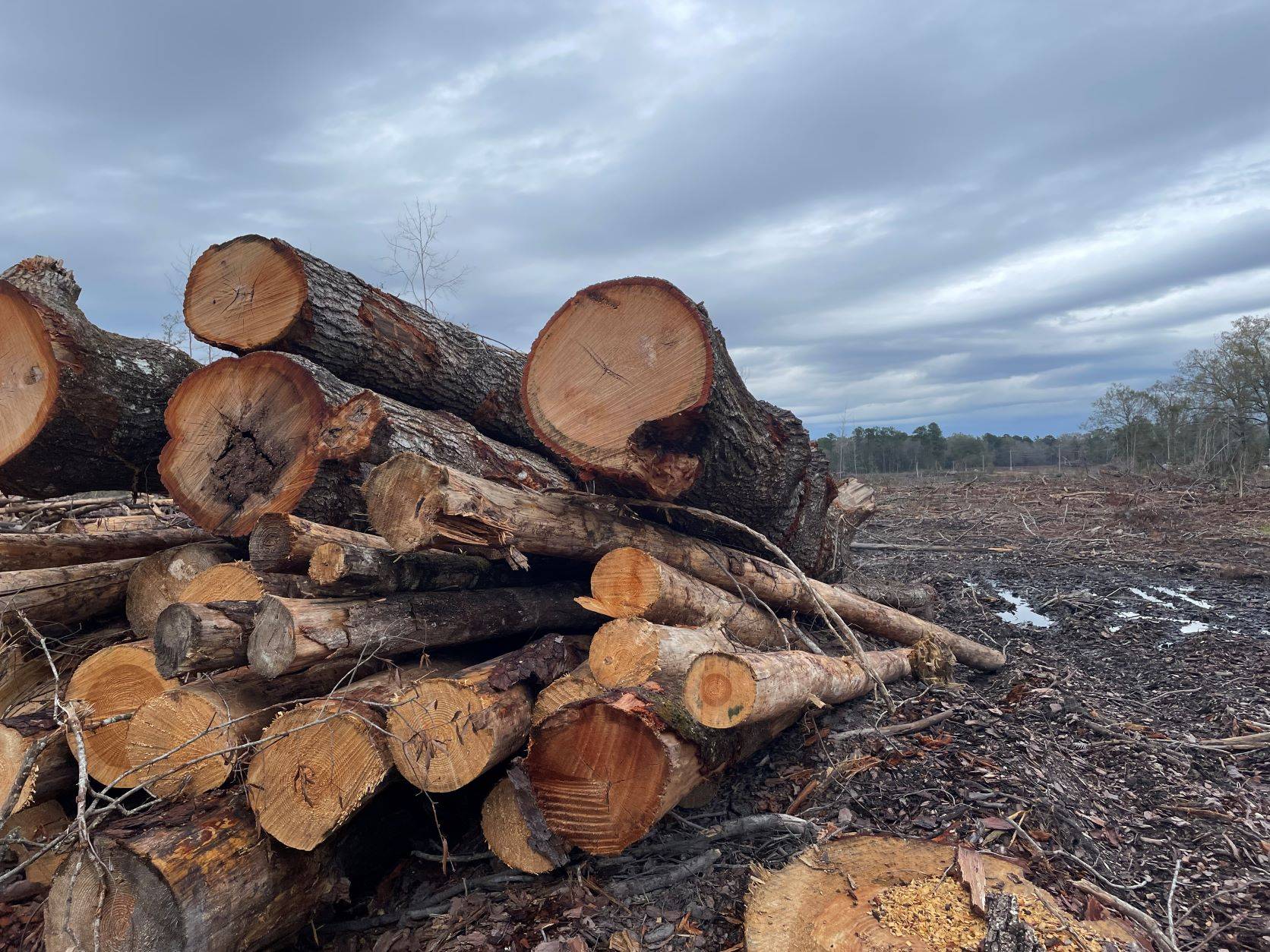
Large clearcut hardwood forest in the Coastal Plain
Last year, our work gained traction and has industry scrambling on many fronts. The green smokescreen cleared. This revealed in predominantly Black, low-wealth communities across the South:
By the end of 2022, the sum of our hard work together resulted in five strong trends. These trends show that support for the biomass industry is eroding. The people power is working!
1. Rollbacks on Biomass Subsidies
The biomass industry relies on subsidies from the government. These subsidies are based on the lie that burning trees for electricity is good for the climate. We must stop biomass subsidies if we want to protect our Southern forests and communities.
The Netherlands revisited biomass subsidies in a big way in 2022. They passed a measure ending subsidies for new biomass plants. The Dutch government became so upset with the lies and misinformation from companies. So they passed a motion to end biomass subsidies to “untruthful” wood suppliers. They even specifically called out Enviva. This could impact up to $10 billion in subsidies for wood pellet companies.
The UK Parliament debated biomass subsidies last year. The EU government even took some steps to limit biomass subsidies. Australia became the first country to exclude biomass from renewable energy. So no subsidies for biomass Down Under!
2. Biomass Expansion Delays and Setbacks
Companies scrapped plans for a large biomass plant in the Netherlands after the subsidies ran dry. Those companies would’ve sourced wood pellets from the US South. Spectrum Energy in GA and Enviva in NC hit some snags in their plans to expand wood pellet production in the South. Every delay costs companies money and makes investors nervous.
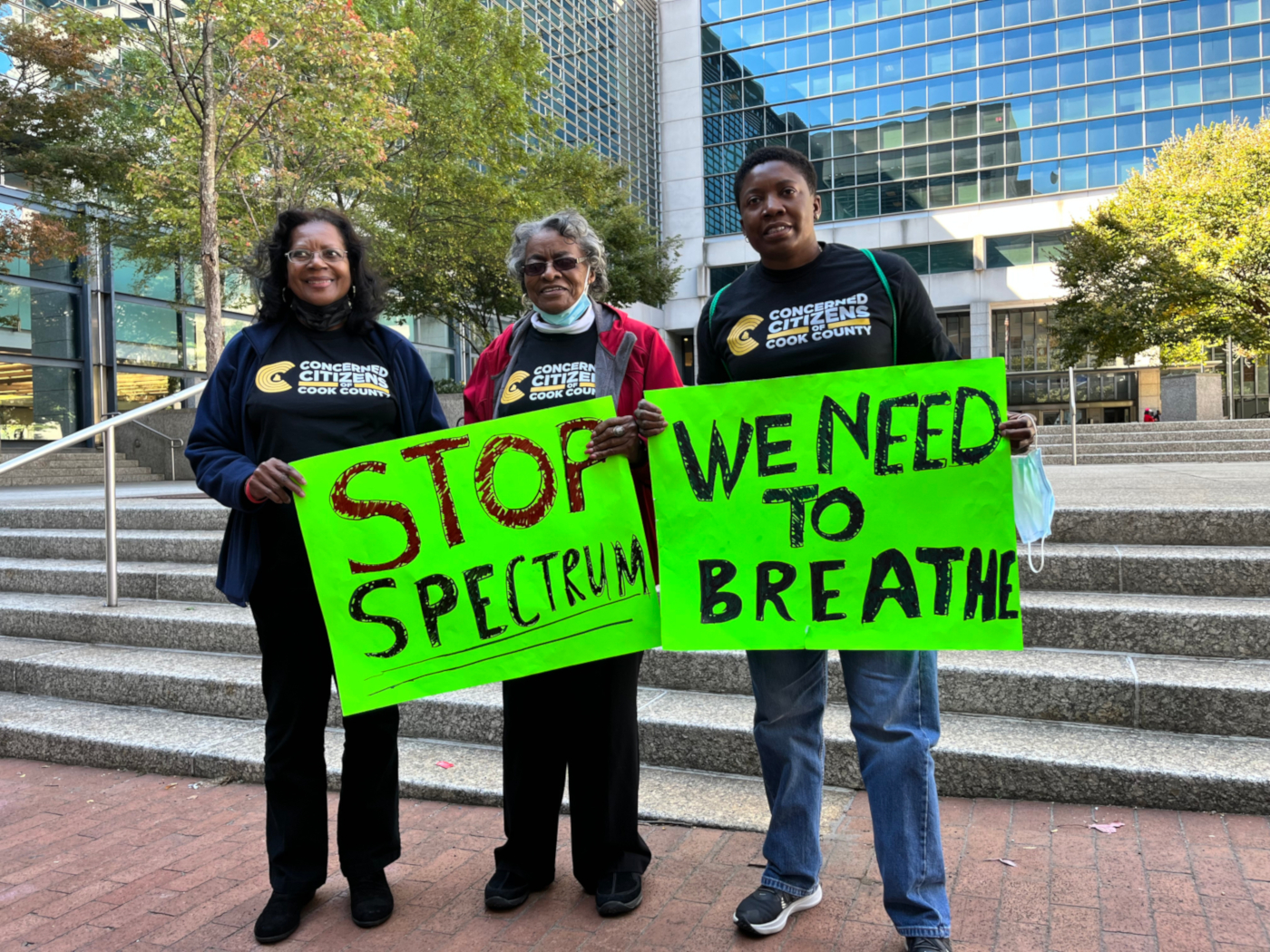
Concerned Citizens of Cook County in Adel, GA working to Stop Spectrum Energy
How can we create more delays and outright rejection of industry expansion in 2023? By:
3. Increased Government Scrutiny of Biomass
Now even governments here at home are taking a closer look. The US EPA moved forward on a study of the impacts of the wood pellet industry. They’re scrutinizing the state permitting and enforcement processes. The EPA is also investigating Drax’s impacts on the community of Gloster, MS.
A court in Georgia ruled there was enough evidence for an important lawsuit to move forward. The case claims the permit for the Spectrum Energy pellet mill in Adel, GA violated the Civil Rights Act. In NC, the Environmental Justice Advisory Board held a special hearing. The hearing focused on the wood pellet industry’s impacts to communities. The Advisory Board is now drafting up recommendations for agency action.
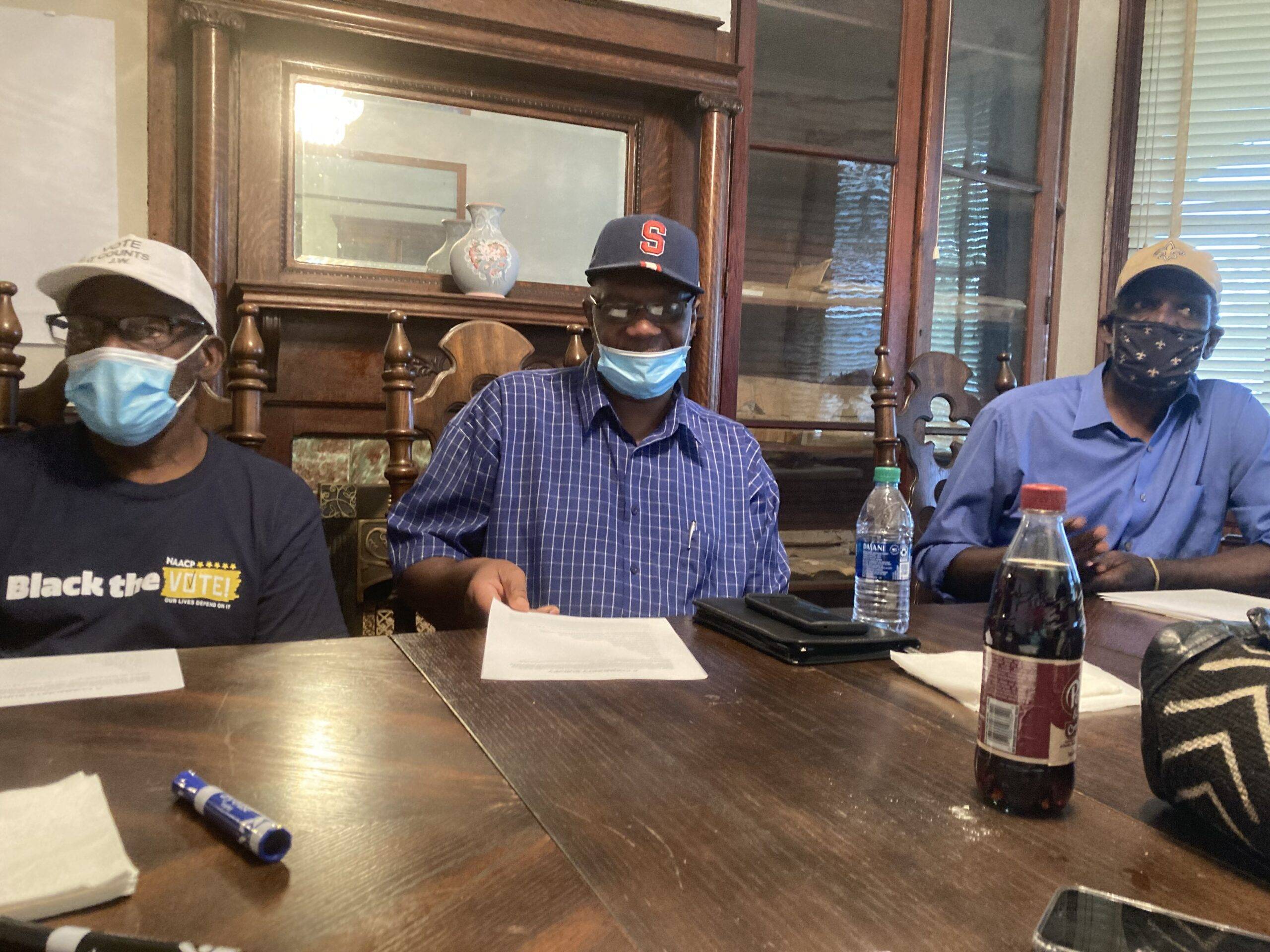
Community in Gloster, MS speaking out against Drax for polluting their air
4. Industry Insiders (Investors and Employees) Jumping Ship
Private investors have started to take notice of all the:
A scathing investor report exposed Enviva’s fraudulent green claims, prompting a shareholder to file a class action lawsuit against Enviva for fraud. The Securities and Exchange Commission also launched an investigation.
A CBS Morning News Earth Day special report on the wood pellet industry prompted an Enviva employee to say “enough is enough.” The whistleblower publicly confirmed in Mongabay that Enviva lies when it says it only uses “waste” to produce biomass pellets. His conscience led him to leave the company to find a truly green job.
5. Communities Powering Solutions
There are communities on the frontlines. They face the direct impacts of pollution and destruction every day. These communities are now taking matters into their own hands. Communities are demanding accountability from an industry that has long escaped scrutiny. The Adel community negotiated a landmark agreement with wood pellet manufacturer, Spectrum Energy. The agreement ensures community oversight and accountability. Local communities in the Pee Dee Watershed in SC aren’t waiting for the government to protect forests. Two community-led forest protection projects are well underway. These projects have the power to disrupt the forest industry’s dominance on the rural economy of the South. They’re also building climate and economic resiliency.
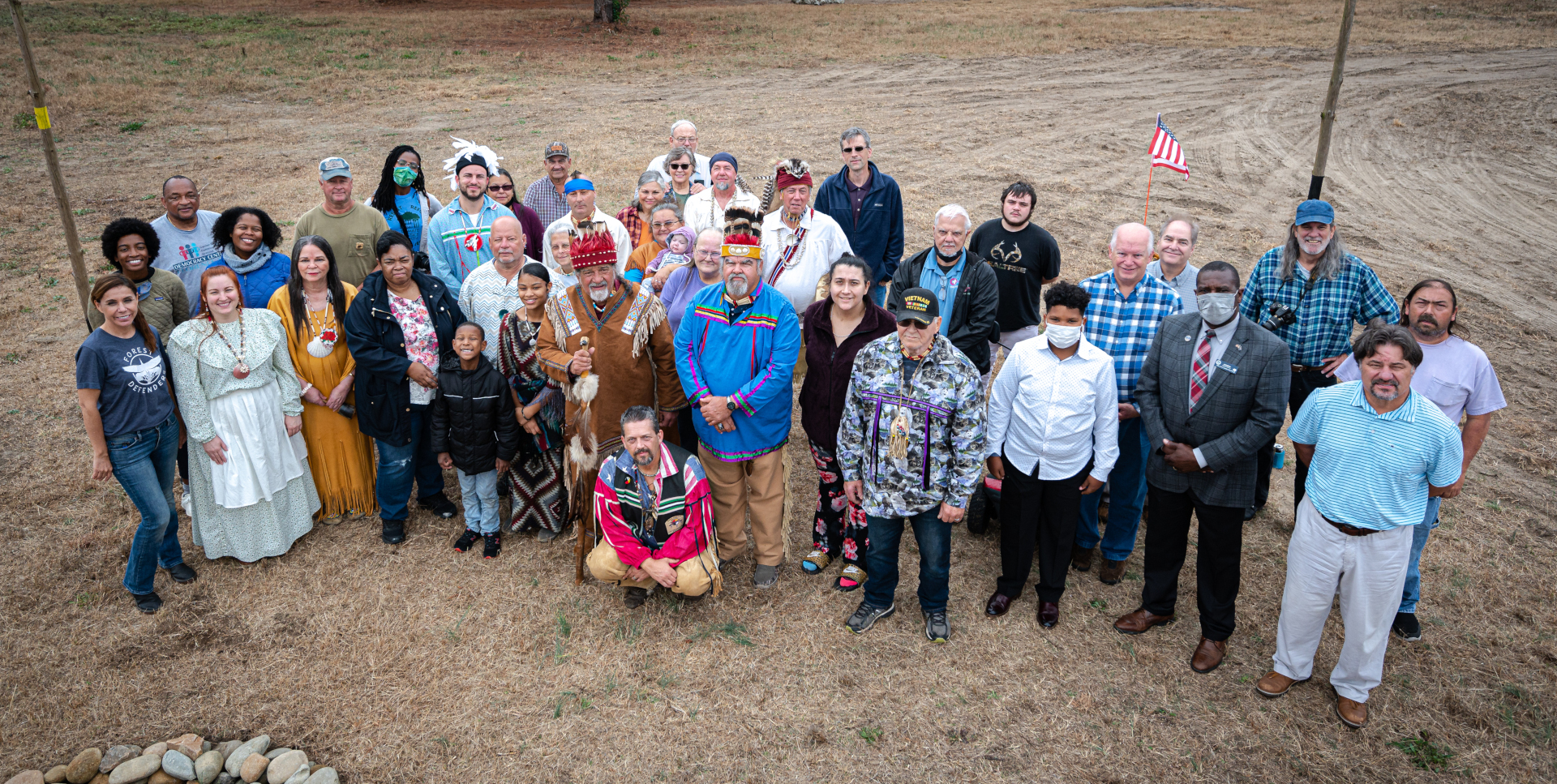
The Pee Dee Indian Tribe acquiring land back and protecting the wetland forests of their original territory
Looking ahead to 2023
Let’s keep the pressure on so we can leverage even more wins! Word will keep spreading about industry greenwashing and gaslighting. More governments, investors, and big green laggards like TNC will cut ties with #BigBadBiomass. Together, we’re writing a new story for forest protection. A story that requires rejecting the logging industry’s legacy of exploitation in the South. We’ve got the wind in our sails. So let’s go for it!

Dogwood Alliance is horrified and saddened by the death of Manuel Teran. They were affectionately known as Tortuguita. Police shot and killed Tortuguita on January 18th in Atlanta’s Weelaunee Forest. This beautiful forest is in predominantly Black South Atlanta. It’s the proposed site of Cop City. Cop City is a project of the Atlanta Police Foundation, a controversial private group. They’re bulldozing the forest to build police a military-grade training facility. On January 18th, police moved in full force to evict forest defenders who were living there to protect it. They used many militaristic tactics to intimidate and disperse peaceful protestors.
In an interview with Bitter Southerner, they said,
“I fell in love with the woods and I also fell in love with the community.”
They were one of dozens of forest defenders occupying the forest to protect it. We will not tolerate their shocking death at the hands of police violence. The corporate and police violence toward the community and forests is unacceptable.
It’s disturbing to ignore the wishes of the mostly Brown and Black people who live nearby. Without protestors confronting the state, this forest would already be gone. We’ve been grateful for the people making a stand to protect the forest. We’ve also been afraid for them.
Meanwhile, this incident shows that this facility is not for police to learn to de-escalate situations. It’s not to avoid killing the people whose very existence the police criminalize. It will be a place to practice and glorify ongoing police violence. A place to practice military-style occupations and assaults on communities.
In Tortuguita’s own words,
“The right kind of resistance is peaceful because that’s where we win. We’re not going to beat them at violence. They’re very, very good at violence. We’re not. We win through nonviolence. That’s really the only way we can win. We don’t want more people to die. We don’t want Atlanta to turn into a war zone.”
Climate change is one of the most pressing global issues of our time. It has the potential to cause drastic ecological changes that could threaten the existence of many species, including humans. It is important that we do what we can to adapt to climate change and mitigate its effects.
What are the climate risks that we face? It really depends on where you live and what climate change adaptation strategies that you can use. In this post, we’ll explore the ways that humans can adapt to climate change and rising greenhouse gas emissions.
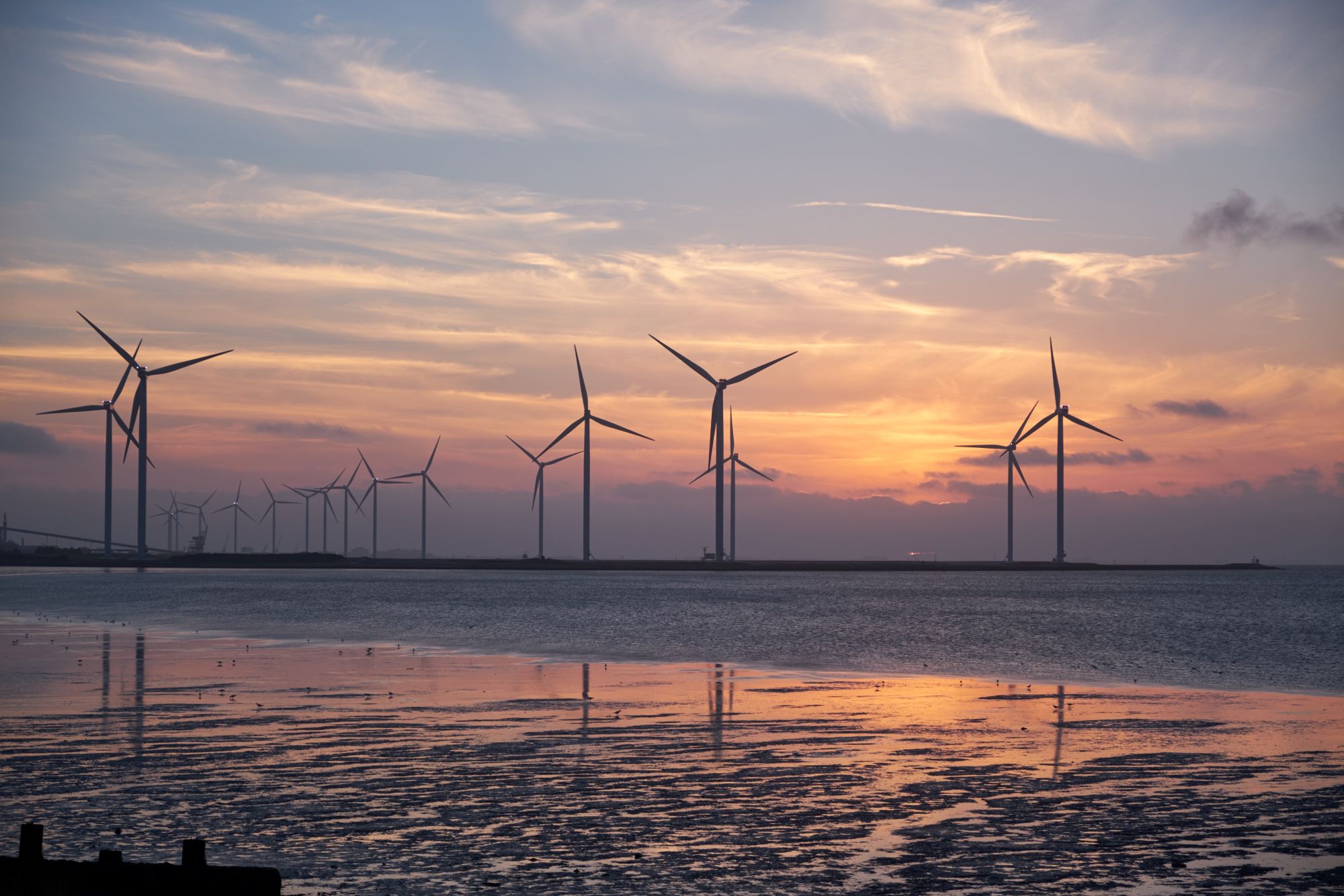
Climate change and global warming are used interchangeably to indicate how the climate is changing based on increasing levels of heat-trapping “greenhouse gases” in the atmosphere. These greenhouse gases, which include carbon dioxide, methane, and other gases, create a “greenhouse” effect and inadvertently warm the earth by trapping heat.
Climate change mitigation is all about preventing the worse effects of climate change before they happen. Prevent things like sea level rise (from melting ice), food shortages from severe weather, and death from extreme weather events like droughts and extreme heatwaves.
Climate change adaptation is all about learning to live with the effects of climate change. Where mitigation may focus on preventing sea level rise, adaptation explores how we can continue to survive and thrive, even when the oceans are rising. Mitigation and adaptation are both responses to the fact that we can’t seem to prevent global climate change from happening.
Climate change adaptation is very often common sense. Scientists work together to evaluate the climate risks, and then develop solutions. In the case of sea level rise, natural or physical barriers to prevent flooding of coastal cities is a good climate change adaptation measure.
The climate crisis also makes it more likely that our forests will suffer. Some scientists are exploring whether “assisted migration” can help some species of trees survive. Assisted migration is the practice of taking seeds from trees and planting them where the future climate will be more appropriate. So, we may take seeds from Florida and plant them in Georgia, hoping that the move northward will help those trees survive.
Finally, adapting to the effects of extreme weather events is critical. Natural disasters cause death, suffering, and illness across the world, but developing countries are especially at risk. Working to secure basic human necessities, like food security and water quality, will ensure that people are more resilient when a natural disaster comes.
Countries may also invest in early warning systems or other preventive tools meant to protect citizens. An entire “climate finance” sector has arisen in the last few decades to support developing countries in adapting to climate change and mitigating their climate risk.
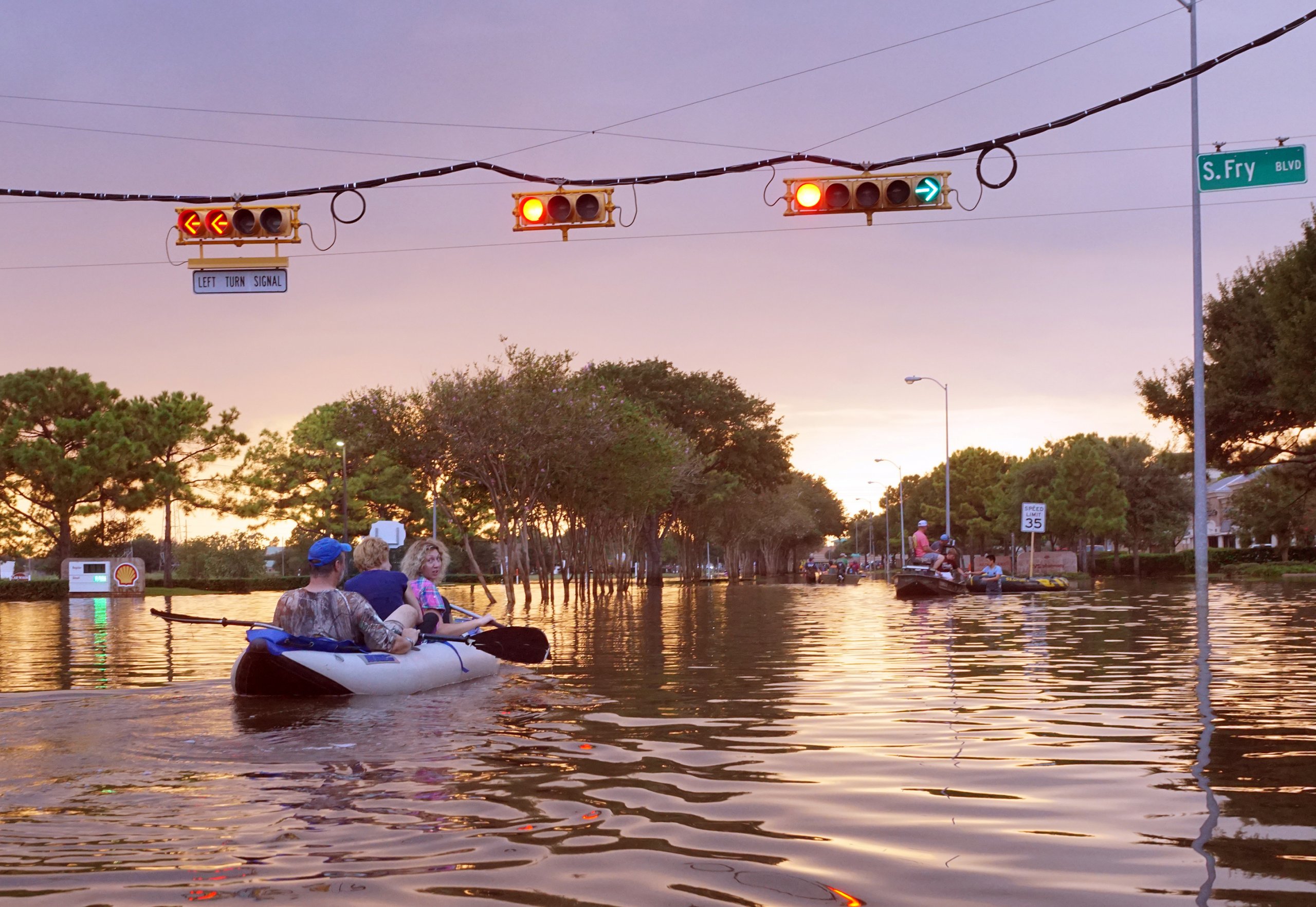
One way we can adapt to climate change is by changing the way we live. We can reduce our reliance on fossil fuels and switch to renewable energy sources. We can also reduce our consumption and waste production. We can plant trees and create green spaces to help absorb carbon dioxide and cool the atmosphere.
Many of these strategies are meant to be implemented by governments and businesses, not by individuals. A single person reducing their waste production won’t do much for climate adaptation. But businesses that commit to true renewable energy or to reduce their waste will make a much bigger difference. Government policies can drive these positive changes and help everyone with climate adaptation.
We can also adapt to climate change by learning about it and preparing for it. We can develop policies and plans that will help us cope with the impacts of climate change. We can also build resilience into our communities so that they’re better able to withstand shocks like floods or drought. The climate crisis is scary, but we can survive a changing climate with climate change mitigation and adaptation strategies.
The climate crisis from global warming isn’t going away. Heat-trapping greenhouse gases continue to be released into our atmosphere every year. As we age, we can expect a warmer climate. Global change will continue onwards. The best thing we can do as individuals is to demand our leaders create climate adaptation policy and hold companies accountable for reducing emissions.
Together, we can reduce the severity of climate change impacts. From public health and social protection to health care, public transport, and flood defenses, the impacts of climate change will affect every aspect of our lives. But scientists and citizens alike can meet new challenges with adaptive measures at the global and the local scale.
We need your help to hold companies and governments accountable to their climate impacts.


 Donate
 November 5, 2026