


There’s been a lot of discussion lately about the possibility of using wood-based aviation fuel as a way to reduce our dependence on fossil fuels. While this may seem like a good idea, there are several reasons why it’s not a practical solution. Learn more about the problems with using wood-based fuels for the aviation industry.
We’re talking about “sustainable aviation fuel” (SAF), a 1:1 replacement for energy-dense jet fuel made from oil and gas. Technologies like wind and solar are not appropriate fuel replacements for planes. For current planes, we need to develop energy-dense sustainable fuels to replace traditional jet fuel.

Much like the push for cross laminated timber (also known as CLT), the hype for these alternative fuels is overblown. Shell has publicly stated that they’re planning to produce two million tonnes of sustainable jet fuel by 2025. Even if Shell could successfully produce a ten-fold increase in sustainable aviation fuels, it still wouldn’t be enough. It would be equivalent to just 0.6% of all aviation fuel demand in 2019 (330 million tonnes of conventional jet fuel).
Plus, the Center for Biological Diversity has identified that scaling up would cause significant climate harm. Through analysis, they found that the Biden administration would only be able to meet 4%-38% of their goal by 2050.
Successfully scaling up sustainable aviation fuel to ten times what it was in just three years would be nearly impossible. Even the woody biomass industry, which has grown rapidly at the expense of our forests, has not achieved 1000% increases in just three years.
Currently, sustainable aviation fuel comes from sources like animal fats, oils, and ethanol. The US Government is subsidizing research in these technologies, but the cost is still outrageous. For example, Reuters notes that the cost for sustainable aviation fuel can be up to eight times higher than conventional jet fuel.
The fact is that most of the biofuel industry is propped up on taxpayer money and subsidies. Time and time again, independent researchers like Taxpayers for Common Sense point out the unsustainable subsidies driving this faulty research.
The entire premise of biofuel production is that it reduces the carbon footprint. However, these carbon emissions calculations are based on something called a “lifecycle analysis” (LCA). LCAs take the entire lifecycle of a fuel into account. The lifecycle may be short for something like corn-based ethanol, but it can be decades or centuries for a tree-based biofuel like wood pellets. This is because while corn only takes a season to grow, a tree takes decades. Unfortunately, according to the worlds’ best scientists, we don’t have decades to address the climate crisis.
Let’s say you’re burning corn ethanol as fuel. When you burn that fuel, the carbon stored in the corn gets emitted into the atmosphere. This is similar to when you burn a petroleum-based fuel like gas for your car. The difference is that with a biofuel more corn is growing for biofuels. That corn, over its life, “takes up” the carbon that’s emitted in the burning process. Because corn grows in just a season, the lifecycle for corn fuels is “complete” after a single season. This measure of completion is also known as “time to parity” among scientists.
But wood-based fuels are different. Wood pellets for electricity and sustainable aviation fuel for airplanes are both problematic because of the amount of time it takes for wood to grow back and take up the carbon from when wood fuel was burned. In other words, it’ll take a season for corn fuels to reach “time to parity”, but it will take decades for a wood-based fuel to do the same.
Furthermore, investigations from watchdogs and independent news outlets have shown that many wood pellets come from natural forests. This is different from corn grown for a specific purpose. Natural forests cut down for wood pellets aren’t purpose-grown. In terms of the climate, we’d be better suited if that forest was left to grow. Forests absorb carbon and have many other benefits, like clean water, habitat for animals, and recreation.
It takes a lot more energy to make a gallon of liquid jet fuel than it does to make an equivalent amount of wood pellets. Much like how gasoline is refined, wood needs to be pelletized and then further refined to create a concentrated liquid fuel. Numbers are still emerging, but we know that in corn this pattern holds true. It takes a lot of energy to produce a single gallon of corn-based fuel. One resource says that it takes over 26 pounds of corn to produce a single gallon of corn ethanol.

We don’t have decades to fight climate change. We have less than a decade to get our carbon emissions under control. So wood should not be used for biofuels production or for other fuels either. The best place for our trees is in the ground, actively storing carbon.
Trees also have benefits beyond their carbon footprint. Forests provide us with fresh water, they improve soil quality, they clean our air, and they shade us from very hot temperatures. Forests reduce emissions and give us places to fish, hike, bird watch, and more. Increasing feedstock production for biofuels from our forests is going to severely reduce these “ecosystem services” that the trees provide. The environmental effects of clearcuts are dramatic and last for decades.
Look at what biofuel demand has done to the communities of the US South. Residents complain of increased dust, flooding during rain events, and even breathing problems. Increasing logging in the South is only going to hurt these communities more. There is already a targeted effort to place biofuel production facilities in the South. Creating demand for sustainable aviation fuels is just going to make it worse.
We’re already seeing these impacts of sustainable aviation fuel (jet fuel). LanzaJet has received $50 million to build a sustainable aviation fuel plant in Soperton, GA. Soperton is in Treutlen County, which has a poverty rate of over 23%, more than double the national average. After a wood pellet plant opened in Northampton County, NC, the poverty rate actually increased from 26.3% up to 28.5%.
There are other ways to reduce carbon emissions. Many companies have slashed their travel budgets, and many conference and event planners have switched to hybrid or remote-only events. Increasing efficiency with new technologies is another way for us to reduce GHG emissions without relying on faulty lifecycle analyses for biofuels and jet fuel.
The aviation industry is responsible for about 3% of global carbon emissions. That might not sound like a lot, but it’s actually more than the entire country of Germany emits.
So when we’re talking about reducing our reliance on oil and gas for jet fuel, the aviation industry is a good place to start. Solar, wind, and hydrogen-powered planes are still the stuff of fantasy. But “sustainable” aviation fuel made from wood isn’t the solution either.
We need to control greenhouse gas emissions today, not fifty years from now. Join us in calling on President Biden to protect our forests.
Do you know what lives in your backyard? Chances are, there are all sorts of creatures lurking in the bushes and trees that you never even knew existed! Let’s explore the world of backyard biodiversity in a slightly spookier fashion.
Together we’ll focus on the creepier, crawlier side of Halloween. From spiders to caterpillars, many species play a vital role in our ecosystem. Most of the creepy-crawly creatures we’ll talk about are from the phylum Arthropoda, which means that they have segmented bodies. This is a guide to a few species of the most common backyard (and indoor!) bugs along with tips on managing your backyard ecosystem!
You might not think that your backyard is home to many different types of insects and spiders, but you’d be surprised at the variety of critters that call your yard home. From bees and beetles to ants and wasps, there are many different types of bugs that you can find in your backyard. Some of these bugs are helpful, while others can be pests. However, all of them play an important role in the ecosystem.
If you take a closer look, you might see bees busy collecting pollen from flowers. These bees are important pollinators, and they help ensure that plants can make fruits and vegetables. You might also see beetles crawling on the ground or flying through the air. These beetles feed on other insects, which helps to keep populations under control. Additionally, you might see ants scurrying around looking for food. While ants can be nuisances, they also help to aerate the soil and recycle nutrients back into the ecosystem.
Since it’s Spooky Season, let’s go through a few of our favorite types of creepy-crawly creatures that live in and around our houses and explore what makes them so cool. Who knows, maybe you’ll even find them slightly less creepy after reading about them!
Centipedes are arthropods that have long, flat bodies and many legs. Their name comes from the Latin word for “hundred” because they usually have lots and lots of legs. Centipedes are predators, and they use their long legs to run quickly to catch their prey. They also have poison claws that they use to kill their prey. Some centipedes can grow to be over a foot long! Many different species of centipedes are found all over the world.
You can tell the difference between a centipede and a millipede by looking at the number of legs per body segment. If there’s just one pair of legs, it’s a centipede. They tend to be faster, more agile, and predatory. In contrast, two pairs per body segment means that it’s a millipede. They tend to be herbivorous. They can also release small amounts of cyanide as a defense chemical, so be careful!

The house centipede is a common type of centipede that you might find in your home. House centipedes are brown or yellowish-gray, and they have long legs with black stripes. They like to live in dark, moist places, such as under sinks or in basements. House centipedes are harmless to humans, but their presence can indicate that there is another pest problem in your home, like an infestation of cockroaches or silverfish. Or, they could just be wanderers. Either way, I can’t make them look less creepy. Sorry!

Most people think of cockroaches as dirty, disease-ridden pests. However, there are actually many different types of cockroaches, and not all of them are harmful to humans. Several cockroach species are pests and try to live in our houses with us. But most cockroaches are considered beneficial for the environment.
Cockroaches undergo “incomplete” metamorphosis, which means that the cockroach nymphs (babies) look very similar to the adults. Some female cockroaches can undergo “parthenogenesis” which means that they don’t need a male to produce offspring. How cool!
Wood cockroaches, for example, help to break down dead insects, wood, and leaves. This enriches the soil and makes it easier for new plants to take root, so wood cockroaches play an important role in the ecosystem. Although they may not be the most popular insects, cockroaches are fascinating creatures that play a vital role in our world.

Wolf spiders are one of the many types of cool spiders that you can find in your backyard. There are over 200 different species of wolf spider, and they can be found on every continent except for Antarctica. Most wolf spiders are brown or gray with dark markings on their backs. They range in size from about 1/2 an inch to 2 inches in length. Unlike other spiders, wolf spiders don’t usually make webs.
Wolf spiders are hunting spiders, which means that they actively hunt down their prey rather than build webs to capture it. They are also very fast runners, and they have excellent eyesight. When they’re not hunting, wolf spiders spend most of their time hiding in burrows or under rocks. If you’re lucky enough to spot a wolf spider in your backyard, you’ll be able to see why these amazing creatures are so named!

Wheel bugs are one of the many types of cool insects that you can find in your backyard. They get their name from the wheel-shaped crest on their backs. Wheel bugs are predators and prefer to eat soft-bodied insects like caterpillars. They use their long, curved beak to puncture their prey and inject them with a paralyzing toxin. Wheel bugs are relatively large compared to other bugs, and adults can grow up to 1 inch in length.
They are brown or black in color and have a distinctive pattern of yellow and black markings on their abdomens. They can be beneficial because they help to control pest populations. Better to look and not touch because wheel bugs can defensively bite you, and their bites do hurt. So, the next time you see a wheel bug in your backyard, take a closer look and appreciate this amazing creature!

Silverfish are small, wingless insects that are often found in dark, damp places such as basements and closets. These pests are attracted to food sources such as cereals, flour, and sugar. They can also damage clothing and books. Silverfish are silver or grey in color and have a tapered body shape. They’re named for their fish-like appearance and swimming motion.
Although they do not bite or sting, silverfish can be a nuisance due to their potential to damage property. If you find a lot of silverfish in your home, removing moisture and cleaning up any food materials will help get rid of them without harmful sprays or a call to pest control.

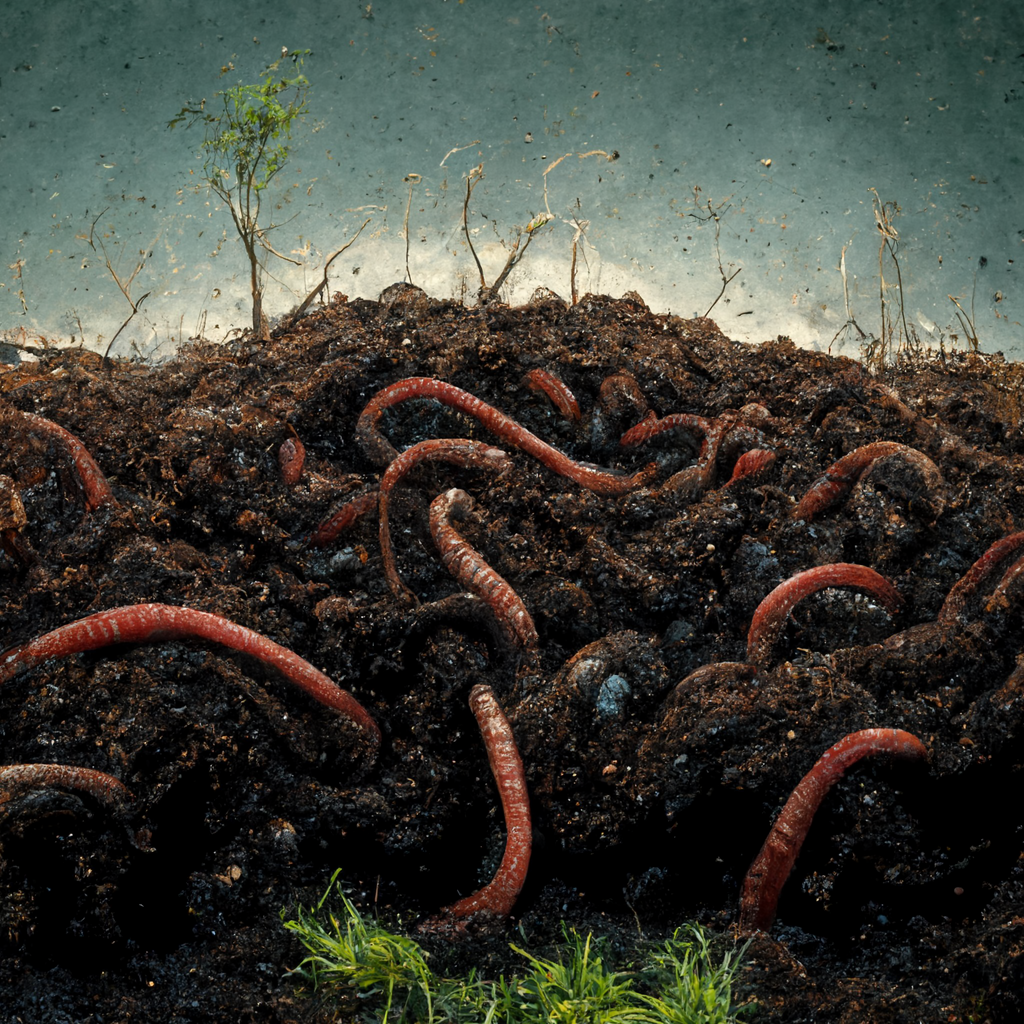
Worms are often thought of as slimy, icky creatures that live in the mud. But did you know there are over 20,000 species of worms? They come in all shapes and sizes that can be found all over the world. Some types of worms even glow in the dark!
Worms play an important role in the ecosystem. They help to break down dead plants and animals, which helps to create nutrient-rich soil. Worms also aerate the soil, which helps plants to grow. In fact, some farmers even use worms to fertilize their crops!
So the next time you see a worm, don’t be disgusted. Take a moment to appreciate these amazing creatures that play such an important role in our world.
We all know that ants are social insects, but did you know that there are some ants that become zombies? Zombie ants are infected with a fungus called Ophiocordyceps unilateralis. This fungus causes the ant to turn into a “zombie” – abandoning its nest and ultimately dying to spread the fungus.
Zombification can happen to many different ants, and it’s one of the coolest fungal reproduction methods out there! Insects, usually ants, are infected with a parasitic fungus that takes over their minds and bodies. The fungus tells the ant to climb to the top of a blade of grass or leaf, where it will clamp down with its jaws and die. The fungus then grows out of the ant’s head and releases spores, which infect other ants. Zombie ants are pretty creepy, but they’re also fascinating creatures.
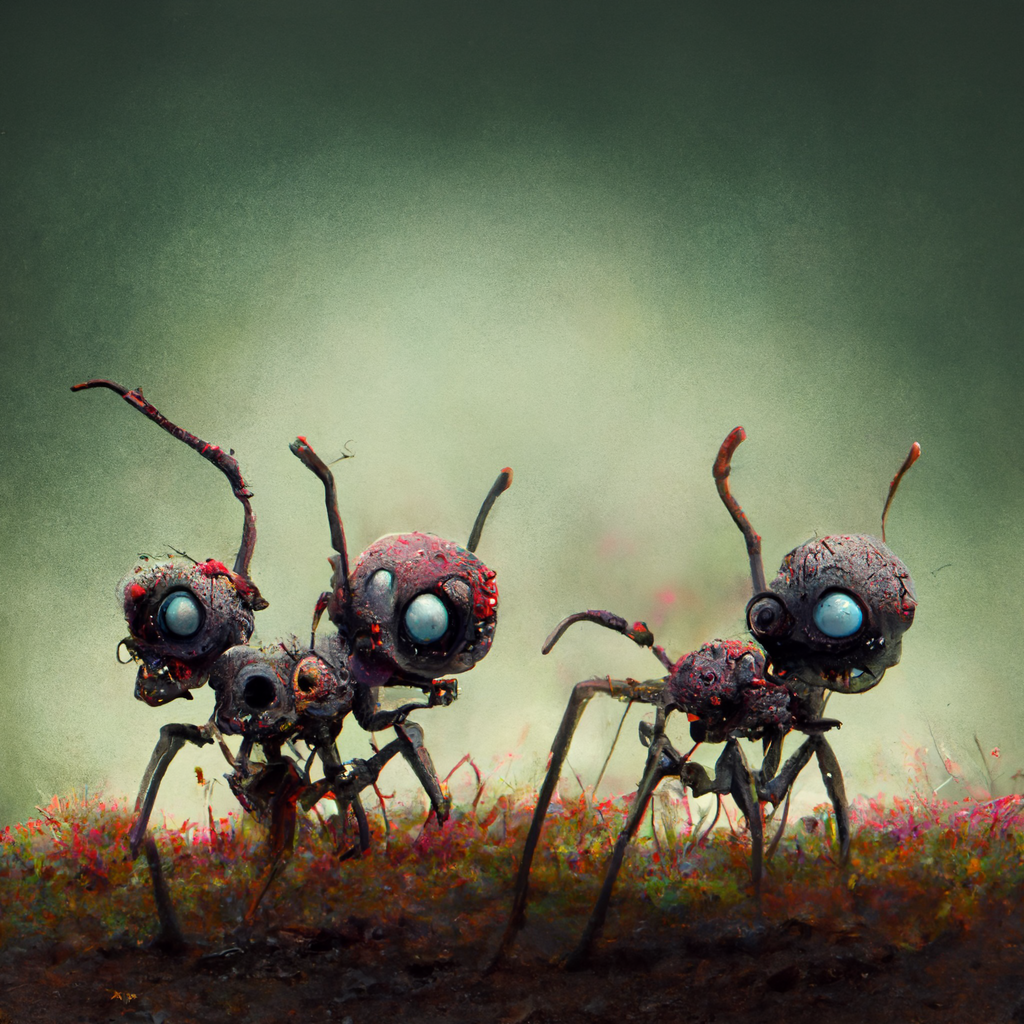
How zombie ants might be imagined for a scary movie
You might not think of your backyard as a hotbed of biodiversity, but it’s actually teeming with all sorts of different insects, spiders, and other arthropods. From bees and butterflies to beetles and bugs, these creatures play an important role in our ecosystem. Unfortunately, they’re also under threat from a variety of factors, including habitat loss, pesticide use, and climate change. By taking steps to create a more hospitable environment for them, we can help to protect these essential members of our ecosystem.
Now you know there are a variety of different types of cool insects and spiders that you can find in your backyard and around your house. Each one has its own unique features and behaviors. By taking the time to learn more about these creatures, you can appreciate the many different ways that they contribute to the world around us.
Did you enjoy learning about these creepy Halloween-y creatures? If so, why not show us!
Share your favorite creepy-crawly picture and tag us on Instagram, Facebook, or Twitter!
Want to do more?
Become a Forest Defender today! Your monthly gift will protect the biodiversity of the South.
Join our email list to get new Biodiversity in Your Backyard sent directly to your inbox!
Planning on taking it easy this weekend? Does pizza and a movie sound like a perfect night, but you’re still unsure what to watch? Or maybe you want to try to watch something different but don’t know where to start? We got you. These environmental fiction movies are sure to scratch that itch.
As climate change and environmental conservation remain one of the most serious and urgent issues we’re facing, filmmakers are focusing on these topics and bringing them to the big screen.
We’ve rounded up some of the best environmental films of all time. We tried to choose a variety of genres, from animation to drama to science fiction. Everyone will find something to enjoy on this list, so keep reading!
What it’s about: Two astronomers try their hardest to warn the Earth about an impending comet strike that will destroy the earth. This comedy is a tongue-in-cheek allegory for what could happen if we keep on our path of climate self-destruction.
What we liked about it: It provides strong social commentary about pop culture and environmental health. There is a twist at the end that may surprise you.
How to watch: Available to watch on Netflix.
What it’s about: Two corporate sales partners arrive in a small town to secure drilling rights for a natural gas company. They believe that the economic decline has done their work for them and that the townspeople will happily accept whatever offer they make. However, they don’t consider the objections of a respected school teacher and the leader of a grassroots campaign.
What we liked about it: It shows real problems that small rural communities face and that sometimes don’t get enough attention. There is a twist at the end that may surprise you. This movie shows the importance of environmental justice.
How to watch: Available to watch on Amazon Prime Video.
What it’s about: In the movie we are introduced to two existential detectives and their work with a coincidence-obsessed leader of the local Open Spaces Coalition and a young corporate employee whose life is falling apart. There’s also an anti-oil fireman who only rides a bicycle, a French philosopher creeping around the edges of the story, an African refugee autograph collector, and the human search for universal connectivity.
What we liked about it: Despite being a dark comedy, it addresses complex topics and questions around the environment and humanity. This playful and existential comedy may not be typical, but why not give it a try?
How to watch: Available to watch on Amazon Prime Video, and YouTube.
What it’s about: In Princess Mononoke, the march of the Iron Age threatens the peace and harmony of the world as it has existed forever. Ashitaka is a demon-cursed young man who goes in search of a cure. He finds a battle being waged between the inhabitants of Iron Town and the creatures of the spirit world tasked with protecting the forests. Ashitaka is human and part of the progress of time, but he finds his loyalties torn between nature and humanity.
What we liked about it: This is not a simple story of good and evil. The characters have motivations that drive them to act in the way they do. We liked the the way female characters are portrayed in this movie. This gorgeous movie will show you that animation is definitively for everyone. You’ve probably heard of Studio Ghibli or Hayao Miyazaki before. If not, Princess Mononoke is a great introduction to their amazing work.
How to watch: Available to watch on HBO Max, YouTube, and Amazon Prime Video.
What it’s about: This science fiction movie is set in an overpopulated world. People survive on food rations that the Soylent Corporation produces, and they’ve just released a new product: Soylent Green. When the director of the Soylent Corporation is murdered, a detective finds himself in the midst of a massive cover-up. He finds he’s the target of assassination to protect the secret of Soylent Green.
What we liked about it: This seminal sci-fi movie shows us the potential consequences of our food systems and environment becoming overwhelmed. The storyline is full of mystery and suspense that will keep you engaged. You may already know the twist, but it’s still worth watching.
How to watch: Available to watch on Amazon Prime Video and Google Play.
What it’s about: In this animated movie we meet Crysta, a fairy who lives in FernGully, a rainforest in Australia. She’s never seen a human before. In fact, she thinks they’re extinct. But when a logging company comes into the forest, she learns the truth. She even accidentally shrinks a logger named Zak. Now Zak sees the damage that his company is doing, and he helps Crysta try to stop them. They also encounter Hexxus, an evil entity who feeds off pollution.
What we like about it: Those of us who grew up with FernGully will never forget Crysta’s heartbreaking line, “How can you live without trees?” The film is a great way to introduce young people to environmentalism. Plus, the movie features a bunch of cool Australian species.
How to watch: Available to watch on Amazon Prime Video.
What it’s about: This movie is inspired by a real-life legal battle against DuPont over the release of a toxic chemical into Parkersburg, West Virginia’s water supply. A lawyer uncovers a dark secret that connects a growing number of unexplained deaths to one of the world’s largest corporations. While trying to expose the truth, he soon finds himself risking his future, his family, and his own life.
What we like about it: Since it’s based on a true story, this movie helped to create awareness about industrial pollution. The filmmakers and star, Mark Ruffalo, also participate in campaigns to raise awareness about these topics.
How to watch: Available to watch on Hulu and Amazon Prime Video.
What it’s about: This movie is based on the classic Dr Seuss book. Young Ted lives in a place devoid of nature. No flowers or trees grow in the town of Thneedville. Ted wants to win the heart of Audrey, but he must find what she most desires: a Truffula tree. Ted meets the Lorax, once the guardian of the forest, and he also meets the greedy Once-ler, who harvests the Truffula trees. They discover how his harvesting of the tufted trees is changing the landscape forever, despite the Lorax’s protests.
What we like about it: The film shows what humanity’s greed can do to the environment. This movie is another good way to introduce children to environmental preservation. Though it’s a movie for kids, people of all ages can enjoy it.
How to watch: Available to watch on Netflix, and Amazon Prime Video.
What it’s about: A woman spends her days renovating the Victorian mansion that she lives in with her husband in the countryside. A stranger becomes an unexpected guest in their home. Later, his wife and two children also make themselves welcome. Terror strikes when the wife tries to figure out why her husband is so friendly and accommodating to everyone but her.
What we like about it: This horror-thriller may not seem like an environmental movie at first glance. But the movie contains a deep environmental message. It addresses climate change, overpopulation, and global extinction. Mother! is truly a movie about mother nature.
How to watch: Available to watch on Hulu, Paramount +, and Amazon Prime Video.
We asked our staff what their favorite environmental movies were, and here they are!
What it’s about: Two Mexican filmmakers are shooting a film in Bolivia about the conquests of Christopher Columbus. They become embroiled in controversy when their film schedule runs up against the Cochabamba protests. The local Native people are rising up against the privatization of their water supply. As the production encounters problems and the riots escalate, tension rises among the film crew.
What we like about it: This drama draws attention to the colonization and exploitation Native populations have faced and continue to face.
How to watch: Available to watch on Netflix.
What it’s about: Studio Ghibli also produced this animated movie. We meet a community of magical shape-shifting raccoons struggling to protect their forest home from the destruction of urban development. Together, they’ll use all their supernatural powers.
What we like about it: The film shows how progress in society and the loss of tradition can harm nature.
How to watch: Available to watch on HBO Max and Amazon Prime Video.
What it’s about: After an apocalyptic conflict has devastated much of the world’s ecosystem, the few surviving humans live in scattered “toxic jungle” environments. Young Nausicaä lives in the arid Valley of the Wind and can communicate with the gigantic insects that live in the dangerous jungle. Along with a veteran warrior, Nausicaä works to bring peace to the ravaged planet.
What we like about it: Nausicaä is an empathic leader we could all look to right now. Probably the most interesting thing is the parallels between the film and 2020. The people in the film have learned to live with toxic spores, wearing face masks on a daily basis to protect themselves. We’re also learning to live with the COVID-19 virus, which has a lot of us wearing masks on the daily too.
Where to watch: Available to watch on HBO Max and Amazon Prime Video.
What it’s about: A young girl named Mija lives in the mountains of South Korea. There she raises a genetically modified “super pig” named Okja. A multinational corporation takes Okja to the United States. Mija must go on a mission to rescue Okja from mistreatment at the hands of the meat industry.
What we like about it: The film throws light on capitalism and corporate greed. Another main topic is animal cruelty in the meat industry. For vegetarians and non-vegetarians alike, this movie will make you think deeply about the meat industry for a long time.
Where to watch: Available to watch on Netflix.
Many people and organizations are documenting the impacts of logging in the United States. The large-scale industrial logging rate is high, especially in the US Southern coastal plain. The Southern US is known as the “wood basket” of the world. This region’s forests are cleared at a rate four times that of South American rainforests.
Low income rural communities in the South are at the mercy of forest industry expansion. This not only puts community health at risk but also stops or slows widespread economic prosperity. Here we’ll talk about the logging rate, by state and region, in the US South. We’ll also discuss:
We care about logging rates because they show us if the forests around us are healthy. The best way to fight climate change is to protect healthy, intact forests.
Since “logging rate” isn’t an official phrase, we’ll focus on forest clearing. While some forest clearing may be due to other sources, most forest clearing in the US is through logging.
One way to measure the logging rate is to look at yearly forest loss via satellite. Dr. Matthew Hansen, at the University of Maryland, has been the lead scientist on this mapping project. Plus, it’s easy to use over at the Global Forest Watch website. This is the information we’ll use to talk about the logging rate below.
Here’s a map I made showing the forest clearing for all the years that I could access (2001-2019). Every colored pixel represents a loss of forest cover. The different colors represent different years:
Rural communities near a wood products plant are more likely to deal with noise, dust, and truck traffic. These Southern communities need to know about the forest destruction in their backyards. For our purposes, I’m defining the “US South” as nine states :
Across this nine state region, an average of 2.3 million acres were cleared each year from 2001-2021. As a result, a total of 49 million acres have been cleared from the South in the last two decades. This is an area roughly the size of South Dakota. For each state, there’s a brief summary of the data and then a final table that combines it all.
From 2001 to 2021, Alabama has lost an average of 370,865 acres of forest per year to forest clearing activities. A total of 7.7 million acres of forest cover has been lost over two decades.
From 2001 to 2021, Arkansas has lost an average of 225,020 acres of forest per year to forest clearing activities. A total of 4.7 million acres of forest cover has been lost over two decades.
From 2001 to 2021, Florida has lost an average of 235,914 acres of forest per year to forest clearing activities. A total of 4.9 million acres of forest cover has been lost over two decades.
From 2001 to 2021, Georgia has lost an average of 402,814 acres of forest per year to forest clearing activities. A total of 8.5 million acres of forest cover has been lost over two decades.
From 2001 to 2021, Louisiana has lost an average of 229,823 acres of forest per year to forest clearing activities. A total of 4.8 million acres of forest cover has been lost over two decades.
From 2001 to 2021, Mississippi has lost an average of 287,971 acres of forest per year to forest clearing activities. A total of 6 million acres of forest cover has been lost over two decades.
From 2001 to 2021, North Carolina has lost an average of 226,790 acres of forest per year to forest clearing activities. A total of 4.7 million acres of forest cover has been lost over two decades.
From 2001 to 2021, South Carolina has lost an average of 210,666 acres of forest per year to forest clearing activities. A total of 4.4 million acres of forest cover has been lost over two decades.
From 2001 to 2021, Virginia has lost an average of 143,690 acres of forest per year to forest clearing activities. A total of 3 million acres of forest cover has been lost over two decades.
The table below is the easiest way to show you the specific state and year you might be interested in.
Logging generates some money for forest landowners and local governments. But a “forest economy” does not need to be like this. Vulnerable communities benefit more from the ecosystem services that forests provide. Forests provide natural flood control, air filtration, and clean water. We lose these services when forests are logged. Instead we get:
No one wants to live in or visit a clearcut. Industrial scale logging scars the landscape. It leaves ugly clearcuts that often don’t regenerate well or quickly. Some people say that because logging happens on private land, it’s none of our business. But studies have shown that living in a place with intact forests increases property values. In other words, a beautiful and healthy place to live does not include intensive logging practices.
Finally, where forests are valued only for their wood, natural forests may soon be replaced by pine plantations. Pine plantations are basically the cornfields of forests. They require a lot of extras, like pesticide and herbicide applications, to make them ready to harvest. In contrast, communities that value forests for the benefits they provide are more likely to keep diverse natural forests.
There’s evidence that logging reduces the number and type of species (“biodiversity”) that live nearby. When plantations replace natural forests, the biodiversity can also decrease. Studies show time and time again that logging hurts wildlife.
Ecosystem services are the free services that forests provide to us. For example, forests provide natural flood control, air filtration, and other critical services. Forests also provide a place for us to find food through hunting, fishing, and gathering. We recreate, rejuvenate, and refresh ourselves in forests. They are a life support system for not only humans, but animals, too. And when we consistently log forests, we experience detrimental community impacts.
Companies say that they’ll bring jobs to a community. But rarely does a new wood pellet mill bring widespread economic prosperity. Forest destruction often benefits a few who don’t live in the region where the facility operates. For example, Enviva HQ is in Bethesda, Maryland, but Enviva plants operate throughout the rural South.
Living close to polluting industries has serious drawbacks. Neighbors complain about the 24/7 noises, pollution, smells, and truck traffic. Many local communities next to forest products mills say their quality of life has gone down.
Thriving rural communities need the critical life-supporting services that forests provide. Logging contributes to a destructive economic system that puts profits over people. A forest economy NOT based on logging creates healthy jobs and other community benefits. If you’re ready to take action, make your voice heard for the forests of the South. Tell President Biden to act on forests today!
Welcome back to another episode of Woods & Wilds: The Podcast. We are now on Episode 4 of Season 3! In this episode we’re joined by artist, environmental scientist, mountaineer, and educator, Leandra Taylor. Leandra shares the story of when she was a member of one of the first all-Black American teams to hike Mount Kilimanjaro. She tells us how she overcame fear on her journey. Leandra Taylor is the Community Outreach Coordinator at Southern Appalachian Wilderness Stewards.
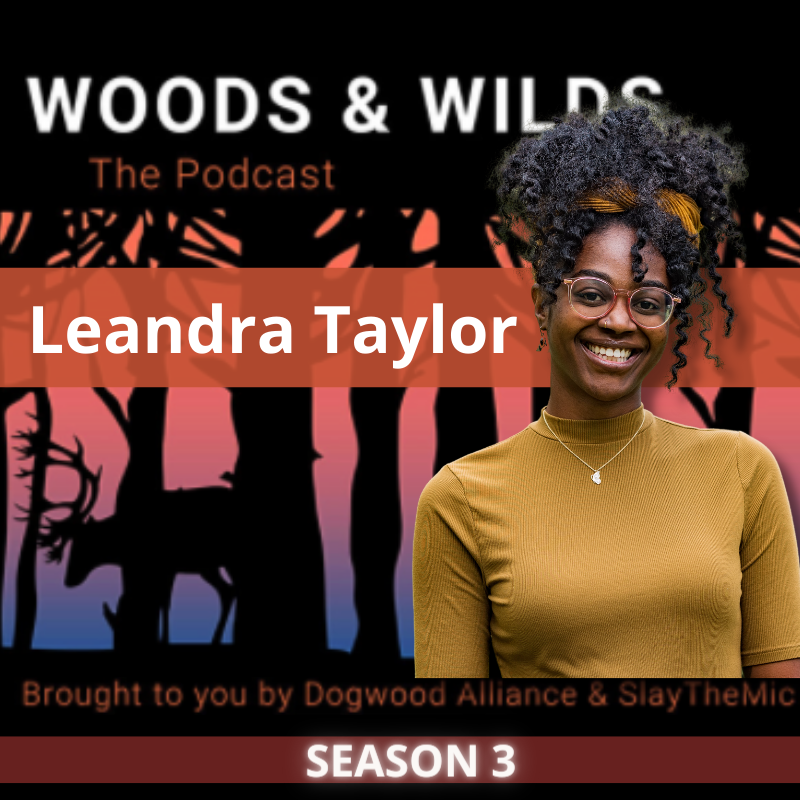
Leandra Taylor is an artist, environmental scientist, mountaineer, and educator based in Asheville, North Carolina. She’s currently working as the Partnership and Community Outreach Coordinator for the Southern Appalachian Wilderness Stewards (SAWS). Leandra focuses her efforts on building meaningful community relationships and creating partnerships to support equitable access to nature. She is passionate about communicating and interpreting science for the public. She’s dedicated to helping Black and Brown people reconnect with nature. In her free time, she enjoys hiking, bird watching, and nature journaling.
Join Dogwood Alliance and SlayTheMic as we bring you tales of connection to nature and music.
Want to listen to more?
Read the full transcript of our interview with Leandra Taylor!
Elizabeth: Hi, everyone. I’m Elizabeth Lashay with SlayTheMic. I am so excited to be here and I am joined by my amazing co-host…
Kimala: I’m Kimala Luna with Dogwood Alliance. And today we’re joined with Leandra Taylor. Leandra is an artist, environmental scientist, mountaineer and educator based in Asheville, North Carolina currently working as the partnership and community outreach coordinator for the Southern Appalachian Wilderness Stewards, otherwise known as SAWS. Leandra focuses her efforts on building meaningful community relationships and creating partnerships to support equitable access to nature. She has a passion for communicating and interpreting science to the public and helping Black and Brown people reconnect with nature. In her free time, she enjoys hiking, bird watching and nature journaling. Welcome Leandra!
Leandra: Wow. Thank you so much. That was a great introduction. Sometimes when I hear my bio, I’m like, I don’t know. How do you boil down your identity to a couple sentences? But very happy to be here. Thank you.
Elizabeth: Well, I’m excited to not boil it down, but simmer it up a little bit and just ask you when did you fall in love with nature?
Leandra: One of my favorite questions. I feel like my answer’s always evolving, but most recently I realized that nature has always been around me. It’s always been one of my favorite things. And growing up, I grew up in a house in Colorado Springs and I’m an army brat. So I feel like nature was the thing that kept me grounded. And so my backyard growing up had all these beautiful things. There were rose bushes that were pinks and reds and whites. There was a huge sandbox that I could go out for hours and just take spoons from the house to have all kinds of kitchen wear for digging tunnels. There was this huge tree and just tons of grass. And so I feel like that was really my first time fostering, what I didn’t realize was a deep connection with nature
And it was a place to foster my imagination and my love for adventure and climbing and all these different things. And so I feel like that was my first taste. And I feel like in my adult life, it really evolved more into hiking and more of the things that you think of when you think of outside, which I feel like we should dive into what does it mean to be outside? I feel like at a young age, I realized that nature is my thing, very much into watching the ants crawl around and animals and all those things. So I feel like Steve Irwin and other influences really created opportunities for me to just see the world. And I don’t know that I really imagined myself in the world or what that meant to me, but I knew that I was enamored with nature.
Kimala: I love that. And I love that we’re kicking off the podcast, this episode, with love because I think it was Einstein who said that there is this incredible force in the universe that even scientists have a hard time understanding and it is love. And it perpetuates us in all of these really wild ways. So talk about how your love for nature ended you up into this place you are now where you support equitable access to nature.
Leandra: Yeah, for sure. So one of the things I realized in my adult life was A, that I was very privileged for the access that I did have as a kid. So I had this huge backyard, well, huge as a kid, but this backyard to myself and my brothers, but also I’m staring at the Rocky mountains. I’m looking at this beautiful range of mountains that I’ve never actually been into. I still haven’t in my adult life. And so when I think about that, I think about what were the spaces and access that weren’t available to me? And I think that carried on into college. I went in undecided, but I was really intrigued by an environmental science class and just the impact that humans have on the environment. And so I realized there’s always going to be people advocating for animals, but I don’t know that I always see us advocate for each other, especially those that are Black and Brown and marginalized identities.
And so I think as I started getting into this field, I realized it’s really hard. I had a degree in environmental science, but I didn’t know what job I could have and the opportunities that I saw available were more internships. And so there really wasn’t space to be paid full time and pay for your passion type of thing. And so I feel like I was really living off of feeling good about what I was doing. As I was getting into my career, I realized this is my niche. My niche is I love science and I love communicating that to people that don’t have a science background. And I was working with all these different PhDs that they were talking at a PhD level. I’m like, listen, I don’t know if everyone knows what you’re talking about.
As my career grew, I discovered a community of Black people through a nonprofit called Outdoor Afro. If you’re not familiar, you should look them up. For me, this was the point at which my Blackness and my love for nature and my scientists identities were no longer separate. This is when all my worlds were mending together in this really beautiful, poetic way and I started to explore Blackness in nature. And what does that mean to reconnect with nature, right? And to discover the parts of yourself that you didn’t know you had to do the things that you didn’t know you could dream of. And so I realized that A, although I had grown up in most of these spaces being the only Black person, there was so much community already existing, and there were so many people already dedicated to building upon that community.
And so when I brought that back into my career, I realized there is a space to reach my hand back and provide that space an introduction, a reconnection with the next person that’s Black or Brown that hasn’t had that opportunity to find what it is that they love about nature. And so I’ve been on all these different hikes that have transformed me and made me feel like I just want other people to feel this right here. Just stand outside, breathe some fresh air, feel like a small person in a huge world, or find those little things that just inspire you. And so I realize that’s what I wanted to do. I want to share that. And I want to find a way to share that. Whatever that looks like.
Elizabeth: Man, that’s absolutely beautiful. And I think intersects really well into my next question and representation matters. And when you’re talking about Steve Irwin, he didn’t look like me. He was not my shade, and I didn’t see many people hiking that looks like me. And so when you are looking into the future, just really quickly of the intentional community building, what is that dream that you have for your community, for the community to get involved with environmental sustainability, justice, and knowledge? Just pure knowledge.
Leandra: Yeah, for sure. I totally agree. And I used Steven Irwin, A because he really did inspire me, but B also because of that disconnect, right? As much as I watched him growing up, I never dreamt of being a wild Black biologist. I didn’t quite connect those dots for me that that was something I could do. And I’ve realized it throughout my career that representation is important. It’s important to have people that relate to your experience growing up that understand the barriers that you face, like the environmental impacts of the things like, do you have clean air? Do you have clean water? Do you have people that represent those different mindsets and understand that. There is an assumption that Black people have no interest in nature or they have no interest in the impact or climate change and that’s not true.
And not only is it not true, but they’re disproportionately impacted by those different things. And so I feel like it’s important to be represented because it really speaks to what’s already happening. And I think when you’re not represented, you assume that it doesn’t exist and it’s stolen the opportunity for you to connect with what’s already existing. There is already a community of Black people and Black and Brown and marginalized whatever identity that do identify with the environmental movement and realize whether through lived experience, not having clean resources or through advocacy and advocating for green spaces or for the opportunity to go outside. And so when I think about the future, I love affinity spaces and I love affinity groups, but in my ideal future, those spaces don’t exist out of necessity. They’re no longer trying to create visibility. They are just a community that you can become a part of and exist in the outdoors.
You no longer are fearing for your safety in the way of… Some people aren’t worried about the wildlife, they’re worried about who they’re going to encounter on the trail. So I feel like addressing that and realizing that everyone has a different experience outside, everyone goes outside to enjoy it in different ways and it doesn’t have to be the same thing. It doesn’t have to be running up a mountain as fast as you can get up, but it could be just taking a stroll and enjoying nature in that way. And so I think when you have opportunities to enjoy nature and connect in a genuine way and create your own connection, then you’re more likely to be invested in stewardship and in climate change issues and things like that because you realize it does impact you, but also you have a voice and you matter in those issues. So I think representation allows you to hear your voice, whether or not you’re already talking. I feel like there are already people talking and saying these things and doing it and not allowing that space representation, it steals that voice, I think.
Kimala: Hmm. I feel like that speaks directly to changing your belief in what’s possible. So I was wondering if you have an example for you personally, or a time you observed somebody encountering nature and having that impact their belief in what is possible.
Leandra: Yeah. So one of the things I love talking about is when I climbed Mount Kilimanjaro in 2018, and this was for me… It turned my life around in so many different ways. It opened my eyes up to levels of possibilities that I was like… I heard this recently on another podcast that the human mind is so limited in the possibilities that it believes in. And when we limit ourselves to that, it’s just that the possibilities are finite, right? They end at what you can think of. And so Mount Kilimanjaro for me, so I joined alongside 11 other volunteer Outdoor Afro leaders at the time. And we were on an expedition to become one of the first all-Black American teams to summit Mount Kilimanjaro. So I went to my first training that year as a new Outdoor Afro leader and just very new to the idea.
I didn’t have any camping experience. This was my space that I was going to be learning my skills in the outdoors. And Phil Henderson, actually one of the members of the full circle Everest expedition that just summited Mount Everest, was on this screen and he had this invitation for us to go to Mount Kilimanjaro and for us to experience the climbing culture of Tanzania, Africa. And so before this, I hadn’t even thought of this. I never thought I was going to climb Mount Kilimanjaro, but as soon as I heard him describing this adventure, I knew I’m doing this. I don’t know what I’m going to have to do, but I’m going to do this. And so we trained for a year and we ended up, 13 of us, going to Mount Kilimanjaro alongside our porters and guides.
So our team was like 40 people, and it took us six days to get to the absolute peak of the mountain. But what I realized along the way, and one of my favorite things to repeat is that the summit isn’t always the top. Our end goal was the top of the mountain, but each of us at different points, whether it was the highest point or on the journey had reached our summit point. For me, that was the third day and so this day we were hiking to like 16,000 feet and we were going to camp at 13. So we started at 13, 16, 13. It was a pretty intense day. We were out there in the volcanic rocks at this point in our climb so we were exposed to the sun and we ended up stopping for different breaks. And so at the halfway point, I wasn’t feeling great.
I was like, I hadn’t eaten enough lunch. I don’t think I had enough fluids. And honestly, I had spent most of the lunch period taking my first poo on the mountain, which I’m like, let’s normalize talking about using the bathroom outside. So that was a magnificent experience, but also ate up most of my lunchtime. And so halfway through the day, as we’re descending down this valley to camp, I’m facing my fear of Heights now. This is one of the things that I knew going in, but was just like, I guess I’ll figure it out when I get there. So we start going down this valley and my body is almost panicking. I’m like, this is so steep. I have to trust my legs, and so at this point, in my head, I’m repeating, my body is strong. My legs are strong. My mind is strong.
I’m just repeating that over and over again because I’m stopping myself from what is quickly becoming a panic attack. And my teammates we’re all singing. They’re kind of distracting me with questions and things, but my body is quickly getting tired and fatigued. We’ve been out all day and we’re looking at camp. I can see the tents in the distance, but it just felt like we’re on this treadmill. We’re not moving. One of the guides, Abdi, took his hand into mine and said, “Just lean your weight on me.” There was so much trust in that moment to be able to actually lean my physical weight on him, and we eventually got back to camp and I’m just like dog tired.
I lay down in my tent and they end up giving me this… I think it was powdered milk with water and something else. And I immediately was like, oh no, I’m not going to be able to hold this down. And so I’m in the tent by myself trying to quickly unlock it and I didn’t make it. So I ended up throwing up inside my tent and I was really embarrassed because I’m like, ugh, I don’t even know what’s happening. So I call out, one of my teammates comes out and she’s like, no, this is nothing. She helps me clean it up and she invites me to dinner. And so they take my vitals, they’re like, you’re good to climb. And the guide said to me, you just need to rest. You need to drink water, you need to eat and you need to stop thinking and go to sleep.
And I’ve never had somebody tell me in four bullet points all of the ways that rest is the most important thing. And that’s the only thing that’s going to help me recover. So I get as much dinner as I can down. I go lay down in my tent and I remember thinking I’m not done climbing yet. As tired as I am, I’m to my mental and physical limits, but I’m not done. And so I fall asleep in my cozy little sleeping bag. And I describe this moment as my caterpillar in its cocoon. I definitely feel like that night was a metamorphosis for me. I woke up that next day feeling so recharged and so proud of myself that I had done the hardest day for myself. And so I knew the next day we would be climbing the Bronco wall, which is one of the steepest parts of the mountain.
It’s kind of like a free scramble. So again, you’re on this steep face and I wasn’t afraid of my fear of heights this day. It’s hard to describe being able to wake up that day and say I’m ready for this because I just did the day before. I blew myself away in one moment. I think even now when I reflect on it, it feels almost like an outer body experience. I’m not sure how I was that strong and could just recover from a night’s rest. And so that moment for me really taught me my limits were self-imposed. I was telling myself I couldn’t do it until I proved to myself that I could. And throughout that climb, there were different things that just really showed me how important support is, who showed up for me and how much they invested in my success.
And so I did end up making it to the peak of Kilimanjaro 19,341 feet. And there was just this beautiful silence at the top. And I remember thinking, this moment wouldn’t be possible had I not reached my limit two days ago. So that climb for me, it taught me so many different things and I reference it every day and look at it for a guide, but it taught me a lot of different things and not only about how important the journey is and all those cliche things, but really my limits were self-imposed and I learned the most important things on my journey to the top of that mountain.
Elizabeth: Well, we can just cancel the rest of the podcast. That is absolutely amazing. I wrote that down. My limits are self-imposed and what a beautiful journeys. Thank you so much for sharing. When you’re working with youth, how have you been that person to affirm and provide those four bullet points? What are you doing with youth development? How are you encouraging them based upon your own experience of your mental toughness?
Leandra: Yeah, for sure. Well, one of the things that I definitely encourage them is leaning into the qualities that truly shine. I think oftentimes kids are leaders and aren’t even realizing it. I definitely love to point out to kids the qualities that they don’t see in themselves. And so one of my favorite things is pointing out the leaders. I had a conversation with the youth last year and he was clearly leading his classmates in the direction of fun. Right? And as distracting as that is, I recognize I’ve had those moments when I was a kid, and what you’re doing is a great thing, right? You’ve captivated your classmates and they’re doing what you’re doing. And so I told him, “I want you to know that you’re a leader and the things that you decide to do influences the people around you. And you can use that for whatever you decide.”
And he was like, “Well, I love reading and I love sports at the same time.” I’m like, “You can do both. I was an athlete and I love to read and it helped me get to college and all these different things.” And so he was like, “Wow, you used to play basketball?” And in that moment, we’re connecting over something completely different, but he’s realizing this might translate into something else. And I don’t know if that’s a conversation that he’ll remember forever, but I hope that for him, it planted that seed of individuality is okay. It’s okay to want things that are the same and different from your classmates. Right?
And for me, nature is a place that lets you explore that, right? It lets you find what that looks like for yourself. And so I really encourage kids to run, to find things, to use their imagination, to tap into their senses. What are you seeing? What are you touching? How does that make you feel? But also think about when you sit and rest, can you hear different things in nature and how does your body feel? Do you feel rested right now? Do you feel anxious? What do you think is out here with us? And then providing those pieces of information that make them feel more safe and trusting of their environment. So let’s talk about wildlife. What would we see out here and how do you behave in that situation? How much water should you bring?
Is one 16-ounce bottle going to be enough to fuel your body? Did you bring food? What does that look like? So I think it looks different when you’re having those conversations with the kids versus when you’re preparing the necessities of being outside. So food, water, transportation, but really encouraging kids to think about what are you putting into your body? So eating fruit and having those different snacks that aren’t overly sugary, right? You do need sugar as fuel, but not necessarily that chaotic pixie stick amount of sugar. So I think just encouraging thinking about creative ways to see themselves in the outdoors, whether that’s as the adventurer or just a reader under a tree. But yeah, I think nature is a necessary space for kids in a lot of different ways.
Kimala: I want to go back to this thing you said about how the personal summit was reached before you got to the actual summit. I was thinking about how oftentimes when you were about to experience an intense amount of growth, you do experience a real big growing pain or this sort of dark moment that is actually ultimately good and necessary. Have you experienced… I mean, I almost know the answer to the question because I know the state of the world and I know what’s happening to our natural environment and the inhabitants of this planet, but in your career, have you experienced this personal summit that wasn’t necessarily the peak and what did it look like?
Leandra: Ooh, yeah. I would say actually around the same time that I was climbing, I was preparing to climb Mount Kilimanjaro along that same line, I was really falling in love with the metaphor of climbing a mountain because in a literal way when I get on the other side that’s not, my life is going to look really different. My dad’s going to have retired from the army. My mom started a new job and I was trying to figure out what I was going to do for my job at the time. And so my contract had ended and for me at that point, I would say that a lot of my self-worth was tied into my career identity. So if I didn’t feel like I was succeeding in that way, that took it such a huge toll on me. And I was like, I’m a failure.
I’m not accomplishing what I came to do when I moved to Albuquerque. It took me a while. I moved back home to Texas afterwards and really was distraught to leave Albuquerque. I felt like I didn’t accomplish what I came here for and it wasn’t until I stepped away and was basically on the other side of that peak when I descended from what was the peak of I moved there in 2014 with no experience, and now I’ve made my way almost five years into this. And when I took a step back to realize the journey I had been on how far I had actually come and the things that I had accomplished, I was so proud of that. And I realized that I had spent so much of my time trying to justify why I was in this field, why I was in the rooms and conversations I was in, instead of leaning into the parts that bring me joy and the parts that pour into me, which is connecting with my community and creating spaces for them and the outdoors.
And so I contemplated leaving this field and I worked different jobs that weren’t related to the environmental field and was really thinking about well, what am I going to do next? Because I don’t want to continue to think that my self-worth is less because I’m not seeing the opportunities or I’m not being paid what I think my skillset is worth. And, almost serendipitously, someone that I had met a few years earlier during a conference reached out about a job opportunity. And that’s how I got into the job that I’m in now. And so it turned into a full circle moment when I realized that what I thought was a really crappy situation was really the fertilizer for the next thing. So I had prepared myself with this skillset and now a seed that I had planted years ago is actually blooming into this brand new opportunity where I have the opportunity to do all the things I dreamed of, to operate in a space of partnership in community, but also creating access for the people that, not only through jobs, that I can relate to that struggle to find a job in this field that they feel validated in, but also to the people that just want to be outside, finding your moment in nature.
And so that was my peak, right? That was my moment when I realized that I didn’t actually reach my summit when I thought I was achieving that job. It wasn’t until I came back and realized self worth that I reached that summit for myself and that I realized it’s me, it’s not the job. It’s not whatever I’m doing and even when I write my bio, I don’t start with my job anymore because that’s not what defines me and brings me worth. So that was my lesson out of that, out of that peak moment, out of that summit isn’t the top that I would use as an example in my career where that metaphor was something that I took comfort in knowing that I had reached this peak, literally, on Mount Kilimanjaro, I can do anything, but also I have all these skill sets that I know I bring to the table so that I don’t have anything to worry about.
Elizabeth: Whenever I am sitting here thinking about just what you have shared thus far, and then what you are doing in the community, it seems like you’ve been doing this since you came out of the womb. And sometimes that can be… When someone’s wanting to lean into their activism, their leadership, it can be intimidating because it’s well, do I have the qualifications? Or where do I start? So what is some advice that you would give to someone who is just finding their way into wanting to create change?
Leandra: Yeah, absolutely. So I feel like I’ve been faced with this a couple times in my career, probably more than a couple, but where that inner imposter creeps in, almost another person is sitting in the room telling you in your ear, “Why are you doing this? Who said you could do this?” And you realize, that’s your inner imposter, your self-doubt person. And as relevant as that voice is, I need to hear that for myself, but I don’t need to let that person drive the boat. So what I found most comforting when I felt like I had a supervisor when I was first starting out that made a comment about schools giving out degrees that aren’t really degrees. And that tore me down so much. I had just graduated and I felt like, man, I just did all this work. How could I not have what I need right now? And so I found strength in leaning into the skill sets that I knew I did have.
So I know I enjoy public speaking. I know that I can interpret science. I know that I can build relationships in community. And so that’s what I’m going to worry about. I’m not going to sit and worry about the skill sets that I don’t have because I think I’ll stay in a space of a lack mindset. My piece of advice would be to lean into the things that you know you bring to the table instead of focusing on the things that you don’t think you have. When we do that, we find what we really bring, what our niche is, what our secret language is, the thing that’s unique to you and how you can bring that together. So, yeah. I found a lot of comfort in that instead of focusing on the things that the world was telling me. You need to do this, you need to have another degree to even talk about this. And really, I didn’t. I had relationships that I was forming and things that I was doing for myself that have become really fruitful. So had I listened to that self doubt voice or listened to those people that told me you don’t have those skill sets, then I wouldn’t be doing the things I’m doing today.
Kimala: What are some of your restorative practices that you do when you feel like your cup is becoming empty?
Leandra: Oof. So I’ve been talking about this with my therapist a lot recently and figuring out what does it look to pour back into my own cup? And so one of the things I’ve been doing, trying to focus on my workday and outside of work. So during my workday, I try to make sure I insert a sunshine break or a stretch break or some moment to just get away from the computer and make sure I’m giving my brain space to not stare at a screen, but also thinking about what’s my social meter? Am I feeling really social right now? I am a partnership coordinator, but that doesn’t mean I have to force myself into spaces that I’m not feeling up to. Outside of work, does that look like taking care of myself? Definitely looks like hydration.
I think for what that’s one of those things that I definitely sometimes slip up on hydration. I’m like, girl, you need to be drinking water. So hydration and rest are things that I’ve been really focusing on and food as a love language. So I think sometimes I struggle with my relationship to food and I’ve been trying to think more as a love language to myself and to people around me. To nourish our bodies together and to really enjoy meals and think about the things that we’re nourishing ourselves with. And then the things that bring me joy. So that’s clearly time in nature, frolicking in nature, nature journaling, watching birds, but also time to unwind, read a book, wash my hair, re-twist my hair, get cute, things that make me feel good, too. So finding that balance of rest, restoration, but still joy. I think you have to always insert the joy, especially where we are now. I think everything is trying to snatch the joy that is so necessary for us. So yeah, finding moments like that, whether it’s just petting my dog. So that’s what I think that’s what that looks like for me.
Elizabeth: So when we look at environmental justice and climate change has been something that’s been in the news for years upon years, but how do we turn environmental justice into more than just a trend or a cool hashtag? How do we really embody that as a society, in your opinion?
Leandra: Yeah. Yeah. Definitely in my opinion. See, the environmental justice movement is one of those things where I feel like it’s always happening. It has been happening. And when we were talking about representation and having that voice is that voice being heard? If you’re yelling into a room of people that are just telling you to be quiet, are they even listening to what you’re saying? And so that’s one of those movements that I feel like ally-ship accomplice-ship, making space for those voices is really necessary part of that movement because I feel like there are people there that have those opinions, they’re doing the advocacy, they’re doing the work, but their voices aren’t being heard. And so I feel like that looks different for different communities, making sure that you’re creating that space for others to share their perspective.
And I feel, I hesitate to even say it because it feels enormous to say it, but not losing hope, choosing love instead of choosing things that don’t feel good. And so that feels like a lot to say right now, but I feel like choosing that is necessary. So really figuring out what does that look like to you? How do I contribute to this movement in a way that feels good to me? And that feels authentic to me. And so is that also making space for someone else?
Kimala: Yeah. I love that. I think it’s just a beautiful act of resilience to feel that or move towards joy and good feelings, even when it’s the most challenging thing. If there’s one thing that you wish the general population just innately understood, what would it be?
Leandra: Ooh, about anything? The thing that’s coming to me first to mind right now is just the value of each other as humans and our planet intrinsically. So the value that we have in and of ourselves, I think sometimes there’s this need to create hierarchies and systems of power, and it strips away our humanity and our ability to see each other as individuals, as people, as people with feelings and lives and emotions, but also people with needs and the same way we extract from each other, we’re also extracting from the planet at extremely ridiculous rates. And so consumption, I think, is also contributing to our inability to connect with each other and to have conversations and do the things that would really feed into a better society, into a better planet. So I think I wish people knew how easy it was to choose kindness.
And that sounds kind of cliche, but I think that the space that we’re in, it just feels really farfetched to say that. And I don’t think it’s that hard to not go out of your way to make somebody else’s day worse. So yeah, just the value of human lives and of our planet. And we’re really in sync. We are one, one planet, and one body. So it’s hard to think about that in the picture that we have right now, but in a perfect world, there would be more of an understanding of humanity as a whole and not as power structures and those things.
Elizabeth: I know SlayTheMic as a hip and R&B radio show. So we love to talk about music. For me, music is also a form of healing, just like the outdoors. Is there a favorite song or artist that you like to listen to?
Leandra: Yeah, so right now I’m really into Tems. Anything that she is coming up with, I am vibing to right now. And in nature, it just feels like it’s adding this new layer. I love to drive around with my windows down and just have the right song on. So really anything from Tems, but the past couple days, I have Avoid Things on repeat and I can just resonate with some of the lyrics in that song. And I just think her voice is so beautiful. I love her vibe. I am a Tems stan right now, so I that’s who I’m going with.
Kimala: Well, we are beginning to wind down. First, I just want to thank you like so much for the beautiful story about the mountain you climbed. That’s amazing. That was an incredible story and all the rich wisdom you’ve shared and just open the space up. If there’s something that we didn’t get to that you feel like belongs here.
Leandra: Yeah. No, this has been such a great conversation. I thank you. All of you for inviting me and having this great conversation. I feel really full right now, just like thinking of some of these memories, but also contemplating on some of the questions we’ve been talking about. I don’t know if there’s anything that I would add. I guess I didn’t share much about myself as an artist and that’s been a journey that has been… I’ve been kind of pouring back into that identity after spending some time saying like, oh, this is just a hobby. So now I’m standing in, I am an artist. So I did want to say that and just share that. And I’ve been trying to practice sharing more about myself and not even feeling it has to be like a humble brag, but just saying who I am. So, yeah. I appreciate this space today and this conversation and I thank you both.
Kimala: Well, real quick. So for those that are listening and can’t see what I’m about to describe, Leandra is sitting right before three paintings that look very bright and colorful and wavy. Did you do those?
Leandra: I did. I did. So these, I’ve been doing a lot of acrylic painting over the past year on my back porch, and it’s surrounded by trees. And so I go out with my easel and just listen to the birds and let the paint just kind of flow onto the canvas. And so these are some of the results of just kind of a free flow painting style and just decompressing the day. It’s one of my self-care, one of my main go-to’s is to be able to just paint on the porch and soak up some sun.
Kimala: They are so beautiful.
Leandra: Thank you.
Elizabeth: I love that. Yes. And you should claim all the things that you are all the time. And thank you for talking about that intersectionality and weaving your identity into just one because it is really important that our listeners, our audience and just youth are hearing that you can do it all. You can do it all. I know that I want to follow your journey or if you have social media or other places where we could find you or your artwork, please, would you share if you have any of them?
Leandra: Yeah, yeah, of course. So I do have a website, seasonallee.com is where I share more about my love for art and science and nature. There’s art that you can buy there. And I also have two Instagrams, so seasonal.lee is going to be more of my art and just our in love for nature. And then at underscore L-E-A-N-D-R-A-A-A, so it should have been four A’s, I think that might have been three, but four A’s. And then another underscore is my personal page and also has some art and just more of the projects that I’ve been working on recently. So those are the ways you can find me and follow me and I’d love to have you follow along.
Kimala: Awesome. Well, thank you so much, Leandra.
Leandra: Yeah. Thank you guys for a great conversation.
When I see wetlands forest, I see a place of beauty, wonder, and adventure. A place that provides clean air and purifies our water systems. A place where we can recreate and receive spiritual renewal. A place that protects us from flooding and natural disasters. But I also see where greedy corporations are destroying these special places so fast. And I see how rural and marginalized communities suffer the consequences of that greed.
Rural communities and Indigenous territories are often targets for destructive industries. These industries destroy valuable natural resources. They build in marginalized communities where local officials are desperate for jobs. Industries choose these places because they can profit with very little red tape. The health and economic cost to the communities doesn’t concern them.
These companies leave communities with health problems from polluted air and water. They clearcut forests, which increases the risks of severe flooding and blistering heat. It makes communities vulnerable to the impacts of climate change. It robs them of the opportunity to thrive. This is an environmental injustice.
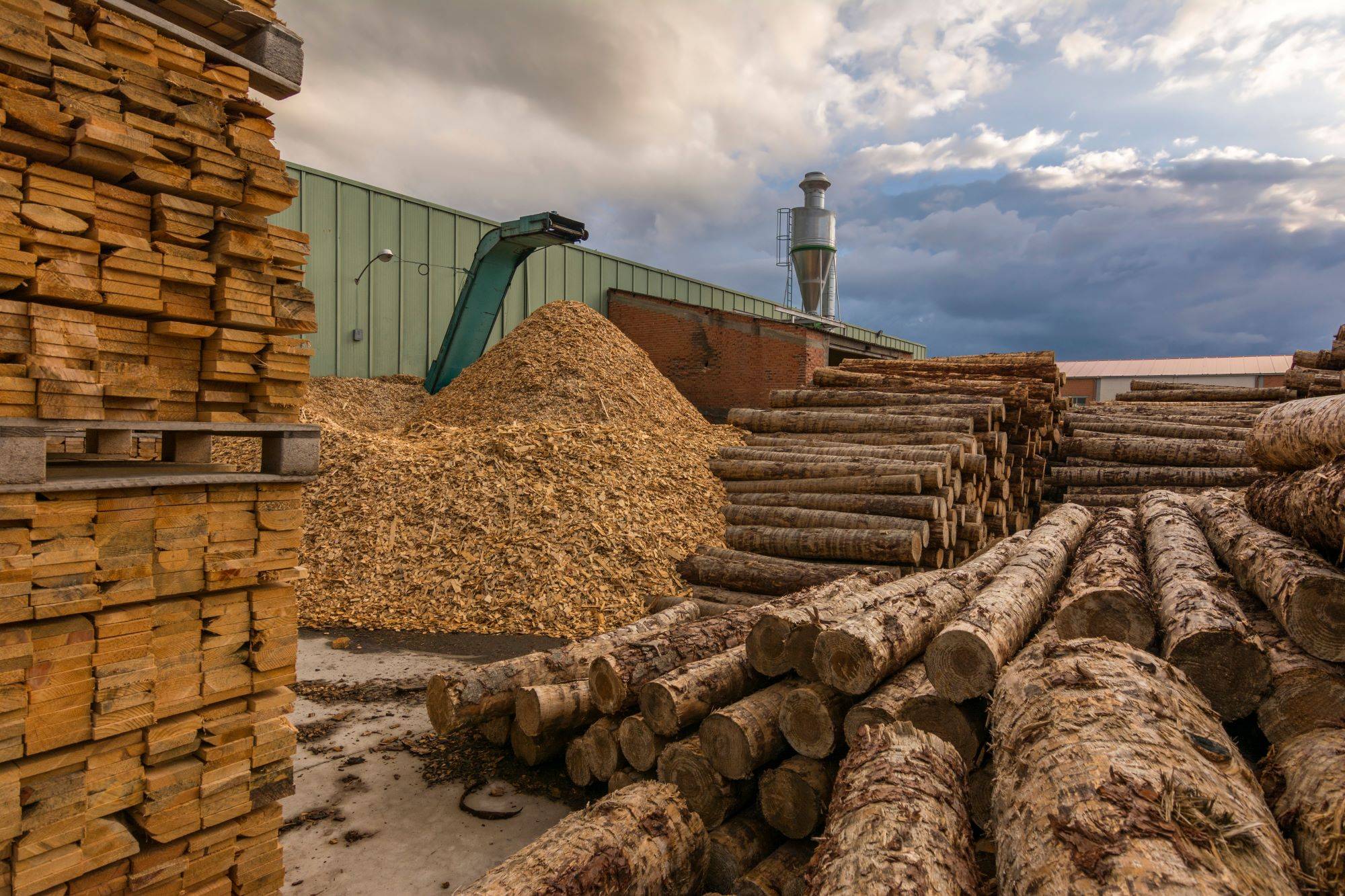
In North Carolina over 200,000 acres of forest are clearcut every year. That’s over 400 football fields of forest clearcut every single day. This leaves a black hole in the landscape that can take decades to regenerate. That’s decades where the forest can’t do its job. It can’t capture carbon, purify air and water, or protect communities from storms.
The biomass industry clearcuts Southern wetlands and ships the wood pellets to Europe. Europe then burns our precious forests for electricity as a replacement for coal.
We’re going backward, and we don’t have time for that.
The latest Intergovernmental Panel on Climate Change (IPCC) calls for a huge shift. The report encourages efforts on the maintenance and growth of natural systems. Wetland forests are an important natural system. To avoid the worst, the IPCC urges us to conserve half of the Earth’s lands. The report tells us we need to move away from “maladaptive solutions” (like biomass) or well-meaning solutions gone wrong.
We can’t keep supporting solutions that aren’t clean or green. We’re losing one of the most powerful natural tools (forests) to remove carbon from the atmosphere. We’re losing wetlands, an essential ecosystem. We need wetlands to help us lessen the impacts of climate change.
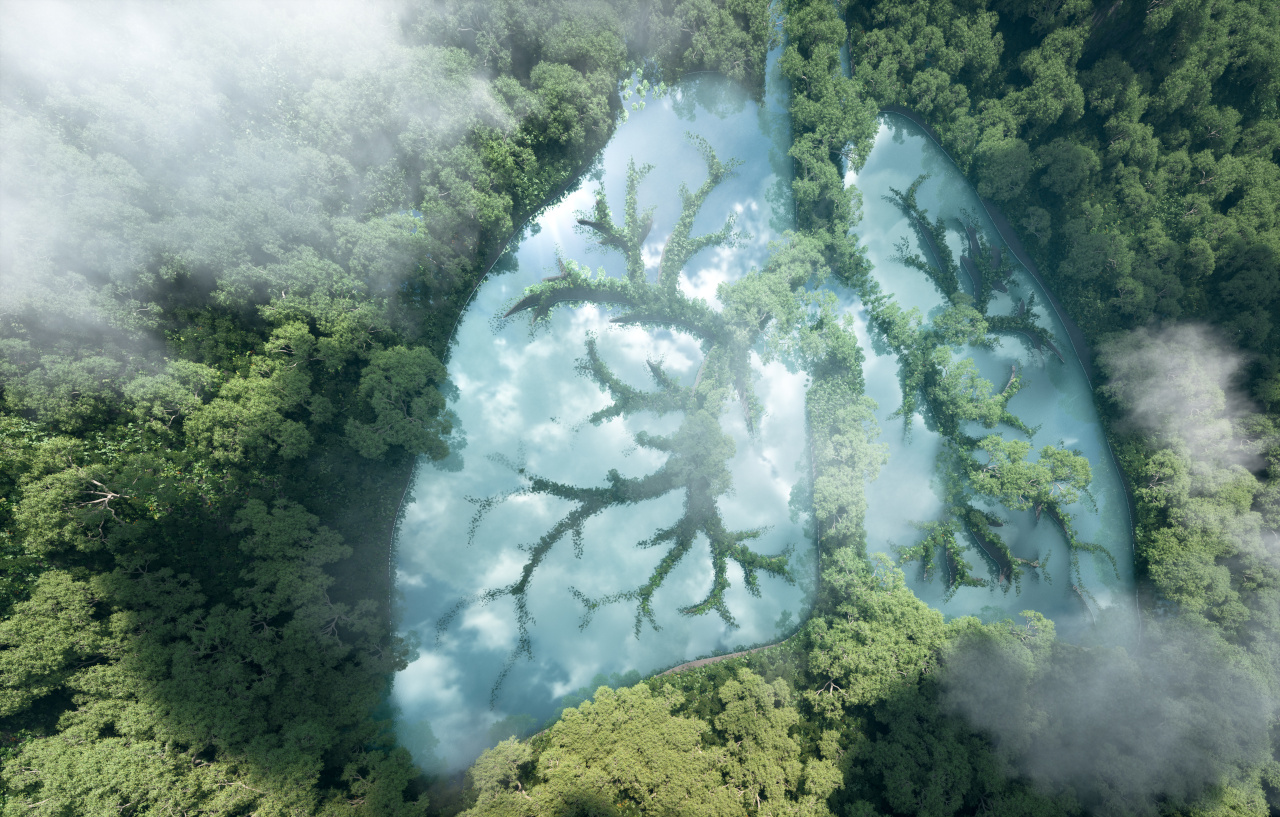
We need bold policies that protect wetland ecosystems. We must protect and even expand our water, food, health, and safety.
The Rights of Nature movement believes ecosystems could be legally protected. Protected from environmental degradation such as development, pollution, or extractive practices. We can’t let corporations and economic interests overshadow the value of nature. For example, Ecuador included the Rights of Nature in its constitutional provisions. Then in 2011 Loja, Ecuador found that building a road near a protected river violated the river’s rights. This was the first successful legal rights of nature case in western law.
Recognizing the legal rights of nature is not a new idea. Many different Indigenous populations have recognized the rights of nature for centuries.
This investment saves states, counties, and communities millions in taxpayer dollars.
Our national commitment to wetlands protections is more than good environmental policy. Wetlands restoration can even help the nation recover from the ongoing financial crisis. One report found preservation and restoration for wetland and stream impacts leads to “compensatory mitigation investments total[ing] an estimated $1.3 to $4.0 billion annually.” It also noted these restoration wetland projects create between 6.8 and 29.0 jobs per $1 million invested.
We need to change the economic, political, and social systems that perpetuate racial, environmental, and ecosystem injustices. Because these are all interconnected. We must create a regenerative economy based on:
The community conservation model is exciting. It considers forest and wetland conservation through the lens of environmental justice. This model focuses on partnerships with communities vulnerable to climate change effects. It also uses environmental, social, and economic indicators to define the priorities.
The tribe acquired 15 acres of wetlands forest and is working to acquire another 35 acres. This will show new possibilities for non-extractive practices.
Another example is the Britton’s Neck community in South Carolina. They’re planning a conservation project with Dogwood and New Alpha Community Development Corporation. Right now, the community is purchasing land for protection.
We all must transform our thinking. Our future lies in the restoration and protection of forests and wetlands. Together we can drive business and innovation. We can create new opportunities for rural communities.
Our wetland forests are such an important solution for a changing climate.
A healthy economy and a healthy environment can and must coexist.
Together, over the last four presidential administrations we have been demanding federal action on climate change. Time and time again, big corporations and partisan politics derailed every effort to address this growing threat to our planet. And now, finally, thanks to people power and persistence, the movement has grown strong enough to make climate a top tier issue. This has created the space to pass major climate legislation in the US – the Inflation Reduction Act.
We can acknowledge that significant investments in renewable energy and funding for some communities that pollution harms are steps in the right direction. At the same time, this legislation exposes our Southern communities from the Gulf South to Appalachia and the Atlantic Coastal Plain to more harm because it includes more subsidies and regulation rollbacks for the expansion of the gas, oil, and bioenergy industries.
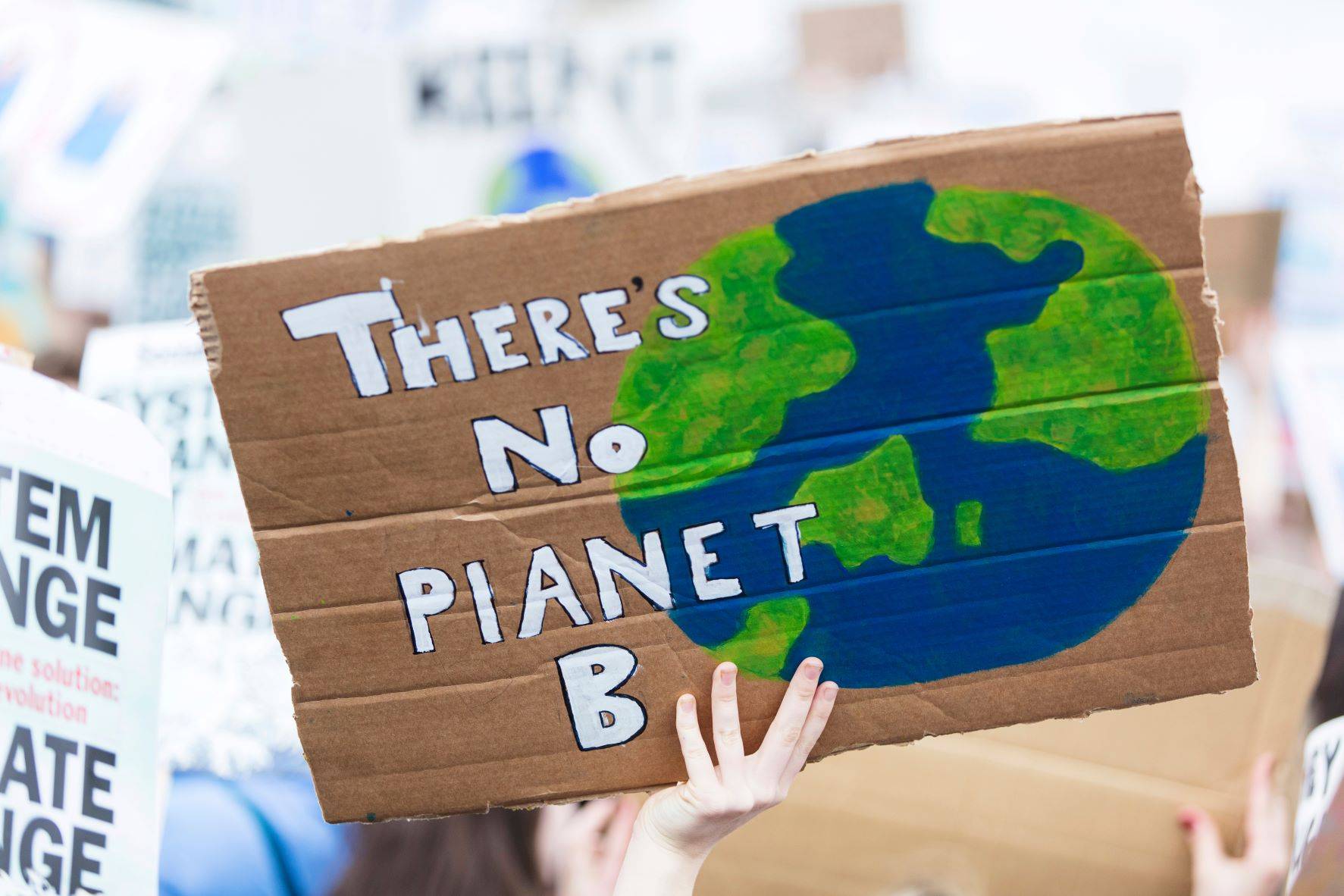
Communities that have been fighting for years on the frontlines of this expansion will continue to bear the brunt of the pollution and ecological destruction. The lives of Black, Brown, Indigenous, and those living at or near poverty have once again been sacrificed to placate the financial interests of the industries responsible for climate change.
It continues to enable the expansion of logging and wood markets in conflict with scientific warnings that logging and wood production are contributing to climate disruption and are polluting environmental justice communities.
It will make it easier to greenlight the Mountain Valley Pipeline, which citizens have pushed back after years of tireless organizing. The Inflation Reduction Act will accomplish some positive things, but the fight for climate justice in the US is far from over.
People power created the foundation for the passage of this bill. People power is the only hope we have for ending a cycle of exploiting the most vulnerable for the economic benefit of a few. Dogwood Alliance will continue to focus on building the people power to mobilize action for bigger change at the international, federal, state, and local levels.
We believe in a vision where major investments in climate solutions are made in communities that have suffered the most from climate destroying industries. Those impacted need to be at the table, and their solutions need to be part of the democratic process in designing climate policy. We believe in a future where every community can breathe clean air, drink clean water, and have the resources necessary to adapt and survive through a changing climate. We believe that real climate solutions must work with nature and not against it. The only way to get there is expanding the power of people through grassroots mobilization.
Ahoskie, North Carolina – On August 16th, North Carolina’s Department of Environmental Quality’s Division of Air Quality held a public hearing on the draft Title V air permit renewal for Enviva Pellets, LLC’s wood pellet manufacturing plant in Ahoskie. Enviva is requesting permission to increase production of wood pellets at their facility from 481,800 tons to 630,000 tons per year.
“I pass the facility every morning on my way to work, and I see the thick clouds of smoke on my way home from work in the afternoons,” said Dr. Ruby A. Bell, an educator from the University of Mount Olive, at the hearing. She recalled visiting a member of the community for about 20 minutes earlier in the month who lives nearby the plant. “The next morning, I woke up with lots of mucus in my throat, coughing, burning eyes, and a runny nose.”
The day before the hearing, the Impacted Communities Against Wood Pellets — a coalition of NC residents impacted by the wood pellet industry — held a press briefing to discuss their concerns.
“We are not anti-development, and we are not anti-investment,” said Dogwood Alliance Director of Community Engagement Emily Zucchino during the briefing. “What we are pushing for is investment in clean jobs that don’t make people choose between their health, their environment, and their livelihood.”
At the meeting, the coalition explained that the state exports more wood pellets than any other in the nation.
Also, the company has received nearly $10 million in subsidies from the government, and Governor Roy Cooper’s administration has continued to approve permits as well as the funding for the industry.
Due to a lawsuit that impacted residents filed in 2019, Enviva is also expected to install air pollution controls that will lower many harmful pollutants. However, not dust. Wood dust pollution has been linked to respiratory illness, heart disease, and cancer. Even with these controls, which should have been installed a decade ago, there is no safe level of these air pollutants.
By operating without controls, Enviva has pocketed at least $100 million at the expense of the local communities across all four of their plants in North Carolina.
Enviva already operates three other plants in North Carolina: in Richmond, Sampson, and Northampton counties. Also, they have a facility just across the border in Southeastern Virginia in Southampton county.
(The public comment period for the proposed expansion ends on August 19th, 2022.)
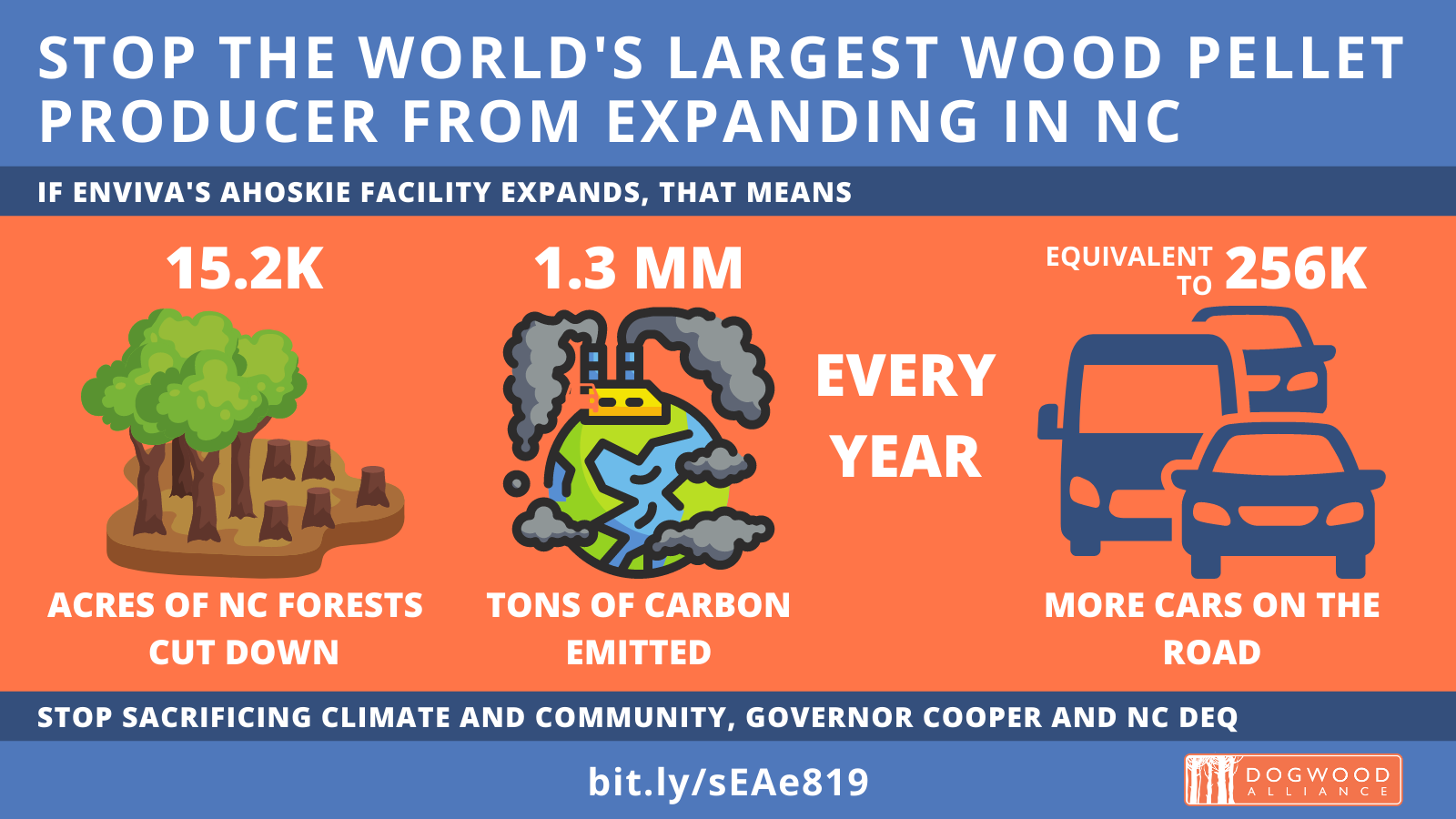
# # #
Dogwood Alliance is a non-profit that advances environmental justice and climate action by mobilizing diverse voices to protect Southern forests and communities from industrial logging. Learn more at www.dogwoodalliance.org
Guest post by Zeeshan Khan and Michelle Thompson
Mother Earth has provided food, water, and protection for humans for more than 6 million years. Yet since the industrial revolution, consumption of natural resources has only increased. We now face a grim future: protect nature or suffer the consequences without it. Does nature have rights? Read on to find out more.
What are the Rights of Nature?
The “Rights of Nature” doctrine states that ecosystems can legally be considered people, which would allow them to defend themselves in courts. Under law, this would give ecosystems “legal personhood” – the right to survive, thrive, and to be represented in court by a guardian.
Recognizing the legal rights of nature is not a new idea. Many different Indigenous populations have recognized the rights of nature for centuries. Indigenous communities’ deep relationships with nature helped build social systems that didn’t center humans. They were able to protect their natural resources for centuries by prioritizing them within legal systems. To grow the rights of nature movement, environmentalists should listen to Indigenous leaders and laws.
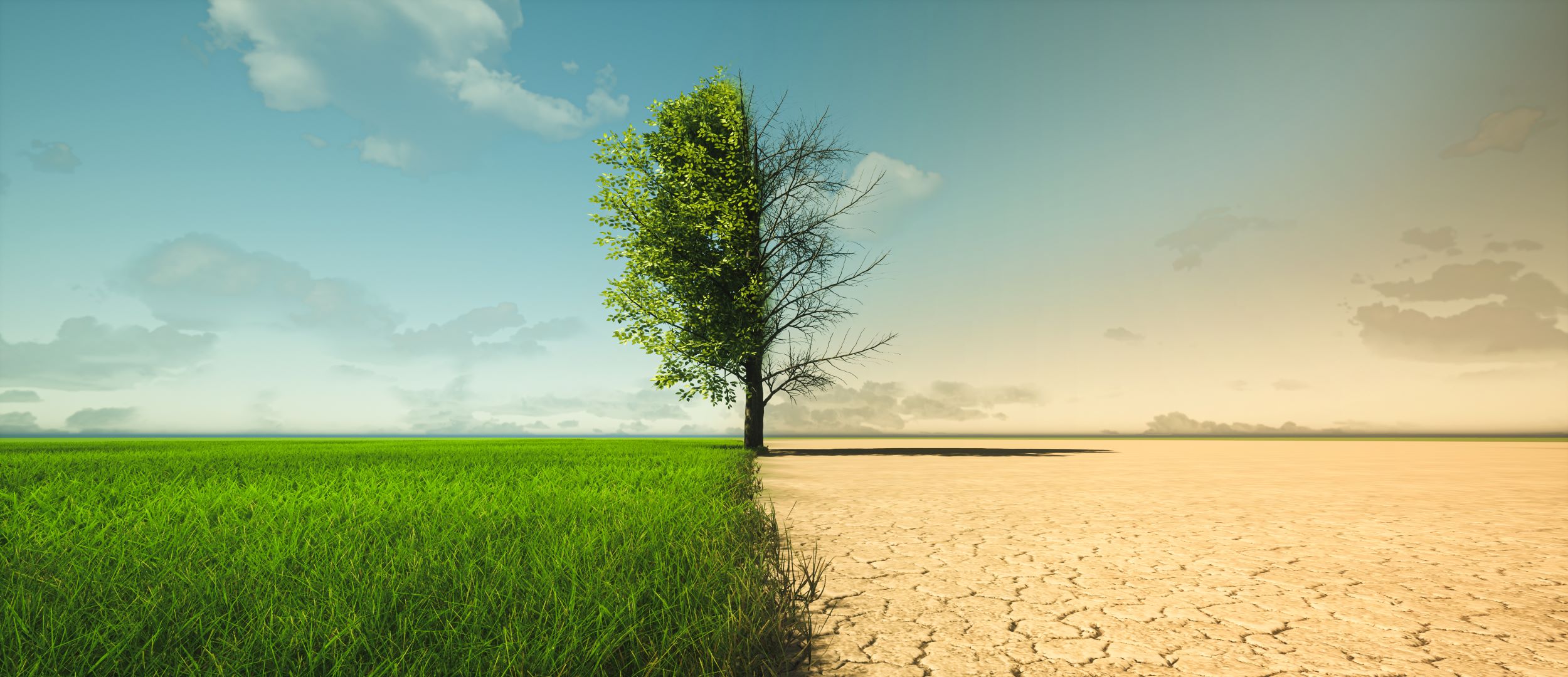
Under the Rights of Nature movement, ecosystems could be legally protected from environmental degradation such as development, pollution, or extractive practices. The goal is to make sure that corporations and economic interests don’t overshadow the value of nature. For example, Ecuador had the rights of nature included in its constitutional provisions. In 2011, the Principal Government of Loja found that constructing a road near a protected river violated the river’s rights. This was the first successful legal rights of nature case in western law.
Is nature a human right?
Humans depend heavily on healthy and sustainable environments. People have basic needs like clean water, food, and sanitation. Recently the connection between human rights and environmental protection has increased drastically. This connection has advanced the development of laws that attempt to support the environment. These laws look at the relationship between human activity and ecological destruction.
We see action taking place worldwide to protect nature and our basic human rights. Local governments, nonprofits, and Indigenous communities are stepping up and creating fundamental nature laws. These laws protect our basic human right to a clean and healthy environment.
Indigenous tribes have led the fight for the legal protection of vital ecosystems. When finding and designing long-term solutions within ecosystems, Indigenous people are essential. Indigenous traditions are some of the oldest known ways of tending to ecosystems. Indigenous leaders have been critical in protecting nature. They also participate in protecting wildlife and fighting fossil fuel companies.
In September 2007, the United Nations certified the declaration of Rights of Indigenous Peoples. This was the first giant leap for Indigenous Peoples at the UN. This gave a new meaning to access and protection that Indigenous communities would have the ability to seek within legal justice.
This framework made a minimum standard of living for Indigenous communities worldwide. The declaration focuses on human rights standards, like education, food security, health care, and the collective rights of any Indigenous peoples.
In the fight against climate change, nature’s rights have become even more popular. Climate change affects the basic rights of life like clean water and food. Climate change has helped push the legal theory of nature’s rights.
For example, the High Ambition Coalition for Nature and People has committed to protecting 30% of nature’s land and sea by 2030. The Paris Climate Agreement, which 196 countries worldwide have adopted, has created a deadline for countries to set long-term strategies to reduce and cut greenhouse gas emissions by 1.5 degrees Celsius. These all set out to reduce our carbon and ecological footprint worldwide.
Many youth have come forward to fight for the rights of nature, environmental law, and nature laws. One outspoken advocate for climate change and the rights of nature is Greta Thunberg. She’s inspired many young people to speak up about their human right to live in a healthy environment.
In the Western United States, Connor Berryhill is one of these young climate leaders. Berryhill has organized his own environmental movement to clean and restore environments in his hometown. The movement encourages youth to participate in representative democracy. Through voting, the rights of the next generation will then be heard.
Another young activist fighting for environmental justice is Autumn Peltier. Peltier advocates for water rights for Indigenous populations in Canada. She describes water as “one of the most sacred elements” and “something we honor”. While she doesn’t explicitly call for the rights of nature, her message is very much in line with the movement. She fights to protect waterways and believes that bodies of water have value beyond how we can use them.
Climate litigation is one of the most common practices of climate law. Climate litigation can come through forums like local, private, and human rights laws. Climate change litigation is currently reshaping legal systems worldwide and is creating new human and nature rights laws.
Current climate litigation is driving a delaying effect on anti-environmental actions. Over the past ten years, there’s been a spike in lawsuits related to the environment. These suits look at climate change impacts on biodiversity and how climate change continues to affect the legal standing of biodiversity. Some past and future failed bills within the legal system might now have a chance to move through.
Every day people are fighting for the fundamental legal rights of nature. The coalition I Heart Pisgah is currently one example of the local community protecting nature by saving and creating a healthy environment for the next generation.
Another big player in creating nature law is the Earth Law Center (ELC). ELC believes that nature should have the right to environmental protection, just as humans do. ELC, a nonprofit, is fighting for the recognition of the rights of nature through municipal and local laws.
The Global Alliance for the Rights of Nature (GARN) is a network of scientists, Indigenous leaders, and everyday people. People of all ages are changing human relationships with our mother earth. GARN believes that humans must reorient their relationship with natural environments. One way is by making sure rights of nature are established for the longevity of nature’s ecosystems.
Human beings have never been in a more dangerous environmental crisis than now. It’s up to every one of us to fight for the rights of nature. This is our best bet to create laws that ensure the exploitation of nature does not happen. Until the rights of nature exist in western law, we must work together to save our natural communities and guarantee a better future for the next generation.
Are you ready to take action? Act now to tell President Biden to make our forests a priority.
A mountain climbing enthusiast, Zee is a Communication Studies Senior at Appalachian State University and Dogwood’s Spring 2022 intern. He is passionate about creating understanding and awareness about climate justice. On his weekends, he enjoys trail running, cooking, and caring for his fifteen house plants.
 Michelle ThompsonMichelle is Dogwood’s 2022 Forests & Climate Stanback Research Fellow. She has been interested in nature and conservation since growing up in upstate South Carolina. She is a masters student at Duke studying ecosystem science and conservation. Michelle is honored to continue her work in environmentalism at Dogwood over the summer and is excited by the opportunity to work with her community. In her free time, Michelle enjoys crafting, reading, and hanging out with her two cats.
Guest Post By Michelle Thompson
Many companies and government bodies over time have said something like: “As part of our climate change initiative, we’ll be planting X number of trees!” Forests are an incredibly efficient way to capture carbon from the atmosphere. But how well do these tree planting initiatives actually work?
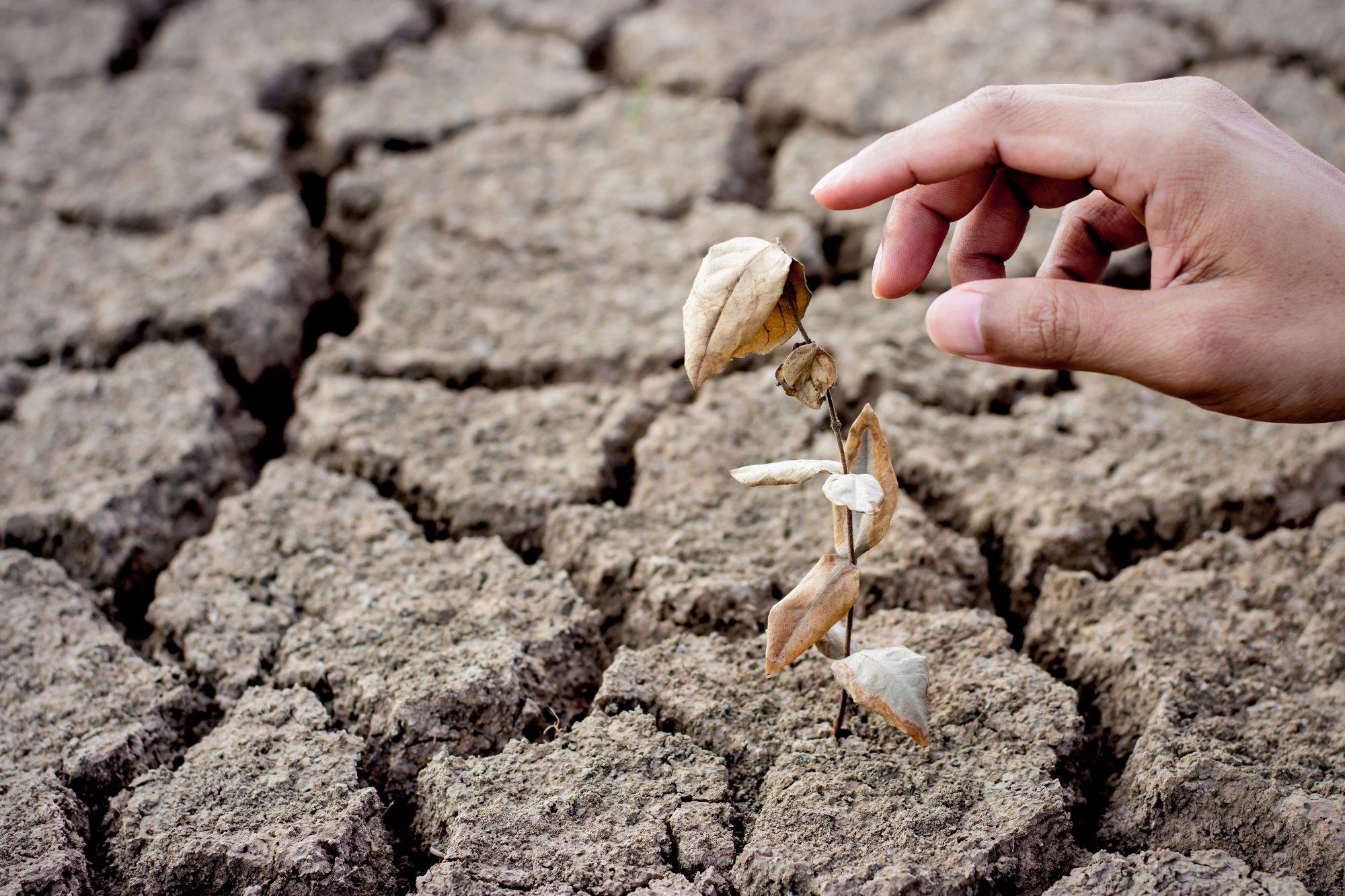
Tree planting campaigns are often included in climate change goals. For climate change goals, planting trees requires the lowest investment expenses and preserves the greatest profits. Other ways to reduce greenhouse gas emissions include:
Money heavily influences American politics. This means that rich corporations can keep legislation from passing.
Planting trees is easy, vague, and it sounds good. It allows organizations to claim to care about the climate. But they don’t need to make significant changes to their business models. Planting trees is nonpartisan and unobjectionable because it isn’t significant. Tree planting is like a one-time payment to get the media and public off your back about your emissions.
There are several reasons why tree planting should not be a pillar of sustainability:
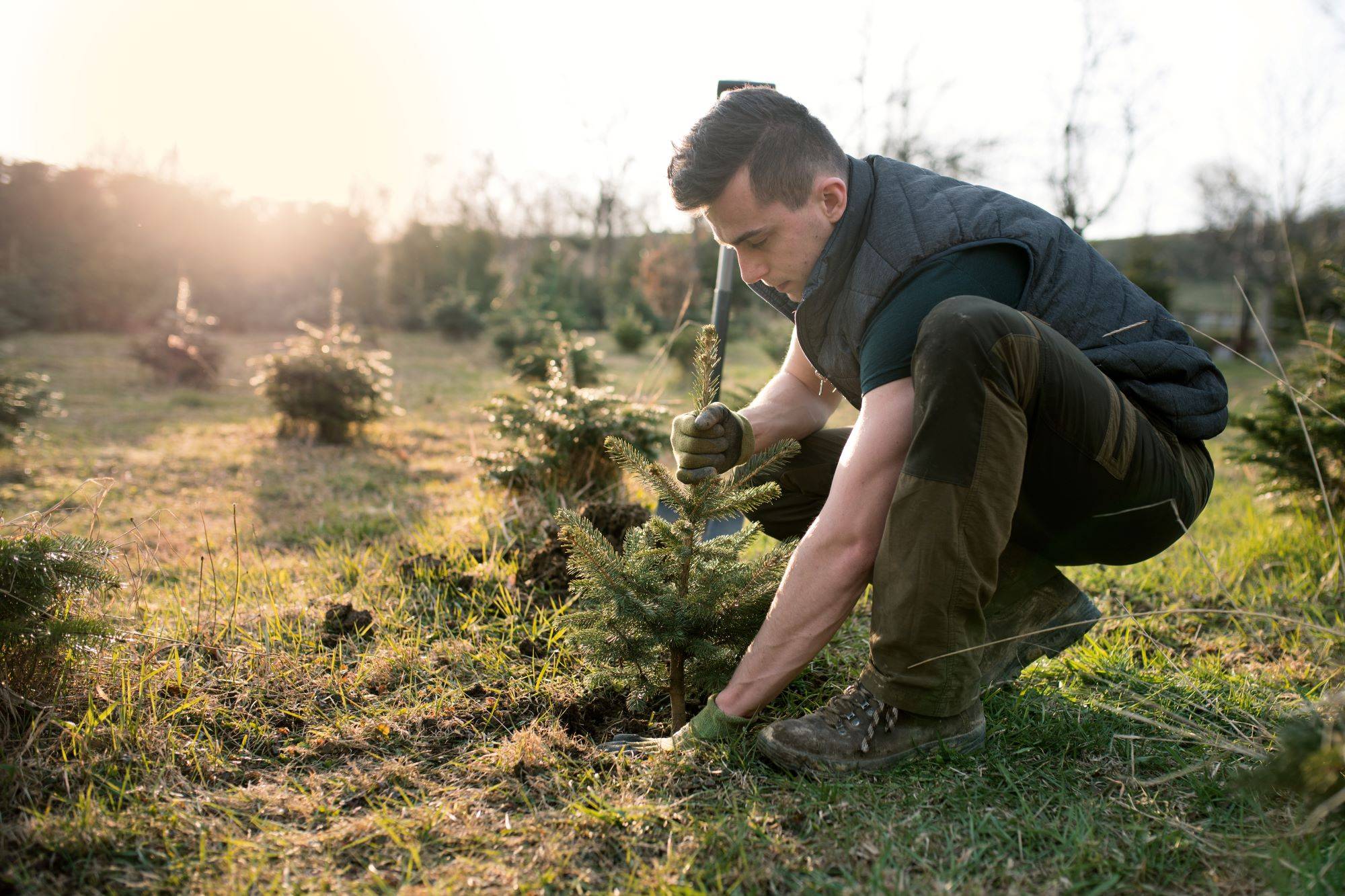
Planting trees isn’t inherently greenwashing. The claims that groups planting trees make, however, often are greenwashing. Corporations and governments use tree planting initiatives as climate intervention. But they aren’t transparent about the results. Groups will say: “We’re planting 30,000 trees”, but they don’t tell the public the survival rate of the saplings. If half saplings are expected to survive, only 15,000 trees will have been added to the environment. And research shows that even THAT many surviving is unrealistic.
These groups also don’t usually explain what kinds of trees they’re planting and where. To save money, groups often choose cheap and available trees. These trees might not be the best suited to the environment. This decreases investment but also decreases survival, so even fewer trees survive to adulthood. Saplings that die release CO2 and further contribute to climate change.
When the saplings die, it creates a discrepancy. On paper, the organization planted 30,000 trees, but when you go look in person, there isn’t a forest. These are known as phantom forests – forests on paper but not in reality. Phantom forests are another case of greenwashing. Governments and corporations claim the forests are helping the environment when they aren’t even real.
Even when the trees survive, they aren’t as beneficial to the environment as people may think. Saplings are planted by themselves on degraded land as a plantation. These plantations do absorb some CO2, but they aren’t as good as healthy, native forests.
Planting trees does not make a forest. Forests are made up of complicated interactions between plants, animals, and environmental factors. Healthy, native forests benefit humans and the environment in many ways. Forests can:
Forests are home to 70% of terrestrial biodiversity. They support 1.6 billion people around the world.
Tree plantations don’t provide wildlife habitat and often aren’t useful for recreation. Plantations are also less effective at cleaning air and water than diverse forests. They’re less resilient to disease or pests. Tree plantations also require human support to survive and cannot support populations of people.
Tree plantations aren’t creating good habitats or viable forests. But the argument for plantations is that they act as a carbon sink. Living trees take in CO2 from the atmosphere. They then release oxygen and use the carbon to build their trunks and leaves.
Because trees USE carbon dioxide, they remove it from the atmosphere. This means that trees can reduce the amount of greenhouse gases in the atmosphere. This will slow climate change.
Trees only store carbon dioxide when they’re alive, though. The majority of saplings planted in plantations die. This means that the carbon dioxide they were storing is released back into the atmosphere.
Additionally, these tree planters buy the saplings from nurseries. Nurseries use resources like water and energy to grow these plants. Spending resources on saplings that are left to die is wasteful. Ultimately, it just increases global emissions.
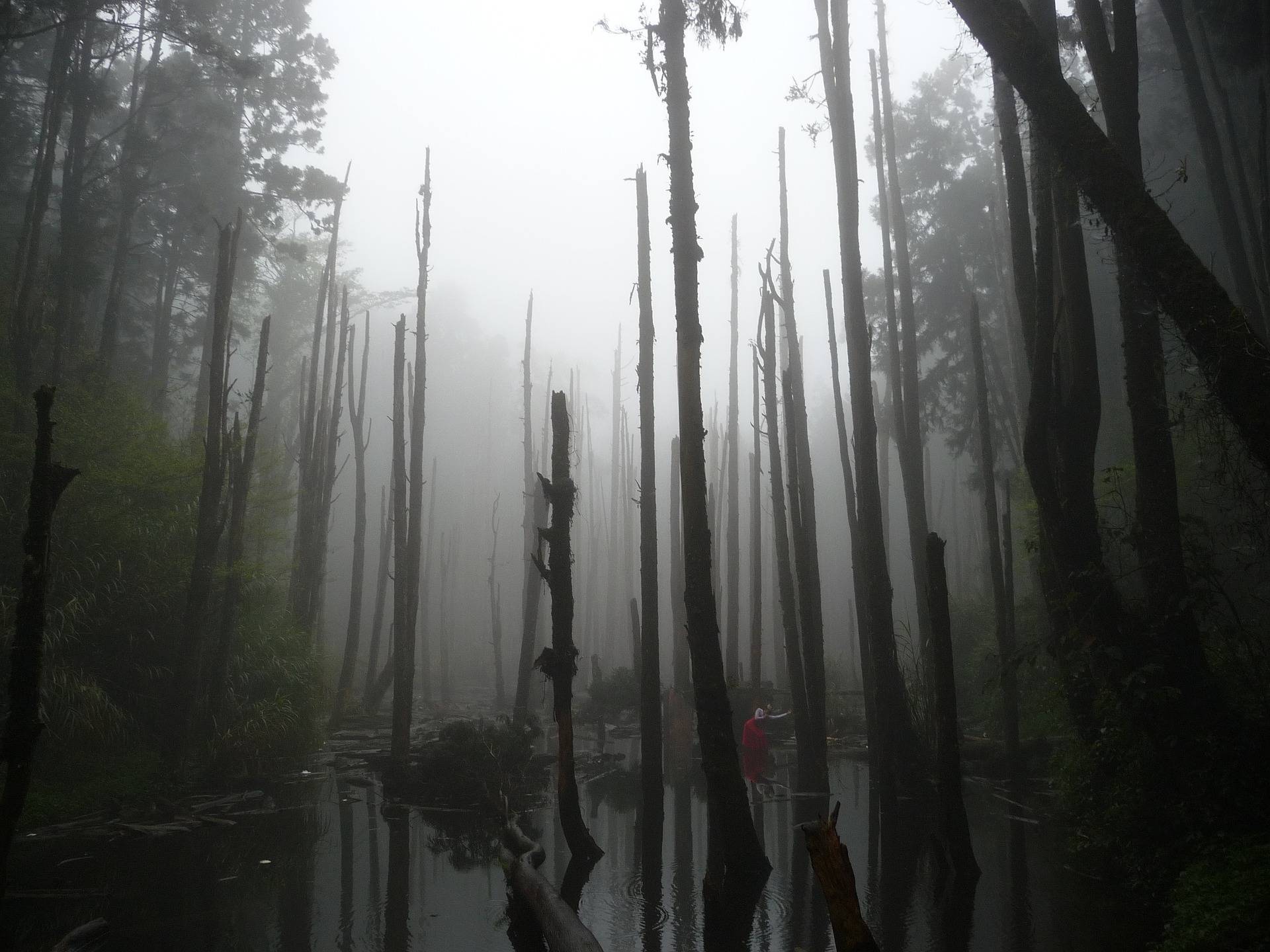
There is evidence that trees planted in other countries as part of these projects have been cut down. The BBC found evidence that eucalyptus plantations in Mozambique were being harvested. Clearcutting trees releases a lot of emissions and is harmful to the environment. This is another example of the lack of transparency in these initiatives.
But the larger problem is that these tree plantations are a mirage. From a distance, they look beneficial to the environment, but it’s not real. The forests aren’t real and neither are the promised environmental benefits. Promoting plantation projects prevents us from pursuing meaningful and lasting change. Instead of band-aid solutions for climate change, we need to attack the root of the problem.
Organizations should instead invest in true restoration, reforestation, and proforestation (protection of existing forests). In other words, groups and governments should invest in methods that actually work.
Groups should give money to knowledgeable organizations that do science-backed restoration work. This would reach goals of increasing forest cover while investing in natural climate solutions.
Groups and governments could also fund sustainable community forest projects like agroforestry.
We need transparency in environmental projects. When governments or corporations launch these projects, they get a lot of good press. But we rarely get follow-ups or specific details on the projects.
Organizations should be explicit about:
To ensure these projects are doing what they claim, all this information should be released and accessible. And if it’s not, governments and organizations should take their money elsewhere.
Finally, we should prioritize large-scale change. We need to embrace more sustainable practices. We need to embrace truly renewable energy. Then we’ll have a much greater impact on the climate. These are more difficult changes, but they’ll target the cause of the problem.
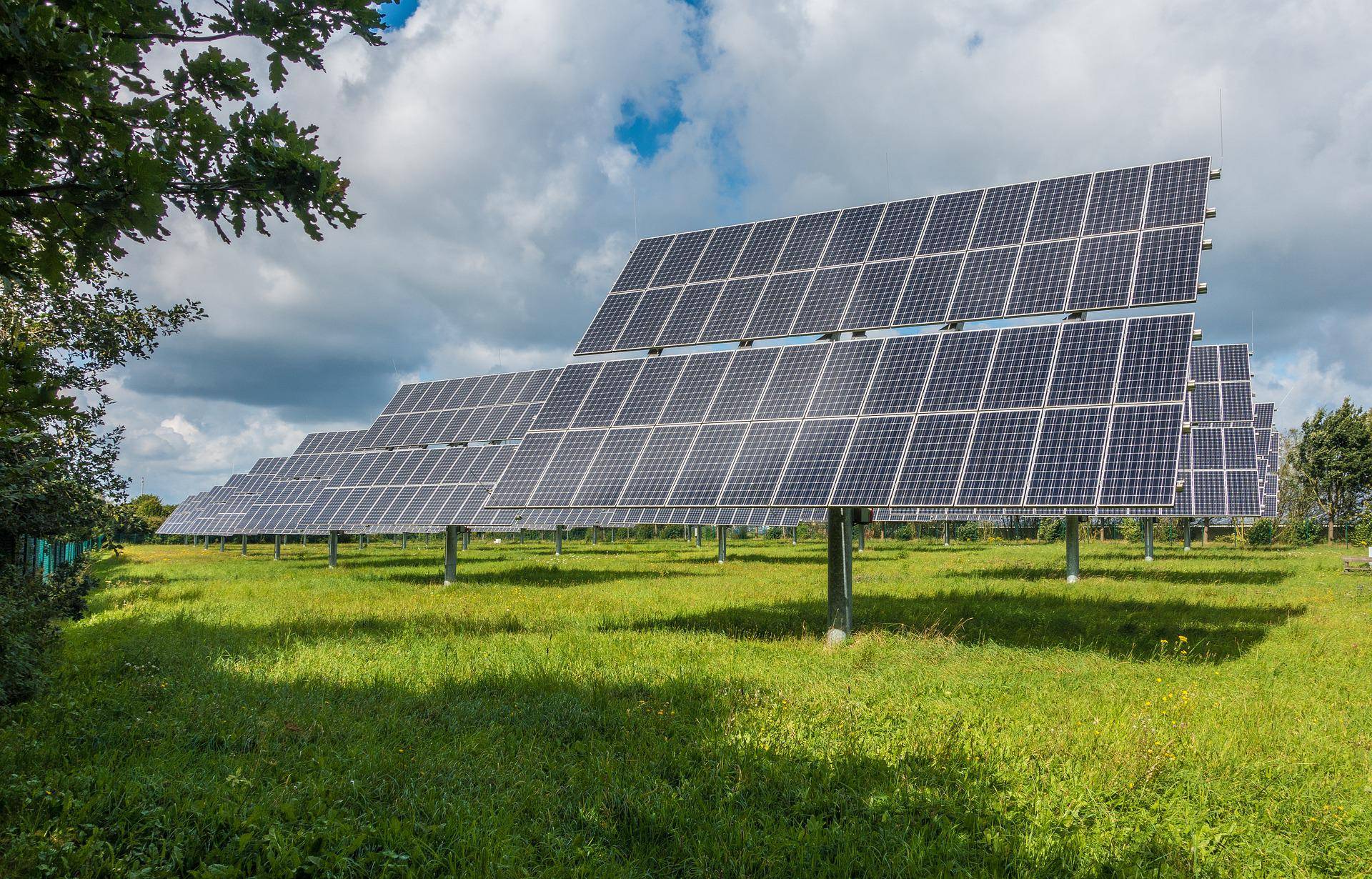
Dogwood Alliance is working to protect diverse and threatened forests across the South. Join our fight to save Southern forests and urge President Biden to pass real and lasting forest protection!
Michelle Thompson is a 2022 Forests & Climate Research Stanback Fellow through Duke University. Michelle has been interested in nature and conservation since growing up in upstate South Carolina. She is a masters student at Duke studying ecosystem science and conservation. Michelle is honored to continue her work in environmentalism at Dogwood over the summer and is excited by the opportunity to work with her community. In her free time, Michelle enjoys crafting, reading, and hanging out with her 2 cats.


 Donate
 April 5, 2026