


We’re so pleased to be launching Season 3 of Woods & Wilds: The Podcast. For this episode we sat down with climate activist Ruddy Turnstone.
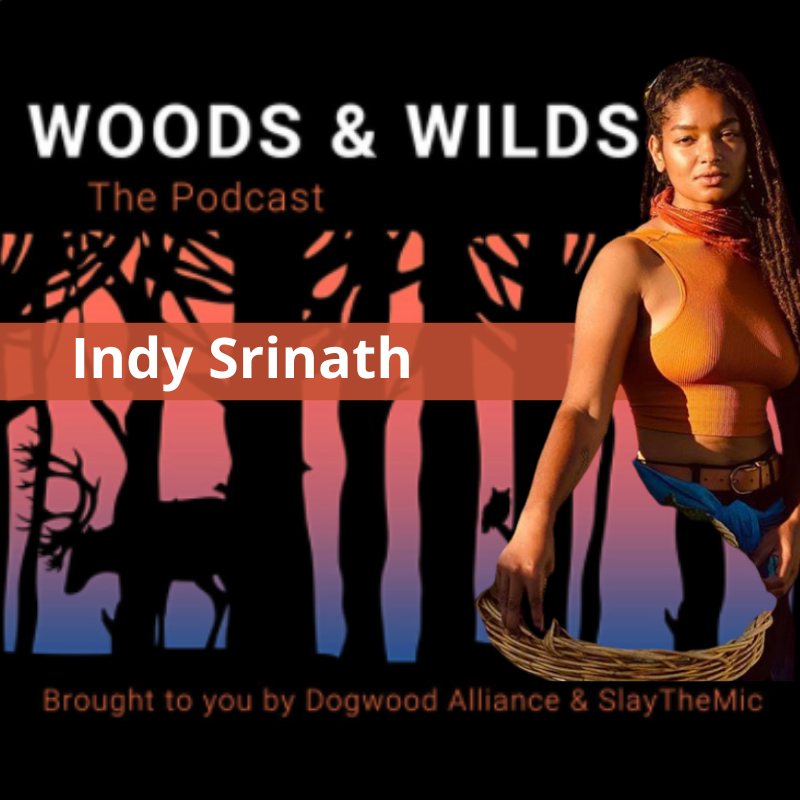
Ruddy Turnstone (she/they): Based in Southeastern so-called Florida, Ruddy is on the Steering Committee for the Community Hotline for Incarcerated People (CHIP) which was founded in April of 2020 in response to the COVID-19 pandemic. CHIP is an all-volunteer abolitionist hotline that provides direct support and advocacy for people incarcerated locally and does not discriminate based on the charges/convictions people have been given. CHIP’s work has been vital in getting people connected to resources, loved ones and on occasion, getting released. When not doing hotline work, Ruddy provides direct action climb trainings for Earth First! and nonprofit organizations, participates in food sharings through Lake Worth Food Not Bombs, provides digital and in person direct action trainings, and dabbles in video editing and podcasting making. In varying degrees over the years, Ruddy has organized around environmental, climate justice, immigrants rights, indigenous sovereignty, and prison abolition for over 10 years.
Join Dogwood Alliance and SlayTheMic as we bring you tales of connection to nature and music.
Want to listen to more?
Read the full transcript of our interview with Ruddy Turnstone!
Elizabeth: All right. Hello everyone. I’m Elizabeth Lashay with SlayTheMic and I am so excited because, again, this is season three of the Woods & Wilds podcast. I am joined by my amazing co-host with the mostest. Take it away.
Kimala: Thanks. I’m Kimala Luna with Dogwood Alliance and we are here today with Ruddy Turnstone. Ruddy is based in southeastern so-called Florida. Ruddy is on the steering committee for the Community Hotline for Incarcerated People, otherwise known as CHIP, which was founded in April of 2020 in response to [the] COVID-19 pandemic. CHIP is an all-volunteer abolitionist hotline, which provides direct support and advocacy for people incarcerated locally and does not discriminate based on the charges, [and] convictions, people have been given. CHIP’s work has been vital in getting people connected to resources, loved ones, and on occasion getting released. When not doing hotline work, Ruddy provides direct action climb trainings for Earth First and nonprofit organizations, participates in food sharings through Lake Worth Food Not Bombs, provides digital and in-person direct action trainings, and dabbles in video editing and podcast making. In varying degrees over the years, Ruddy has organized around environmental climate justice, immigrant rights, indigenous sovereignty, and prison abolition for over 10 years. Wow, wow, wow. Welcome, Ruddy.
Ruddy Turnstone: Thank you so much for having me. It’s a pleasure to be here.
Kimala: Something that’s been on my mind lately… And this is not super connected to forests, but I would like to hear about some of your immigrant right works that you’ve done in the past.
Ruddy Turnstone: Yes. Well, in the past… I mean, it started getting arrested many years ago. If folks would remember… I can’t remember the exact date. I think it might have been 2008. There was an amnesty bill in Congress being proposed and we had known that there were… and we still know to this date. There’s tons of folks that die crossing the border from Mexico into the so-called United States. I was chalking up a bridge, trying to demonstrate to the counter-protestors. People that were against the amnesty bill and, after I interviewed a lot of them, were very anti-immigrant in general. Just trying to demonstrate, essentially, when they would come back to protest again against the amnesty bill that they were essentially stepping on the chalk outlines of… When you see a murder scene, there’s that chalk outline that a lot of people see. That they would be stepping on all the people that have had to forcibly, almost always, migrate. Whether it’s from climate change issues or cartel issues or whatever else. Political instability that so often is impacted directly driven by the United States government. I got arrested for doing that. That was my first arrest. And so, since then, it’s been on and off work, whether it’s particular actions in solidarity with folks that are in detention currently. Unsurprisingly, here in so-called South Florida, we’re extremely racially diverse and we have an extremely high immigrant population, undocumented and documented. I work with Immigrant Action Alliance and a bunch of other different immigrant groups. They actually directly work with us. One of the persons is on our steering committee with CHIP. And so we support with actions. Supporting individuals needing support. Yeah. I’ll leave it there for now.
Elizabeth: Well, thank you. I know that we’re going to cover quite a bit when we’re talking to you, but I actually want to start at the very beginning of a younger version of you and when you first found your love for nature. Or it could have been like, yesterday, you found your love for nature. So either way, when did you fall in love with the outdoors?
Ruddy Turnstone: What I tell people about this region and this area… I had to move here. I didn’t want to live here. I was 10 years old when we moved here and I despised this place. I really didn’t like Florida. At all. I didn’t like anything about it. And then in my 20s, when I went to the Everglades, I submerged myself in the swamp. It was like… What is that called? It was like a wild baptism or something. Being immersed in swamp water, amongst alligators, and carrying… My friends just wanted full-on extreme experience. And so we’re carrying our packs above our heads, going through the swamp water, and we could see a gator over here, gator over here. It was so wild. You could just… It was like another planet. Being amongst the cypress with their knees jutting out of the water and the sand and there was wild grapefruit where we were. And so we were just… It was so powerful and humbling and that’s when I felt in love. This bioregion is so vibrant and humbling. Knowing that I’m not the top of the food chain, I’m not the apex predator, and that I’m a part of this ecosystem. It was a transformative experience that has stuck with me ever since. The wild is where I get a lot of healing and rejuvenation and humility.
Kimala: When did you first get into activism?
Ruddy Turnstone: I first got into activism with 9/11. When the Twin Towers fell down, I asked the question, what would make someone want to attack this country? What has the United States done? And that led me down a really strong path of understanding the neoliberal policies and imperialist policies that the United States government has carried all throughout the world and impacting and influencing a lot of different governments. From there, I went into anti-war movement. Yeah. I got into the anti-war movement. From there, into immigrant rights on occasion. And then got involved with Earth First. Tried to help wherever I could and build community and help community wherever I could.
Elizabeth: I often bring this up during the podcast because it was something that I found out. I feel like I’m very much an activist. I’m wanting to point out the injustice when it comes to race and gender. But I didn’t know that I am also a climate environmental justice warrior because I didn’t see the connection until later on. How are all these movements and things interwoven, interconnected, to you? To what you want to see in the world?
Ruddy Turnstone: I want to start with how they’re disconnected. I think that the disconnect has started with this disillusionment that so many White and predominantly male activists of the last few decades have taken the spotlight when it comes to environmentalism and creating this myth that you can just work on ecosystem protection and environmental protection and ignore everything else. The reality that people have been fighting to expose for a long time but I think is finally unfolding is that it’s actually the people most impacted that have been the most environmentally protective people. Indigenous people, for example, are the number one group of people that are the strongest protectors of the environment. Period. So many people of so many different races have to defend their homes and, so often, when you’re having to defend your home, it’s also very much tied to climate justice. So, for me, I wanted to mention some of the immigrant rights. I’m half South Asian, half White. And so sometimes we also support South Asian immigrants here that are in detention. Predominantly folks that are in detention are Latinx and so not getting as much attention when it’s South Asian folks that were on hunger strike. And so, for me, it’s very close to home. I didn’t get connected to my birth father until I was 33 years old. I don’t know if you want me saying this publicly, but Kolkata is where my birth family lives. We’re Telugu, so they’re not from there, but that’s where they live. It’s one of the… It’s just documented. It’s one of the dirtiest cities in India. The air pollution’s really bad and it affects my family and other family’s health. A lot of the immigrants that are coming here are from Bangladesh or that are South Asian. Some folks are having to move and migrate here because of climate reasons. Rising waters, the typhoons getting worse. Whether it’s South Asian, Asian-Pacific Islanders, or other Asians, not including everybody else… Like in addition to everyone else. Just specifying that because that’s where my mixed race background is. There’s so many people that are being displaced. And so, for me, there’s no disconnect. Social justice, climate justice, racial justice, and imperialism are all deeply interconnected as well as how gender-based violence and how equity pans out when we are having to deal with these real-life crises.
Kimala: Can you talk a little bit about why abolition is so important as opposed to just reform?
Ruddy Turnstone: I don’t know how well this example lands for folks, so let me know. One of the best examples that I can think of is that solitary confinement was a solution posed by the Quakers. We got the idea from the Quakers in so-called United States. It was an alternate to the prison system as it was. So, it was a reformist measure and, now, we understand that it is a complete and utter form of torture to so many different people. When I think about abolition versus reform is reform… and I think that, as an abolitionist, we’re stuck doing both. It isn’t just that abolition is the long goal. We have to keep it the abolition of the prison industrial complex, to be clear, and immigrant detention, all detentions, and child detention. So the reform part is valuable in the immediate. For example, we have a very small mutual aid program and we got $150 to an inside organizer where we operated and he was able to provide warm clothes to people… it’s super cold in that unit that they’re in… and other necessities that people need. And so, for me, it’s mutual aid, but it’s also reformist because we know people need support right now. But what we need to do simultaneously is we need to do as much as we can to both keep people out of jails and prisons to get rid of those institutions. Simultaneously do as much transformative justice as possible because abolition is about love. Abolition is about alternative forms of healing. It’s so critical and important. Reform doesn’t provide healing. Abolition is a route to understanding that the current prison industrial complex as it is gets in the way of us being able to heal and move forward and takes that autonomy away. When we can do transformative justice, restorative justice, other ways to deal with really challenging, difficult situations, then the actual work and community building can be can begin.
Elizabeth: When you are not busy working constantly on trying to shift our entire world, what are some things that you do to heal and replenish yourself in the midst of this work?
Ruddy Turnstone: I don’t know what my diagnosis is currently. We’re working on chronic fatigue syndrome, but it’s not super sure that I have that. I plan ahead as much as I can. For example, I know that in the month of May, I’m going to be doing a lot of climbing and climb training. I’m going to acknowledge the privilege I have, but I’m just like… I know I’m going to work 70 plus hours a week for four weeks straight, so I am going to plan that I’m not going to schedule anything for the next week or two afterwards. My life is not… It’s not steady in the sense of 40 hours a week, every week. It’s on and off. If it was steady, I would have to build in downtime. The thing is, if I don’t build in downtime, I can’t function. My body physically shuts down. I hang out with my dog. You can hear him in the background. We go on walks twice a day and I look up at the sky and I take that time to be present with the circumstances and the temperature and feel things. Feel things. And just feel the wind on my face. Feel the heat because it’s warm here a lot. For 10 plus years. I think I became… I don’t remember what they call it like an introvert-extrovert. Doing the organizing, doing all the things, but then just not hanging out. I’m like, I already did all that stuff, so I don’t want to hang out. And so really focusing on building friendships and relationships and keeping those connections and making sure I hang out with people that’s not organizing. Because Building relationship and building community is… I need that to survive. I just wouldn’t accept that for a while. And so accepting those things has been pretty critical. But yeah. I have to take herbs. I have to have a particular diet. There’s a variety of things I have to do for my healing. And it’s not just myself. It’s leaning on my community a lot.
Kimala: I love this theme of healing. You mentioned your experience earlier with the Everglades, but do you have another specific example of when nature healed you?
Ruddy Turnstone: Yes. I have an example. So it was, I think, three years ago. My mom had passed away on June 2nd. Yeah. So she passed away on June 2nd and I was offered to be on a research team to climb to the tops of sequoias just a month later. I wasn’t sure if I was emotionally up for it. I loved my mom very, very, very, very dearly and she loved me very much and I’m very grateful for that. Very blessed. She was a person that I could talk to about anything. Even if she didn’t agree with my opinions, I could still talk to her. And now, she’s not there. I decided to take the climb gig anyway and I brought a piece of her hair. It was a sunrise climb over 200 plus feet. Going to the top of the sequoias. Some of the tallest trees that we have in this continent. During sunrise, I released her hair and took a moment to remember her. Let her go a little bit. Heal a little bit. Honor her in a way that felt genuine to me.
Kimala: Beautiful.
Elizabeth: Yeah. Thank you so much for sharing. My next question is definitely one where… It’s like, if you could be anything in nature… a type of plant, the sunrise, like anything… What’s the first thing that comes to your mind that really represents who you are?
Ruddy Turnstone: I don’t know about represents who I am. Maybe who I aspire to be. I’d like to aspire to be as powerful as the wood wide network. A fungus that transfers nutrients from tree to tree and makes trees a community and helps them each grow and share with each other. When you ask that, it isn’t necessarily representation, but I love resurrection ferns. They’re really powerful ferns. Do y’all know about them?
Elizabeth: No, I want to know more.
Kimala: Tell us.
Ruddy Turnstone: So, it seems to me… I could be wrong… when an ecosystem has been around a while that they show up. They’re beautiful, tiny ferns that will grow on live oaks and other trees. And they grow in colonies. When it gets dry, they curl up and they protect all of what they have left and they look dead. But when the tiniest drop of water hits them, they just blossom back up to life. They just inspire me how powerful they are and so smart. How they can reserve so much to their resources for that and take advantage of that moment right when it comes. If I could ever be as inspiring and powerful as a resurrection fern, I would love to because it really knows how to reserve resources and take advantage of every opportunity.
Kimala: You’ve been fighting so long for this world that you want to see and, in a lot of ways, you are already embodying it. Can you talk a little bit about the world that you are working towards, that you want to see someday, and also some of the ways that it’s already happening in your life?
Ruddy Turnstone: The world I would like to see is a world that is thriving. Where we’re supporting each other and lifting each other up and not stuck in a system that forces us to step on each other. A world where capitalism isn’t the driving factor and we found another way that mutually benefits our communities to… We found sustainable economies that’s not capitalism. That I can exist in this world as the gender that I identify as and we can accept people’s gender diversity no matter what it is they’re telling us. That white supremacy is a historical construct and no longer a present reality. And a world where people that are fighting for their lands get their land back and keep the land that they have. Indigenous folks all over getting land back. And a world of abolition. A world where we don’t have these walls between us making it so we can’t do our own healing. Each community, each group of people, has their own ways of dealing with conflict and all those ways are suppressed by the one dominant way of the prison industrial complex. So in a world where communities, differences, are celebrated and our power, our collective power, is acknowledged and actualized. In CHIP, we have to deal with a lot of different issues all at once. We don’t really get to nitpick. We are an abolitionist group, but we might have to deal with gender issues or we might have to have a real conversation about consent or different forms of justice or racial issues. There’s just so many different things on our phone calls alone that we have to address. With the committee that I’m on, I just feel like we try to lift each other up and support each other. We try to model what we want to see. Whenever volunteers can’t do something or whenever a committee member has to step back because they need to rejuvenate themselves, we say, okay, this is where our capacity is and we try to adjust as we can instead of shaming and bullying people into pushing harder and wearing themselves out further. And, also, try to address conflict. I feel like we try to work through conflict a little more because that is what the prison industrial complex thrives off. That’s what it profits off of is just us not being allowed to address our conflict, but not addressing our conflicts. So I feel like we’re, in the tiniest, tiniest ways, trying to actualize that. I drive through the streets or I’m in a crowd and I have just really been noticing how much more… No matter how politically divisive things feel and seem, I’ve just really been noticing how actually, even if we don’t know each other, that people try to work together more than I’ve accepted and realized just existing in this society. And that’s really been… I wouldn’t let that into my brain for a long time. Now that I’ve been seeing it, see how we actually do try to cooperate with each other a lot more, it’s just giving me hope that we’re actually not built for fighting each other. That we are actually built to try and cooperate and lift each other up.
Elizabeth: One thing that I have noticed is music can really nourish the soul and be used in a healing, powerful way. My question is what is a song that you really love to listen to, that inspires you, that uplifts you, or makes you just want to dance and feel happy?
Ruddy Turnstone: It’s hard to pick just one. I’m Telugu and my partner is Tamil and our ethnicities are in relation to each other. Telugu people come from Tamil people. There is a song… I believe it’s titled [foreign language 00:24:09]. It’s a celebratory song about nature and returning back to your roots. It’s an absolutely beautiful song. It’s pretty popular in Tamil Nadu. I could share with you a video of it or something if you all want to see it. It’s got English translations, but yeah. That’s a song that’s really uplifting to me.
Kimala: First, I wanted to talk about these climbing trainings. Please tell me about those. Their impact, the experience you saw, all of that.
Ruddy Turnstone: Before Stories Happen in Forests, I got to be co-producer for The Story of a Forest. It’s a 30-minute documentary about our, gosh, eight, 10 plus year-long fight to try and save the Briger forest. Earth First is a radical environmental aboveground movement that has been doing climbing to protect forests for over 30 years. Starting in the Northwest. The Briger forest is only about a 20-minute drive from where I live, so I knew that… I was already an Earth First-er and I knew that we had those skills and I wanted to access them to defend the forest. So I spent nine months to a year doing different trainings through Earth First. My first climb action didn’t even work. I couldn’t do it. And that made me even more determined to make sure that the rest happened. And then we did the first coordinated, long-term tree sit in so-called South Florida. We’re six weeks long and we have a lot of different people helping make that happen. We also have some not great stories in Earth First. I was a part of the Earth First Climbers Guild. We’re now the Earth First Climbers Network that was created to keep people safer. There has been some severe accidents that have happened in the ’90s while people were doing these really serious actions. At least one death. Someone falling out of a tree. Gypsy chain. Having a tree fall on top of that person. As a result, the Earth First Climbers Guild was born. I wanted to continue that legacy of making climbing safer for people and more accessible. So I gained more skills through… And this is all free. Just had to show up. And so I gained those skills through Earth First and then Greenpeace. I try to help train as much as I can, both unpaid and for paid, depending on the group’s resources. I continue training to this day. It’s a really important vital resource that has been the deal breaker in winning campaigns a variety of times throughout not just the country but the world.
Elizabeth: So if I were to want… If I wanted to get started, what are some things that I need to be mindful of? Because I feel like my upper body strength is not there. I’m just going through my checklist right now. Am I qualified? What does that look like?
Ruddy Turnstone: So what I like to let folks know is that climbing is actually a lot more about balance and leg strength than it is about arm strength. There is some involved, but it is about positioning and getting comfortable standing in your gear. Especially with Greenpeace, we’ve worked to make it accessible to a variety of body shapes and sizes. Tree Climbers International, who I also got training through for recreational tree climbing… They were able to get a person who was paraplegic up. There are a variety of different ways to make essentially anybody who wants to climb, climb, but it is really important that you find groups that are willing to… that know that. This term isn’t used, but I’ve been bro’d at least once or twice in my life in really life threatening ways, where this white guy comes up and changes everything and then I start climbing and, 50 feet in the air, I realize that my whole system is wrong and it’s because of this guy. That culture is so toxic and we’ve been fighting it ever… Sometimes I’m just always fighting it and, luckily, almost all the groups I work with also try to fight it. And so we try to diversify not just gender but race. Acknowledging that different people are going to have different access to this based on your economic status. Not everybody can take off work or keep their kid home. So trying to work with what people’s schedules so it can be more accessible based on a variety of issues.
Kimala: You are somebody who’s going to leave behind such a beautiful legacy already. You have built such… You have truly embodied being a mycelial network in the forest of our species and really channeling… Just showing up as your full self and continuing to evolve. Continuing to grow. What is a legacy that you hope other people will try to leave behind? If you could pass on any wisdom or advice for others listening in.
Ruddy Turnstone: I don’t know what to say that isn’t cliche. I think it’s really valuable to follow your heart but to do it in a way that isn’t necessarily just individualistic. Keep an eye out for community, who you’re leaving behind, when you’re doing that work and try and bring people with you and lift people up as you are getting to the goals that you’re trying to achieve and getting to be the person that you’re trying to be. And just to give ourselves grace. To forgive ourselves when we know we’ve messed up and to be brave. To acknowledge when we’ve made mistakes. And when we’re called in, to listen, hold space, accept it, and try and move forward with the gift that you were just given of how you can be a better person.
Kimala: I love that.
Elizabeth: I do too. And I think that we don’t think about how important it is to hold space. Feeling that defensiveness when there might be a suggestion or a comment being made. And that intertwines the healing and community. How we can work together to make this world one where we’re not surviving. Where we’re thriving. I mean, oof.
Ruddy Turnstone: There were two things that I just wanted to mention regarding CHIP. I just wanted to mention that one of the things that we are really striving for and working on right now is trying to get justice for Kevin Desir. He’s a Black Haitian man who was murdered by BSO, Broward Sheriff’s Office, while in custody on a marijuana possession charge. They have refused to release the tapes of the beatings that led to his ultimate death. They also won’t release a coroner’s report and they haven’t fired the people that are responsible for killing him. They’re still working at BSO. So we’re having some events to demand justice for Kevin Desir coming up in may. We really want people to know that this happened and to help support the family and support getting justice for him. So that was the first thing and, if you have any follow up questions, let me know.
Kimala: Where can people go to find out more?
Ruddy Turnstone: I would say, right now, probably going to our sister organization, chainlesschange.org to get most plugged in. We work with Chainless Change through the Decarcerate Coalition. We work very closely with them, but they are leading the charge for the fight for Kevin this year. So I would say going to Chainless Change’s website. I would double-check if it’s chainlesschange.org. Yeah. I just realized. I was like, is that it? Actually, I’m not sure because we’re still building all of our infrastructure. And then chipsouthfl.org is our website. The only other thing is we’re calling for volunteers. We can always use volunteers and we can use them from anywhere, anywhere, because so much of our work, our hotline shifts, are virtual. And so people can plug in anywhere to take a call.
Kimala: Sweet. Any other ways people can get involved or support or help?
Ruddy Turnstone: I just wanted to share. This work is really hard. This work is really emotional. It’s a small, small victory and I just feel like I need to celebrate all of them because, if I don’t, I’d just turn into a puddle of misery. But we just… Through a lot of coordination, working with the family and working with the place that they’re transitioning into, Robert Adams was released today from jail. I’m just really excited that we got one more person out.
Kimala: Yay! Good job.
Ruddy Turnstone: Yeah, thanks.
Elizabeth: Thank you for bringing that up and thank you for sharing that. I think it’s really important on this journey of whatever journey activism looks like for everyone to know that there is a starting point, that it is hard, and then there are these moments where we should celebrate. I think this also sparks another question is, when we’re talking to young people, what advice or guidance when they’re looking around and like, I want to get involved, but I don’t know how to get involved, I don’t know what I like… All of the questions of life. What would you say to someone that is thinking about honing their power? Living in their power? I love you putting it that way. Honing their power and living in their power. Start in community. Look what’s going on in your community and within yourself. What are the issues that you’re facing right now? Because more than likely, somebody else is facing those issues too. And then from there, see if there’s already groups that are organizing. If there aren’t, organize yourself. Make it happen. Always remember that we’re not alone. And that can be if it’s not a social justice issue, if it’s not something that directly affects you. If you see that there’s animal abuse going on, if you see that there’s a project that’s really going to be destructive, same formula. Build as much as you can and build with grace and try not to push out as many people. Not to push away people, but to try to build, but also build smartly and build with a plan. Make your plan. Because we don’t let everybody work with us and that’s okay, but we do want to build community and we want to build community with people most impacted by the prison industrial complex specific to CHIP. But we also never want to forget that we are so connected to so many different issues.
Ruddy Turnstone: I just wanted to mention that The Intercept, for example, they did a climate injustice report where Broward jails… They’re really bad for heat and flooding. The one other thing I just wanted to mention is that jails build walls. They don’t just build these physical walls that we’re very aware of, but they build these really intense social walls where we make all these presumptions about someone and we just allow and accept that that’s their circumstance. It builds all these stereotypes. And so to remember that people that are incarcerated are both our community and will be returning to community. And that’s both on like a COVID level. We need to keep people safe in jails because, when they come out, they might be infected. All these other things. Our communities are completely intertwined and that’s what we also try to work on is tearing down those walls. Those social walls and those constructs that we are separate. That we are separated. I didn’t say that exactly how I wanted to, but I think you understand.
Kimala: Definitely hear you. Yeah. Well, thank you so much, Ruddy. Is there anything else that you feel like you want to put here in this space?
Ruddy Turnstone: Honestly, I just wanted to hear what y’all’s answers were regarding what do you say to youth… or what would you say to youth in terms of how to build? How to get started?
Elizabeth: I’m co-teaching a course called IDEAS and it’s identity, diversity, equity, and social action. It is really wonderful to see young people look internally, reflect, and find their passion. Think that they are… Create this empowerment and upliftment to say, now, you can go and create change. The reflection piece is so important because, if you’re not reflecting on what you have done and what you can do and who you are and how you have your own biases or your own privileges or your own fill in the blank, then you don’t really have a roadmap on where to even go to guide you. So I think, for me, it’s that reflection piece and then just being like, yeah, I really am passionate about this and I am very passionate about all of these things.
Kimala: Yeah. My answer is pretty similar. I try to encourage collaboration as much as possible. But also, all the young people that I’ve met have a really clear idea of who they want to be in the world, so I over the past couple of years have really been thinking about leadership and redefining what leadership means and encouraging them to also redefine that for themselves. Because when we see the best in each other, we generally bring that out. A lot of the work that I do with young people is really encouraging them to encourage others because that’s really where the good stuff starts to happen. When people feel comfortable and safe and seen and understood. We all have that innate desire.
Ruddy Turnstone: I love it. Thank you so much for sharing that.
Elizabeth: Well, I know that we’re coming to a close of this episode, but I am so impacted by what you bring and what you have done and what you will continue to do. I hope that you take some time after your 70 hours and you have some time in the outdoors to just feel what you have been cultivating. What you’ve been growing.
Ruddy Turnstone: Thank you. Appreciate it. Thank you both so much.
Spring is around the corner, and the warmer months are arriving. That means that more Americans will get to spend more time outside thinking about their lawns. We’re all used to seeing clean and well kept lawns across the United States. Maintaining them can be costly and time-consuming. But have we ever asked ourselves what the wildlife benefits of lawns are? Learn about No Mow May here!
The expansion of urban areas is increasing as population increases. Between 2000 and 2010 urban land area in the US increased by 15%. This rapid increase of urban areas is destroying natural grasslands. These natural grasslands support several wildflowers and animals that depend on them.
No Mow May is a conservation initiative popularized by Plantlife, an organization based in the United Kingdom. The goal of No Mow May is pretty easy and simple. Just allow your grass to grow unmowed for the month of May. This action will allow wildflowers in your lawn to grow and will create a habitat and forage for early season pollinators, like bees and butterflies. Wildflowers in your lawn can provide the floral nectar needed for pollinators.
By not mowing, you’re going to help your turf grass lawn become more diverse, which will create several tall grass species and improve your healthy lawn. Un-mowed lawns will support more bee diversity compared to regularly mowed lawns. Plus – it promotes turf vigor!
This is particularly important in urban areas where floral resources are often limited. A research group found that lawns are the single largest irrigated crop in the country. They represent about 2% of land in the US. A study even found that lawns create ecosystems with low biodiversity.
The short answer is yes. Lawns do not have many wildlife benefits. In fact, they lack floral resources or nesting sites for bees and other important pollinators. They’re also often treated with large amounts of pesticides that harm bees and other insects. According to the USGS agency, the United States has 4000 native bee species. Some of these species live in urban areas.
Bees vary in their nesting behavior, sociality, and foraging preferences. The removal of wildflowers affects mostly bee species that use those flowers for food and nesting. Avoiding mowing for just one month will help bee species that rely on those flowers. One species of mason bee even uses flower petals to make colorful nests!
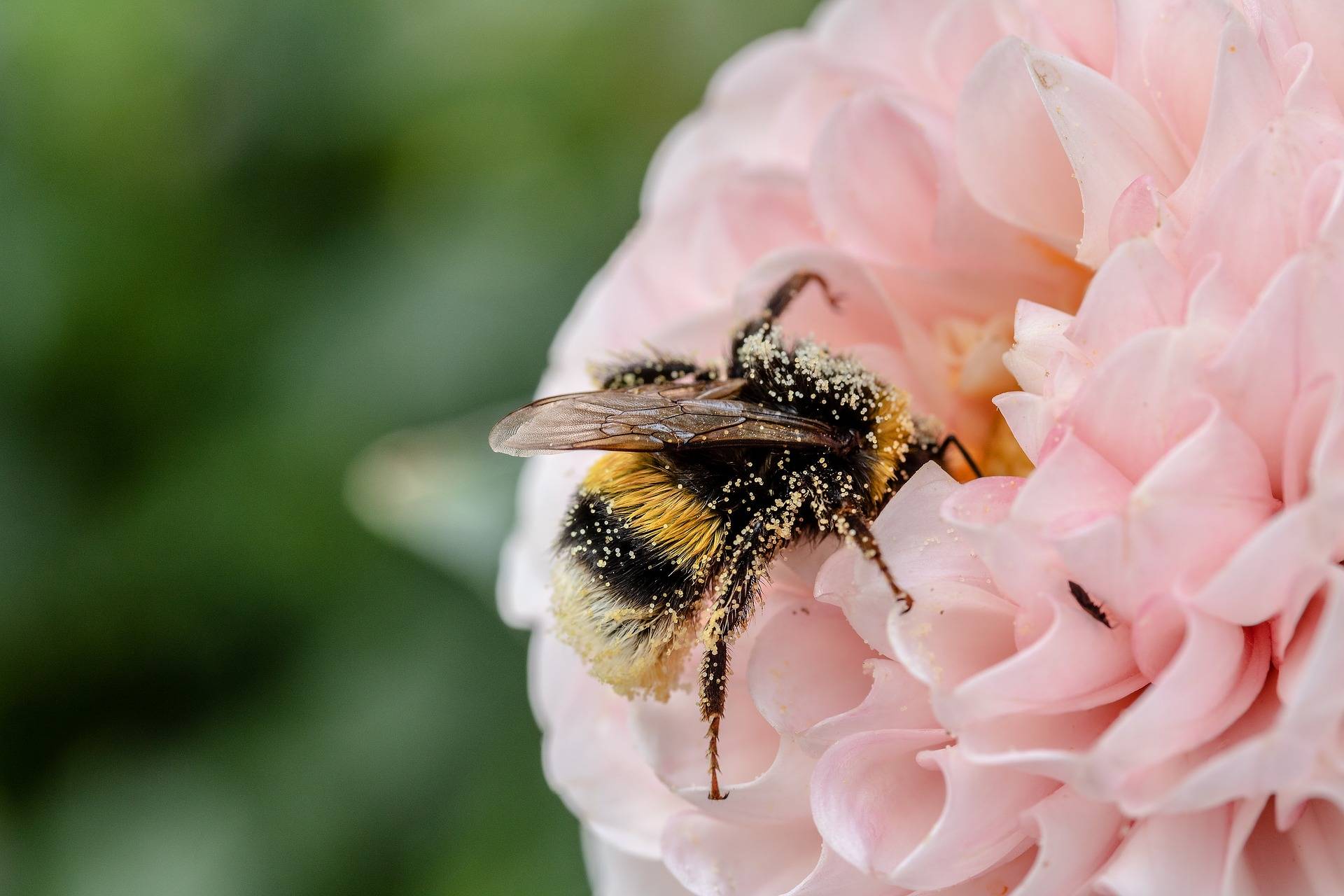
Some studies found that reducing mowing intensity will have positive impacts on urban bee abundance and diversity. Bees play an important role. They’re the leading pollinators of plants and tremendously important for maintaining ecosystems. Besides being important for conservation, they also support agricultural crops. Native bees are the primary insect pollinator of agricultural plants in most of the country. Crops that they pollinate include squash, tomatoes, cherries, blueberries, and cranberries.
Do you need more reasons to start considering not mowing?
It worked for residents in Appleton, Wisconsin! In May 2020 the city council agreed to suspend their lawn ordinance. About 435 property owners participated in the campaign. Researchers wanted to know more about the impact of this campaign. They wanted to know how many pollinators and how many different flower and bee species they could find in unmown lawns. Later they compared these numbers to mowed urban parks. They found yards that took part in No Mow May had three times higher bee species richness and five times higher bee abundance than nearby parks that had been mowed. Sounds pretty successful to me.
With ordinances or guidelines that are different to each area you may be wondering how you can start implementing No Mow May this spring. Below you can find some useful tips.
Delaying your lawn cutting encourages wildflowers to grow in your lawn. If you have to follow specific guidelines from the Homeowners Association, you can decrease your mowing frequency even if it still has to be more than once every month. Let your lawn grow an extra inch or two.
You can start going mowless by leaving grass to grow longer in some areas. This will allow those areas to have a greater diversity of flowers while keeping a tidy lawn so you can keep in step with local ordinances.
Some flower species like daisies, dandelions, and birdsfoot trefoil grow well in shorter grass. In fact, cutting the flowers from these plants once a month stimulates them to produce more blooms.

Engage with your local authorities and tell them about your plans. This way you can avoid fines. Display a simple sign letting everybody know that your yard would be a pollinator habitat this spring and isn’t a neglected yard.
You can educate your neighbors about this initiative. Organize your local community and suggest optional programs and initiatives around the neighborhood.
Bee populations have been declining in recent years. One acre of wildflowers can contain 3 million flowers. That amount of flowers can support nearly 96,000 bees per day. All lawns in the United States can then support more than 3.8 million bees every day. Even on a small scale, No Mow May will help preserve the pollinator population.
Did you enjoy learning about No Mow May? If so, why not show us!
Share your picture and tag us on Instagram, Facebook, or Twitter!
Want to do more?
Become a Forest Defender today! Your monthly gift will protect the biodiversity of the South.
Join our email list to get new Biodiversity in Your Backyard sent directly to your inbox!
Todos estamos acostumbrados a ver céspedes limpios y bien cuidados en los Estados Unidos. La primavera está a la vuelta de la esquina y los meses más cálidos están por llegar. Eso significa que más estadounidenses pasarán más tiempo al aire libre pensando en sus jardines. Mantenerlos puede resultar costoso y consumir mucho tiempo. Pero, ¿alguna vez nos hemos preguntado cuáles son los beneficios de los céspedes para la vida silvestre?
La expansión de las áreas urbanas está aumentando a medida que la población aumenta. Entre 2000 y 2010, el área de suelo urbano en los Estados Unidos aumentó en un 15%. Este rápido aumento de áreas urbanas está destruyendo los pastizales naturales. Estos pastizales naturales albergan varias flores silvestres y animales que dependen de ellos.
No Mow May es una iniciativa de conservación popularizada por Plantlife, una organización con sede en el Reino Unido. El objetivo de No Mow May es bastante fácil y simple. Solo deja que tu césped crezca sin cortarse durante el mes de mayo. Esta acción permitirá que las flores silvestres crezcan en tu césped y creará un hábitat y forraje para los polinizadores de la temporada temprana, como las abejas y las mariposas. Las flores silvestres en tu césped pueden proporcionar el néctar necesario para los polinizadores.
Esto es particularmente importante en áreas urbanas donde los recursos florales son frecuentemente limitados. Un grupo de investigadores descubrió que los céspedes son el cultivo de regadío más grande de los Estados Unidos. Representan aproximadamente el 2% de la tierra en los Estados Unidos. Además, un estudio encontró que los céspedes crean ecosistemas con baja biodiversidad.
La respuesta corta es sí. Los céspedes no tienen muchos beneficios para la vida silvestre. De hecho, carecen de recursos florales o sitios de anidación para las abejas y otros polinizadores importantes. Además, a menudo se tratan con grandes cantidades de pesticidas que dañan a las abejas y otros insectos. Según la agencia USGS, Estados Unidos tiene 4000 especies de abejas nativas. Algunas de estas especies viven en áreas urbanas.
Las abejas varían en su comportamiento de anidación, sociabilidad y preferencias de alimentación. La extracción de flores silvestres afecta principalmente a las especies de abejas que usan esas flores como alimento y recursos de anidación. Evitar cortar el césped durante solo un mes ayudará a las especies de abejas que dependen de esas flores. ¡Una especie de abeja osmia incluso usa pétalos de flores para hacer nidos coloridos!
Algunos estudios encontraron que reducir la intensidad del cortado de césped tendría impactos positivos en la abundancia y diversidad de las abejas urbanas. Las abejas juegan un papel importante. Son los principales polinizadores de plantas y tremendamente importantes para el mantenimiento de los ecosistemas. Además de ser importantes para la conservación, también apoyan los cultivos agrícolas. Las abejas nativas son los principales insectos polinizadores de las plantas agrícolas en la mayor parte del país. Los cultivos que polinizan incluyen calabazas, tomates, cerezas, arándanos y moras.
¿Necesitas más razones para empezar a considerar la posibilidad de no cortar tu césped?
Funcionó para los residentes de Appleton, Wisconsin. En mayo del 2020, el municipio acordó suspender su ordenanza referente al césped. Aproximadamente 435 propietarios participaron en la campaña. Los investigadores querían saber más sobre el impacto de esta campaña. Querían saber cuántos polinizadores y cuántas especies distintas de flores y abejas podían encontrar en un césped sin cortar. Luego, compararon estos números con parques con céspedes cortados. Descubrieron que los patios que participaron en No Mow May tenían tres veces más distintas especies de abejas y una abundancia de abejas cinco veces mayor que los parques cercanos cuyos céspedes habían sido cortados.
Con ordenanzas o directrices que son diferentes para cada área, es posible que te estés preguntando cómo puedes comenzar a implementar No Mow May esta primavera. A continuación puedes encontrar algunos consejos útiles.
Si tienes que seguir pautas específicas de Homeowners Association, puedes disminuir la frecuencia de corte. Retrasar el corte del césped fomenta el crecimiento de flores silvestres en tu césped. Deje que su césped crezca una o dos pulgadas extra.
Puedes dejar que el césped crezca más en algunas áreas. Esto permitirá que esas áreas tengan una mayor diversidad de flores mientras mantienes un césped ordenado para que así puedas cumplir con las ordenanzas locales.
Algunas especies de flores como las margaritas, los dientes de león y el trébol patas de pájaro crecen bien en pastos más cortos. De hecho, cortar las flores de estas plantas una vez al mes las estimula a producir más flores.
Involucrate con tus autoridades locales y cuéntales sobre tus planes. De esta forma evitarás multas. Pon un letrero sencillo para que todos sepan que tu jardín será un hábitat de polinizadores esta primavera y que no es un jardín descuidado.
Puedes informar a tus vecinos sobre esta iniciativa. Organiza a tu comunidad local y sugiere programas e iniciativas opcionales en tu vecindario.
La población de abejas ha ido disminuyendo en los últimos años. Un acre de flores silvestres puede contener 3 millones de flores. Esa cantidad de flores puede albergar cerca de 96.000 abejas por día. Todos los céspedes de los Estados Unidos pueden albergar a más de 3.8 millones de abejas todos los días. Incluso a pequeña escala, No Mow May ayudará a preservar la población de polinizadores.
Residents of Cook County and advocates of free speech everywhere won a big victory in Georgia. The Georgia Environmental Protection Division (EPD) will begin holding public comment periods on “synthetic minor” air pollution permits. This is the first time that EPD will hold comment periods for these permits in more than 20 years.
The Georgia public finally has a chance to comment on proposed permits. Public comments can make the permitting process more fair and democratic. Individual comments can inform agency policy choices. This may help them change course before it’s too late.
Dogwood Alliance joins our partners in Georgia to celebrate this important announcement. Dogwood Alliance, Environmental Integrity Project,Concerned Citizens of Cook County, Georgia Interfaith Power and Light, and several other close allies have been pushing the Environmental Protection Division. Since 2020, we’ve been demanding that GA EPD include comment periods for synthetic minor air pollution permits.
The wood pellet biomass industry often needs these synthetic minor air pollution permits. In a cluster, so-called minor sources can have a large impact on air quality. In the Southeastern United States, industrial facilities set up shop in marginalized communities of color. Now communities will be able to give their own views. This brings more voices to the decision-making table. GA EPD’s response will finally take into account the public view on these types of permits.
This victory is because of the tireless work of advocates. This decision brings us closer to a vision of environmental justice.
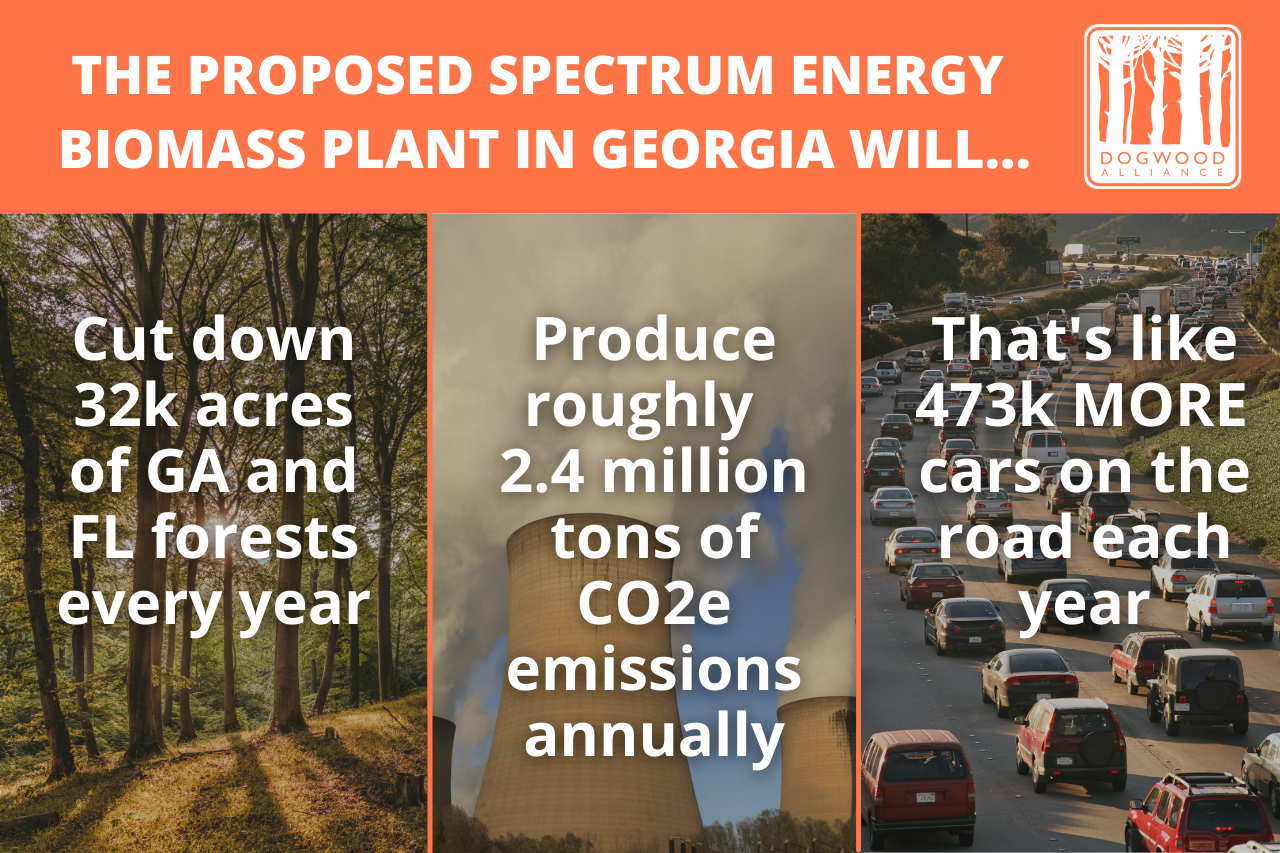
Spectrum Energy hopes to build a 1.32 million ton production facility in Adel, Georgia. This facility will be a disaster for forests. If built, it will be the largest wood pellet manufacturing facility ever in Georgia. It will lead to clearcutting 31,680 acres of Georgia forests per year. This clearcutting will be in a region where industrial logging is already bombarding forests.
This facility will also be a disaster for our climate. Wood pellets this facility produces will be burned in Europe for energy. That burning will add thousands of tons of carbon dioxide to the atmosphere, equal to 472,683 cars on the road.
Residents in Cook County will face air pollution like particulates, carbon monoxide, nitrogen, and hazardous air pollutants. This sort of air pollution causes many health harms, from asthma attacks to cancer to heart attacks, resulting in emergency room visits, hospitalizations, and premature deaths. Furthermore, wood pellet producers like Spectrum Energy promise jobs and prosperity to local communities, but these promises have never panned out. Poverty rates in many areas where there are wood pellet facilities are stagnant or have even increased since these facilities came to town.
It’s time to take advantage of this new opportunity to raise our voices!
Do you want to take the first step and get more involved in conservation but you’re not sure where or how to start? People tend to believe that conservation only involves marine biology or studies about endangered amphibians. However, conservation also involves politics, law enforcement, education, social justice, and many other areas of society. So take a deep breath, evaluate your skills, and use them to help the conservation effort. Maybe you’re good at writing, photography. or public speaking. Conservation is for everyone. We’ve put together a list of some ways you can start getting involved in conservation.
Advisory boards are groups of experts that provide advice and recommendations to government decision makers. This is volunteer work, and examples include the Environmental Technologies Trade Advisory Committee or the NOAA Science Advisory Board. Here you can find a comprehensive list. Find a board that interests you and follow their application process.
Similar to government boards, county or city commissions also offer advice to government officials regarding their communities. You can join one by applying to one. If you don’t get a position, you can still attend the commission meetings. As community members we can attend and listen to their meetings and even provide public comment or criticism.
Public meetings are a way to share information about proposals or issues that can have an impact on a community. They’re a great opportunity to voice your opinions and concerns. Keep an eye on what public hearings would be held in your community. A good way to do it is by subscribing to the mailing lists of local organizations or NGOs. Sometimes your local government may announce their meetings on social media, in the newspaper, or through an email list.

If there’s a local conservation issue on the table, don’t hesitate to write or call your local representatives to express your opinions or worries. Engage more with politics; go out and vote and encourage your community to also vote. Local politicians may only hear from a few constituents, which means that your opinion can have a large influence on them if it’s well researched.
Research what local organizations have volunteer positions open or find out when the positions will be open. Much of this information can be found on their web pages or you can even try to contact them and ask. With COVID and remote work, many organizations are even offering remote positions!
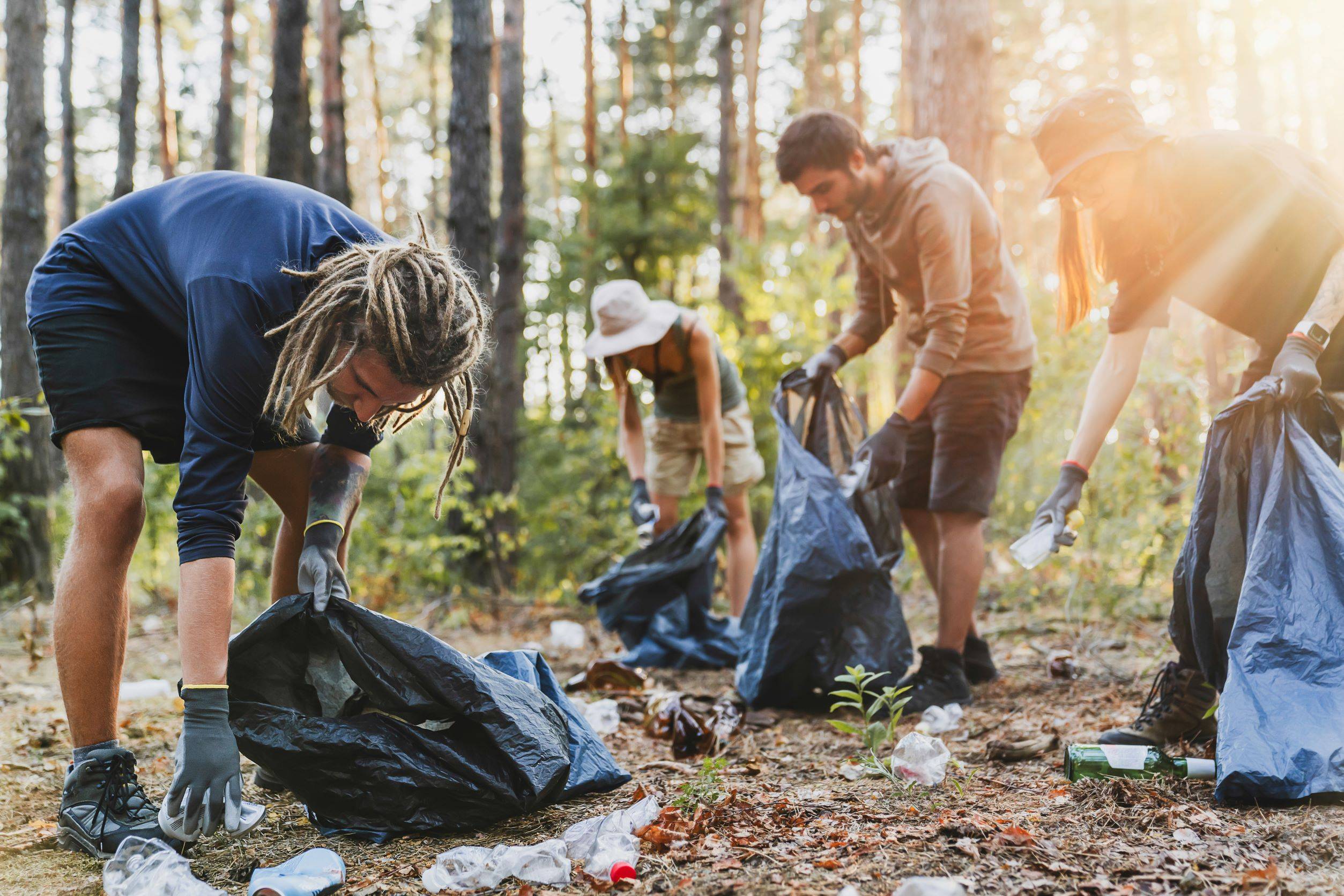
Do you want to start getting more involved with conservation, but you’re struggling to find some free time? We get it. You can find a nonprofit organization that aligns with your interests and values. Then start donating to them, no matter how small the contribution is. With that money you can help them to continue with their mission. If you don’t have the means to donate money, you can always donate your time by participating in campaigns or events. Here are some organizations you can check: Dogwood Alliance, North Carolina Conservation Network, Carolina Wetlands Association, North Carolina Environmental Justice Network, Naturaland Trust, Friends of Coastal South Carolina, Georgia ForestWatch, Georgia Interfaith Power and Light.
Rails-to-trails are multipurpose public trails that run on former railroad corridors or sometimes parallel to active rails. Some trails are managed by nonprofit organizations like Friends of the Trail. These organizations take charge of building and maintaining these efforts. You can search your nearest rail-to-trail initiative and start getting involved. If you’re in North Carolina, look for Mountain True or for Friends of the Ecusta Trail. In Georgia look for The Newton Trails initiative or in South Carolina for the Palmetto Conservation.
Regardless of your career, you can use your skills to contribute to conservation around your community. Some local organizations may need some extra help, so if you’re good with photography, marketing, graphic design, or social media management (among many other possible talents), you can offer your help by contacting them and letting them know your skills and your availability.
If you own large areas of land or have the means to buy land, consider land preservation. Land conservation provides economic benefits to local communities in the form of natural goods and services. It can increase opportunities for both tourism and outdoor recreation.
Talk about conservation with your family, friends, and neighbors. Try to engage them in the cause. Spend outside time with your family and teach them about conservation.
If you want to take the next step, you can take a Master Naturalist class. This class will train you to be an environment caretaker and how to teach those skills to others. Almost every state offers the program, sometimes in conjunction with universities. If you’re in North Carolina you can find one at the North Carolina Arboretum. In South Carolina, Clemson University offers one, and in Georgia, you can find one at the University of Georgia.
This is a great way to get more involved in conservation or to pursue a job in the conservation field. The Student Conservation Association is a program that connects students with several government agencies to work on conservation-related projects during the summer or even long term.
Your school may also provide internship programs or funding for you to spend your summers working with nonprofits. If not, many nonprofits have programs. You can also check out Americorps.
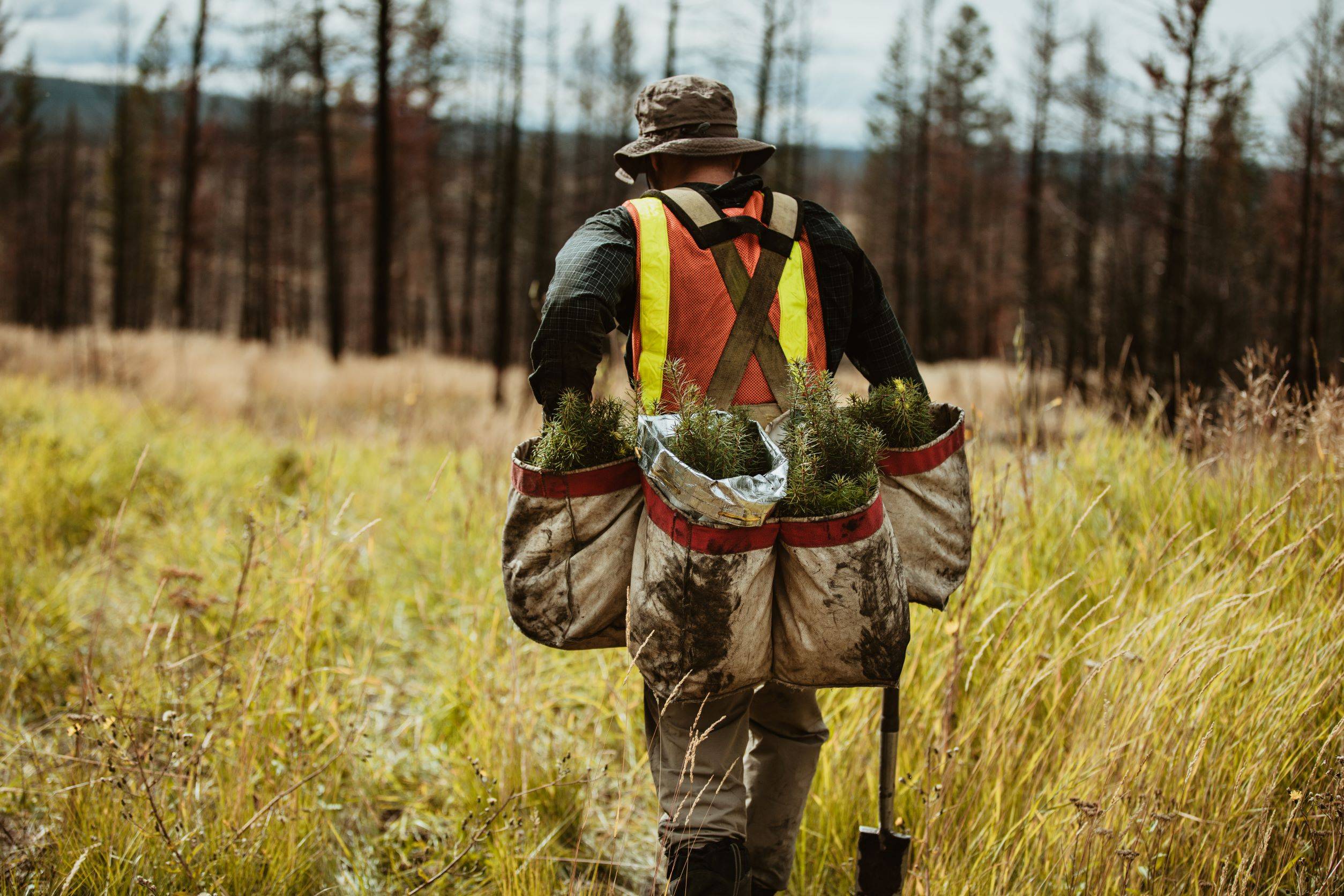
Look around campus for research projects. Choose the ones that attract you the most and fill out an application! You can also join some long term research projects like the Kalahari Meerkat Project, the Striped Mouse Project, or the Mpala Research Center. These projects will let you volunteer in exchange for covering your own minimal travel costs.
Do you have a brilliant idea rolling around in your head but you’re not sure how to get the funding to develop it? You can see if any of your local nonprofits might be interested in taking the project on. If not, there are programs and organizations that can fund your project ideas. You can find some funding options at the National Science Foundation. The Fulbright program also offers support for travel to carry out conservation projects.
Entonces, ¿quieres dar el primer paso y comenzar a involucrarte más en la conservación, pero no estás seguro de dónde o cómo comenzar? La gente tiende a creer que involucrarse en conservación sólo involucra biología marina o estudios sobre anfibios en peligro de extinción. Sin embargo, la conservación también involucra a la política, agentes judiciales, la educación, la justicia social y muchas otras facetas de la sociedad. Así que respira hondo, evalúa tus habilidades y usalas para ayudar en la conservación. Quizás seas bueno escribiendo, con la fotografía o hablando en público. La conservación es para todos. Hemos elaborado una lista de algunas formas en las que puedes comenzar a involucrarte en la conservación. Sigue leyendo.
Un gabinete de asesores es básicamente un grupo de expertos que brindan consejos y recomendaciones a los encargados gubernamentales. Este es un trabajo voluntario, algunos ejemplos incluyen el Consejo de Comercio de Tecnologías Ambientales o la Junta Asesora Científica de la NOAA. Aquí puedes encontrar una lista completa. Encuentra una junta que te interese y sigue su proceso de solicitud.
Al igual que en los gabinetes gubernamentales, las comisiones del condado o del municipio también ofrecen asesoramiento a los funcionarios gubernamentales con respecto a sus comunidades. Puedes unirte a uno enviando una solicitud. Si no obtienes un puesto, aún puedes asistir a las reuniones de la comisión . Como miembros de la comunidad, podemos asistir y escuchar sus reuniones, e incluso ofrecer comentarios o críticas públicas.
Las reuniones públicas son una forma de informar y compartir información sobre propuestas o problemas que pueden afectar a una comunidad. Son una gran oportunidad para expresar tus opiniones e inquietudes Mantente alerta a las audiencias públicas que se llevarán a cabo en tu comunidad. Una buena forma de hacerlo es suscribiéndote a la lista de contactos de organizaciones locales u ONGs. A veces, tu gobierno local puede anunciar sus reuniones en las redes sociales, en el periódico o mediante una lista de contactos.
Si hay un problema de conservación local sobre la mesa, no dudes en escribir o llamar a tus representantes locales para expresar tus opiniones o preocupaciones. Comprométete más con la política; sal a votar y anima a tu comunidad a que también vote. Es posible que los políticos locales solo escuchen a unos pocos electores, lo que significa que tu opinión puede tener una gran influencia sobre ellos si está bien sustentada.
Investiga qué organizaciones locales están solicitando voluntarios o averigua cuándo estarán abiertas las vacantes. Gran parte de esta información se puede encontrar en sus páginas web o incluso puedes intentar contactarlos y preguntar. ¡Por el COVID y el trabajo remoto, muchas organizaciones incluso ofrecen posiciones remotas!
¿Quieres empezar a involucrarte más en la conservación, pero estás luchando por encontrar algo de tiempo libre? Lo entendemos. Puedes encontrar una organización sin fines de lucro que se alinee con tus intereses y valores y comenzar a donar, sin importar cuán pequeña sea tu contribución. Con ese dinero puedes ayudarlos a continuar con su labor. Si no tienes los medios para donar dinero, siempre puedes donar tu tiempo participando en campañas o eventos. Aquí hay algunas organizaciones que puedes chequear: Dogwood Alliance, North Carolina Conservation Network, Carolina Wetlands Association, North Carolina Environmental Justice Network, Naturaland Trust, Friends of Coastal South Carolina, Georgia ForestWatch, Georgia Interfaith Power and Light.
Es posible que hayas oído hablar de esta iniciativa antes, o tal vez no. Los rails-to-trails son senderos públicos de usos múltiples que corren en antiguos corredores ferroviarios o, a veces, paralelos a rieles activos. Algunos senderos son administrados por organizaciones sin fines de lucro como Friends of the Trail. Estas organizaciones se encargan de construir y mantener estos senderos. Puedes buscar la iniciativa rails-to-trails más cercana y comenzar a involucrarte. Si te encuentras en Carolina del Norte, busca Mountain True o Friends of the Ecusta Trail, en Georgia busca la iniciativa The Newton Trails, o si estas en Carolina del Sur busca Palmetto Conservation.
Independientemente de tu carrera, puedes usar tus habilidades para contribuir a la conservación en tu comunidad. Algunas organizaciones locales pueden necesitar ayuda adicional, por lo que si eres bueno con la fotografía, el marketing, el diseño gráfico o la gestión de redes sociales, entre muchos otros talentos, puedes pedir y ofrecer tu ayuda contactándolos y haciéndoles saber sobre tus habilidades y tu disponibilidad.
Si posees grandes áreas de tierra o tienes los medios para comprar tierras, considera la preservación de tierras. La conservación de la tierra proporciona beneficios económicos a las comunidades locales en forma de bienes naturales y servicios. Puede aumentar las oportunidades tanto para el turismo como para la recreación al aire libre.
Habla sobre la conservación con tu familia, amigos y vecinos. Trata de hacerlos participar en la causa. Pasa tiempo al aire libre con tu familia y enséñales sobre conservación.
Si deseas dar el siguiente paso, puedes tomar una clase de Master Naturalist. Esta clase te capacitará para ser un cuidador del medio ambiente y podrás enseñar esas habilidades a otros. Casi todos los estados ofrecen el programa, a veces en conjunto con universidades. Si estás en Carolina del Norte puedes encontrar uno en el Arboreto de Carolina del Norte, en Carolina del Sur, la Universidad de Clemson ofrece uno y en Georgia, puedes encontrar uno en la Universidad de Georgia.
Esta es una excelente manera de comenzar a involucrarte más en la conservación o si deseas buscar un trabajo en el campo de la conservación. La Student Conservation Association es un programa que conecta a estudiantes con diferentes agencias gubernamentales para trabajar en proyectos relacionados con la conservación durante el verano o incluso a largo plazo.
Tu escuela también puede proporcionar programas de pasantías o fondos para que pases los veranos trabajando con organizaciones sin fines de lucro. Si no es así, muchas organizaciones sin fines de lucro también tienen programas. También puedes consultar en Americorps.
Busca en el campus proyectos de investigación. ¡Elige los que más te atraigan y completa una solicitud! También puedes unirte a algunos proyectos de investigación a largo plazo como el Kalahari Meerkat Project, el Striped Mouse Project o el Mpala Research Center. Estos proyectos te permitirán ser voluntario a cambio de cubrir tus costos mínimos de viaje.
¿Has tenido una idea brillante que ha estado dando vueltas en tu cabeza últimamente, pero no estás seguro de cómo conseguir los fondos para desarrollarla? Puedes consultar si alguna de tus organizaciones sin fines de lucro locales podrían estar interesadas en tomar el proyecto. De lo contrario, existen programas y organizaciones que pueden financiar las ideas de tu proyecto. Puedes encontrar algunas opciones de financiación en la National Science Foundation. El programa Fulbright también ofrece apoyo para viajes para realizar proyectos de conservación.
FOR IMMEDIATE RELEASE – Tuesday, April 5, 2022 Media contact: Carina Daniels, [email protected], 510-847-1617
Washington, DC – A coalition of scientists, faith and environmental justice leaders, and forest defenders has released The Nature Conspiracy, a tell-all exposé calling out The Nature Conservancy (TNC) for falsely promoting wood production and logging as climate solutions. The coalition decided to produce the exposé after The Nature Conservancy repeatedly dismissed concerns about the destruction it’s helping to cause.
“The Nature Conservancy – the biggest, richest, and most influential environmental organization in the country – has been working with the logging and wood products industries and lobbying governments at all levels to increase logging and expand markets for wood products, often calling these efforts ‘natural climate solutions,'” said the Reverend Leo Woodberry, executive director of the New Alpha Community Development Corporation and prominent leader in the environmental justice movement.
Woodberry said,
“When my colleagues and I presented The Nature Conservancy with evidence that wood production and industrial logging is destroying our forests, making climate change worse, and making rural communities – particularly communities of color – more susceptible to flooding, wildfires, water contamination, and pollution, they weren’t interested in talking about how we can work together to fix this. As the climate crisis worsens, we need The Nature Conservancy to stop promoting false solutions.”
The letter calls on TNC to stop promoting wood products and logging, to help catalyze a bold effort to protect forests and support environmental justice communities. The letter states: “TNC programs are promoting false climate solutions that center the financial interests of large lumber, pulp/paper, biomass/wood-pellet, and other corporations that perpetuate carbon emissions, biodiversity loss, pollution and environmental injustice.”
In a series of articles, The Nature Conspiracy exposé refers to scientific evidence, public statements, and expert interviews to document:
“We cannot sit back and remain silent while TNC enables an industry that is doing so much damage to climate, biodiversity, and environmental justice communities,” said Danna Smith, executive director of Dogwood Alliance. “We need swift and courageous action to protect forests and our most vulnerable communities if we are going to meet the grave crises we are facing at this moment.”
When trees are logged, most of the carbon they store is released.
Logging slashes forests’ ability to absorb and accumulate massive amounts of carbon from the atmosphere. It also destroys habitats for plants and animals, including endangered species. It damages services local communities depend on, including natural flood control and water purification.
“The latest IPCC report findings confirmed the growing body of scientific evidence that it is essential to maintain the ecological integrity of our forests and all natural systems to protect and restore biodiversity and avoid the worst consequences of climate change,” said William Moomaw, PhD, emeritus professor of international environmental policy at Tufts University, and a lead author of five IPCC reports.
“As a scientist, I call on The Nature Conservancy to stop undermining these climate and biodiversity goals.”
These plants, which tend to be built near low income communities of color, turn trees into tiny pellets – a form of biomass – that are shipped to Europe and Asia and burned to generate electricity. The exposé also documents how TNC has aligned with two of the biggest players in the wood pellet market – Enviva and Drax – in a collaborative that seeks to influence government policy.
“While The Nature Conservancy is helping drive federal subsidies to expand wood markets, companies like Enviva and Drax are ramping up wood pellet production and environmental justice communities across the South are paying the price with their health,” said Kathy Egland, founder of Mississippi’s Education, Economics, Environmental, Climate, and Health Organization. She chairs the Environmental and Climate Justice Committee of NAACP, which recently passed a resolution opposing the biomass and wood pellet industry’s expansion across the South.
In the West, The Nature Conservancy promotes logging as a way to reduce wildfire risk to communities, despite the fact that the largest study comparing fire in protected forests to fire where logging is permitted found that “forests with the highest levels of protection from logging tend to burn least severely.”
“All logging companies have to do is say the magic words ‘fuel reduction’ and they can cut down the most fire-resistant large, old trees; they can clearcut mature forests; or they can call it ‘commercial thinning’ and kill 80% of the trees in a forest,” said Chad Hanson, PhD, of the John Muir Project. “It’s commercial logging for profit, just with a different label,” he said.
TNC’s fingerprints are all over the enormous 2021 Infrastructure Investment and Jobs Act, which calls for logging an additional 30 million acres of national forests and other public lands owned by the American people, $400 million in support for expanding wood markets (such as biomass), and nearly $2 billion for wildland fire reduction and restoration work.
The magazine’s Calendar of Controversy shows that this isn’t the first time The Nature Conservancy has been confronted by top scientists, environmental groups, and others. For example, in 2020, Bloomberg Green reported that The Nature Conservancy sold carbon offsets that didn’t really offset any carbon, accepting money from corporations to protect forest land that had already been protected.
The coalition hopes that its open letter and The Nature Conspiracy exposé can catalyze funders, policymakers, and the public to recognize the problems of industrial logging and prioritize protecting forests. They hope public pressure encourages The Nature Conservancy to change its ways and use its abundant resources and influence to protect our forests, our communities, and our planet.
Facing immense community opposition and legal troubles, Active Energy Renewable Power (AERP) will not be moving forward with plans to operate a black wood pellet production facility in Robeson County, North Carolina.
AERP announced plans to sell the site of the proposed production facility, effectively ending its plans to build the controversial wood pellet facility.
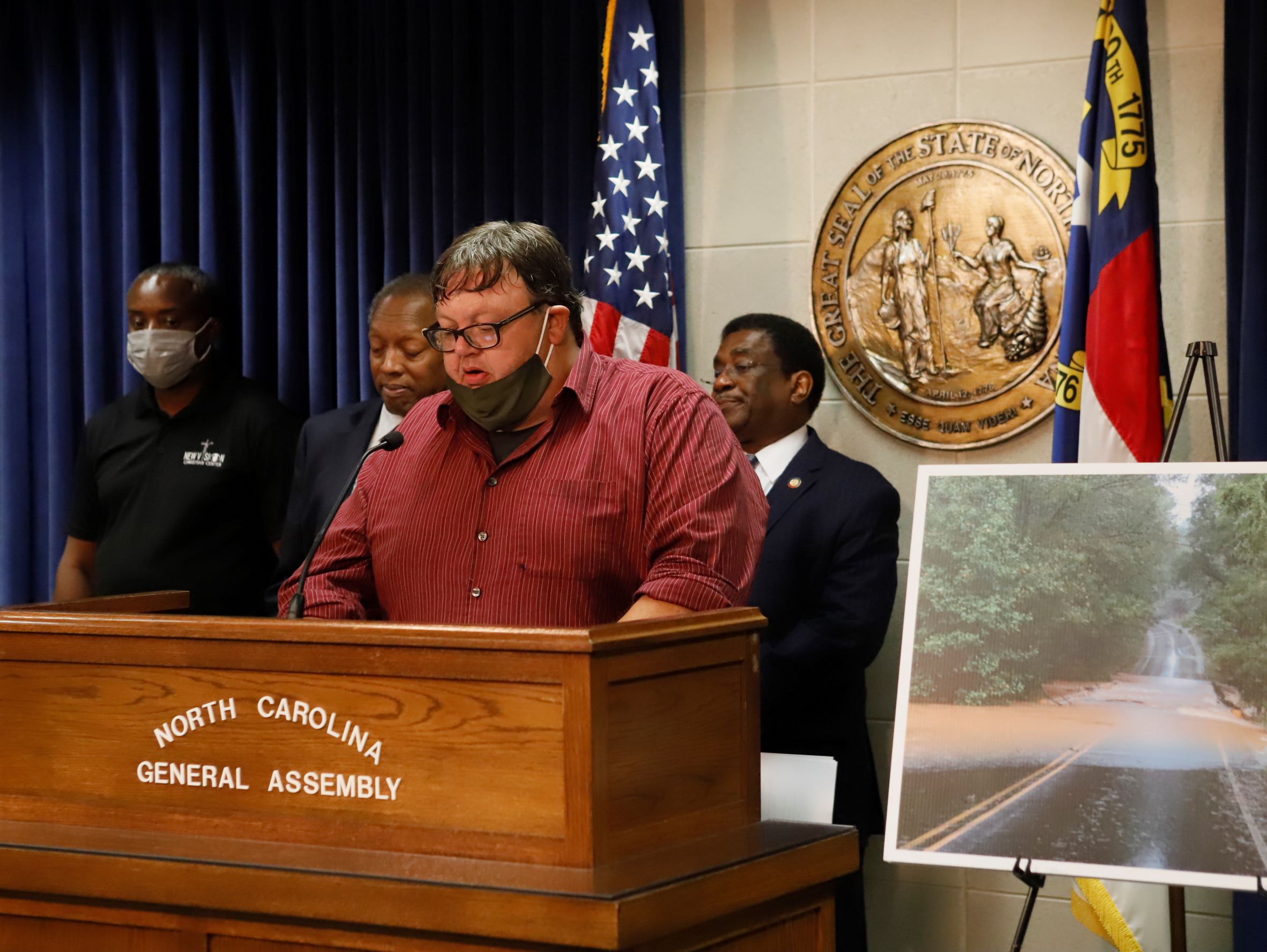
Jefferson Curie speaking at a press conference in Raleigh calling for Governor Cooper reject AERP facility.
This facility would have been a disaster for forests. The facility’s demand would have led to clearcutting of 9,600 acres of NC forests per year in a region where hardwood and wetland forests are already under siege from Enviva wood pellet production plants and other industrial logging.
North Carolina is the largest exporter of wood pellets in the nation. Eastern NC continues to be heavily logged from the four existing Enviva wood pellet facilities. Even without the additional impact of the AERP facility, Robeson County faces intensive logging from Enviva and other industrial logging operations.
In Robeson County, residents do not have to live with the additional particulates, carbon monoxide, nitrogen, and hazardous air pollutants that this plant would have created. This facility never should have been permitted in the first place.
Wood pellet production facilities are given permits and hundreds of thousands of dollars in taxpayer subsidies, but permitting and commerce agencies provide no oversight. If local residents hadn’t been vigilant in monitoring the pollution and questionable history of this facility, AERP would be advancing operations and creating significant air and water pollution.
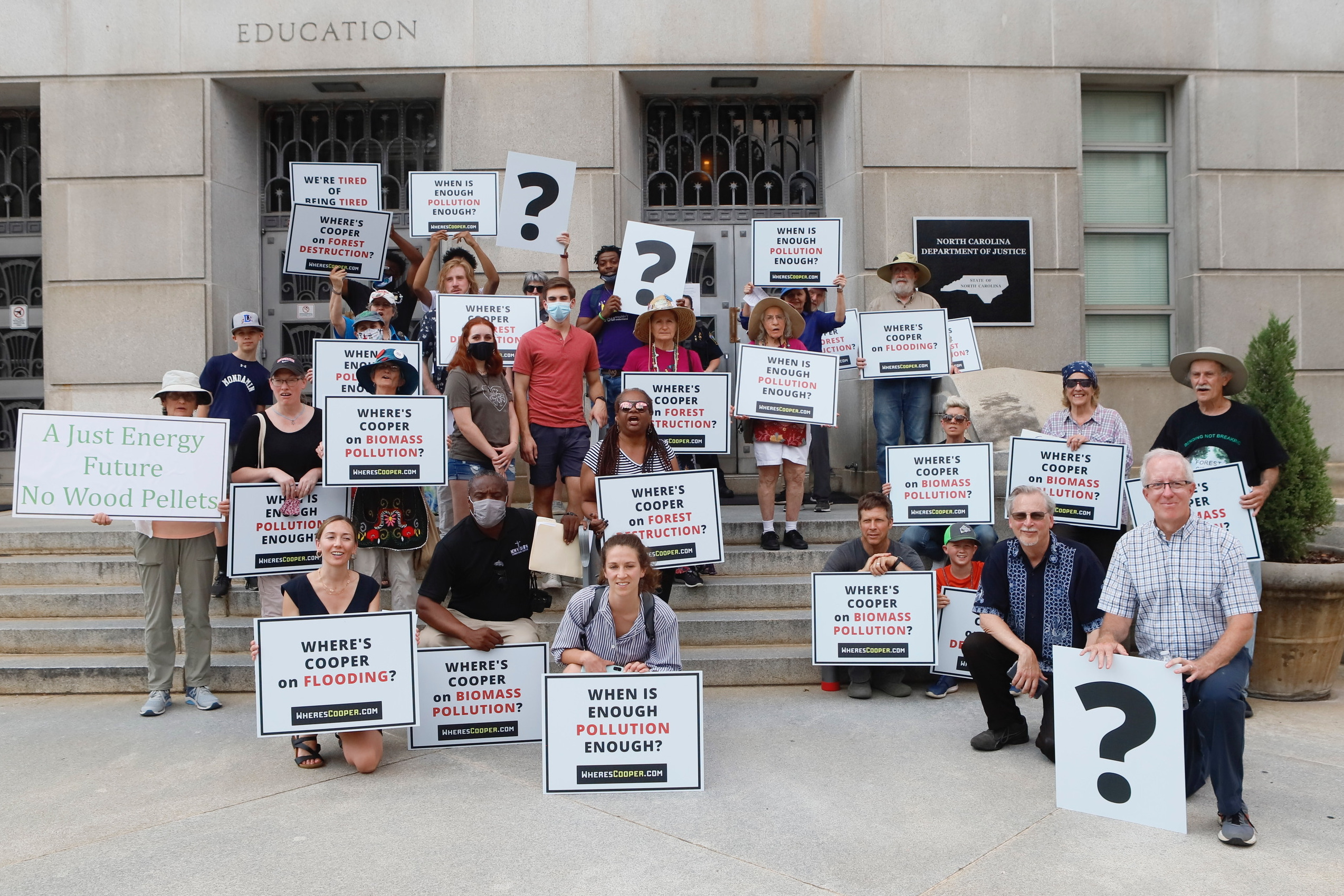
The organizations on the ground in Robeson County have been instrumental in monitoring every aspect of this dirty proposal and communicating their opposition to local elected officials. These groups include: The Robeson County Coalition for Clean and Green Industry, the Robeson County NAACP, The RedTailed Hawk Collective, The Robeson County Cooperative for Sustainable Development, Friends of the Earth, and Winyah Rivers. The Southern Environmental Law Center has vigilantly monitored this facility, forcing state permitting agencies to address violations.
The fight in Robeson County was bolstered by the Impacted Communities Against Wood Pellets Coalition, a coalition of Dogwood Alliance and representatives from counties with wood pellet facilities.
We’re excited to introduce you to our North Carolina team of organizers! Organizers Debra David, Dr. Ruby Bell, and Pastor Richie Harding all live in NC communities that the wood pellet industry most directly harms. In their respective communities, they’re educating their neighbors on the damaging impacts of the wood pellet biomass industry, and encouraging their communities to get involved in advocating for forest protection and environmental justice.
Local organizing is a critical component of our work for forest protection. For too long, lax policies and regulations have enabled a system of forest destruction that concentrates harm in lower-income communities of color. An organized and educated movement is the first step in advancing policies that don’t allow for the rampant logging and pollution.

I am a 46 year veteran in the field of education. From teaching to administration, I have experience at the PreK-12, Community College, and the four-year College/University levels. I’ve worked with children, parents, and the community for quite some time. I subscribe to the motto “every child, every chance, every day” as my focus to help children be successful. I now apply it to my community endeavors to give every person in every community every chance, every day to have a viable, healthy community.
Serving as Tri-Chair of the Diversity, Equity, and Inclusion Special Interest Group for the North Carolina Association for College and Teacher Educators opened my eyes and heart to the needs of the underserved communities of color. Dr. Iris P. Frye said, “Where we live, learn, work, and play affects our health, and over time, the conditions we experience lead to varying levels of health risks.” Therefore I believe we must have broad conversations, discussions, and advocate to assist the communities in addressing the needs and removing any barriers to health. Keeping the community knowledgeable through education is extremely important. I love this Margaret Mead quote:
“Never doubt that a small group of thoughtful, committed citizens can change the world; indeed, it’s the only thing that ever has.”
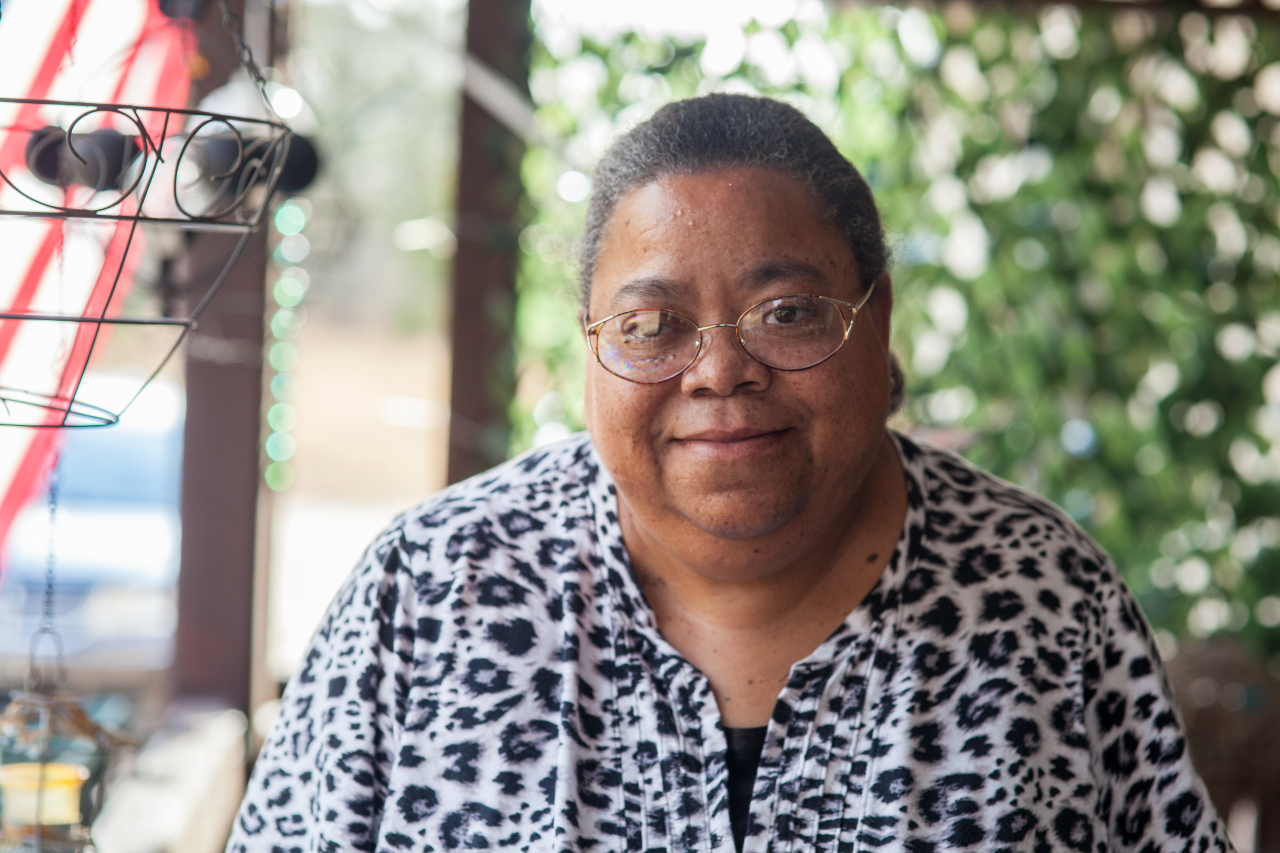
Debra David
Hi my name is Debra David. I am a resident of Richmond County. I am the organizer for Concerned Citizens of Richmond County. I live just down the road from an Enviva wood pellet plant, and I support my community in organizing around wood pellet issues. In 2019, our local group was successful in getting a huge win when our work forced Enviva to reduce pollution at their Richmond County plant by 95%. I love what I do, especially with environmental issues. I love working along with Dogwood Alliance.

Richie Harding is a Pastor and husband/family man from Gaston, North Carolina. This former veteran and IT specialist spends most days working with the kids as the executive director of Gaston Youth and protecting the environment through Northampton First. Richie’s community is home to many lifelong residents but has seen the appearance of a wood pellet facility and two CAFOs (Concentrated Animal Feeding Operation). “Of course we work to protect our children and environment ensuring growth for the future, but our people are suffering now. We need answers. We need help. We need change now.”
The latest Intergovernmental Panel on Climate Change (IPCC) report has a glimmer of hope among the bleak warnings. The report calls for a huge shift that focuses efforts on the maintenance and growth of natural systems. Natural systems like forests. To avoid the worst, the report urges us to conserve half of the Earth’s lands. The report also underscores the need to deviate from “maladaptive solutions”, or well-intentioned solutions gone wrong. To preserve the livability of our planet, we must change course and stop large scale biomass immediately.
Biomass is an ambiguous term that is also called bioenergy, wood pellets, woody biomass, and more. No matter the name, it means burning trees in power stations for electricity.
For over a decade, the biomass industry has operated on a foundation of faulty logic. They claim it’s a renewable and carbon neutral form of energy. But biomass releases climate warming carbon into the atmosphere every step of the way. The industry cuts down forests of the Southeastern US and converts them to pellets. They ship our forests overseas. Then they burn our forests in foreign power stations as an alternative to coal.
This industry couldn’t survive without taxpayer dollars. Governments throw money at biomass companies because they think biomass can help their countries reach renewable energy goals. All the while biomass is pushing those countries and the rest of the world further away from a clean energy future.
The biomass industry destroys rich, biodiverse forests and replaces them with single species plantations. Quickly converting carbon sinks into carbon emitters. These plantations can take decades to store the same amount of carbon as mature forests. Decades we don’t have.
Our planet desperately needs viable renewable energy now so that we can move away from fossil fuels.
It increases carbon emissions, forest destruction, and harms us all by increasing pollution and weakening climate resiliency.
Unfortunately, the demand for biomass is rapidly growing. What was meant to be a transitional energy source has unleashed a Pandora’s box of climate catastrophe. Large scale forest destruction in the Southern US hurts climate resiliency worldwide. Losing a forest may be a local issue, but burning a forest is a global one. To help you understand how we got here, we created this list of Biomass Baddies propelling the rise of this polluting, propped-up industry.

A bad policy led to biomass becoming classified as a “renewable energy”. In 2009, the European Commission created The EU’s Renewable Energy Directive (RED). The RED uses bad logic: If you cut down a tree, burn it, and then plant another one, it’s carbon neutral. We have plenty of scientific evidence that burning biomass for energy emits 30-50% more carbon than burning coal.
After the 2015 Paris agreement, the RED decided Europe’s path to reach their goals of reducing carbon emissions. Because of false carbon accounting, bioenergy is now ⅔ of the energy the EU classifies as renewable. When RED II passed in 2018, it doubled down on bioenergy as a so-called renewable energy solution for at least another decade.
We shouldn’t define biomass as renewable energy, and the EU should not subsidize it. Industrial bioenergy is not “renewable” and adds emissions to the atmosphere when we need to be reducing them. The EU must change course before the rest of the world follows their horrible lead.

Once the EU gave the green light, the UK jumped at the opportunity to greenwash burning wood for electricity. The UK is the largest importer of wood pellets in the world. They source destroyed forests from the Southern US, Canada, Estonia, and Brazil. Even after Brexit, the UK continues to subsidize biomass at astonishing levels. In 2019 alone, the UK imported 8.5 million tons of biomass. They also granted subsidies of almost £3 million a day to large biomass-burning power plants in the UK.
Massive amounts of public resources are going towards an energy source that hurts forests and biodiversity, increases carbon emissions, and places communities at risk. One in every five pounds the UK spends on renewable subsidies goes to bioenergy. Not to wind, solar, or other truly clean energy sources. This is shocking. Wind and solar power guarantee real emissions reductions, are readily available, and come at a fraction of the cost. Prime Minister Boris Johnson says he wants to lead the world in tackling the climate crisis and protecting nature. Yet, his government has invested billions in subsidies for dirty biomass electricity.

Drax has been identified as the UK’s biggest source of CO2 emissions. The UK may be the largest importer of wood pellets in the world, but Drax is the biggest burner of our forests. Drax claims its biomass is “sourced from sustainably managed working forests which grow back and stay as forests.” That’s simply not true. Reports show their sourcing has come from natural hardwood forests in the Southern US. In some cases, they’ve sourced wood from ancient forests in Belarus and Russia. All this burning of biomass is awful for the climate. Drax is one of Europe’s top five emitters of dangerous particulate emissions. They’re on the list with some of the continent’s worst coal power plants.
Drax is also the world’s second largest wood pellet producer. They operate facilities in Louisiana (Morehouse, La Salle) and Mississippi (Amite). Drax recently bought Pinnacle Renewable Energy (PRE), a Canadian wood pellet manufacturer. PRE has sourced wood from forests that provide a home for the Southern mountain caribou, an animal threatened by habitat loss.
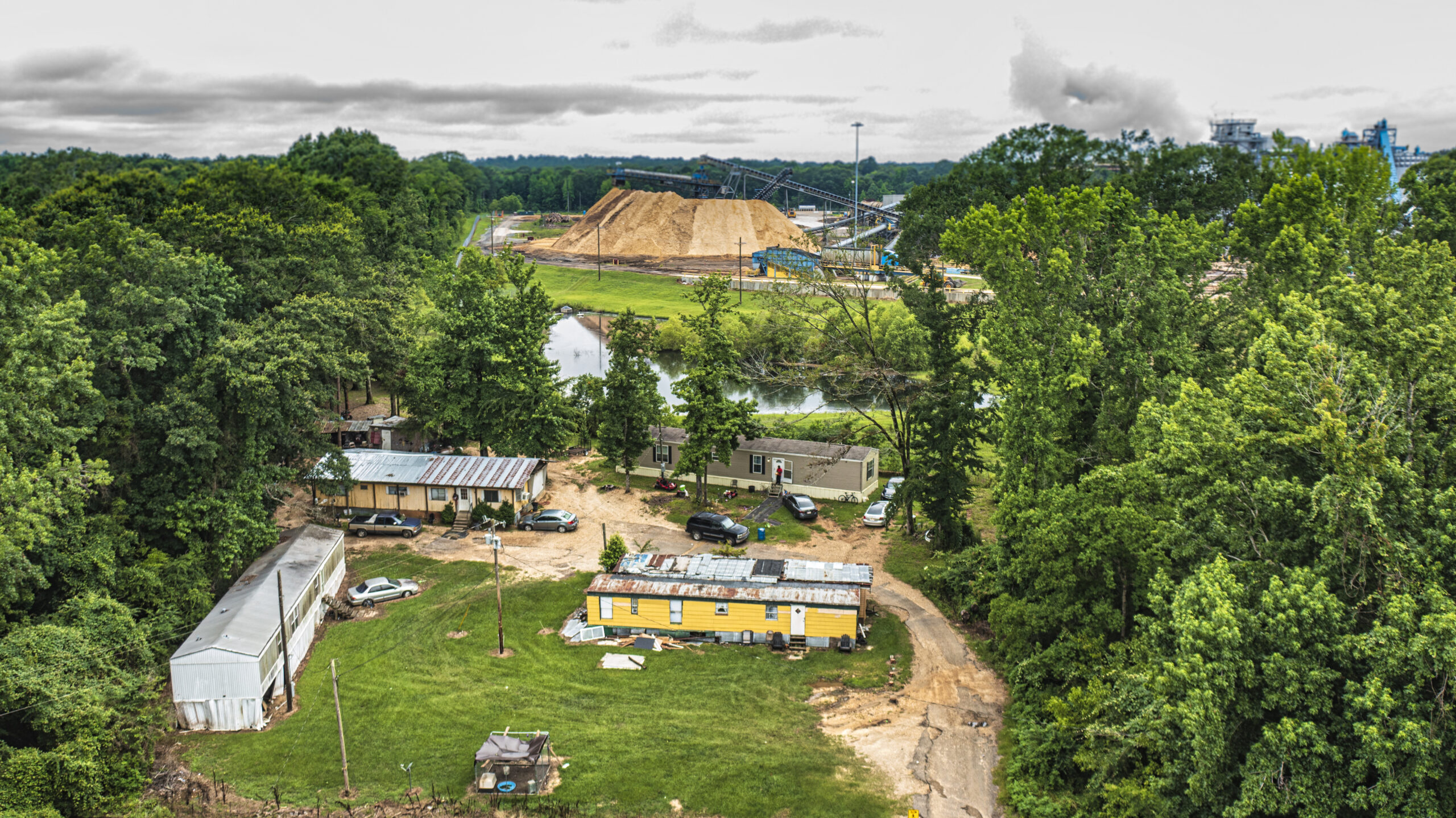
This facility is in the backyard of the Blackmon Hole community who has not received one cent to improve their health. The community was shocked to learn that the $2.5 million dollar fine was less than the subsidies that Drax receives from the UK government in a single day.
Drax’s strong relationship with the UK government is beginning to fail. One of the government’s ministers said “there are real problems” with burning wood for electricity. Let the entire house of cards come crashing down. That’s better than the UK digging in deeper with biomass or carbon capture storage (BECCS). Let’s take those taxpayer subsidies from Drax and give them to truly clean energy projects.

Maryland-based Enviva is the world’s largest manufacturer of wood pellets. They turn mostly whole trees into pellets that are then shipped overseas and burned in power stations. Europe and the UK’s policies have caused Enviva to rapidly grow. Enviva claims that its product is fighting climate change. Yet, in North Carolina alone, Enviva has logged 300,000 acres of forests in just eight years. This forest destruction released 28 million tons of CO2e (carbon dioxide equivalent) during harvest, transport, production, and combustion. That’s the same as burning 14 million tons of coal or 6.5 coal plants operating for a full year.
Enviva currently operates nine wood pellet facilities, has three more in various parts of development, and is considering five more. In January of 2022, they announced plans to double their production.
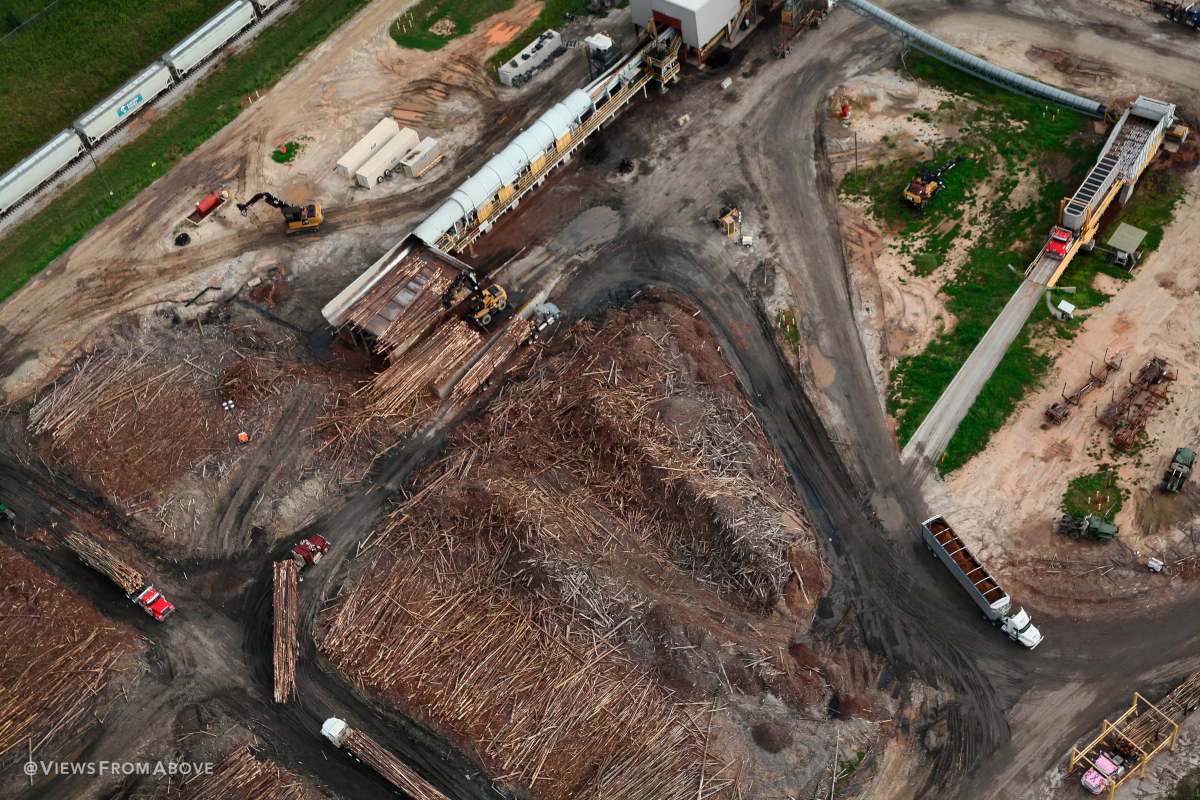
Their plants run 24 hours a day, 7 days a week. Nearby residents never get a break from the incessant noise, dust, volatile airborne compounds, and pollution. All this amounts to increased rates of cancer, asthma, and tree loss. Tree loss increases air temperature, which can lead to even more health risks. Enviva’s entire operation negatively impacts community health and climate resiliency.
Enviva also promises good, high-paying jobs when they come to town. Check out their Indeed employee reviews to see how they really treat their workers. Former employees complain about dangerous working conditions, lack of job security, and bad management practices. Enviva talks a good game, but in reality they crush their people like they destroy our forests and climate. Reality doesn’t match their boasts about the great jobs they bring to rural communities.

If you look at any paper product, you might find a symbol. Many of these products will have a SFI or FSC symbol. These symbols are certifying that they’ve manufactured the product to a certain standard. Certifications are businesses, and they operate by charging licensing fees. Manufacturers then use certification schemes to sell their products for a premium.
Certification schemes are never as rigorous as they should be. In some cases, they’re outright greenwashing. This is true of one certification in particular: the Sustainable Biomass Program (SBP). Biomass companies created the SBP standard themselves. Then they turn around and use it to certify that their products were sustainable and legally sourced.
To quote our partners NRDC on the matter,
The SBP standard is a perfect example of greenwashing and self-regulation gone wrong.

We’ve been asking North Carolina’s Governor Roy Cooper to break up with the biomass industry for years. Despite calling himself a climate leader, under his leadership NC became the largest exporter of wood pellets in the nation. The biomass industry cuts 60,000 acres of the state’s forests every year to feed demand.
North Carolina has given away $10 million in our tax dollars to subsidize the biomass industry. That money could be invested in wind, solar, or other forms of truly renewable energy. The state could also use those resources to invest in pollution controls for communities living with dirty biomass.
Governor Cooper hasn’t stopped the permitting of facilities in communities already suffering from the cumulative impacts of many pollution sources. His latest executive order does promise to address this concern in the future, but we must ensure he delivers on this promise.
While politicians like Governor Cooper have done little to stop the growth of the biomass industry, there are a few actively promoting its expansion. Rep. Bruce Westerman (R-AR) worked as a forester before his election to the House. His interests are the logging industry’s interests. In 2021, he introduced the Trillion Trees Act. While a trillion trees sounds lovely at face value, it’s a wolf in sheep’s clothing. The bill requires an annual increase in logging levels and that all activities in the bill spur timber markets. That’s why environmentalists have called it the Trillion Stumps Initiative. The bill also tries to declare biomass as carbon neutral.
Rep. Westerman isn’t the only politician trying to replicate the EU’s terrible policy. Senator Susan Collins (R-ME) has also introduced legislation to declare biomass as a carbon neutral renewable energy source. This would be a US version of the Renewable Energy Directive I & II. If the US follows the EU down this path, it will be disastrous for forests, climate, and environmental justice.

The mission of the Environmental Protection Agency (EPA) is to protect human health and the environment. Congress writes environmental laws and the EPA implements them through regulations and enforcement. State level agencies are usually the last line of defense when it comes to protecting public health, maintaining air and water quality, and ensuring public input. Unfortunately, state agencies in the South are failing us when it comes to the biomass industry.
Time and again state agencies are rubber stamping permits for biomass facilities. In some cases, they don’t even allow for a public comment period. The residents of Adel, GA are still waiting for the Georgia Environmental Protection Division (GA EPD) to give them their chance to speak against a proposed biomass plant in their backyard.

In cases where people showed up to protest, like in Greenwood, SC or when hundreds of people have spoken out in opposition, like in North Carolina, it doesn’t change the outcome. Georgia’s EPD, South Carolina’s Department of Health and Environmental Control (SC DHEC), and North Carolina’s Department of Environmental Quality (NC DEQ) granted permits for new or expanding biomass facilities. This was despite fierce opposition from the Black and Indigenous people that will be living with dirty air as a result. They’ve done so without any consideration for those already burdened with existing pollution sources.
In Gloster, MS, Mississippi’s Department of Environmental Quality (MS DEQ) fined the Drax Amite plant $2.5 million dollars for exceeding air pollution limits for over three years. This fine amounts to a slap on the wrist and is around the amount of money Drax receives daily in subsidies. MS DEQ is yet to notify local residents the pollution occurred, and they haven’t invested a dime in repairing the community’s health.
How are these agencies protecting human health and the environment when they allow our people to be poisoned and our forests to be destroyed?

Japan is now the world’s fastest growing market for wood pellets. Japan’s Prime Minister Suga committed the country to carbon neutrality by 2050. Large energy manufacturers have had to follow suit. For coal burners, like Sumitomo, we’ve seen a massive shift from burning coal to burning forests. As a result, Japan has dramatically increased imports of wood pellets from forests.
By 2025, Enviva expects to produce 7.1 million tons of wood pellets (compared to 3.6 million tons in 2019) to meet Japanese demand. This is a staggering increase in production. More and more the future of our forests and climate is tied to Japan’s biomass industry. Companies like Sumitomo and the Japanese government should avoid biomass if they don’t want the negative impacts on forests and high greenhouse gas emissions.

The Nature Conservancy’s (TNC) mission is to conserve the lands and waters on which all life depends. That’s why it’s mind-boggling that they falsely promote wood production and logging as a solution to the climate crisis. They’ve used their power and influence to shape forest policy that benefits the forest industry, not climate justice.
In fact, they supported over $1.5 billion in subsidies for the forest industry as part of the 2021 Infrastructure Investment and Jobs Act. They have also promoted forest carbon markets. This allowed fossil fuel polluters to “offset their emissions” with sham forest conservation efforts for TNC’s financial gain. TNC has also refused to recognize the impacts of wood products and logging on climate, biodiversity, and environmental justice communities.
The coalition produced the exposé after years of failed attempts to open a dialog with TNC only to have their concerns repeatedly dismissed. The exposé was released alongside an open letter to TNC’s CEO, Jennifer Morris, that more than 150 organizations signed.
Why is the world’s largest conservation organization using their massive resources and influence to promote forest destruction? As recently as 2021, they allowed a major investor and board member of Enviva to sit on their Advisory Board for the NatureVest program. They’re also a member of the Forest Climate Working Group along with both Enviva and Drax. This group promotes investments in wood markets as a “natural climate solution.”
TNC is the wealthiest, most powerful environmental organization in the world. The coalition hopes that public awareness will prompt funders and policymakers to demand accountability for the problems of industrial logging. In addition, they hope public pressure motivates TNC to shift their focus to protecting forests and communities instead of enabling polluting industries like biomass.
Whether it’s sunken cost fallacy or malice, it’s a mistake to classify biomass as carbon neutral. Governments and corporations have wasted more than a decade pursuing a maladaptive climate solution.
It’s possible that none of these baddies set out to intentionally harm our forests, climate, or people. But instead of focusing on the intent of biomass, we should be focusing on its impact.
The impact is more climate-warming carbon in the atmosphere. The impact is weaker resiliency against rising waters and temperatures. The impact is Black and Indigenous communities living with greater air pollution and susceptibility to disease. It’s losing forests and biodiversity at a massive scale, especially in the US South. It’s wasting billions of dollars in subsidies that could be invested in truly renewable clean energy alternatives. The impact is we’ve lost valuable time propping up an industry that isn’t economically or environmentally sustainable.
Many of the same scientists that have warned us on climate are now warning us against biomass. We should listen to them. Forests are a natural system that removes and stores carbon. They’re key to our survival and climate adaptability. Forests are our best climate defense. Protecting forests protects our future on this planet.
[share-buttons]
This post was co-authored with Rita Frost.
Is biomass bad for the environment? Using either wood (bioenergy or biomass) or fossil fuels for energy creates greenhouse gas emissions that worsen climate change. The global energy trade is large, and many countries import fossil fuels or biomass to produce energy.
Biomass imports have proven extremely harmful to climate change mitigation efforts. As the world changes its relationship with fossil fuels, we can’t rely on dirty fuels like biomass energy to make up the difference.
The International Panel on Climate Change (IPCC) recently released a new report on climate change and fossil fuels. Their report tells us,
“The scientific evidence is unequivocal: climate change is a threat to human well-being and the health of the planet. Any further delay in concerted global action will miss a brief and rapidly closing window to secure a liveable [sic] future.”
Is biomass harmful to the environment? The IPCC is clearly warning the world about energy sources. As the world tries to move towards a clean energy future, we have to be smart about it. The world can’t continue using fossil fuels for energy. We do need to power the world. But the more that we can rely on a green and clean energy source, the better. We need to get off of fossil fuels, but burning biomass to generate electricity is not the answer. Though renewable, biomass energy produces more greenhouse gases than coal when it is burned.

Here are just a few reasons that the world should think twice before using wood pellets and other biomass as fuel sources to replace fossil fuels.
The IPCC does not give a green light to burning biomass as an energy source. No matter what producers like Enviva or Drax will tell you, it’s a bad fuel choice. Burning biomass produces more carbon dioxide than fossil fuels. Even though biomass is sometimes considered one of several renewable energy sources used to generate electricity, its carbon dioxide emissions are very large.
The IPCC says in its latest AR6 report,
“Large scale deployment of bioenergy, including Bioenergy with Carbon Capture and Storage (BECCS) … can damage ecosystems directly or through increasing competition for land.”
In other words, this renewable energy can damage ecosystems in two ways. First, logging for biomass energy can harm ecosystems in direct, measurable ways. Secondly, it can influence how expensive land is or what it’s used for.
The world keeps track of carbon dioxide through carbon accounting systems. Unfortunately, here’s a big loophole in global climate policy. It classifies burning woody biomass as a “carbon neutral” energy source. As a result, the UN and many countries think that biomass energy is acceptable. But scientists have proven that burning biomass is worse than burning coal for energy production. And ultimately, it just leads to more carbon dioxide emissions, and more global warming.
Declaring biomass wrongfully “carbon neutral” has created cascading economic effects. The forestry industry, especially in the US, gets massive subsidies to produce millions of tons of wood pellets annually. The carbon dioxide emissions from burning biomass are essentially “free” – even if they contribute to global warming. Plus, more bioenergy means less room for food crops – and we need food crops to eat!
Subsidies are fueling rapid growth of the biomass industry. The US, Canada, Eastern Europe, Russia, Vietnam, and Malaysia are all cutting forests down for energy. The EU and UK are the largest biomass energy market, but the market continues to grow. There’s rapid expansion of biomass power plants now occurring in Japan and South Korea.
Unfortunately for the climate, the biomass boom is only beginning. To avoid disastrous global warming impacts, subsidies for biomass must end. Without government subsidies, power plants can’t afford to buy biomass feedstock. Without subsidies made up of taxpayer dollars, the biomass industry can’t turn a profit.
More than a decade of research has shown that wood pellets often cause more carbon pollution than coal. Last February, more than 500 scientists signed a letter sent to President Joe Biden and other world leaders. It urged them not to substitute burning trees for fossil fuels as a climate solution. They wrote,
“The burning of wood will increase warming for decades to centuries.”
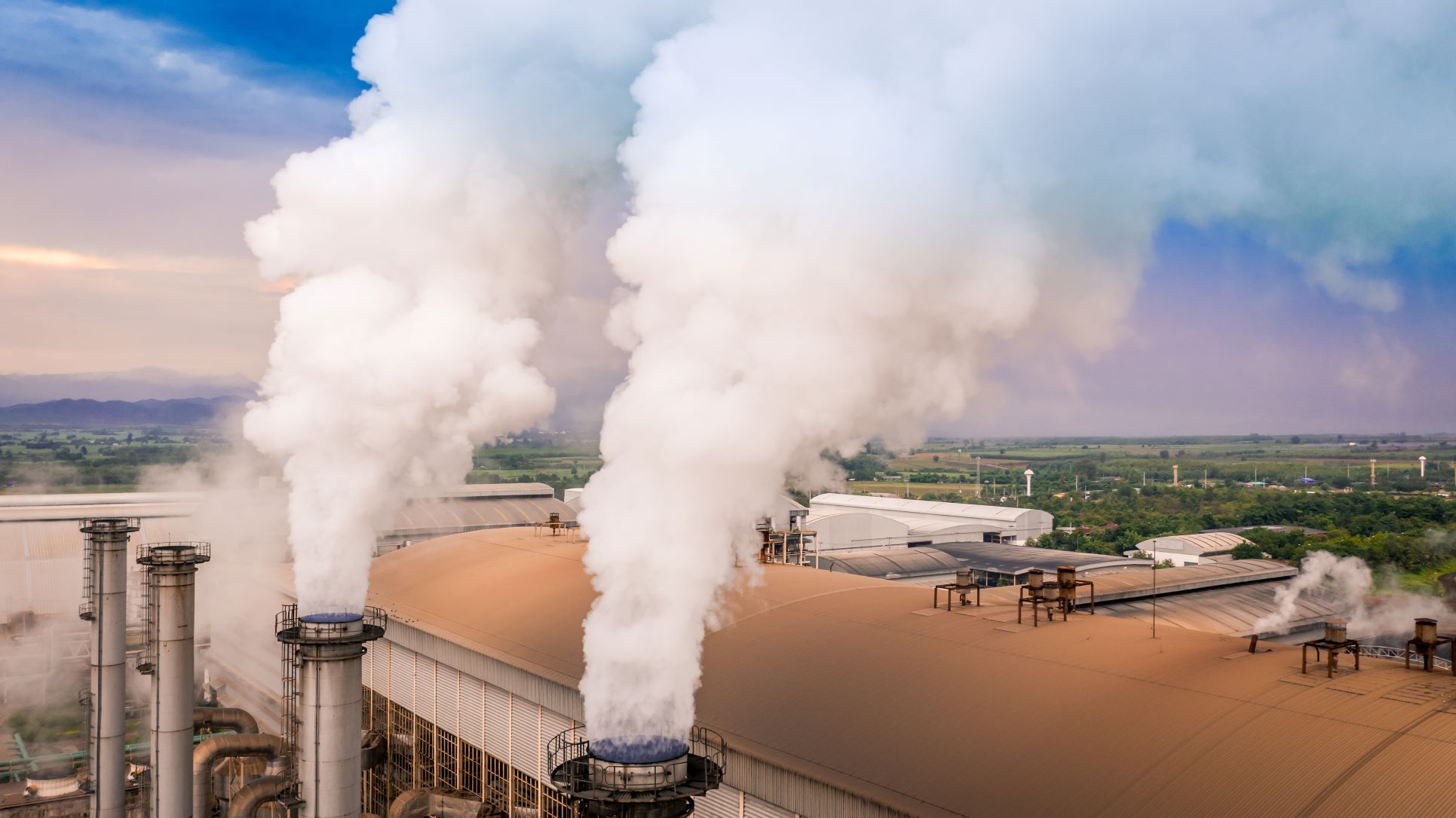
Here in the US Southeast, we’re no stranger to the threat of biomass production. We’re the world’s largest wood-producing region where logging rates are among the highest on Earth. Industrial logging is the largest cause of carbon emissions from US forests. As a result, natural forests in our region are declining in both acreage and health.
Many species rely on natural forests for habitat. From mixed pine forests to bottomland hardwoods, forests and wildlife are all harmed when logging occurs. Logging is a cause for many local and global extinctions, even here in the US.
Enviva, the world’s largest wood pellet manufacturer plans to double production over the next 5 years. This would mean they’re also doubling their carbon emissions. It’ll come as no surprise if they try to gobble up an opportunity in the market should countries stop buying Russian created-biomass.
While an end of consumption of Russian-based biomass is necessary, it must not end there. It’s time to close the biomass carbon accounting loophole and end the burning of forests for electricity.
Producing biomass creates a lot of air pollution that can impact human health. None of the compounds created by wood pellet production should be inhaled. Biomass is one of the dirtiest energy sources out there.
People living near biomass production facilities complain about dust and noise. Some have resorted to rinsing off their cars many times a month because of dust accumulation. If you can see it, you’re definitely breathing it.
It’s no wonder that the so-called “making alternative energy sources” seems to take place overwhelmingly in poor communities of color. Many rural communities have less voice in how their communities deal with renewable energy production.
This “renewable energy source” is responsible for releasing the following chemicals during operations – all of which can impact human health:
Billions of dollars in the form of subsidies go to biomass burners every year. The United Kingdom, Netherlands, Denmark, Belgium, Japan, and South Korea are some of the top burners. If leaders in those countries are committed to tackling climate and nature, they must do more.
They must realize that biomass wood harvest drives both the climate and biodiversity crisis. Instead of billions more in dirty biomass subsidies, governments must focus on renewables like solar and wind. Solar and wind guarantee real emissions cuts at a fraction of the cost of burning wood for electricity
The walls built up around biomass, have started to come down. The facts about biomass as a false renewable energy source are increasingly recognized. For instance, two major financial institutions have downrated Drax. They believe that Drax has an unsustainable business model.
From Citi Group on December 2, 2021,
“While sentiment could continue to support what’s perceived as a green growth stock…we do not fundamentally see biomass as a sustainable source of energy…”
Drax is in court for health hazards from fugitive dust in the UK. It was also fined the largest amount ever for biomass producers in the US over a clean air violation. Drax’s billion pound subsidies will expire in 2027.
Subsidies that go towards biomass are being wasted. Instead, we must invest subsidies elsewhere. Let’s tackle the climate crisis and help protect biodiversity by investing in communities near forests.
In the US South, industrial logging disproportionately harms low income communities of color. If this was truly a way to advance economies, the South would be one of the wealthiest areas of the world.
Instead, it’s become a sacrifice zone for the forestry industry, which is now parading as a clean energy industry in the form of biomass. Forest solutions should work for communities, not just landowners and corporate executives.
The latest report from the IPCC hit our inboxes this week and it’s mostly all doom and gloom. What did you expect, sunshine and unicorns?
Now I said mostly, meaning that there were rays of sunshine. I’ll get to those in a second. First the necessary background and required dark and depressing bits.
This week’s report is part 2 of a 4 part series. Part 1 released in October and focused on the data, which was dire indeed. This installment focuses on the impacts of a climate breakdown. It identifies vulnerable places and how we can adapt and protect against some of those impacts.
The UN Secretary General literally called this report “an atlas of human suffering.” We’re facing more droughts, floods, and heatwaves globally. Our coastal and island communities are even more threatened. All in all, things aren’t looking great.
The report calls for expanded protection for forests and land.
“… maintaining the resilience of biodiversity and ecosystem services at a global scale depends on effective and equitable conservation of approximately 30% to 50% of Earth’s land…”
This is the clarion call we need to protect and restore our forests, wetlands, and mangroves across the Southern US and around the world.
Data highlights why protecting forests from industrial logging in the South should be a top climate priority:
Let’s give nature a break and let forests recover so they can do what they do best – harbor life and provide us shelter from the storm.
 And one last note to the IPCC scientists currently working on part 3 of the report due in April:
You warn about the urgent need to reduce carbon emissions. Burning trees for energy and investing billions in carbon capture and storage technology are not the answer. You made that error over a decade ago, and our forests and communities have suffered because of it. There’s ample scientific evidence that industrial logging is as big of a climate problem as outright forest loss. You need to name it.
First, close the biomass carbon accounting loophole. Next, end the burning of forests for electricity and stop the expansion of wood markets as any kind of solution to climate change.
We must invest in community-led solutions. Embrace the need for bold action that protects 50% of the world’s forests from industrialization. And remember that local communities are far better at protecting forests than corporations. If we do, we can protect forests at the scale necessary to avoid even more damage.


 Donate
 November 5, 2026