


Have you ever had the chance to see bats flittering in the sky during a warm summer evening? Perhaps, you’ve heard some interesting stories about these nocturnal creatures. But what do you actually know about them?
Bats are fascinating and mysterious. They’re one of the most misunderstood creatures on our planet. Did you know that over 40 species of bats live in the US? They come in various shapes and sizes, but they all have something in common. They’re an irreplaceable part of our ecosystem. Let’s delve into some fascinating facts about these mammals!
Did you know bats are capable of echolocation? They emit high-pitched sounds that bounce off objects. That’s how they perceive their surroundings. It makes them capable of flying around in the dark without crashing into walls. This superpower is essential for catching their prey. It gives them a big advantage over other predators. Some species can even pick up on sounds as quiet as a cricket’s footsteps!
Unfortunately, we can’t hear what they’re doing. Not at all. You can visit the world’s largest bat colony in San Antonio, and you still wouldn’t be able to hear their echolocation skills at work. Our ears just aren’t made for it. Those bats can do something we’ll never be able to do. If the game was “find something in the dark”, a bat would beat you every time.
Bracken Cave Preserve is just north of San Antonio, Texas. It’s home to the world’s largest colony of bats. Mexican free-tailed bats hibernate and live in Bracken Cave. Bat Conservation International is a nonprofit dedicated to protecting all bat species. They purchased Bracken Cave in 1991. It houses more than 15 million Mexican free-tailed bats. That’s a lot of bats!
You may know bees and butterflies are important pollinators. But bat species also pollinate some of our most essential crops. In fact, some of the most expensive spices in the world, like vanilla and chocolate, rely on bats for their life cycle. They also pollinate the agave plant, which is used to make tequila!
The USDA tells us that the Mexican long-nose bat is a great pollinator for flowers that only open at night. These nectar feeding bats end up cross-pollinating:
Mexican long-nose bats will fly many miles to gather nectar from specific plants. That’s dedication!
Bats are notorious for their flying acrobatics and agility. Their hand-wing appendages are responsive and flexible. So they can make incredibly sharp turns. They swoop to catch their prey on the go. They’re also capable of some incredible feats of endurance. Often flying for miles in search of food.
Bats are well known for hibernating during winter months when the weather is unfavorable. During this time, some species might hibernate for months on end. Bats can lower their body temperature and metabolism to an alarmingly low level. They survive much longer without food than would be possible for other mammals. Some species can slow down so much that they take just one breath every ten minutes.
Rock crevices and caves are critical to a bat’s ability to survive hibernation. Caves don’t get as cold as the outside world, so these mammals can survive the winter with fewer losses. Unfortunately, nesting together in caves is bad for disease control. If just one bat is ill, it can spread throughout the entire colony while they hibernate. Current bat disease concerns include white-nose syndrome and the rabies virus. Rabies unfortunately spreads easily in bats.
A keystone species is an organism that is really important. Without a keystone species, the surrounding plant and animal species will suffer. Bats are keystone species. They stabilize the food chain that supports many other species. Bats are keystone species because they:
Some of these roles may feel uncomfortable for humans. But they’re important for ecosystems and other species’ survival.
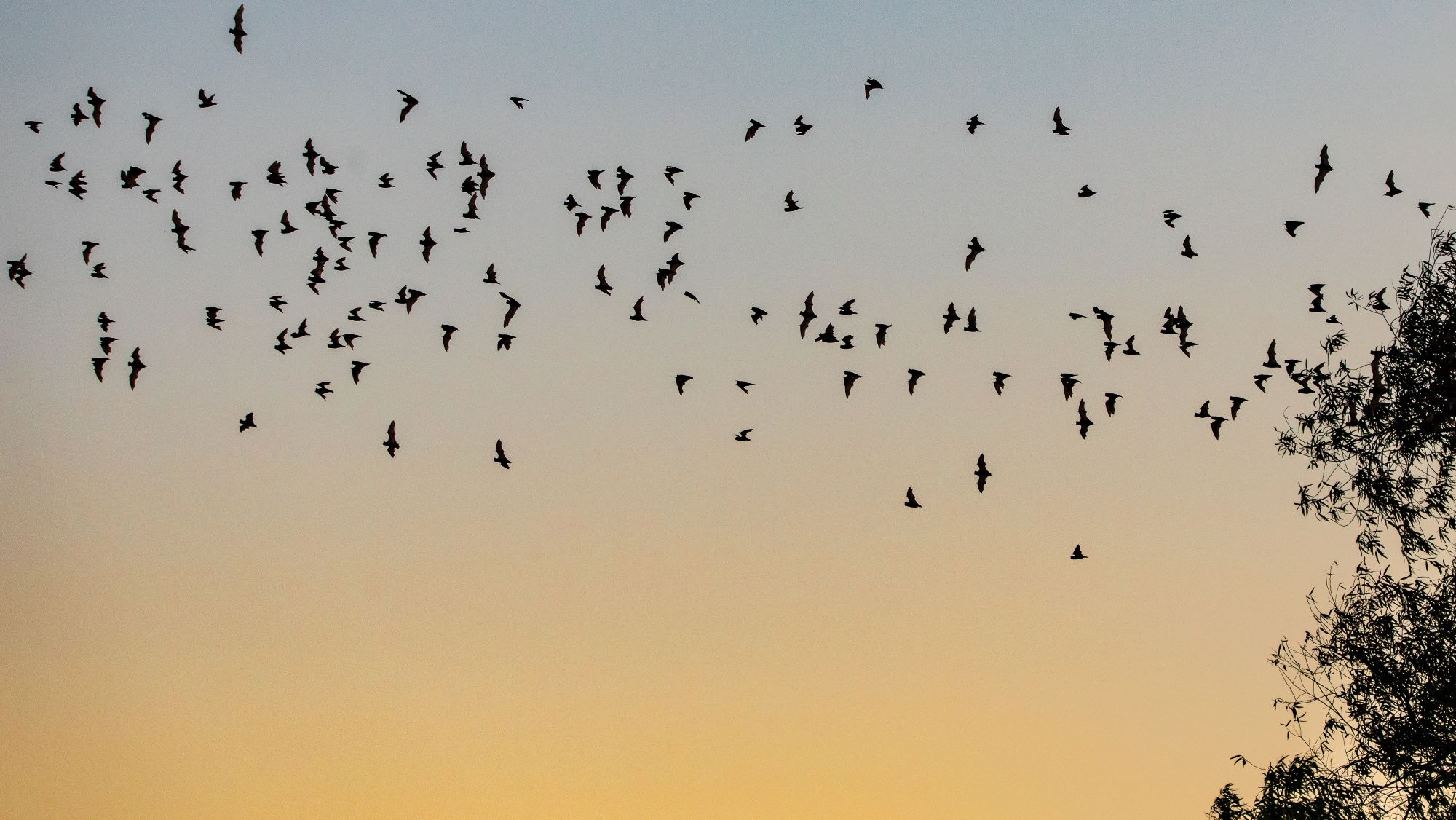
Unfortunately, many bat populations are declining due to human interference. White-nose syndrome is a fungal disease that disrupts their metabolism. It’s responsible for a massive die-off. Habitat destruction, wind turbines, and poisoning are other factors that contribute to their decline. More than 200 bat species are “threatened” according to Bat Conservation International.
In the US, common threats to bats include:
Finally, most of us may be most familiar with vampire bats. But the majority of bat species don’t feed on the blood of other animals. Most eat insects like moths, beetles, and mosquitoes. Some eat nectar. There are even fruit-eating bats. Plus, vampire bats don’t even live in the United States! Their natural habitats are in Mexico and farther South.
Here are some frequently asked questions about bats.
You can put a bat house (“bat box”) outside. You can provide bat-pollinating flowers (listed above: figs, dates, mangoes, etc.). Both are great ways to attract bats. Remember: Don’t handle bats. They can spread rabies.
First, stay calm. Remove any children or pets from the area. Was there a chance that humans or animals made contact with the bat? Be sure to seek a doctor or veterinarian’s advice on how to keep everyone healthy.
Next, call a wildlife service. They’ll be able to safely remove the bat. They have proper protection gear. They have often already received some protection from rabies.
You can visit Bat Conservation International’s guide to injured bats to find someone who can rehabilitate an injured bat.
Bat droppings are commonly known as guano. Guano is used as a high-grade fertilizer. It’s collected in some parts of the world.
Flying foxes are large, adorable bats. They get the name because their faces look like fox faces! Isn’t it cool how similar mammals can be? Flying foxes don’t live in the US. But you can usually find one at your local zoo.
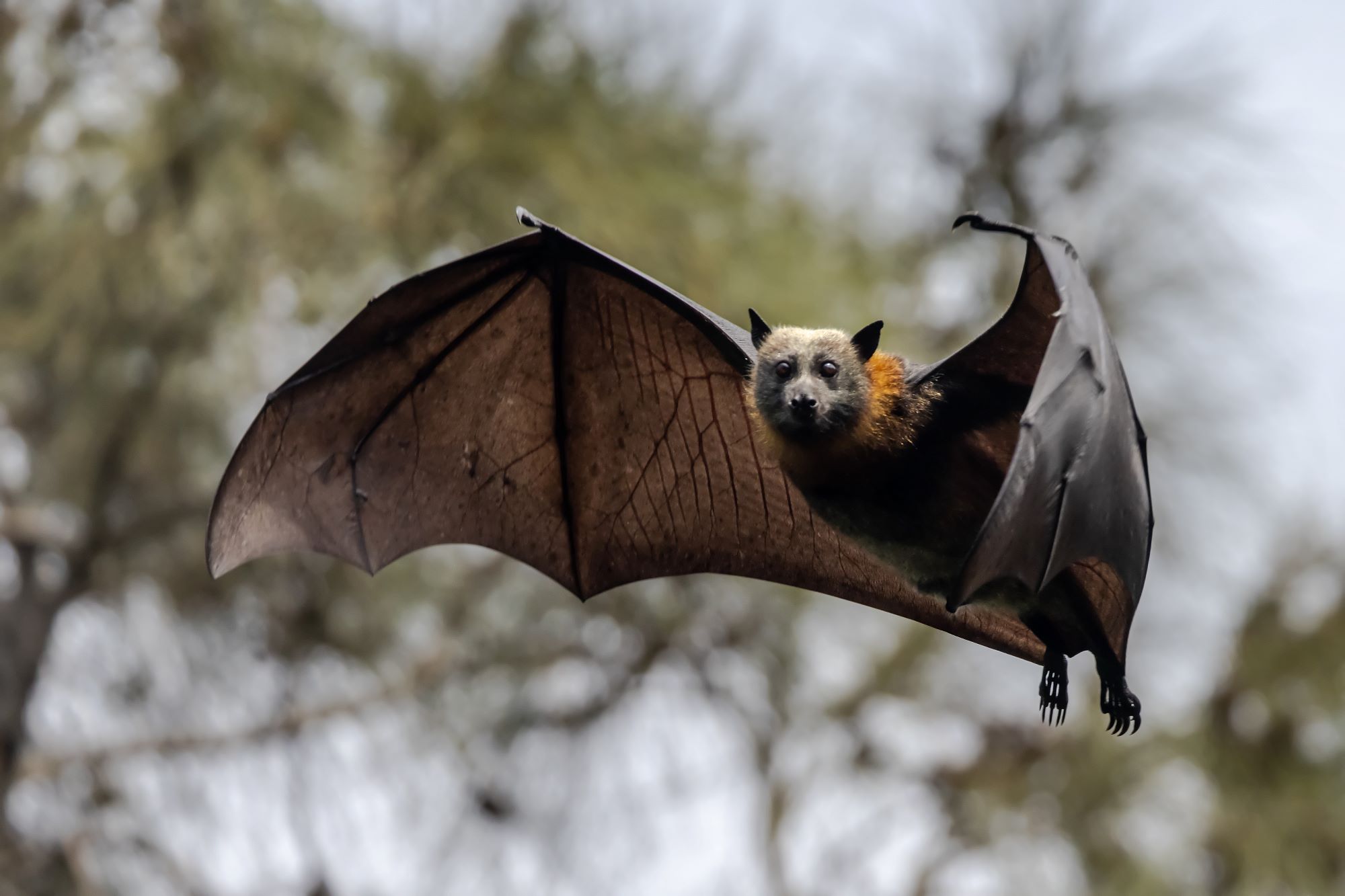
White-nose syndrome is a devastating disease that affects bats. It’s caused by a fungus. It’s led to the loss of millions of bats in North America. There are efforts to protect bats from this deadly disease, though. The US Fish and Wildlife Service is working to reduce the spread of white-nose syndrome.
Did you enjoy learning about these spooky bats? If so, why not show us?
Share your favorite bat photos and tag us on Instagram, Facebook, or Twitter!
Want to do more?
Become a Forest Defender today! Your monthly gift will protect the trees and bats of the South.
Join our email list to get new Biodiversity in Your Backyard sent directly to your inbox!
Today, we’re going to explore one of the most fascinating and unique places in the world: The Everglades. This national park in South Florida is home to a wide variety of plant and animal species that are found nowhere else on earth. Here are seven fascinating facts about the Everglades that you probably didn’t know.
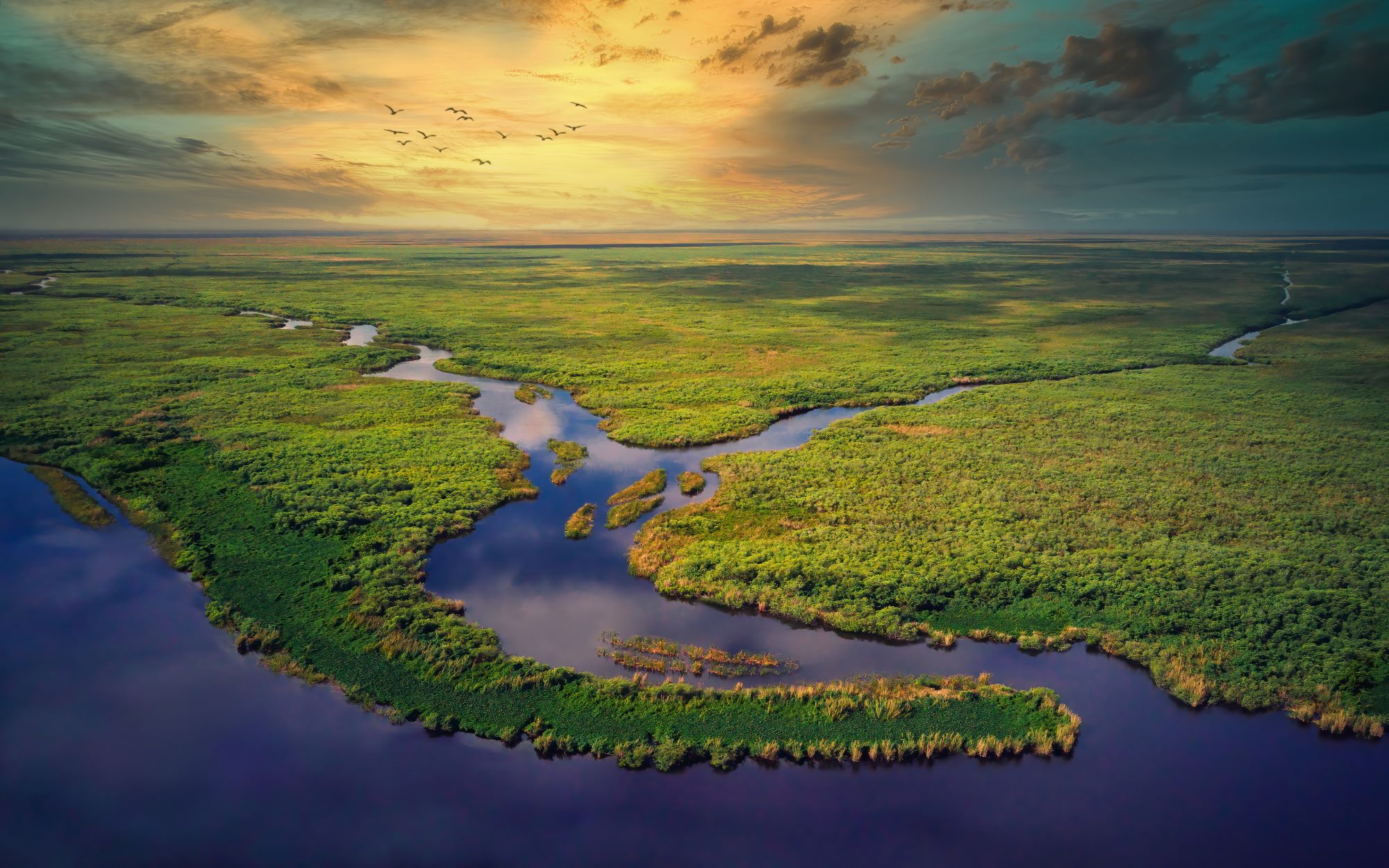
The Everglades is the largest wetland ecosystem in the United States. It covers over 1.5 million acres. Everglades National Park protects more than 350 species of birds, 120 species of trees, and thousands of other plants and animals. Everglades National Park is so big that it actually touches a few different counties!
The Florida Everglades ecosystem is bigger than just the Everglades National Park, though. The Florida Everglades ecosystem also includes:
In fact, the Florida Everglades system takes up most of South Florida. It spans from Lake Okeechobee down to the very tip of the peninsula in Florida Bay.
The greater Everglades system actually starts in Lake Okeechobee. From there, it moves into mangrove forests and cypress swamps. These places house wading birds and big gators. Lake Okeechobee is the gateway to the wildlife of Southern Florida.
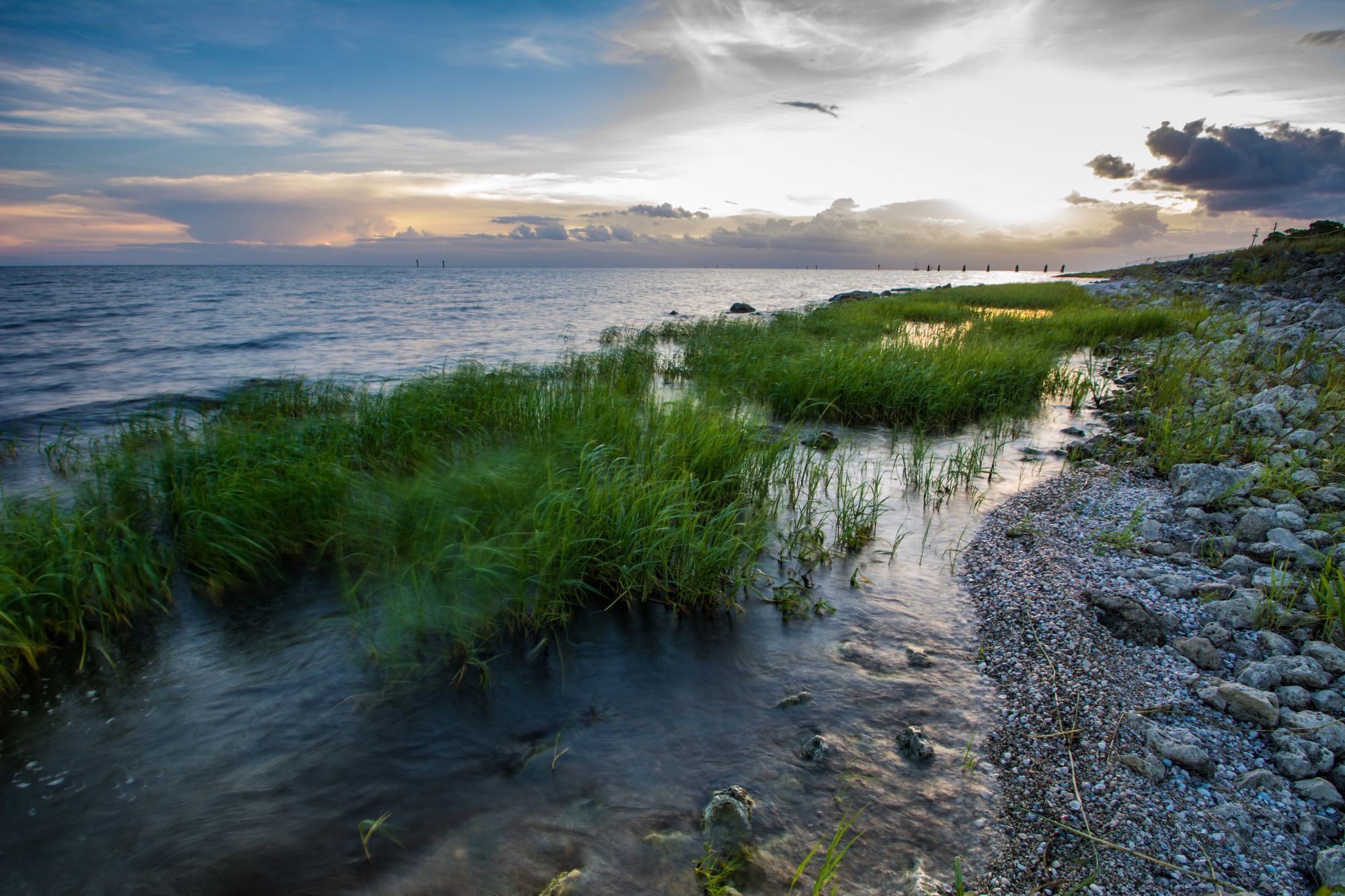
The Everglades is not just a swamp in South Florida. The Florida Everglades are a slow-moving river. It starts near Orlando (Lake Okeechobee) and flows South into Florida Bay. It moves so slowly that it appears to be still. But it is, in fact, a moving river.
The water in the Everglades is so shallow that most of it is less than a few feet deep. Much of it can be waded by fisherman and wildlife. But the local alligators make this a risky move. In any case, this slow-moving giant river is the biggest reason why the Everglades is such a unique ecosystem.
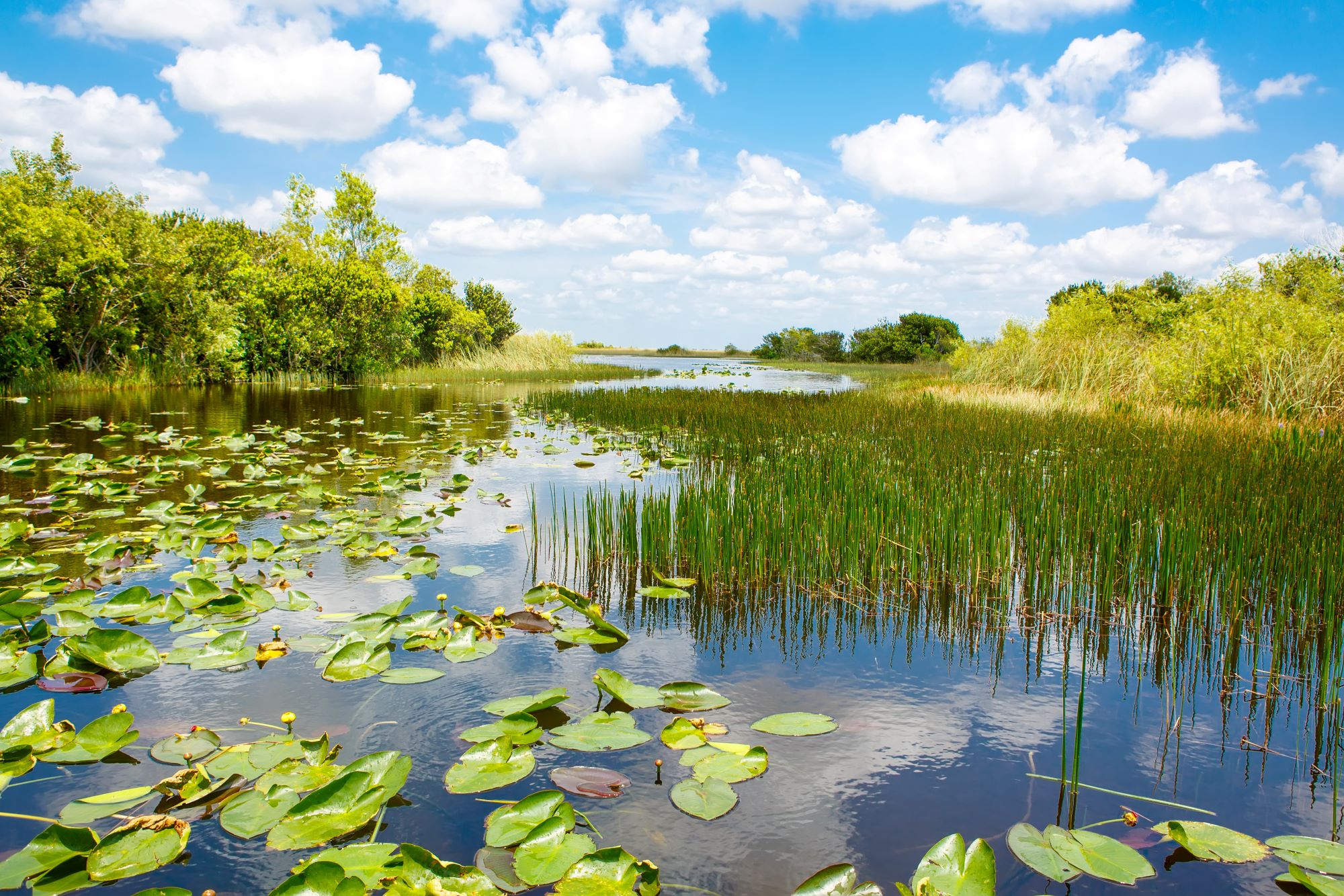
The Everglades National Park is the largest remaining subtropical wilderness in the United States. It and its surrounding natural areas are home to many endangered species. It’s even been listed as a UNESCO World Heritage Site. That gives it international importance.
Do you know the difference between alligators and crocodiles? Alligators prefer freshwater (lakes, rivers), while crocodiles prefer saltwater (oceans, estuaries). Alligators have a U shaped snout, and you can only see their upper teeth when their mouths are closed. Crocodiles have a V shaped snout, and you can see all their teeth with their mouths closed.
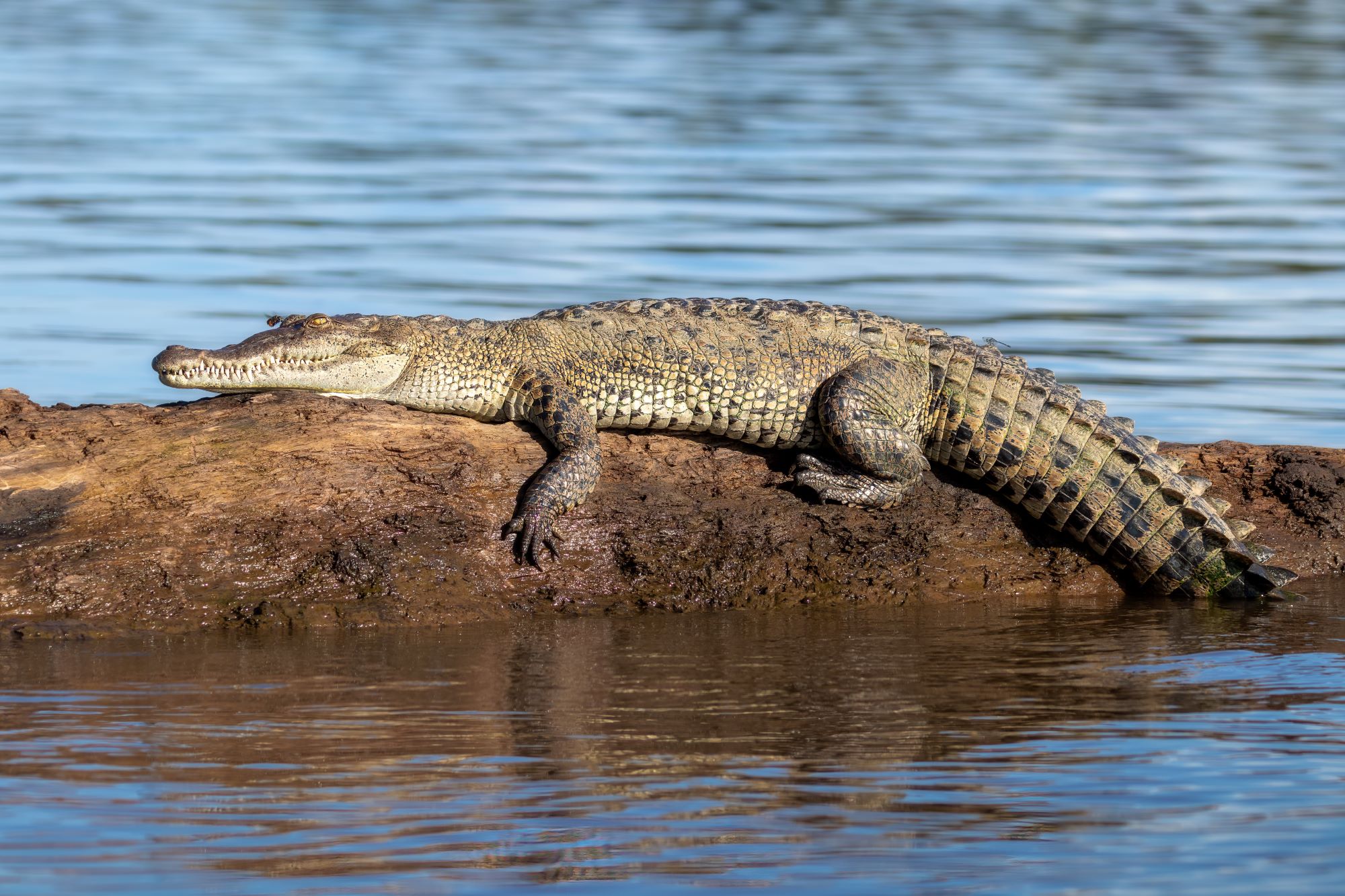
The Everglades is home to the American crocodile. This species of crocodile is found nowhere else in the United States. So it’s endangered. There are only about 2,000 American crocodiles left in the world. About half of them live in the Everglades.
The Everglades National Park is the only place in the world where alligators and crocodiles live in the same habitat. This is because the Florida Everglades contains both saltwater habitats and freshwater marshes. When saltwater habitats and freshwater marshes mix, they form something called an estuary. Lots of different animal and plant species can live in estuaries.
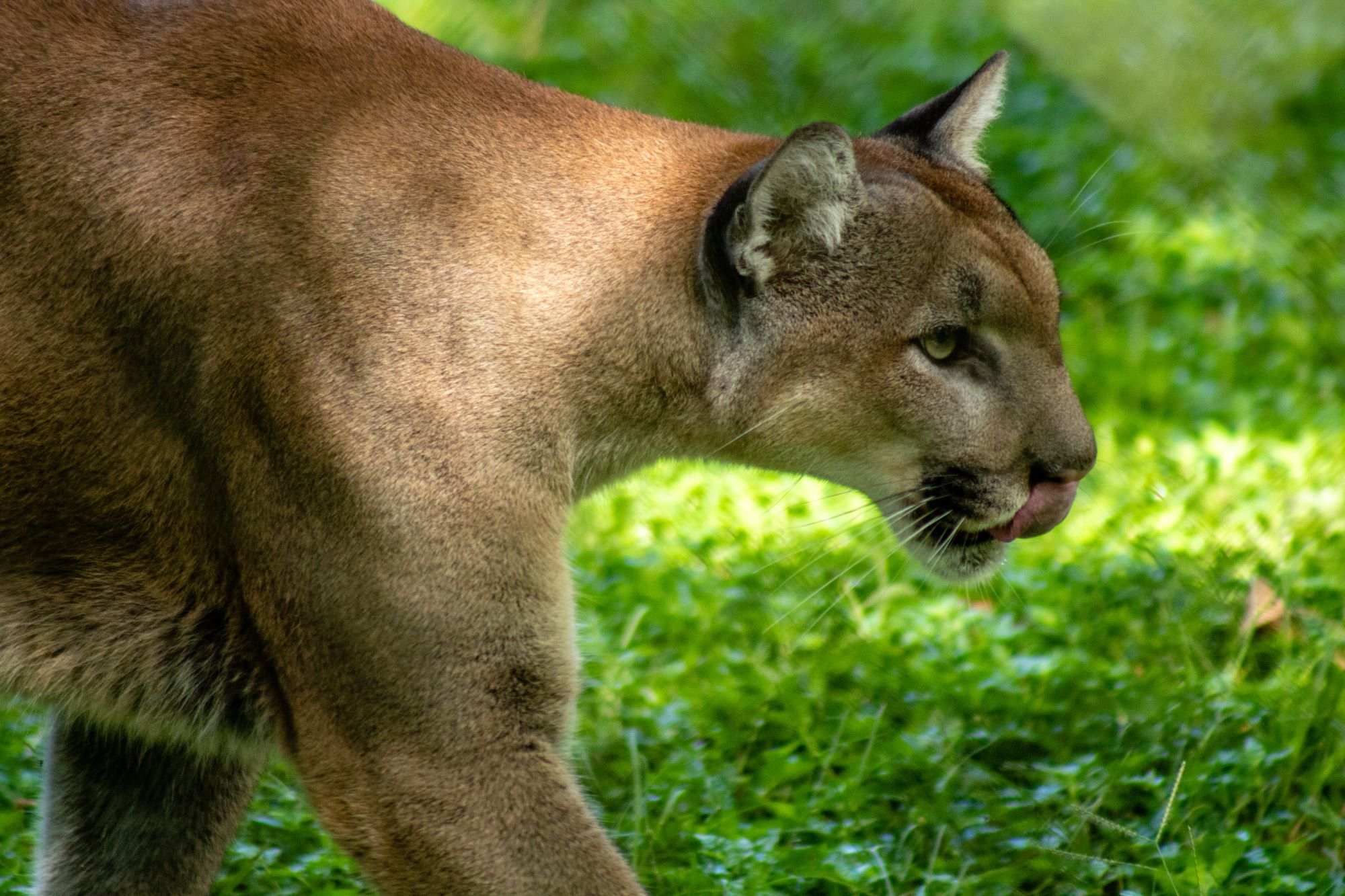
The Everglades is also home to the Florida panther. This big cat was one of the first listed under the US Endangered Species Act. Recovery efforts are ongoing. Scientists believed there were only a dozen adults at the low point of the Florida panther population. Now, they’re on the road to recovery.
Both state and national parks in Florida are a great place to try spotting the elusive Florida panther in the wild. The Ellie Schiller Homosassa Springs Wildlife State Park has two resident Florida panthers that you can visit anytime.
Other rare species (besides the Cape Sable Seaside Sparrow) include:
This ecosystem also includes many other tropical wading birds. Many wading birds rely on the shallow, slow-moving river for their food. The Everglades are also significant breeding grounds for many different species.
Birdwatchers love the Everglades. Native species and other wildlife draw large numbers of spectators each year. These tourists hope to spot a rare or endangered animal on their adventures. The Everglades landscape is a great place for birdwatchers. But it’s also great for hikers, kayakers, and boaters, too!
Unfortunately, invasive species threaten the integrity of the Everglades. Invasive species are animals, plants, or other creatures that evolved in a different place. Many invasive species come to the US from Asia and Europe.
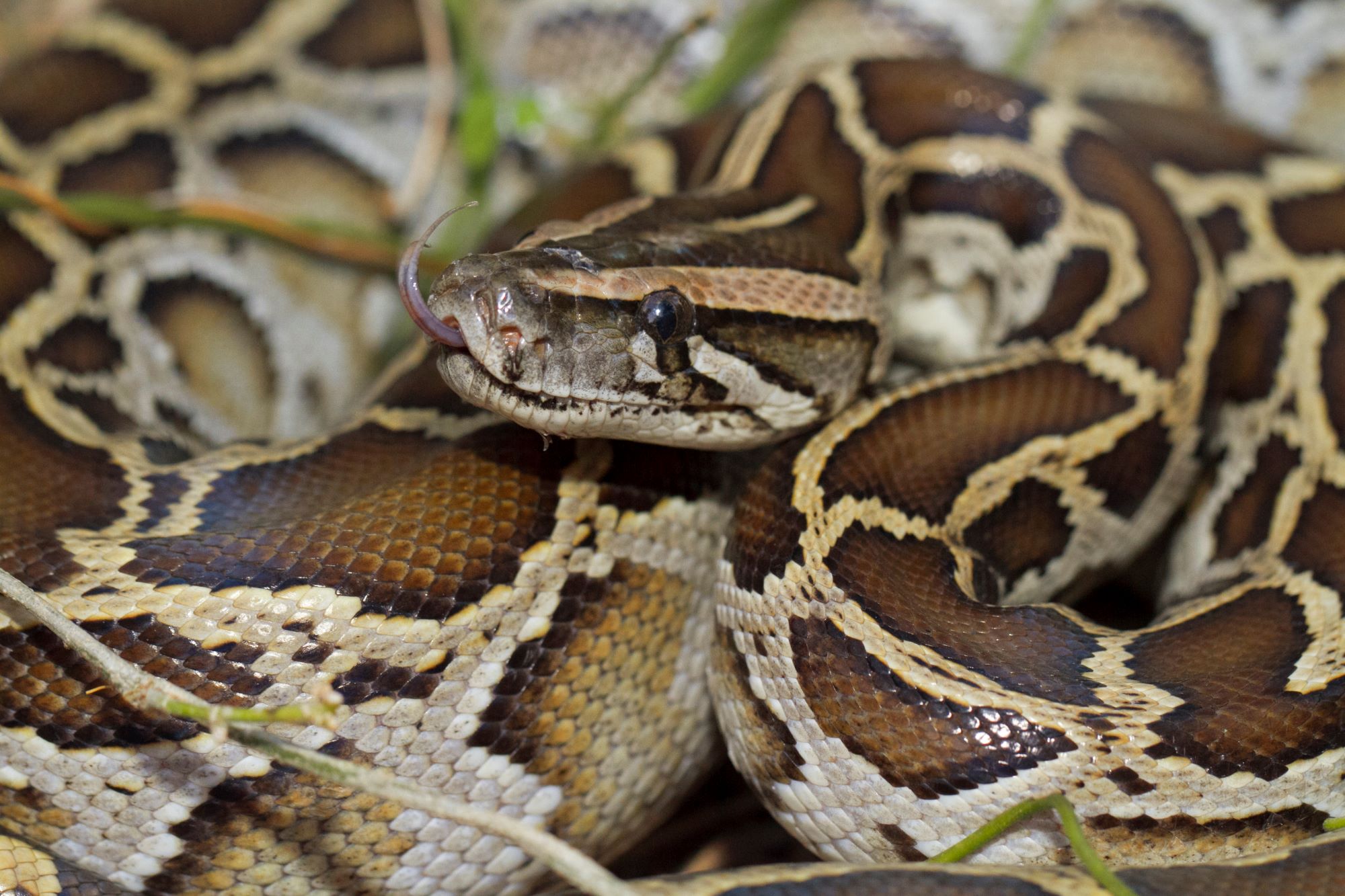
Invasive species like Burmese pythons can kill many threatened and endangered animals in the Southern Florida wilderness. These and other invasive species are huge threats to the largest mangrove ecosystem in the Western Hemisphere.
The Everglades are actually a giant filter that cleans water. The slow-moving river allows water to seep down through the soil. There the river of grass and other organisms filter out pollutants. This purified water then emerges on the other side of the Everglades. Then it flows into the ocean.
Wetlands improve water quality everywhere they exist. They also house many native species. This is why people are working all across the US to protect water and wetlands from corporate interests. The Florida Everglades includes these wetland systems:
When wetlands clean our water, we call it an “ecosystem service“. That’s something that a natural habitat does for us. We can estimate how much these services are worth by calculating how much it costs us to do the same thing without nature involved. One study found that restoring some habitat in the central Everglades could be worth $1.8 billion dollars. That’s a lot of money for a hardworking swamp!
The Everglades, a renowned natural wonder, is often called “The River of Grass”. This captivating national park is adorned with a distinctive type of grass known as sawgrass. Sawgrass can reach heights of over nine feet. This magnificent “river of grass” gives the Everglades its unique appearance. It also plays an irreplaceable role in the delicate balance of the ecosystem.
Sawgrass marshes are not the only types of vegetation in this fresh water ecosystem. The Everglades are also home to bottomland hardwood hammocks, mangrove forests, and more. This makes sense, because the Everglades are the largest subtropical wilderness in the United States.
Finally, the Everglades is an essential source of drinking water for millions of people in South Florida. Floridians rely on this complex system for clean drinking water. Threats to drinking water include:
There are other threats to this UNESCO World Heritage Site, too. Much like the rest of the country, threats are ever-evolving. They require careful prevention and management to keep the ecosystem intact.
From the elusive Florida panther down to the very water we drink, the Everglades are an important part of Southern Florida culture and history. We hope you enjoyed learning more about this incredible ecosystem. Maybe it’ll inspire you to visit the park one day.
Special places like the Everglades need to be protected. We work from South Florida to Virginia, the Carolinas, and the Gulf South. We’re working hard to protect forests and communities from industrial logging. Are you ready to make a difference?
Make a one-time donation now to protect wetlands today!
OR become a Forest Defender today to be a voice for the voiceless. Learn more here.
Have you heard biomass companies and foresters say, “Bioenergy only uses waste wood for its renewable energy”? You’re not alone. It’s a common myth that biomass energy is clean, green, and climate-friendly. But what does “waste wood” mean to bioenergy facilities? What are the impacts of these practices on the environment?
Before 2011, wood pellets were produced to heat buildings. They were also used as bedding for livestock. In other words, companies produced wood pellets for domestic use.
Since the 2010s, however, many countries are trying to address climate change. Some believe that all renewable energies, even biomass, are equal. So countries have been demanding that the US send more and more wood pellets each year. These foreign countries are using wood pellets from Southern forests to generate electricity. They’re hoping to replace fossil fuels with wood pellets. Even if it means that their greenhouse gas emissions increase.
Unlike heating, electricity generation is not nearly as efficient. There’s a lot of waste. Burning wood pellets creates more greenhouse gas emissions than coal. This includes burning fossil fuels with wood pellets, also known as “co-firing.” Does that sound like green, clean, renewable energy to you?

It doesn’t sound like renewable energy to us. It sounds like another excuse to keep logging US forests. Biomass companies don’t care about the increasing carbon dioxide levels in the atmosphere. They only care about their bottom line – and all the subsidies they get from foreign countries.
Producing wood pellets releases carbon dioxide into the air. We can’t solve the fossil fuel problem with business as usual. We can’t continue dumping carbon dioxide into the atmosphere.
Many companies imply that they “mostly” use “waste wood” to create their wood pellets. When an average person thinks of waste wood, they think of:
These are reasonable assumptions. Who wouldn’t support waste-to-energy plants that are just reusing? But this assumption, unfortunately, is wrong.
Biomass energy companies use a very broad definition of “waste” wood. So broad that pretty much anything could be called waste wood. For biomass energy companies, “waste wood” is any tree that is not straight. Or maybe it’s not dense enough to be processed into lumber. To be clear: most trees in a forest are not suitable for lumber.
These giant wood pellet facilities are not using a lot of lumber leftovers. They don’t take wood from the local municipal solid waste site. They’re not even using much of the left over sawdust and wood chips from paper companies. The vast majority of wood that these companies are using is whole trees. Don’t believe me? Just drive by their front gates!

Even if company definitions of waste wood were honest, there’s another problem. Biomass energy companies are using way too much wood to only rely on waste materials. In 2022, companies in the US exported eight million tons of wood pellets. So that those foreign countries can burn biomass to produce electricity.
Harvesting whole trees for wood pellets impacted 213,600 acres in 2022. This is equivalent to clearcutting 443 football fields per day. That’s a lot of wood pellets to produce. It’s too much for these companies to only use “leftovers” from other operations. That’s why they pay logging companies to bring them whole trees.
There are a few reasons why “waste to energy” power plants don’t do very well. One is geography: this country is large, and the waste isn’t concentrated. Waste for bioenergy use requires that the waste is close to facilities. This is because the cost of transportation fuels factors into the total cost of energy production.
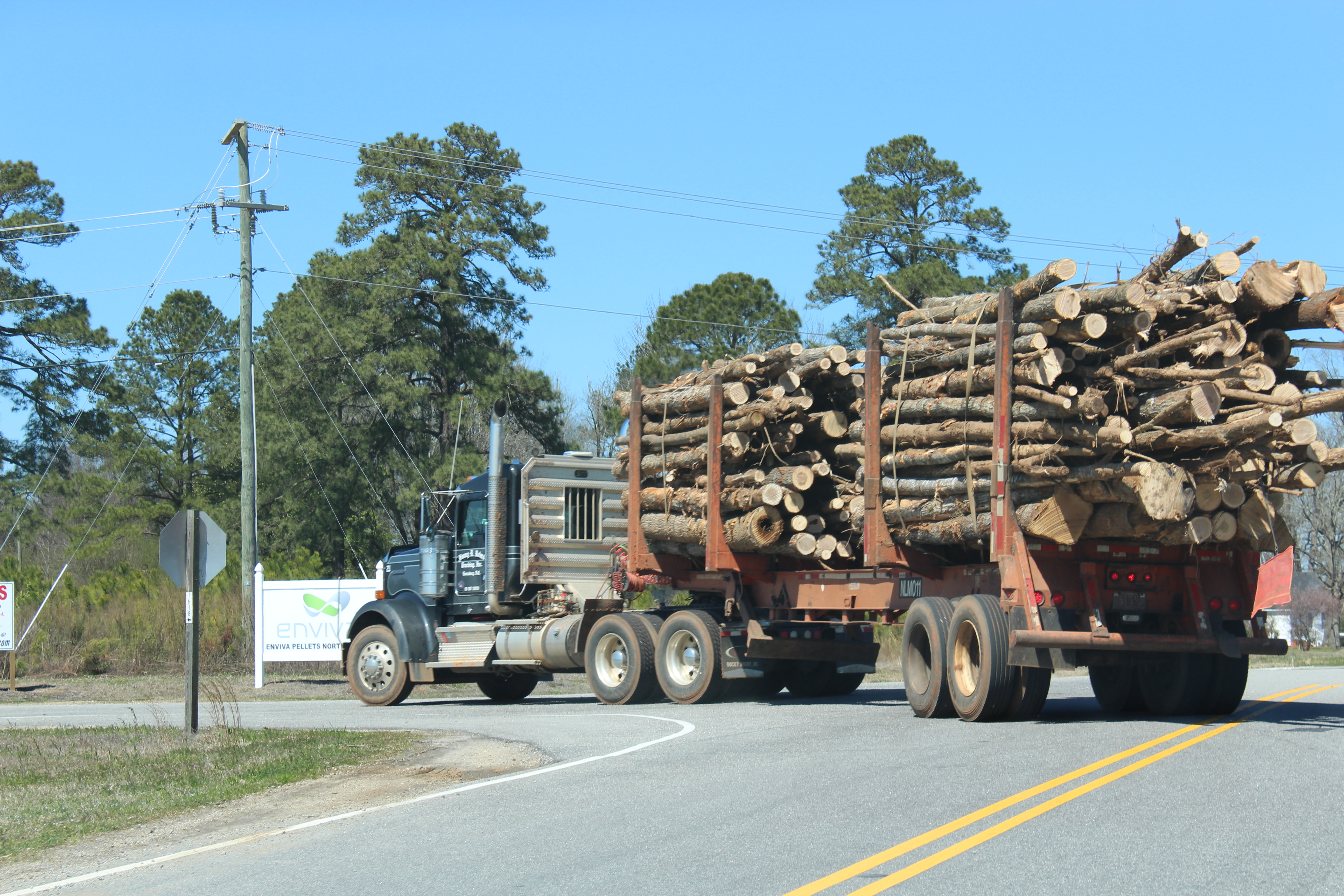
There are some situations where waste to energy technologies make sense. For example, in traditional forest product mills. They burn literal waste (saw dust, black liquor) on site. These solid and liquid biofuels supplement what they already get from the grid. There are many problems with pollution and waste resources at forest product mills. But, at least they’re using a cheap, available fuel source to produce energy.
A wood pellet production facility can’t easily use waste to energy technologies. They aren’t producing enough waste themselves. And they are often far from hubs of actual wood waste generation. They’re miles away from:
Without ready access to these materials, biomass companies end up just using whole trees. They refer to those whole trees as “waste wood.”
Harvesting “waste” wood for bioenergy results in the destruction of forests. It also leads to the loss of the potential benefits that whole trees provide. These benefits are known as ecosystem services and include:
Harvesting “waste” wood for bioenergy can harm wildlife and habitat. Removing waste wood can disrupt natural ecosystems. It can reduce the availability of food and shelter for wildlife. This can lead to the displacement or decline of certain species. Ultimately, these impacts decrease the overall biodiversity of an area.
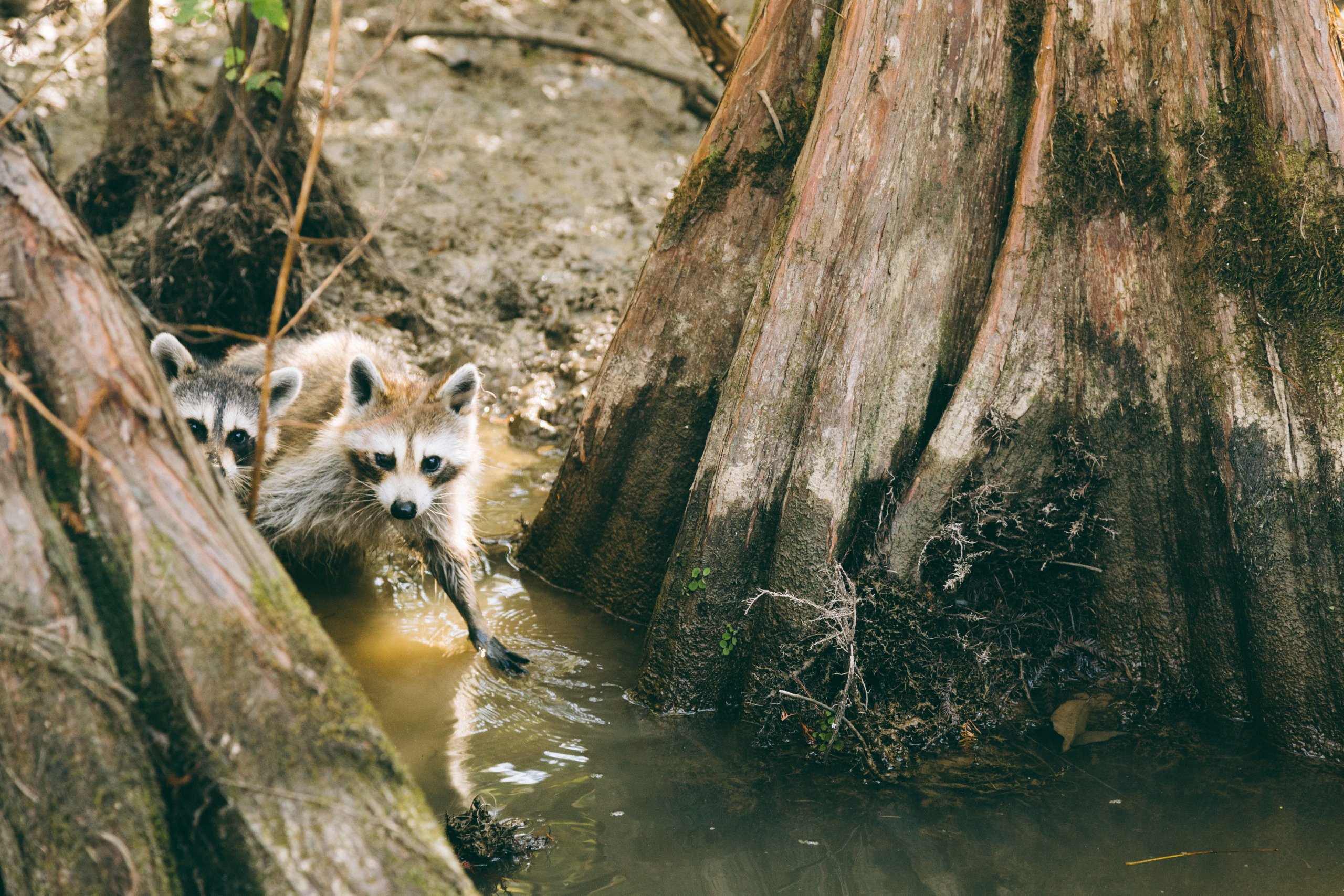
Slash piles consist of branches and other debris from tree harvesting. These piles play an important role in maintaining soil health and providing habitat for smaller organisms. Harvesting waste wood for bioenergy can result in the removal of these slash piles. This ultimately lead to loss of ecosystem services and negative impacts on new forest growth.
Biomass energy is not the renewable energy solution that companies claim it is. Clean energy is wind and solar. Not wood pellets.
Every ton of wood pellets produced releases 2.1 tons of carbon dioxide equivalent into the atmosphere. Those are needless greenhouse gas emissions. It takes decades for our planet to recover from emissions like these. We need to be reducing carbon dioxide emissions. Not increasing them. Biomass energy companies are on the wrong side of history.
Will you speak up for the communities near biomass energy facilities like Enviva?
Speak up now and hold Enviva accountable to their neighbors.
The Pee Dee Indian Tribe is an Indigenous community. They have historical connections to the Pee Dee River region in the Carolinas.
The Tribe recently acquired an impressive 76.91 acres of land. This land includes 53.57 acres of wetlands and 23.34 acres of untouched forest. In partnership with Dogwood Alliance, the Tribe saved 91.91 acres of forest and wetlands. Together, they defended these ecosystems from industrial logging. This is a significant win for both nature and the community.
Dogwood Alliance praises the Tribe and continues to support their efforts. This initiative combats climate change and pollution. It ushers in sustainable economic growth. These organizations have set the stage for the prosperity of vulnerable communities. Only through community harmony and equitable progress can we restore the environment.
The Community Conservation Model guides this collaboration. Other communities facing similar challenges can use the model. It lays the foundation for a regenerative economy. The model addresses threats like:
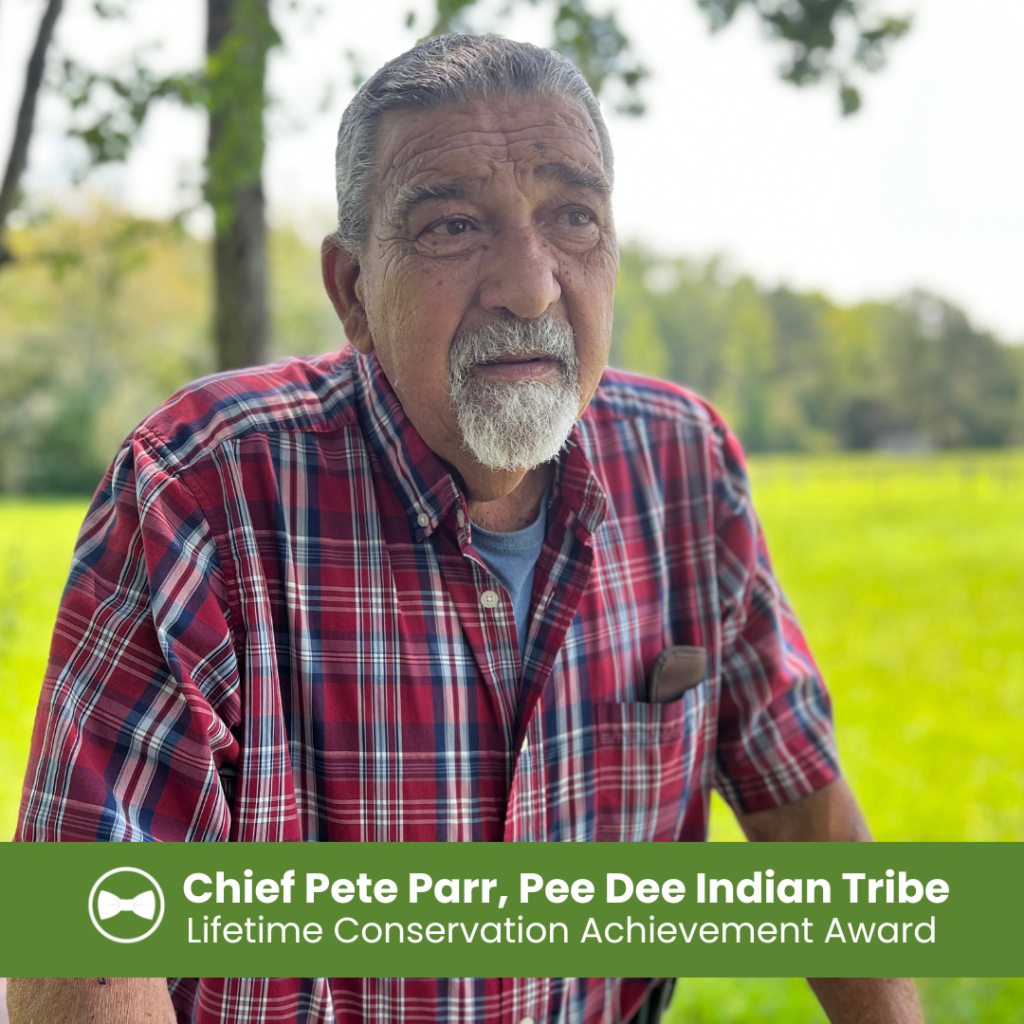
In honor of his lifelong dedication, Chief Peter Parr of the Tribe will receive an award. It is the Green Tie Award for Lifetime Conservation Achievement. He made a significant impact on:
Chief Parr will receive the award on September 20 in Columbia, SC. Carolina’s Voice for Conservation will host the ceremony.
If a road runs through a forest, does it hurt the forest resources? The impacts of forest roads have been haunting natural resource managers for decades. What are the impacts when an old logging road winds through a national forest?
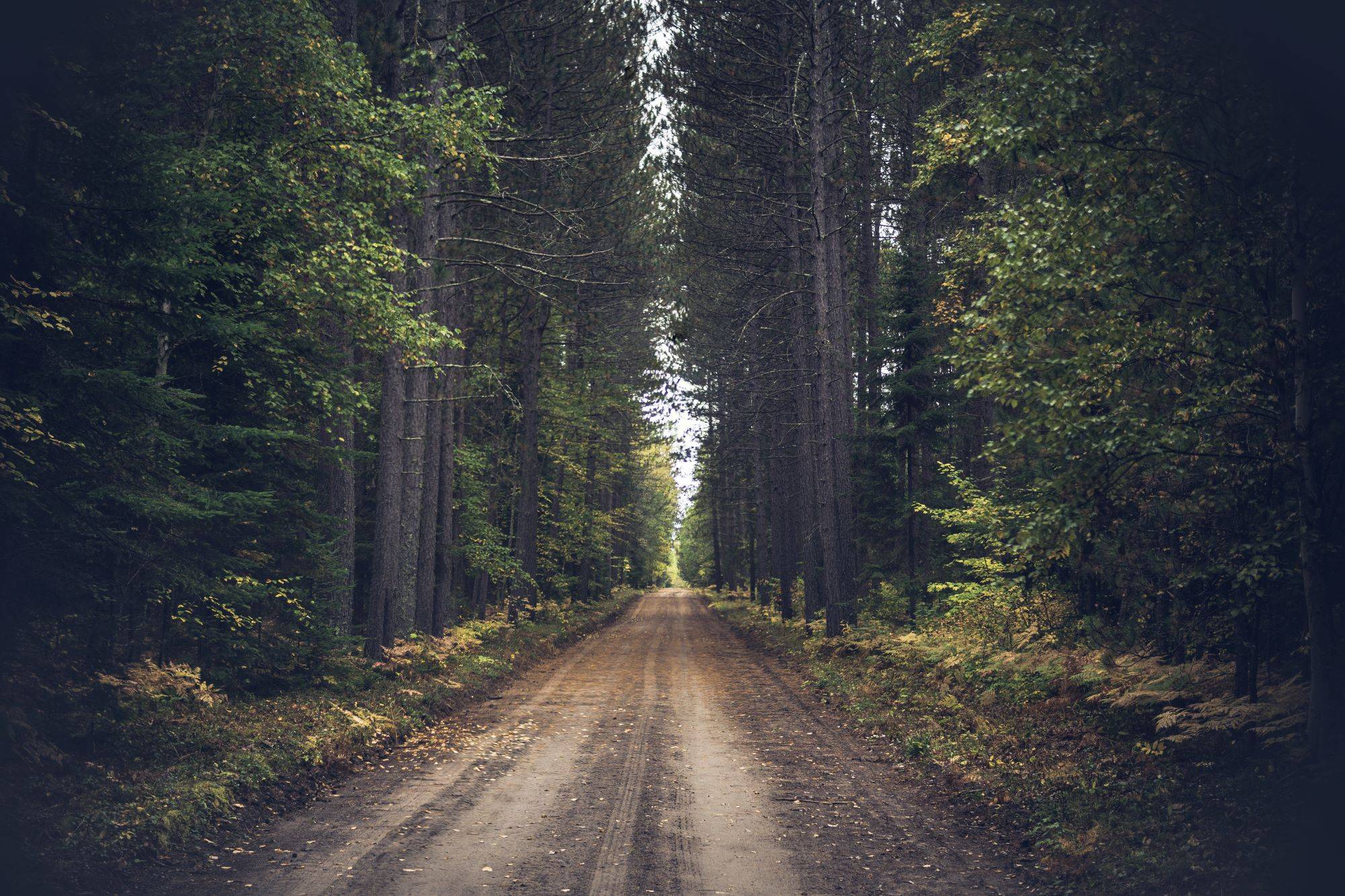
Roads have negative impacts on forests and their surrounding ecosystems. Unfortunately, those planning new roads overlook the forest impacts. Here are some of the most common issues associated with roads and forests:
Roads can severely limit the ability of species to access certain habitats. Roads cause habitat fragmentation: they create boundaries that limit movement. While it’s easy for humans to cross roads, roads are a lot bigger to small animals. Salamanders, frogs, and even insects can all have challenges with new forest roads.
Every time a road is built, species populations are split in half. They cannot find food, shelter, or mates in their natural environment. There’s not enough suitable space, and that leads to a decrease in their population.
Roads don’t just disrupt wildlife. Some plants only reproduce asexually – by rhizome or root. This is in contrast to seeds and berries transported by squirrels. So every time we build new forest roads, we fragment and destroy plant populations.
Scientists have found that:
Splitting a forest up via forest roads is known as disturbance. In a forest, there are “edge” habitats and “interior” habitats. Sort of like a puzzle. If you add more forest roads, you create more edges.
Forest edge habitats tend to be weedier. Road construction can cause a lot of damage, including:
What are invasive species?
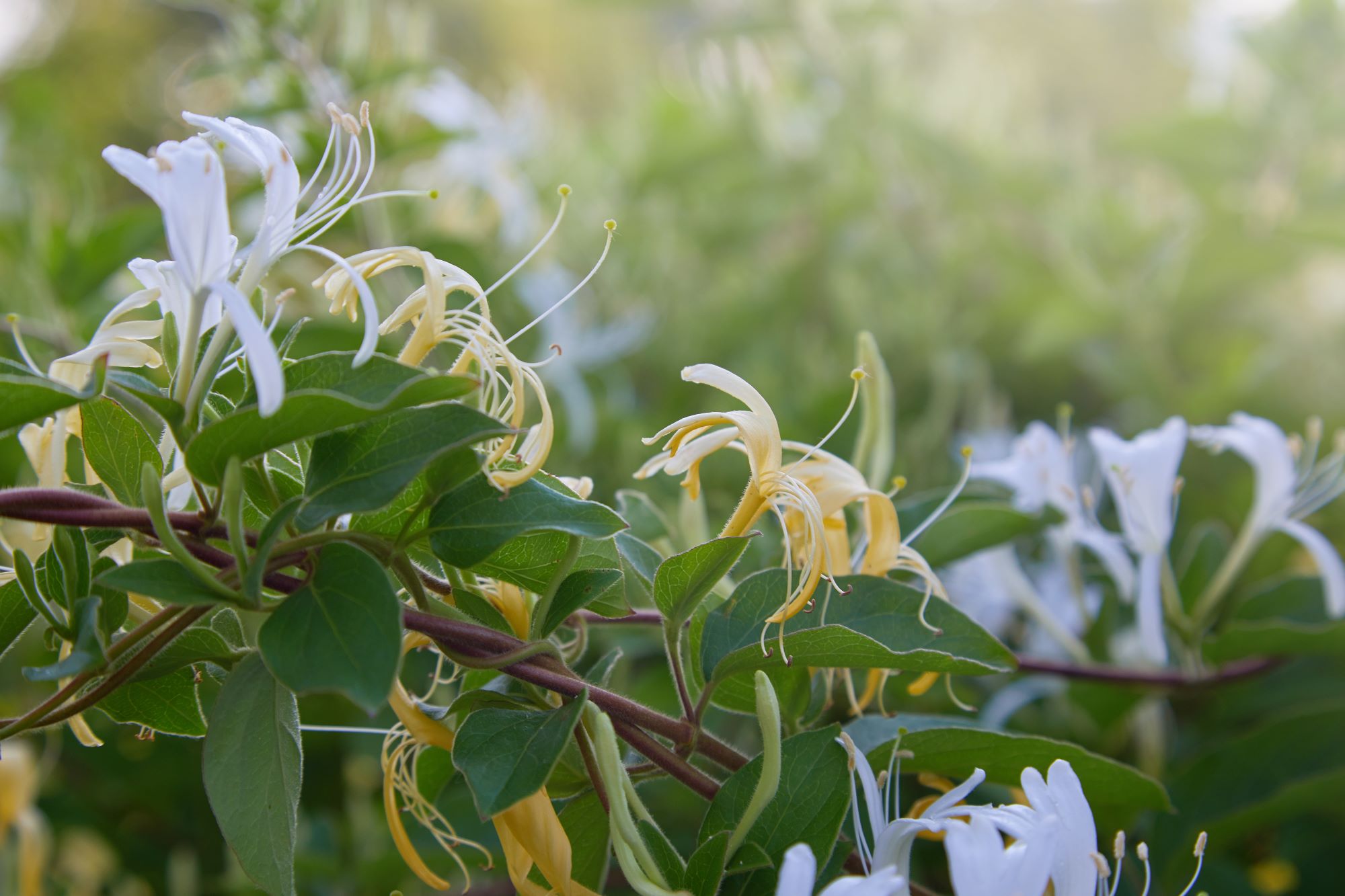
Flowers of the invasive Japanese honeysuckle shrub
An “invasion” of exotic plant species can occur after road construction. Invasive species that like roads include:
Equipment accidentally brings rogue seeds into an area. Ultimately, they grow in the nearby ditches and edge habitats. Roads and vehicles are one of the most common ways that invasive species get spread.
People may not realize the impacts of a single forest road. But road clearings have direct and indirect impacts on wildlife and habitat quality.
Constructing roads:
All of these can lead to changes. Species composition may change, and so can ecosystem structure. Scientists are still learning about the impacts of forest roads on ecosystems. Their research shows that:
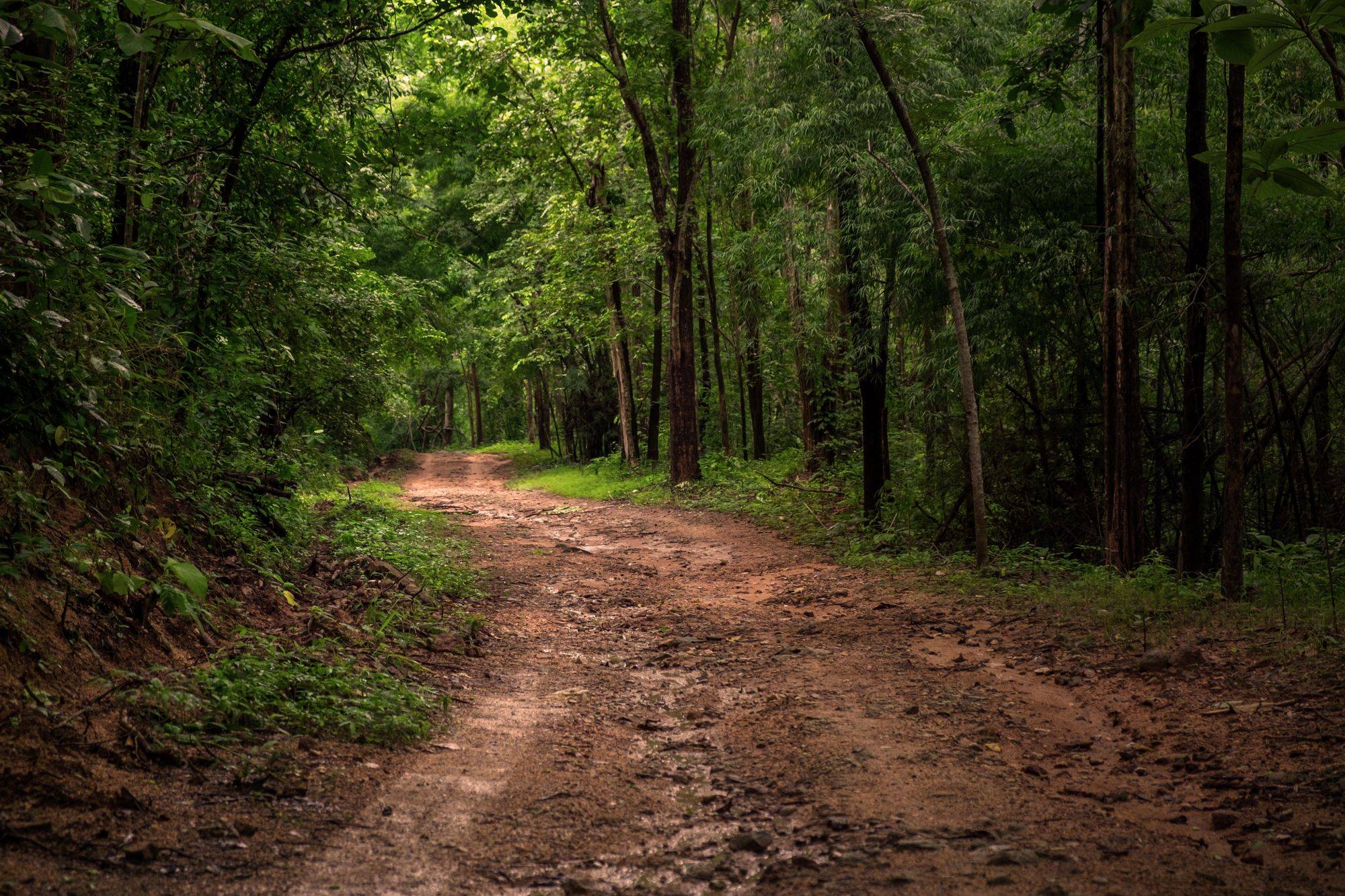
Road traffic has been linked to increased air pollution levels. These can affect the health of nearby habitats and humans. Road debris (like plastic bags or containers) can find their way into waterways. In water, animals may eat that road debris. This pollution can even cause physical damage to aquatic habitats like mangrove forests.
These impacts can happen on normal roads, too. But a forest road (e.g., through national forests) should have the lowest possible impact. Scientists have found that:
Constructing roads also introduces noise pollution. Human noise can disturb critters during mating season or nesting times. It can also cause behavioral changes. Loud noises may feel like a threat to animals. Light pollution from street lights also has similar effects. Some nocturnal species can’t hunt when artificial lights are on at night.
Roads that cross through wild areas create barriers. This can limit animal movement from one area to another. It can even disrupt migration routes. That can lead to population decline. Road barriers are difficult for animals who need wide open spaces to migrate. Scientists have found:
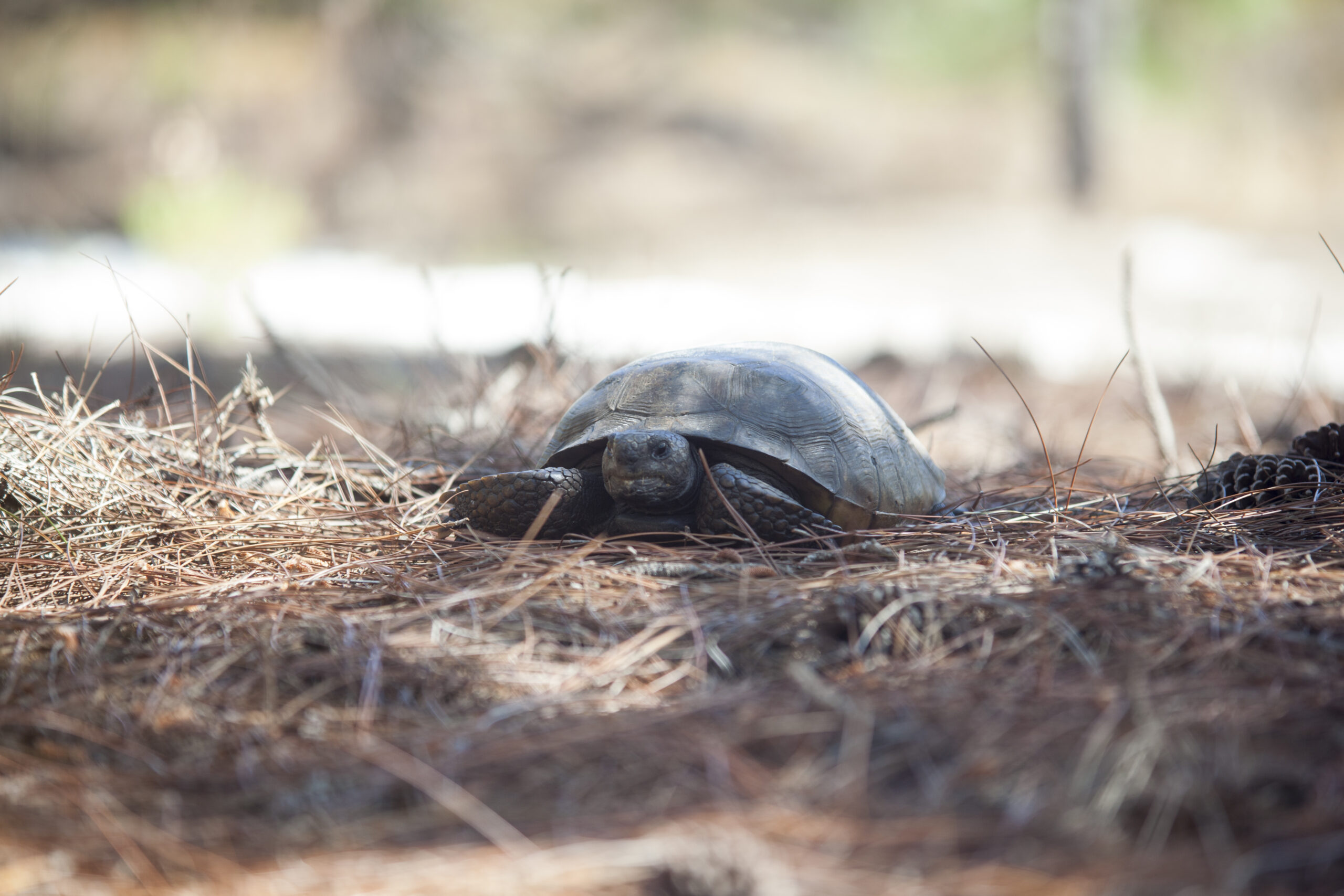
One of the big negatives of forest roads is the lack of safe passage for wildlife. Keeping natural connectivity can help wildlife around new roads.
When thinking about placing a new forest road, we need to consider connectivity. There could be big impacts on the natural landscape. Governments and agencies should plan accordingly.
For example, planners should look at ways to place bridges or underpasses for animals. These are known as wildlife crossings or ecoducts. Planners can keep traffic slow (a “traffic diet”) in areas of high wildlife activity.
Reviewing things like topographic maps, wildlife camera captures, and other data sources can also help with forest road planning.
Planting native vegetation along roads can help. Native plants reduce the negative impacts of forest roads:
Reducing vehicle speeds on forest roads is an important measure. It helps protect against many of the issues with roads in forests. Lower speed limits discourage drivers from driving recklessly. It also reduces air pollution from exhaust fumes. It also decreases noise disturbances that could harm nearby organisms. Finally, slower speeds reduce the likelihood of collisions with animals. This means less in insurance bills for deer, moose, and other large animal collisions.
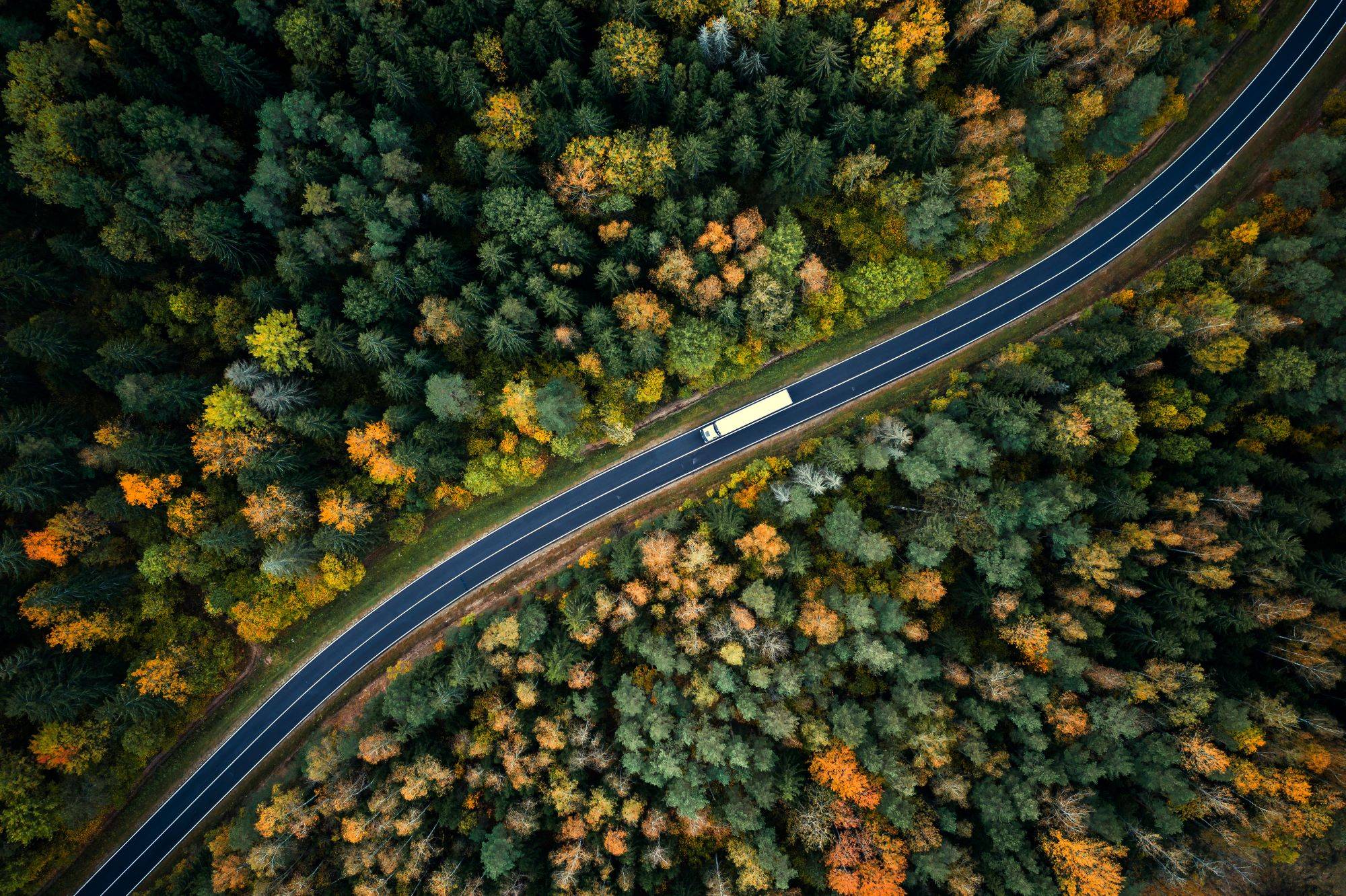
Roads have a negative impact on forests and on the environment in general. While there are some benefits to roads, they also come with a great cost.
Roads can lead to deforestation, fragmentation of habitats, and increased pollution. Fortunately, there are many ways that we can reduce the harm of a forest road. Careful planning is important when constructing new roads. Protecting existing forests from road expansion is also important.
It’s our jobs to be good stewards of the land. There’s a limit to natural resources, and these forests do so much for us.
Will you take the next step and become a Forest Defender? Your monthly gift sustains the movement for forests, climate, and justice.
The second Environmental Justice and Climate Protection Conference was on June 15 in Atlanta, GA. This event brought together community leaders, concerned citizens, elected officials, experts, and academics. Over 100 guests attended either in person at Emory University or online.

In attendance was Dr. Treva Gear from Dogwood Alliance. She stressed the connection between climate and human health. Dr. Gear emphasized the importance of environmental justice. She highlighted the impact on people’s lives when advocating for climate protection.
Dr. Gear said:
“Pollution anywhere is pollution everywhere. If we commit to protecting the climate, we cannot ignore environmental justice.”
Representatives from several organizations provided resources to address environmental issues:

Also in attendance was Beth Remmes from Unity Worldwide Ministry Earth Care Team. She led a workshop on attendee roles in addressing environmental injustices. Remmes encouraged attendees to:
“Life creates systems to sustain life,” said Remmes.
The host organizations have provided a page with conference resources for reference. CHARTER now accepts seed grant applications. The National Institutes for Environmental Health Sciences is funding this.
There are challenges ahead. But Dr. Amy Sharma from Science for Georgia believes positive impact is possible with collaboration.
Dr. Sharma said:
“When we look at the current health of the people and state of the environment, it’s easy to get discouraged. There are so many things to do. But this conference shone a light on the change that we can make if we continue to work together.”
The conference host organizations were:
Enviva Biomass is the world’s largest producer of wood pellets. They make wood pellets sourced from clearcut forests across the US South. Enviva claims that pellets are a sustainable, low carbon alternative to fossil fuels. But, scientists around the world have proven that’s not true.
Enviva’s wood pellets are harming forests, communities, and climate.
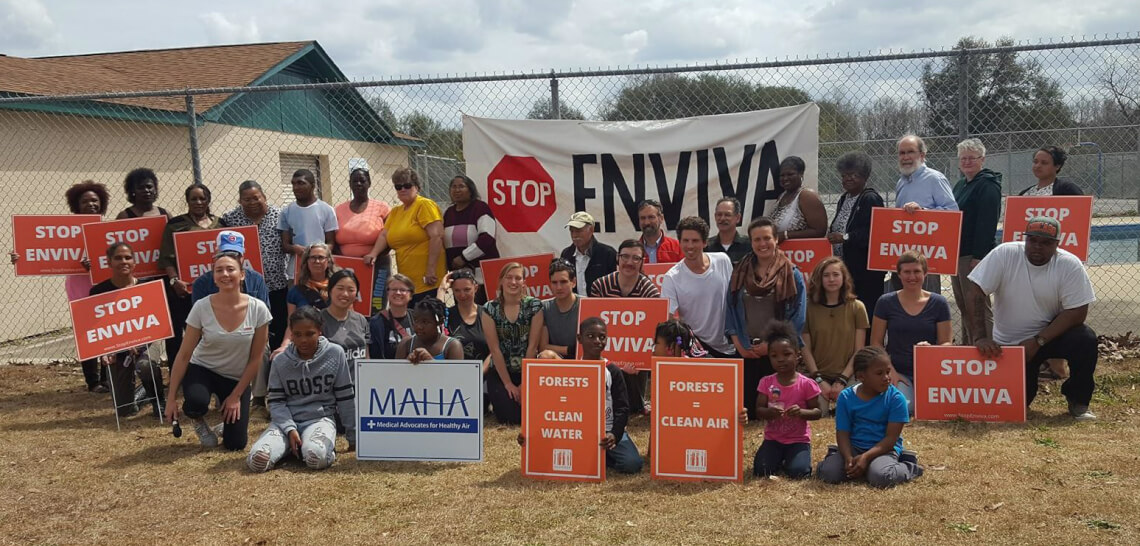
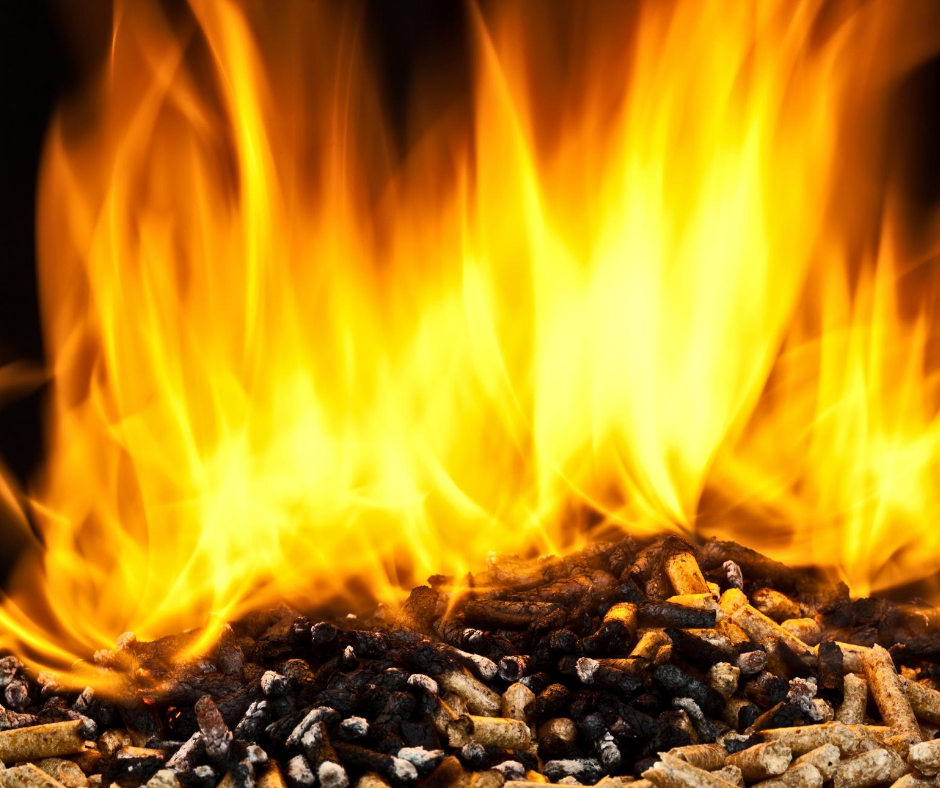
Enviva’s pellets are burned in huge power stations to produce mainly electricity. They’re marketed as a “renewable energy” and “low carbon” solution. But this isn’t true.
Producing power with biomass is only about 24% efficient. This means that over 75% of a wood pellet’s energy is wasted. Producing electricity like this releases up to 50% more carbon emissions than fossil fuels.
Governments are using taxpayer dollars to subsidize burning our forests for energy. This pollutes our communities and increases carbon emissions. Governments should invest in true renewables that would be cheaper in the long run.
Wood pellet production has several steps that emit carbon dioxide and other greenhouse gases. First, during harvest, carbon is emitted at the site where the trees are logged. This carbon comes from:
Next, there are carbon emissions at the facility. They debark and pulverize the wood into compressed pellets. The manufacturing process is dangerous, with flammable wood dust and heavy equipment. Together, these increase the risk of fire, explosion, and loss of worker life.
Wood pellets are then loaded onto trucks or trains and transported to seaports. The wood pellets are shipped overseas to power plants. Finally, the power plants burn the wood pellets to produce electricity. At this stage, the rest of the carbon stored in the burning wood pellets is released into the atmosphere. Transportation and processing only make up about 10% of carbon emissions from wood pellets. The majority of emissions are released when the pellets are burned.
The simple answer is no. Over half of the forests in the US South are less than 40 years old. This is because companies keep cutting forests down instead of letting them grow.
Because of the new wood pellet market two things are happening:
Worse logging and more logging. This is terrible for our forests, communities, and climate.
The market for pellets is volatile because it’s driven by both international and domestic subsidies. Countries like the UK, Denmark, and Netherlands have all subsidized wood pellets. This drives profits up for companies like Enviva.
Many countries are choosing not to burn wood pellets. Their governments recognize the greenhouse gas emissions and health impacts on local communities. Also, true renewable energy like wind and solar is becoming more affordable and efficient.
There’s just no such thing as “sustainable” wood bioenergy.
Even though they operate in the South, Enviva is based in Washington, DC. Enviva’s headquarters are in Bethesda, Maryland.
Enviva makes their wood pellet products in:
Enviva exports the vast majority of its products. They ship out of deep water marine terminals. Enviva currently has off-take contracts (special, long-term contracts) with many foreign countries, including:
Purchasers of Enviva’s products burn the pellets, usually alongside coal. This produces electricity and/or heat for their power grid. One of the reasons that bioenergy has become so popular is because it’s easy to convert the equipment. “Co-firing” with coal happens with very little modification to the existing equipment.
In contrast, clean energy like wind or solar requires building new equipment. Even though it’s harder, wind and solar are better options for renewable energy. One study found that wind and solar are likely to be the lowest-cost options to achieve decarbonization. Decarbonization is the process of preventing and removing greenhouse gases from the atmosphere.
By 2025, operating a biomass plant will be more costly than building new solar and wind capacity. This is true even if biomass technology is already installed. Even when accounting for completely new solar and wind facilities.
From 2012 to the end of 2021, Enviva, Inc. has harvested around 770,000 acres of forests to produce 32 million tons of pellets. This is 66% of the total US export market for pellets (run your own pellet export reports for free). The carbon emissions from this production activity are 69 million tons of carbon dioxide equivalent. That’s like adding 13.5 million extra cars on the road in a year.
Enviva and other “sustainable wood bioenergy” industry players have completely changed the landscape of the Southeast. Forests within their sourcing region now face extra logging pressures. Those trees may have been safe from logging before. Especially if their wood fiber was not valuable enough for furniture or paper. However, they’re fair game for pellets. The future for these forests is uncertain.
The wood pellet manufacturing industry has a pattern of committing environmental injustice. Random chance can’t explain this away. A wood pellet manufacturing plant is 50% more likely to be in an “environmental justice” community. These communities are living below the state median poverty level. More than 25% of these communities are Black, Indigenous, or People of Color (BIPOC).
Enviva has received more than $9 million in public dollars as tax breaks, grants, and subsidies. The public funds that we know about include:
You can read more about subsidies to bioenergy companies here.
This study backs up what community members have known for years. Enviva and other polluters move in where land is cheap and communities are struggling. They promise jobs, but it comes at a cost. Their presence may lower property values and raise property taxes. Their operations coat nearby homes in dust. They destroy roads with large logging trucks. Their plants operate 24/7 causing pollution and noise at all hours. This practice flies in the face of values of equity.
In both Northampton and Sampson counties in North Carolina, the poverty rates increased after the opening of an Enviva plant. In Hertford County, NC, the poverty rate has held steady since the Ahoskie plant opened in 2011. Residents complain about noise, traffic, dust, and the danger. Enviva is not bringing prosperity to these communities.
You can read more about biomass companies and environmental justice here.
These manufacturing plants have so many fire and explosion-related incidents that we had to write about it. Since 2001, 52 fires, explosions, or both have been identified across all bioenergy facilities in the United States.
The Environmental Integrity Project found at least 8 of the 15 largest US wood pellet facilities have had fires or explosions since 2014. These incidents happened at six Enviva facilities in the US South, including:
Enviva has been in violation at least seven times at five different plants. They’ve exceeded air quality and other environmental regulations.
The biomass industry is expected to grow in the next decade or longer. As countries look for ways to “go green”, biomass is the easy option. They can continue to avoid investing in clean sustainable energy (like wind and solar). Biomass harms our forests, communities, and climate. The biomass industry needs to be held accountable. YOU can help.
Take action NOW to hold Enviva accountable to communities.
This June, a fateful decision echoed through North Carolina’s House of Representatives. This set the stage for an environmental crisis with far-reaching ramifications. NC lawmakers chose to override Governor Roy Cooper’s veto of the Farm Act (SB 582). Lawmakers have opened the door for the devastation of invaluable wetlands.
The Farm Act:

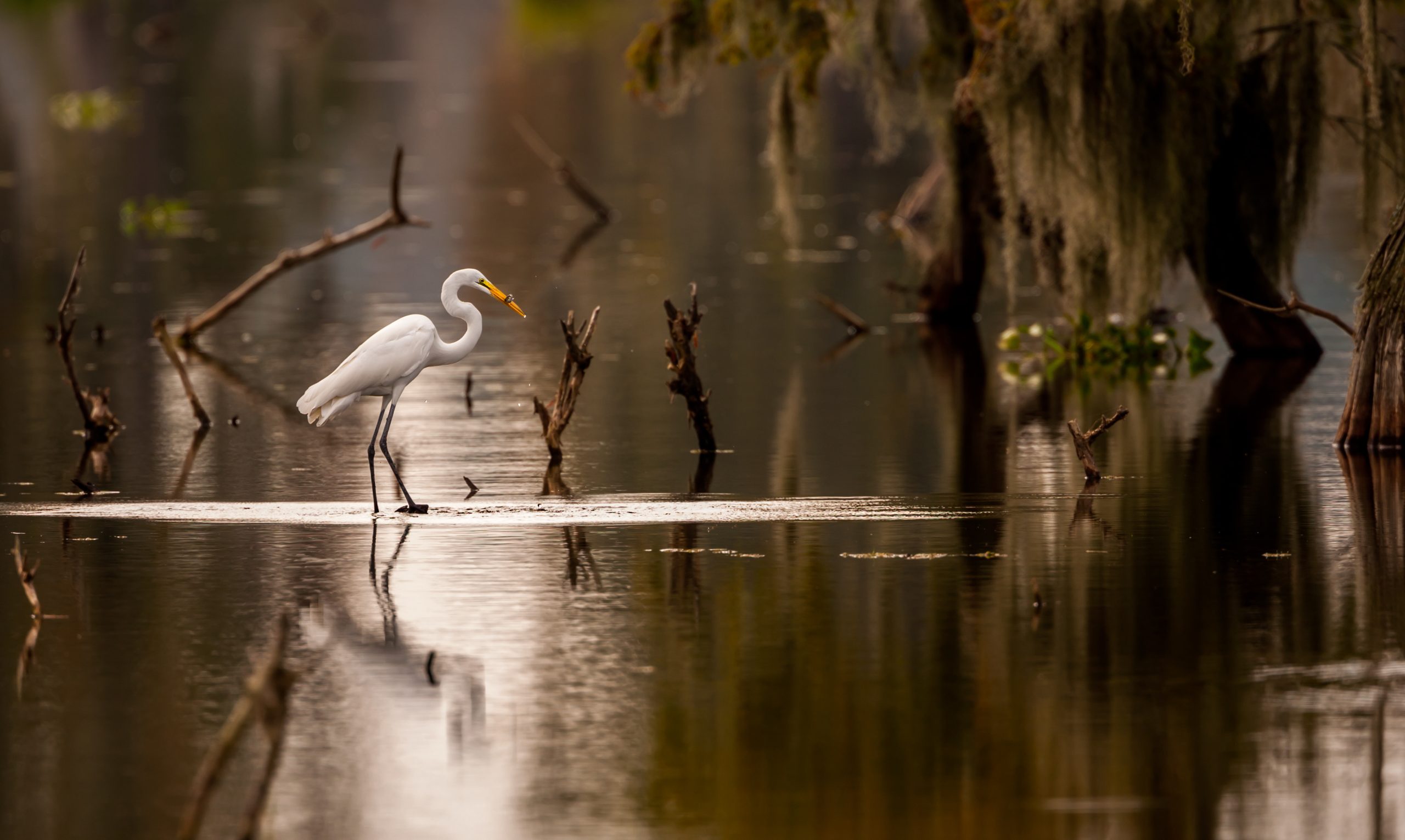
It’s a rollback of clean water protections. North Carolina wetlands span 2.5 million acres and half of the state’s territory. They’re critical for maintaining ecological balance. They’re vibrant ecosystems that house an astonishing array of flora and fauna. Additionally, these wetlands act as natural buffers against extreme weather events. They defend against floods and storms that could wreak havoc on communities.
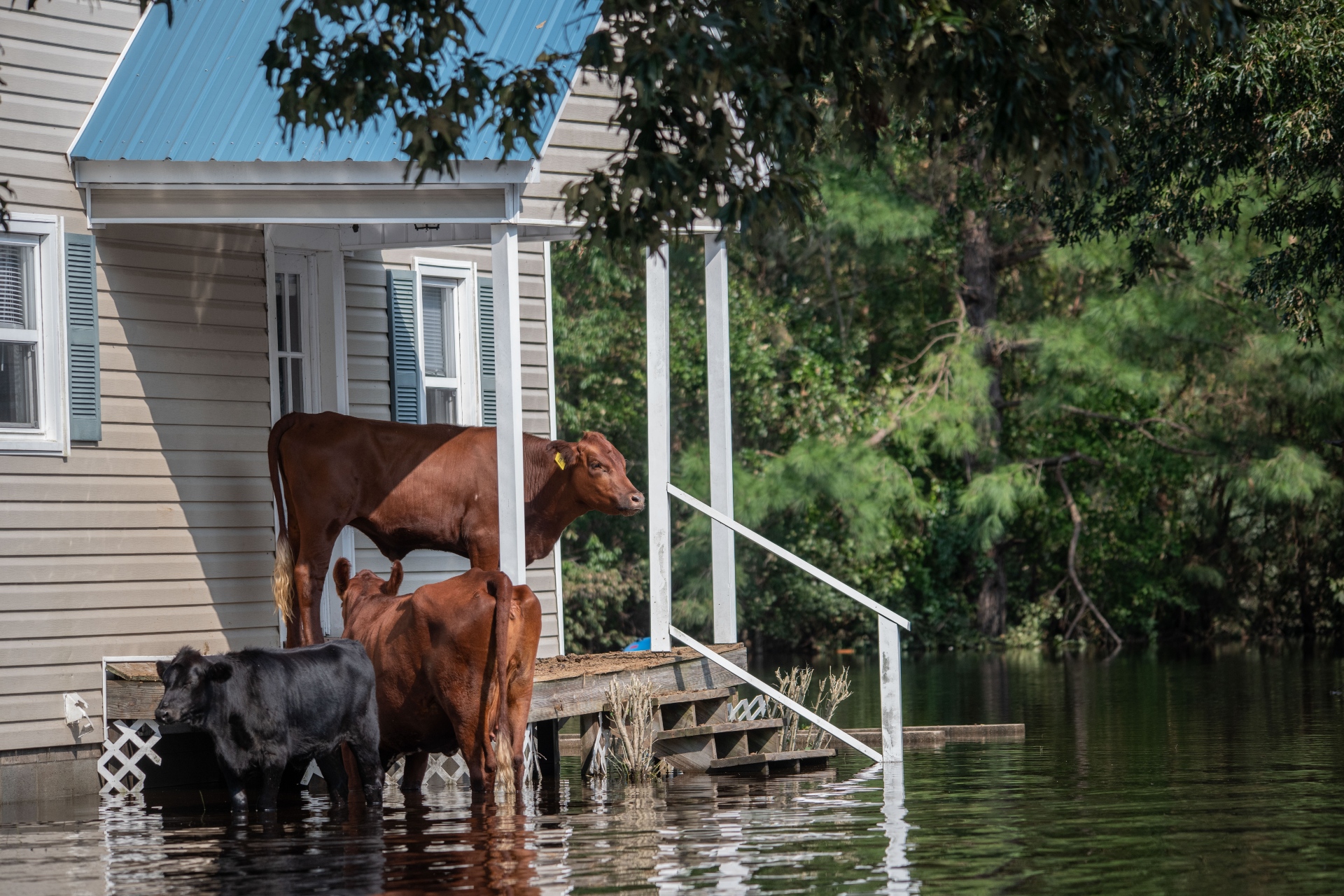
Many environmental advocates have spoken out. Among them is the North Carolina League of Conservation Voters (NCLCV). They consider this a grave misstep and a breach of environmental responsibility. Elected officials must recognize the consequences of their choices. They must safeguard the state’s invaluable natural resources.
This decision mirrors the recent Supreme Court ruling in Sackett v EPA. The Supreme Court ruling eroded Clean Water Act safeguards for so many wetlands. The decision limits protections to certain waterways. But all wetlands provide critical habitat and ecosystem services. This new decision makes many wetlands vulnerable to destruction and pollution.
Wetlands control flooding, purify our water and provide wildlife habitat. These ecosystems are key to building resilience. The Farm Act favors the interests of developers and builders. This is at the expense of long-term environmental health and public wellbeing. This steers us in the wrong direction.
Yet, amidst the challenge, hope persists. This is an opportunity for North Carolinians to unite and challenge the Farm Act. We can work together to advocate for the welfare of our communities and generations to come. What this legislation has done can be undone. Our legislators must enact policies that safeguard our natural heritage.
We must remain vigilant against other environmental threats. One such threat is the “Regulatory Reform Act” (HB 600). This bill would weaken environmental protections and increase pollution. The consequences would be dire. This bill would harm water quality and public health.
The time for action is now. Let us stand together as responsible stewards of North Carolina’s environment. We must demand a future that preserves our natural treasures. We must ensure NC wetlands remain a source of pride and protection for generations to come.
Story Map By Morgan Alexander, Climate Impacts Stanback Fellow 2023If this story map is not displaying properly, you can visit it directly at this link.

Morgan Alexander is originally from Houston, Texas. But she was raised overseas in Rio de Janeiro, Brazil and Ankara, Turkey. She graduated from the University of Georgia in 2022 with a double major in Atmospheric Sciences and Geography. Now she’s pursuing both a Master of Public Policy and a Master of Environmental Management. Morgan hopes to help mitigate the climate crisis. She plans to aid in climate communication and the transition to clean energy. Morgan enjoys running, hiking, discovering new restaurants, and going to concerts at Cat’s Cradle.
This is a guest post by Aanahita Ervin, a 2023 Duke Stanback Climate Impacts Fellow.Leaves You Hopeful is a short podcast series. It highlights stories about large institutions (government, private foundations, corporations) misusing forests against the wishes of the local community members. While misuse of forest land is often legal, it’s not ethical. These offending institutions are powerful. People often assume they can’t ask questions. Sometimes, they don’t have the resources to do so.
These stories illustrate the power individuals and communities have. Exploring their strategies gives us a better understanding of how to resist. They also remind us that we’re not alone in this work.
The stories focus on the Southeastern region of the United States between the 1990s and present day. I hope this podcast leaves you hopeful about protecting trees and leaves everywhere.
Episode 1: Land Between the LakesEpisode 2: Mr.Charlie’s TreesEpisode 3: Resisting the Bayou Bridge Pipeline
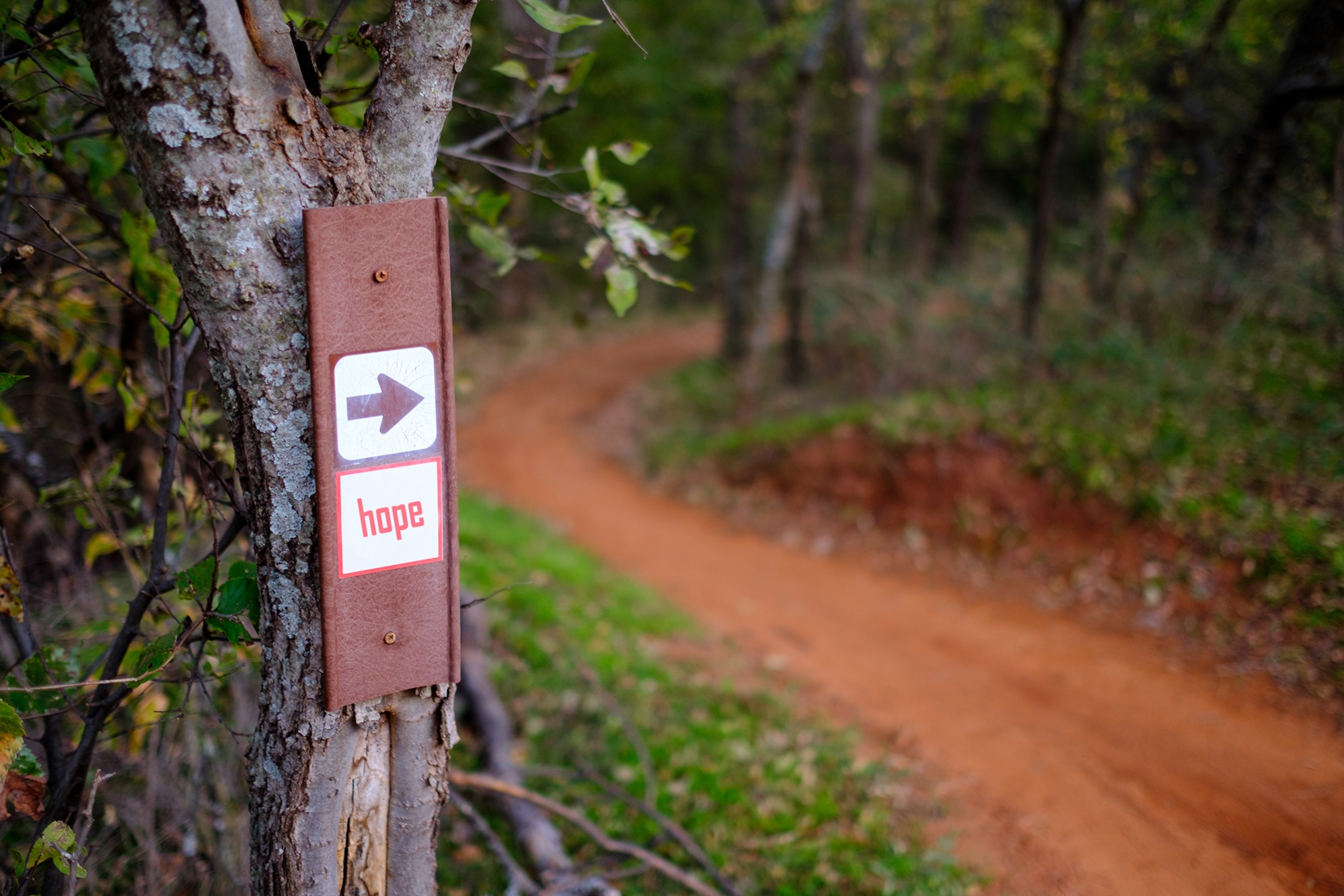
The events of 2023 in Atlanta, Georgia motivated this project. The Stop Cop City campaign arose to oppose Cop City, an 85 acre police training facility. Atlanta and the Atlanta Police Foundation are building it in the heart of Atlanta. This project would cut down a public forest to build a training facility in a Black neighborhood. The construction of such a facility harms the community. It takes away their access to nature. It increases the probability and intensity of floods in an already flood prone zone. Not to mention, it also funds a state institution that disproportionately surveils and polices that community.
Stop Cop City forest protector activists camped in the forest. They resisted the police in various fashions everyday. Many were arrested and charged with terrorism. Terrorism is an outrageous charge for simply enacting their right to protest. Police murdered the activist Manuel “Tortuguita” Teran. Tortuguita was sitting crossed legged with their arms up when police shot them.
These events made an explicit link between forest protection and policing in two ways. A public forest was being cut down and privatized for a cop training facility that would increase police violence. Laws were passed that positioned protestors as terrorists. Lawmakers criminalized protest activities and brought the force of state-sanctioned violence upon peaceful protestors. This was the police violence and criminalization protestors were trying to stop from expanding.
I wanted to document other events in the recent past that showed the link between forest protection and policing. However, it was harder than I thought to find those stories. Instead, I broadened the scope of the project. The stories focused on any large institution misusing forests against public will.
Land Between the Lakes (LBL) national recreation area has a history of government mismanagement. The story begins in 1958 when Tennessee Valley Authority removed families to create LBL. The story then fast forwards to forest service mismanagement of lands in 2014. A broad coalition of people came together to stop the misuse of their forest. They opposed the destruction of a public good in favor of timber companies. This episode explores how the history of a land and people can play a pivotal role in events over 55 years later.

For more information: The forest service documented the public listening sessions. The 8600 Campaign created a stir to garner support. That included videos and a website. The Tennessee and Kentucky Heartwood organizations advocated for the protection of the forest. Local sources like Clarkville and WMKS also reported on it.
Listen to this episode on Spotify.
Mr. Charlie’s life’s work culminated into 1000 acres of forest land that he created through 30 years of hard work. His last wish was to give that land perpetuity. He bequeathed his land to the University of Georgia Foundation (UGAF) in the hopes of achieving that. Unfortunately, his wishes were not fulfilled.
Beginning with Mr. Charlie, this episode follows his life journey and how it led him to plant a million trees. With Aliss Terrell, the episode explores the legality, but ethical opaqueness, of UGAF’s actions. The episode covers UGAF’s role in the story by exploring the power that university foundations have historically had. The episode ends with a brief look into how Aliss seems like she’s alone, but how she can act to fight for our forests in her own way.
Special thanks to Aliss Terrell for her dedication to her uncle’s story and legacy. Her research and thoroughness helped tremendously. Here is the trailer to the documentary about Mr. Charlie’s Trees, as well as the GoFundMe.
For more information: Visit Aliss Terrell’s Linktree. She updates folks on her journey of telling Mr. Charlie’s story.
Listen to this episode on Spotify.
L’eau Est La Vie Camp is a group of Indigenous water protectors that formed in 2018. L’eau Est La Vie, along with a coalition of organizations, worked together to resist the construction of the Bayou Bridge Pipeline. It goes through the Atchafalaya basin, the largest river swamp in the United States.
Louisiana is an industry-heavy state that faces severe pollution. The pipeline risks the health of already vulnerable people, the local economy, and the environment. This story shows how state weaponized militarization, intimidation, and laws to suppress the rights of protestors. This episode follows the strong and strategic resistance the coalition staged against Energy Transfer.
Karen Savage is an independent, investigative journalist who covered the events on the ground. She explores the intimidation, physical assault, and the role state and local police played. The coalition created through this struggle broke down silos to support the community. As we move into a hotter and more policed future, their story leaves us with a hopeful message.
Special thanks to Karen Savage for the insight into the events described in this episode. Her work speaks truth at a time of dying local news and increasing disinformation.
For more information: DeSmog has a detailed series of reports from the beginning of the resistance. It includes reporting on the lawsuits, public hearings, protests, and more. Journalist Karen Savage provided on-the-ground coverage of events, including video footage. Lastly, there’s a documentary called L’eau Est La Vie: From Standing Rock to the Swamp available for free.
Listen to this episode on Spotify.
Did this podcast mini-series leave you hopeful? Why not take the next step in your own activism journey?
TAKE ACTION: Hold Enviva accountable for the harms they’ve inflicted on community members across the South!

Aanahita Ervin is a 2023 Climate Impact Fellow at Dogwood Alliance. She’s pursuing her masters degree at the Sanford School of Public Policy. Aanahita received her undergraduate degree in Chemical Engineering from the University of Oklahoma. She’s interested in many issues like climate change, poverty, and criminal justice. At Dogwood, she’s exploring how the intersection of these systemic issues impacts marginalized Southern communities. She hopes to work in local government and use her skills to serve underserved and minoritized populations.
Join us as we explore! We’ll learn about the wildlife, plants, trees, and even mushrooms. All right outside our doors. When you sign up, we’ll deliver more Biodiversity in Your Backyard tips directly to your inbox!


 Donate
 April 5, 2026