


Washington, DC (August 10, 2023) – As Congress works on the 2023 Farm Bill, environmental justice groups, forest protection organizations and climate scientists are blowing the whistle on The Nature Conservancy (TNC) for promoting government subsidies that support increased industrial logging and more polluting biomass and wood pellet plants being built in low-income communities.
TNC has signed onto a platform designed to influence Congress’s reauthorization of The Farm Bill promoting subsidies and other forms of government support for the forestry industry to the detriment of environmental justice communities, climate and forests. The platform calls for “full funding for the wood innovation grant program,” which provides subsidies for biomass and other “innovative” uses of wood from logged forests. The platform also calls for measures to: “continue research and innovation for the use of wood to expand markets” and “expand the federal government’s commitment to reflect the carbon benefits of advanced wood construction.”
These federal subsidies benefit companies like Enviva and Drax, two of the world’s largest wood-pellet producers, which have been repeatedly exposed for making false green claims, destroying forests and releasing illegal levels of pollution in low-wealth, predominantly Black communities across the South.
TNC – along with Enviva and other wood products companies – also signed onto a policy platform via the Forest-Climate Working Group that helped secure billions of dollars in subsidies for logging and wood production in the Infrastructure Investment and Jobs Act and the Inflation Reduction Act. Both Drax and Enviva have touted the benefits of these government subsidies as they seek to expand operations across the country.
“TNC publicly claims they aren’t aligned with Enviva or Drax, but they continue to advocate for federal subsidies that benefit the biomass industry,” said Kathy Egland, program and policy director of EEECHO and chair of the NAACP National Board’s Environmental Justice Committee. “TNC is working against front-line environmental justice communities that are bearing the brunt of the wood pellet biomass industry’s pollution and destruction. This has to stop.”
Reverend Michael Malcom of the People’s Justice Council added, “The Nature Conservancy must stand with the planet and people who are being harmed or remove ‘conservancy’ from their name. If not, they must define who or what they are conserving. At this point, they appear to be conserving polluters and profiteers.”
In contrast to TNC, over 200 of the nation’s top climate change scientists and ecologists have urged Congress to increase protection of forests from logging. They note that annual carbon emissions from logging in U.S. forests is now comparable to those from burning coal in the U.S.. At the same time, the biomass industry has come under fire by environmental justice organizations and impacted communities who are suffering health impacts associated with the hazardous air pollutants emitted at wood pellet mills and increased flooding associated with industrial logging.
“Despite ongoing calls from numerous organizations and prominent scientists to stop, TNC continues to push for massive subsidies to accelerate wood production to the benefit of some of the worst players in the forestry industry,” said Danna Smith, executive director of Dogwood Alliance. “In doing so they are undercutting vital efforts to protect forests and community health as the dirty wood pellet and biomass industry is expanding. We continue to call on TNC to stop promoting the forest products industry as a climate solution and to redirect its efforts to help protect forests and communities.”
In 2022,158 climate, forest protection, environmental justice and faith organizations were joined by prominent conservation biologists and climate scientists in publicly calling on TNC to stop pushing a pro-forestry-industry, pro-logging policy agenda.
“It’s disappointing to see TNC continuously ignoring the harms the forestry industry is inflicting on environmental justice communities,” said Rev. Leo Woodberry, pastor of Kingdom Living Temple and executive director of New Alpha Community Development Corporation, in Florence, SC. “We need government support for community health and forest protection, not more taxpayer dollars going to industry.”
Standing forests are vital to our ability to remove carbon from the atmosphere and provide natural protections for communities against extreme weather. Scientists have warned that increased wood production will accelerate carbon emissions and further degrade other important natural services that standing forests provide, such as flood control and protection of clean drinking water.
“The policies TNC and industry are pushing together will result in even more forest destruction and carbon emissions at the very moment in time when we need to be doubling down on forest protection. The logging industry does not need more government handouts,” said Dr. Chad Hanson, executive director of the John Muir Project.
But the logging industry along with TNC have been pushing for subsidies to support wood markets, forest industry jobs and wood products as a so-called climate solution. Meanwhile, the IPCC is warning that “protection of forest ecosystems is the priority for reducing GHG emissions.” ( IPCC AR6 WG2 page 303.)
“Logging is the leading driver of carbon emissions from U.S. forests,” said Dr. William Moomaw, professor emeritus at Tufts University and a lead author of five reports by the United Nations’ Intergovernmental Panel on Climate Change. “When forests are logged, carbon that would otherwise be stored is released to the atmosphere. We must protect more forests across the country to meet global climate goals. Government support for wood production and logging is taking us in the wrong direction.”
The groups blowing the whistle on TNC are calling on Congress and the Biden Administration to halt all subsidies and government support for biomass wood pellets and enact:
Last year, a coalition of scientists, environmental justice groups and forest protection organizations published The Nature Conspiracy, an online magazine highlighting TNC’s consistent pattern of prioritizing the financial interests of landowners and industry ahead of the climate, biodiversity and human health when it comes to forest-related climate policy.
Guest Post By Spencer Moyle, Climate Impacts Stanback Fellow 2023.
Have you ever wondered about Bioenergy with Carbon Capture and Storage (BECCS)? Have you heard that it may hinder the transition to clean energy? BECCS aims to reduce greenhouse gas emissions. But in reality, burning wood pellets releases more carbon than fossil fuels. Solar and wind power are simpler. They’re also more successful renewable options that can combat climate change.
Many people think that Bioenergy with Carbon Capture and Storage (BECCS) can help fight climate change. The idea is to use plants like trees and crops, called biomass, instead of fossil fuels, to create energy.
When growing, these plants take in CO2 from the air through photosynthesis. After grown, the plants are burned to produce energy. But, instead of letting the carbon dioxide (CO2) go into the air, it’s captured and stored deep underground. This helps to prevent harmful emissions from going into the atmosphere. So, BECCS uses plants to create energy and then to supposedly lower the amount of greenhouse gasses released.
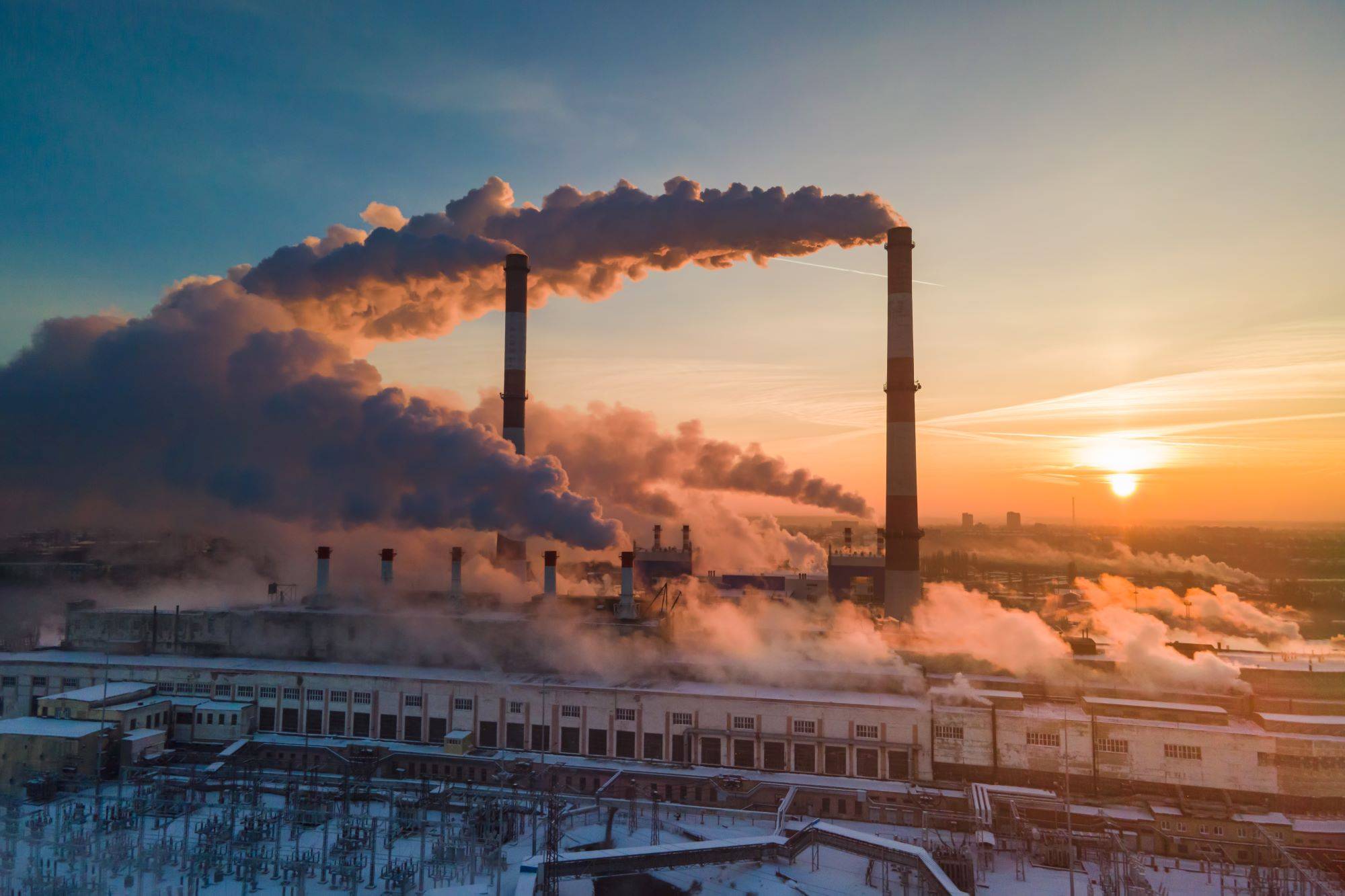
This sounds good in theory. But carbon capture and storage doesn’t have a great track record. It hasn’t yet reduced carbon dioxide emissions. Most biomass energy is considered a renewable energy source. This includes the production of wood pellets. But just because it’s renewable doesn’t mean it’s low carbon. BECCS still releases a significant amount of carbon dioxide into the atmosphere. This contributes to global warming.
Despite industry touting it as a carbon-neutral process, overwhelming scientific evidence proves otherwise. Burning wood pellets actually emits more carbon than burning fossil fuels. Also, biomass energy is not very efficient compared to fossil fuels. As a result, it often needs to be used together with coal to produce enough energy.
The idea that bioenergy is good for the environment is causing more wood pellets to be produced. This is destroying forests in the US South. The entire process of making wood pellets includes logging, transportation, and production. These processes emit greenhouse gasses at every step. This worsens the environmental impact.
Oftentimes, these systems fall short on their targets once implemented. A coal plant called Petra Nova in Texas had a CCS system. But after only three years, they had to shut it down because it didn’t work. The system had a lot of problems, and the plant couldn’t capture as much carbon as they wanted to. They missed their goal by a big amount. 17% to be exact.
And this isn’t uncommon. A study found that most projects didn’t meet their expected capacity or perform as well as hoped. Out of the 13 projects, 10 of them had issues or didn’t work as planned. In fact, most of them fell significantly short of their goals.
The whole process of BECCS can cause a lot of emissions. For certain crops, the emissions can be quite high. In fact, these emissions make up about 64% of all the carbon originally stored.
For every ton of carbon dioxide captured and stored, the emissions are around 1.11 tons of carbon dioxide. So, the emissions are actually more than the amount of carbon storage. This makes it harder for BECCS to reduce carbon emissions.
BECCS technology is still in its early stages and comes with significant concerns. It combines bioenergy generation with capturing and storing carbon dioxide. However, its commercial viability is questionable. Experts doubt its ability to scale up enough for widespread use.
Another big problem with CCS is that we can’t be sure if the captured CO2 will stay underground. There are worries about it leaking back into the air. Leakage would work against our goal of reducing emissions. This makes CCS less reliable in our efforts to combat climate change. Researchers and scientists are working hard to find solutions. But, they haven’t yet found satisfactory answers. It raises doubts about the effectiveness of BECCS for carbon emissions reductions.

The technical expertise required for using BECCS at scale is lacking. The best example is Drax. They’re the largest and most prominent biomass burner in the United Kingdom. Yet, Drax has only managed to capture a mere 27 tonnes of CO2 in total. All of that carbon went back into the atmosphere. So, they’ve fallen short on their promise of carbon dioxide removal. They’re far from achieving negative emissions.
It’s unlikely that Drax will achieve the carbon capture it says it will. But, are Drax’s claims motivated by securing subsidies rather than reducing carbon emissions? Carbon capture may become achievable, but it doesn’t fix the problem of logging biodiverse forests. Drax primarily sources its wood pellets in the USA, Canada, and the Baltic States.
Between 2012 and 2027, Drax expects to receive over £11 billion in subsidies from the UK government. But now, Drax is calling for a dual subsidy system for their BECCS operations. This would allow them to continue burning biomass without capturing carbon. Interim subsidies may be given to biomass power stations planning to build BECCS. Industry may receive this free money regardless of their follow-through with the plans. Drax has already delayed their BECCS construction. This increases the risk of them receiving these interim subsidies.
Drax has already announced two new BECCS projects planned for the US. Drax already has headquarters in Houston, Texas. Many environmentalists in the US fear that domestic companies will follow suit. One piece of US legislation is the Inflation Reduction Act (IRA). Its goal is to incentivize and promote renewable energy. The law has various tax credits to encourage the transition towards sustainable sources.
The IRA includes incentives for BECCS. Even though it is detrimental to the environment. This contradicts the goal of reducing greenhouse gas emissions. It gives companies tax loopholes during this energy transition.
Policymakers must focus on clean and sustainable energy like wind and solar power. These energy sources are good for the environment. And they can help us make real progress in fighting climate change.
Using sustainable biomass is crucial when using BECCS. We must get biomass without hurting the environment. The process must consider social well-being. This is much harder than it sounds. One big worry is that energy crops for biomass might compete with food crops. Competition with bioenergy would put a lot of pressure on our agricultural resources. This could make it harder to have enough food. It could cause prices to go up. This is especially concerning in places that already struggle with food security.
Using biomass for energy can also cause problems with land use. When we grow energy crops, it can clash with other important ways we use the land. These other uses like farming or preserving natural areas are important, too. This conflict can lead to deforestation, where we cut down forests. It can harm habitats for plants and animals. It can also damage ecosystems, making environmental problems worse. When we use land for growing energy crops, we might lose critical forests. Forests capture carbon, protect different species, and provide many benefits for the environment.

Another major concern with biomass energy is forests’ long regeneration time. International agreements say that bioenergy is carbon neutral. This is because new trees can grow back. But, it can take many decades or even hundreds of years for forests to fully recover. When we cut down trees for biomass, it stops them from capturing carbon. Logged forests are not as healthy as mature, untouched forests. They don’t fight climate change as well either. Instead of bioenergy, we should use wind and solar power. They’re faster and better at reducing carbon emissions and protecting the environment.
We must acknowledge that large-scale or industrial bioenergy will become impractical. They’re unsustainable from both climate and biodiversity perspectives. The size of these projects makes it impossible to harvest raw materials sustainably.
BECCS can actually slow down the switch to clean energy. It takes attention and resources from other proven renewable technologies. BECCS has some good points. But it relies on complicated and expensive processes to capture and store carbon. Even worse, they might not always work in the long run.
But there’s good news! Solar and wind power are simpler and have already been successful. Solar power uses the energy from the sun, which we have a lot of. Solar panels can be put on rooftops, open areas, or even built into buildings. Wind power uses turbines to turn wind into electricity, and new designs are making it even better. Both solar and wind power give us clean energy without the pollution caused by fossil fuels.
Even better, solar and wind power can easily expand to make electricity on a bigger scale. If we focus on these reliable alternatives, we can reduce the carbon we put in the air. We’ll be fighting climate change and preventing global temperature rise.
In reality, carbon capture and storage hasn’t worked as well as we hoped. So, we need to look for better solutions that can make a big difference in fighting climate change.
It can be scary to learn that our government is making bad energy choices. But there are ways you can make your voice heard! Even small actions can make a big difference.
Tell the USDA to stop promoting biomassDemand accountability from Enviva, the world’s largest wood pellet company.
 Spencer Moyle is a student at Duke University. He’s majoring in Environmental Science & Policy. He has a deep love for nature and a drive to combat climate change. He’s dedicated to promoting sustainable living and environmental awareness. In his free time, he loves going to the beach, traveling, and exploring new places.
This is a guest post by Aanahita Ervin, a 2023 Duke Stanback Climate Impacts Fellow.
On Saturday, June 3rd, President Biden signed the debt ceiling bill to avert a default crisis. In return, this bill deepened the climate crisis. Republicans and Democrats alike are to blame for this. They preyed on a vulnerable political moment to get what they wanted.
The debt ceiling bill affected a lot more than fiscal policy. Politicians shoved pet projects and other policy riders into the bill as well. Let’s take a deep dive into how and why this bill is terrible for the environment.
This recent legislation affected two areas of national environmental concern. First, it fast-tracked the Mountain Valley Pipeline (MVP). Second, it took power away from the National Environmental Policy Act (NEPA).

The Mountain Valley Pipeline is a natural gas pipeline that spans 306 miles. It begins in West Virginia, and it winds through 200 miles of steep slopes. These steep slopes are prone to landslides. Landslides can lead to pipeline explosions. For years, concerned citizens have halted the project in legal battles. The project has over 300 water quality violations. It has several property rights lawsuits against it. It has also cleared land, including 3.5 miles of the Jefferson National Forest. MVP is a controversial pipeline. If allowed to proceed, it will harm people, forests, and other ecosystems.
The National Environmental Policy Act (NEPA) is federal law signed in 1970. Under NEPA, federal agencies must be good stewards. They must assess the environmental impacts of projects before making decisions. They must also encourage citizen participation in project decisions. Environmental organizations use NEPA to hold corporations and the government accountable.
Nothing. The debt ceiling crisis has nothing to do with the Mountain Valley Pipeline and natural gas. Yet, recent national legislation has linked them. A national crisis is the perfect moment to push through policy that normally wouldn’t pass. That’s exactly what Senator Joe Manchin (D) and speaker of the house Kevin McCarthy (R) did.
Specifically, the debt ceiling bill:
The MVP has undergone intense review and countless legal battles. MVP promises to have a negative impact on water quality, land rights, and the safety of citizens. It will undoubtedly exacerbate climate change. Congress chose to override the power of courts to question any of these actions. Congress also eliminated citizen’s rights to contest projects that do immeasurable harm.
This is a dangerous precedent to set for our national lands. According to Congress, their actions are above the courts. They’re disregarding every citizen’s right to use and treasure natural forests.

With rising pressure to address climate change, lawmakers have advocated for permitting reform. To increase the use of renewable energy, we must build new transmission lines and update old ones. But, large infrastructure projects need permits.
Federal agencies have to abide by NEPA to approve any permits. NEPA forces corporations to act as responsible environmental stewards. They must do this without regard to their checkbooks. While great for the environment, NEPA is no friend to corporations. NEPA’s guidelines can make obtaining permits very expensive. It can lengthen project timelines.
The debt ceiling bill changed NEPA to limit environmental review of future projects. Firstly, it placed page limits and time span (1-2 years) restrictions on agencies. These dilute the quality and thoroughness of the environmental review. Secondly, project sponsors can petition courts when federal agencies don’t meet time deadlines. Legal action pressures agencies to complete reviews in haste more than in earnest. Lastly, federal agencies must submit annual reports for every project deadline they missed. This takes resources away from useful environmental assessments and upholds punitive bureaucratic processes.
What is most alarming is the smallest change of language. Projects not under “substantial” control of the federal government are exempt from NEPA. This guarantees legal evasion for harmful private projects from any environmental review. It does away with corporate transparency and the right to information. It strips communities and organizations of legal avenues to challenge projects. That is, until after the harm is done.
These changes ensure less scrutiny for destructive projects that exploit vulnerable communities. We know we’ve got to lower emissions, protect forests, and build new green infrastructure. We do none of these by permitting new natural gas pipelines. At Dogwood Alliance, we advocate for legislation to protect our forests. Maintaining forests is the easiest way to reduce emissions and fight climate change.
This bill exposes communities to injustices as it supports a project that:
Proponents claim we need the MVP project to meet rising energy demands. Yet, regional projections show demand for gas increasing slightly and then plateauing. Whereas the pipeline will operate for a decade or more, supplying more gas than needed. The “need” for the Mountain Valley Pipeline is questionable.
Some MVP corporate partners have even been talking about exporting natural gas to India. This could make up for their losses from the construction of this overpriced pipeline. At the same time, it would jeopardize the health and safety of US citizens.
Pipeline explosions put rural, elderly, and low income Southern communities at risk. From 2010-2016, gas companies reported 35 explosions resulting in 17 deaths. An explosion at an LNG facility in Washington in 2014 resulted in flying debris as heavy as 250 pounds. The vapors from this explosion could have led to secondary explosions. Communities in the South are in danger. Dogwood Alliance has a history of fighting to protect Southern communities. We’ll keep fighting as climate change, deforestation, and health risks increase.
Communities shouldn’t have to choose between economic crisis and the climate crisis. Congress and the president wrongfully prioritized a project that will harm the environment.
Even worse, they’ve restricted any possibility of questioning or regulating this project. They’ve also undermined a crucial environmental law meant to protect us. Our rights, our planet, and our health are in danger. We must be even more vigilant and continue to resist these violations of our rights.
Protecting forests ensures that carbon remains in the ground and within trees. Protecting forests restricts destructive industries from harming communities and trampling their rights.
TAKE ACTION: Demand your legislators take meaningful climate action to protect forests now!

Aanahita Ervin is a Climate Impact Fellow at Dogwood Alliance. She’s pursuing her Masters of Public Policy at the Sanford School of Public Policy. Aanahita received her undergraduate degree in Chemical Engineering from the University of Oklahoma. She’s interested in many issues like climate change, poverty, and criminal justice. At Dogwood, she’s exploring how the intersection of these systemic issues impacts marginalized Southern communities. She hopes to work in local government and use her skills to serve underserved and minoritized populations.
Virginia opossums are truly misunderstood and underappreciated animals. Many people find them to be scary, irksome, or even downright gross. Although they resemble rats, they’re not related in the least bit. They’re often blamed for knocking over trash cans in the middle of the night and being a nuisance. But the truth is, opossums help the ecosystem in many ways. We’ve got seven reasons you should learn to love this furry forest friend.
The gray, furry, white-faced nocturnal critters we see in North America are technically opossums. Possums on the other hand are native to Asia, Australia, and New Zealand. Possums have thick furry tails, while opossums have scaly, (mostly) hairless tails. Possums are also usually much smaller than opossums. Opossums tend to be about the size of a house cat. Things can get tricky because the “o” in opossum can be pronounced or silent when spoken. For this reason, it’s common to see the terms used interchangeably, especially in the US.
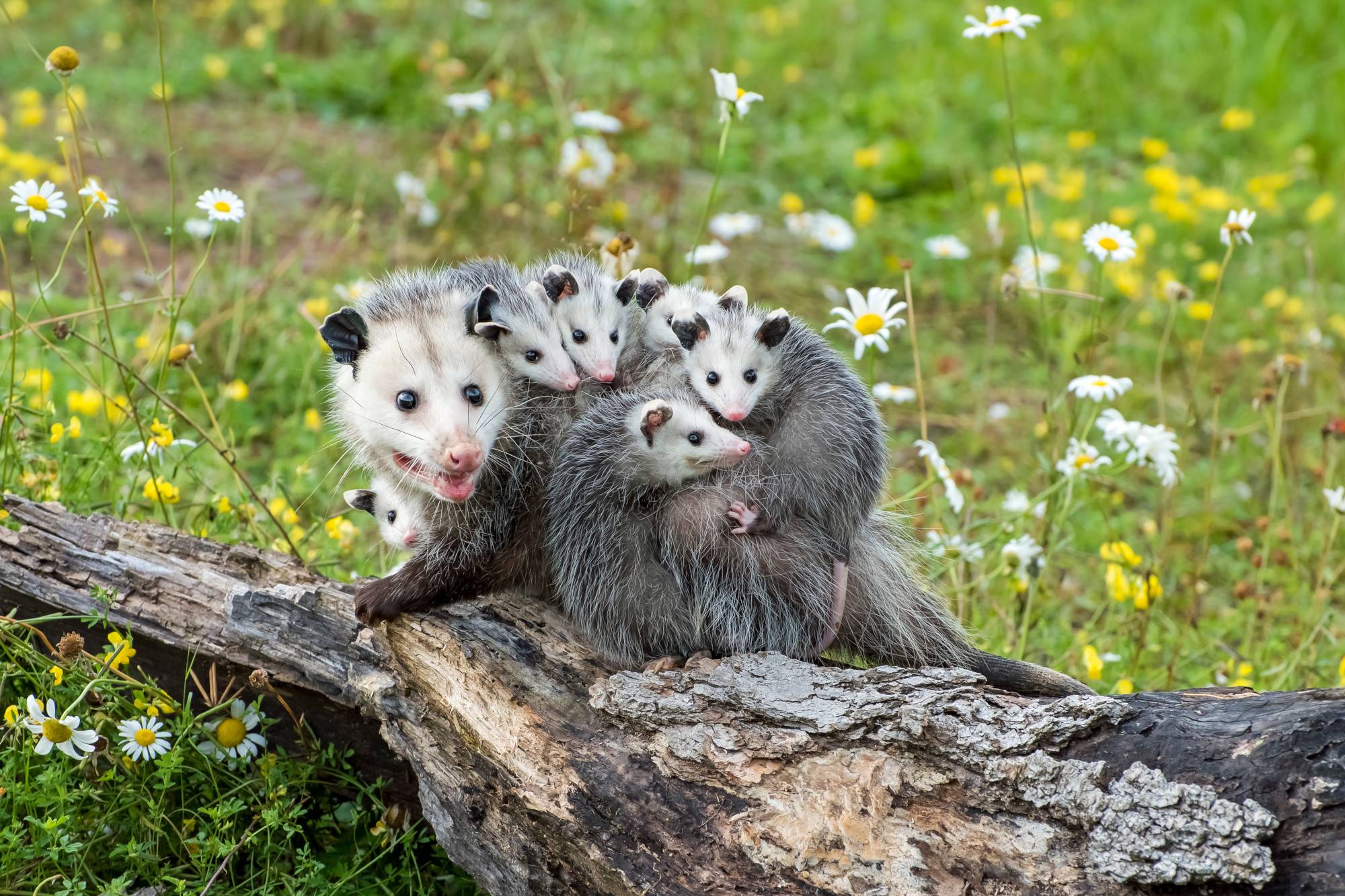
Virginia opossums survive in almost any environment. They prefer forests, but you can find them in plains, swamps, marshes, cities, and suburbs, too. Their range includes most states east of the Rocky Mountains and on the West Coast of the US. They’re found as far north as southern parts of Canada and as far south as Costa Rica.
They’re the only marsupial native to North America. Female opossums have a fur-lined pouch. And just like their Australian cousins, baby opossums are called joeys. Opossums will have 1-3 litters per year, with an average of 8-10 young in each litter.
When they’re born, joeys are not yet fully developed. They’re blind, furless, and are about 14mm in size. That’s the size of a dried kidney bean. Once born, joeys must climb into their mother’s pouch and attach to a teat for survival. They’ll remain latched in the pouch while they complete development. After about 70 days, joeys will emerge from the pouch and climb onto their mother’s back. The mother will carry them on her back until they’re fully independent. When the young opossums are between 3-4 months old, they begin life on their own.
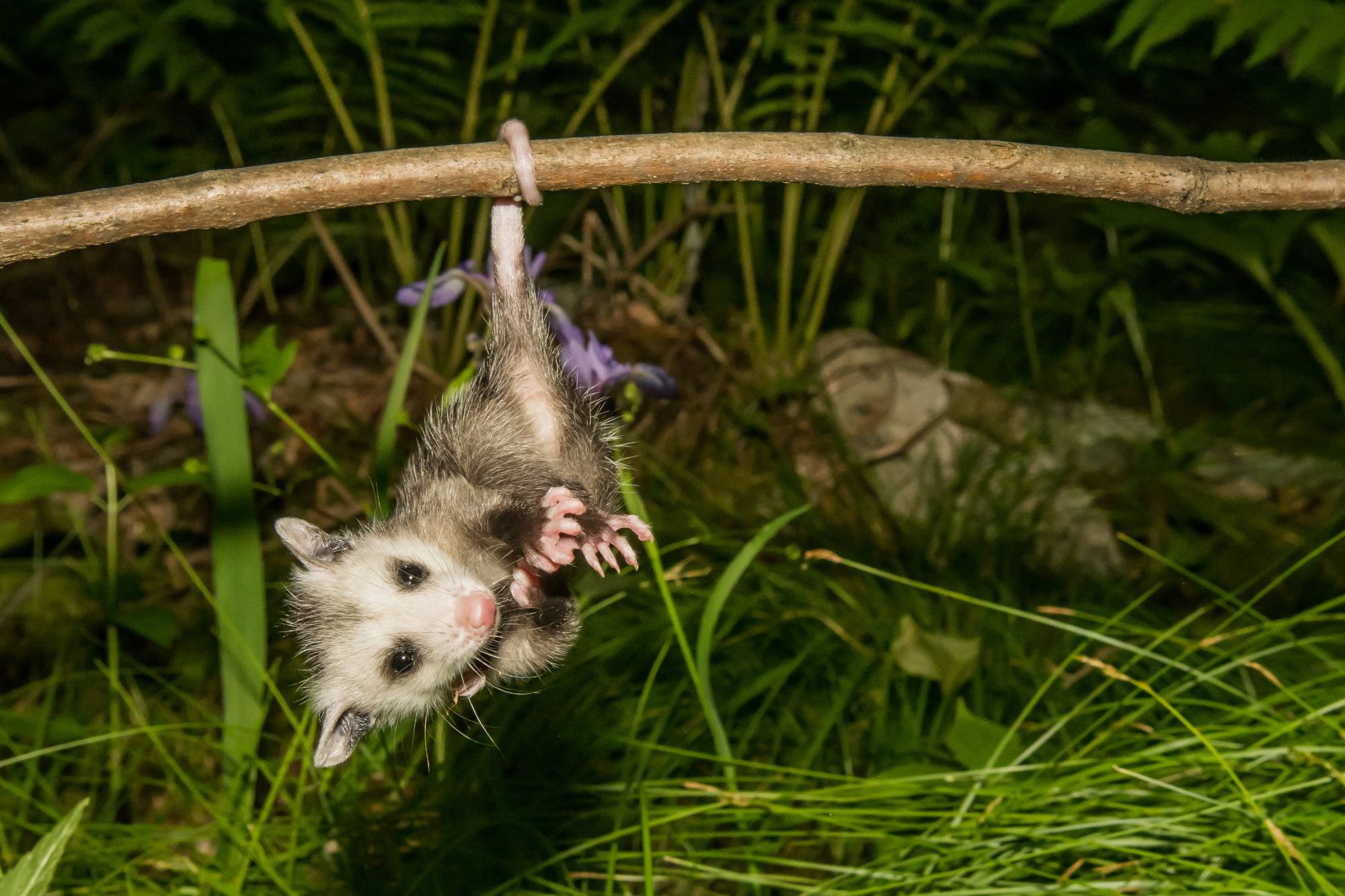
This species was built to climb. Opossum’s prehensile tails have adapted to grasp and wrap around things like tree branches. This helps them stay balanced and move through tree canopies with ease. They’re even known to use their tails to collect and carry leaves and twigs for nesting material. Contrary to popular belief, mature opossums can’t hang upside down from their tails. They’re too large to hold themselves for long. Only young opossums can hang for extended periods using their tails.
Opossums also have opposable hallux. The hallux is a clawless thumb-like big toe on their hind feet that helps them grip as they climb. Their feet look like a human hand. This makes their tracks easy to identify. Just look for the large “V” between the first and second toe of their back paws.
Opossums are omnivores. They’ll eat just about anything. Think of them as nature’s garbage disposals. One of the main reasons opossums are good to have around is that they’ll eat pests. Ticks, roaches, snails, slugs, crickets, and beetles are all on their menu. So are voles, mice, rats, and other disease-carrying critters. They prefer fallen, rotting fruits and vegetables to fresh until food sources get scarce in the fall. They’ll eat dead animals and roadkill, including the bones.
Opossums serve a critical role in controlling waste and infectious diseases. They literally help rid the world of trash and pests. The next time one knocks over your trash cans, thank them for their service.
Virginia opossums are resilient creatures. They’re immune to bee and scorpion stings. They’re also resistant to the venom of most snakes in North America. Proteins in their blood neutralize the toxic components of the venom. Virginia opossums are known to eat rattlesnakes and other venomous snakes. This helps to keep those populations in check. Scientists have been studying opossum blood to develop new antivenom treatments for humans.
Opossums are also resistant to some illnesses. They rarely catch Lyme disease or contract rabies. Their low body temperature makes them ill-suited hosts. But people can confuse some of their defense mechanisms with rabid animal behaviors. That brings us to our next fact…

Opossums aren’t well equipped to defend themselves. They’re not fast runners. They don’t see particularly well. Their claws are meant for climbing. And they’re especially vulnerable on the ground. That means they’ve developed other methods to avoid predation and danger.
If cornered, an opossum may hiss, growl, and open its mouth wide to show all of their 50 teeth. They can appear quite fearsome. But if that doesn’t scare away the threat, opossums have one more trick up their sleeves. Opossums have developed an involuntary defense mechanism. If startled or threatened, they will play dead or “play opossum”.
They’ll typically curl up on their side, eyes and mouth wide open, and go into a catatonic state. Their tongue may hang out, and they’ll drool or foam at the mouth excessively. They even release a foul death-like stench and green body fluid. Poking and shaking the animal won’t revive them. They can stay like this for as little as a few minutes or up to several hours. This dissuades predators that don’t eat dead or decaying prey. Once the threat is gone, the opossum will regain consciousness and escape.

The opossum is generally a solitary, nomadic, nocturnal animal. During the daylight hours they stay in their dens. A den can be anywhere dark, dry, and safe. Opossums often nest in dead or dying trees, wood piles, or burrows that other animals create. They may also seek shelter in the hollow empty spaces of buildings. They’re most active from dusk until dawn. During the coldest winter months, opossums may forage for food during the warmer daylight hours.
Opossums roam the same area for six months to a year, depending on food security. They won’t tolerate other opossums in their territory except during breeding season. Their average lifetime home range is between 150 acres (females) to 300 acres (males). Individual opossum ranges can overlap, though. Opossums are known to forage between den sites.
Their eyes appear jet-black because they’re fully dilated to help opossums see best at night. Opossums also have a reflective layer in the upper retina to improve their night vision. This can make their eyes appear to glow when light is shined into them. Even with all these adaptations, opossums can only see well within a foot or less. They rely on their whiskers to help them navigate the world.
Considering their size, opossums are one of the shortest-lived animals in the world. Many don’t survive infancy. Fewer than 10% live beyond their first year of life. For those that do survive, their average lifespan is 2-3 years. Young opossums are vulnerable to predators like domestic animals, coyotes, foxes, and owls. However, human activity is the leading cause of death for adult opossums. According to estimates, between 4-8 million opossums are killed each year from automobile collisions.
If you do accidentally hit an opossum with your vehicle, you should check the animal’s lower abdomen for a pouch. If you find baby joeys, then contact your local wildlife rehabilitation organization for immediate help. If you can, move them to safety and keep them warm until help arrives. Don’t attempt to handle or feed them yourself. Getting the surviving joeys into the hands of a licensed rehabilitator is their best chance for survival.

Life Fast Eat Trash Opossum Artwork by @nonbeenarydesigns
Virginia opossums are totally awesome. They just want to wander, eat trash, and make babies. They’re a great indicator of the overall health of any ecosystem. Remember, you’re a much bigger threat to them than they are to you. So leave them alone to do what opossums do.
Did you enjoy learning about Virginia opossums? If so, why not show us? Share this on social media and tag us on Instagram, Facebook, or Twitter!
Join our email list to get new Biodiversity in Your Backyard blogs sent directly to your inbox!Check out the other blogs in our Backyard Biodiversity series!
[share-buttons]
The Enviva Northampton plant opened in 2013. It was one of the largest bioenergy wood pellet plants in operation at the time. We estimate that the Northampton County Enviva plant has produced 6.2 million tons of wood pellets. This has resulted in the destruction of over 149,000 acres of forest.
Enviva produces wood pellets by breaking down logs into wood chips. Chips then get compressed into pellets, which are then shipped overseas. This process requires large machines that produce a lot of dust and explosion risk.
European and Asian power plants burn wood pellets for electricity. This is because international climate agreements have wrongfully declared bioenergy as carbon neutral. Companies like Enviva are reliant on international government contracts. They do not make products for sale locally.

Communities have concerns about pollution coming from the Northampton County wood pellet plant. This is, in part, because of lax enforcement by the NC Department of Environmental Quality (DEQ). When Enviva built this plant, they claimed it would be a minor source of air pollutants. Two years later, they requested that DEQ remove the permit restrictions. And DEQ did – without any extra air pollution controls required.
As a result, the company’s Northampton wood pellet plant emits 377 tons of volatile organic compounds. Enviva emits these compounds, like formaldehyde, directly into the air. Nearby communities live with and breathe in this pollution every day.
Making wood pellets is dangerous business. Other incidents like fires or explosions happen at wood pellet plants. When these incidents happen, neighbors nearby are subject to even more air pollution.
Switching to burning wood pellets from coal seems like a simple climate solution. Carbon counting assumes that trees will always regrow. So in this scheme, the carbon is “free” compared to fossil fuel sources. But the truth about bioenergy’s impact on climate is not so simple.
Burning wood pellets releases more carbon than burning gas, oil, or even coal. This is accelerating climate change. Our climate needs action now. It can’t wait decades for trees to regrow. Instead of pellets, we need to use low-carbon technologies. Newer technologies like solar and wind, not coal and wood pellets. Enviva’s presence in Northampton County creates a perverse incentive. It encourages communities to destroy forests instead of allowing forest growth. We need true forest conservation to combat climate change. We don’t need to destroy our forests in support of European energy demands.
Enviva’s emissions are not minor. Since the Northampton plant opened, the plant has likely produced over 5.2 million tons of wood pellets. All that wood is equivalent to 11.2 million tons of carbon dioxide emissions released.
Heavy industrial plants like these are not the solution to economic woes. There are already manufacturing and industry jobs available that don’t result in pollution. The only way to reduce emissions to an acceptable level is to phase out wood pellet production. It doesn’t matter if Enviva is only sourcing trees from privately owned forests. We need more forest inventory, not less.
According to Enviva, Northampton County’s Economic Development Authority (EDA) invited Enviva in. The EDA’s objective was to create an industry-heavy zone to promote economic growth. The Economic Development Commission awarded Enviva $348,797 in 2011. That prize split into two:
Enviva Northampton has also received:
This was a total of $2,846,580 that the government gave Enviva to lure them into the county. Journalists and nonprofit organizations haven’t yet uncovered additional incentives, subsidies, or tax credits.
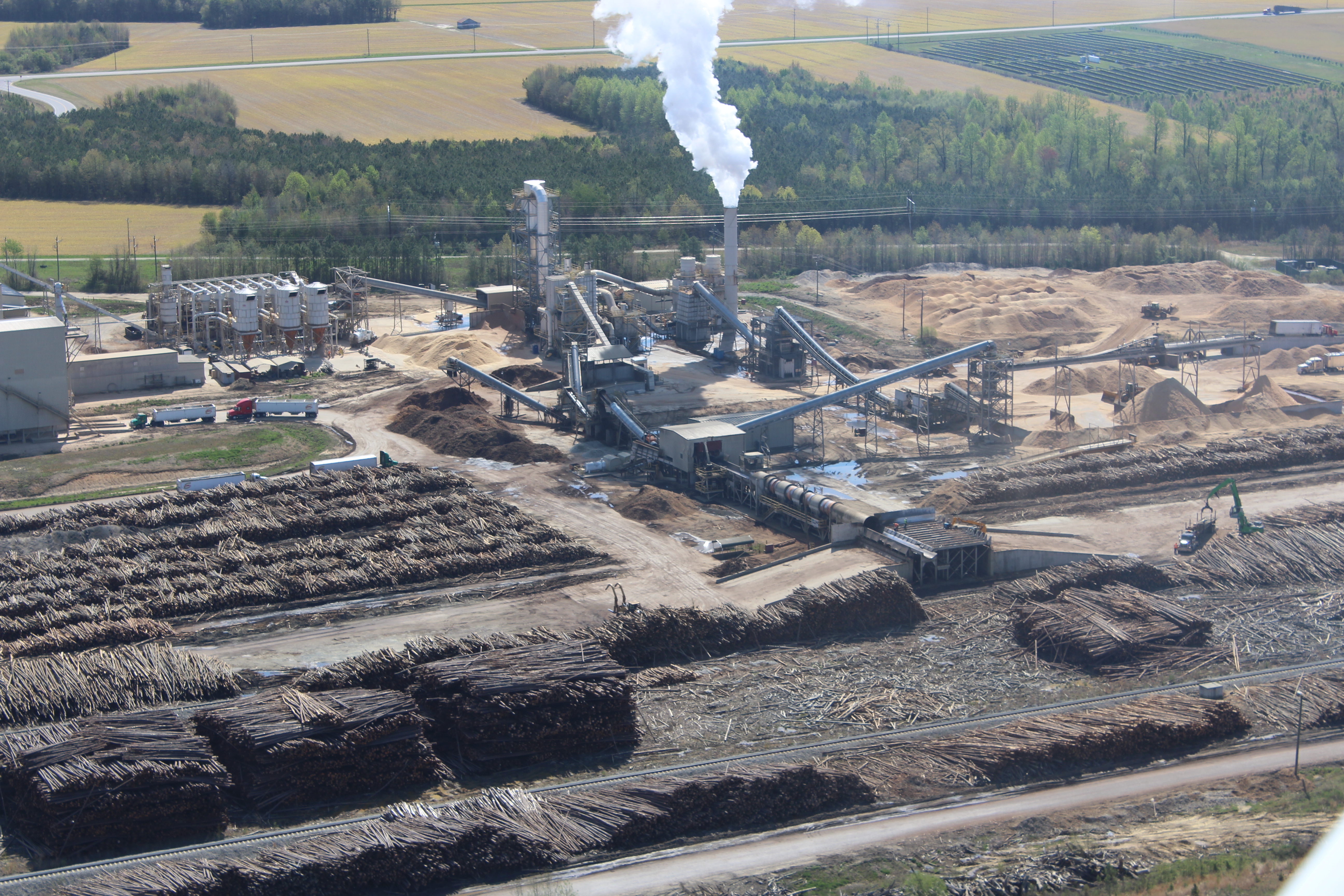
Enviva Northampton wood pellet operations
There’s some evidence that incentives to Enviva have resulted in higher tax rates. In eight years (2011-2019), the property tax rate in Northampton county increased by 6%. Despite high poverty (22%), the county has the third highest property tax rate in the state. This is in direct conflict with what Enviva and the county are saying. They claim that this industry will pull Northampton County out of poverty.
Enviva employs 97 people in Northampton county. They claim that they pay more than Northampton county’s average wage. But the Enviva Northampton plant employs less than 2% of people who work in the county. Their weekly take-home wage is still well below the national average. And yet, Enviva has received millions of dollars in subsidies to support their business. These subsidies are at the expense of the average citizen’s property tax rate.
Many of Enviva’s top company officials actually live in the Washington, DC metro area. This is far away from the facilities and the impacts that they’re having on the ground. The executives may visit North Carolina and the Northampton plant, but they don’t stay more than a few nights.
Private forest landowners own 97% of forest land in Northampton County, North Carolina. While not every forest owner chooses to support the forest products industry, some do. As a result, Northampton County has lost more than 33,449 acres of forest since 2013. 2013 is when the Northampton plant opened in North Carolina. This is a 52% increase of logging compared to the previous period (2005-2012).
“Low value”, “low grade”, and “wood waste” are all used interchangeably. They describe natural forests that are not immediately perfect for lumber or paper. In the wild, these trees provide great habitat for wildlife, cool the climate, and clean our air and water. But for companies like Enviva, trees are nothing more than a commodity to be traded.
They use confusing terms like “wood waste” as greenwashing, pure and simple. They make it sound nice, so the average person doesn’t question where they get their wood from.
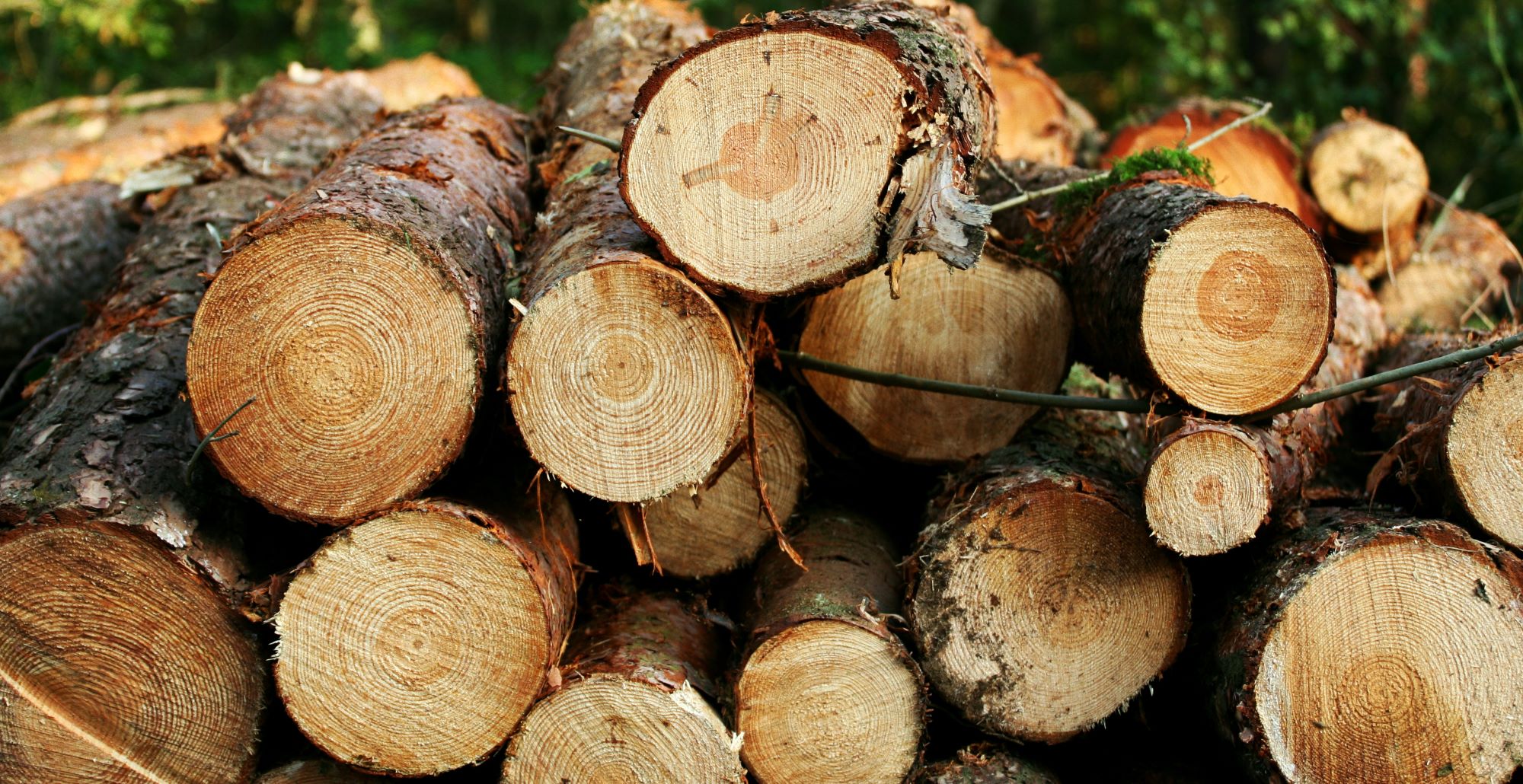
Sustainability is the idea that we shouldn’t take down more trees than are allowed to grow. It’s a great concept, but Enviva doesn’t even meet this bar, especially in Northampton. A recent study found that hardwood forest harvests exceeded growth. This resulted in a net loss of hardwood forest cover in the area around Enviva’s three NC pellet mills. The study covered pellet mills at Ahoskie, Northampton, and Southampton.
From 2016-2018, Enviva’s three mills consumed nearly half of all wood from hardwood forest clearings in the three-mill sourcing area. Sourcing for Enviva’s mills likely contributed to overall declines in carbon stocks in hardwood forests in the 3-mill area. Does that sound sustainable to you?
Community organizers are working hard to reduce the impacts of Enviva Northampton. From pollution and fires to noise and trucks, the community is taking notice. You, too, can be a part of the solution.
There’s something truly special about the natural world. Especially in the picturesque landscapes of North Carolina and Georgia. We wanted to discover deep connections that people have with their natural environment. So, we conducted a survey asking residents about their feelings towards nature. Spending time outdoors seems important to Southerners everywhere.
From the rolling Blue Ridge Mountains to the serene marshlands along the coast, nature is everywhere. The survey responses revealed the profound impact nature has on the hearts and souls of everyone.

We asked people to rate four statements about their relationship with nature:
Below, we’ll share those results and show you what they mean.
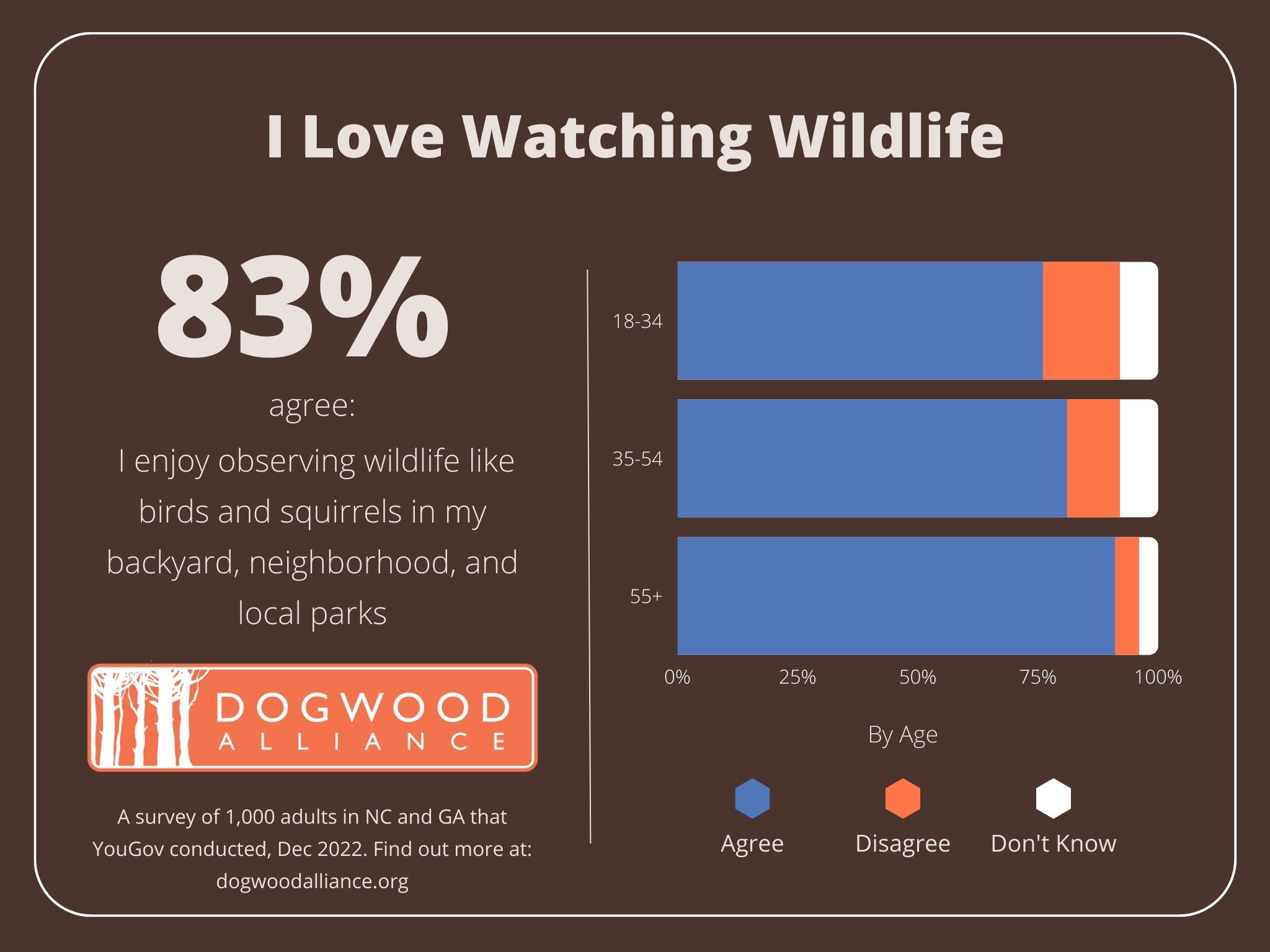
Our survey asked a few questions about how people felt about green spaces. First, we asked if people enjoyed watching wildlife. Overwhelmingly, the answer was yes! 82% of respondents in NC and GA responded that they enjoyed watching wildlife like birds and squirrels.
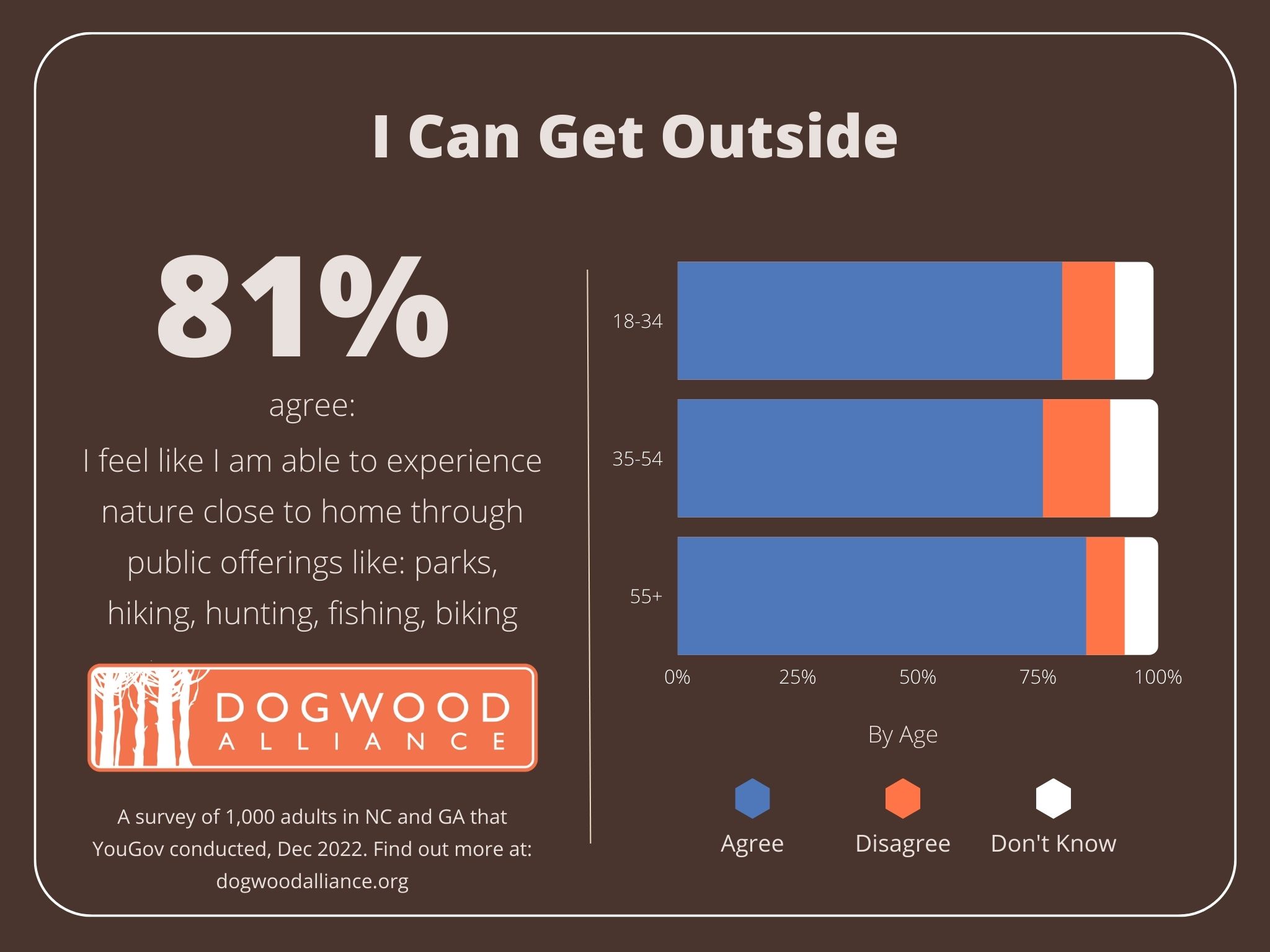
Next, we asked if these folks felt like they could experience nature close to home. Could they go outside their neighborhood and find a green space? After all, being in green spaces lowers stress hormones and improves physical health.
Over 80% of respondents said yes – they could access nature close to home. That’s great news for well-being and human health across the South!
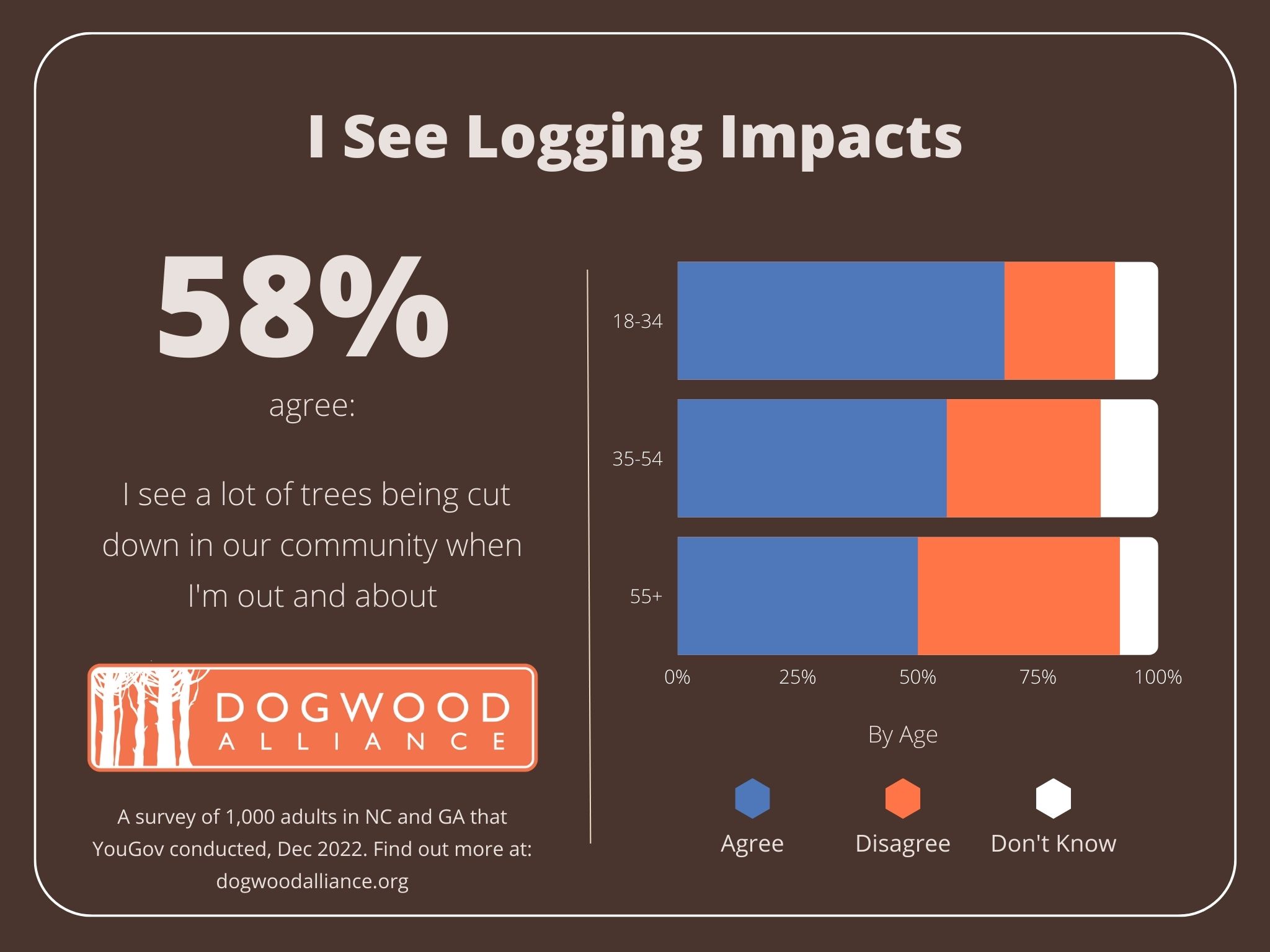
Next, we asked if people could see logged areas or clearcuts around their town. Being in nature is good, but researchers found that seeing dead trees can be a real downer. An average of 58% of respondents said yes – they did witness clearcuts and logging as part of their daily lives.
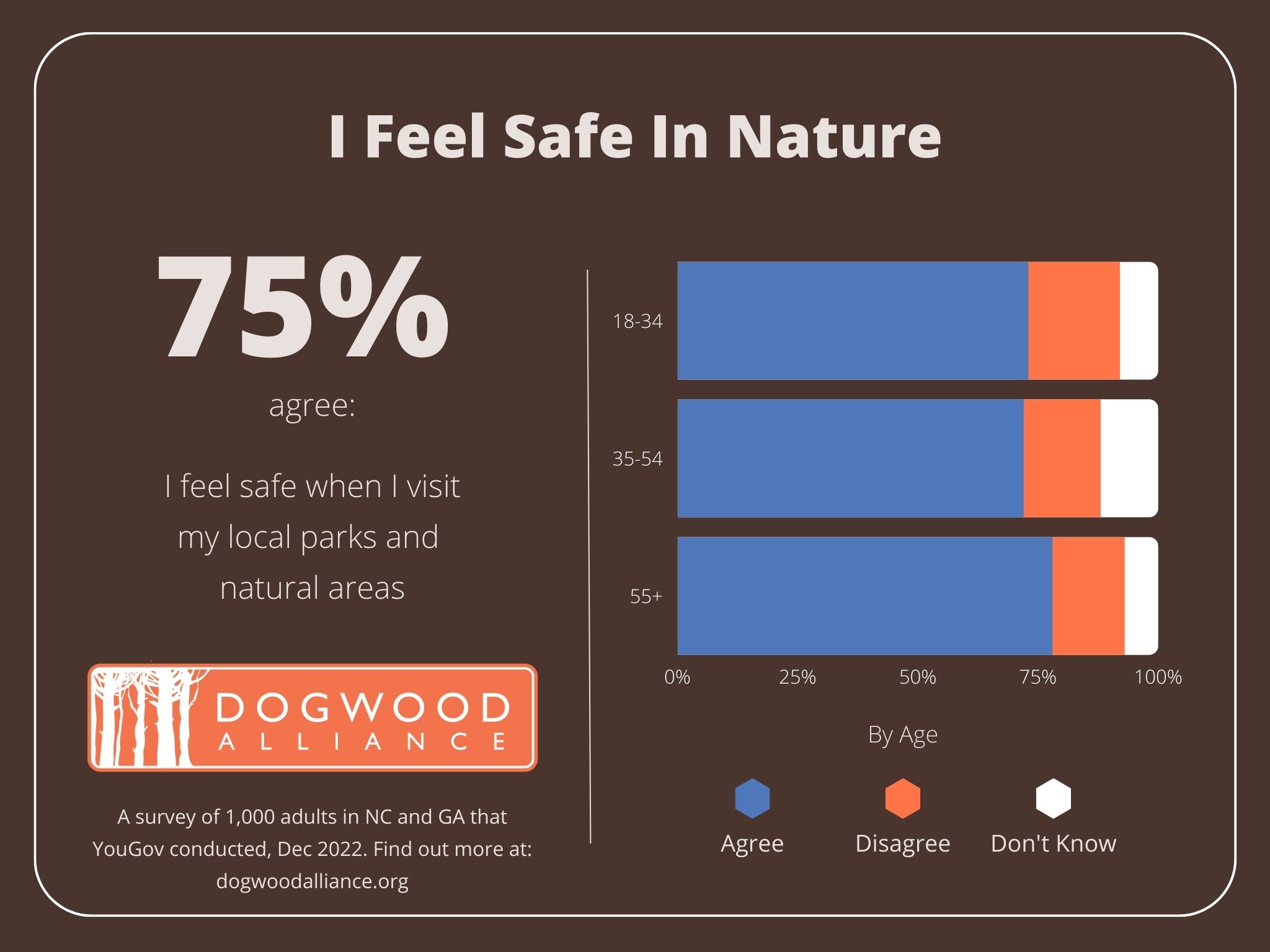
Finally, we asked if people felt safe in nature. Three-quarters of folks agreed that they felt safe in nature, even in urban environments. This is great. It means that nature benefits are reaching over 75% of people in NC and GA. However, feeling safe in a natural setting is something that should be available to everyone.
Women, BIPOC, and queer-identified people often have safety concerns when entering natural areas. As incidents like the harassment of Central Park bird watcher Christian Cooper demonstrate, we clearly have more work to do.
The therapeutic effects of nature on mental health are well-documented. Southerners have embraced them for generations. Spending time in the great outdoors can:
Several studies show that exposure to the natural world has many benefits. It can lower anxiety, enhance cognitive function, and even decrease symptoms of depression. For many Southerners, connection to natural surroundings is essential to their daily lives.
You can do a lot of things to experience nature. Try taking a leisurely walk through the woods. Or fishing in a tranquil lake. You can even just sit on the porch and watch the sunset. The natural environment unlocks mental clarity and inner peace for people everywhere.
The cognitive benefits of spending time in natural environments are immense. Research shows that being in nature can lead to many benefits. These benefits include improvements in memory, attention, and problem-solving abilities.
There is a restorative effect in natural settings. It allows the mind to recover from the demands of daily life. It relieves the constant bombardment of digital distractions.
Nature helps enhance cognitive performance. Nature gives us an opportunity to escape from the mental noise. It helps us reconnect with our surroundings. This is particularly important for Southerners.
In addition to mental benefits, spending time in green spaces can also provide many physical benefits. Research shows that nature can improve physical health. Studies show that exposure to the natural environment can lead to better sleep and overall well-being. The natural environment helps reduce stress levels. This can have a positive effect on blood pressure and even immune system function.
Nature connects us all. Unfortunately, outdoor exercise and exposure to nature can be dangerous. Air pollution, dust, and smoke can all harm communities. As we’ve seen with the Canadian wildfire smoke, climate change is negatively affecting the health benefits of nature.

People who live near clearcuts or forest products mills can suffer year round from dust, noise, and air pollution. This forest destruction harms people’s well-being. Those living next to wood pellet mills report:
Because of the wood pellet industry, these health inequalities are concentrated in low-income communities of color. Pollution from wood pellet plants impacts well-being everywhere. Researchers found that wood pellet production facilities are twice as likely to be located in low-income communities of color in the US South.
We are still learning about the health effects of wood pellet facilities on communities. Preliminary data show hotspots of high blood pressure, respiratory issues, and poor health outcomes for these communities. Instead of subsidizing forest destruction, we should be putting environmental health first.
People in these impacted communities cannot access the health benefits of nature while forest destruction is going on all around them. Having a clean, safe place to live is so important for well-being. You CAN make a difference.
Nature is sometimes hard to find in cities. But pockets of greenery exist. Finding nature in urban areas means seeking out these oases amidst city chaos.
We can’t all live next to Acadia National Park, but we can experience nature right in our own backyards. From bald eagles to prairie dogs, you can find your next adventure in your city.
In the face of climate change, it’s important to cherish parks and wildlife. After all, unexpected wildlife lives in urban spaces. Developing a personal nature connection is key to lifetime happiness. Elders and young people alike can appreciate the magic of nature in an outdoor adventure.
Nature is crucial to mental and physical well-being. Natural surroundings ease stress, elevate mood, boost immunity, and enhance productivity. Embracing nature in urban landscapes fosters a balanced, healthier lifestyle.
We’ll guide you to diverse natural settings within your city. Then you can feel connected to the outdoors without going far. Embark on this urban adventure and uncover hidden gems of nature in bustling cities!
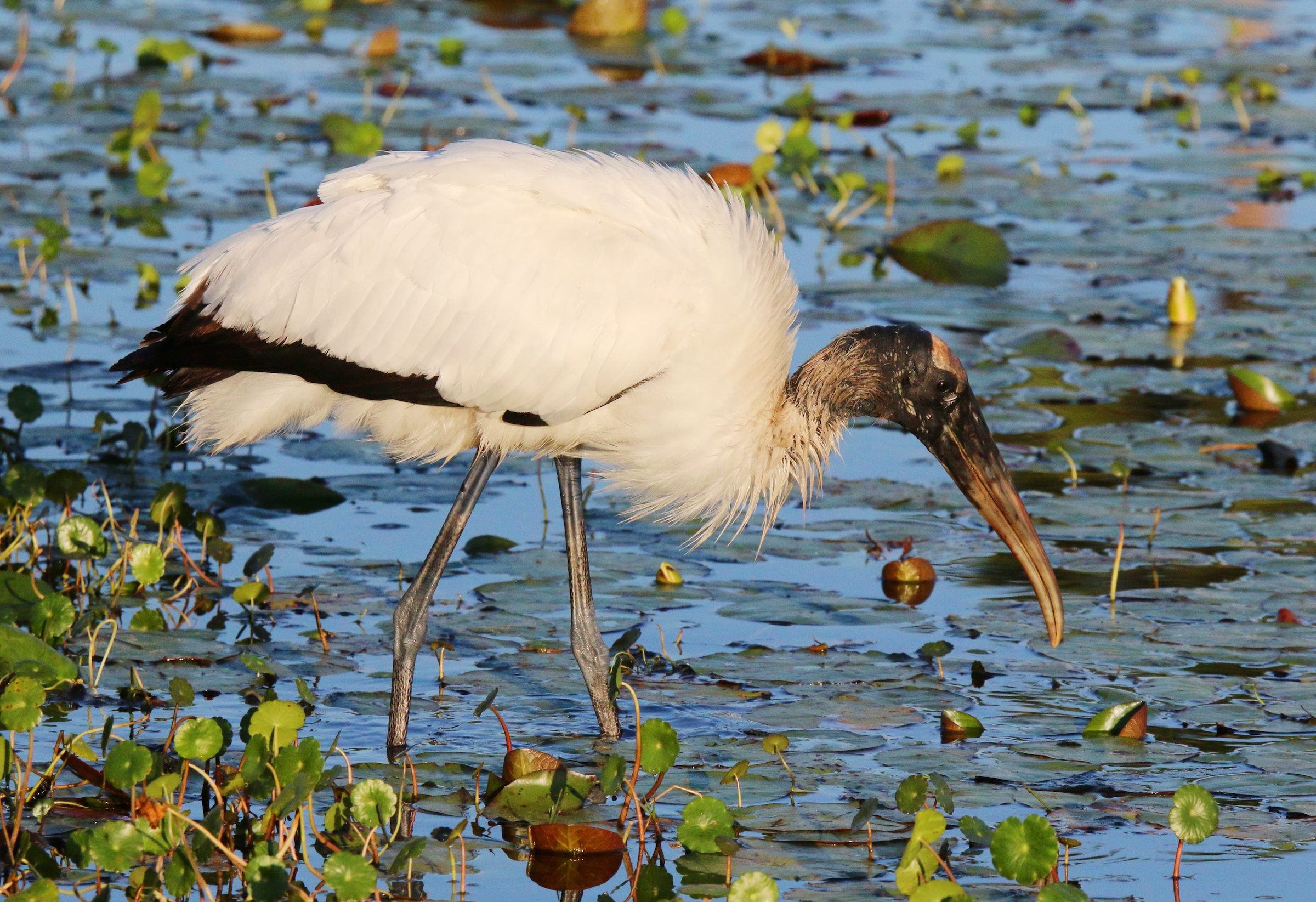
Most of us think of forests, lakes, and mountains when we hear “nature”. But in cities, nature looks different. It includes any space that uses natural elements like plants, water, or wildlife in its design. From small pockets of greenery to bigger gardens and parks, urban nature varies.
To appreciate city nature, we need to broaden our definition of what’s natural. Different kinds of nature let city dwellers connect with their unique environment.
Cities usually lack National Park Service parks or historical monuments. Instead, people have to rely on smaller, more intimate forms of nature. Here are a few ideas for finding nature even without the National Park system.

Appreciating diverse nature in our cities can:
Spending time in nature, even in cities, is beneficial for our well-being. Urban nature offers many physical and mental health benefits. You have exercise opportunities like jogging, cycling, or yoga.
You don’t need a two hour drive to find nature. Even in a city, nature can improve our mood, reduce stress, and boost our immune system. Exposure to greenery and natural settings can enhance focus at work or school.
There are many well-documented health benefits that come with nature connection. They include:
For city dwellers, it’s essential to find ways to integrate nature into everyday life. Here are some tips to help you make the most of the urban nature around you:
Incorporating nature into daily routines leads to health benefits, even in the city.

For urban nature to benefit all city dwellers, it must be accessible and inclusive. Urban planning lets everyone enjoy green spaces, regardless of race, age, ability, or background.
Urban planners should focus on fair distribution of green spaces throughout cities. All residents should have easy access. Green spaces should also have wheelchair-accessible paths and age-friendly facilities. Engaging local communities in the planning process leads to better-utilized natural areas.
Here are some ideas on how you can help improve access to nature in your city.
We can help people connect with the natural world by being advocates. Let’s reap the benefits of a healthy lifestyle by promoting inclusive outdoor spaces.
Now you know the importance of connecting with nature in urban environments. Integrating nature into our cities helps balance our lifestyles. It’s up to us city dwellers to discover what’s here. Let’s appreciate the natural settings available in our cities.
There are tons of opportunities to experience the beauty of nature. From city parks to conservation areas, there’s so much in your city. Explore the hidden gems of nature. Advocate for preserving them. And share your experiences in the comments below. Together, we can create resilient and vibrant urban communities that focus on well-being.
Juneteenth is a special day in American history. It recognizes the end of slavery and the fight for freedom and equality. Let’s learn about Juneteenth’s history and what it means today. Let’s think about ways to capture the spirit of this important holiday.

Juneteenth began on June 19, 1865, when General Gordon Granger arrived at Galveston, Texas to announce slavery was over. This was more than two years after the Emancipation Proclamation. Juneteenth became a day to think about and celebrate the freedom of African Americans. A time to consider the strength of African Americans in difficult times.
Although Juneteenth started in Texas, it’s important all across the United States. It’s a time to:
Juneteenth encourages talking, learning, and bringing people together.
Learn
Use this chance to learn about Juneteenth’s history and cultural meaning. Also, it’s a great time to learn about the struggles and achievements of African Americans. You can:
Be Present
Many communities have Juneteenth events like parades, festivals, and performances. These celebrations let you experience Juneteenth’s lively traditions, music, dance, and food. Look for local events in your area.

Support
Celebrate Juneteenth by supporting African American owned businesses in your area. Your support helps these businesses grow and makes things more equitable and inclusive.
Engage
Spend time giving back to your community. Volunteer with organizations that care about equity, equality, and education. Doing helpful things can both make a difference and honor Juneteenth.
Discuss
Have conversations with friends and family about why Juneteenth is important. Talk about:
These conversations help us understand each other and come together.
Advocate
Stay informed about laws and rules that help make things equitable for everyone. Speak up for changes that support:
Write to your representatives. Sign petitions and join groups that work towards these goals.
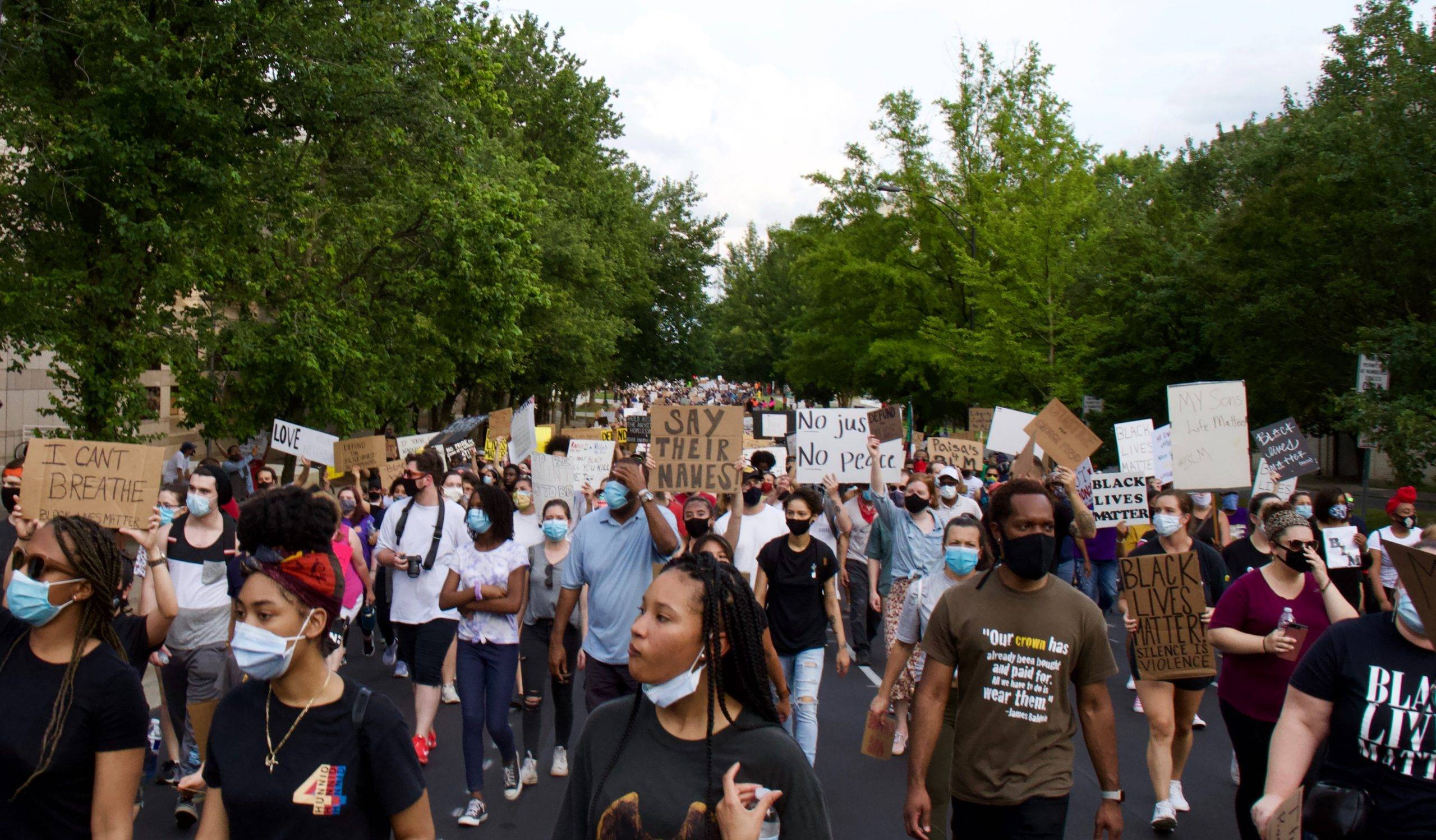
Juneteenth is a crucial part of American history that reminds us of the fight for freedom, equality, and fairness. When we get involved in one or more of these ways, we show the spirit of Juneteenth.
Let’s remember the past, celebrate the present, and work together for a better future.
In 2023, state legislators have introduced nearly 500 pieces of anti-LGBTQ+ legislation. This is a damning and dangerous point in our nation’s history. Many of these bills target basic fundamental human rights. They seek to restrict:
It’s been a little more than 50 years after this nation’s first gay pride parade.

The Supreme Court affirmed the equal right for same-sex couples to marry just eight years ago in 2015. Since then, there’s been a coordinated and unrelenting backlash. Our most intrinsic right is the freedom to be. There are active forces working to erase the existence of LGBTQ+ people from our society. And that’s exactly what many of these laws seek to do.
This violent oppression and erasure won’t end with LGBQ+ and TGX people. History has taught us these laws will also inflict violence and subjugation on all people. And it will most harm those who are most vulnerable. We know those most vulnerable are people at the intersections of race, gender, sexuality, and physical ability. Lives are at stake. We mourn the lives that have already been lost.
Dogwood Alliance wants our LGBTQ+ community to know that we are united in solidarity. The work of this movement is at the intersections. We honor and celebrate all our LGBTQ+ and Gender Expansive staff, board, partners, friends, and followers.

As an anti-racist organization we must work to dismantle anti-LGBTQ+ discrimination. Because it is all part of the same institutionalized white supremacy culture and patriarchy. Hate has no place in the movement for forests, climate, and justice. Either you are against this hate, or you’re a willing co-conspirator. Silence can speak volumes.
We proudly proclaim our support for the LGBTQ+ community. This organization was founded on a principle of speaking truth to power. We’ve spoken against racial injustice. We’ve opposed the mistreatment of immigrants. We’ve even reflected on LGBTQ+ Pride in the past. We felt it necessary to unite in solidarity and declare:
LGBTQ+ people have the right to thrive. The right to be treated with dignity and respect. But talk is cheap. Our statements are meaningless if we don’t back them up with action.
Dogwood Alliance recognizes that our diversity is our strength. We create policies that uplift and center those with oppressed identities. We define family in a way that supports all families. This work is ongoing and evolving. We don’t always get it right. But we’re committed to aligning our actions and our values. We’re determined to build a just future that values and protects the rights of all people. We believe that social justice and environmental justice are inseparable.
We all deserve the right to live out loud.

[share-buttons]
Are you looking for ways to attract birds to your garden or backyard? You’ve come to the right place! In this comprehensive guide, you’ll learn how to create the perfect bird-friendly environment that’ll draw in a variety of birds.
We’ll provide tips on:
It’s important to attract birds because they help maintain healthy ecosystems. They’re critical for pollination, pest control, and seed dispersal. Birds also play a key role in the food chain. And they can provide a balanced environment with an abundance of different species. Attracting birds also provides enjoyment for people who appreciate their beauty and songs.
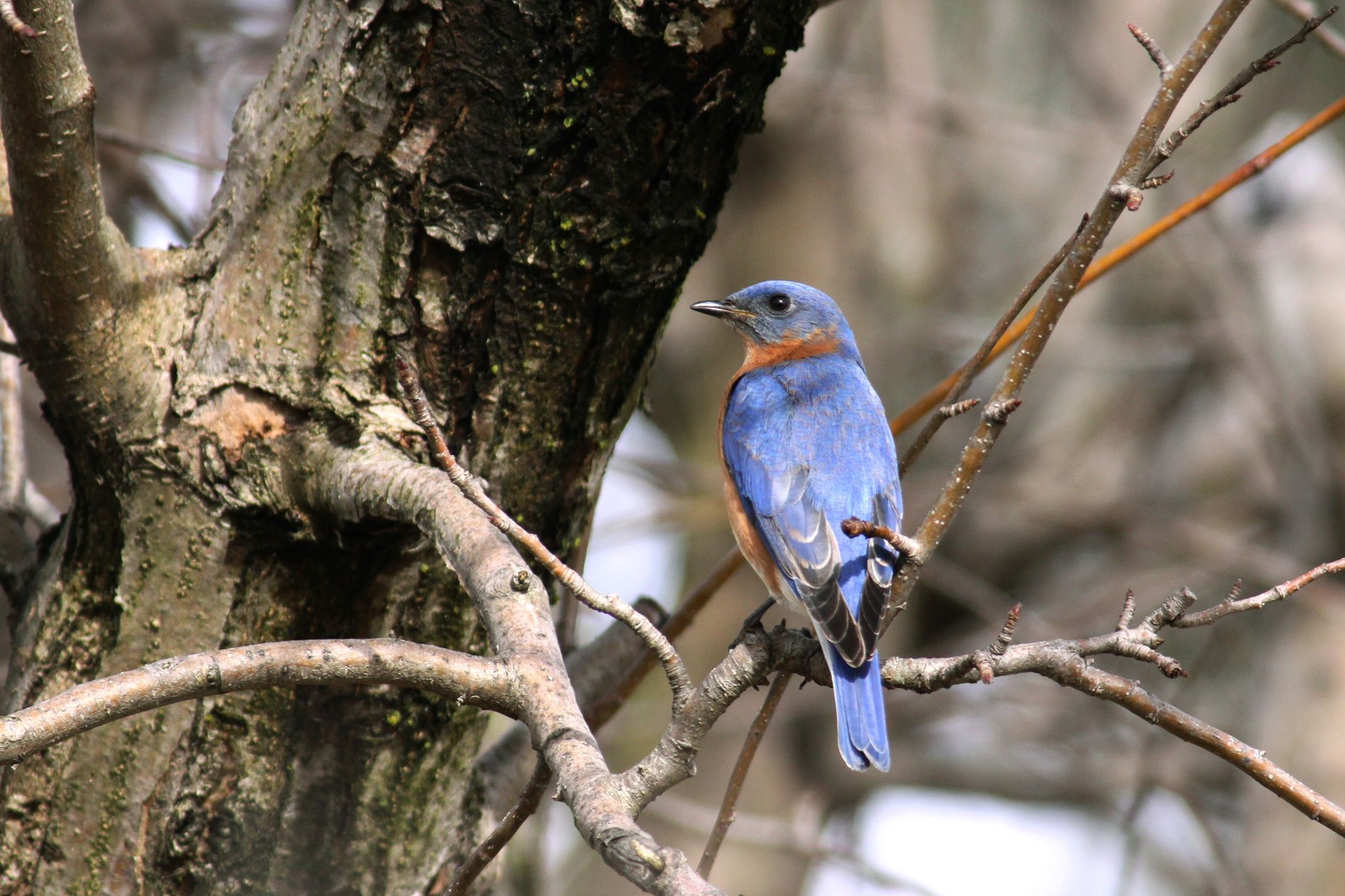
Whether you want to spruce up your outdoor space or are passionate about helping wild birds, this guide has something for everyone! Let’s start creating a beautiful haven for our feathered friends!
If you’re looking for ways to attract birds to your backyard or garden, you’ll need a bird feeder. Not only will you get to enjoy their beauty and songs, but they also support healthy ecosystems, too. Below are some tips on attracting birds to your bird feeders.
Choose the right type of bird feeder and fill it with the correct food. Remember that different types of birds have different dietary preferences. Also, use a quality brand of seed because low-quality seeds can be unhealthy for the birds.
Place the feeder far away from other animals that may scare away your birds or even harm them. Make sure it’s in an open area so that all birds can easily it. Be sure it’s elevated enough that cats and other wildlife can’t reach it.

Suet has high levels of fat and proteins that many species love! This is especially helpful during winter seasons when food is scarce due to cold weather. You can make your own suet blocks. If, however, you decide to buy your blocks, be careful because those can contain additives that may be harmful.
Maintaining good hygiene practices can help keep diseases from spreading among birds. Clean your feeder regularly with warm water and a dish soap solution. Then rinse it with hot water and let it dry upside down in the sun on a washcloth. Once it’s completely dry, you can refill it with fresh seed or suet again.
In addition to food, provide fresh water sources. Small ponds or shallow bowls will draw lots of feathered friends into your yard/garden! They’ll drink, but they’ll also have fun bathing in the clean water!
Attracting birds to your garden or yard can be a fun and rewarding experience. Here are some tips on attracting birds to your outdoor space:
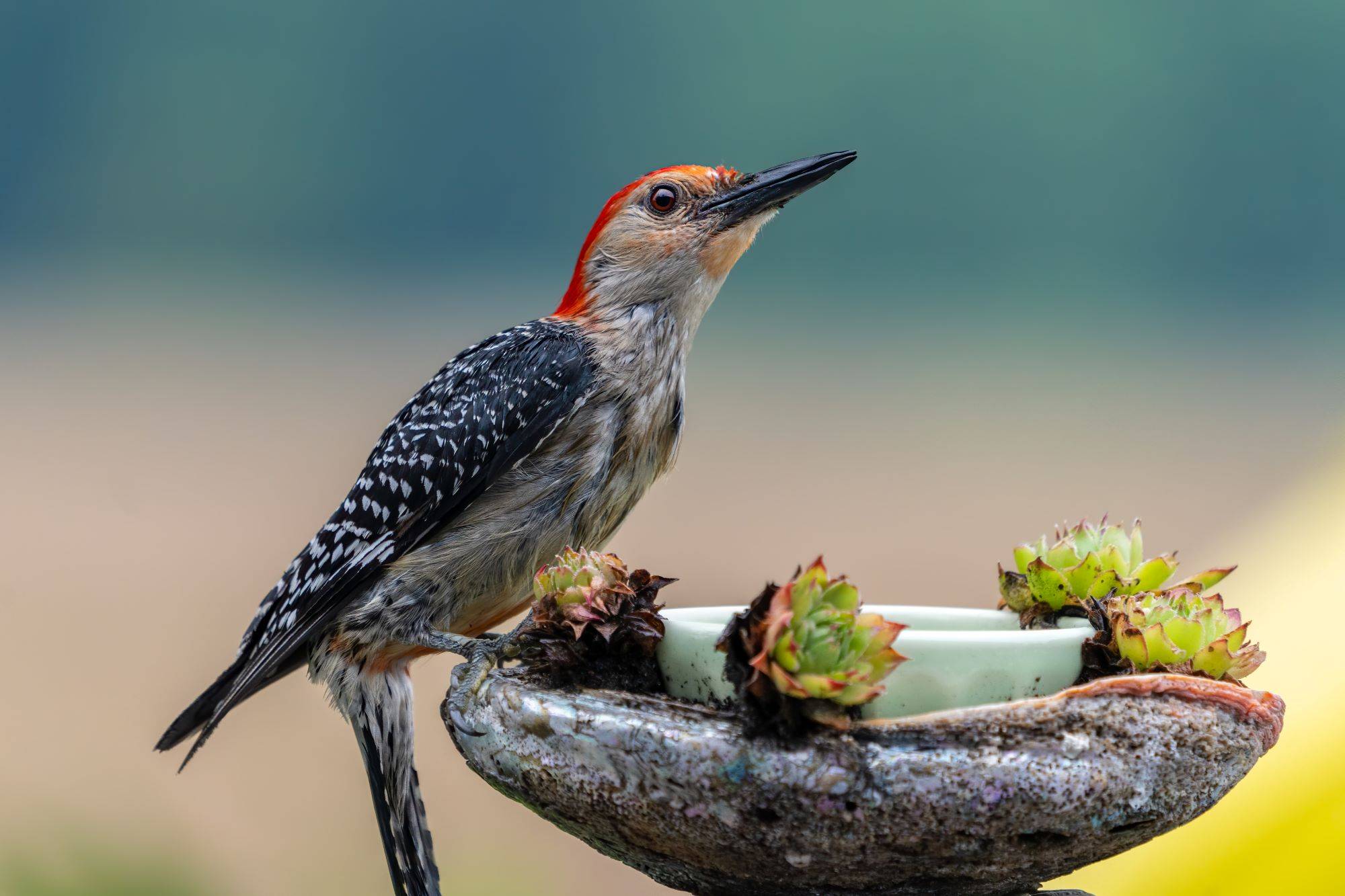
Bird baths are a great way to attract birds to your backyard as they provide an important source of water and fun for them. To draw in the most birds, here are some tips to remember.
Birdhouses or nest boxes can be an effective way to attract birds to your garden or backyard. Here are some helpful tips on how to make birdhouses appealing to feathered visitors.
Choose the right location. Placing a birdhouse in a safe area away from predators is important for attracting birds. An open spot with good visibility will give them the security they need while monitoring their environment.
Use proper materials. The material used in constructing your birdhouse is essential. Some substances may contain toxins that could be dangerous for birds. Opt for safe and natural materials like cedar or redwood for best results.
Select the right size and style. Different bird species prefer different types of birdhouses, so it’s important to have a variety available that suits different tastes! Scattering a variety of food will help ensure that you have many different visitors.
Clean and maintain your birdhouses regularly. Keeping your birdhouse clean is important for attracting birds. It’ll encourage them to move in and make new homes.
Place nesting materials nearby. Adding nesting materials like grasses, feathers, and mosses will help birds feel more comfortable when moving in!
Make sure there’s enough ventilation. Ensuring adequate airflow through the entrance hole will help keep temperatures inside the box regulated and comfortable for birds during periods of extreme heat or cold weather.
Protective covers and perches nearby will help more birds feel at home.
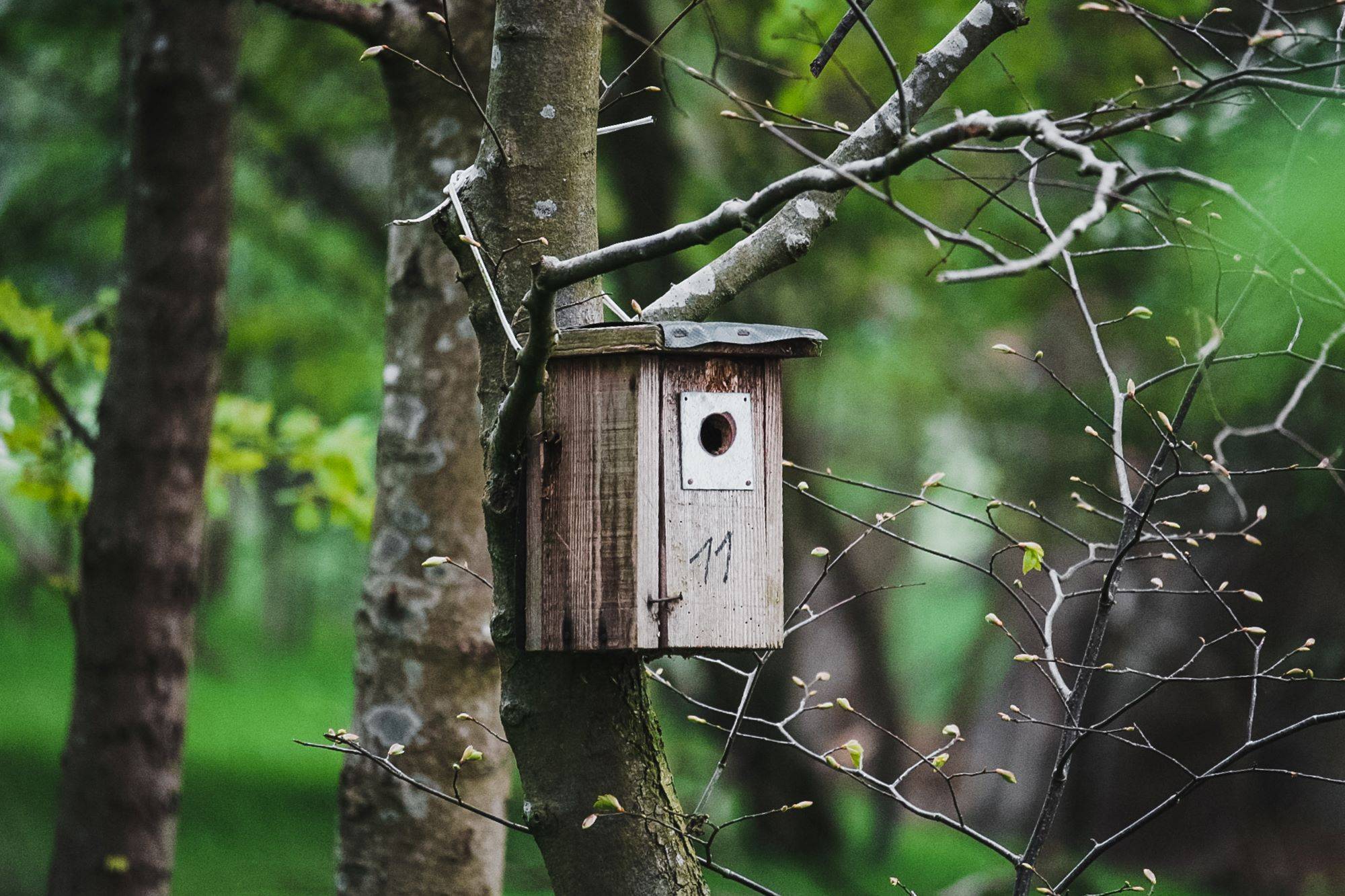
There are many bird species that have different requirements. For example, some are seed-eating birds, while others prefer insects. Varying your bird food source, bird bath availability, and even setting up multiple stations will all help you attract more bird species to your yard.
Keep in mind, too, that having more birds will change seasonally. Winter birds will be different from summer birds. While they all may need different wildlife habitat, they’ll visit your cool bird bath if you’ve got one.
And…Action!
What’s your favorite among backyard birds? Let us know in the comments below!
Did you enjoy learning about attracting birds to your yard or garden? If so, why not show us? Share your favorite backyard bird pictures and tag us on Instagram, Facebook, or Twitter!
Want to do more?
Become a Forest Defender today! Your monthly gift will protect the birds and biodiversity of the South.
Join our email list to get new Biodiversity in Your Backyard sent directly to your inbox!
Check out the other blogs in our Backyard Biodiversity series!
Join us as we explore! We’ll learn about the wildlife, plants, trees, and even mushrooms. All right outside our doors. When you sign up, we’ll deliver more Biodiversity in Your Backyard tips directly to your inbox!


 Donate
 April 5, 2026