


Historic Permit Denial is Overturned as the State Caves to Profits Over People Jackson, Mississippi – The MS Department of Environmental Quality approved Drax’s permit request on October 15. This is a stunning change from their historic decision in April to deny the permit. This lets the UK wood pellet producer boost pollution at its Amite facility in Gloster. MDEQ’s permit board rejected Drax’s permit six months ago. But now they’ve changed their minds. They approved a Title V permit for the facility, which is a “major source” of air pollutants. This will let the wood pellet processing facility raise its emissions.
Gloster is a rural community of primarily Black residents. The community has been fighting this Drax facility for a decade. The wood pellet plant has faced repeated fines for pollution violations. In April, the permitting board voted unanimously to deny the permit. They cited Drax’s excessive violations as a main reason.

Drax Amit wood pellet facility in Gloster, MS
“Although I was hoping for a positive outcome, I was not at all surprised by the decision. It’s clear that Drax has used every tactic to sway the decision in their favor. MDEQ has basically given Drax the green light to pollute even more. Our local and state governments seem to care more about profit than about public health, safety, and wellbeing.”
After the decision, the community filed a federal lawsuit against Drax. They claim the company has violated the Clean Air Act for almost ten years. The complaint cites the loss of property value and safe use of the plaintiffs’ homes. It asks for relief and penalties for these losses. They’re also exploring further options to appeal the latest decision. Rowaa Ahmar is the former Head of Public Affairs and Policy for Drax. Last year, she revealed that the company misled the public and shareholders. She exposed that Drax lied about its sustainability and business operations. Rather than fix the problems, they took her to court and lost. Since then, the UK government said it will cut Drax’s subsidies by half starting in 2027. Ofgem is the country’s main energy regulator. They announced a major audit of Drax’s supply chain. The UK’s Financial Conduct Authority is investigating Drax. They want to know if the company’s sourcing practices are truly sustainable.

Rally in Jackson, MS to oppose the Drax wood pellet plant permit
Wood pellet production facilities are harming forests and polluting communities. This is happening all across the US South. People traveled from North Carolina, South Carolina, Alabama, and Georgia. Even members of other communities facing biomass production facilities turned out. All to attend the permit hearing in Jackson, MS. They showed up in solidarity with the residents of Gloster. Kadin Love, Gulf South Manager for Dogwood Alliance, said:
“This is a small setback after making history in April. People from Gloster, across Mississippi, the South, and around the world are rising up to say no to dirty biomass and Drax. Drax has polluted this community for over a decade. Our state has let its people down, but we will win soon.”
Guest post written by Moni Hill
It is my profound honor to donate a painting to benefit Dogwood Alliance. Dogwood Alliance is a nonprofit that serves Southern forests and communities. The forests and trees of Western North Carolina are not just my inspiration. They’re my teachers and my refuge. They’re my daily reminder of resilience, beauty, and interconnection.
Every spring, I’m in awe of the wildflowers and the ancient trees coming back to life. Of the birds migrating through our mountains. On a recent walk, the neon-green blossoms of a spicebush stopped me in my tracks. I had a moment of wonder. It felt like a lifeline. A reminder of how much we depend on the living world to sustain our spirits as much as our bodies. This was the inspiration for my painting Spicebush Blossoms Will Save Your Life.
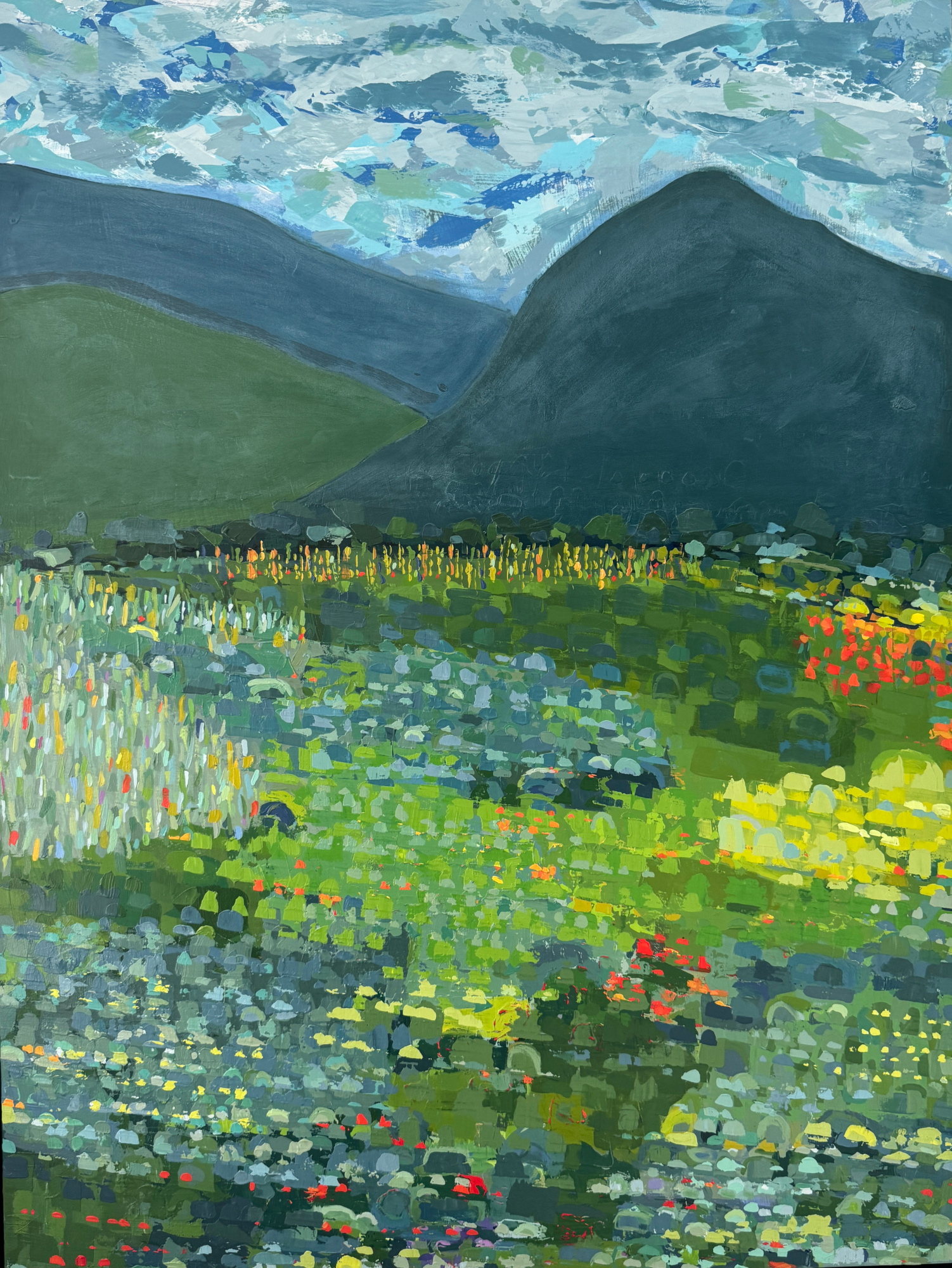
Spicebush Blossoms Will Save Your Life – painting by Moni Hill
As an artist, my creativity and soul are rooted in the health and vitality of these forests. There’s the changing seasons, varied altitudes, and abundant rainfall here. They all create endless sources of wonder. They give endless reasons to fight for their protection. Protecting our forests is essential for our survival on this planet. It’s essential for sustaining beauty and inspiration. It also lets us express through art what it feels like to be alive in this place.
My heart aches when I hear of climate injustice and industrial logging. Sometimes I feel powerless. Sharing my art to support Dogwood Alliance feels right. Dogwood works tirelessly for climate justice and the protection of our shared world. Sharing my art is one small, meaningful way I can help.
The silent auction is now open for my painting, Spicebush Blossoms Will Save Your Life. I invite you to bid on this piece. Together, through art and action, we can protect the wild places that sustain us all.
 Moni Hill was born in Berlin, Germany. She’s lived with her husband and three daughters in Asheville, North Carolina for over 20 years. The biodiversity around her home in the mountains inspires her. She loves long hikes, big trees, and little warblers. She loves native wildflowers and authentic, wild people. Her studio looks out on a yard full of gardens and birds. Moni’s paintings ignite a connection to the natural world and the joy of color.
A Tribute to Andy Mahler by Danna Smith & Scot Quaranda
Andy Mahler was the heart and soul of the forest protection movement. We are heartbroken at the loss of our dear friend. He had the biggest, sweetest smile and the most joyful laugh. Andy was always ready to remind you why you were special and to support you in your journey. He was a spirit of the natural world and an inspiration to so many people.
Danna felt lucky to know Andy when Dogwood Alliance was just beginning. When she realized that she was, in fact, destined to be a forest defender. In the early days of Dogwood, Heartwood was our fiscal sponsor. Andy was the Director back then. Danna remembers most fondly his kind and gentle ways. His inclusive approach to organizing. The barefoot walks together in the woods. His beautiful guitar playing. The way he sang with such purpose. Andy was an inspiration that shaped Dogwood’s work over the years. He also helped shape Danna.
Scot felt blessed to know Andy as well. As a young forest activist, Andy was a role model to him. He embodied the forest and connected with everyone at all ages. He found the humor and fun in every situation, and he inspired everyone around him. As they both grew older, Scot and Andy became more like peers. Andy was a constant reminder to lead from your heart. To always support people in their journey, no matter where they were along the way.
Heart was always at the center of Andy’s activism. His approach was wildly successful. He played a leading role in shutting down logging in the Hoosier National Forest. It was his life’s work to help others protect forests. To build connections and share resources.

He reminded us that forests are sacred to the human spirit. That there is nothing greater than our connection to each other and to the natural world. When we sit together in a forest around a fire and celebrate, sing, dance and connect, we access magic. This gives us unlimited strength, courage, creativity and resiliency to protect forests. To restore humanity’s relationship to nature.
Andy became a wise Elder in the forest protection movement. He connected, inspired, and united so many forest defenders. In the midst of lawsuits, campaigns, and protests, Andy centered us in our connection to nature. In our connection to each other and our life purpose.
In the early days, Andy supported Dogwood’s courage to take on industrial logging. To defend forests in the world’s largest wood producing region, the US South. And to always do it with heart. Andy’s passing reminds us to dig deeper into our heartspace as we continue our work to protect forests.
Andy taught us all to tap into the magic of the human heart. That when we appeal to the core of humanity’s morality, there’s no counter response. To oppose the destruction of life as we know it, we must always work from the heart. Only then can we access our own unique magic. Only then can we spread that to others. Love is more powerful than hate. Light is more powerful than darkness.
Dearest Andy, thank you from the bottom of our hearts. Thank you for the precious gifts you gave the grassroots forest protectors. We imagine your spirit now flying freely among the wild places. One day we will all gather again in a circle singing and dancing under the stars. We love you.
Things that naturally glow in the dark can capture the imagination of people of all ages. Bioluminescence is a chemical reaction inside living things that produces light. Two key elements must be present for bioluminescence to occur. When luciferase and luciferin combine under the right conditions, they generate light. Many different species have evolved to radiate light throughout history. It can occur in bacteria, birds, fungi, insects, and even marine life. The Southern US is home to many of nature’s night lights. We’ll tell you when and where you can find things that naturally glow in the dark. Nighttime is the right time to discover bioluminescence in your backyard.
This is Part Two of our bioluminescence series. We’ll explore bioluminescent mushrooms and marine life. Check out Part One if you missed it.
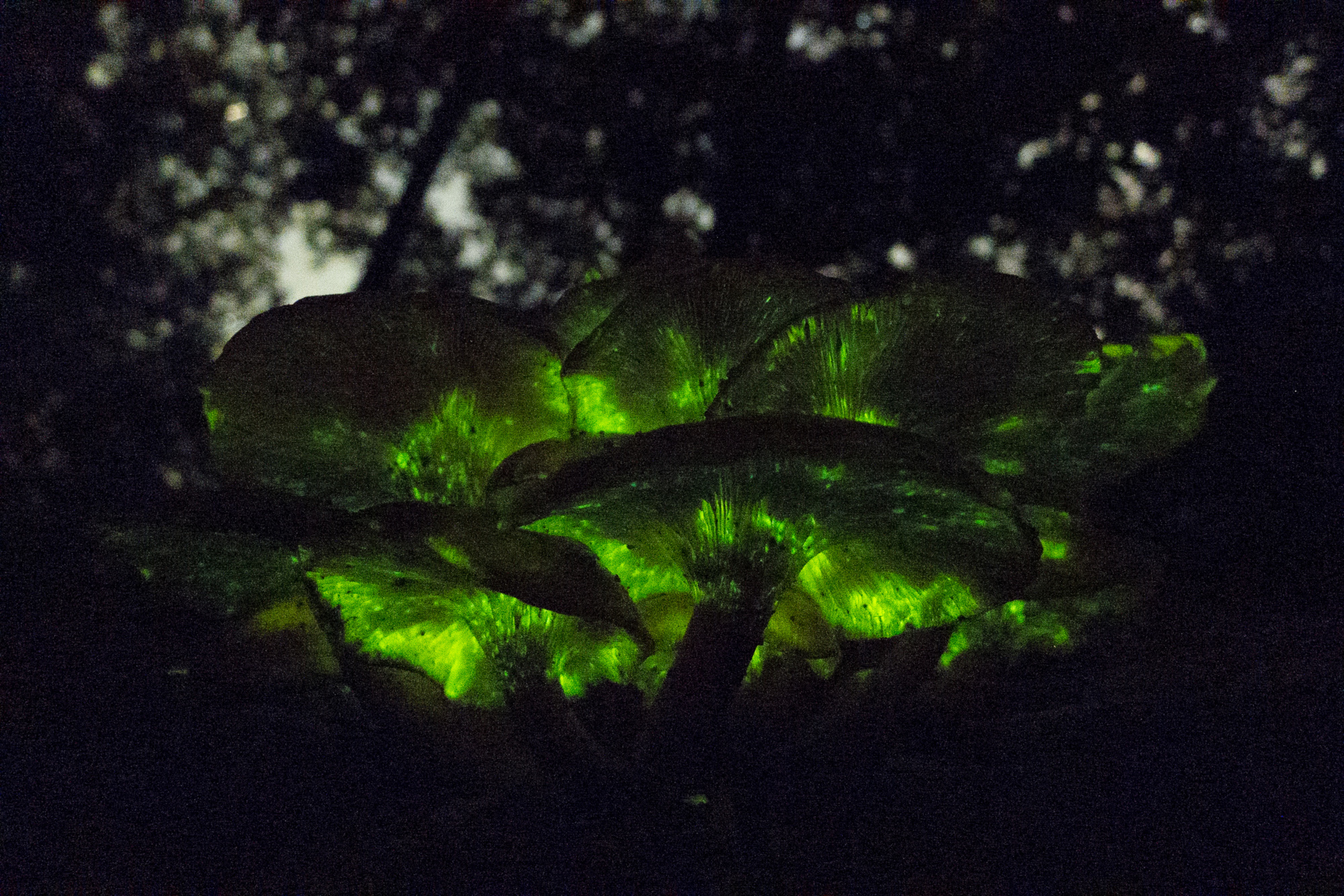
Eastern jack-o-lantern mushrooms by Dave Riggs
Aristotle was the first known person to coin the term foxfire in 382 BC. He documented a mysterious light, distinct from fire, emanating from decaying wood. He noted that it was cold to the touch. The philosopher and scientist was describing bioluminescent fungi. There are 71 verified species of light-emitting fungi in the world. All of them emit light 24 hours per day. Scientists are still unclear why they do so. Some believe it’s to attract insects that can help spread the mushroom’s spores.
In the Southern US, we have a few species of mushrooms where the fruiting body lights up the night. In many cases, though, it’s the underground mycelia that glows. Mycelia is kind of like the roots of a fungus. You can’t observe that part of the mushroom in nature unfortunately.
Finding bioluminescent mushrooms in the wild is not easy, but it can be done. Be cautious because some mushrooms are poisonous if consumed. Your best chance to find bioluminescent mushrooms is during the day. Collect a small specimen in a wooden or natural basket so that the spores get released back to the forest floor. Once you’re back home, go to a dark room and wait for your eyes to adjust. After they do, you should see the mushroom gills glow.
Otherwise, try damp or rainy nights since moisture is believed to play a role. Search for them on nights with a new moon. Allow your eyes to fully adjust to the darkness. Look high and low. Then follow the green glowing light.
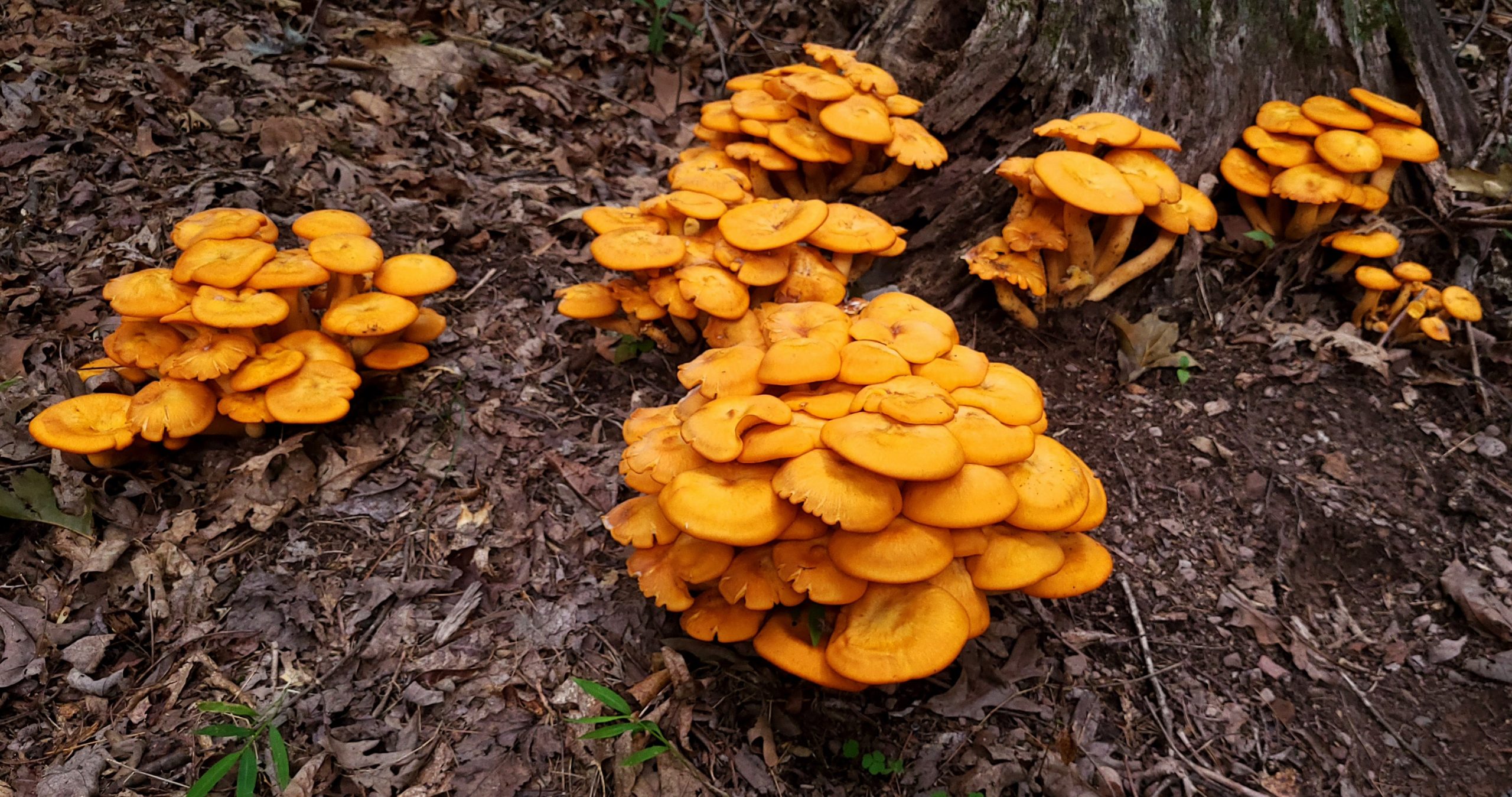
Omphalotus illudens by Pam Owens
Eastern jack-o’-lantern mushrooms are orange and glow, just like their namesake. You can also call them “jacks” for short. The mushroom caps and stems can grow as large as 6 inches wide and 6 inches tall. Their caps start off rounded with a central bump. But they become flat and then cup-shaped as they mature. They have true gills that run downwards towards the stem. They grow in large clusters.
Their thick, bright orange flesh makes them easy to confuse with chanterelle mushrooms. But be careful. Eastern jack-o’-lanterns are poisonous if consumed. Touching them is ok, but don’t attempt to eat them. They will cause major gastrointestinal distress. Learn how to tell them apart.
In the Southeastern US, jacks grow in hardwood forests from summer to fall. You’ll find them in large clusters of up to 15-20 mushrooms between June and November. Look for them at the base of trees and decaying stumps, especially oaks. They also grow over roots on the forest floor. They’re saprophytic fungi. That means their job is to break down dead matter. They help to decompose fallen logs and branches, returning nutrients to the soil. In complete darkness, you can see eastern jack-o’-lanterns’ gills glow green. They’re known to continue emitting light for as much as 50 hours after being picked.
Southern jack-o’-lantern mushrooms (Omphalotus subilludens) are a similar species. They grow in the Gulf Coast of Florida and Texas. You can also find them from late summer to fall in similar habitats.
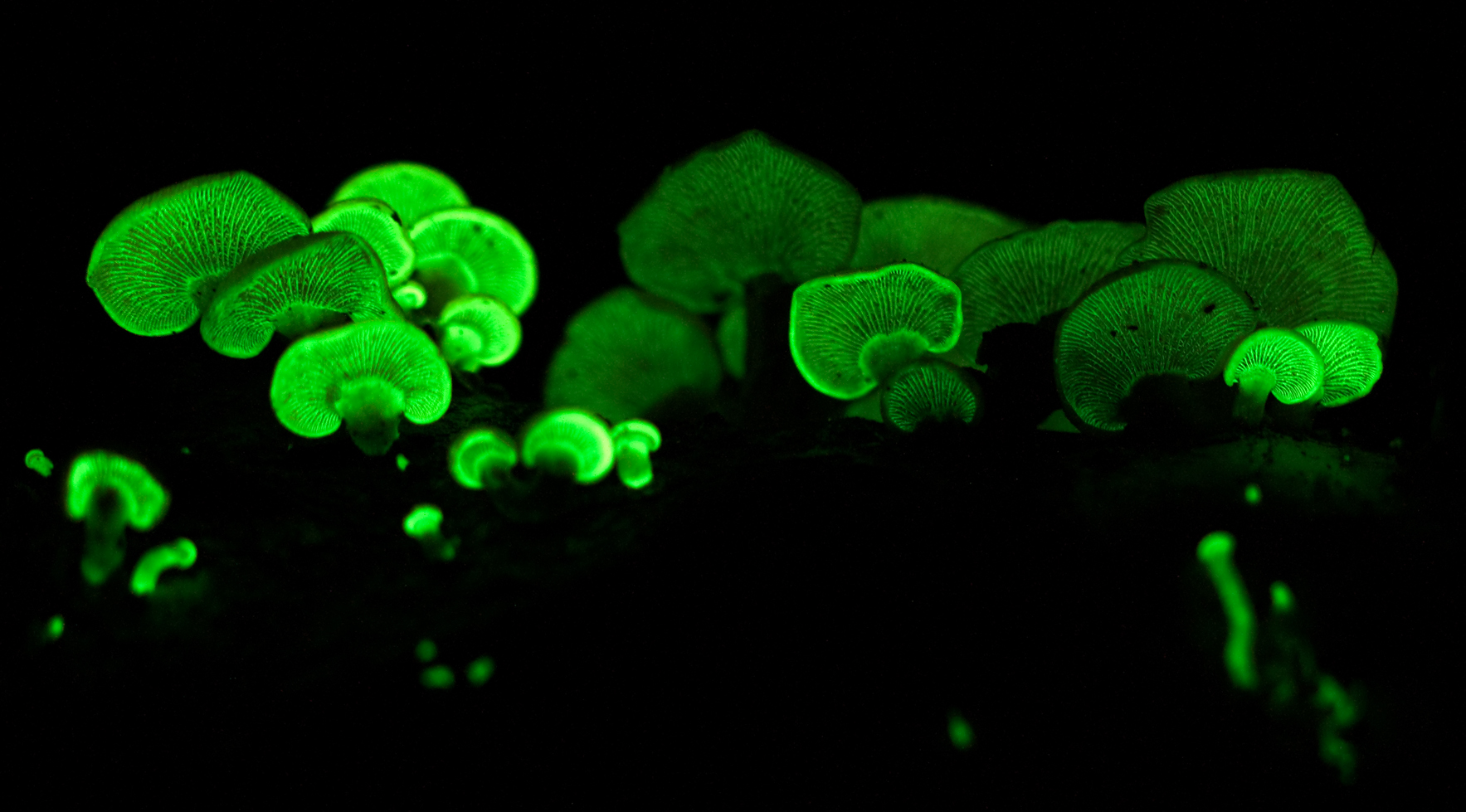
Panellus stipticus by Ylem
Bitter oyster mushrooms are one of the brightest-glowing mushrooms on Earth. This mushroom is common and widely distributed around the world. But only strains from Eastern North America are regularly bioluminescent. Bitter oysters grow in overlapping clusters. They first appear as small, white knobs. Then they slowly develop curved, flat overlaying caps that grow to be about 1.5 inches wide. The stems are less than an inch high. Their color can vary from dingy white to pale yellow to orangish brown. You’ll find their forked gills on the underside of the cap close together. The fruiting bodies can last for months.
Bitter oysters are much smaller than the similarly named oyster mushrooms. But bitter oyster mushrooms are inedible. They’re not poisonous, but they don’t taste good. In traditional medicine, this mushroom has been used to stop bleeding. They’re also being studied for their ability to break down environmental pollutants.
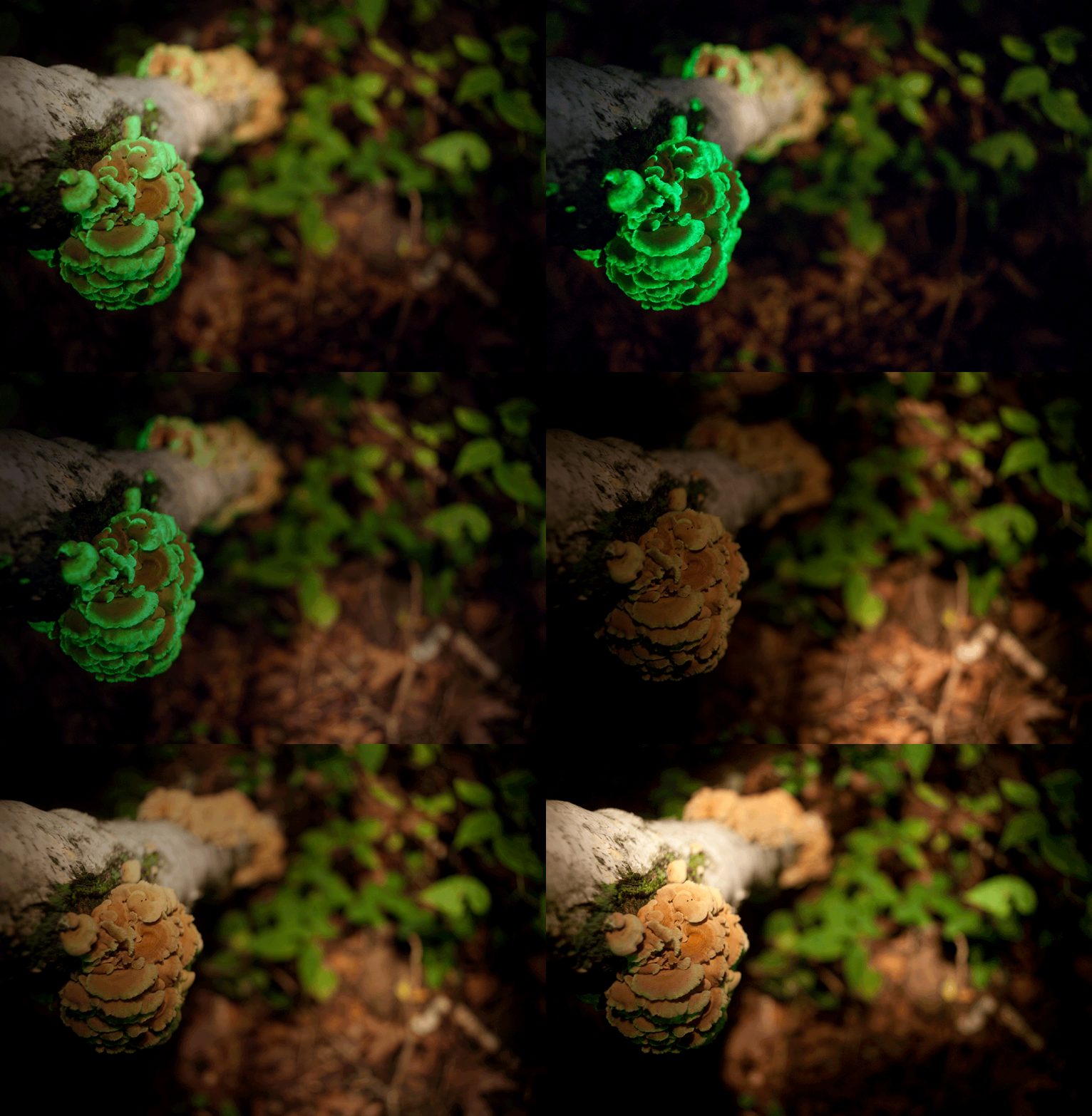
You’ll find bitter oysters in the slow-growing hardwood forests of the US South. Especially in the Appalachian Mountains. This fungus likes to grow on birch, blue-beech, hickory, maple, oak, and pecan trees. They’re also reported to grow on loblolly and eastern white pine trees. You’ll find bitter oysters year-round, but they’re most common from late summer to early winter. They’re also saprophytic and break down decaying matter. Look for them on branches, logs, and stumps. The gills and mycelia of the bitter oyster will glow green in complete darkness.
There are a couple of other noteworthy bioluminescent mushrooms. But their light is not easily visible to the naked eye. In some cases, the fruiting body glows so faintly that it’s only observed using cameras or x-rays. Or just the underground mycelium glows brightly.
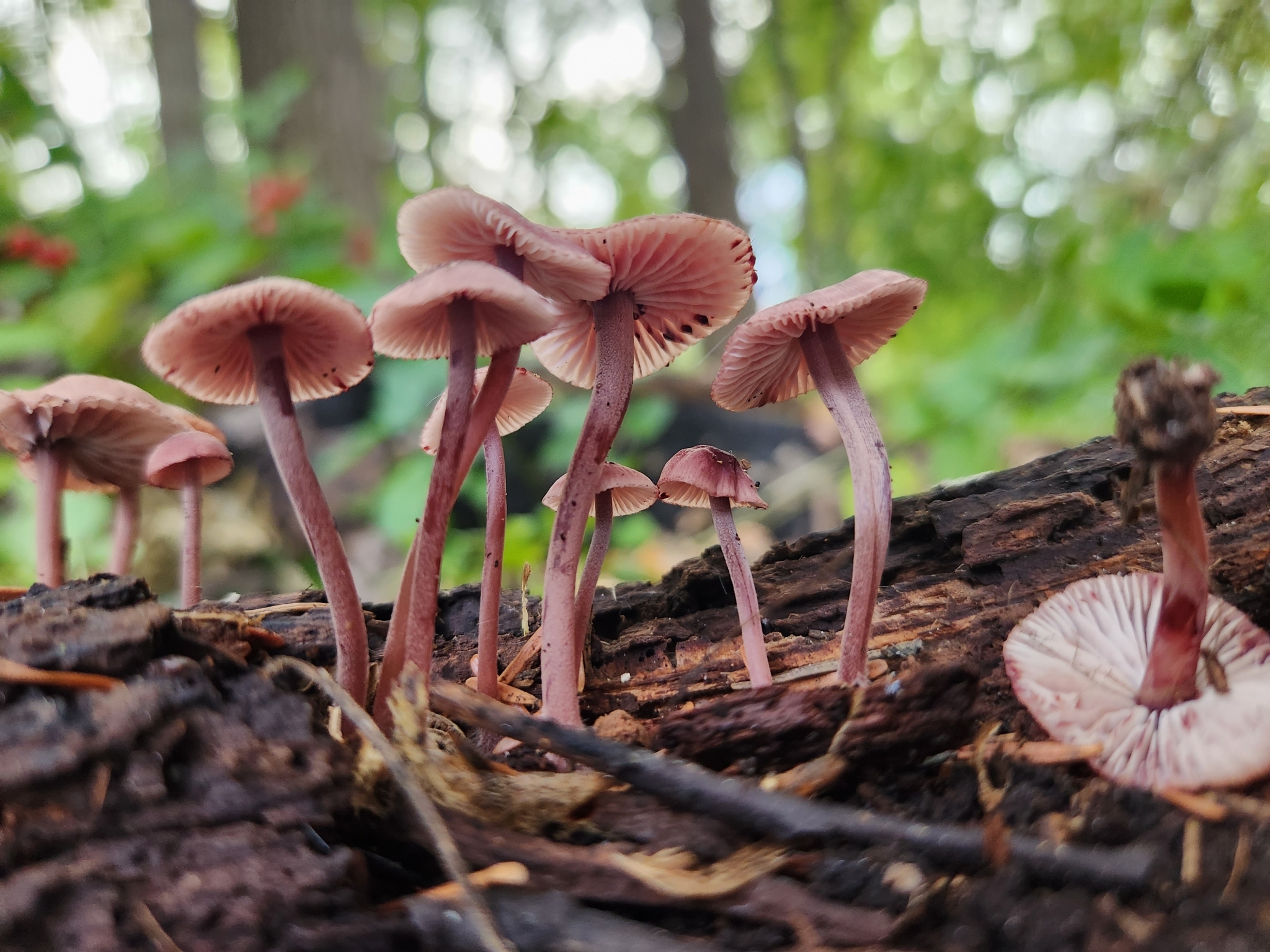
Bleeding fairy helmet mushrooms (Mycena haematopus) faintly glow and have glowing mycelia. They grow in groups joined at the base on old tree stumps and decaying logs. Even if you can’t observe the glowing parts, it’s exciting to know these bioluminescent fungi are out there. You can find them across most of North America.
There are two species of honey mushrooms known to be bioluminescent. Armillaria mellea and bulbous honey fungus (Armillaria gallica). The gills of the honey mushroom occasionally glow green but very faintly. Honey mushroom mycelium glows more brightly than their gills. They’re symbiotic with conifers and hardwoods. You can find honey mushrooms throughout North America growing in clusters at the base of these trees.
Many sea creatures have evolved to create their own light. Especially at the lowest depths of the ocean where sunlight cannot penetrate. In the South, we’re lucky to have glow in the dark marine life at the surface of the ocean, too.
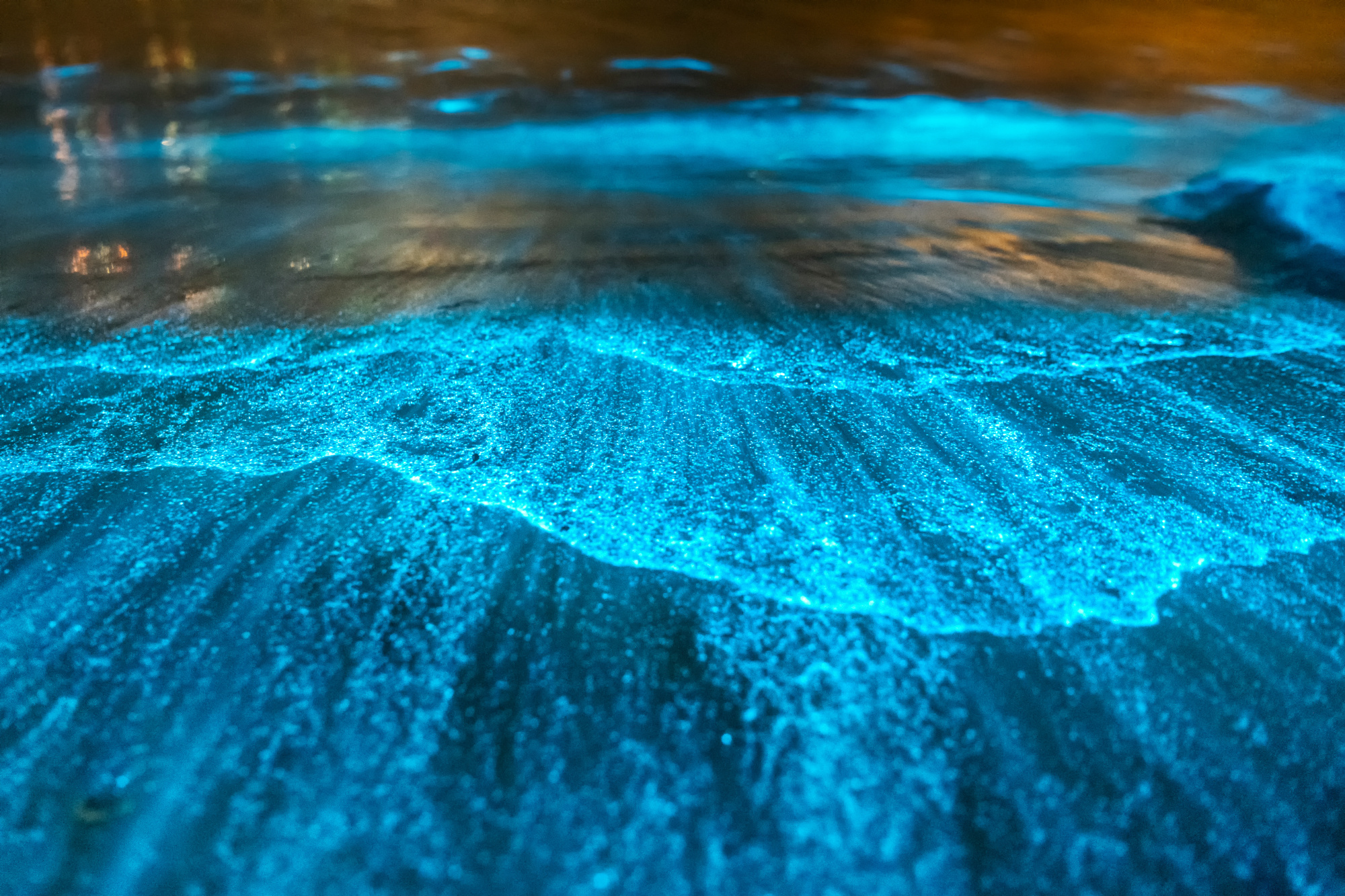
Dinoflagellates are single-celled microscopic algae. They’re plankton that float on or near the ocean surface. But they’re also found in some freshwater habitats. Some genus of the species are bioluminescent. They emit short flashes of blue-green light when disturbed. It can look like a shimmering glitter bomb in the water. Their sparkling serves as defense and offense against predators. They can startle predators when they flash, disrupting their feeding pattern. The light they emit can also attract larger predators that may feed on what’s trying to eat them. It doesn’t take much to trigger this oceanic light show. Any motion in the water can activate a shimmer that you can see along the surface. Splashing waves, swimming, or even a passing watercraft. But it only occurs at night thanks to their circadian clock.
Would you like to experience the wonder of a blue glowing sea? One of the best-known places to see bioluminescent dinoflagellates is along the Space Coast of Florida. Cocoa Beach and the Indian River Lagoon are plentiful with them in the summertime. But if you’re lucky, you can spot them on many Southern US coastal beaches. They’ve been reported all along the Atlantic and Gulf coasts. It’s a special experience you won’t ever forget.
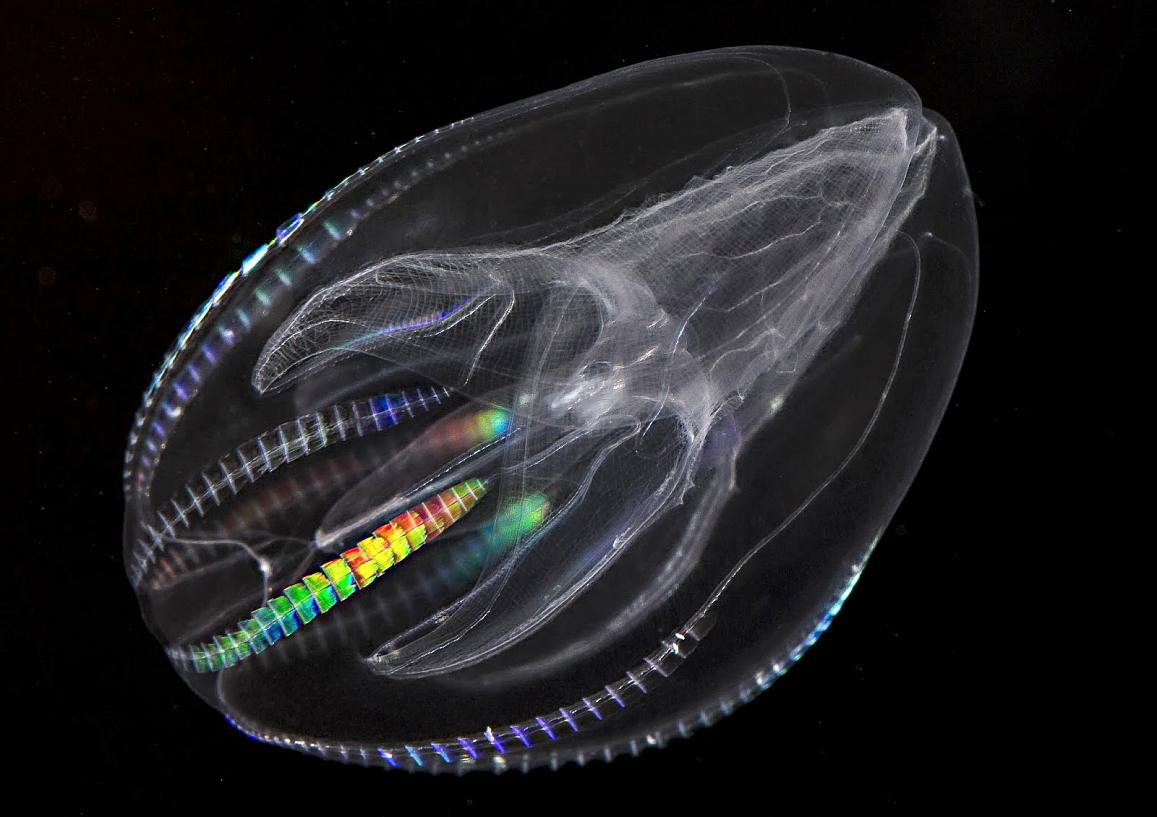
Comb jellies are zooplankton, tiny animals found at the sea surface. These predators use hair-like features to propel themselves through the water. They’re flanked by rows of bioluminescent “combs” called cilia. Though they’re similar in name to jelly fish, they don’t sting. They’re completely clear except for the cilia that will glow blue-green light. Some emit an iridescent or rainbow-colored light, too. Similar to dinoflagellates, comb jellies will light up when triggered by movement. Scientists aren’t sure why comb jellies do this.
You can find comb jellies anywhere from shallow coastal waters to the deep sea. There are two common comb jellies you can find along the Southern Atlantic coast. Sea walnuts (Mnemiopsis leidyi) and pink comb jelly (Beroe ovata). In Florida, you can find large blooms from October through May. But they’re around all year long. In North Carolina, they congregate in large numbers in spring and summer. Though they can also be found year-round. Have you ever experienced these glowing orbs of the sea?
Experiences that inspire wonder can help improve your mental health. Southern forests and wetlands are filled with awe-inspiring phenomena. That’s one of many reasons we must do everything we can to protect them. Appreciating the beauty around you can help you find your own glow within. There are few things as marvelous as those that light up the night. I hope this inspires you to explore the many living things that glow in the dark. Be amazed by the bioluminescence you can find in your backyard.
If you enjoyed this, check out Part One in our bioluminescence series: Things that Glow in the Dark: Fireflies, Lightning Bugs, and More
The best way to protect bioluminescent species is to protect the places they rely on to survive. Act now to protect the forests and wetlands wildlife depend on.
On July 4th, President Trump signed into law the One Big Beautiful Bill Act (OBBB) that Congress passed. Here’s what it means for Southern forests and communities.
The biomass industry is dirty and destructive. Biomass burns trees to generate electricity. It’s bad for forests, climate, and community health.
Biomass poses one of the biggest threats to Southern forests and communities. The South has been at the center of the expansion of biomass for over a decade. Subsidies from foreign governments fueled the industry’s expansion in the South. But, public outrage forced governments worldwide to acknowledge the negative impacts. Foreign subsidies are now faltering. This has slowed the rate of expansion in wood pellet production across the South. The biomass industry cannot expand without subsidies.
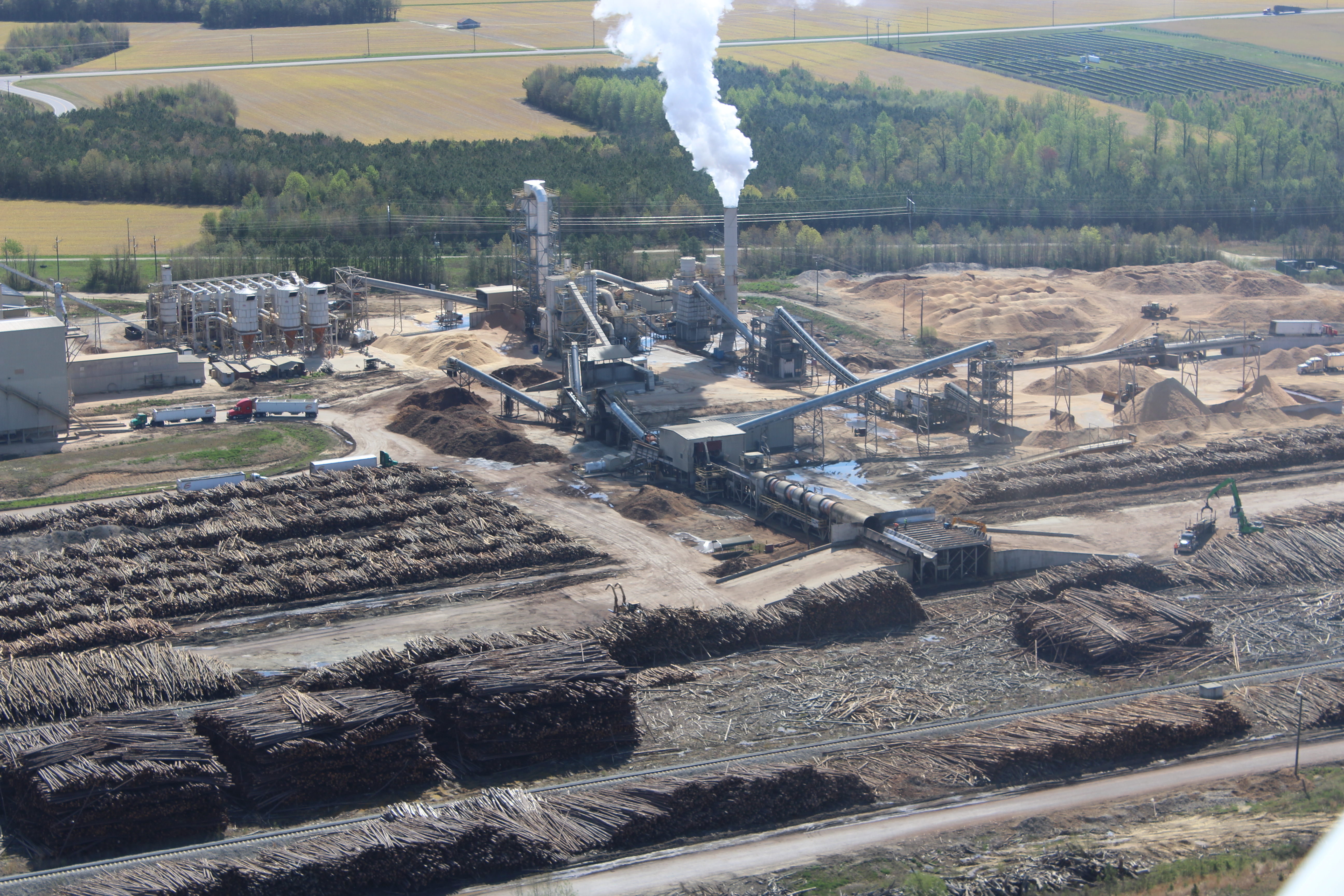
The OBBB includes subsidies that could fund a new wave of biomass power expansion. The biomass industry is working to build plants powered by Southern forests. There are now two proposed biomass plants in Georgetown, SC and Jesup, GA. Both are facing public opposition.
Drax Biomass is one of the largest companies in the biomass industry. Drax violated the Clean Air Act at its wood pellet mills many times. Its facilities in the US have broken environmental rules 11,000 times. The company had to pay millions of dollars in fines for breaking the law. Yet, Drax now wants to construct new biomass power plants in the South.
The biomass industry plans to use Carbon Capture and Storage (CCS) technology. Industry claims that this technology will capture carbon pollution and store it underground. They say that CCS is a climate solution. But CCS is an unproven technology. CCS does not make biomass clean, green, or good for the climate.
The OBBB contains specific subsidies for CCS. The biomass industry is wants these subsidies to fund their dirty biomass plants.
The bill also provides subsidies for turning trees into fuel to power airplanes. Industry calls this “Sustainable Aviation Fuel.” But, powering planes with trees is not sustainable or green. It will increase pollution, speed up climate change, and destroy forests.
More biomass means more forest destruction across the rural South. More clearcuts. More monoculture pine plantations replacing native forests. This weakens forests’ ability to protect us from climate change. It destroys habitat for many plants and animals. It degrades water quality. It hurts the local economy.
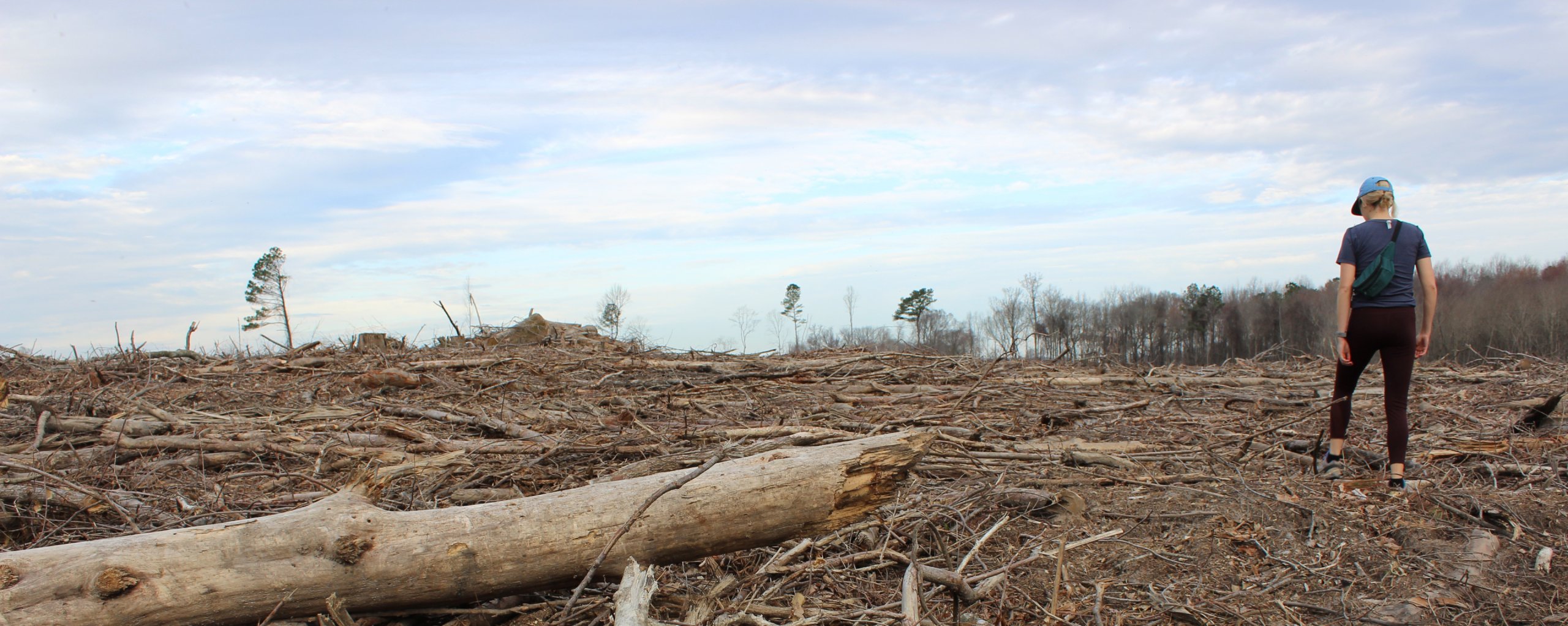
Forests on private lands bear the brunt of logging across the South. But, the OBBB also calls for an expansion of logging on public lands. 12% of Southern forests are publicly-owned. National forests throughout the South are now at risk for increased logging.
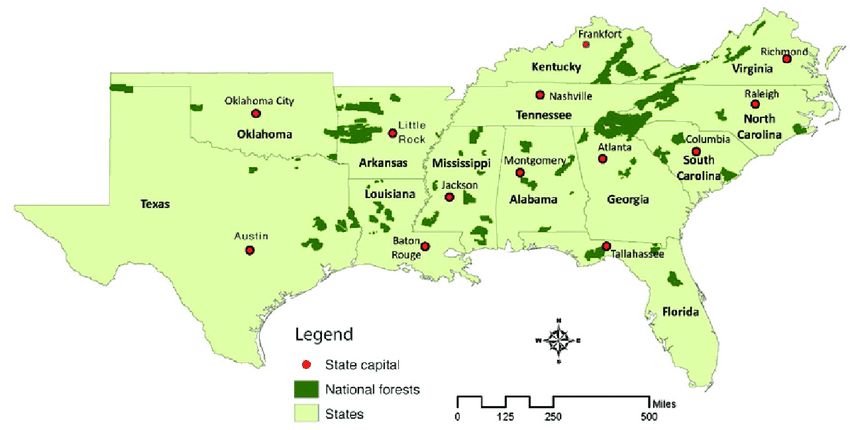
Figure 2-National forests in Region 8. (Map created by Shela Mou)
Already, the Trump Administration is moving to make logging easier on public lands. In June, the Administration announced plans to rescind the Roadless Rule. This rule protects over a million of acres of pristine Southern forests from logging.
The South is already among the world’s largest wood-producing regions. The rate of logging in the South is four times greater than in South American rainforests. The South doesn’t need more logging. We need more forest protection.

Biomass facilities, paper mills, and other wood-processing facilities emit toxic pollution. People living near these facilities suffer the most. Most often, these are communities of color with low wealth. Pollution from these plants can cause respiratory illnesses, heart problems, and cancer.
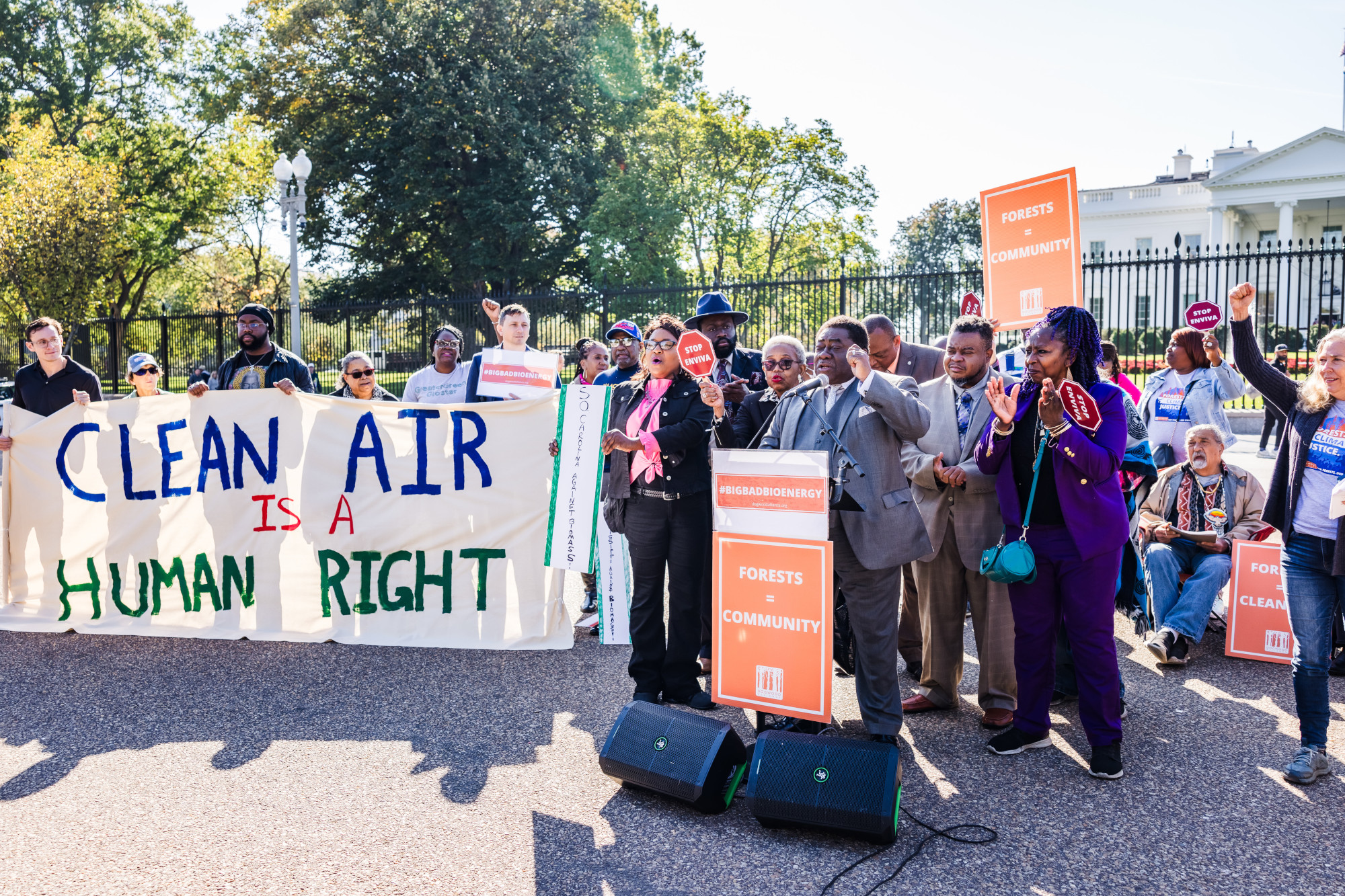
The OBBB cuts the Environmental Protection Agency’s pollution reduction, enforcement, and control. This favors polluters and weakens environmental protections.
This means more people are getting sick. Older adults, children, and people with existing health problems are at greatest risk. Many people living in communities with low income rely on Medicaid and other federal programs. These programs cover their healthcare costs. These cuts to healthcare will eliminate health coverage for 15 million people. It also will likely result in a decline in rural hospitals and those jobs.
The bill subsidizes polluting industries. It weakens federal regulations. And it cuts healthcare. This is a travesty for people living near polluting facilities.
The expansion of biomass and logging will also make climate change worse. Burning trees for power releases more carbon than coal or gas. Logging also releases carbon stored in the living forest. It weakens forests’ ability to protect communities from floods, heatwaves, and droughts. A new study found that logging makes flooding eighteen times worse. Standing forests are vital to protecting our communities from extreme weather events.

The OBBB cuts funding to the National Weather Service (NWS). The NWS is a vital source of information on extreme weather events in rural areas. The bill includes major cuts to FEMA. FEMA provides critical resources to people after climate-related disasters. It also provides resources for building more climate-resilient communities.
The OBBB contains many problematic provisions. But, we still have the power to protect our forests and communities.
Educate them on the issues and share your concerns. These issues are not partisan. They affect us all. Hold your federal elected officials accountable. Your help can stop big bad biomass companies from getting subsidies. Your engagement can also protect forests from logging on public lands.
Local communities have stopped the construction of four biomass wood pellet facilities. They have also stopped two from expanding. Local communities can stop the further expansion of dirty biomass and biofuels projects. Help amplify their stories.
Communities are not waiting for the government to protect forests. Two projects are now underway in the Pee Dee watershed of South Carolina. These projects focus on outdoor recreation as an economic alternative to industrial logging. Outdoor recreation creates five times as many jobs as the forest industry. This is the kind of rural economic development we need to expand across the South.
Don’t forget to take advantage of one of our region’s most valuable assets: Our beautiful and amazing forests! Make it a point to get out and enjoy the beauty of Southern forests. Connecting with each other in nature is crucial to sustaining the movement.
The US Forest Service manages 193 million acres of national forest land. Half of that land is open to logging, drilling, and mining. 19% is protected wilderness under the National Wilderness Preservation System. Roadless areas comprise the remaining 30%. President Bill Clinton issued the Roadless Conservation Rule in January of 2001. The rule established roadless areas. The Roadless Rule protects 58.5 million acres of undeveloped national forest lands from logging and roadbuilding. The rule also prevents coal, gas, oil, and other mineral leasing on the land.

The US Dept. of Agriculture announced plans to cancel the Roadless Rule in June 2025. A USDA statement called the rule “overly restrictive” and “outdated”. The administration claims that the reversal is necessary to enable proper fire management. They argue that the rule “hurts jobs and economic development across rural America.” This reversal furthers executive orders to increase logging and boost bioenergy. It advances plans to sell off millions of acres of public lands. Plans that were defeated as part of the One Big, Beautiful Bill Act.
The reversal of the Roadless Rule is another effort to boost logging and other extractive, polluting industries. It will destroy protected public lands that belong to the American people.
The Roadless Rule is a vital conservation tool. It ended a decades-long effort to protect undeveloped areas in our national forests. Roadless areas provide undisturbed, connected habitats for wildlife to thrive. Many contain our nation’s old-growth forests. Roadless areas absorb and store climate-warming carbon dioxide at a large scale. They keep our freshwater supply clean by filtering pollutants and sediments. They give us the oxygen we need to survive. Roadless areas shield our communities from disasters like floods, fires, and strong storms.
Roadless areas are open for a range of recreational activities. Visitors can enjoy backcountry experiences such as:

The Forest Service already has a 380,000-mile road system, even with the Roadless Rule in place. Building more roads in national forests would be a burden on taxpayers. Because taxpayers will pay for roads built on public lands.
Building roads in forested areas is disruptive and destructive. It breaks up habitats and ecosystems. It creates boundaries that limit wildlife movement. This can make finding food, shelter, or a mate an even bigger challenge for wildlife. Roadbuilding destroys native vegetation. Roads can increase the spread of pollutants and invasive species. Building roads can change the soil composition. This can increase erosion and alter nutrient exchanges. It can limit the soil’s ability to filter pollution and silt. This can make our drinking water less safe. It can also reduce the soil’s ability to store water, decreasing our freshwater supplies. Building roads in roadless areas can harm our clean water, climate, forests, and wildlife.
Logging, even under the guise of “forest thinning,” is known to increase fire risk. Heavily logged forests burn more intensely and faster than protected forests. Especially when extreme weather is a factor. Dense, mature forests are less likely to burn in wildfires. They create more canopy cover and shade. This keeps surface temperatures lower. They also buffer wind gusts that can spread flames. Dead and downed trees absorb lots of water, making them less likely to burn.
When a forest is logged, the soil dries out and surface temperatures rise. Making the area warmer and more prone to burn. Highly combustible scrub brush is left behind that can easily ignite in a wildfire. Logging releases carbon and makes the climate crisis worse. That increases the likelihood of droughts, high winds, and heat waves. All these factors contribute to making wildfires more frequent and more destructive.

Roadless areas are havens for outdoor recreation. Outdoor recreation created $1.2 trillion in US goods and services in 2023. That’s 2.3% of our total Gross Domestic Product (GDP). This growing sector supported 5 million American jobs the same year. That’s 3.1% of all jobs. The outdoor recreation economy has grown 36% since 2012. Roadless areas contribute to economic development and job growth. Especially in the rural areas where many roadless areas are protected. Outdoor recreation is a pillar of a regenerative economy. One that minimizes extraction from nature. Outdoor recreation is a booming segment of the US economy.
Roadless areas protect 11,337 climbing routes and boulder routes. They safeguard more than 1,000 whitewater paddling runs. They secure 43,826 miles of trails and 20,298 mountain biking trails. Protected roadless areas include large sections of national trail systems. Such as the Appalachian, the Continental Divide, and the Pacific Crest Trails.

Members of the 119th Congress introduced the Roadless Area Conservation Act of 2025. This legislation will “provide lasting protection for inventoried roadless areas within the National Forest System.” If passed, it would take an act of Congress to remove roadless area protections. The House Bill (H.R.3930) has co-sponsors from 22 states. The Senate Bill (S.2042) has co-sponsors from 13 states.
More than 40 states have areas protected by the Roadless Rule. Find out which Southern forests are at-risk. We have a lot to lose (58.5 million acres) if the Roadless Rule is reversed. The Roadless Conservation Act is an opportunity to codify roadless area protections.
Allowing logging, drilling, mining, and roadbuilding in roadless areas will:
Roadless areas are our public lands. They belong to the American people. We can’t allow any administration to sell them off ever. We can’t open them up for extraction to benefit polluters, corporations, or billionaires. The US has a history of conservation. We owe it to future generations to carry the legacy of conservation forward.
Urge Congress to defend the Roadless Rule. Ask them to support the Roadless Conservation Act of 2025. Take action now, before it’s too late.

Bees have a special way of communicating, and it’s through the magical art of dance. There are many insects in the world that are pollinators. Pollinators transfer the pollen grain, and that fertilizes flowers and plants. For example, blueberries, almonds, cucumbers, apples, oranges, and avocados all rely on pollination. Without pollination, many flowers and plants can’t grow. This is why bees and other pollinators are so important to our world.
All bees have a specific role in the colony. Some are forager bees. These bees go out in the world and collect pollen, nectar, water, and more. When a forager bee returns to the hive, she shares information with the colony. These dances tell one another about food sources, directions, and distances. This information sharing is crucial to the survival of the colony.
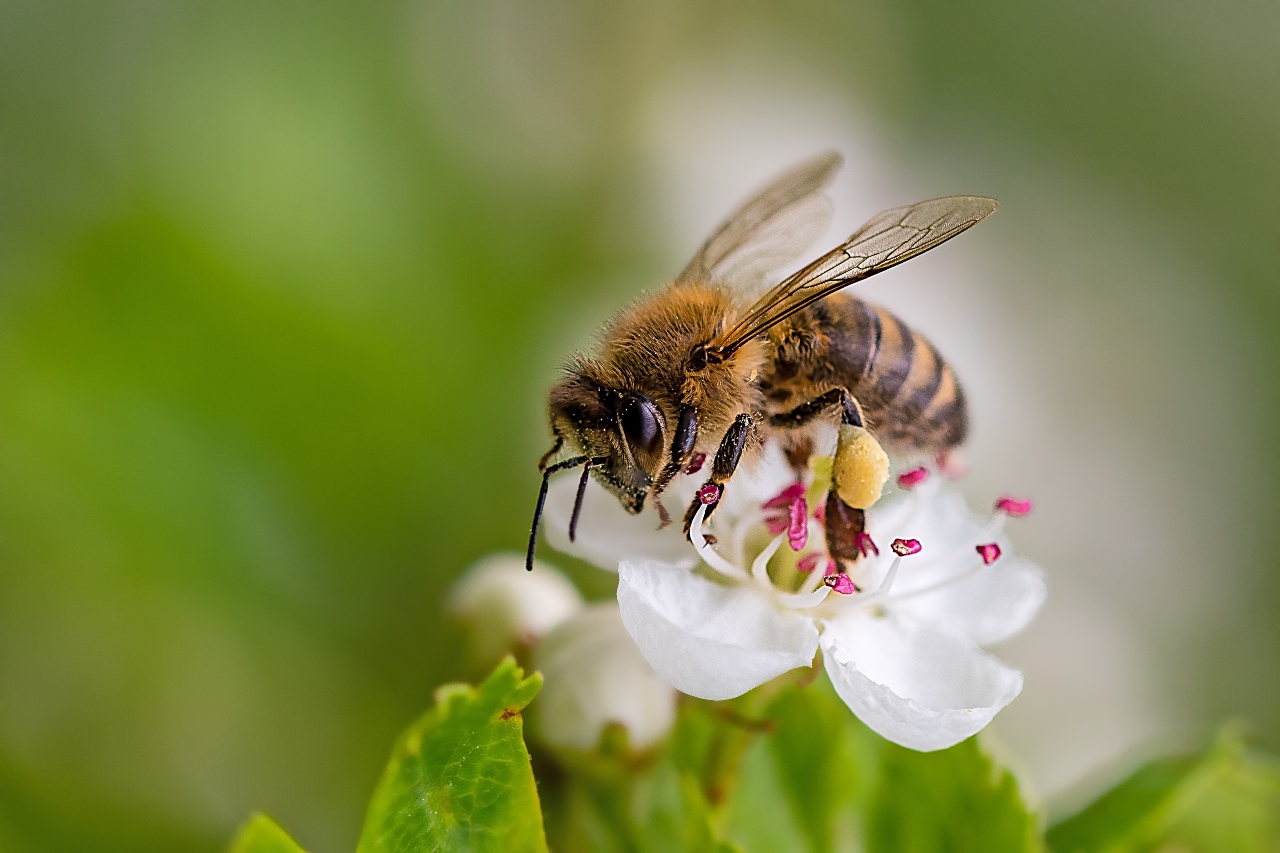
When a bee finds nectar, we know she must communicate this to her fellow bees. Bees rely on visual cues and vibrations from their dances for that communication. They even have distinct, specific dances that communicate different things.
Bees have both a “waggle dance” and a “round dance.” They even observe and refine their dance techniques over time. That’s why these dances are incredible examples of social learning.
The waggle dance informs other bees of the location of nectar. It also tells them the distance they need to travel to reach it. The dance moves in a figure-eight. The bee moves in a straight line, then loops around on a curved path. It’s quite specific, right down to the direction they need to go.
The direction of the “straight run” shows where the food source is in relation to the sun. The duration of the bee’s waggle during the straight run indicates how far away the food source is. And the vigor of the waggling communicates the food’s quality.
The round dance is simpler. It tells other bees that food is nearby, within 25-100 meters or less. But the dance doesn’t provide a specific direction.
The bee moves in a small circle, often changing direction.
Bees signal to their colony in more ways than dancing. Their sense of smell can tell if an intruder is in their hive. Sometimes bees sting people. It’s not always intentional. But when they sting, they release a pheromone that’s like an alarm. It sends a message to other bees that something bad has happened. It’s rather beautiful that they can warn others of danger.
Bees have 170 olfactory receptors. They use them to follow a scent, homing in on nectar and pollen. A bee can also remember the smell of their hive long after leaving it.

Bees see color differently from humans. They see in ultraviolet light, greens, and blues. Bees can even see a color called “bee’s purple.” It’s a mix of ultraviolet and yellow. To bees, flowers can even be iridescent.
The bright colors of plants attract bees, especially the color blue. Flowers often use ultraviolet light to attract pollinators. The UV light is a map guiding them to the plants that need pollination. That’s why colorful plants and flowers in our yards can keep our gardens healthy.
Bees are fascinating insects with their dances, keen sense of smell, and unique vision. They’re also so important to our ecosystems and our crops. They keep our gardens in bloom and provide us with vegetables and fruits. We appreciate bees for all the good they do for us.
Become a Forest Defender today! Your monthly gift will protect bees and biodiversity of the South.
Join our email list to get new Biodiversity in Your Backyard sent directly to your inbox!
Check out the other blogs in our Backyard Biodiversity series!
Few things in nature inspire wonder and awe like organisms that glow in the dark. A chemical reaction in living things can cause them to make their own light. This phenomenon is called bioluminescence. Many species have evolved to radiate light throughout history. It can occur in bacteria, fungi, insects, birds, and even marine life. Some living things emit light in short bursts. Some emit a steady glow. The Southern US is home to many of nature’s night lights. We’ll tell you when and where you can find things that naturally glow in the dark. Nighttime is the right time to discover bioluminescence in your backyard. This is the first in a two-part series.

Blue ghost fireflies image by Evan M Raskin
Some creatures use light to attract prey or a mate. Light can also be a defense to ward off predators. Some use light to mimic other species or as camouflage. Sometimes it’s used to communicate with the same species. Some even use light to illuminate their surroundings. We don’t know what the function of bioluminescence is for every species. We still have a lot to learn about why some organisms glow in the dark.
The scientific name Lampyridae is Latin for “shining light”. There are around 2,000 species of Lampyridae across the world. In North America, there are more than 125 known species. There’s no difference between a lightning bug and a firefly. You can use the terms interchangeably. What you call them depends mostly on where you grew up. But Lampyridae are neither flies nor bugs; they’re beetles. Beetles are unique because they have hard wing covers and chewing mouth parts. No matter what you call them, they’re a magical sight to behold!
What do you call this bioluminescent beetle?
Fireflies have a 4-stage life cycle. They spend most of their life (1-3 years) underground. They lay eggs in moist soil. The eggs take around 3 weeks to hatch. They’ll spend 1-2 years as larva before transforming to pupa for another 3 weeks. Finally, they emerge from the ground as adults and live for 3-4 weeks. In general, adults emerge during late spring and midsummer. They’re most active between late May through early August. Once they reach adulthood, their goal is to mate and spawn the next generation.
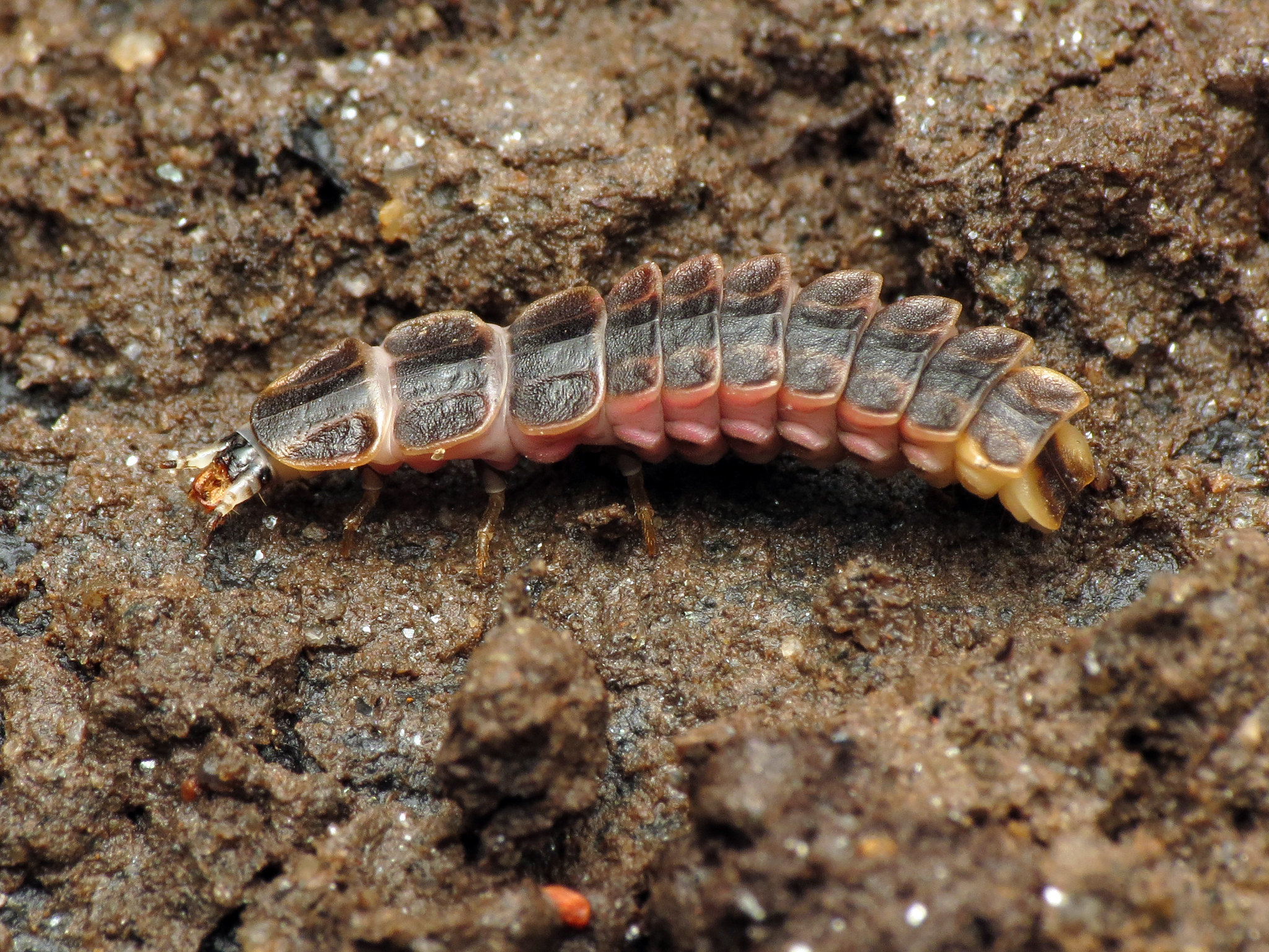
Firefly larva image by Katja Schulz
Lightning bugs vary in color, shape, and size. But many appear very similarly. Fireflies produce light in their larval stage, and many also emit light as adults. Some glow and some flash. The frequency and pattern of a male’s flash and a female’s response is unique to each species. It’s their special love language that helps them identify each other in the darkness. These mostly nocturnal beetles thrive in temperate and tropical climates. They flourish in moist regions and prefer marshy, wet, wooded areas. Here are some of the most well-known lightning bugs you can find in the Southern US.
There are two types of synchronous fireflies in the Southeastern US. This species flashes in unison with one another in a delightful display. Their scientific names are Photinus carolinus and Photuris frontalis.
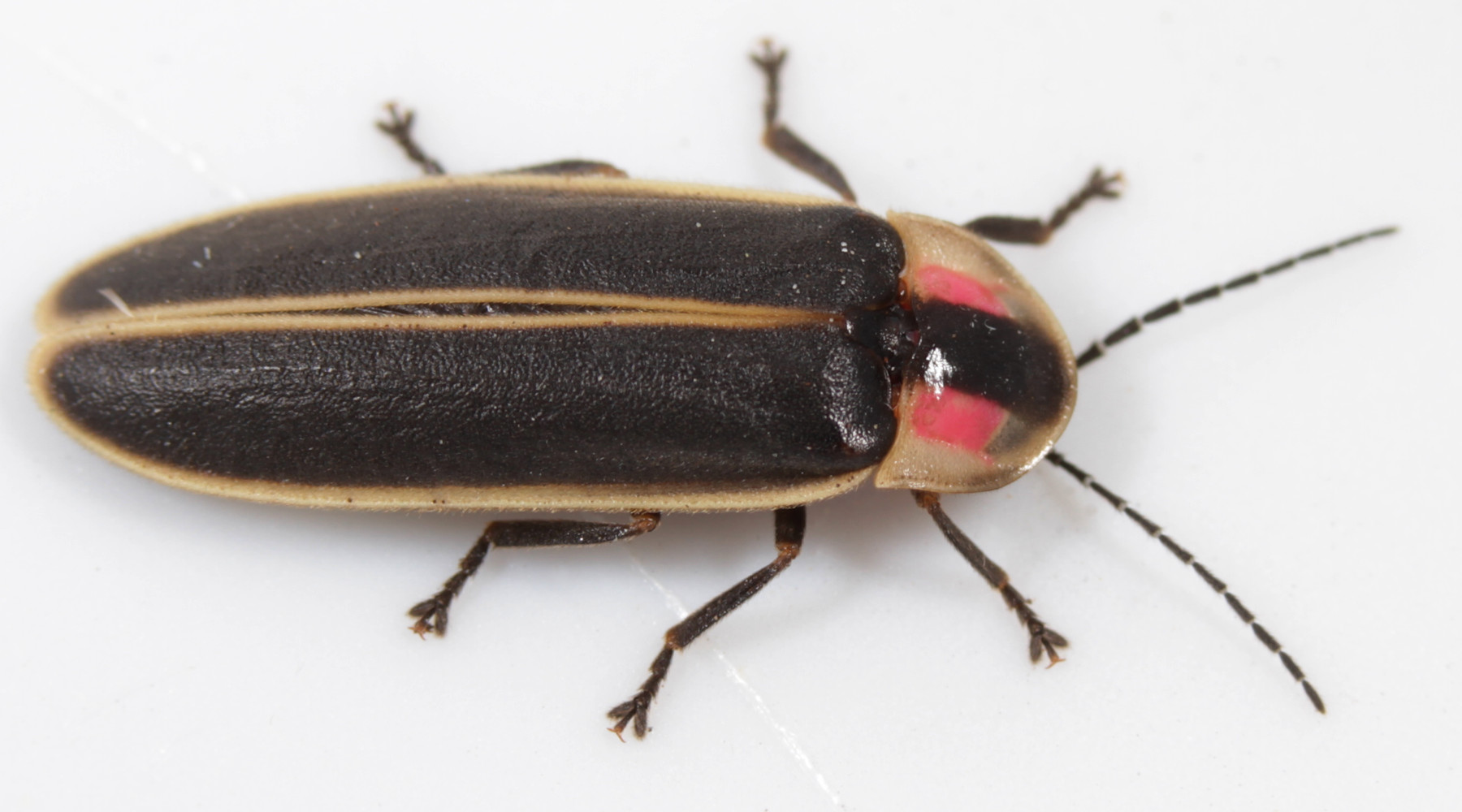
Smokies synchronous firefly image by Patrick Coin
Photinus carolinus are commonly known as the “Smokies synchronous firefly.” Adults are about ½ an inch long. They’re mostly black with yellow-lined wing covers. Their see-through head shield has a reddish splotch and a dark rectangle at the center. They have long, dark antennas. They emit a yellow-green flash from the pale segments of their lower abdomen. Males light up in a flash train. Their pattern is 6 flashes about half a second apart, followed by a pause of 6 seconds. Then they repeat the pattern as often as every 9 seconds. They do this while flying fairly low (3-7 feet) off the forest floor. Their display can appear like a rippling wave of light. By the end of the night, their light can appear less bright and more orange.
Peak Smokies synchronous firefly activity varies from year to year. It depends on weather, temperature, and soil conditions. It can range between late May to late June. Their light show begins about 30 minutes after sunset and can go on well after midnight. Undisturbed, dark forests are their prime habitat. You can find the Smokies synchronous firefly beyond the Great Smoky Mountains. Look in northern Georgia, North Carolina, South Carolina, Tennessee, Virginia, and West Virginia. They prefer mature hardwood forests (65 years or older) in mountain river valleys above 1,400 feet. They avoid thick underbrush and favor small clearings surrounded by open forest.
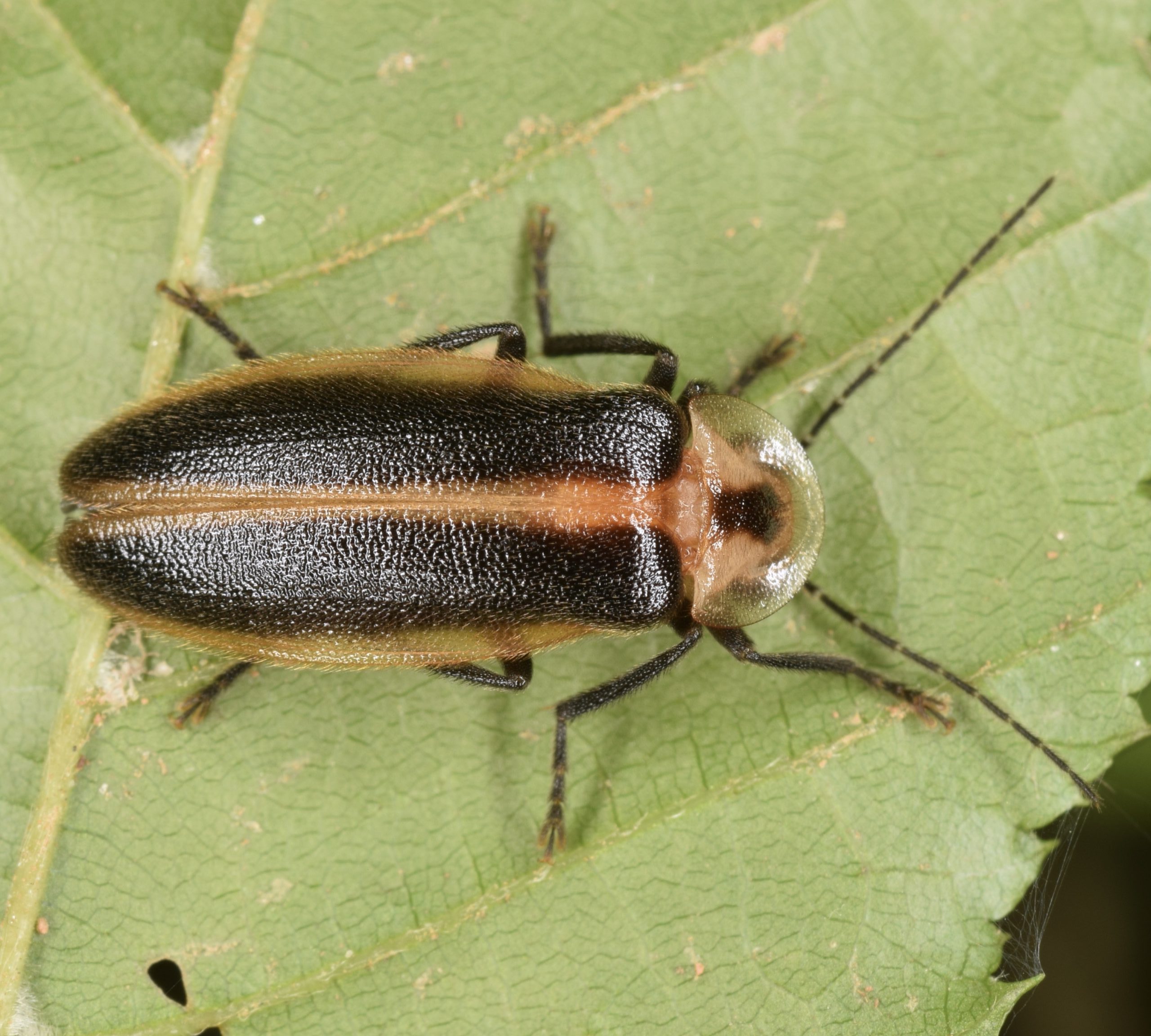
Snappy single synch image by Christina Butler
Photuris frontalis are commonly known as “snappy single synch.” Adults are ½ – ⅔ of an inch long. Males are larger than females. Adults are more rounded looking than other lightning bugs. They’re mostly black with pale yellow, almost translucent lined wing covers. Their head shield is translucent with a dark rectangle or hourglass at the center. They have long thin antennas. Males have two light producing segments on their lower abdomen. Females have a unique split lantern on the top of their two light segments. Snappy single synchs get their name from their quick and constant flash. They emit light two times per second in prolonged bursts. Up close they emit a deep yellow flash, but the light can appear white from afar. Males fly low (2-5 feet) above the ground searching for females in the leaf litter.
Peak snappy single synchs activity usually begins in mid-May to early June. The window to observe them lasts just 2-3 weeks. Their light displays begin about 40 minutes after sunset and can last for 1-2 hours. They’re found in Alabama, Florida, Georgia, Mississippi, North Carolina, South Carolina, and Tennessee. This species prefers the edges of mature cypress swamps and forested bottomlands. They need moist wooded areas with water sources nearby.
People will travel from all over the world for the chance to see synchronous lightning bugs. You can watch Photinus carolinus at Great Smoky Mountains National Park and at Grandfather Mountain in NC. You can watch Photinus frontalis at Congaree National Park in SC. These parks hold an annual lottery to keep visitation manageable during peak times. But there are other locations where you can find synchronous fireflies if you look.
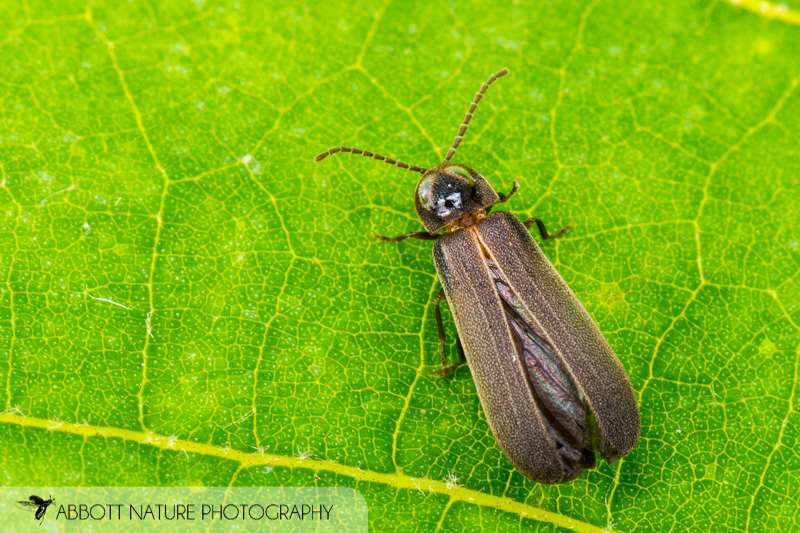
Blue ghost image by Abbott Nature Photography
Blue ghost fireflies are a rare and elusive species. Adult males are tiny at ¼ – ½ of an inch. Their bodies are dark brown to black. Their rounded head shield is black and includes a windscreen around their large eyes. It looks eerily like Darth Vader’s helmet. They have a short and a long set of antennae. Males have two light-emitting segments on their lower abdomen. Females stay as larvae throughout adulthood and are known as Appalachian glow-worms. They have no wings and can’t fly. They’re usually even smaller than the males at ⅛ – ⅜ of an inch. They look like a small golden grain of rice. They crawl along leaf litter on the ground, waiting for a mate.
Instead of flashing, male blue ghosts emit a steady glow that can last up to a minute or more. They fly very low (1-4 feet) off the forest floor. It can sometimes look like they’re shining a spooky spotlight. Seeing them in nature can give an enchanted forest feeling. At a distance, blue ghost males emit a bluish-white light. But the color can appear more green the closer you get. This is due to the way the human eye functions. Light sensitivity can alter the color we perceive. Females give off a faint green glow from 4-9 spots on their bodies.
The window to observe blue ghosts is just 2-4 weeks every year. They can have two peak periods. The first lasts from mid-April to mid-May. Then they can reappear in mid-June. Blue ghost light displays begin about 30 minutes after sunset and last up to 90 minutes each night. They prefer warm temperatures and moist to wet, undisturbed wooded areas. But you can also find them in dry woods and dry high ridges. The most common place to see them is in the Southern Appalachians of North Carolina. But they’ve been reported in Alabama, the Georgia Piedmont, South Carolina, and Tennessee. You can also find them in some isolated pockets of Northern Florida.
Sadly, blue ghost populations are dwindling from habitat loss and light pollution. Logging and development contribute to their decline. Any activity that disturbs the forest floor can destroy their habitat. Humans are their biggest threat. Be careful not to love these tiny bioluminescent beetles to death. If you’re going out at night to see blue ghosts, take precautions. Check out our visiting firefly habitat etiquette below.
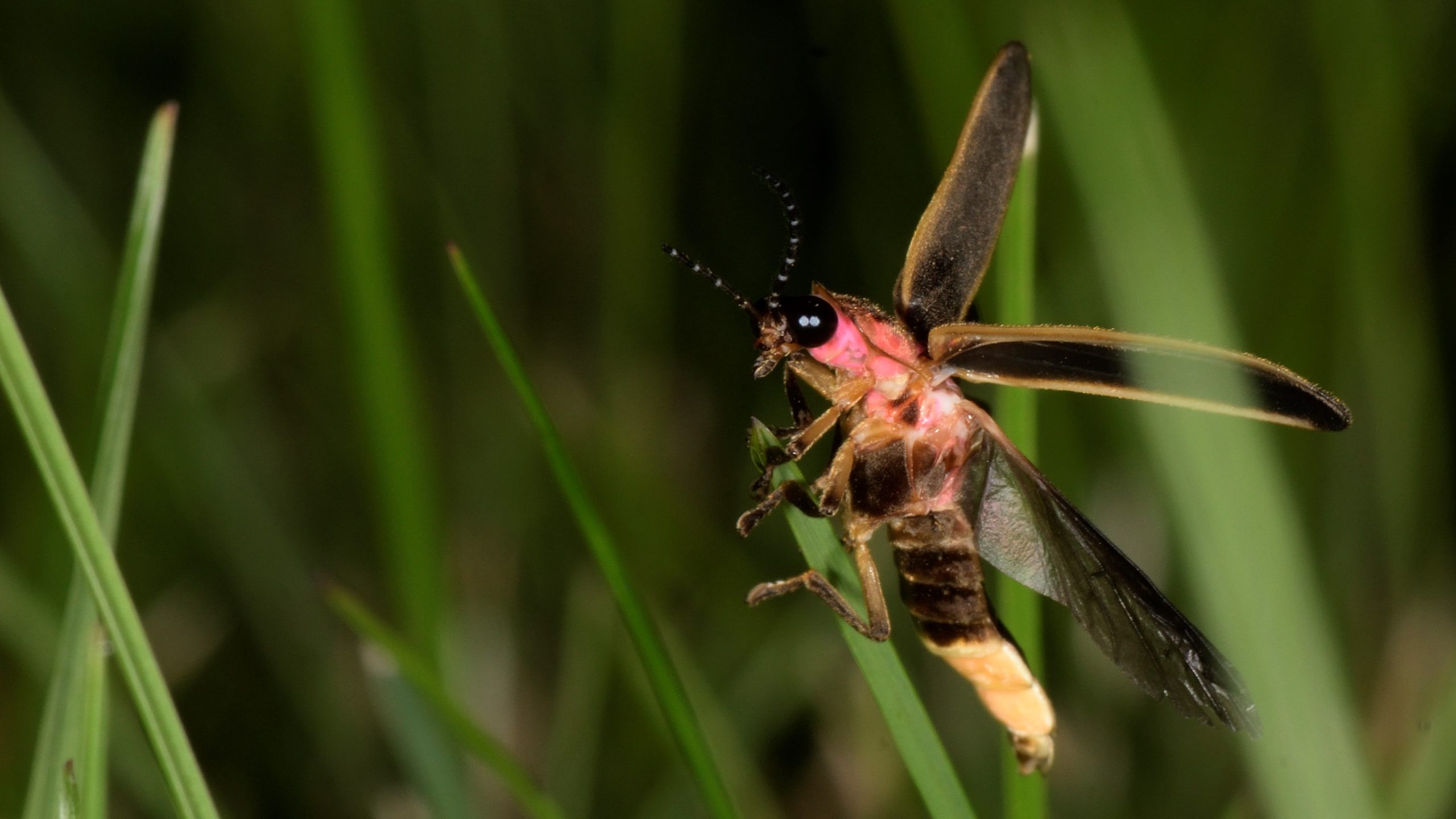
Common eastern firefly image by Dan Hodges
The common eastern firefly goes by several names. It’s the lightning bug that most people east of the Rocky Mountains will find in their backyards. Its scientific name is Photinus pyralis. They’re also called “big dipper” or “J-stroke” fireflies. This is because of their unique flight and flash pattern. They measure ⅓ to ¾ of an inch long. Adults are mostly black with yellow-lined wing covers. Their head shield is a pale yellow with a red splotch and black dot in the center. Males usually have much larger eyes than females. They both have dark, segmented antennas. Males have two light-producing segments on their lower abdomen. Females have a heart-shaped lantern on a single segment of their abdomen. Females often have two dark triangle markings on each side of the lantern. This has also earned them the name “tornado tail.” Both sexes emit a yellow-green light that can look like shooting stars in the night.
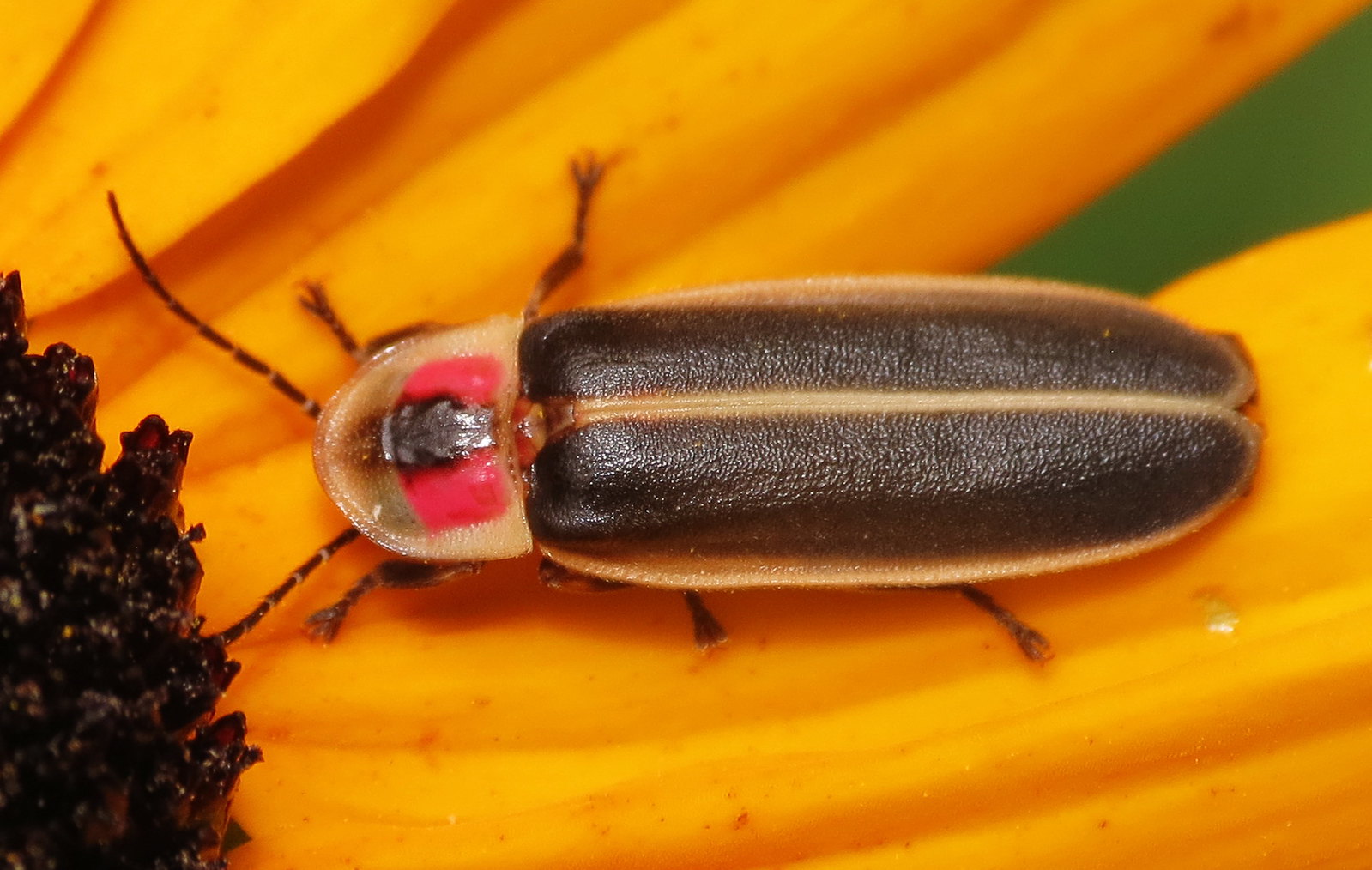
Big dipper firefly image by Paul Bedell
Male big dippers fly in a vertical orientation in a U-shaped dipping pattern. They form a distinct J-shaped courtship flash that lasts for a little more than half a second. Males will flash every 5-7 seconds. They fly low (2-3 feet) above the ground early in the evening. Then they’ll fly very high later in the night. Many end their displays in the treetops. Females remain low to the ground on leaves or grasses. They twist their abdomen towards the male and emit a single flash to alert their interest. Males will present females with gifts to sway their mating selection.
Male big dippers can fall victim to looking for love in all the wrong places. Photuris versicolor fireflies, also known as femme fatales, will mimic female big dippers. They will attract, kill, and eat male big dippers. Big dippers have a defensive chemical called lucibufagins. Photuris versicolor lightning bugs don’t. When Photuris females eat male big dipper fireflies, they absorb the chemical. This helps them deter predators like spiders and birds, increasing their chances of survival. Luckily, male big dippers have another defense mechanism. They can secrete a gooey substance. It locks the jaws of female Photuris versicolor long enough that the big dipper can escape.
The best time of year to find big dipper fireflies is in the late spring and summer months. But you can spot them as early as May and as late as October, depending on the area. Peak activity begins near dusk or about 20 minutes before sunset. Their displays can last for several hours. I’ve seen them flashing well past midnight. Their range is vast. It expands well beyond the Southeastern states. You can find them from Texas to Ontario. They need areas with high moisture to survive. You’ll find big dipper lightning bugs in many habitats. Tall grassy meadows, open fields, wetlands, desert valleys, and dense woods and forests. I see these in my own backyard every spring/summer, and it never fails to inspire me with a deep sense of awe and amazement. It’s something I look forward to every year.
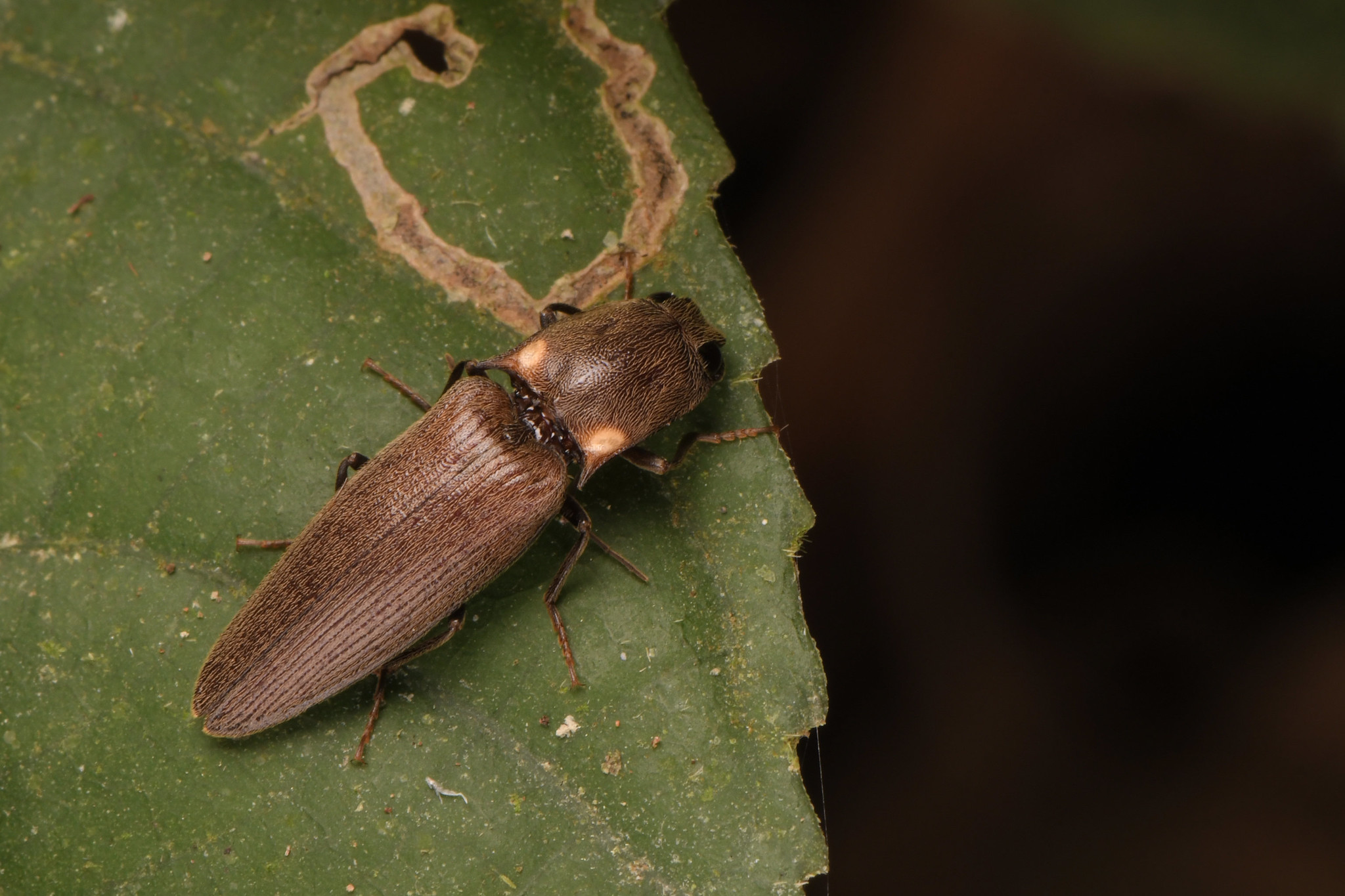
Glowing click beetle image by Dash Huang
I grew up in South Florida, and I always mistook glowing click beetles as a kind of lightning bug. My family called them cocuyos. These bioluminescent beetles are similar, but they’re in the Elateridae family. Adult glowing click beetles are dark brown to black and range from 1 – 1 ¾ inches in size. They have long, dark antennae and small eyes. Their wing covers have a ridged pattern running lengthwise on their body. It gives them the appearance of armor.
Adult glowing click beetles have two bioluminescent organs on their head shield. The lanterns emit a steady green, glowing light and look like “false eyes.” They don’t flash, but they can vary the light intensity they emit. This bright to dim glow can give the appearance of flashing. Some believe that glowing click beetles use this light to scare off predators. Their larvae are also bioluminescent.
You can find various species of glowing click beetles in coastal regions of the Southern US. Especially in Florida, Georgia, and Texas. They prefer sandy and forested areas. I remember seeing them in the later summer months. Typically from August through September.
Fireflies are a source of child-like delight. People of all ages can find inspiration and a deep sense of awe watching them. That alone makes them worthy of studying and protecting. But lightning bugs are also an important indicator species. When they’re abundant in an area, that’s a good sign that pollution is low and the environment is healthy. When their populations decrease or disappear, that’s a bad sign. It means that the environment is suffering.
The conservation status for most fireflies in the US hasn’t been evaluated. There’s little funding to study them. But a 2024 study compiled from citizen scientist data raises alarms. It shows that North American firefly populations are in decline. Lightning bugs need wet, dark, undisturbed forests to survive. These habitats are becoming more scarce in the US.
Human activity poses the greatest threat to fireflies. Climate change increases droughts and surface temperatures. Hotter, drier habitats are unsuitable for their survival. Air and water pollution have a devastating impact on their populations. Deforestation and development destroy their habitats. Light pollution disrupts their mating and development cycles. Pesticides can kill lightning bugs at all stages of their life cycle. Humans will harvest fireflies for scientific, medical, and chemical purposes. But new synthetic options make this practice cruel and obsolete. Unfortunately, in some rural areas harvesting continues. A conservative estimate is that 10% of all firefly species are in danger of extinction.
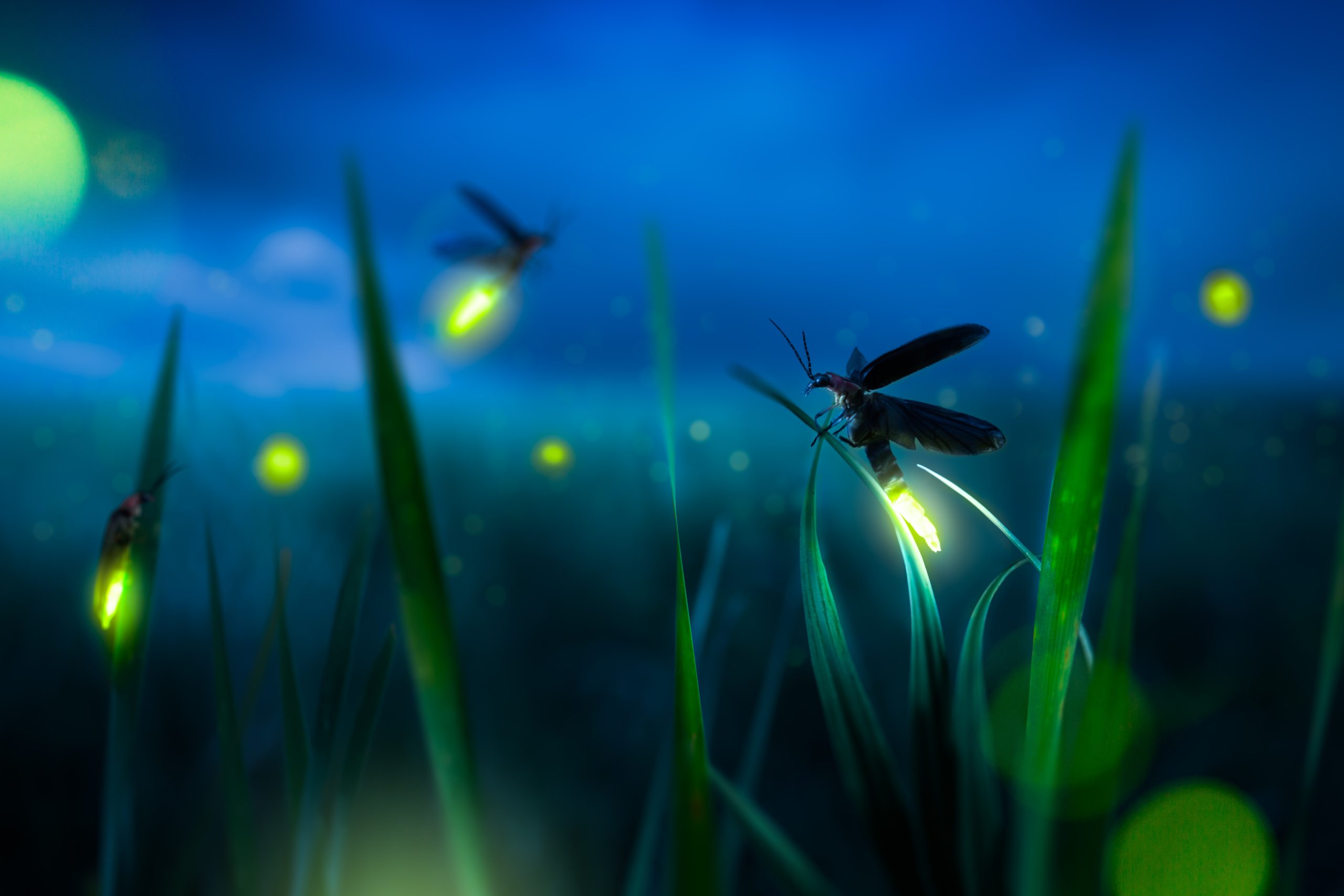
Commit to doing everything you can to ensure fireflies and lightning bugs thrive. To brighten the lives of future generations.
Sign the pledge to protect lightning bugs!
Certify your property. Firefly Research & Conservation offers a firefly habitat certification program. Commit to making your backyard or land a permanent place for lightning bugs to thrive. You’ll even get a beautiful sign to post. Here’s a list of Southern native plants that lightning bugs love.
Experiences that inspire wonder can help reduce depression and improve mental health. Southern forests and wetlands are filled with awe-inspiring phenomena. That’s one of many reasons we must do everything we can to protect them. Appreciating the beauty around you, can help you find your own glow within. There are few things as marvelous as those that light up the night. I hope this inspires you to explore the many living things that glow in the dark. Be amazed by the bioluminescence you can find in your backyard.
The best way to protect bioluminescent species is to protect the places they rely on to survive.
Act now to protect wildlife and wilderness.
Read part two in our our bioluminescence series. More Things That Glow in the Dark: Mushrooms & Marine Life
Learn more about bioluminescent beetles of the Southeast in Fireflies, Glow-worms, and Lightning Bugs by Lynn Frierson Faust.
Check out the nonprofit Firefly Conservation & Research at firefly.org.

Camping is one of the best ways to spend your summer. It can bring a lot of joy to you and your family. But it’s important to respect the forest while you enjoy the area. There are plenty of ways to camp respectfully without endangering the forest.
National forests and grasslands are incredible places to explore and enjoy. We want to make sure they are around for future generations, too. It’s a shared responsibility to take care of these natural treasures. This means we can all have fun with our favorite outdoor activities, but we must do so with care. We must always have respect for nature.
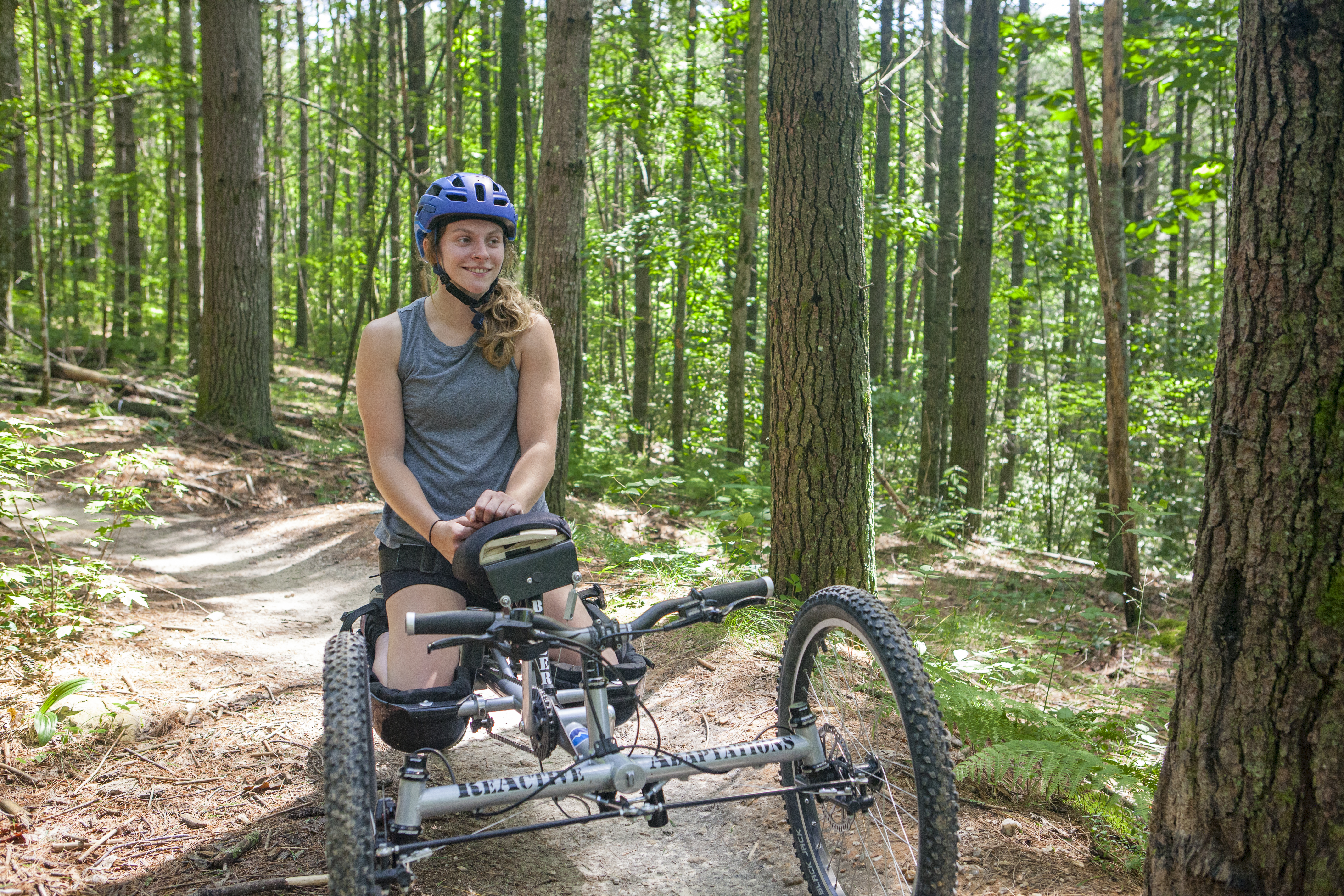
It’s essential to be responsible when you’re camping. You might think that camping in the woods is harmless. But a family preparing food in the forest might not be as innocent as you think. Your campsite can kill vegetation that’s important to the ecosystem. Try to pick a spot that’s already an established campsite.
Respect the trees that surround you. Chopping or carving up trees is unnecessary. It damages the tree by cutting its crucial pathways. These pathways have water and nutrients inside. If you damage the tree, it may slowly starve to death.

Protect rivers and waterways. Make sure you’re at least 200 feet from rivers, streams, lakes, or wetlands. Do this when you choose your campsite, park your car, and wash up. Avoid harsh chemicals. Instead, use biodegradable soap or plain water when washing.
There are a lot of bacteria in human feces. They can cause salmonella, hepatitis, Giardia, and other gastrointestinal diseases. Then think about all these bacteria in the wild. Remember that water in lakes and streams can end up in your drinking water. If you need to go to the bathroom:
There are many types of waste-disposal products available. They include enzymes that break down solid waste. You can also use a leak-proof toilet or any other self-contained receptacle.
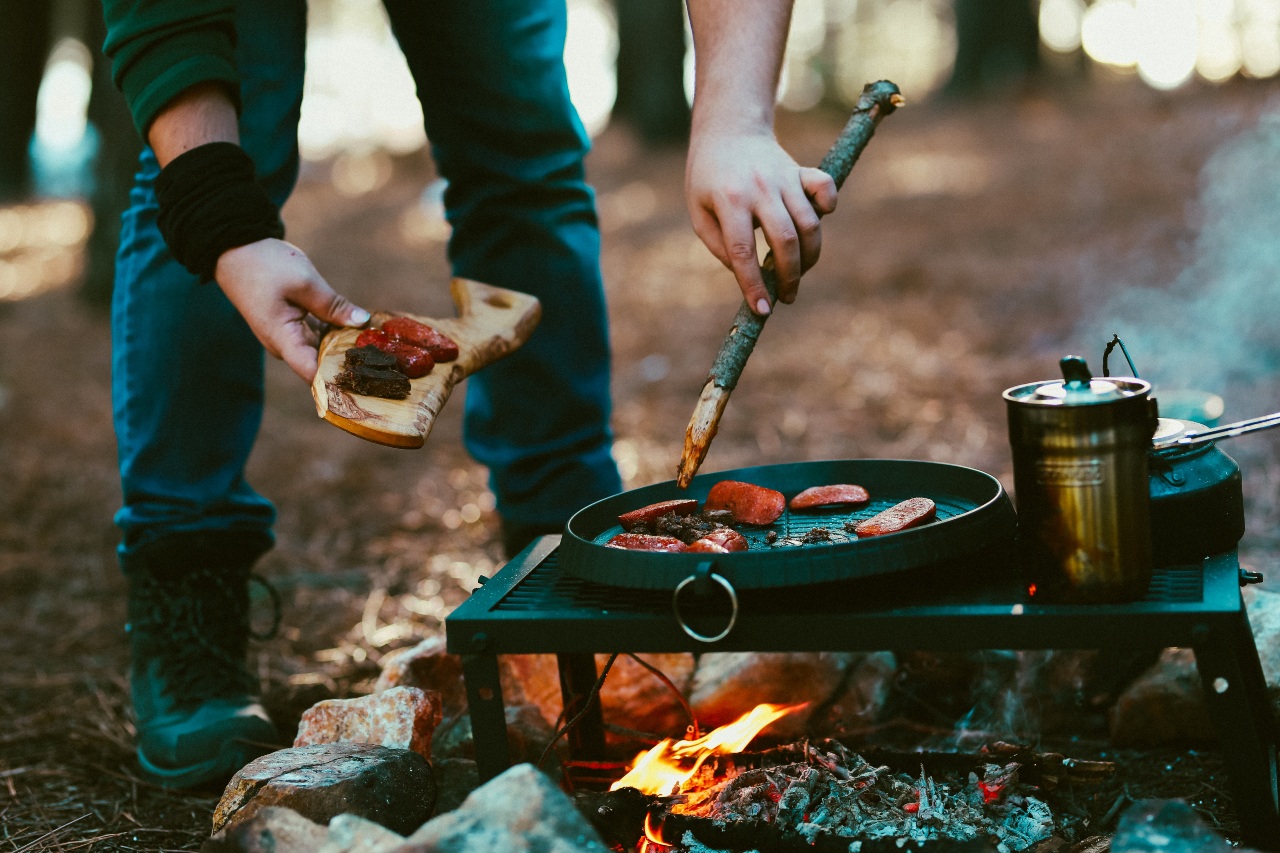
You may need to make a fire at some point. Campfires are great, but it’s crucial to keep them small and safe. Make sure to buy your firewood locally. If it’s not local, the wood may be infested with invasive pests. If you’re collecting firewood around your campsite, use downed or dead wood. Check with the local ranger to see if there are any fire restrictions. These restrictions can change on an hourly basis.
Use established fire rings. Clear a 10-foot area around them so the fire can’t spread. Don’t feed large logs into the fire. Have tools like a shovel, axe, and water ready. Never leave a fire unattended, even for a few minutes. A lot can happen in a few minutes. Make sure the fire is completely out before you leave it. Many forest fires start because someone believed a fire was out when it wasn’t.
Scrape away any litter or burnable material that’s anywhere around the ring. It’s easy to put out a fire by slowly pouring water over the flame. Then start stirring with a shovel and pouring more water if necessary. Continue until it’s cool to the touch. Do not bury the fire; the coals will only smolder and start over.

You may feel tempted to pet an animal or get a picture of them, but it’s rarely a good idea. Always observe wildlife from a distance. Do not approach. You don’t know how the animal will react to you. Especially avoid animals during sensitive times. That may be when they’re nesting, mating, or are with their young. A wild animal can be very dangerous when they’re with their young. That’s why it’s always best to leash your dog so that your pet is never in danger.
Wild animals know how to feed themselves, so it’s very important for you not to feed them. Avoid attracting animals to your campsite. Store your food in sealed containers. This is especially true if there are bears in the area. Some parks even require you to use a bear canister. Make sure you properly throw out your trash.
Weeds have a bad habit of multiplying. If you spread invasive weeds, they can displace the native plant life in the area. These native plants provide food and habitat for wildlife and livestock.

To avoid spreading weeds:
If you have pack animals, ensure that their food is weed-free. Even when you’re still home, feed your animals only weed-free food. Do this for up to 96 hours before you leave for a campground. Before you go camping, wash your vehicle, especially underneath. This will ensure you’re not transporting weed seeds into the forest.
Forests hold a magical history. No one wants that history erased. Sacred sites and archaeological or historical places are all part of America’s past. Don’t disturb these areas. Otherwise, we could lose some of America’s heritage forever.
It’s actually illegal to disturb anything on federal land. If you do, you could face severe penalties. It’s up to all of us to protect these sites. If you see anyone damaging the area, contact the nearest district ranger to report it.
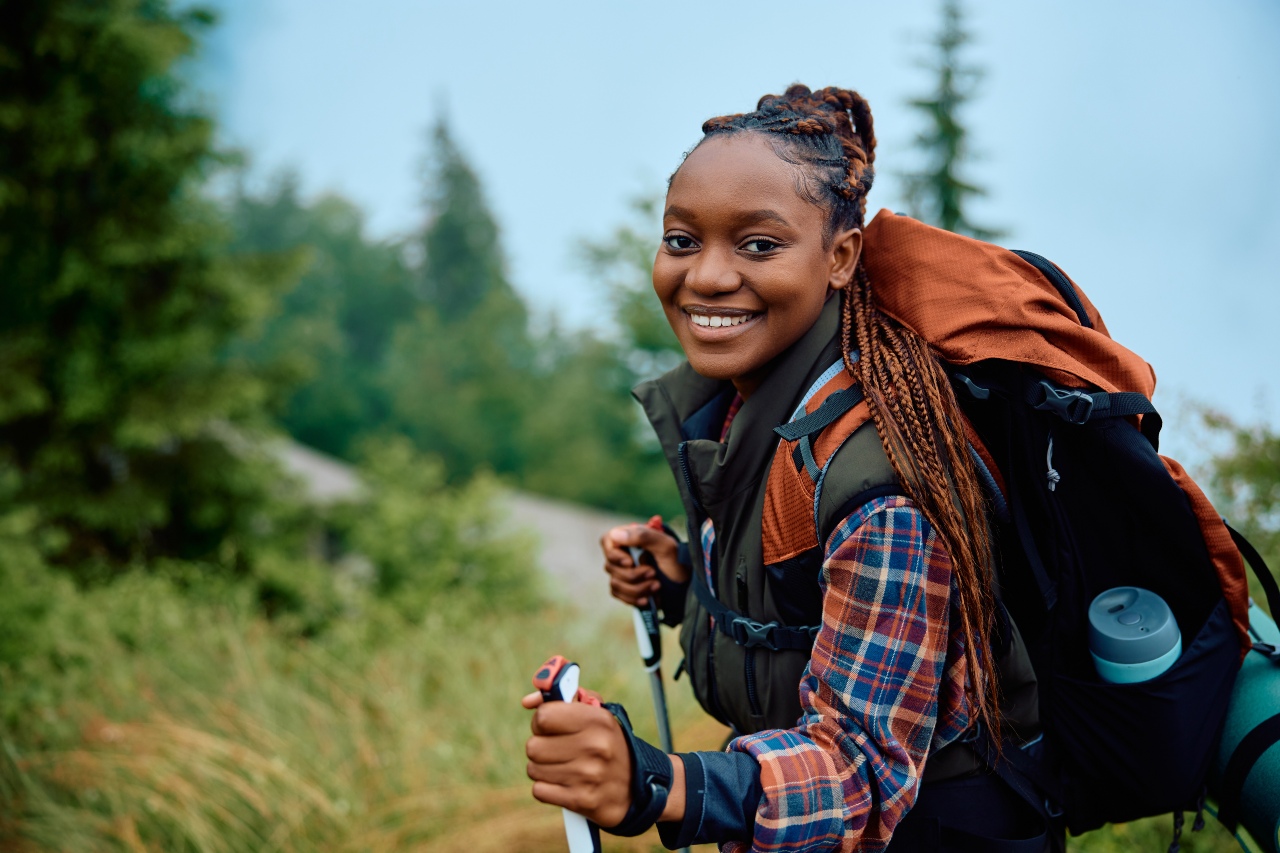
There are many ways you can be considerate of others who are also enjoying the great outdoors.
Be part of the movement to build a better future. A future where forests are valued more standing than logged. A future where all people have clean air and water. Where we live in harmony with nature.
Act Now:: Demand your legislators take climate action to protect forests now.
Juneteenth is a celebration of freedom for Black Americans. It carries more significance in the South. President Lincoln’s 1863 Emancipation Proclamation ended slavery by executive order. But enslaved people in parts of the South in and near Texas didn’t know they were free until June 19, 1865. That’s why we celebrate Juneteenth on June 19th every year. We know racial injustice didn’t stop with the end of slavery. Segregation continued until the Civil Rights Act of 1964. Jim Crow laws in the South persisted despite more protections from the Voting Rights Act of 1965. Fast forward to today, and the legacy of that harm continues. Even now, the 13th amendment still allows slavery as punishment for crimes. And mass incarceration practices take advantage of that exception. Black Americans in the South still face health inequality and environmental racism. And those issues are getting worse with the demand for biomass energy and AI.
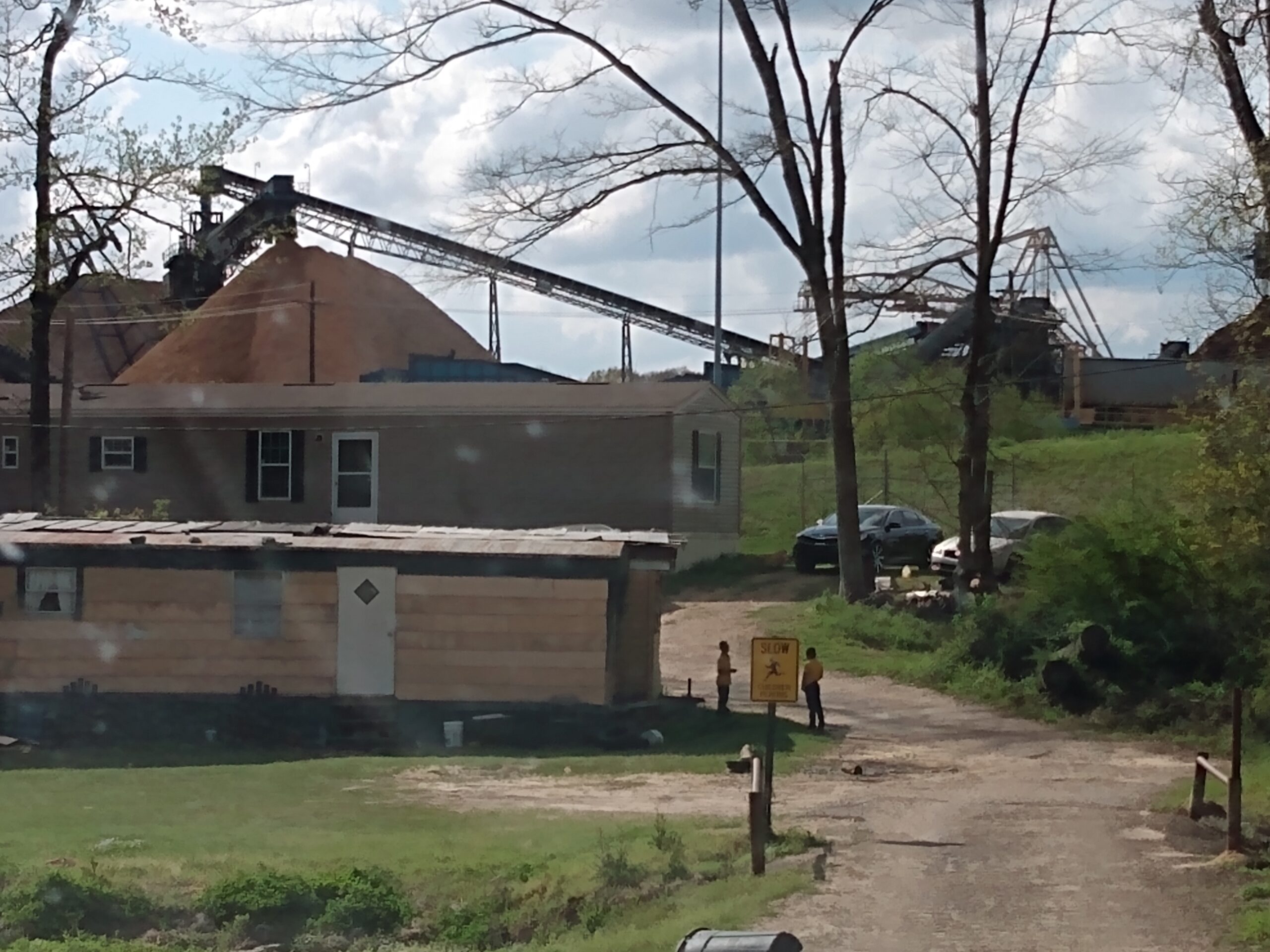
Children playing near homes in the shadow of the Drax Amite wood pellet facility in Gloster, MS
Wood pellet facilities are twice as likely to be in or near Black communities. These plants have a long history of polluting the areas they come to. Wood pellet plants emit dangerous chemicals and dust into the air. Black households near plants run by companies like Enviva experience daily dust. The dust causes health problems like asthma and cancer. Community members have to reduce their time outside to avoid the dust and chemicals.
These companies often ignore regulations. They also try to get permission to pollute more and more. Enviva is the biggest wood pellet producer in the world. They have a wood pellet facility in Northampton, North Carolina. It’s less than a mile from people’s homes. The plant is trying to expand and increase its emissions by 65%.
Drax is another bad corporate actor. They’re the second largest biomass producer in the world. Drax has violated US health and environment regulations11,000 times. The community of Gloster, Mississippi banded together to fight Drax. The company wanted to pollute even more, but the community won a stunning victory. The Drax permit was denied. Unfortunately, Drax isn’t taking no for an answer, so the community’s fight isn’t over.
When these companies come to communities they claim to bring jobs. This also proves to be false. Tulane University conducted a study on chemical plants in Louisiana. It showed that they offered high-paying jobs to white people who live farther away. People living near the plants are only offered low-paying jobs, if any at all. Many have had to leave their generational homes as these plants expand and pollute.

The demand for AI is making all these issues much worse at an alarming rate. AI data centers are spreading across the South. Many of them are close to or in Black communities. These centers use more energy and water than the people in communities they’re built in. Even worse, they pollute the air with gases that cause respiratory illness. The gases also warm our climate. This makes storms like hurricanes more destructive in the South. In Memphis, Elon Musk’s AI data center powers the Grok AI on X/Twitter. It uses over 30 methane gas-powered engines to run. This gas and other volatile organic compounds (VOCs) are getting into the air. This causes community residents to have trouble breathing. It can even trigger dangerous asthma attacks. These centers also strain power grids and deplete water. In South Carolina, residents living near data centers have higher power bills. This creates an economic burden on Black households that struggle to make ends meet. Some energy bills are increasing by 70% or more. Data center water usage is also creating a crisis in drought-prone states like Texas.
In 2021, after the George Floyd protests, Juneteenth became a federal holiday. The United States Capitol Historical Society describes Juneteenth as:
“a holiday for formerly enslaved Black Americans and their descendants to celebrate their freedom.”
But communities in the South are still fighting for it. True freedom means Black people in the South living safely without pollution. Our communities need more protection. The lack of federal regulations on AI and biomass pollution makes us all less safe.
Take action: Ask your lawmakers to oppose the expansion of data centers


 Donate
  April 5, 2026