


In September 2024, the Georgia Public Service Commission (GA PSC) approved changes to Georgia Power’s energy plan. They approved an 80 megawatt addition of woody biomass. Altamaha Green Energy (AGE) wants to produce 70 megawatts in Jesup, GA. AGE plans to have a biomass (wood) boiler operating at the Rayonier site by 2029.
Biomass boilers are expensive, inefficient, and create pollution. The costs of this project will be passed on to ratepayers. It’s unlikely AGE will be able to produce 70 megawatts of energy. Local residents will face increased pollution that is harmful to human health. Say “NO” to this biomass boiler scheme because:
GA Power is using the Rayonier site to test Biomass Carbon Capture and Storage (BECCS). They’re testing the soil for capability to permanently store carbon dioxide (CO2). This technology is largely unproven. It has not been viable in other locations. Carbon capture and storage is very expensive, not efficient, and can be damaging to the environment.
Send your written comments to [email protected]. Use the subject heading “Altamaha Green Energy Air Quality Permit” by 4:30 pm EDT on June 9, 2025.

Georgia EPD is accepting written comments on the draft permit through June 9, 2025 at 4:30pm. Don’t forget: send your written comments to [email protected]. Use the subject heading “Altamaha Green Energy Air Quality Permit”.
Sample Written Comment To: Steve Allision, Program Manager, Stationary Source Permitting Program [email protected]
Subject: Altamaha Green Energy Air Quality Permit
Please deny Georgia Power’s proposal to install a 70 MW biomass plant in Jesup, GA. The proposed biomass-burning plant in Jesup will harm communities. They will pay with their health and income.
Biomass burning produces toxic air pollution. These include particulates (fine dust), carbon monoxide, nitrogen, and other hazardous air pollutants. Pollutants like these cause many health problems. Fine dust, called PM2.5, is especially harmful. PM2.5 can get into lungs and bloodstreams. PM2.5 can hurt lung function, worsen asthma, and cause heart attacks and premature death.
The biomass industry has a history of violations. Every wood pellet plant in Georgia has been in violation of their air permit. The Beasley Group, the owner of FRAM Renewable Energy, is also the owner of Altamaha Green Energy. The Beasley Group has violated their air permits at all five of their locations across our state.
Research has shown that burning biomass is not clean, green, or renewable. Burning wood is a primitive and inefficient energy option. In a blackout during December of 2022, only 63 of 330 MW’s of biomass-produced energy was available. This is a 19% efficiency. Based upon the 20% efficiency rate, only 13.3 MW of the planned 70 MW from Altamaha will be available. The majority of the energy will be released as steam which will be sold to Rayonier.
Biomass burners are as dirty and problematic as coal plants. Wood pellets are not carbon neutral. The production and combustion of wood pellets creates 50% more carbon dioxide than coal.
The purpose and responsibility of the GA PSC is to ensure that rates are fair and reasonable. Biomass electricity is costly to ratepayers. This project will cost ratepayers more than 3x the avoided cost. It costs more than other proven renewable energy. Bioenergy has been an expensive failure in other cities. In Gainesville and Austin, biomass operations were money pits.
Logging, which includes logging for wood pellets, is the predominant cause of carbon emissions from US forests. This is more than insects, drought, fire, and wind combined. Logging for wood pellets has clearcut more than 900,000 acres in the US South in the last decade.
I oppose Georgia Power’s proposal to install a 70 MW biomass plant in Jesup, Georgia. This plant will harm local residents and increase costs to ratepayers across the state. It fundamentally conflicts with the public interest.
Thank you.
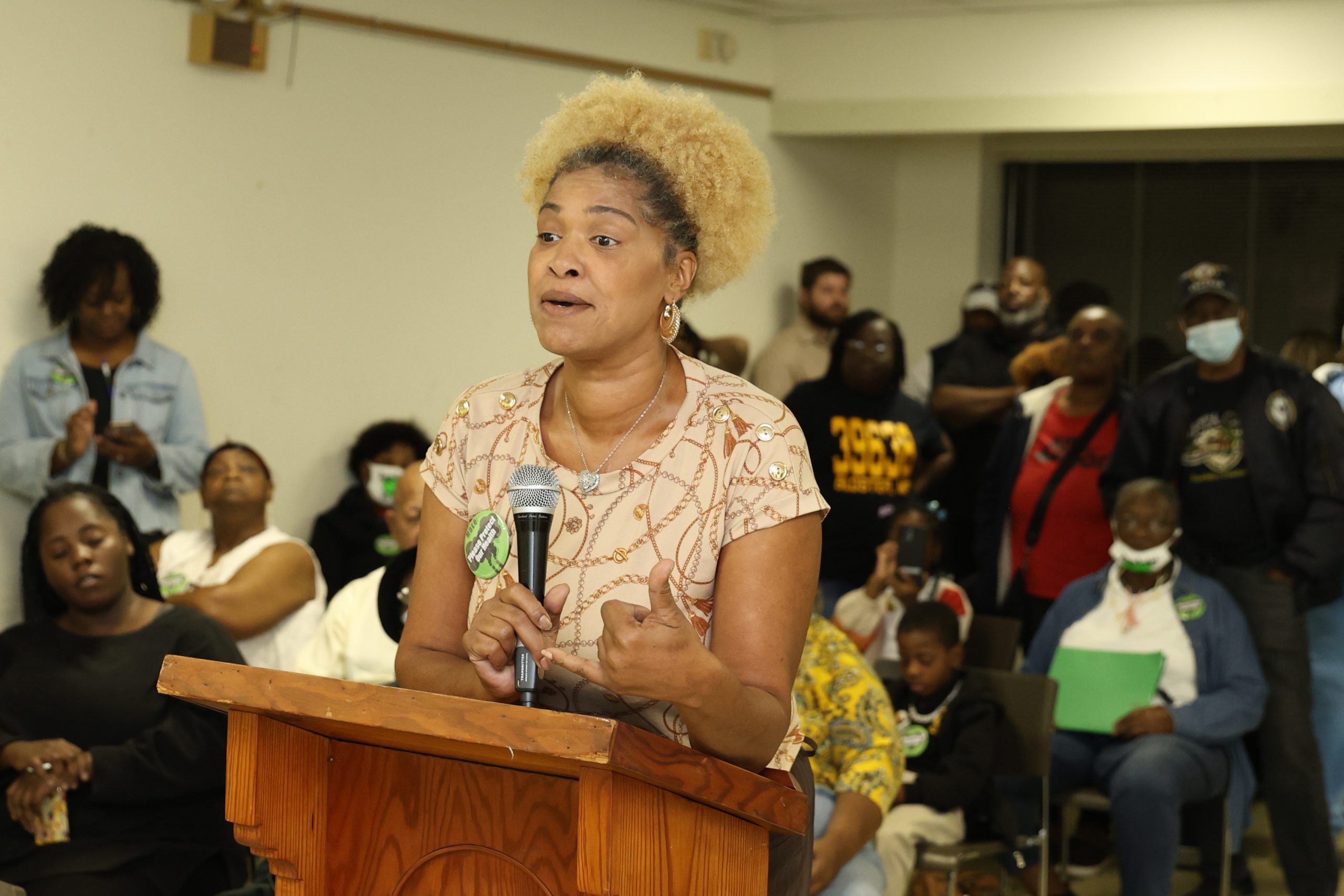
The GA Environmental Protection Division (GA EPD) will hold a public hearing to hear comments on the proposed new boiler. GA EPD will consider all public comments before deciding whether to issue the permit, deny the permit, or issue it with amended conditions. You can make your voice heard by giving a spoken public comment at the public hearing.
Public Hearing: Monday, June 9, 2025, 6:00 pm – 7:00 pm Link to hearing: bit.ly/ga-public-hearing-2025 Meeting ID: 968 7024 7831 Passcode: 221662 Those joining via computer can use their computer audio, or may also dial-in. Dial-in number will be provided.
For additional information, contact Steve Allison, Program Manager, Stationary Source Permitting Program at [email protected] or by phone at (404) 363-7020.
Example 1: Biomass boilers are inefficient and inexpensive. This project is going to increase costs for ratepayers, and won’t even provide the amount of energy needed. The price customers will pay is more than 3x the value of the energy we will receive.
Example 2: The Beasley Group who is part-owner of AGE is a bad actor. They own five wood pellet mills in Georgia and three pellet mills just north of Jesup in Baxley, Hazlehurst, and Lumber City. They have had 24 GA EPD enforcements since 2012 due to breaking their air permit. We don’t want them adding more pollution to our community. We don’t trust them to keep our air safe.
Example 3: The Beasley Group has violated pollution laws 24 times at their other plants in GA. Why does GAEPD continue to give them permits when they are not able to comply with their existing permits?
Example 4: Studies show biomass boilers are bad for human health. Biomass burners release toxins and pollution that are harmful to human health. The draft air permit does not require AGE to control their pollution at the highest level. GAEPD should not approve permits for projects that are harmful to human health.
Example 5: Building a larger biomass boiler will cause an increase in pollution. Burning wood, especially pine wood, releases many dangerous pollutants into the air. Burning woody biomass is dirtier than burning coal.
Example 6: This project will not provide any new jobs. Existing staff at RYAM will run this biomass boiler. This project will cost millions of dollars only to increase energy rates, increase pollution, and provide no local benefit.
Example 7: The state of Georgia is in an energy crisis. Georgia Power wants taxpayers to subsidize them so they can line their pockets while ratepayers pay more for dirty energy. Domestic biomass burning is being touted as a new alternative at the cost of deforestation, increased pollution, climate change and higher electricity rates.
We need Georgians to raise their voices! The state of Georgia must stop handing out taxpayer funding and greenlighting permits for the expansion of the wood pellet industry. Take action now!
There is a rich history of LGBTQ+ climate activism in the US. Many early leaders in the environmental justice space identified as LGBTQ+. That history can be hard to find if you’re not looking for it. Let’s explore the interdependence of LGBTQ+ and green activism.

Audre Lorde (1934 – 1992) was a poet and activist. Lorde proudly identified as a “Black, lesbian, mother, warrior, poet.” She used poetry and language to advance civil rights. But her activism also extended to the environment. Her poems advocated for better stewardship of the Earth. She believed in the connection between protecting the Earth and equal rights.
Audre Lorde’s work also explores the overlap of queer and environmental issues. Her 1982 book, Zami: A New Spelling of My Name, is considered an early ecofeminist work. Her writing also embodies queer ecology.
What is queer ecology? Ingrid Bååth explains:
“Mainstream ecology has often reinforced narrow ideas of what counts as “natural.” For centuries, scientific studies assumed heterosexuality and gender dualism as biological norms — sidelining or ignoring the vast diversity of sexual, reproductive, and gendered behaviour in the more-than-human world. Queer ecology…sees queerness not as an exception in nature, but as part of its very fabric.”
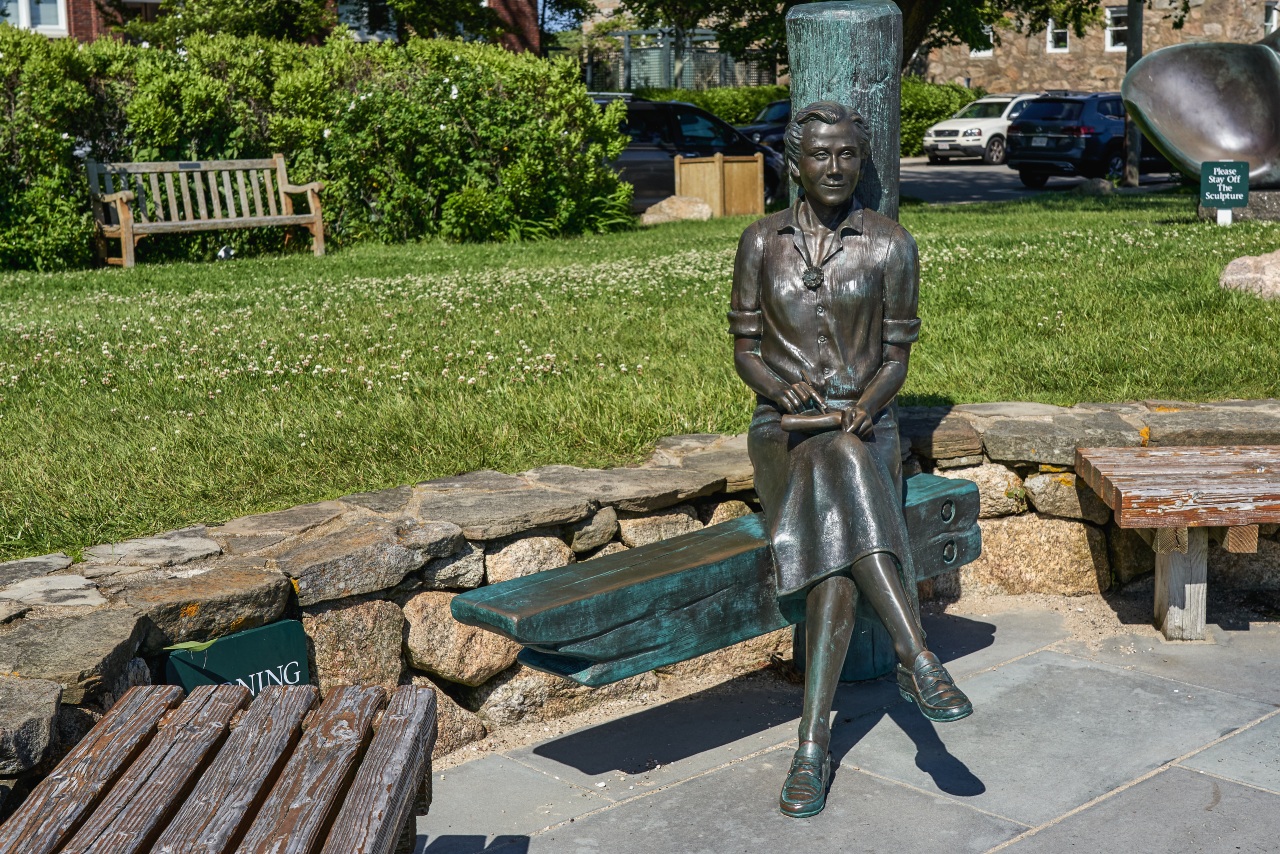
Rachel Carson statue in Waterfront Park, Massachusetts
Rachel Carson (1907 – 1964) is one of the more well-known biologists and conservationists. Although not “out” at the time, she sent over 900 letters to her lover Dorothy Freedman since the summer they met. Namesake of Rachel Carson Council, she was a talented writer. Carson had a gift for combining science and writing. Her early works were an exploration of the sea and marine life. Her last book, though, was Silent Spring. It was about the damage chemical companies were doing to the environment. That made her an early environmental activist.
Our next highlight, Trees for Queens, was an all queer environmental liberation group. It was active during the 1960s when homosexuality was illegal. One night, men with chainsaws cut down the trees in Kew Gardens, a park in Queens, NY. They targeted the park because it was a meeting spot for queer people in the city. This activated the LGBTQ+ community in Queens. The group organized tree replantings in the park. Many of which were dogwood trees! The group organized a rally on August 10, 1969. This was almost two months after Stonewall. They had a rallying cry they chanted through the day:
“Homosexuals Have Rights—And So Do Trees!”
“Nothing in nature exists alone.”
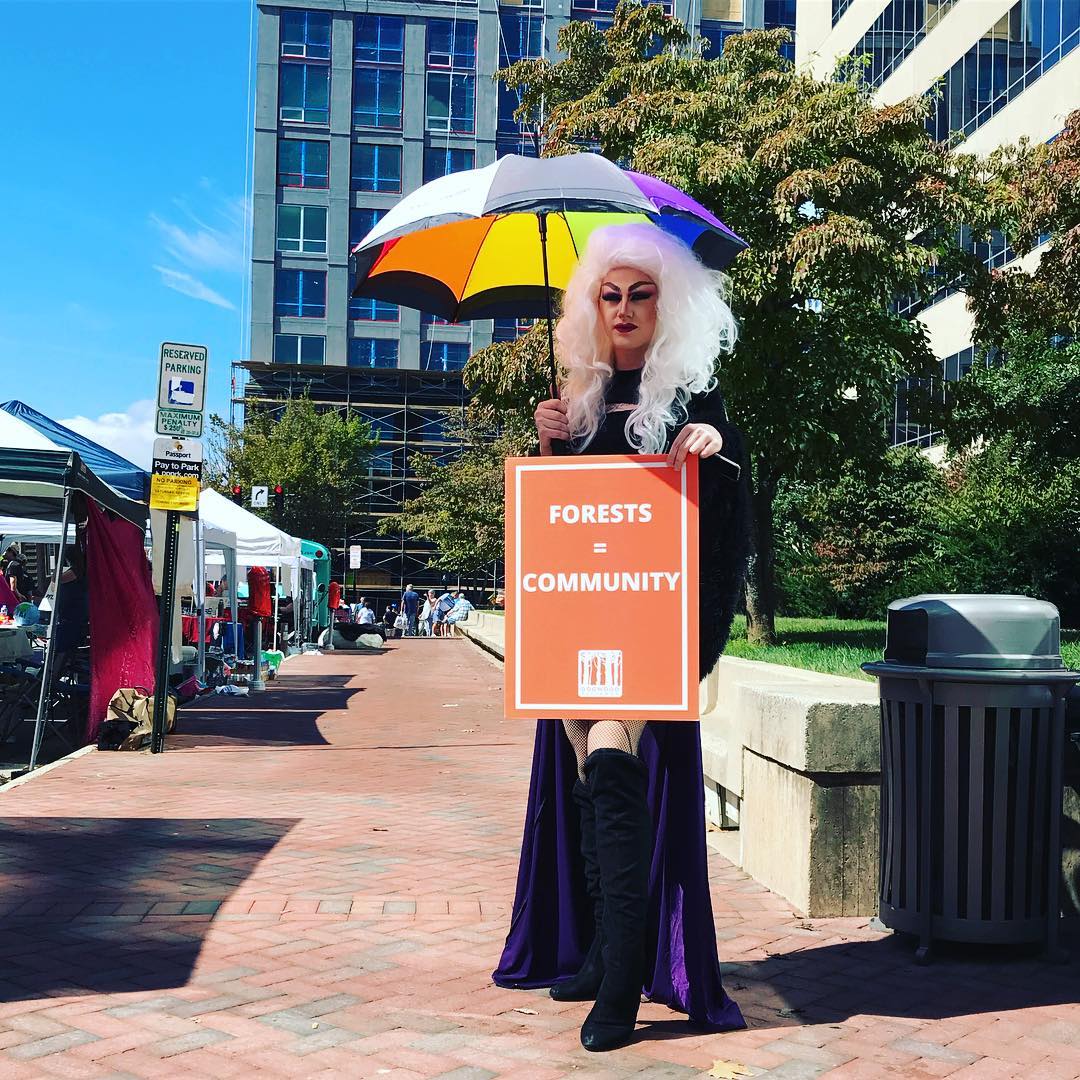
The legacy of queer environmental activism is thriving today. Dean Jackson is a non-binary activist. They founded Hilltop Urban Gardens (HUG) in Tacoma, WA. They established HUG to address racial justice and food apartheid. Drag Queen Pattie Gonia uses entertainment to raise awareness on environmental justice issues. Pattie Gonia uses the slogan:
“Make nature gay again.”
Rachel Carson wrote in Silent Spring, “Nothing in nature exists alone.” Our fight for justice is intersectional. The work of environmental justice shares its roots with the work of LGBTQ+ equality. The identity of many activists fuels their fight for equality and the planet.
Continue the work of these activists by taking action to keep US forests standing.
Every day, people and organizations work hard to preserve nature and wildlife. Yet, what is the history of conservation in the US? Let’s explore some of its aspects.
In the 1800s, industrialization was on the rise. Different ways of thinking emerged. Transcendentalism was a philosophical literary movement. It promoted the preservation of the natural world. You may recognize the names of its most famous writers. Writers like Ralph Waldo Emerson, Henry David Thoreau, and Walt Whitman. Thoreau especially saw the importance of conservation. In his essay “Walking,” Thoreau famously said:
“In Wildness is the preservation of the world.”
The Industrial Revolution was at odds with wilderness. Cities grew. Factories popped up everywhere. This change in the landscape deepened appreciation of nature. Some saw the growing consumption of natural resources as exploitative and harmful. George Perkins March wrote Man and Nature. His book showed the ways humans were destructive to nature. It urged people to be stewards of nature.
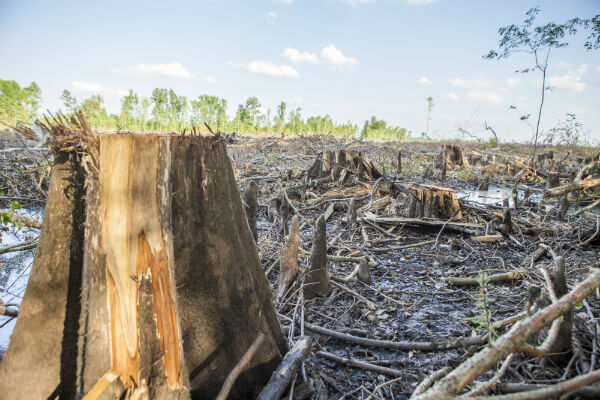
Drawings, paintings, and photography brought awe-inspiring images of nature to the public. George Catlin was a prominent painter in the 1830s. He traveled throughout the West and Southwest. Much of his work depicts Indigenous people and tribes. His legacy is complicated. But Catlin was the first to suggest creating a national park. He proposed:
“a nation’s park, containing man and beast, in all the wild and freshness of their nature’s beauty.”
William Henry Jackson’s photographs were the first published of Yellowstone. Thomas Moran’s striking paintings captured the beauty of Yellowstone. Both were influential in preserving Yellowstone as a national park in 1872. John Muir was a famous writer and naturalist. He brought the government into his conservation efforts. He urged Congress to preserve Yosemite as a national park. And Muir succeeded. Yosemite became a national park in 1890.
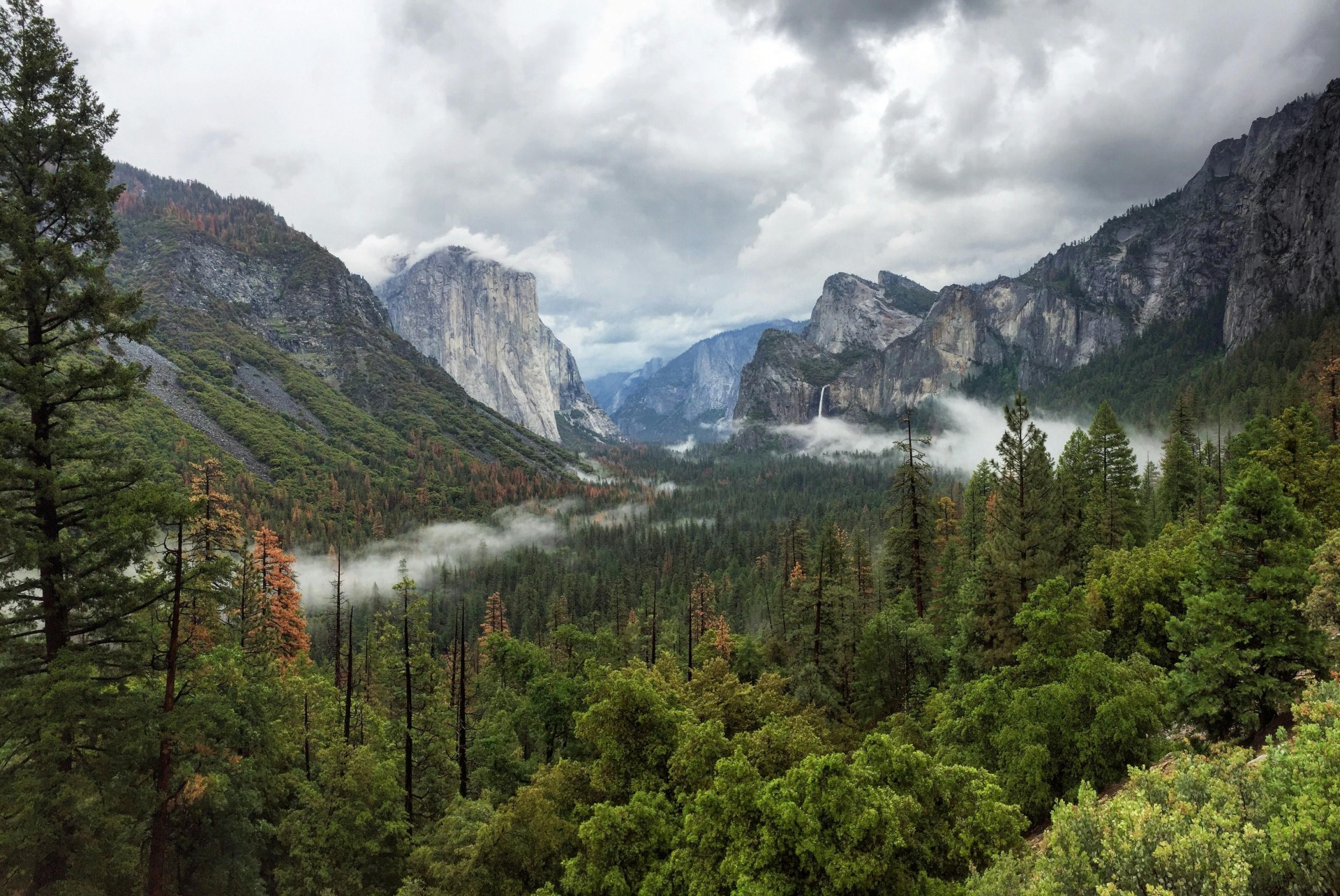
Yosemite National Park
After the Civil War, natural resource extraction intensified. This boosted economic growth. With westward expansion, land developers seized land for private use. Mining companies damaged habitats and waterways. Conservationist concerns grew. So they recruited President Theodore Roosevelt to help.
President Roosevelt enacted the Newlands Reclamation Act of 1902. This law reserved the proceeds of public land sales. The proceeds went to the construction of irrigation projects. And the law led to more government involvement in determining land uses. The formation of the Inland Waterways Commission helped assess waterways. President Roosevelt wrote about the Inland Waterways Commission. He said:
“Our streams should be considered and conserved as great natural resources.”
President Roosevelt created the US Forest Service in 1905. He established 230 million acres of public lands. That’s why he’s considered one of the leaders of early conservation.
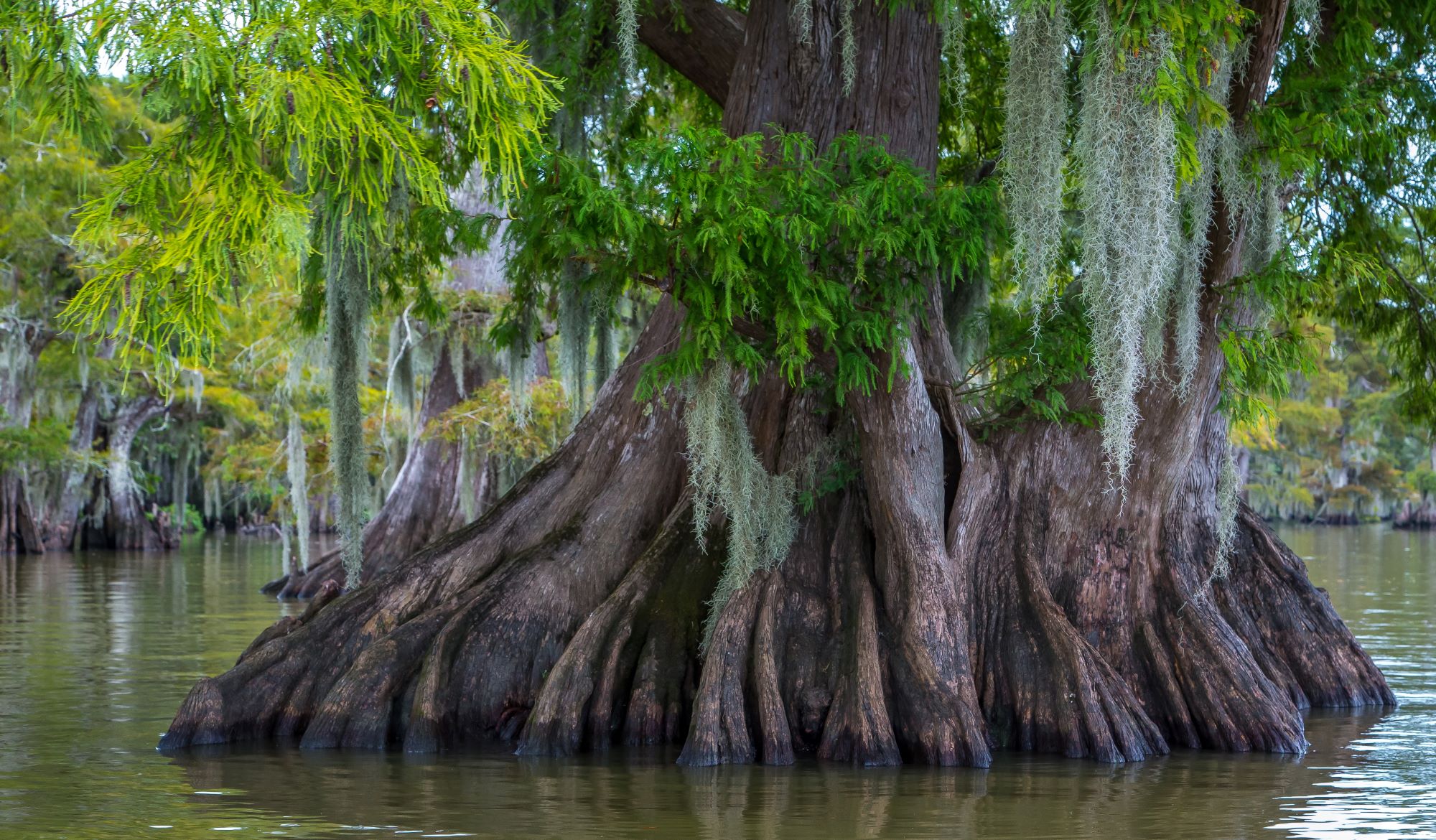
There was a national conservation conference in 1909. It gathered state senators and experts in science and education. They discussed forestry, waterways, and soil erosion concerns. This resulted in states creating conservation commissions.
In 1962, Rachel Carson published the groundbreaking book Silent Spring. She wrote about the harms of chemical pesticides. The public’s environmental awareness grew. This spurred the creation of the Environmental Protection Agency. The 1960s also birthed the Clean Air Act and the Clean Water Act. These created protections and regulations for the safety of natural areas. Many new conservation organizations formed. The first Earth Day was in 1970. It had 20 million supporters. Activities and demonstrations advocated for environmental protection around the country. Earth Day is still a reminder to be conscious of the environment. It’s a day to nurture an appreciation for nature. It’s a reminder that we can create positive change.

The Endangered Species Act protected vulnerable wildlife from extinction. In the 1990s, conservationists prevented the extinction of several species. Some endangered species then increased their population. This led to the reintroduction of wildlife back into the wild. Major successes include grey wolves and bald eagles. The work of conservationists and environmental policies has led to many successes. The strength of the regulations sometimes improves the environment. At other times, the government has weakened regulations. Through it all, conservationists keep working to protect natural areas and wildlife.
Many of the conservation movement’s greatest figures were problematic. They were racist and believed in eugenics. Some advocated for immigration restrictions and segregation. Their beliefs influenced the conservation movement. Conservation has a long history of unjust policies. These have prevented Black and Indigenous people from owning and keeping land. So their forest ownership has dwindled. Some conservationists also focused on preserving particular lands. This sometimes displaced Indigenous people from their homelands. Conservation efforts also neglected Southern forests. They neglected the Black and Indigenous people who depend on them. Be we don’t have to continue this destructive pattern.
Today, many conservationists are taking new approaches. Returning swaths of land to tribal stewardship is one of those approaches. Dogwood Alliance is collaborating on a community conservation model. We’re conserving land with environmental justice communities. We have a shared vision with community leaders. This model puts justice at the heart of conservation.
We’re at a crossroads. This moment in time is full of pressure, overwhelm, and disconnection. Threats abound. Southern forests and communities face daily challenges from industrial logging. Corporations want to expand their dirty and destructive impacts across the South. Everyday, I hear from concerned people about these growing threats. Our community partners worry about the expansion of the dirty biomass industry. What happens if these companies keep building new facilities in their backyards? What happens to their forests, homes, and families? How will this expansion affect the entire region?
What can we do about it? Let’s take a lesson from nature.
It’s spring. Spring always brings a sense of renewal and an energy of optimism. I love spring flowers. I eagerly go outside each day to check on my flower garden. Every bit of growth brings me such joy and excitement.

Spring is a time for new beginnings. Spring is a time for new growth. We cannot let fear drive us into silence. We cannot let despair make us passive.
Spring is a time for action.
Hundreds of people from across the country gathered for Break Big Biomass: A National Call to Action. We talked about ways we can unite to stop the polluting biomass industry. We heard from community leaders on the frontlines of pollution and forest destruction. They stressed the importance of community education and personal action. It was inspiring to find that each one of us has a role to play. It could be contacting your local elected officials. Maybe it’s writing a letter to the editor of your favorite publication. It could even be having these crucial conversations around the dinner table. Every one of us is essential to this movement. And that includes you.

To meet this moment, Dogwood Alliance and our partners have put together an Action Packet. This resource gives you information and opportunities to get involved and #BreakBigBiomass. Do you want to protect our forests and our communities from destructive logging? Do you want to build a healthy, sustainable future? It’s going to take all of us. Spring is the time for action. Nature’s doing its thing. Now it’s time for you to do yours!
Get involved today.
Download the Break Big Biomass action packet. Watch the recording of Break Big Biomass.
Mississippi DEQ Permitting Board Denies Drax Expansion in GlosterJackson, Mississippi. Mississippi DEQ denied Drax its request to increase pollution in Gloster, MS. Drax is a UK wood pellet manufacturing giant. Gloster is a rural community that’s been fighting this Drax facility for years. The wood pellet plant has faced fines repeatedly for pollution violations. Drax expected this hearing to be a formality. The company expected MDEQ to rubber stamp the permit. But the final decision was a surprise. MDEQ overwhelmingly rejected the permit request.
Residents shared the dangerous ways Drax has harmed their sleep, health, and community. They called on the board to deny the permit. After a marathon hearing and extensive deliberation, MDQ denied the permit. Five of six members voted against the permit, and one abstained. This is a hard-won victory for the local community.

Dr. Krystal Martin of Greater Greener Gloster
Dr. Krystal Martin of Greater Greener Gloster said:
“We did it! Drax, your permit has been denied. When we fight, we win. This wasn’t just a win for Gloster. It was a win for every community fighting the wood pellet industry from Mississippi to Alabama to Georgia and North Carolina.”
Drax is the world’s largest importer of wood pellets. They burn over 8M tons per year at their UK power station. They are also the second largest wood pellet manufacturer. They face logging and pollution controversies wherever they work. Land & Climate Review did an investigation on Drax. They found that the company broke environmental rules 11,378 times in the US since 2014.
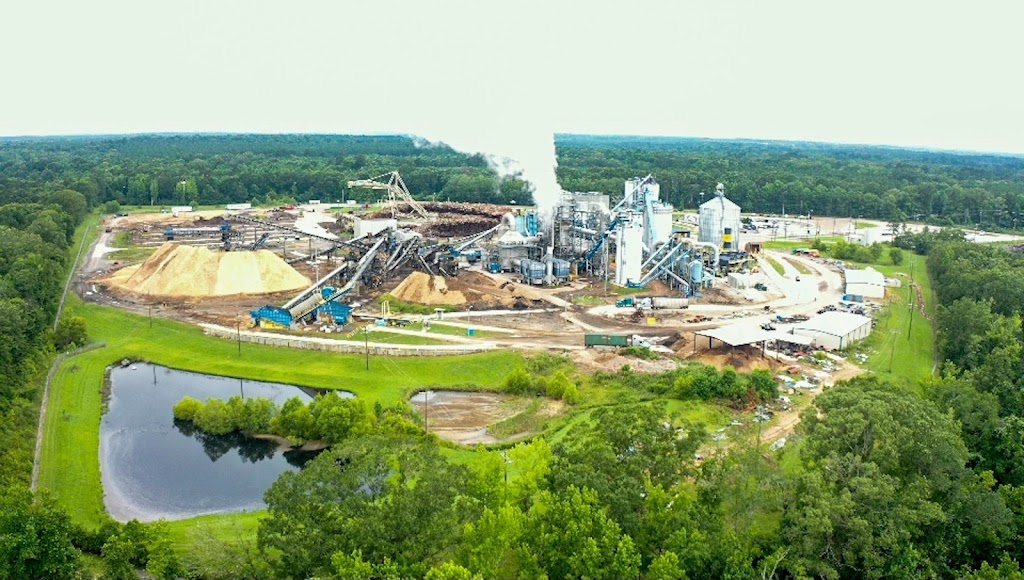
Drax Amite wood pellet facility in Gloster, MS
This is a major win for communities in Mississippi and the South. The permit board denied Drax. They based their decision on the company’s past compliance issues. MDEQ expected that Drax would exceed pollution limits again, even with the new permit.
Naya Black, Gulf South Organizer at Dogwood Alliance, said:
“It was such an emotional experience to see the state of Mississippi stand with the people. They put the health and future of a small rural town over corporate profit. Seeing the community come together and win this much-needed victory was TRULY heartwarming.”
Drax has 15 days to appeal the decision.
The world is experiencing many crises linked to increased climate change.
Drax is a biomass corporation that intends to build 20 new facilities in the United States. Georgia Power announced approvals for more biomass facilities in GA. Also, there are now reports of a Biolabs building in Georgia putting chlorine gas in the air. This will have dangerous impacts on health, safety, and the environment. Drax and Georgia Power are driving us towards dependence on biomass technology. Drax promises to capture their carbon emissions. But this false climate solution doesn’t fool impacted communities.
Companies like Drax don’t want to take accountability. They greenwash their business practices. It can be hard to fight their lies. But if they keep it up, we’ll continue to witness devastating climate events.
These industries are selling us harmful technologies and making excuses about their actions. This doesn’t help us make a sustainable and caring world a reality.
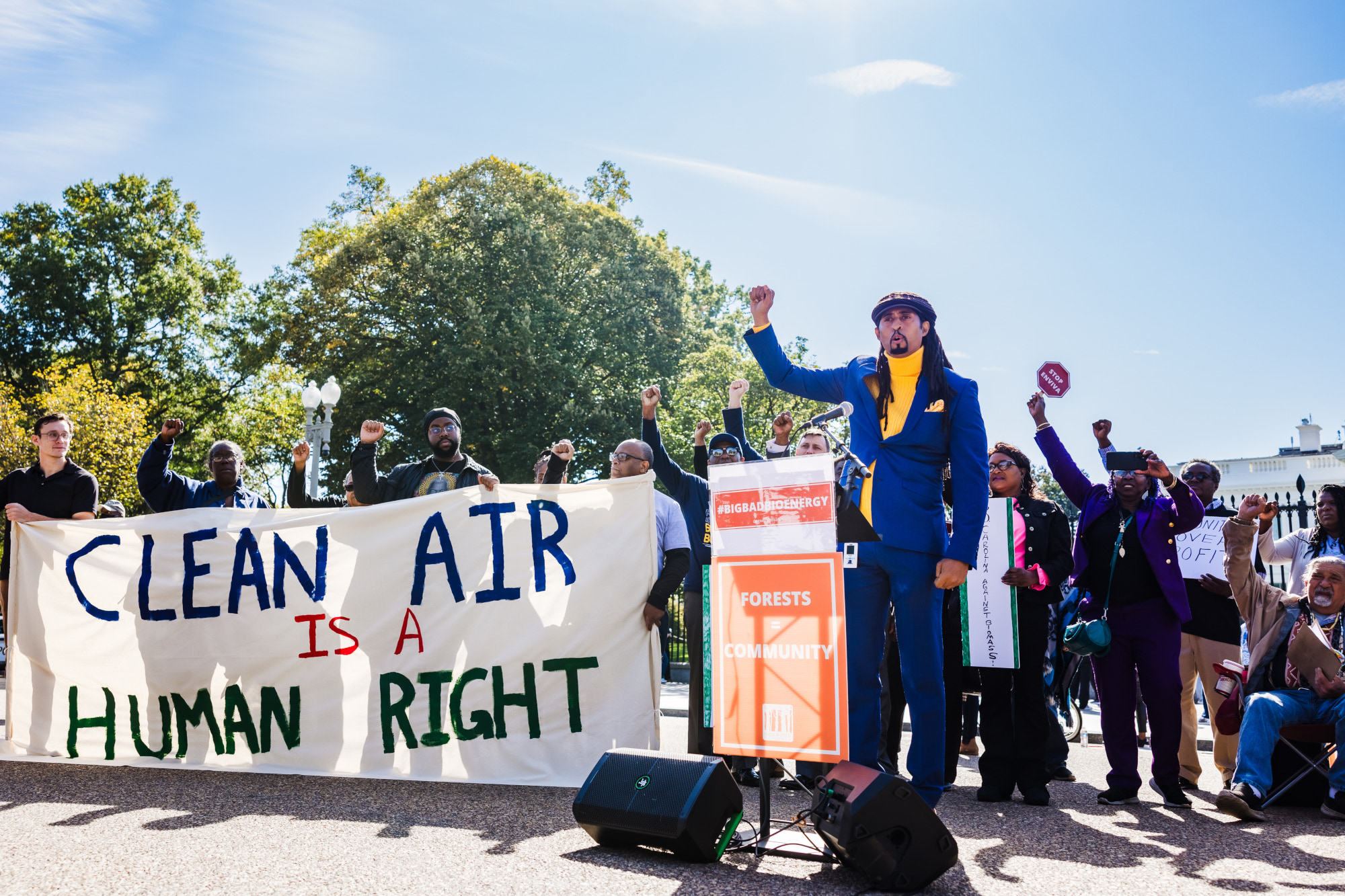
We can’t become overwhelmed and lose our will to resist. We must come together to fight climate change. Only together can we tackle these systemic problems.

All these strategies can help break down barriers in our minds. It can be overwhelming to think about how to engage with big and complex issues. Things like climate, environmental, and racial justice can be larger than life. Yet, people are still caring and passionate about building a better world. We can shed our fears and reach for that hope together.
Eid Mubarak to all who observe. Eid marks the closing of the holiest month in Islam, Ramadan. Ramadan is a time of fasting and deepened reflection for Muslims around the globe. From sun up to sun down, there’s no water or food. On the surface, some might view this as a time of sacrifice. But it’s actually a time of deep reflection. It’s an exploration of a different way of being. It’s a tradeoff of empty stomachs for full souls.
I’ve been reflecting on how Ramadan rejects the dog-eat-dog status quo. About how Ramadan practices are at the root of a better relationship with the earth.
“All living beings roaming the earth and winged birds soaring in the sky are communities like yourselves. We have left nothing out of the Record. Then to their Lord they will be gathered all together.” – Quran · Al-An’aam (The Cattle) · 6:38
Ramadan is a time of spiritual reflection, discipline, and renewal. For me, it’s also one of conscious consumption, rest, charity, and a slower pace. Our society’s structure doesn’t leave much room for these practices.

Our world is full of food waste. Being a conscious consumer is exactly what we need. Being mindful of the food we eat and of how much we eat. Ramadan helps us understand what our bodies truly need to sustain life. And it surprises us with how little our bodies need to survive. We don’t want to do this year-round, but it shows us what can be different if we really try.
We live in a capitalist system. This system drives excessive consumption. Conscious consumption shows us how our entire society could be different. Do we need 20 shirts? Or that new watch? How about that new car? Instead, can we make do with what we have? Then we can consider why we even consume something in the first place. Why do trees have to be profitable to be valuable? Why is community health less important than money? Do things have to stay the way they are now? What would happen if we shifted our relationship to the natural world?
“O Children of Adam! Dress properly at every place of worship, and eat and drink, but do not be excessive. He does not love the excessive.” – Quran · Al-A’raaf (The Heights) · 7:31
Lunar cycles guide the Islamic calendar. Ramadan begins with the first sighting of the crescent moon in the 9th month of the Islamic calendar. The moon shifts, and so does our journey. This guides us through phases of reflection, renewal, faith, and better ways of being. It’s a reminder that nothing remains unchanged. Not even us. Like the cycles of the moon, we ebb and flow. We wax and wane. Like the moon renews, so do we. In times like today, the chaos of the world is on full display. It’s unsustainable to maintain a high octane output. Unlike machines, we need our rest. Unlike machines, we need reflection. Unlike machines, we can find renewal within ourselves.

Ramadan observes the natural cycles of our world. It reminds us that we should also follow natural cycles. Because we’re part of nature, too.
Rest is almost forced upon those fasting. Activity is still possible. I still make it to the gym, and play recreational league soccer. I work and continue to show up in my life. But it requires an adjustment. Our bodies can’t behave and perform like when they’re eating and drinking water through the day. A hot or cold day makes it hard in its own ways. On a hot day, you might get thirstier. On a chilly day, you may feel more cold because you’re without food. So we must adapt our rest, our needs, and ourselves.
I’ve now realized how much time I occupy with screens, food, and distractions. When I stop prioritizing those things, reflection comes naturally. I think about the state of the world and my role in it. I consider my responsibility as a Muslim to be in right relationship with the world. We’re encouraged to cry during prayer. To feel and be in our emotions. There is so much pain in the world. So many are suffering. It feels wrong to not embrace how that affects all of us. This Ramadan, I’ve felt that and reflected on it. I’ve sought a path to ways I can help build a better world.
Finally, Ramadan is a time of renewal. We shouldn’t be the same at the end of Ramadan as we were in the beginning. No, it’s our responsibility to come out of it better. We should have softened hearts, more wisdom, and more knowledge. We should have more love and better practices to reflect the strength of our faith.
Organizers doing good work inspires me. Tricia Hersey is the founder of The Nap Ministry. She wrote Rest Is Resistance: A Manifesto, which sums it up pretty well:
“You were not just born to center your entire existence on work and labor. You were born to heal, to grow, to be of service to yourself and community, to practice, to experiment, to create, to have space, to dream, and to connect.”

I wasn’t raised Muslim, so I’m still forming my reflections and understandings. I come to my faith as someone who’s struggled with my spirituality. I’ve felt that I needed to shun faith to be progressive in my ideals. I let the negativity of religion cloud the benefits of faith. Now I’m finding new ways to be in right relationship in this world. My organizing work, like my faith, comes out of failure. I’m a long-time organizer who’s struggled with burnout. I’ve worked so hard that exhaustion has forced rest upon me – physically or mentally. But I’ve had the privilege to show up differently to organizing. To be mindful of my whole self. To be fully present with those facing the worst impacts of this destructive system.
In finding my faith in Islam, I also found the benefits of balance. The systems of oppression we live under mold us into beings of extremes. Ramadan reminds me that our greatest strength is nurturing balance within ourselves. That balance lets us show up for other people, for nature, and for community in powerful ways. Balance reminds us to speak truth to power and to actively listen. Balance reminds us that we can be strong individuals and strong together. It shows us that we can take from the world what it offers and give back with a mindset of abundance. The Quran, reminds us the importance of maintaining the delicate balance of nature. It warns against exploitation. It warns against disruption of the natural order of things.
Ramadan is about following the rhythms of nature. If we can tap into it, maybe we can change the world around us. Change the world so that it, too, slows down and lets nature take the lead.
“So do not transgress in the balance.” – Quran · Ar-Rahmaan (The Beneficent) · 55:8
Join our email list! We’ll keep you up-to-date on news and actions you can take. Let’s build a better world together.
The Trump Administration is firing its Environmental Justice (EJ) staff at the Environmental Protection Agency (EPA). This shows the administration values profits more than people at any cost.
Dr. Treva Gear, Georgia Campaign Manager at Dogwood Alliance, said:
“Marginalized communities across the country were finally seeing positive changes. There were opportunities for justice and hope for better health and quality of life. Administrator Zeldin and President Trump have decided it’s fine to pollute our communities. They choose to poison our air and water. They chose to abandon the most vulnerable people in the country.”
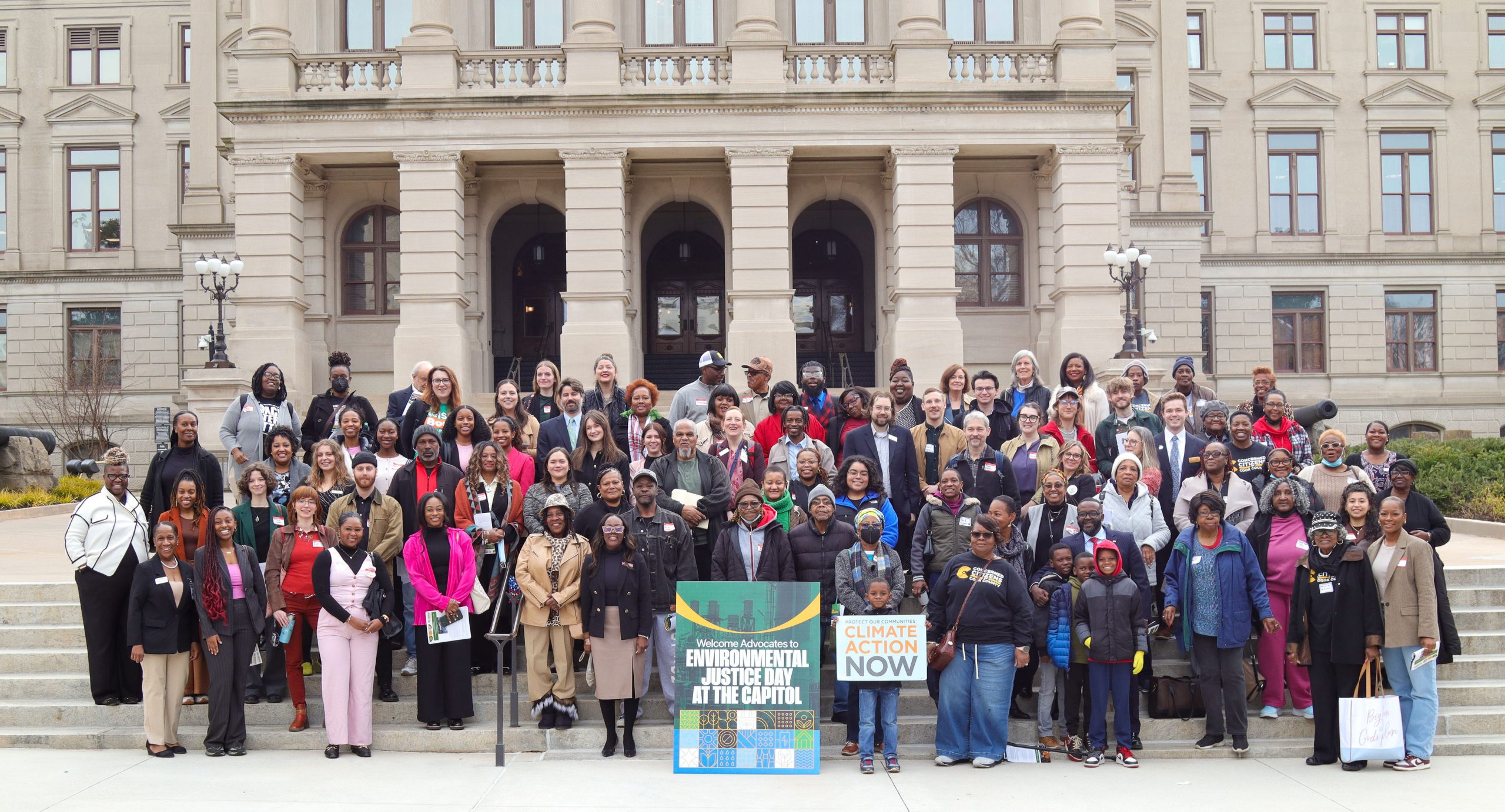
Communities advocate for environmental justice at the Georgia State Capitol
The environmental justice movement began in the 1980’s. It emerged from the civil rights movement. Polluting industries often choose low-income communities of color for their worst toxic sites. The neighborhoods in these places are called environmental justice (EJ) communities. These industries took resources from EJ communities and never gave back. This is still happening today. The EPA first opened the Office of Environmental Equity in 1992. It became the office of Environmental Justice in 1994.
The Environmental Justice staff at the EPA have critical expertise and understanding. EJ communities suffer the most from our nation’s environmental harms and pollution. The EPA has aided many EJ communities. It helps them understand tricky policies and find resources. This support reduces pollution and makes neighborhoods safer.
Many EJ communities in the South face the bioenergy and wood pellet industry. They have caught the EPA’s attention. These industries have been polluting the communities in which they operate. Many wood pellet mills are in rural EJ communities of color. These areas already deal with high pollution from other industries.
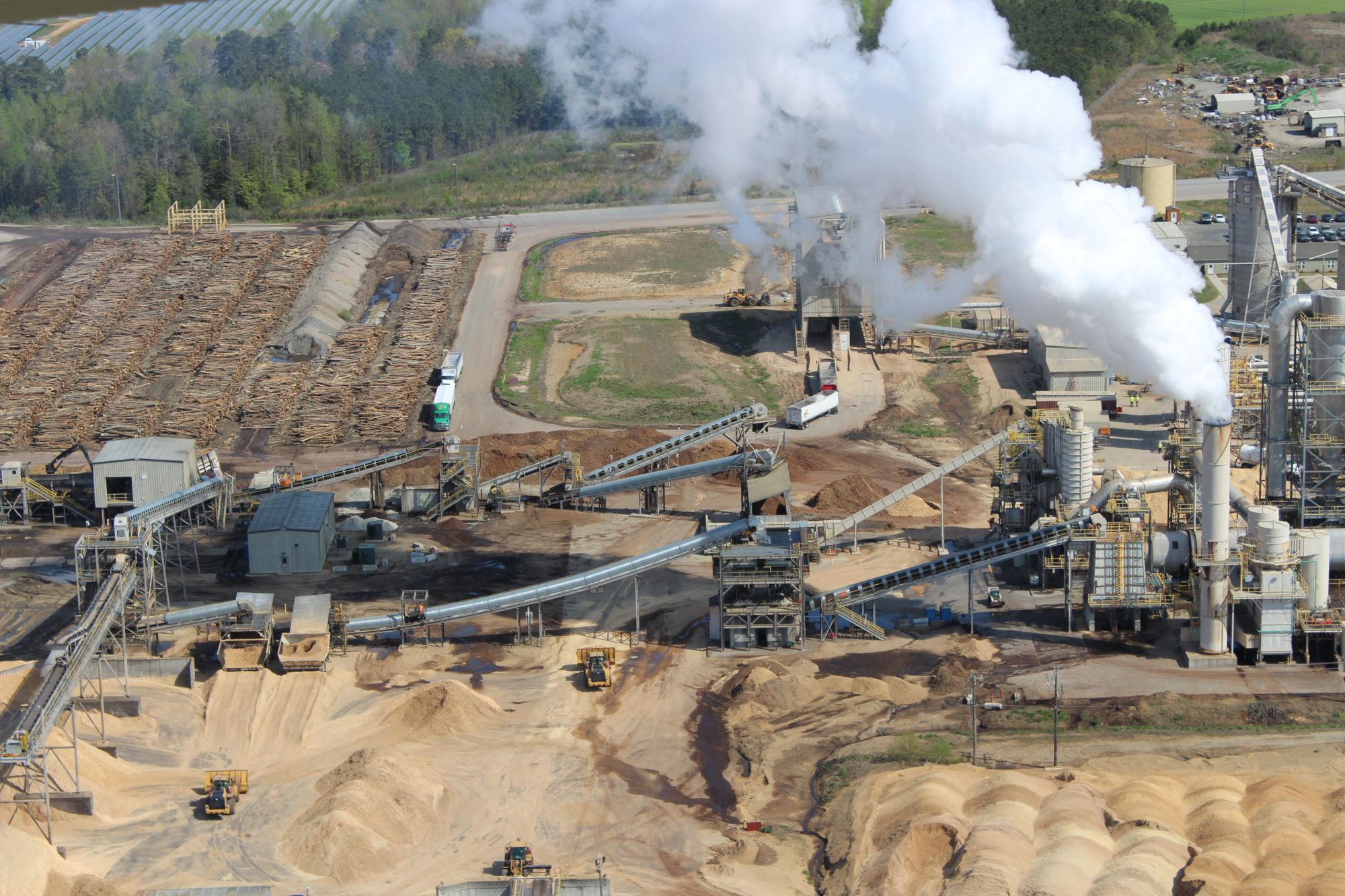
Enviva wood pellet mill in Northampton, NC
Many states have failed to take action. Instead, the EPA has had to protect communities that face environmental injustices. The EPA helps states that can’t afford the resources to protect their communities. Closing these offices and firing of EJ staff ends that progress.
Dr. Gear said:
“President Trump just told our communities that they do not matter. We are about to witness a massive increase in pollution. Many people will suffer or even die without protection. The bioenergy industry was already violating the Clean Air Act, and it’s breaking the law. Now there is nothing to stop them.”
We expect anger from politicians and courts. They have promised to uphold American values. To uphold the US Constitution’s promise of “liberty and justice for all.” Congress and the courts must act now. They need to protect all communities from toxic pollution and harmful resource extraction.
At the end of February, Dogwood Alliance and our community partners met in DC. Reverend Leo Woodberry and New Alpha Community Development Corporation hosted the events. Our goal was to address the biomass industry problem. Biomass is the practice of cutting down trees and turning them into wood pellets. After that, they ship the pellets overseas. Then other nations burn the pellets for energy. The wood pellet facilities are clustered in the Southeast. They set up shop in environmental justice communities. There they create air and noise pollution. Community health and safety suffer as a result.
Our collective goals in DC were to:
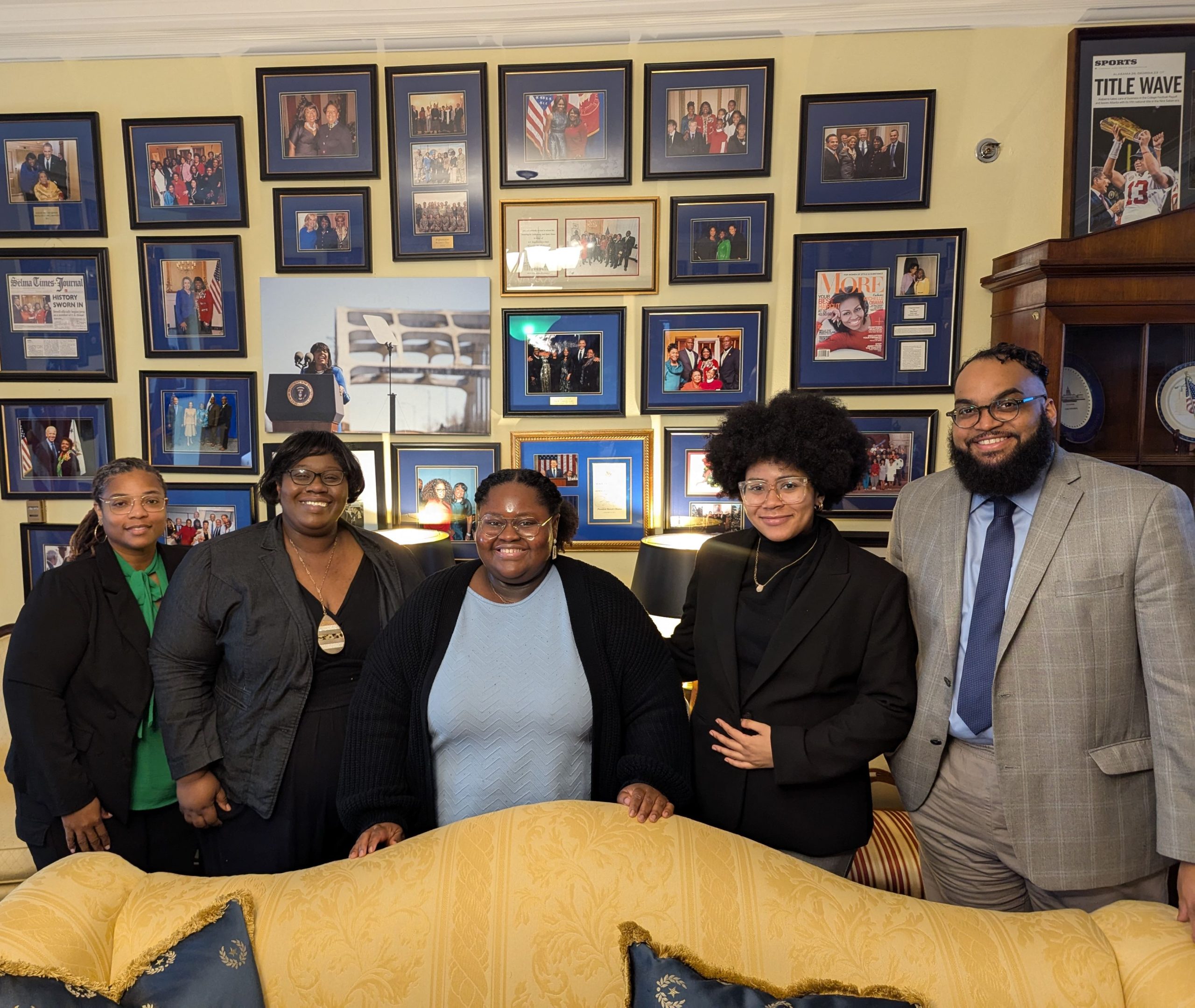
From left to right: Commissioner Dakkia Bradshaw, Portia Shepherd, Robyn Gulley (Rep. Sewell’s Legislative Aide), Alana Robinson (Rep. Sewell’s intern), and Michél Legendre
Our community partners, Commissioner Dakkia Bradshaw and Portia Shepherd, joined us in DC. They brought their expertise as community members who the biomass industry harms. Commissioner Bradshaw is the county commissioner from Lumber City, Georgia. Portia Shepherd leads the Black Belt Women Rising organization based in Alabama. Together we learned two things.
Commissioner Bradshaw met with her senators, Rev. Raphael Warnock and Jon Ossoff. Staffers heard loud and clear the harms in her community. Commissioner Bradshaw laid bare the pollution and the lack of regulations. Her stories painted a picture of dirty water, foul smelling air, and illness. This is the reality of living next door to a biomass plant. She petitioned the office to visit her neighborhood. A visit would show the senators the industry’s dire effects on her community. Finally, she asked for support with air monitors. These would allow the community to track the overwhelming pollution.
Portia Shepherd’s meeting focused on holding her Representative, Teri Sewell, accountable. Rep. Sewell has backed the expansion of the biomass industry. She created federal subsidy programs for the industry and Carbon Capture and Storage. These programs support jobs, but include dirty biomass and bioenergy. And the community struggles to get regulation, oversight, or accountability. Worse, these projects do NOT benefit the people who the industry harms. Portia requested community visits when residents weren’t at work. Then the meetings would be accessible to working people. Portia also urged Rep. Sewell to make her community a priority.

We continue to engage our champions in Congress on the biomass issue. But, the lack of vocal support in the Southern delegation is concerning. The biomass industry harms their constituencies. Yet the community concerns go unheard. Right now, the federal government is trying to intimidate us into submission. Some environmental organizations are already self-censoring. And, generally congressional leadership seems to be defeatist. It’s going to take the fire of organizers working against biomass to shake things up. We must be loud and clear about the harm communities face. We must also offer solutions as we name the problems. And, we’ve got to hold elected officials accountable!
We’re living in difficult times. But we can’t become defeated. We must do what’s needed. We must expand our thinking of what’s possible. Sadly, local organizers and communities who’ve been longtime fighters must continue to fight. This is the only way to bring the wins people need.
For decades, environmental justice organizations have made community struggles visible. Communities had just begun to get the resources they need to stop the injustices. But now hard-fought regulation, oversight, resourcing, and attention is being dismantled. But we can’t let up. When the present seems tough, focus on the work that got us here. Return to local advocacy, local stories, and local work. We’ve got to make forests and communities matter at the global level. Pair that with a vision of a beautiful world we want to achieve. That’s how we stoke the fire to keep up the fight.
Dogwood Alliance has united with Southern communities to achieve the extraordinary. We’ve developed a new community conservation model. We’re conserving land with environmental justice communities. The communities that face the worst effects of climate change. We want to build an economy that’s renewable. One that doesn’t take from nature, but works with nature.
We’ve already conserved 309 acres of forests and wetlands in South Carolina. The PBS show Laura Flanders & Friends featured this milestone.
The South is on the frontlines of industrial logging. Logging in the South is four times higher than in South American rainforests. The rural South suffers as a result. And many Southerners are deeply concerned. But the South’s economy relies on logging forests. Logging doesn’t bring wealth to rural communities. This is especially true of communities where the logging is concentrated. They struggle with lack of resources and unemployment. It’s industry executives who live outside the communities that prosper. Both property values and livability decline. In some places with wood pellet plants, tax rates have increased. But there’s no changes in income level or housing value.
It’s not just resources at stake. Environmental justice communities face pollution that’s dangerous to their health. They also have little access to nature, so they can’t enjoy the benefits of green spaces. Logging worsens climate change. And environmental justice communities face the worst effects. This includes worsening hurricanes, droughts, flooding, and wildfires. The financial cost of recovering from disasters is too high. More importantly, the cost to lives is too high.

Enviva wood pellet facility in Greenwood, SC. Image by Views From Above
Almost all the land in the Southern Coastal Plain is privately owned. There’s a long history of unjust policies. These policies have prevented Black and Indigenous people from owning and keeping land. As a result, their forest ownership has dwindled. Traditional conservation efforts neglect Southern forests. They neglect the Black and Indigenous people who depend on them. Be we don’t have to continue this destructive pattern.
We’ve developed a new way to inspire community land conservation. We call it the community conservation model. Our conservation model supports Black and Indigenous Southern communities. It creates pathways for these communities to own and protect their forests. Together, we can restore forests. That helps us create more green jobs.
Let’s build a system that protects communities against climate change. A system that helps communities recover from climate disaster. Let’s advocate for bold policies that protect our water, food, and safety. Policies that protect our forests and wetlands.
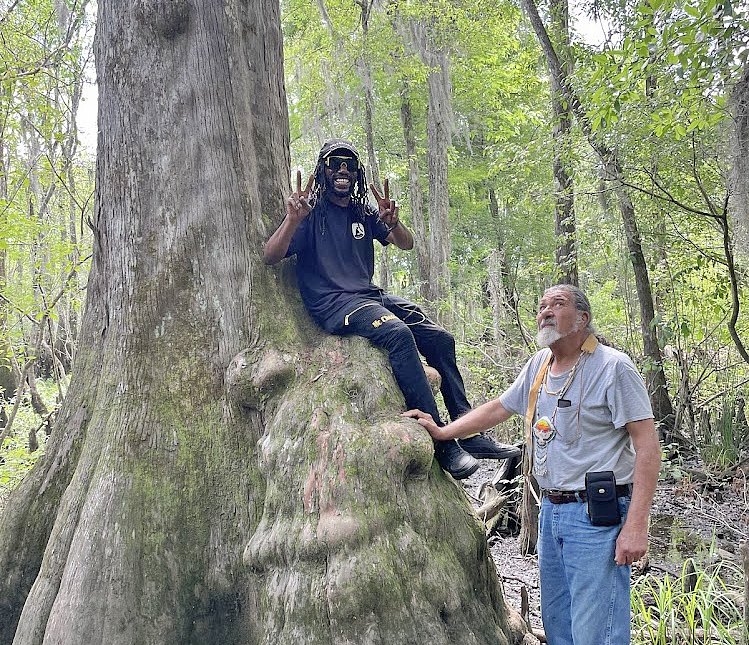
Chief Pete Parr of the Pee Dee Tribe and Adrian Snyder
These actions will create economic growth tied to land conservation. A healthy economy and a healthy environment can and must co-exist.
You can support the community conservation model by taking action or donating.
Donate to support this important work.
Want to see this justice conservation vision become a reality? Take action now


 Donate