


On February 10th, the British government extended billions in subsidies for Drax. Drax is the largest wood pellet biomass electricity burner in the world. Much of the wood that Drax burns in its power station comes from the Southern United States. That funding extension is for four more years. Our forests, communities, and climate will continue to suffer.
The government extended subsidies that were set to end in 2027. Now they won’t end until 2031. The government made this decision because they do not have a Plan B for meeting power needs. Drax will take in almost $500M per year for six years. All to burn our trees and harm our communities’ health and well-being.
Adam Colette, Program Director at Dogwood Alliance, said:
“For a decade the British Government has forced ratepayers to fund forest and community destruction in the Southern US. The new Labour Government has failed us by continuing subsidies for Drax and the wood pellet industry. Now is not the time for false solutions. It is time for bold leadership.”
The UK government also failed to increase sustainability requirements or address emissions. They also failed to consider the climate impact of biomass. Drax can continue to destroy forests without interference. It can also continue to pollute communities and the climate without any consequences.

Drax Power Station in North Yorkshire, UK
There are some positives, though. For the final four years of the contract, Drax must limit power generation to half its current level. Then Drax will need half as many wood pellets. There will be some relief to our forests and communities. The new government has a growing negative outlook on bioenergy.
The UK government isn’t completely sold on Bioenergy Carbon Capture and Storage (BECCS). This could signal the end of this false green energy scheme.
Adam Colette said:
“The UK government’s announcement is disappointing. But it also marks the beginning of the end of bioenergy in the UK. We exposed the forest destruction and the negative health impacts of bioenergy. It forced the government to act. Without the courage of our communities and the strength of our network, bioenergy would continue unabated.”
The UK government has sided with forest destroyers. Logging, air pollution, and carbon emissions will continue. We will work with communities and partners to end this dirty industry. We want a just transition from extractive industries to a more regenerative economy. Forests and community well-being must be at the top of our priorities.
Enviva Biomass, a leading wood pellet manufacturer, will close its plant in Amory, MS. The story was first reported in the Monroe Journal on February 4th. This foreshadows a new strategy that means trouble for communities and forests.
At the end of 2023, Enviva Biomass declared bankruptcy. The company’s downfall came from several issues. This included poor investments, a smaller market, and less government support. This was mostly due to growing public opposition. Our investigations exposed Enviva’s unsustainable logging practices. Lawsuits forced the company to upgrade its almost non-existent pollution controls. Investors realized that the biomass industry isn’t clean or green. This realization drove them away.
In Mississippi, Enviva received millions in subsidies. They have also said they are unlikely to build a permitted facility in Bond, MS. The Mississippi Development Authority gave the company $4 million. This money is for a water tank, well, and other infrastructure in Lucedale. George County provided $13 million in tax breaks. The Gulf Coast Restoration Fund added almost $2.5 million for road and rail improvements.
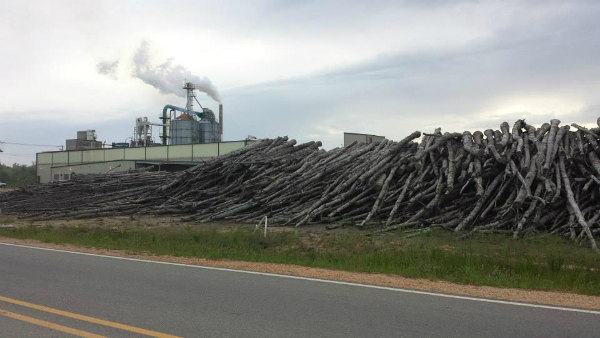
The company recently re-emerged from bankruptcy as a completely different entity. It is no longer on the stock market. Now, private investors own it. Now there is no accountability to the public. What happened in Amory can happen in any community where Enviva operates. This is true in Mississippi and across the South. The company can cut and run.
To recover their investments, Enviva may have to:
These cost-cutting choices could help their profits, but they would harm our communities. Counties will be left holding the bag. All that money was wasted on tax subsidies. The money should be used to clean up the mess bad actors like Enviva leave behind them.
State regulators must boost monitoring and focus on the well-being of communities. Take Gloster, Mississippi for example. The state permitting board will likely approve a Drax expansion. Drax will then log and pollute even more. The company is a major Enviva competitor and also their customer. Drax has a dismal record of violating state environmental regulations. They have broken those rules more than 11,000 times. Community health has suffered as a result.
We must stay alert to protect our communities, climate, and forests. We need to stop destroying forests and promoting false solutions like biomass. Instead, we must protect and restore our forests. This will help us build a regenerative economy. One that works for people, communities, and nature.
Stargate is a new $500 billion investment in AI in the United States. It’s a collaboration between the US government and companies like Meta and Open AI. The project seeks to expand AI centers in the US. It has $100 billion in funding to start. The rest of the funding will come over the next four years. Stargate expects to create 100,000 jobs. But many of those jobs will go away after the construction of AI data centers is complete. The need for space to build these centers will threaten forests across the Southern US.
The growing demand for data centers has been accelerating due to the use of AI services. Amazon recently bought close to 600 acres of land in Ohio to build a large data center to support its AI products. Building these data centers is already having an impact on Southern communities. Ashburn, Virginia is home to more than 250 data centers within its city limits. North Carolina has 69 data centers. Many are in or near Charlotte and Raleigh.

The construction for Stargate data centers has already begun. Tech company Oracle is now building a data center in Texas to support the initiative. Many more will start construction in Alabama, Georgia, and South Carolina.
People living near these data centers complain of noise levels. The machinery runs 24 hours a day. The facilities also place a burden on the power needs of many communities. They’re causing a surge in the cost of electricity in their areas. Georgia Power expects power demand to triple over the next decade. This increased power demand will spike the use of fossil fuels to meet the needs of these centers.
These data centers are competing for space in urban areas. And some are starting to move into more green spaces. Biomass company Drax wants to use its wood pellet operations to support the AI boom. Threatening more forests for building and powering these data centers.
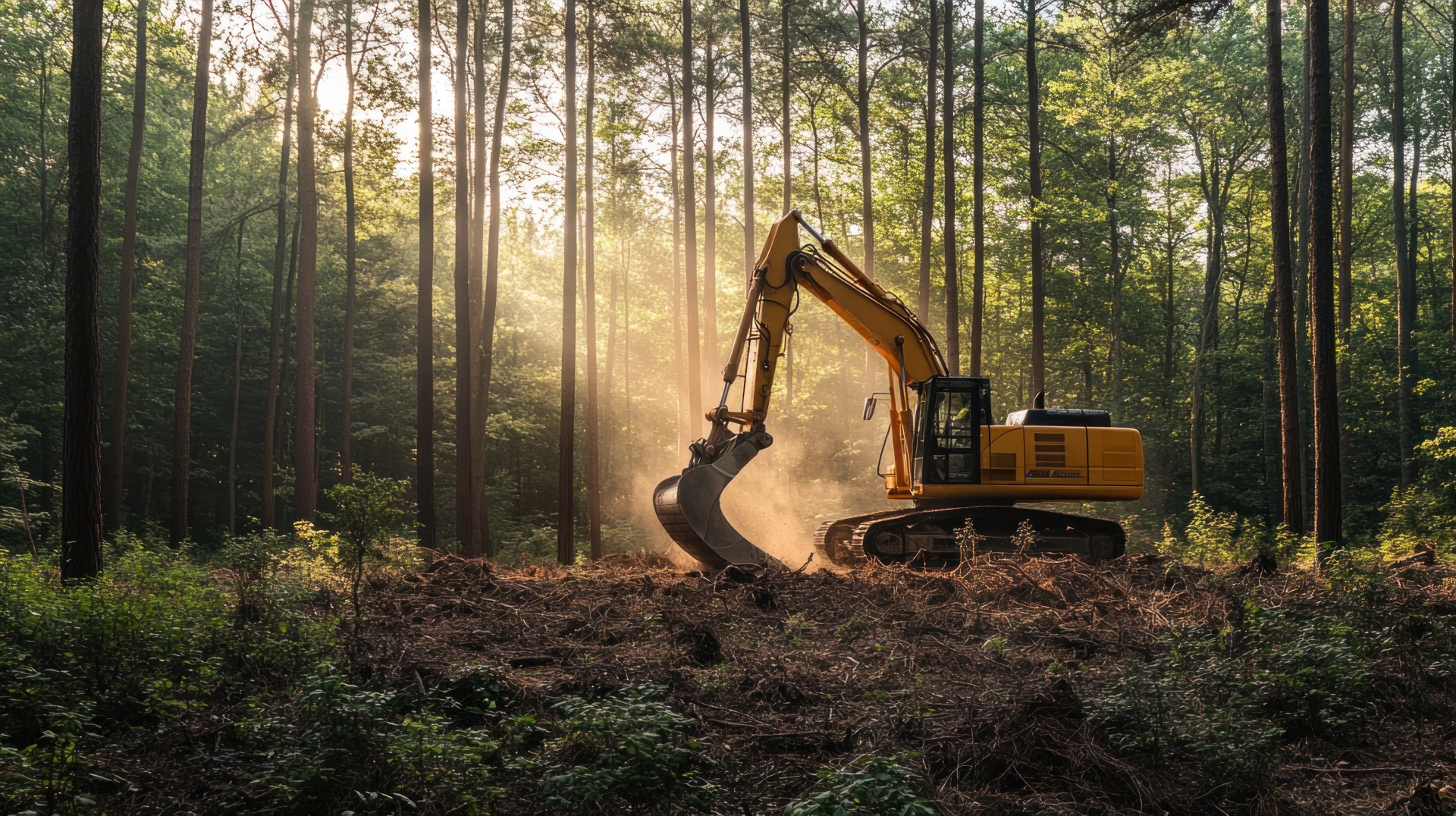
These data centers also use a lot of water. For example, Google’s data centers used 355 million gallons of water in 2021. That amount will grow as more centers get up and running. This will make water scarce in regions that need it.
Stargate may try to speed up the building of data centers, but all hope is not lost. We can continue to fight companies like Drax from cutting trees to power these centers. Opposition from communities can slow their progress.
We recorded these 4 episodes live at our Annual Woods & Wilds Storytelling Event in August of 2024. We want to thank everyone who came out and attended the event. Experience the magic by listening to this latest season of Woods & Wilds: The Podcast.

Safiya Myers kicks us off with a story about her roots.
Born to parents in the Army, Safiya has had many addresses. She understands how to make a place a home. She immerses herself in culture through travel and listening to stories. Safiya believes storytelling is the medicine we need. In her free time, she listens to storytelling podcasts. Safiya’s favorite thing to do is snuggle her super cute daughter.
DeWayne Barton shares his frightening experience as a child in the woods. He takes us on a journey of forgiveness and asks us, “Why hold hate?”
DeWayne is a native of Asheville, NC. He’s a veteran and the author two books of poetry. DeWayne has advanced community and youth development for over 30 years. As a visual and performing artist, his work is grounded in environmental justice and climate resilience. His art has featured at Duke University, Smithsonian Institute’s Museum of African American History & Culture, and the August Wilson Museum. He is co-founder of both Peace Gardens & Market and Green Opportunities. DeWayne is the founder and CEO of Hood Huggers.
Holly Paar’s story paints a picture of the tree loss in Iceland. She speaks to our need to preserve our innocence. To connect with nature.
Holly Paar has lived WNC for 30 years. She is a painter, musician, poet, filmmaker, photographer, and storyteller. She has premiered two films at the Asheville Fringe Festival. Held art shows. Performed live, both solo and with bands. She’s won poetry slams and generally had a good time. Holly thinks of herself as an “adventure artist.” She’s a druid and the Advancement Director for Dogwood Alliance.
Richie Harding’s story begins in his idyllic youth. Then he shows us how his home has changed because of environmental injustices. He speaks to us of fighting back, solidarity, and interconnection.
Richie majored in computer programming at Hardbarger Junior College of Business. He’s the pastor for New Vision Christian Center. He’s also the CEO of Visionware Recordings and the Executive Director of Gaston Youth. Gaston Youth teaches kids to grow vegetables and appreciate the earth. Richie and his community face pollution from hog farms and wood pellets facilities. His mother worked to protect their community’s water 20 years ago. Richie is proud to follow in her footsteps.
Dogwood Alliance’s Woods & Wilds is a magical storytelling event. Every year, we come together to share our love and connection to the forest. In 2024, we had amazing live music and an incredible line-up of storytellers. Including activists, community leaders, and performers.
Get a taste of our Season 5 storytellers giving their live performances.
Check out other seasons and episodes of Woods & Wilds: The Podcast
Like, follow, subscribe, and leave a review on your favorite podcast platform.
In late September of 2024, Hurricane Helene devastated the Southern US. The storm struck Western North Carolina with shocking brutality. The region was not prepared for a hurricane.
In the hurricane aftermath, a group of UNCA students created a story map. They wanted to reflect on the damage and recovery efforts. They asked themselves a series of important questions. What did the storm do to our communities? Which communities were hit hardest and why? What happened to our forests and wildlife? How are we rebuilding now? Can WNC expect more storms like Helene?
These students did incredible work. They didn’t shrink from the heartbreak. But they also uncovered moments to uplift us. How people worked together. How we can protect the places we love. How we can prepare for the future.
Their story map reminds us why environmental justice matters.
Thank you to Matisse Araque, Justin Huffman, and Ioanna Katsigianis of the UNCA Environmental Justice class in Fall 2024. Thank you for sharing your hard work and story with us all.
Land and Climate Reviewpublished an investigation into the UK company, Drax. Drax is a major industrial wood pellet producer. It’s also the largest consumer of wood pellets for biomass electricity in the world.
Biomass creates energy by burning living materials like plants and trees. How is this biomass made? Companies like Drax:
Burning forest biomass is worse for the climate than coal.
Drax Power Station in North Yorkshire, England
The wood pellet facilities are also dangerous to the health of surrounding communities.
The investigation showed US Drax facilities have broken green rules over 11,000 times:
“8,700 of the violations occurred within the last five years – [an] average of five violations of environmental law per day.”
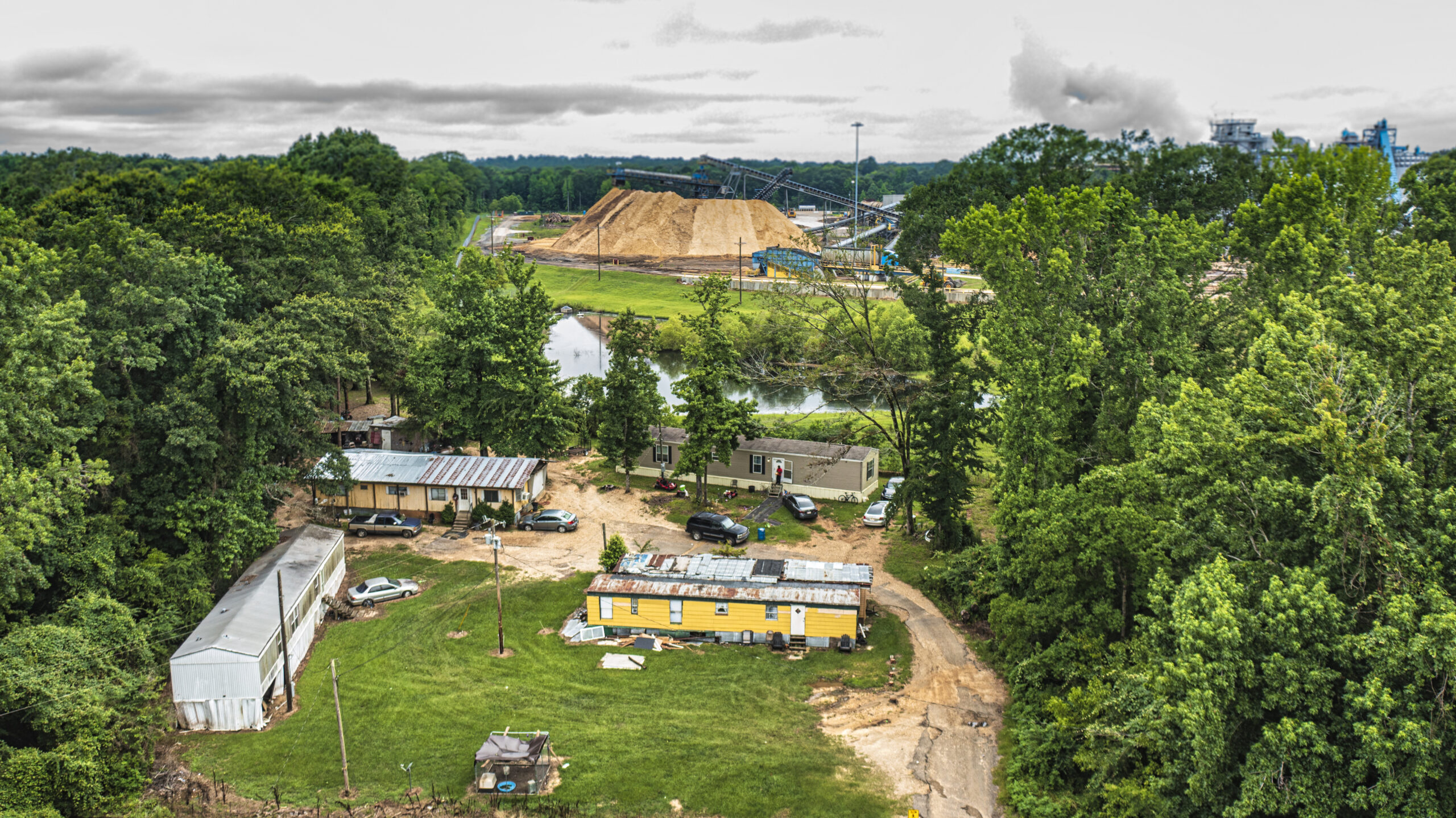
Drax wood pellet facility in Mississippi. Image by People’s Justice Council
This is absurd. How can we continue to let Drax operate? But state and federal decision-makers are sacrificing health and safety for profit. We must confront these violations as a collective. These false climate solutions cannot continue any longer.
Drax plans to expand with 20 other facilities across the United States. We can’t let that happen. That’s why we support communities like Gloster, Mississippi. We work together to stop Drax’s expansion.
Communities come first in the fight against climate change. Justice comes first. Centering environmental justice will benefit the whole environmental movement.
Together, we can build a bright, clean, and sustainable future for every person on the planet.
What comes to mind when you think of beautiful forests? Probably not peat swamps or bogs. Most forests are crucial in exchanging oxygen and carbon dioxide. In peatlands, it plays an even bigger role. These dense, carbon-rich forests can fight climate change.

The Okefenokee is the largest black water swamp in North America. Black water occurs when the tannins in peat soil darken the water.
Peatlands are a type of wetland. They include both peat swamps and peat bogs. Peatlands have a lot of decaying matter. Peat itself is organic material that’s piled up. It makes compacted layers. In some places, the undecomposed matter can be several meters thick. And the compact soil is full of water. This creates an environment with minimal oxygen where things decompose slowly.
There’s minimal oxygen in peat soil. Because of this and the watery soil in peatlands, decomposition is slow. The slow decay builds up carbon dioxide. That means carbon dioxide collects in the ground. This creates a carbon-rich environment.
Peat forests cover only 3% of the earth’s surface. Yet they contain 30% more carbon dioxide than other forests. You can find peatlands in most countries around the globe.
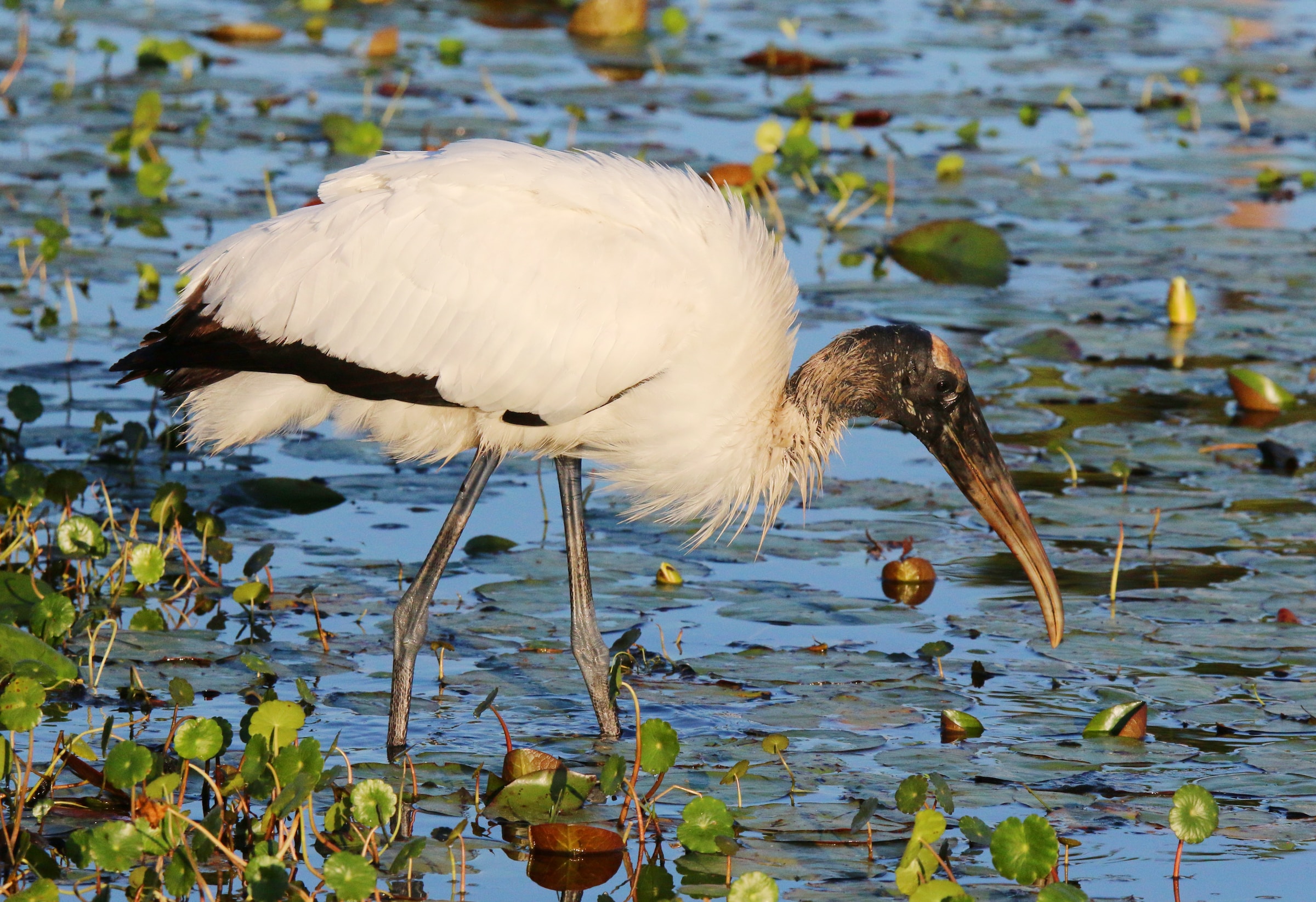
Wood stork populations have declined because of habitat loss.
Peatlands are also full of animal life. They’re important to threatened mammals and birds. 40% of birds and mammals live and breed in wetlands like peatlands. Over a third of endangered animals and plants live in these habitats. Some of the endangered animals are:
There are several threats to peatlands:
These threats pose a danger to climate change. When you drain the water in these forests, they become flammable. Peatlands on fire releases a lot of carbon dioxide. Drained peat forests are also more likely to flood. This can be disastrous for neighboring communities.
As with so many threatened ecosystems, there’s a domino effect. Peat lands have global implications. If we don’t act fast, they’ll continue to dry out. And they’ll keep releasing too much carbon. Then they won’t be helping to fight climate change. Instead, they’ll be contributing to climate change.
Humans have drained 15% of the world’s peatlands. But there’s hope with the Global Peatlands Initiative. Their goal is to improve the conservation and restoration of peatlands. In fact, rehydrating peat swamps and bogs can:
Scientists are using several ways to rewet peatlands. They’re creating ditches, blocking drainage ways, and installing pipes to flow water. A great example is the Bennett Swamp in Florida. A project has reclaimed the nearby city’s water. It’s diverted this water to the swamp for rehydration.
Want to know an amazing fact? Restoring peat forests prevents the release of 394 million tons of carbon dioxide per year.
Dogwood Alliance is hard at work to protect Southern wetlands. This includes peatlands like you’ll find in the Okefenokee swamp. You can help right now!
Take action: Urge your state’s legislators to restore protections to wetlandsMake a donation: Give today to save our peatlands and all wetlands
Dogwood Alliance, community leaders, and partners published a report. The report shows the wood pellet industry’s health impacts. The study surveyed families near five biomass plants. It highlighted the harm to their health and quality of life.
The South is the largest wood pellet manufacturer in the world. There are currently 28 pellet plants across the region. A majority of the mills are in environmental justice communities. The study surveyed residents and families around five pellet mills.
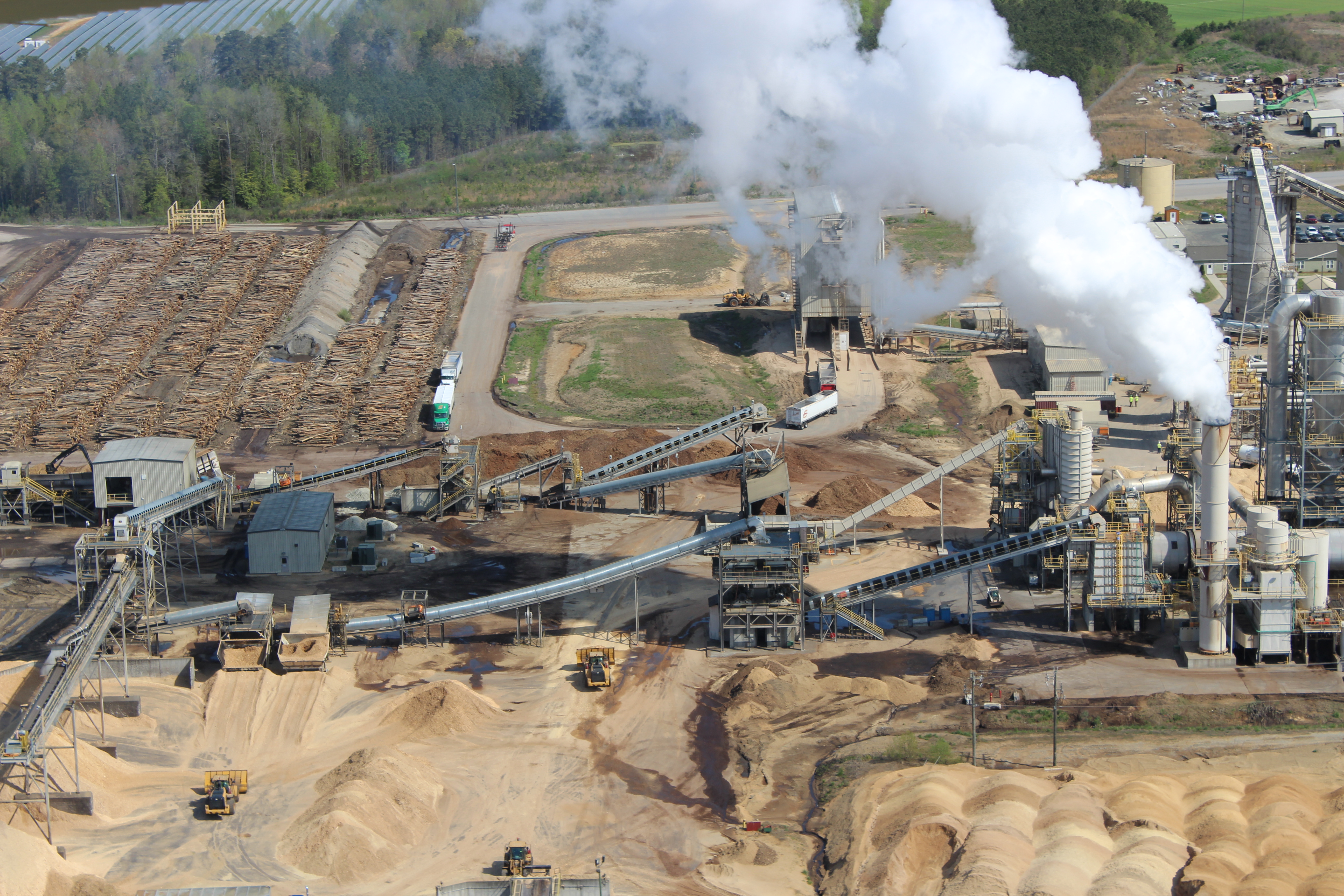
Enviva’s Northampton, NC wood pellet facility
Over 67% of residents within a half-mile of pellet mills experience daily dust. Most respondents said air pollution and dust prevent them from doing things outdoors. This was true no matter how far from the plant respondents live.
Dr. Treva Gear, Georgia Campaign Manager for Dogwood Alliance said:
“Every day communities in the South face environmental injustices from the wood pellet industry. Our states need to put people over corporate greed and protect people’s health and quality of life.”
They cause asthma, respiratory diseases, and even cancer. In four of surveyed communities, 86% of households reported a family member diagnosed with a disease. The diseases were all linked to pellet mill pollution.
Dr. Ruby Bell, a community organizer in Faison, NC said:
“Our leaders must hold wood pellet companies like Enviva accountable for polluting our environment. They operate a facility in my community. Regulators must ensure pellet plants use the best pollution controls. Dust and other pollutants harm our communities’ health.”

Packed house at the MDEQ Gloster Public Hearing
Gloster, Mississippi recently held a public hearing. Drax wants to expand their wood pellet mill there. Drax has paid fines many times for illegally polluting. The state slaps the company on the wrist and allows it to keep operating.
Dr. Krystal Martin, founder of Greater Greener Gloster, said:
“Unfortunately, the Gloster Community is now a profit-driven plantation. Public health is not a priority. State and federal leaders must hold Drax and other wood pellet plants accountable to the fullest extent of the law.”

Dr. Krystal Martin speaking at the MDEQ Gloster Public Hearing
The new study was conducted by:
With additional support from:
Are you looking for video games that center themes of connection to each other and our environment? Then look no further! We’ve got you covered. These are the best games for environmentalists. They’d make a great gift for gamers interested in environmental justice. Especially if that’s you!
Okami is an adventure game like Nintendo’s long-running “The Legend of Zelda” franchise. The series follows Amaterasu, a wolf-deity who has the power to restore and heal nature. It’s based on a Japanese folk-tale. Amaterasu heals the land, air, and sea from an evil polluting force. With its unique art style based on Japanese ukiyo-e paintings and its themes of respecting nature, Okami is worth your time.
Kena, Bridge of Spirits is an action and puzzle game inspired by Balinese folklore. Players take control of Kena, a spirit guide, who is able to talk to the spirits of nature. These spirits play a role in giving Kena powers to solve puzzles and restore the nature of her world. The game is stunning to look at, rivaling that of a Pixar movie.
If you’re looking for something with less stakes, Stardew Valley might be the game for you. Released in 2016, the game has gone on to be one of the best games of all time. A signature “cozy” game. Your character inherits their grandfather’s farm and you now have to make sure it grows. The fun of Stardew Valley is watching your farm grow as you manage resources. It also has a multi-player component where other players can help do tasks on each other’s farms to raise their levels. It’s like having your own virtual co-op!
Nintendo’s Animal Crossing franchise has been a mainstay for “cozy” gaming. Its themes of building community in natural places it high on this list. After creating your character, you become mayor of a small island. Your island neighbors rely on you to help grow and cultivate the island helping the community thrive. The game encourages players to visit other players’ islands. There they can interact with neighbors, trade flowers, crops, and other items. Animal Crossing rewards players for being thoughtful neighbors and tending to the needs of the island’s environment.
For the last 36 years, the Final Fantasy series has been a mainstay in video games. It’s often seen as a leader in gameplay and storytelling for the medium. Back in 1997, the original Final Fantasy VII wowed gamers. 25 years later the game is being remade and re-imagined. Many of the original staff are bringing its narrative to modern standards. The game follows a group of heroes fighting an evil corporation that uses the life force of the planet for energy. In the game, the planet’s energy is being depleted. You play as main character, Cloud Strife. You’re tasked to assemble a team to help stop the Shinra corporation before the planet loses all its natural resources. Without spoiling more, Final Fantasy VII Remake and both its sequel Rebirth, and the original 1997 release underscore the need for respecting our planet in its narrative and gameplay systems.
There are many more video games that center environmental justice principles. Feel free to let us know which games we should add to this list in the comments below!
What is Land Back? First, let’s discuss what it is not. The goal isn’t to take back all lands in North America and then force people out. Rather, it’s about opportunities for Native people to have swaths of land returned or to buy land. They’re usually signed agreements. Then Native tribes can buy land with ancestral connections.
Native tribes reclaiming ancestral lands paves the way for healing. Stewarding of the land allows for tribes to plant Indigenous foods. To connect culturally with natural materials and sacred sites. The tribe often improves the environment of the returned lands. They clean up lands and waterways that were neglected for decades. Then plants, animals, and marine life return and thrive.
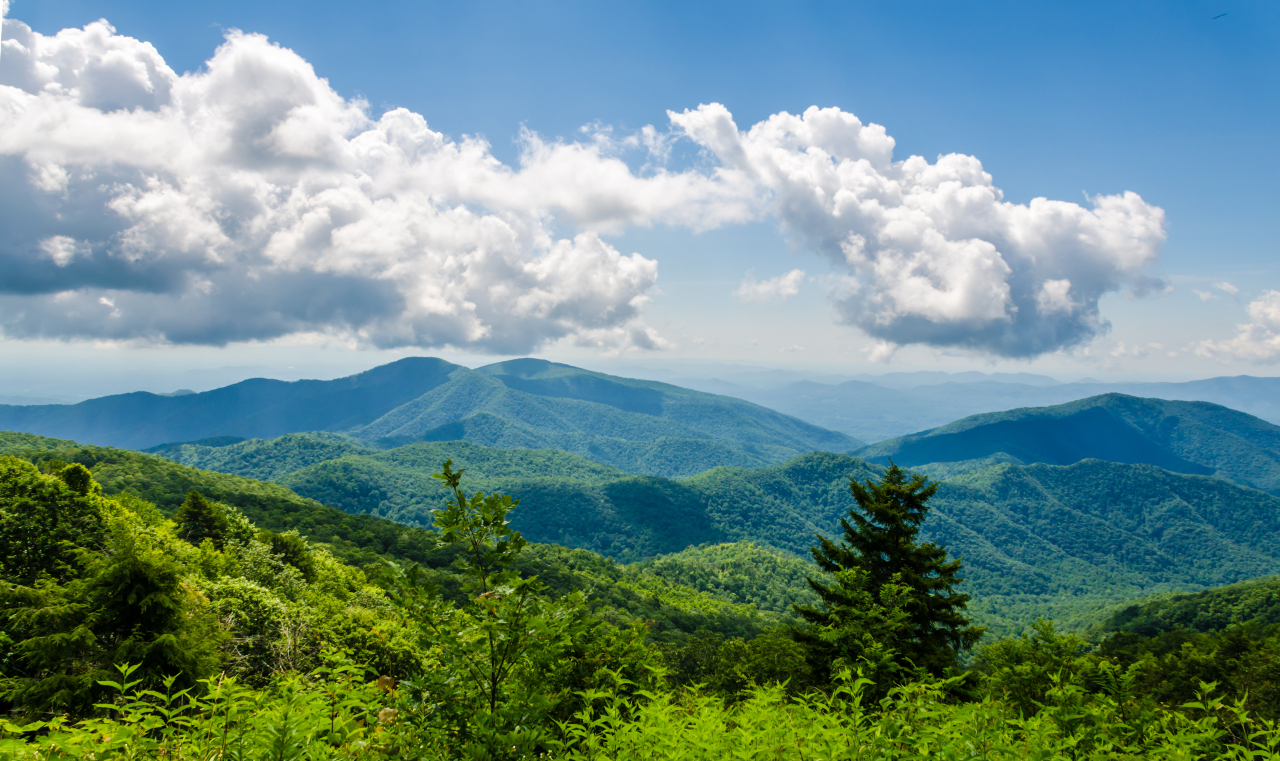
In March 2024, the Yurok Tribe received a return of 125 acres of land. This land includes an area in the Redwoods National Park. The National Park Service and California State Parks formed a partnership. They worked together to return this land to the Tribe. Now the Yurok Tribe is restoring the Klamath River so that salmon can thrive again. They’ve already successfully removed four dams.
The City Council of Berkeley, CA voted to give an area of 2.2 acres to the Ohlone Tribe. The land was a parking lot. But the Tribe plans to grow Native foods and medicines. It will be a site for Native youth to connect with their heritage.
A property owner donated one acre in Altadena, CA to the Tongva Tribe. The land is worth millions of dollars. But the owner wanted the land preserved and cherished. The Tongva want to grow Indigenous plants on the land. They’ll also hold ceremonies and educational programs there.
The Pee Dee Indian Tribe of South Carolina and Dogwood Alliance formed a partnership. Together, they secured the return of 92 acres of ancestral land to the Tribe.
The Pee Dee Tribe has built a cultural center. They’re now stewarding the protection of precious wetlands and untouched forests.
Reclaiming land is important for food sovereignty. Food sovereignty means that communities are in control of their food. It means access to healthy food. It’s a community’s right to decide how they make and share their food. With reclaimed lands, Native people often plant traditional foods. They can harvest wild rice. And they can restore traditional hunting and fishing practices.
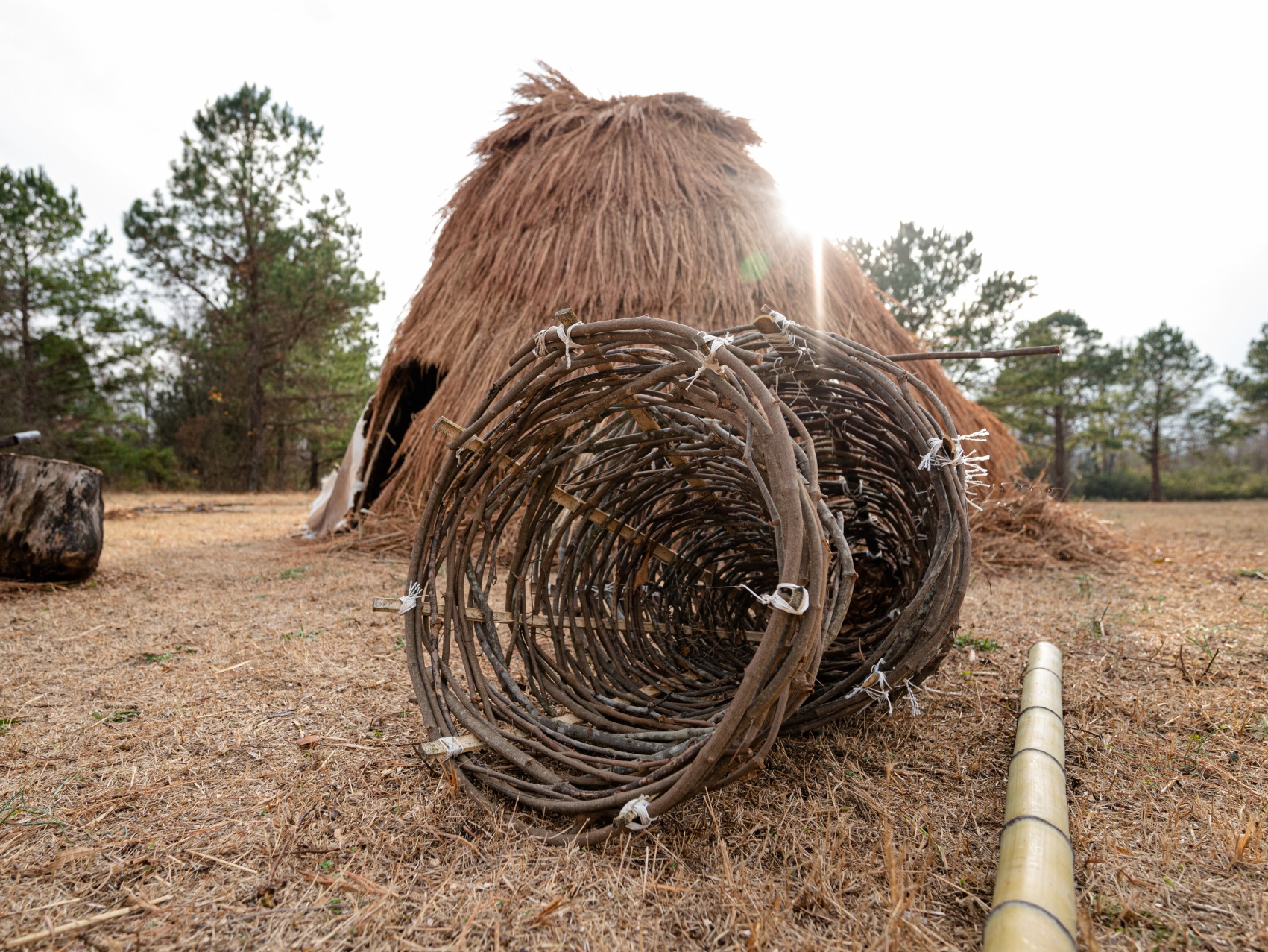
Pee Dee Tribe traditional fishing traps
Over 20 years, the Wiyot Tribe worked to buy ancestral land on Tuluwat Island, CA. Before this, the area was a commercial shipyard. The island was contaminated with toxins like dioxins and pentachlorophenol oils. The Wiyot spearheaded the clean-up of the island. By restoring the land and marine habitat, the Wiyot will grow Indigenous plants. They’ll use these waterways for fishing.
Cultural burning is a common Indigenous practice. It’s burning areas of land in a controlled fashion. This often has a cultural and ecological benefit. Cultural burning is a low-intensity burn. It reduces flammable vegetation. That stimulates growth in some cases. In other cases, it can reduce wildfires.
Cultural burning is completely different from large-scale forest biomass burning. Burning wood pellets for electricity harms communities, forests, and our climate. Cultural burning nurtures the environment. It promotes forest health not destruction.
These burns also create resources used culturally. Many Native plants are part of crafts and ceremonies. For example. the Yurok Tribe weaves baskets out of hazel. Hazel has long stems ideal for weaving. Yet, these long stems only emerge after a fire. Now, basket weavers have more access to hazel.
Fire restrictions have prevented Indigenous tribes from practicing cultural burns. This has changed in recent years. Scientific evidence supports the benefits of prescribed burning. State and federal agencies now work with tribal communities. They now involve more Native communities in managing landscapes. With fire training, the Forest Service now allows some cultural burns.
There are many negative consequences when Indigenous communities lack access to ancestral lands. Both ecological and human health suffer. Traditional ways of connecting to culture and spirituality are lost.
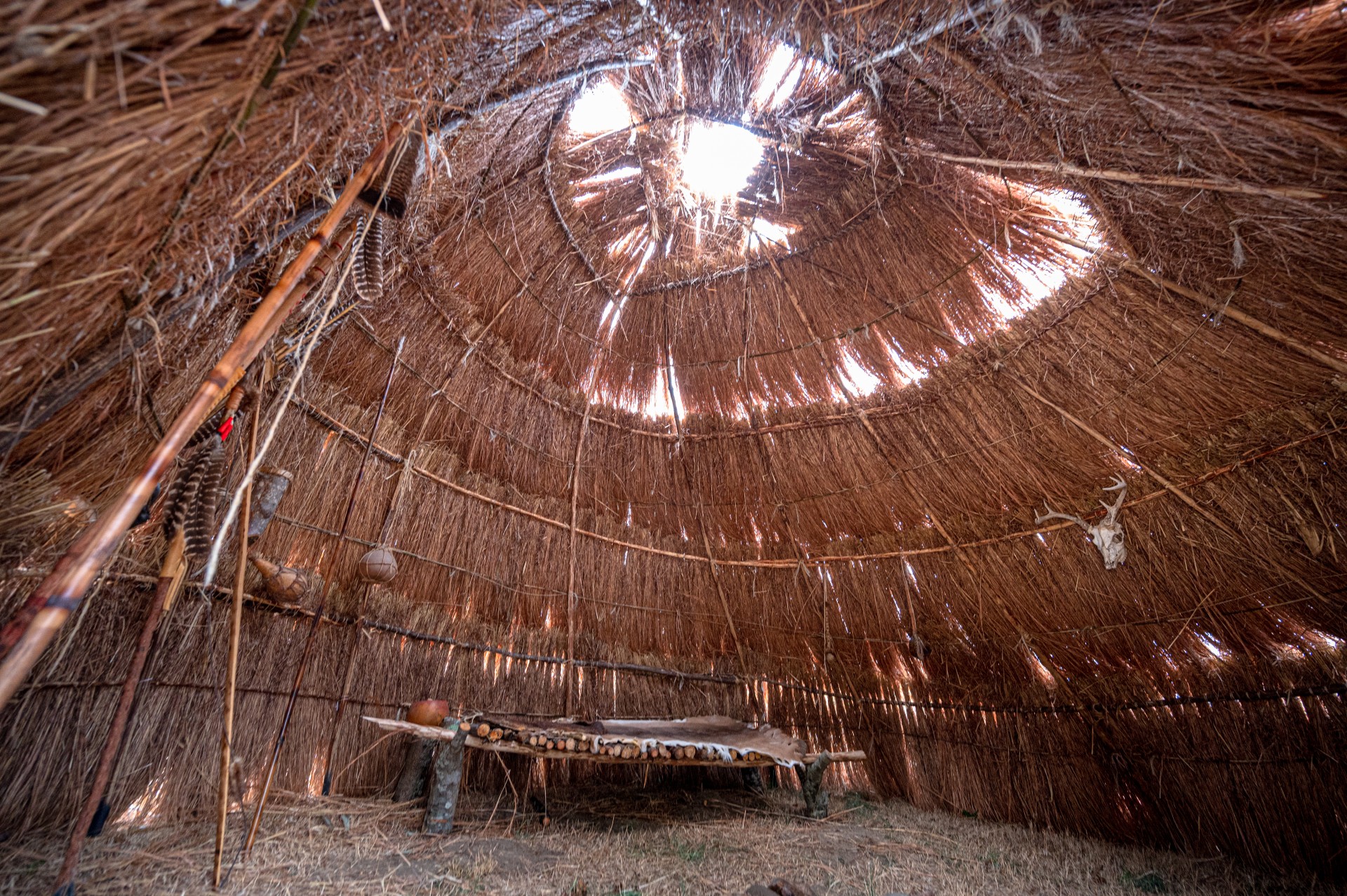
The Pee Dee Tribe’s Cultural Center teaches traditional building practices
The land back movement has been going on for decades. It has gained more notice in recent years. Social media posts with the #landback hashtag have helped. It’s a way for Indigenous people to regain sovereignty of lands. Land back goals tend to include similar objectives:
Partnering with communities builds opportunities for land conservation and equity. Want to get involved in the land back movement? Reach out to your local Indigenous communities and organizations. Listen to what they want to achieve with land back. Then you’ll learn how you can help the community’s land back goals.


 Donate