


Did you know that moths and butterflies are not just beautiful creatures? They’re also fascinating insects with unique characteristics! In fact, they’re wingd wonders! Today, we’ll discover the world of moths and butterflies.
Have you ever wondered if that colorful insect fluttering around is a moth or a butterfly? Well, you’re not alone! Many people find it challenging to tell them apart. But fear not. Together we’ll learn all about the differences between moths and butterflies. We’ll even share some tips for identification along the way.
I’m a scientist. I was trained to study relationships between plants and insects. One of the first things we learn in bug class (also called entomology): All butterflies are moths. But not all moths are butterflies.
This is like one of those math problems in school. All women are humans; but not all humans are women. The scientific name for the grouping of butterflies and moths is Lepidoptera. This means “scaly wings.” Did you know that all butterflies and moths have scales on their wings? They do!
Butterflies are really just day-flying moths. Moths, in contrast, fly during both the day and night. There are just a few families of butterflies but many families of moths.
Finally, both butterflies and moths have two sets of wings. The fore and hind wings. This is similar to most other winged insects. Only bees, wasps, and ants have one pair of wings.
Moths have some fascinating physical characteristics that set them apart from butterflies. Let’s take a closer look:
Moth antennae are wild! Some have feathery or comb-like antennae. Some have long spindly ones. Moth antennae help them detect scents and navigate their environment. While moth antennae vary, pay special attention to a “club-shaped” antennae. If they’re club-shaped, those may be butterfly antennae instead.
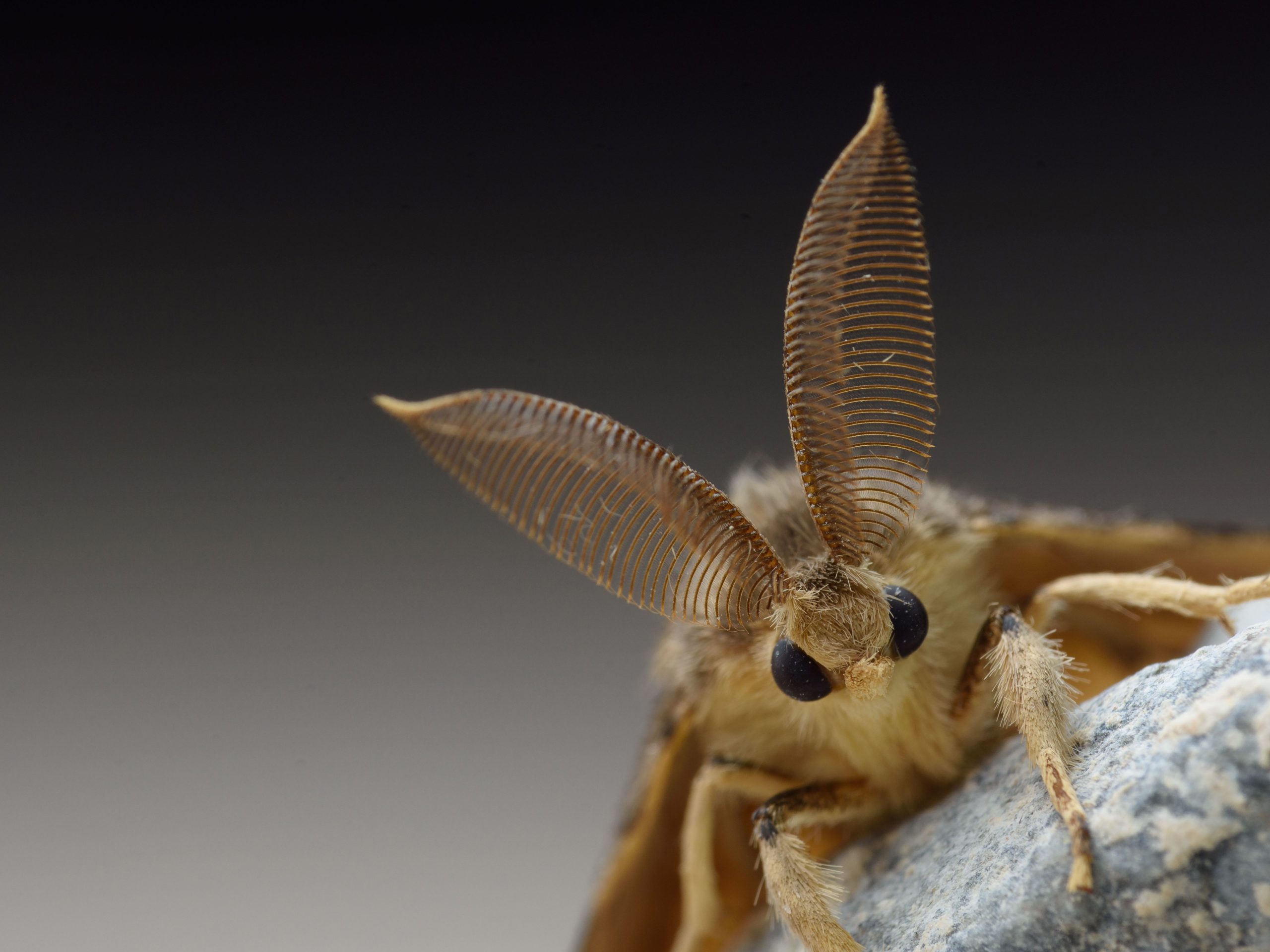
This moth’s antennae even look like bunny ears.
Moths are diverse in all of their other characteristics, too. Most moths have broader and less colorful wings compared to butterflies. But there are many exceptions to this rule, like the luna moth.
Moths also tend to have plump bodies that look furry. But there are so many moths that range from very small to very large that it’s hard to describe them. hawk moths, for example, tend to be very large. You’d also definitely notice a 5-7 inch hummingbird hawk-moth hanging around your house! Other moths are so small that you can only identify them with a microscope.
Moths, like butterflies, have caterpillars as well. These baby moths vary wildly in appearance. A very small “inchworm” is a moth. So is a very large hawk moth caterpillar. Warning: Be careful touching caterpillars. Their “fur” (spines) can cause an allergic reaction.
One of the most distinctive traits of moths is their preference for the night. Most moths are nocturnal creatures. This means they’re most active during the night. You might have noticed moths circling around porch lights. This is called positive phototaxis. They’re attracted to lights, but scientists are still figuring out why. Some people think that they’re naturally attracted to the moon. And that that’s why human lights confuse them.
There are many different species of moths. Each has its own unique features. For example, the luna moth is known for its elegant green wings and long, delicate tail. The Atlas moth boasts the largest wingspan of any moth. These are just a few examples of the incredible diversity found among moths.

Butterflies are captivating creatures. They have vibrant colors and graceful flight. Luckily, it’s pretty easy to identify butterflies. Let’s explore some of their unique characteristics.
One of the most striking features of butterflies is their bright wings. These wings are covered in tiny scales. The scales, like on moths, give them their radiant hues and intricate patterns. Butterflies also have clubbed antennae. This help them sense their surroundings.
Unlike moths, most butterflies are active during the daytime. That makes them diurnal insects. They love basking in the warm sunlight. You can often see them fluttering from flower to flower. Butterflies have a special relationship with nectar-rich flowers. They use their long, straw-like proboscis to sip nectar from the blossoms.
Day-flying moths also drink from flowering plants. But unlike butterflies, moths often have other food sources. Either way: moths and butterflies that visit flowers are pollinators!
There are many butterfly species around the world. Each has its own unique markings and colors. Butterfly wings are some of the most brightly colored wings in the world. The monarch butterfly, famous for its orange and black wings, even migrates. It embarks on an incredible migration journey across thousands of miles. The blue morpho butterfly has mesmerizing iridescent blue wings. These are just a couple of examples among many of the world’s butterfly species.
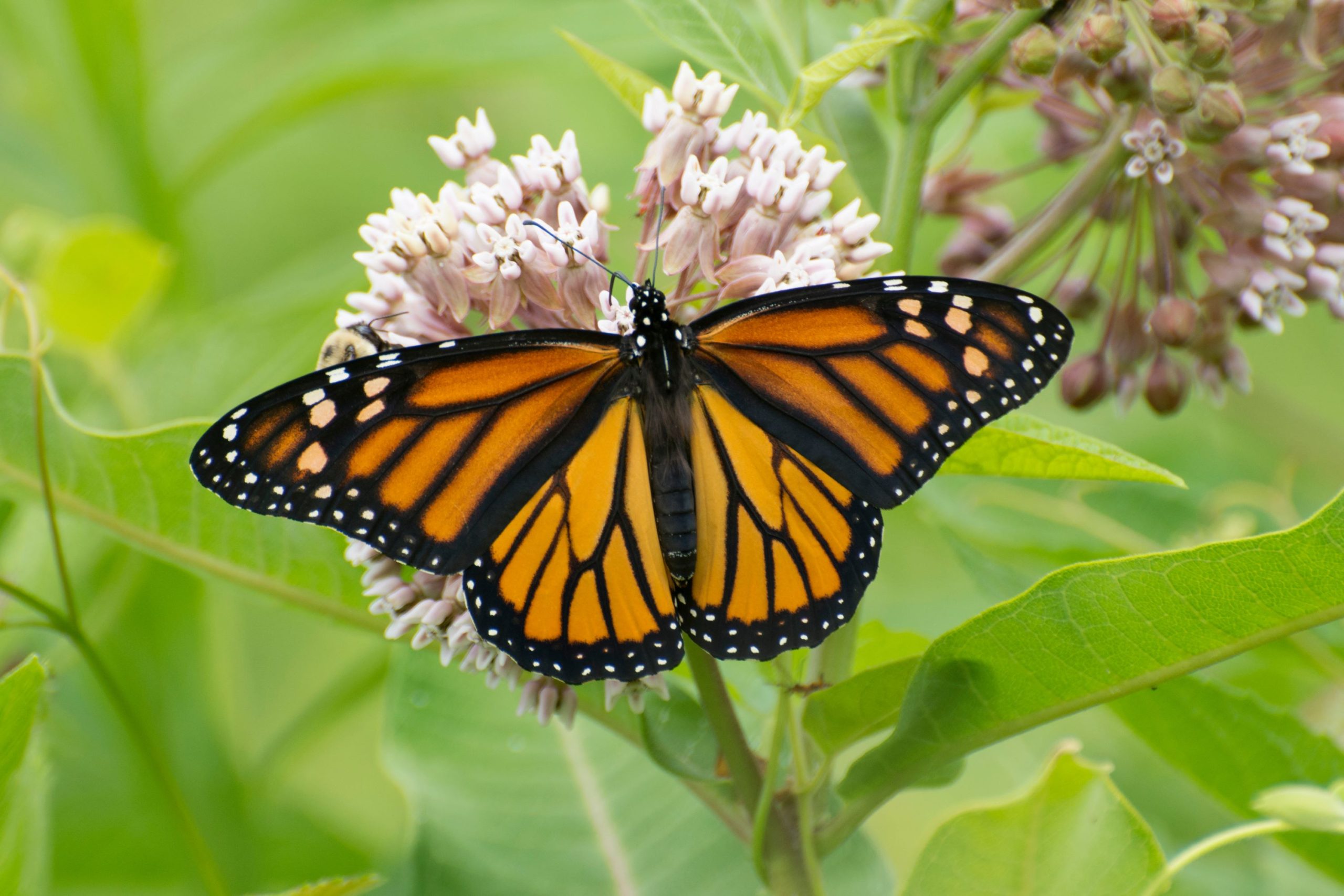
Moths and butterflies may have some differences, but they also share several similarities.
Both moths and butterflies belong to the same family, Lepidoptera. And now you know that means “scale wings.” Their wings are covered in tiny scales, giving them their unique patterns and colors. Additionally, both insects have six legs. This is true of all insects. Both moths and butterflies undergo metamorphosis. That means they transform from one shape to another. They go from egg to caterpillar to chrysalis/cocoon. Then they finally emerge as adults with fully developed wings.
The life cycle of moths and butterflies is identical. It begins with the female laying eggs on host plants. These will eventually hatch into caterpillars. Butterfly and moth caterpillars go through several stages of growth. At each stage, they shed their skin and eat voraciously. After reaching full size, the caterpillar enters the pupa stage. It creates its cocoon where it undergoes its transformation. Finally, it emerges as a beautiful adult moth or butterfly.
Moths and butterflies play crucial roles in our ecosystem. They’re important pollinators. Just like bees and other insects. But what does it mean to be a pollinator? When they visit flowers in search of nectar, they get pollen on themselves. Pollen moves from one flower to another because of moths and butterflies. This is important for plant reproduction. Additionally, moths and butterflies are a vital food source for other animals. Bats, birds, and reptiles all eat butterflies and moths. Even my dog tries to eat them! They’re part of a delicate food chain, contributing to the balance of nature.
While moths and butterflies may have their differences, they also share remarkable similarities. They contribute in important ways to the world around us.
Identifying butterflies and moths can be exciting and rewarding. Here are some helpful tips to aid in their identification:
When it comes to antennae, butterflies have clubbed antennae. They’re thicker at the end. In contrast, moths display a wide variety of antenna shapes. So pay attention to the shape and structure of the antennae. It can give valuable clues for distinguishing between the two.
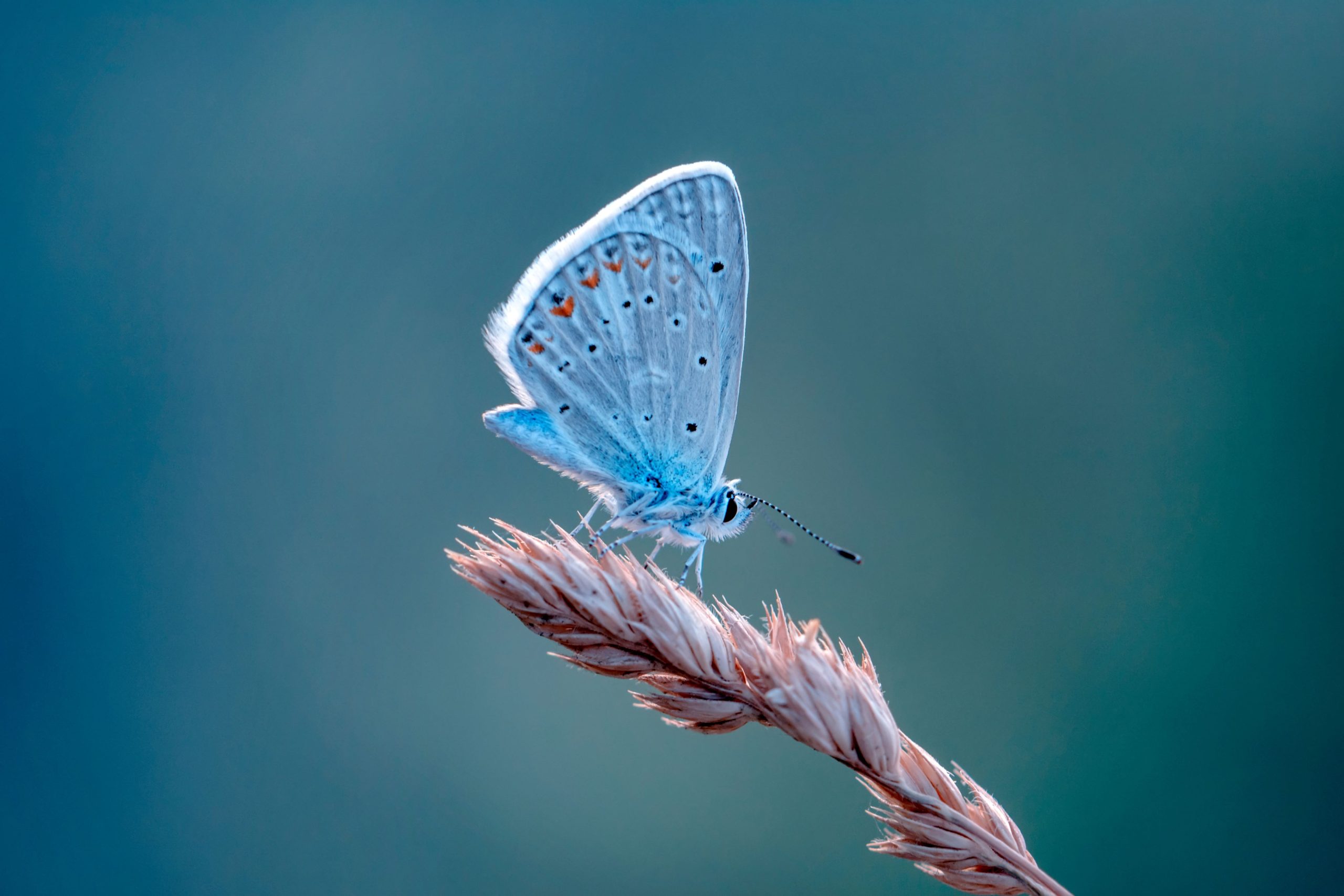
Wing patterns and coloration can be useful for identifying butterflies and moths. But not all butterflies are bright. There are some brown butterflies! And not all moths are dull. Some moths are bright and colorful!
Moths and butterflies have a wide range of flight patterns. In some cases, flight patterns differ between moth and butterfly families. Some butterflies are called skippers. They have quick and darting flight behavior. This resembles the movements of small birds or insects. They also hold their wings vertically. Observing flight patterns can give valuable hints for identification.
Taking note of the habitat preferences and behaviors can help in identification. Pay attention to where you spot them. Check in open fields, wooded areas, or near water sources. Additionally, observing their behaviors can help. Watch where they feed on specific plants or trees. Watch their courtship rituals, too, for further clues.
There are lots of ways to further enhance your identification skills. There are many websites, field guides, and mobile apps dedicated to insects. Some popular resources include the Butterflies and Moths of North America website and field guides. Additionally, smartphone apps can assist in identification on the go. The iNaturalist app is great and free!
Together we explored the world of moths and butterflies. We discussed the key characteristics of both insects. We saw that moths tend to fly at night (but not all do). We also learned about the similarities between butterflies and moths for identification.
It’s important for us to appreciate and protect both. These delicate creatures play essential roles in pollination. They contribute to the biodiversity of our ecosystems. We should preserve their habitats and ensure their survival.
Remember, if you’re out insect hunting, take appropriate precautions. Wear reflective clothing, make noise, and have a plan for emergencies. Never approach or harass wildlife of any kind.
Share your favorite butterfly and moth videos and tag us on Instagram, Facebook, or Twitter!
Want to do more?
Become a Forest Defender today! Your monthly gift will protect the insects and biodiversity of the South.
Join our email list to get new Biodiversity in Your Backyard sent directly to your inbox!
The value of forests and wetlands goes beyond borders. It goes beyond politics and cultural divides. These ecosystems provide critical services. They help with climate change. They support biodiversity. The bottom line is that they sustain life. We must protect forests and wetlands. This isn’t about ideology. It’s a need. It ensures a fair and strong future for all.
I’ve worked in conservation for over 18 years. I’ve learned the promise and peril of our current approaches. The destruction of forests and wetlands continues. It’s a grave injustice to people and planet. This is a global concern. It needs global attention. Governments and groups often promote timber markets. And companies do a lot of greenwashing. This hurts conservation goals.
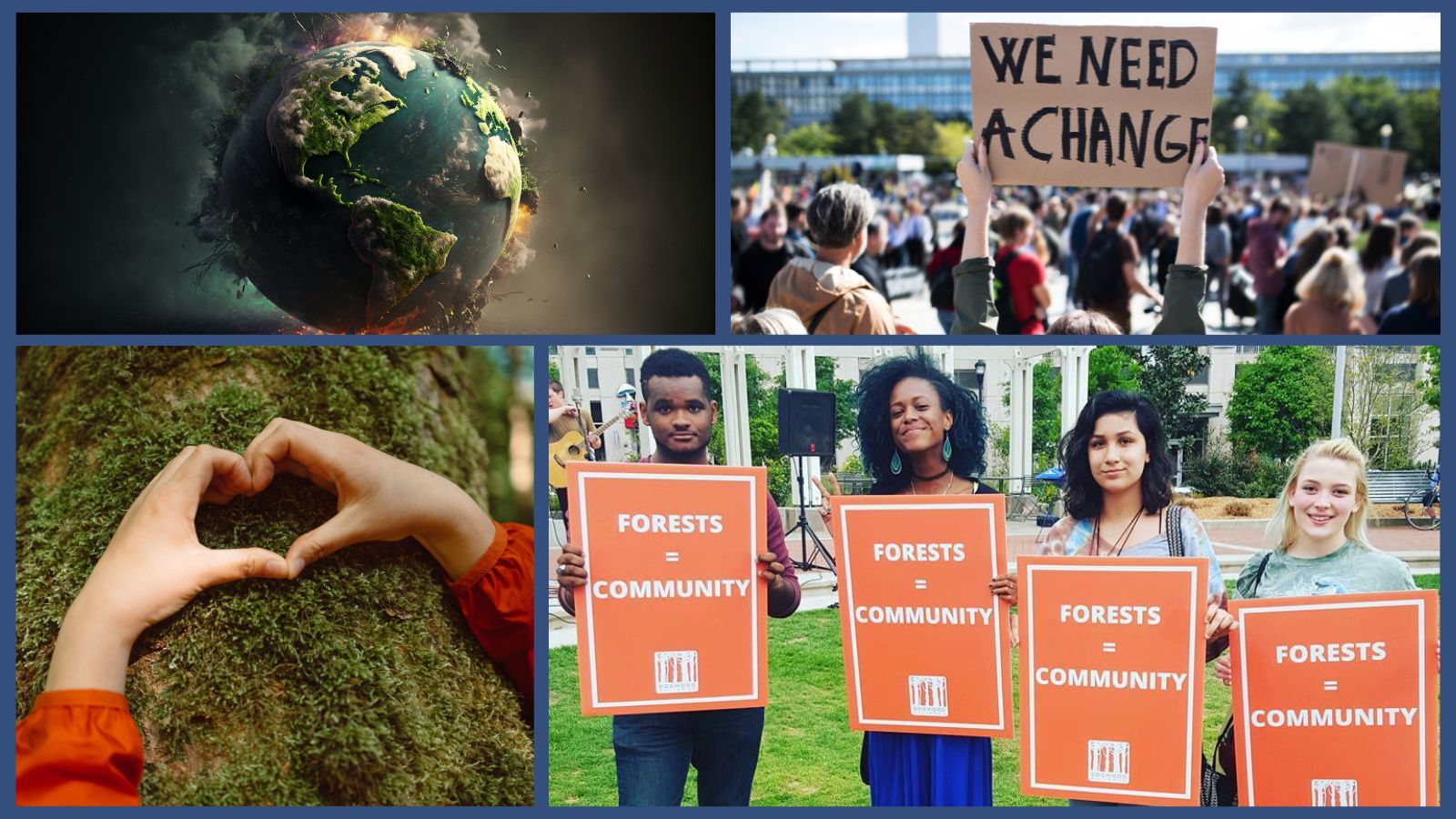
Justice conservation is a movement that puts people and ecosystems first. This movement puts communities and forests above corporate interests. Those on the frontlines of environmental harm face terrible impacts from climate change. They bear the brunt of pollution from dirty industries. These include:
We must unite, speak up, and demand action. We must build a safer, cleaner, and greener future. And how do we do that? We change how we value ecosystems.
We did extensive research. And we collaborated with community leaders and organizations. Together, we have a shared vision. We seek solutions that focus on justice for both people and the planet. It’s time for a narrative change. It’s time for a national reckoning. We must change how we value and safeguard ecosystems like forests and wetlands.
Through policy changes, we seek to:
We must take a holistic approach to conservation. And part of that is building a regenerative economy.

A regenerative economy is one that minimizes extraction. Extraction is taking from nature. Whether it’s cutting down trees, mining for coal, or fracking for gas. Instead, a regenerative economy focuses on nature-based solutions. Studies have shown that restoring wetlands is a good investment. It yields big returns! $1.3 to $4.0 billion per year. The Yale Program on Climate Communication’s polling shows strong support. 81% of voters back initiatives to create parks and green spaces. These spaces would go in low income and communities of color.
In other words, justice conservation demands fair policies for people and nature.
Today, 40 million+ people live in flood-prone areas. Natural disasters threaten people and property. Inland, coastal, and rural communities need relief. We must invest in natural infrastructure like forests and wetlands. Forests are buffers from extreme weather. Wetlands can absorb a lot of flood water. Much more than concrete can. We need solutions that safeguard forests, wetlands, homeowners, and businesses.
Many wading birds adapted to thrive in wetland environments. Wetland wading birds are some of the most vulnerable bird species when wetland areas decline. The US has lost more than half of all wetlands in the lower 48 states. Loss rates have increased by 50% since 2009.
Wetlands are essential ecosystems. They’re areas where water covers the soil. Or where water is near or at the surface of the soil during parts of the year. They can be freshwater, brackish, or saltwater. They can be coastal or inland. Wetlands cover 6% of Earth’s surface, but they’re home to 40% of all plant and animal species. 50% of North America’s bird species depend on wetlands for survival. 80% of protected birds rely on wetlands. Protecting and restoring wetland habitats are key to maintaining wading bird populations.
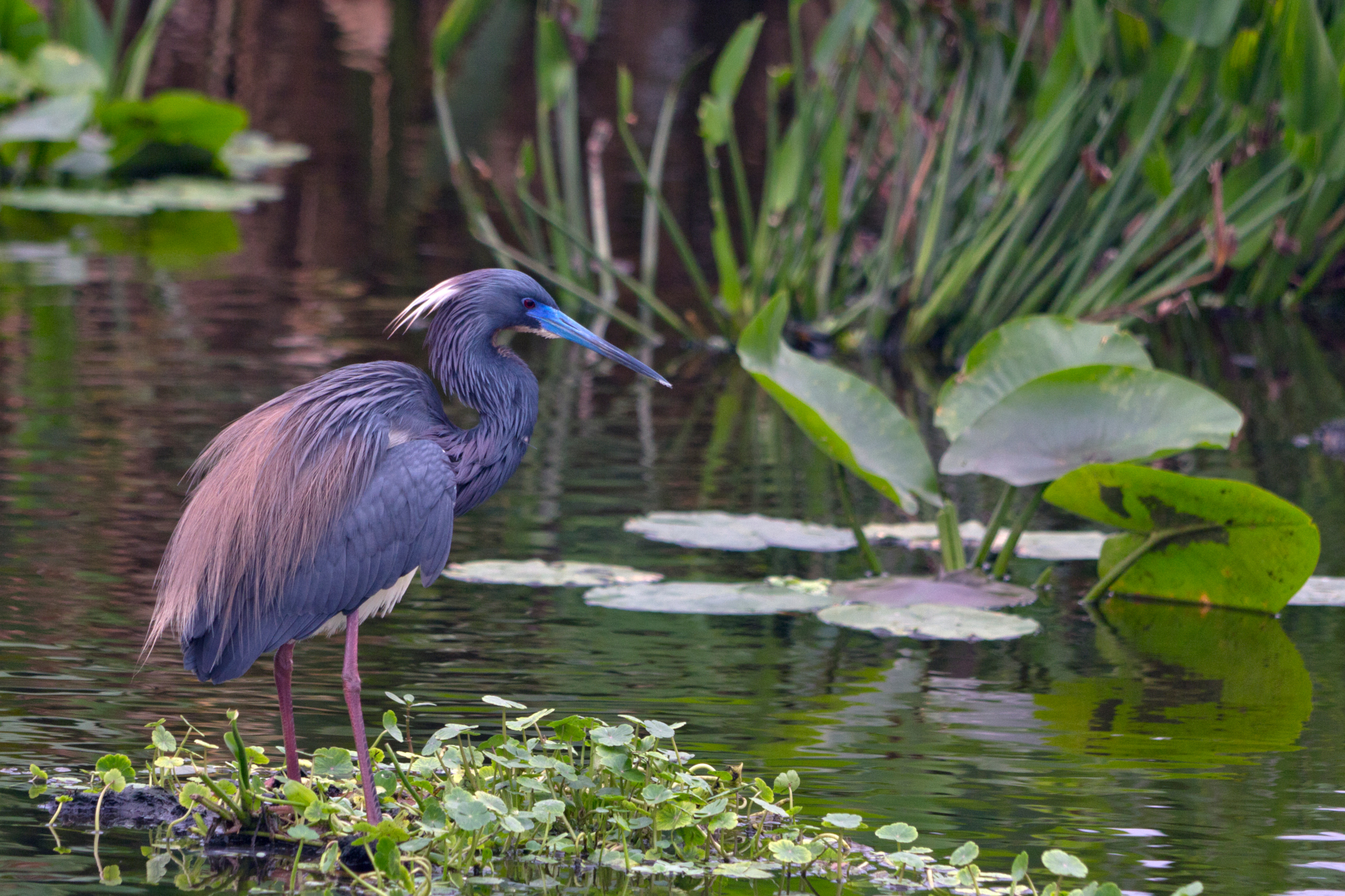
Image courtesy of © Adel Alamo 2012
Wetland wading birds are known for standing or walking through still or moving water to feed. You’ll know them by their long legs, toes, necks, and bills. They can come in all shapes, sizes, and colors. Their long toes and legs improve their stability. This helps them forage in shallow or deep water. They have long bills that come in various shapes depending on their diets. Their necks are long and powerful and often form the letter “S”. Males and females look similar to one another. Some wading birds develop beautiful plumes or colorations during their breeding season.
Many also display elaborate courtship behaviors. Wading birds rely on wetlands for food, breeding, rest, and more. The most common birds in this family include herons, egrets, cranes, storks, spoonbills, and ibises. I’ve been lucky enough to photograph many of these birds in the wild. I’m excited to share these images from my personal portfolio with you.
Sandhill cranes are large wading birds. Their length is 34-48 inches and their wingspan is 78-80 inches. When you see these birds flying overhead, they appear massive. They’re tall, gray birds with splashes of rusty-colored feathers and dark wingtips. They look like they have a painted face. With a red mask from their forehead to the top of their bill. Below that, they’re white from their cheeks to their throat. They have yellow or orange eyes that pop against the crimson of their crowns. Their bills and legs are black. Sandhill cranes are some of the most breathtaking birds I’ve ever seen. Their distinct call sounds like a trilling trumpet, and it is loud!
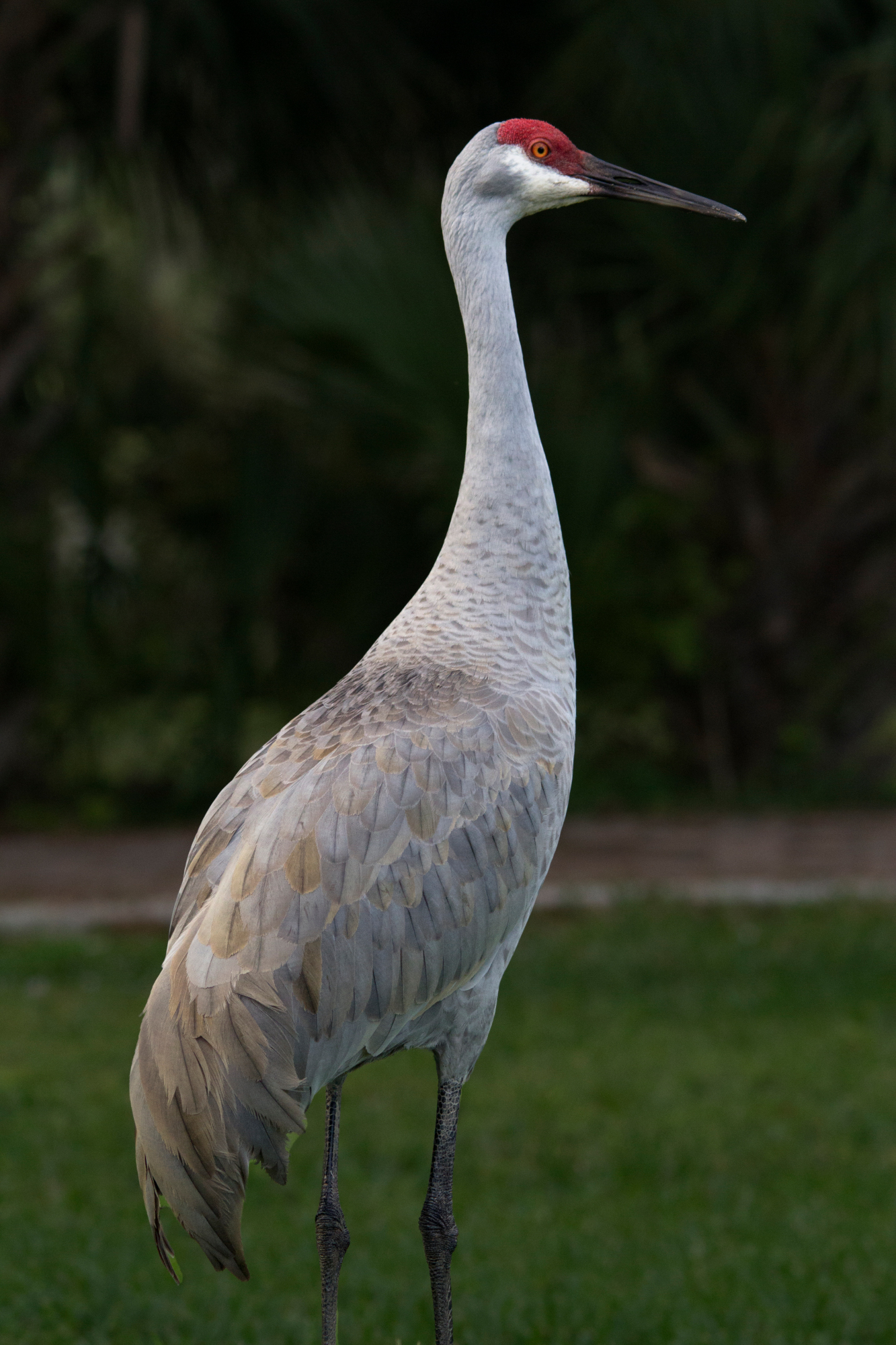
Image courtesy of © Adel Alamo 2012
Sandhill crane subspecies are found year round in parts of Florida. Migratory sandhill cranes visit wetlands and prairies across North America. They breed in open wetlands that trees or shrubs surround. They’ll eat insects, seeds, grains, berries, tubers, snails, reptiles, amphibians, small mammals, and even other birds. They prefer to nest on the ground in isolated wetlands. Sandhill cranes are known for elegant courtship dances. They’ll stretch their wings, bob their heads, bow, and leap into the air. All while calling to one another.
These beautiful birds will mate for life. I used to have a bonded pair that foraged through my backyard every day when I lived in Florida. I was lucky to see them raise many chicks into adulthood. It always felt so special. Regulating bodies consider sandhill cranes of “low conservation concern”. But some subspecies in Mississippi and Florida are vulnerable. Habitat loss and human development threaten these sandhill cranes.
Great egrets are large wading birds. Their length ranges from 35-41 inches. Their wingspans range from 52-57 inches. They’re tall, white birds with black legs. They have yellow eyes and a bright green patch around the base of their yellow bills. During the breeding season, they’ll develop dramatic, wispy white plumes on their backs. Nineteenth century fashion nearly caused their extinction. 95% of great egrets in North America were killed for their plumage. Then their feathers were used to decorate hats. Great egrets inspired some of the first conservation laws to protect birds. Plume hunting was banned in 1910, and their populations have since recovered.

Image courtesy of © Adel Alamo 2012
Great egrets live year round in Florida and the Atlantic and Gulf coasts. Some birds will migrate over much of the US during the summer. They inhabit freshwater, saltwater, and brackish wetlands. Their diet consists mostly of small fish. But they’ll hunt other small prey: amphibians, reptiles, mammals, insects, shellfish, and even other birds.
Males will build a nest platform before pairing up with a mate. Once paired, they’ll complete their nest together. Males will perform elaborate courtship displays. They bend and stretch their necks, pointing their bill to the sky. Then they’ll raise their plumage around them like a fan and shake. Great egrets rely on wetlands for survival. They’re a species of low conservation concern. But they’re still vulnerable to pollution, heat waves, and habitat loss.
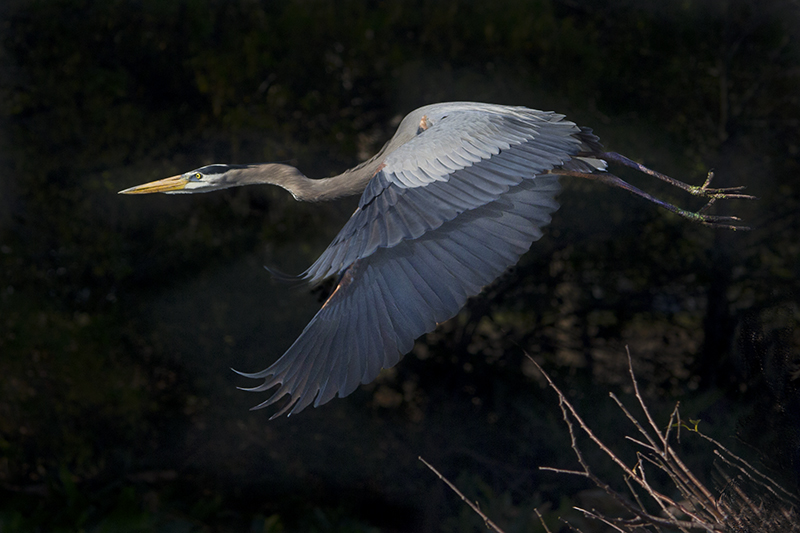
Image courtesy of © Adel Alamo 2013
Great blue herons are the largest of all North American herons. Their length ranges from 38-54 inches, and their wingspans range from 66 -79 inches. Their coloration is blue-gray. They have a thick navy stripe over their eyes. It ends in a wispy plume and navy-colored wingtips. They have mottled navy stripe patterns down their throat and bellies. Their eyes and beak are yellow to orange. During the breeding season, their necks and backs develop shaggy plumage.

Image courtesy of © Adel Alamo 2014
You can find great blue herons year round across most of the US. They’ll inhabit both freshwater and saltwater ecosystems. Their diet includes most small prey: fish, amphibians, reptiles, mammals, insects and even other birds. They have excellent night vision. This allows them to hunt day or night.
They breed in colonies in isolated swamps, islands, or near forested lakes and ponds. They build stick nests in treetops, bushes, or mangroves. Males will gather sticks and present them to the females. The females will then place the sticks in the nest. Courtship and pair-bonding include stretching their neck up and pointing their bill to the sky. They’ll also raise their plumes and clap their bill tips together. Great blue herons depend on wetlands for survival. Their populations are considered stable, and they’re of low conservation concern. But they’re also still vulnerable to habitat loss and heat waves.
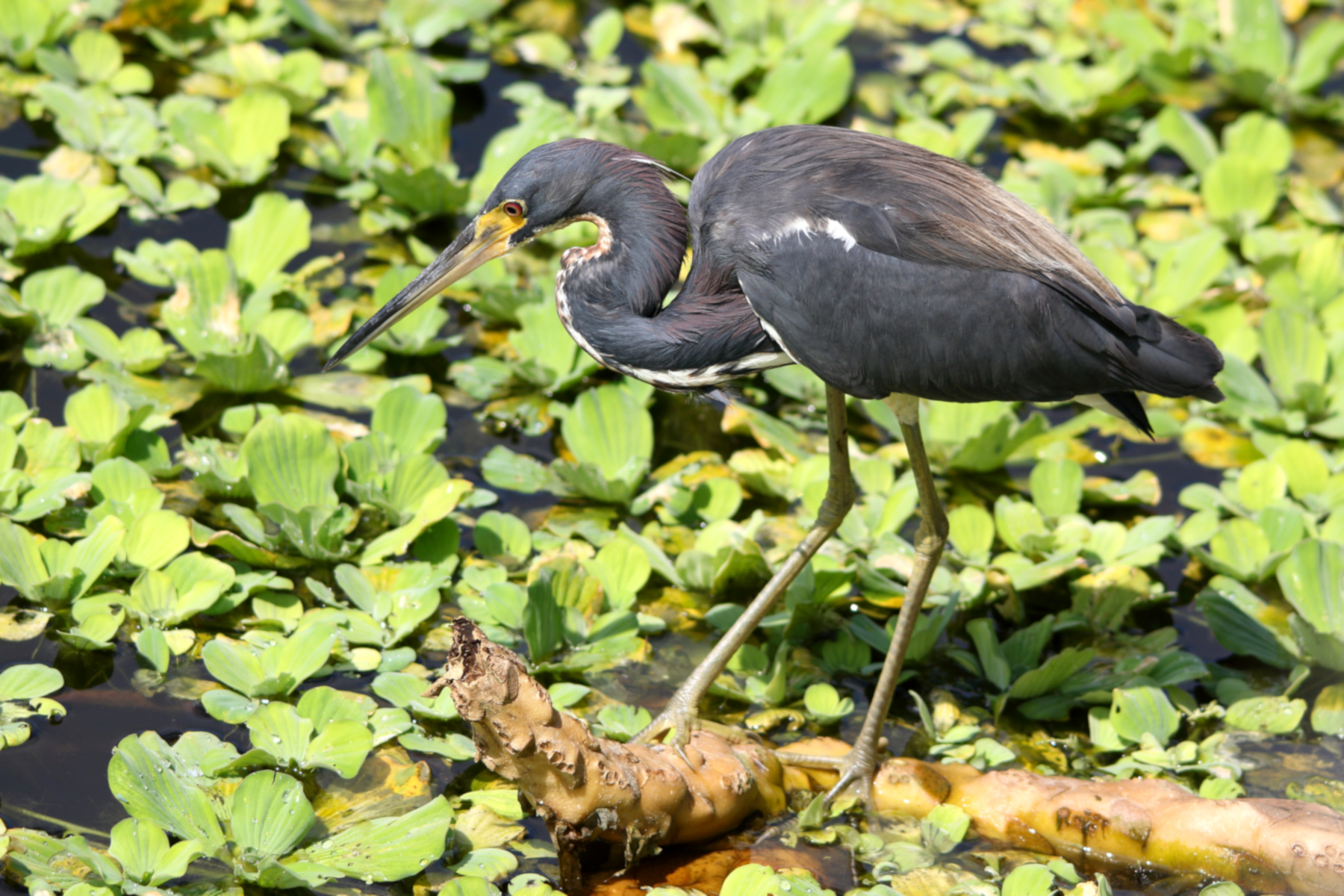
Image courtesy of © Adel Alamo 2012
Tricolored herons are medium-sized wading birds. Their length ranges from 24-30 inches, and their wingspans are 37 inches. Their coloration is a mix of violet and dark blue on their head, wings, and neck. Tricolored herons have a white underbelly. They can have pink or yellow legs, and they have a reddish eye. Their bills are often a duo-tone of dark gray and yellow. Breeding tricolored herons develop white plumes at the back of their necks and a bright blue patch around their bills. They also develop shaggy feathers on their backs.
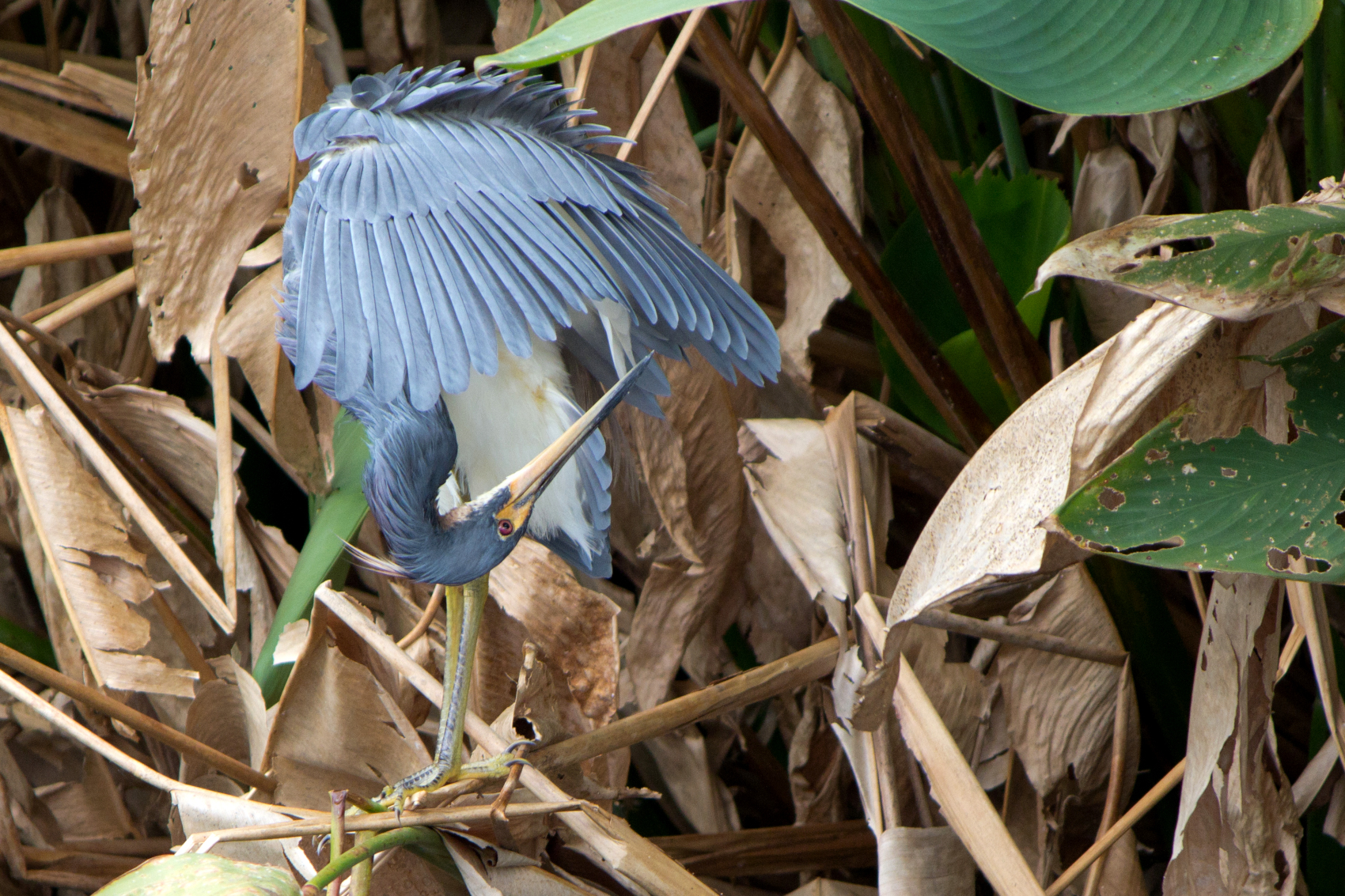
Image courtesy of © Adel Alamo 2012
You can find tricolored herons year round in Florida and the Atlantic and Gulf coasts. They live in swamps, coastal estuaries, marshes, mangroves, and the edges of rivers or lakes. Their diet consists mostly of small fish. Tricolored herons sometimes bend forward and create an umbrella by holding their wings over their head. This shade attracts small fish right to them. They’ll stalk, chase, or patiently wait to strike their prey.
Tricolored herons nest in colonies with other wading birds for safety. Males pick the nesting spot. They prefer islands with tall shady trees or shrubs. Males will gather the nesting materials. Females build the nest. Their courtship displays include neck stretching, deep bowing, and flying in circles. Tricolored herons depend on wetlands and other waterways for survival. Their populations are stable but they’re of high conservation concern. In Florida, they’re considered threatened due to a 75% decrease in breeding pairs. They are vulnerable to heat waves, heavy rains, sea level rise, and human development.

Image courtesy of © Adel Alamo 2013
Roseate spoonbills are medium-sized wetland wading birds. They’re the only species of spoonbills found in the Americas. Their length ranges from 28-34 inches, and their wingspans range from 47-51 inches.
Roseate spoonbills are visually striking birds. They have a white head and neck with bright red eyes. From the top of their back to their underbelly, they’re a gradient hue of blush to bright pink. The tops of their wings and tails are a magnificent magenta. Their legs are pink, too. At a distance, you may even mistake them for the most famous pink wading bird: the flamingo. Their long bills are shaped like a spoon and give them a mythical creature quality. As they age, they lose the feathers at the top of their heads.
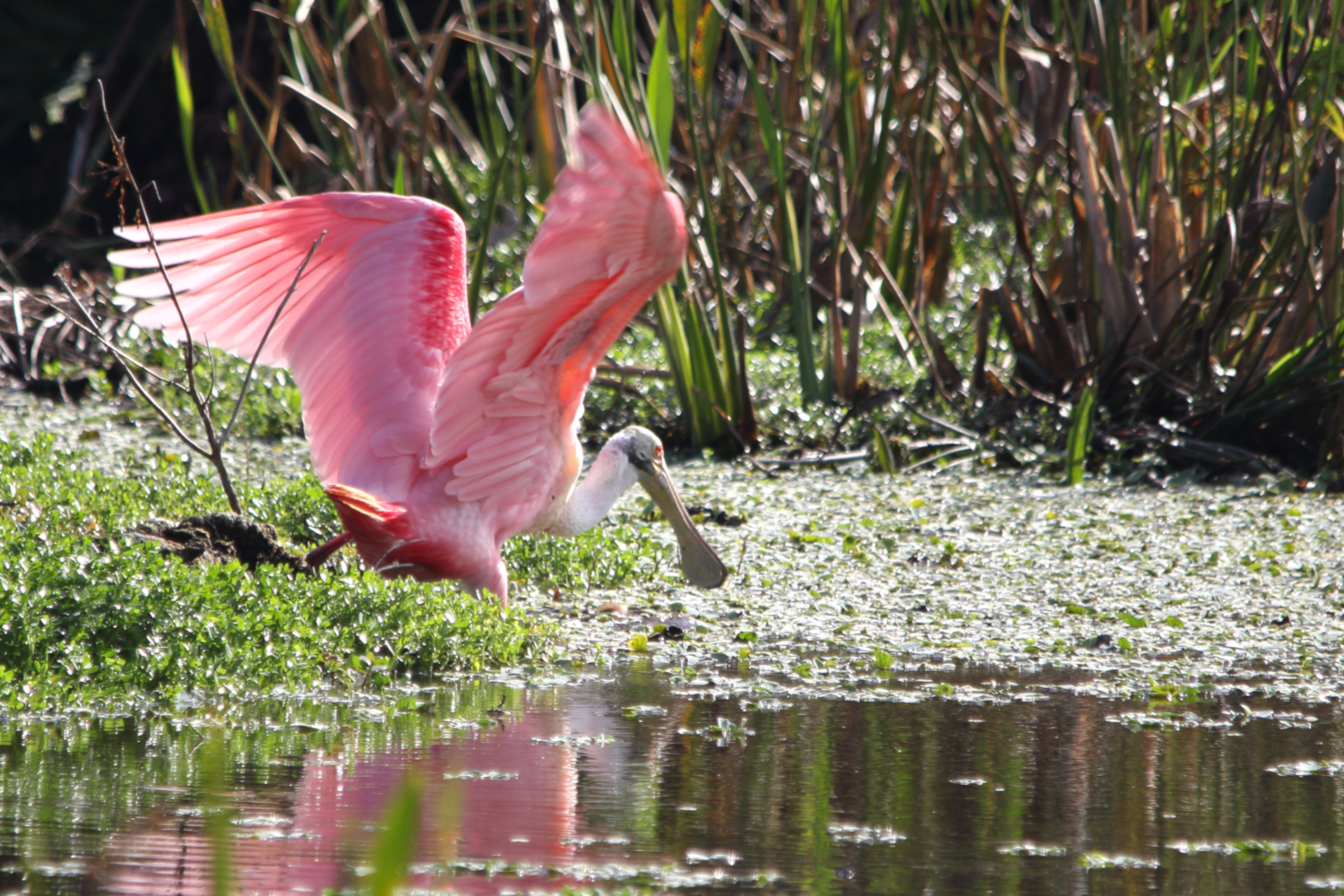
Image courtesy of © Adel Alamo 2013
Roseate spoonbills are found year round in Central and Southern Florida and the Gulf Coast of Texas. They inhabit freshwater, saltwater, and brackish wetlands from mangroves to forested swamps. Their diet consists of shrimp, prawns, aquatic insects, and fish. Scientists believe the carotenoids in crustaceans help roseate spoonbills develop their pink color. They’ll sweep their bills through shallow water to feed.
They nest in colonies with other wading birds for safety. Males will present females with sticks once they’ve paired up. They will hold the sticks in their bill and shake them at the females to get their attention. Roseate spoonbills need healthy wetlands to survive. They’re a species of low conservation concern. But they’re vulnerable to spring heat waves, heavy rainfall, sea level rise, and human development.
These are just a few of the spectacular wetland wading birds you can find in the Southern US. I hope that by learning more about wading birds, you realize how important it is to protect the places they call home. We have something in common with these birds. We all need healthy wetlands to thrive. When we protect wetlands, we’re protecting more than wading bird habitat. We’re protecting our communities. From increasing storms. From a changing climate. We’re protecting our clean water.
Many US wetlands are unregulated, so they’re at risk. That means wetlands near you may be polluted, filled, or dredged without consequence. Most of these wetland wading birds are considered low conservation concern. But we’ve got to make sure it stays that way.
Make a donation today to protect our wild wetlands and the critters who need them.
Ask your state lawmakers to enact laws that protect wetlands. Migrating wetland wading birds depend on wetlands for survival.
Let’s take our concerns to the federal level! Urge Congress to increase protections for all wetlands, rivers, streams, and lakes.
Share your favorite photos of wetland wading birds. Tag us on Instagram, Facebook, or Twitter!
Have you ever heard of “Moore’s law”? You may want to become familiar with it. Named after Gordon Moore, a founder of Intel, it says tech will double its capabilities each year. Moore made this statement way back in 1965. Now in 2024 computers are on our wrists, in our ears, and in our pockets. While Moore’s law of technology’s growth may have been correct, it missed the costs to our planet.
As technology becomes better, the impacts to our environment have never been more dire. Tech companies are producing more than ever in pursuit of more profit. And consumers are buying more. This cycle comes at a cost to our ecosystems, climate, and people’s living conditions.
Enter “green technology.” Systems and devices used to reduce or reverse the damage done to the environment. Examples include electric vehicles, solar panels, and windmills. Investors and early adopters of green technology believe it’s the cure to many ills. Unfortunately, much of it brings more harm than it solves. Much of it is “green” in name only.
For example, electric cars have grown in popularity over the past five years. Companies like Rivian and Tesla fight to control the market but at the cost of safety. Many of the lower-tier Teslas experience safety issues that cause the cars to explode. These explosions put people in danger. They also release dangerous gas. This is on top of electric fuel stations that rely on coal-powered electricity to charge.
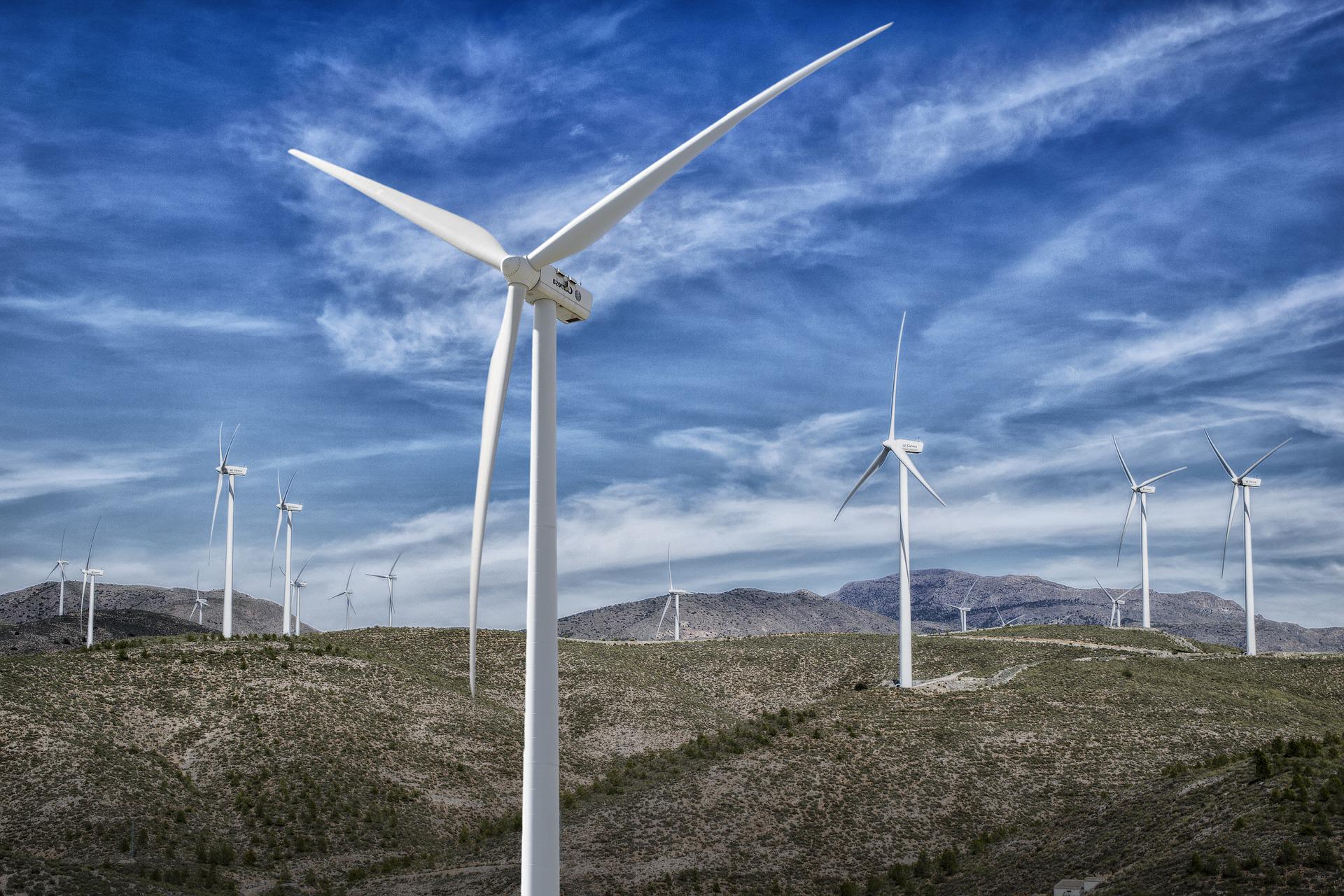
Solar panels and wind turbines can be weather dependent. This can make them less reliable. Their use of renewable energy can offset starting costs. But they’re still very expensive to install and integrate. These factors slow their wider adoption. But like electric cars, these technologies also have a hidden cost…
In 2022, a chip shortage caused delays in shipments of EV cars and devices that rely on them. This is mainly due to the rise in demand for electronics and conductors during the pandemic. Companies raced to meet demand. In doing so, they contributed to one of the most horrific humanitarian issues of our time. Cobalt mining.
The mining of cobalt in places like The Democratic Republic of Congo is a horrific scene. The work is often done by young children. Many dig through layers of ground and rock to collect the substance. This creates many health and human rights issues for those forced to work. All while destroying the lands and environment around the digging sites.
Does this mean all technology, green or not, contributes to environmental decay? Not quite. There are some green technologies that do what they intend and help offset the decay. Things like proforestation, sustainable agriculture, and electronic recycling can make a difference.
As individuals, we can make change in several ways. The first is to acknowledge that our technology is part of a cycle that enslaves children. The second is to stop over-consuming electronics. We can keep our devices for longer. Both the planet and your wallet will thank you.

This does not only rest on our shoulders as individuals. The tech that governments and big companies use causes the most damage. To our environment and our health. We must demand they change their practices. This is the only way to move technology towards creating social good.
March 21st was a gorgeous spring day in the coastal plain of the US South. It was the International Day of Forests. The relationship between forests, environmental justice, and climate change was at the heart. Government officials, community leaders, and organizations gathered. Together we embarked on an important tour in South and North Carolina.
The coastal plain of the US South is ground zero for industrial logging. It has also been a target for the expanding biomass industry. The biomass industry logs trees, turns them into pellets, and ships them overseas. The pellets are then burned for energy. The industry continues building new wood pellet biomass facilities within environmental justice communities. These communities already dealing with the impacts of:
Since taking office, President Biden’s administration has advanced environmental justice. Yet, the administration has found it challenging to create real on-the-ground change. These areas need greater attention from the Biden Administration.
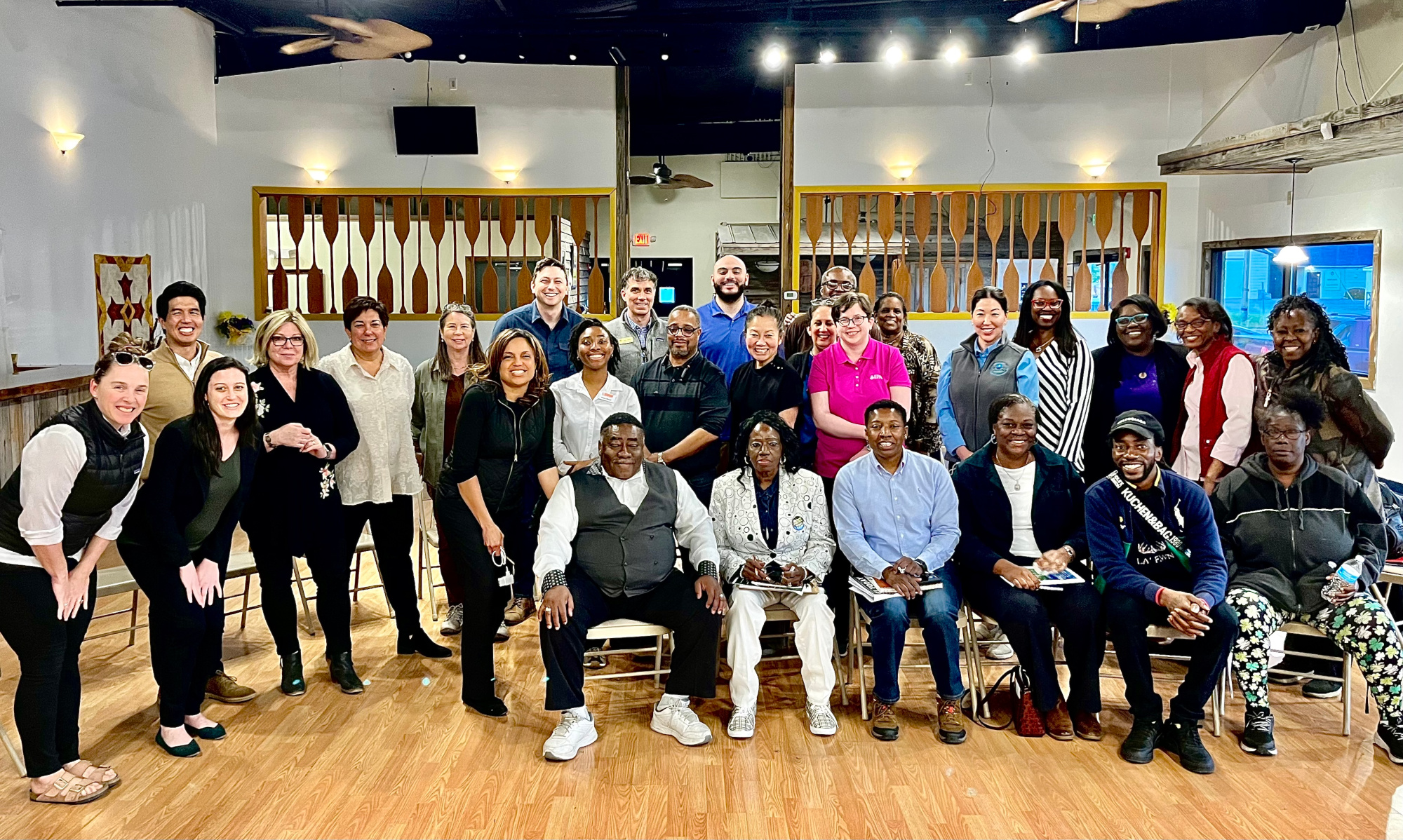
The tour included federal agencies (CEQ, EPA, USDA, DOJ, DOE), community members, and allied organizations. It was a tour of forest, climate, and justice impacts in North and South Carolina.
Here are five key lessons learned from this tour:
Community members often ask decision-makers to “come for a visit.” There is no substitute for real-world experience. Results often follow when decision-makers see the impacts with their own eyes.
We commend the Biden administration for taking the time to complete this tour. It can be challenging to get federal officials into the field. But this puts the administration’s words on environmental justice into action.
Communities know the solutions. Governments often have the resources. Usually, what’s missing is the relationships. Much of Dogwood Alliance’s work is successful because of these kinds of relationships.
This tour is an example of placing relationships at the center of change. The stakes are too high not to build these relationships. Without them, communities on the frontlines of industrial logging get left behind. Our continued work won’t let that happen.
Creating change takes people coming together. For communities organizing, it’s critical to have a space to gather. Environmental justice communities, especially in rural areas, often don’t have spaces like this.
The tour visited the Environmental Justice Training Center in Brittons Neck, South Carolina. This center is a model for rural communities dealing with climate change impacts.
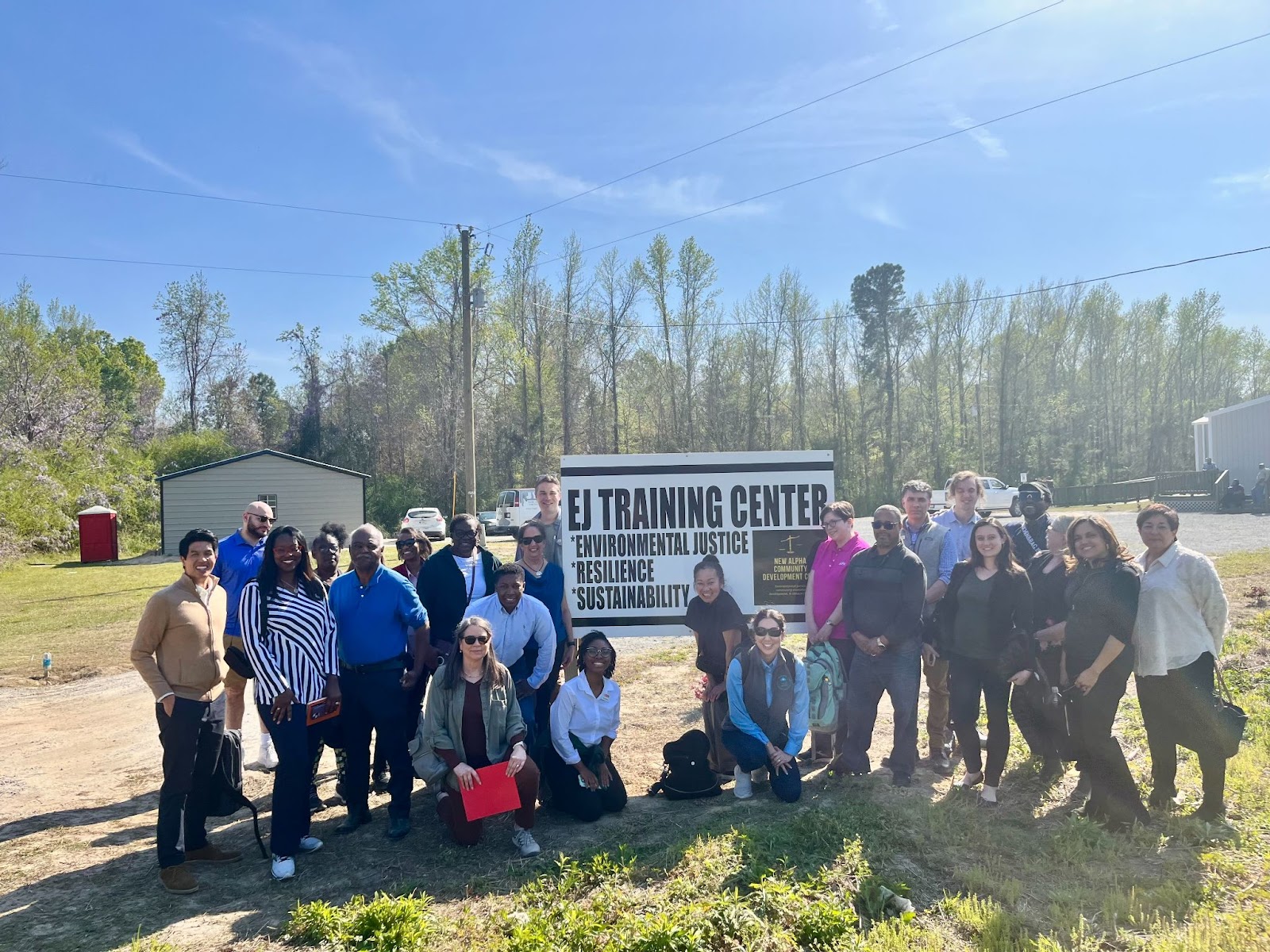
Visiting the Environmental Justice Training Center in Brittons Neck, South Carolina.
Communities living on the frontlines are all too familiar with the harms of logging. They’ve been experiencing them for decades. Unfortunately, public and private efforts often double down on the same extraction model. Does industrial logging bring economic prosperity to these regions? If it did, the coastal plain of the US South would be one of the wealthiest. In reality, it’s the opposite.
To break this cycle of extraction, policies and funding must begin to center nature as a solution. We can no longer bail out dirty industries like big biomass. We can’t afford to delay funding and new regulations that keep our forests standing. Instead, let’s invest in community health and quality of life.
It is often said that how we value nature reflects how we value ourselves. It’s time to put this principle into action.
This work can be heavy. Some issues seem insurmountable. Solutions can feel so distant that they’re hard to visualize. But one of the most crucial lessons we’ve learned is the importance of celebration. Taking time to laugh, sing, dance, and connect makes success possible.
I saw this happen throughout the tour. People laughing, engaging in lively conversations, and celebrating each other. If we’re going to create real and lasting change, we must find joy together.
People think that wood pellets will reduce greenhouse gas emissions and climate change. Yet, these misguided beliefs are harming the environment. A closer look reveals a different, environmentally harmful reality. Burning wood for energy is not a climate solution.
Let’s address this misconception head-on. We’ll look at why the wood pellet industry is not as environmentally-friendly as it may appear. We will examine the impacts on forests, wildlife, communities, and carbon. Together, we’ll explore the facts and uncover the truth.
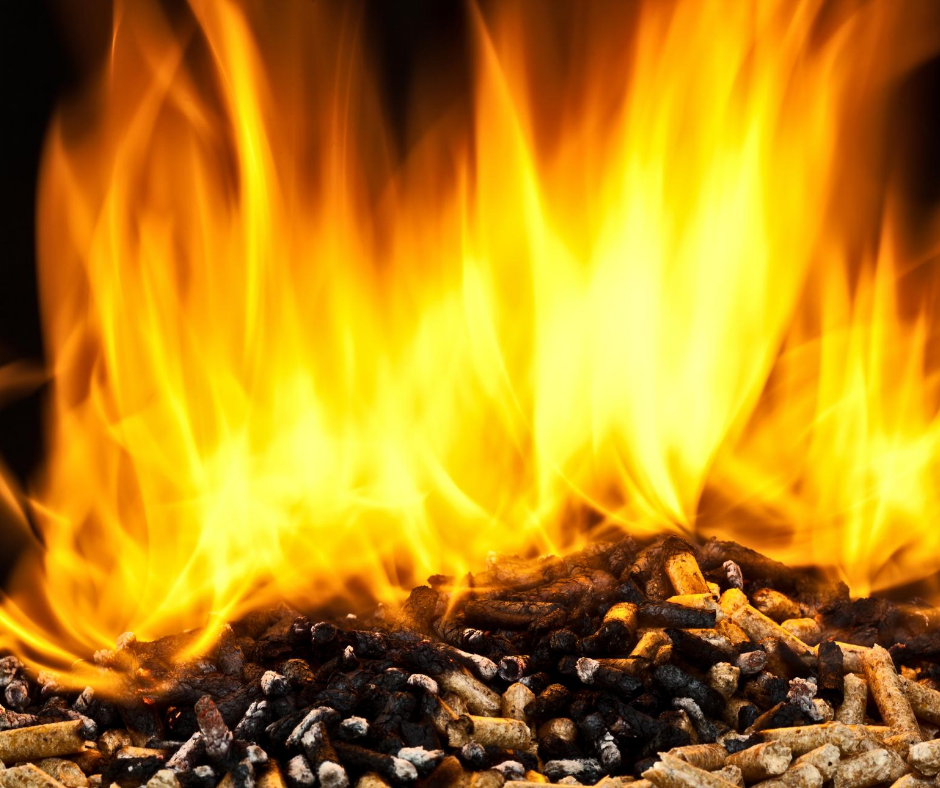
The wood pellet industry is not as environmentally-friendly as they claim to be. Burning wood is not a “green” energy solution. This is because it causes air pollution and forest destruction.
When we make wood pellets, we rely on cutting down lots of trees. This is called logging or clearcutting. Logging can cause many problems for our forests and the animals that live there.
One of the biggest issues is habitat destruction. Clearing vast areas of forests means destroying the homes of many animals and plants. Imagine if someone suddenly bulldozed your home. It’d be devastating! Then the loss of these habitats also leads to a decrease in the variety of plants and animals that live in an area. This is known in the sciences as biodiversity loss.
Not only that, but when we chop down forests, it disrupts the natural balance of the environment. It affects things like how water moves through the area and what nutrients are in the soil. This can harm the quality of our water. It can make it harder for plants and animals to survive.
Another thing to consider is the beauty and recreational opportunities that forests provide. When we cut down trees, it changes the way our landscapes look and feel. We lose the peacefulness and enjoyment of being in nature. Instead, we’re left with unpleasant and sad empty spaces.
To sum it up, using wood pellets harms forests. It contributes to the loss of forests, animal homes, and other negative effects. It’s important for us to think about whether this is the best way to get energy. We need to find alternatives that don’t harm our forests and the creatures that call them home.
We should demand better forest policies. Let’s explore other energy sources that are truly sustainable and don’t cause harm. Together, we can make a difference. Let’s create a future where we protect our forests and the communities that depend on them.
Ultimately, both making and burning wood pellets causes air pollution. Wood pellet mills produce the pellets. These mills create air pollution. And so do the power plants that burn them to produce electricity. Many times, companies burn wood pellets in place of, or alongside, fossil fuels. This puts more carbon dioxide into the atmosphere than just burning coal alone.
Everyone wants to move away from fossil fuels. But stuffing our power plants with wood pellets won’t decrease carbon emissions. Instead, it’ll increase them! Plus, there are many environmental justice issues with the wood pellet industry.
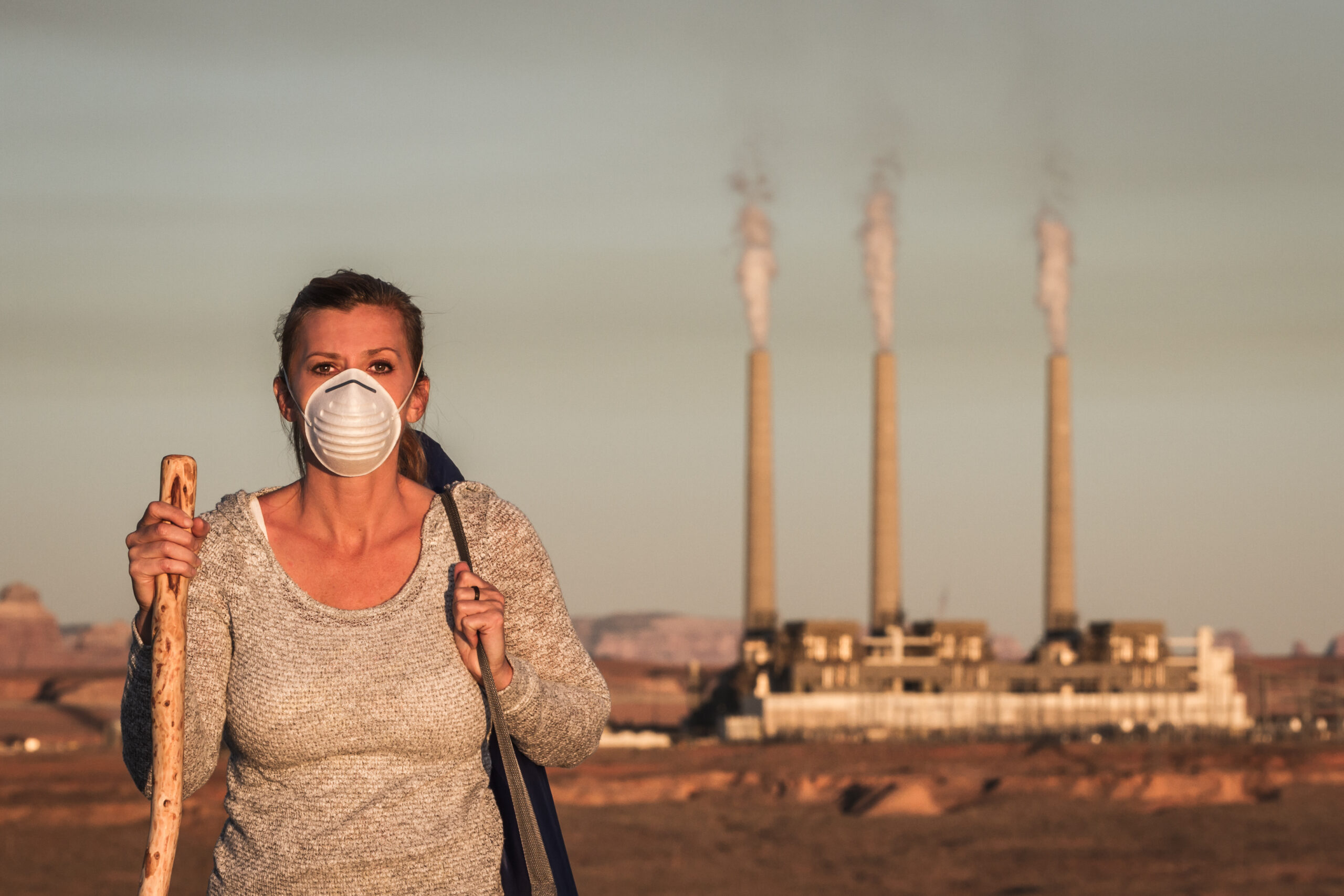
The pollution from wood pellet mills hits certain communities harder than others. These communities are often under-resourced communities of color. Why is there such a pattern?
Environmental justice communities are already facing many challenges. These challenges like poverty, discrimination, and limited resources contribute to inequality. Unfortunately, wood pellet production facilities are often located in or near these communities. This causes them even more harm.
Every community is exposed, in some part, to pollution or carbon emissions. But these communities end up carrying a disproportionate burden. The additional effects from wood pellet production include:
Imagine constantly hearing loud noises from machinery and trucks passing by your home. It would be hard to concentrate or get a good night’s sleep, right? The residents of these communities have to endure this noise pollution every day.
The socio-economic and health implications are also severe. The pollution from wood pellet production can lead to respiratory problems. These problems, like asthma or COPD, make it difficult to breathe. This can affect overall well-being and quality of life.
It’s not fair to these communities. They’re already struggling. Yet, they have to bear the brunt of the negative effects of wood pellet plants. They didn’t ask companies to produce wood pellets near their homes. They deserve better, and it’s up to us to join the fight.
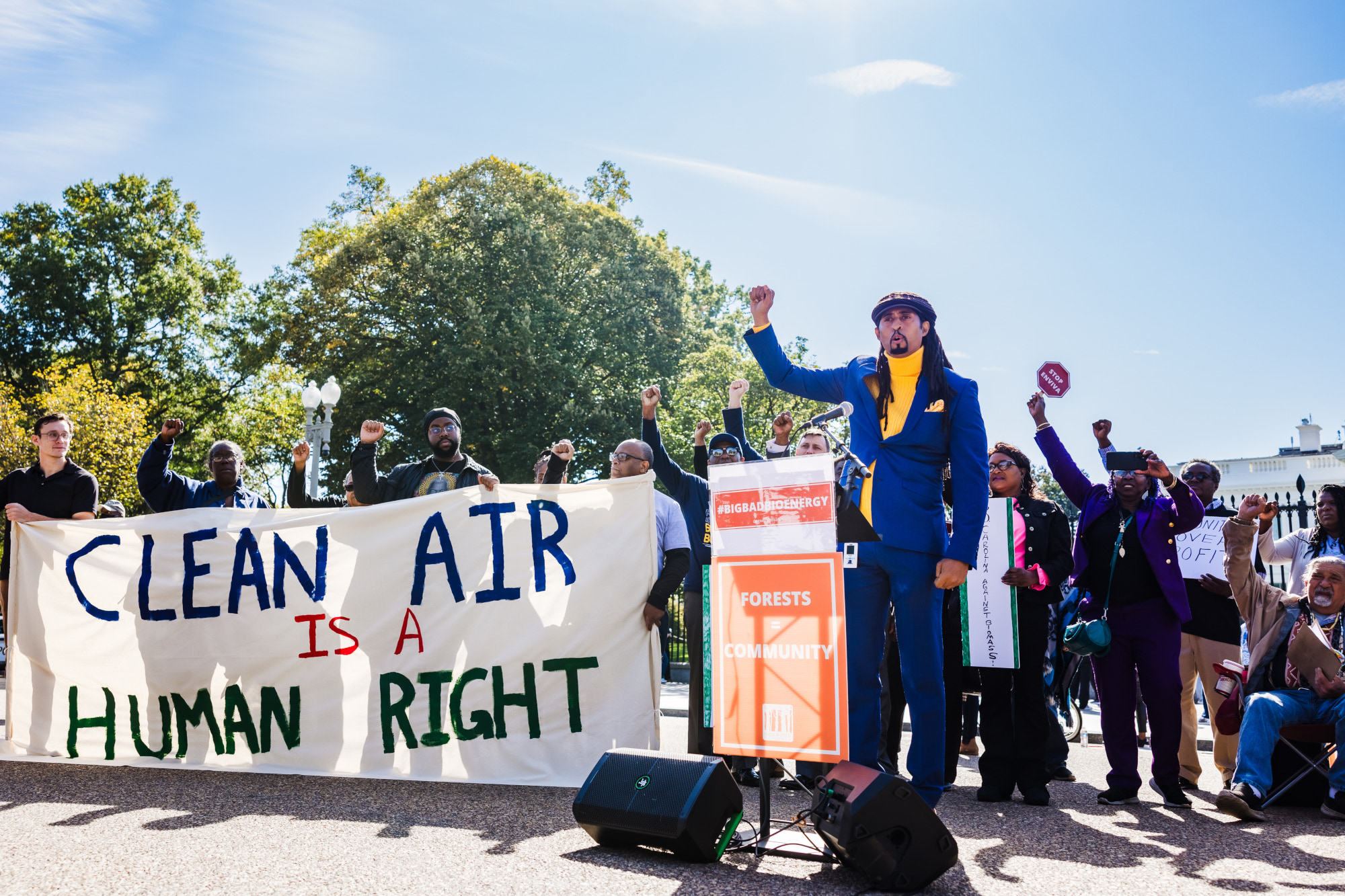
Did you know that burning wood pellets releases more carbon than burning coal? It might sound surprising, but let’s dive into the details.
Some people believe that using wood is better because it’s considered renewable. However, this “carbon neutrality” idea is not entirely true. When we burn wood pellets, they release a lot of carbon. Carbon dioxide is a greenhouse gas that contributes to climate change.
Wood pellet mills claim they make a carbon neutral energy source. But they do this by calculating carbon emissions over a very large area of the country. This way, they can get away with burning trees for power.
Wood pellets will never be climate-friendly like solar and wind energy. Wood pellets have a lower combustion efficiency compared to coal. This means when we burn wood pellets, we don’t get as much energy from them as we would from burning coal. We have to put more energy in. And we don’t get as much energy out. As a result, more CO2 is released into the air for the same amount of energy produced.
We should rely on scientists when considering the impacts of wood pellet production. Scientists have a deep understanding of what makes something “carbon neutral.” Scientists are able to track things like:
Let’s remember that the goal is to reduce our carbon footprint. We must mitigate climate change. So, we need to seek alternative energy sources. Our energy shouldn’t contribute to the release of excessive carbon into the atmosphere. Together, we can make a difference and work towards a cleaner and healthier planet.
Now we’ve learned about the environmental impact of wood pellets. Let’s recap the key points to understand the importance of taking action.
We discovered that wood pellet production leads to forest loss. This causes harm to animal habitats and disrupts the delicate balance of nature. Wood pellet facilities are also a justice issue. They target marginalized communities with pollution and health risks. This is unfair and unjust.
We also found out that wood pellets release more carbon than burning coal. This carbon imbalance contributes to climate change. It poses a threat to our planet’s future.
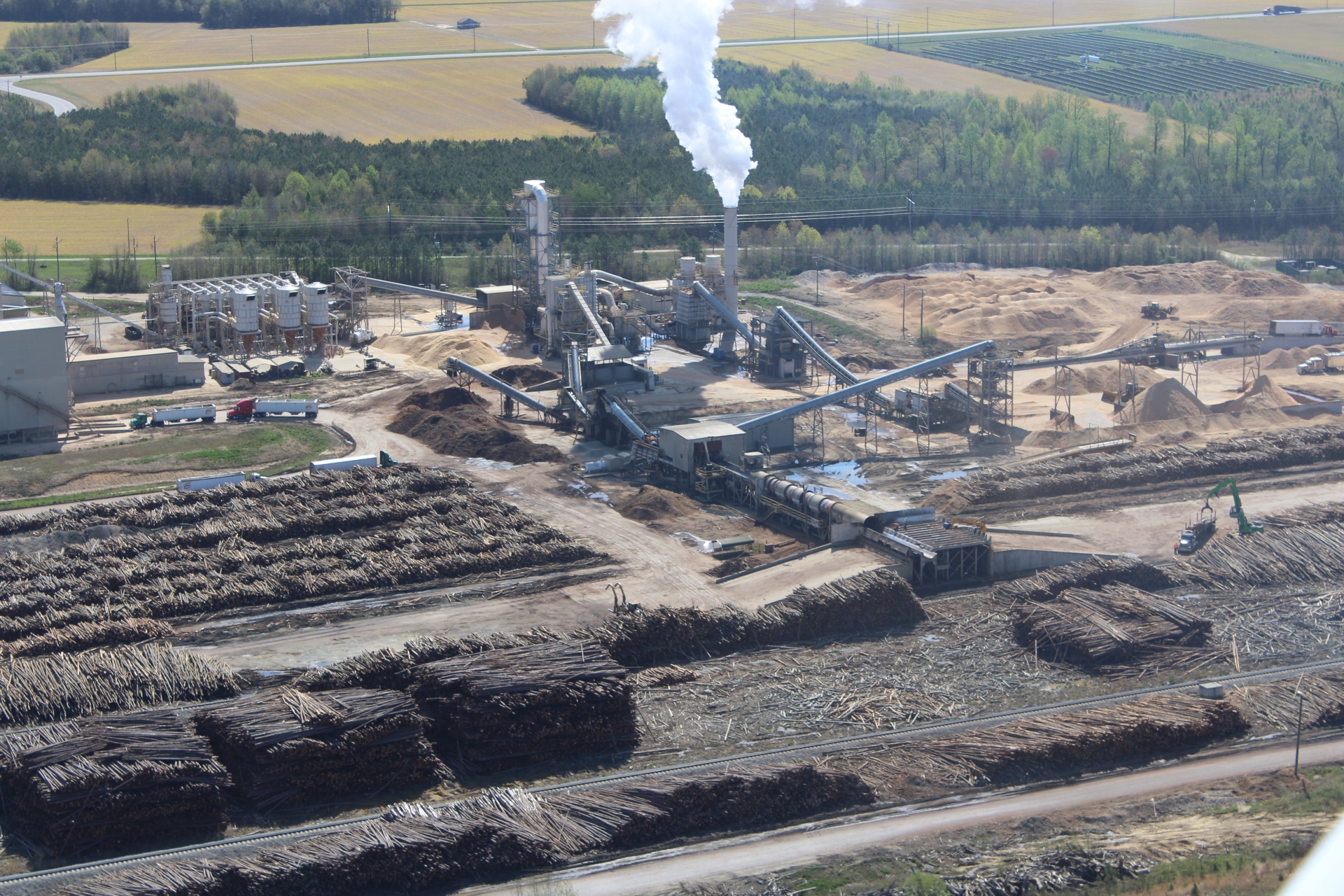
It’s important for us to critically evaluate all renewable energy sources. We can’t accept claims of sustainability without evidence. It’s time to ask questions, seek scientific evidence, and challenge the status quo.
We have the power to make a difference. We can demand better forest policies. Or we can advocate for environmental justice. Finally, we can explore sustainable energy solutions. Ones that focus on our planet and people.
Let’s unite against biomass energy, climate injustice, and bad forest policies. Our voices matter, and our actions can create waves of change.
Let’s be the generation that asks the tough questions. Together we can seek truth and strive for a greener future. We can build a world where both nature and people thrive in harmony.
Don’t wait. The time for action is now. Join us on this journey towards a healthier and more sustainable planet. Together, we can make a lasting impact.
2023 was a big year for concert tours and music festivals. Artists like Taylor Swift, Beyoncé, and Drake had sold-out tours. They brought in an estimated $9.17 billion in ticket sales. Music festivals were also popular. Festivals grew to an estimated $30.4 billion globally in 2023. And the trend looks to continue. There are over 44 highly anticipated tours already scheduled for this year. But when the last of the glitter falls and the equipment is packed up, our eardrums aren’t the only things left hurting. Unfortunately, our environment feels the impact of the shows. The planet feels it long after the lights go out and the acts move on.

Concerts have become much larger productions in recent years. With ballooning budgets and bigger expectations, the need for more comes at a cost. Beyoncé’s recent tour required over 160 vehicles to move its stage between cities. Taylor Swift uses a private jet to travel from locations. Her jet produced an estimated 8,300 tons of carbon emissions in 2022. Combined with travel from fans and staff, even getting to the event adds to climate change.
These events don’t happen without physical waste either. Coachella is one of the most famous music festival. It produces over 600 tons of solid waste. But only 20% gets recycled. For music festivals of that size, the waste can end up in wetlands. This creates hazards for wildlife. Plus, other single use materials can break down and release harmful toxins over time.
The demand for concert-specific fashion also heightens the environmental impact. Fast fashion accounts for 10% of global carbon emissions. It also adds to the physical waste because much of the clothes aren’t used after the event. The production of these garments also depletes non-renewable resources.

The answer is simple. Scaling back their production is a key solution. Constructing stages and using equipment that are simpler to transport. Concert-goers can carpool and use public transit. That can have an effect, but that isn’t enough. The organizers of these events must put environmental consciousness over profits.
Three months ago, Enviva announced doubts about the company’s future. Now Enviva has declared bankruptcy in Federal Courts. Enviva is the world’s largest wood pellet manufacturer. This company has profited from excessive carbon emissions, destroying forests, and polluting communities. It’s now on the verge of collapse.
Danna Smith, Executive Director of Dogwood Alliance, said:
“For years, Enviva has deceived customers, destroyed forests, and polluted communities. And it’s finally caught up to them. They’ve wasted millions of taxpayer dollars. Our government must not give one more dime to this failing, dirty industry. Instead, we need to focus on recovery and transition. We need a shift to forest protection, not more destruction.”
Enviva built its business and reputation on layers of false green claims. Devastated forests and polluted communities are behind that smokescreen. This company could not have existed without massive subsidies. They’ve received subsidies at the international, federal, state, and local level. That money could have gone to clean energy, green jobs, and forest protection.
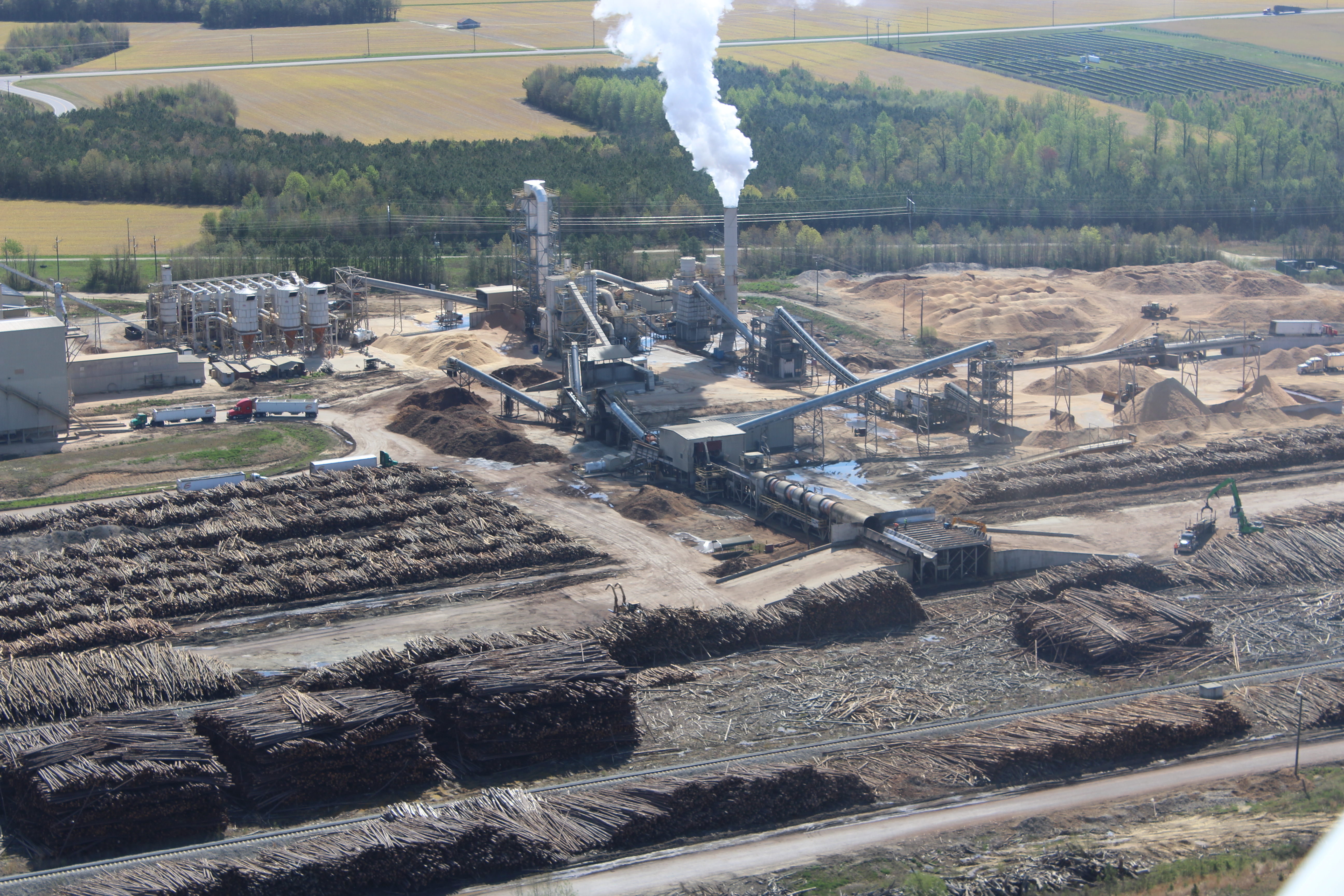
The company’s failure is an opportunity. Now governments, communities, and companies can work together to build a regenerative economy. We must hold Enviva accountable. We cannot allow them to cut and run. They must pay for the damage they have done to our communities’ health.
Danna Smith said:
“We know Enviva is looking for a taxpayer bailout. They’ve applied for IRA subsidies. That would be a huge waste of taxpayer money. The Biden Administration should direct public dollars to the communities and workers impacted by the company.”
Dogwood Alliance, partners, community leaders, and elected officials worldwide, have tirelessly raised concerns. We have raised these concerns about the impacts of the biomass industry for over a decade. We have held Enviva accountable for its forest destruction, pollution and environmental injustices. The company’s greenwashing tactics and lack of transparency has finally caught up.

Danna Smith said:
“Dogwood Alliance will continue to support the communities that have been affected by Enviva’s damaging operations. We remain steadfast in our commitment to work together with these communities. Together we will advance economic solutions that work for people and nature.”
February is Black History Month. It’s not about famous people. It’s a time to appreciate the amazing things Black Americans have done to make our society better. There are many contributions you might not know about. One is how African Americans have used natural healing methods over the years.

In the past, our ancestors had a smart way of taking care of themselves. It wasn’t only about fixing sickness. It was a complete approach to feeling good physically, spiritually, and emotionally. Wise healers were often called “root doctors” or “granny women.” They knew a lot about plants. They used plants to help with everyday illnesses, long-term health issues, and more. American scientists even go to Africa to learn about plant healing. They copy those properties in labs to make medicines we use here. And guess what? They’re still doing it today.
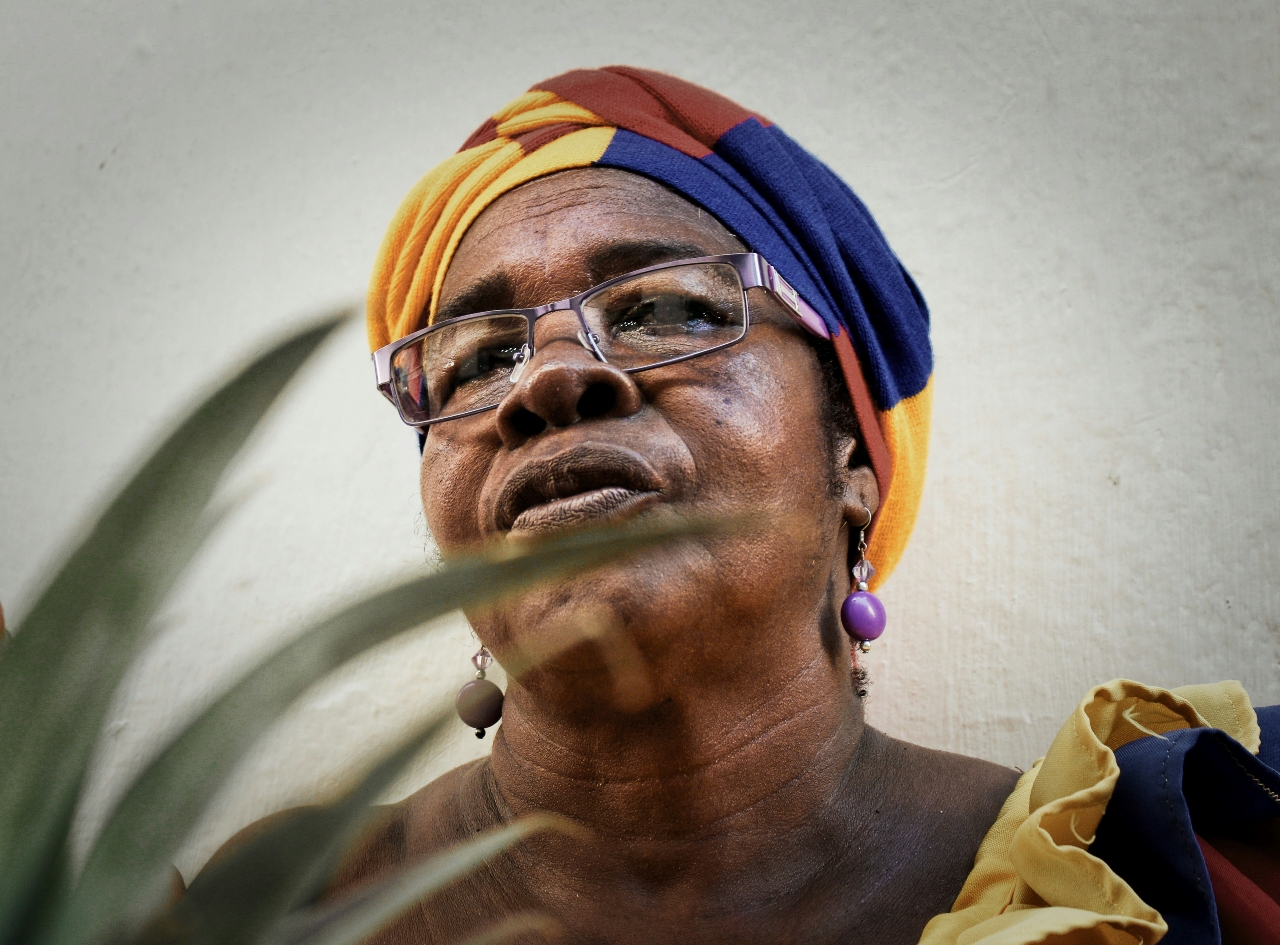
A long time ago, enslaved people weren’t allowed to go to the doctor. So they used old wisdom about plants and traditions from Africa to stay healthy. They made medicine with plants from the forest, and it helped them survive tough times. Africans knew a lot about using plants and natural remedies from their homelands. America continues to use and adapt these traditions.
Imagine the forest as a treasure trove of medicine. It has an abundance of herbs, plants, and mushrooms that can support and heal. Plants for everything from tummy troubles to building immunity. All to help our communities stay healthy. We still rely on forests today for this very purpose. It’s another important reason to protect forests.
For a long time, people scoffed at this traditional wisdom. Lately, though, more and more people want to remember and bring it back. Groups are writing down what our ancestors knew. We’re starting gardens in communities. We’re helping young people learn about their plant heritage.
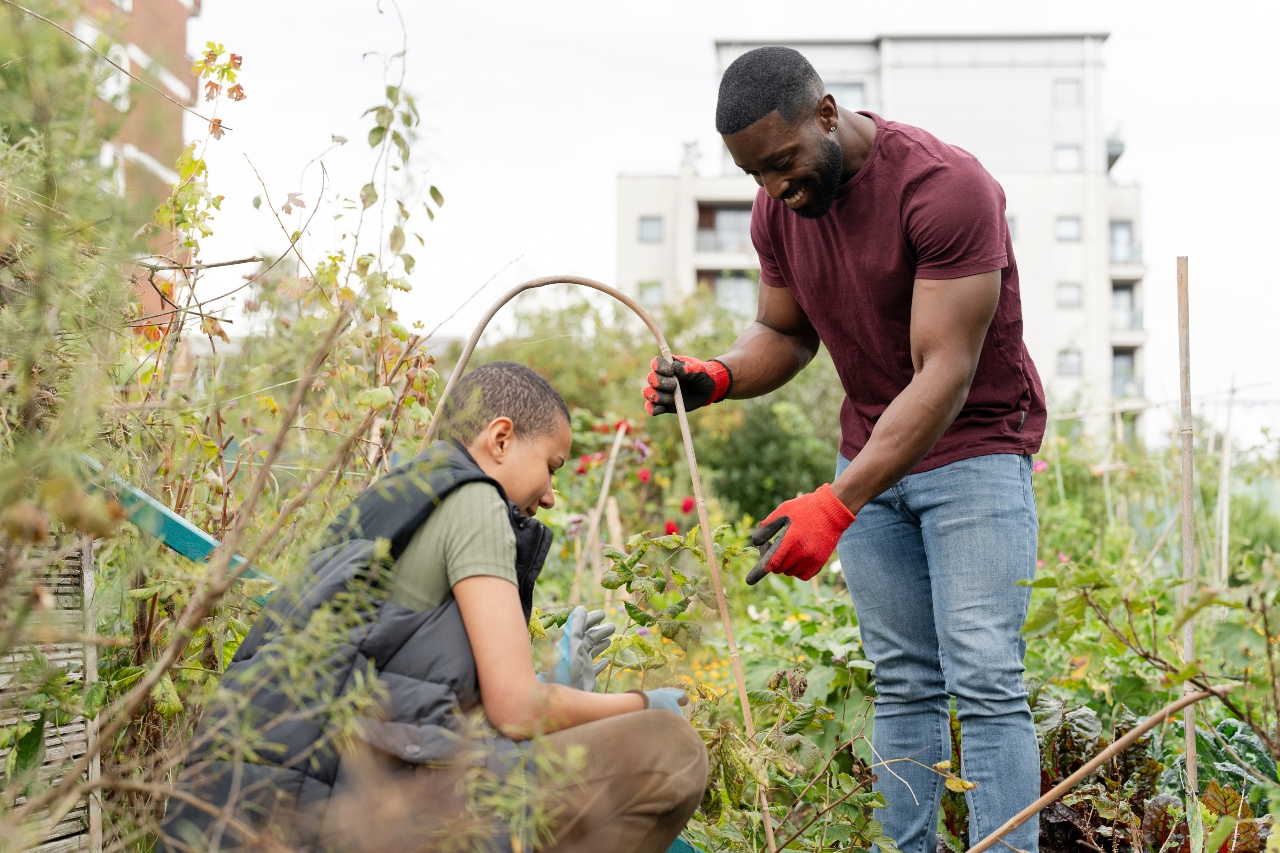
Now, let’s find out more:
Books:
When we talk about this hidden history, we’re also learning a ton about old-school remedies. We’re learning how traditional African knowledge is still make a big impact on healthcare today.
On Monday, Governor Cooper released Executive Order 305. This order aims to protect North Carolina’s wetlands. The order seeks to conserve one million new acres of natural lands with a focus on wetlands. It will also restore and reforest one million new acres of forests and wetlands. Additionally, it will plant one million new trees in urban areas. These protections will be in place by 2040.
The new order is a response to the state legislature’s decision to drop vital wetland protections. The decision posed significant threats to communities, fisheries, and the environment.
Danna Smith, Executive Director at Dogwood Alliance, said:
“Wetland forests keep our communities healthy and safe. It is great to see the governor recognize the importance of protecting wetlands. For over a decade our wetland forests have been logged by the wood pellet industry. Unfortunately, the governor’s Executive Order does not call out this threat.”
North Carolina is ground zero for the wood pellet industry. It is the largest wood pellet exporting state in the nation. The wood pellets are shipped overseas to burn for electricity. Over 200,000 acres of North Carolina forests are clearcut each year – that’s over 400 football fields per day.
Dogwood Alliance investigations show that wetland forests are a primary target of the wood pellet industry. Research also shows that this industry’s impacts are greatest in low-income communities of color.
Wetland forests play a vital role in:
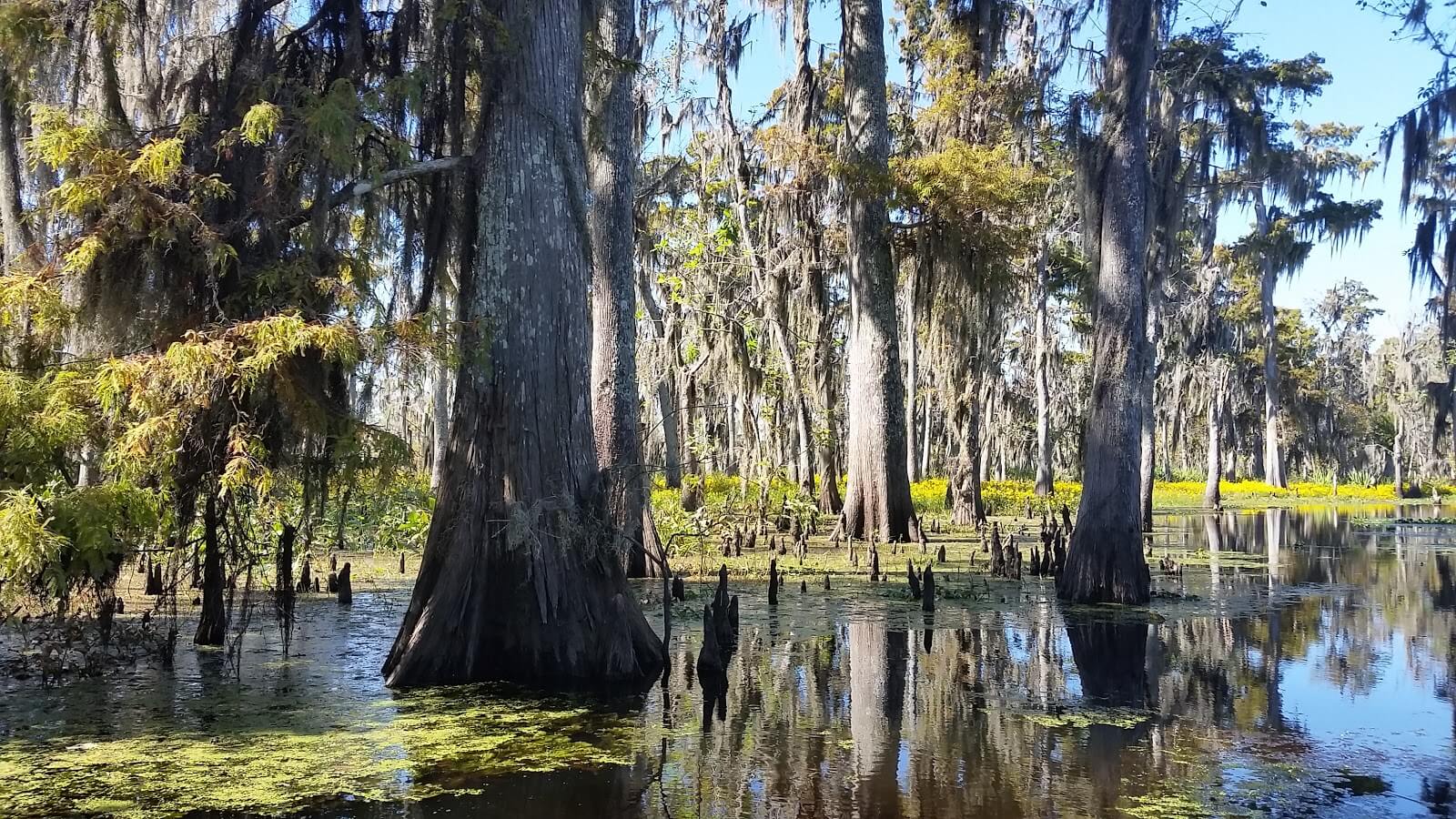
Communities across the state rely on wetlands to protect them from:
Additionally, millions of North Carolinians rely on wetlands for clean drinking water. Wetland destruction also threatens our seafood industry. That industry is valued at almost $300 million per year.
Danna Smith said:
“The Governor’s intention is good. We hope that this will protect wetland forests from industrial logging. This is especially true in communities impacted by the wood pellet industry. Wetland forests and the communities that depend on them deserve protection.”
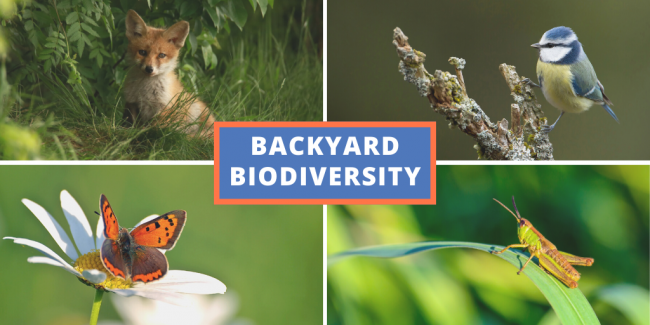
Join us as we explore! We’ll learn about the wildlife, plants, trees, and even mushrooms. All right outside our doors. When you sign up, we’ll deliver more Biodiversity in Your Backyard tips directly to your inbox!


 Donate
  April 5, 2026