


Have you ever looked at a forest and noticed a patch of dead trees amidst a sea of green? It’s a concerning sight, isn’t it? You might be wondering, “What causes some forests to suffer and die?”
Imagine standing on top of a majestic mountain. You’re gazing at the surrounding landscape. But it’s not vibrant green trees stretching over horizon. Instead, there’s a patch of lifeless brown forest. This an example of forest dieback. It’s a distressing sight that signals a deeper problem.
Forest dieback occurs when large areas of forests experience significant tree mortality. There are many reasons for widespread forest dieback, including:
Together, let’s explore the common causes of forest diebacks. We’ll also see how they impact our planet. Then we can take action to preserve the forests that are vital for our well-being. Let’s uncover the truth behind forest diebacks.
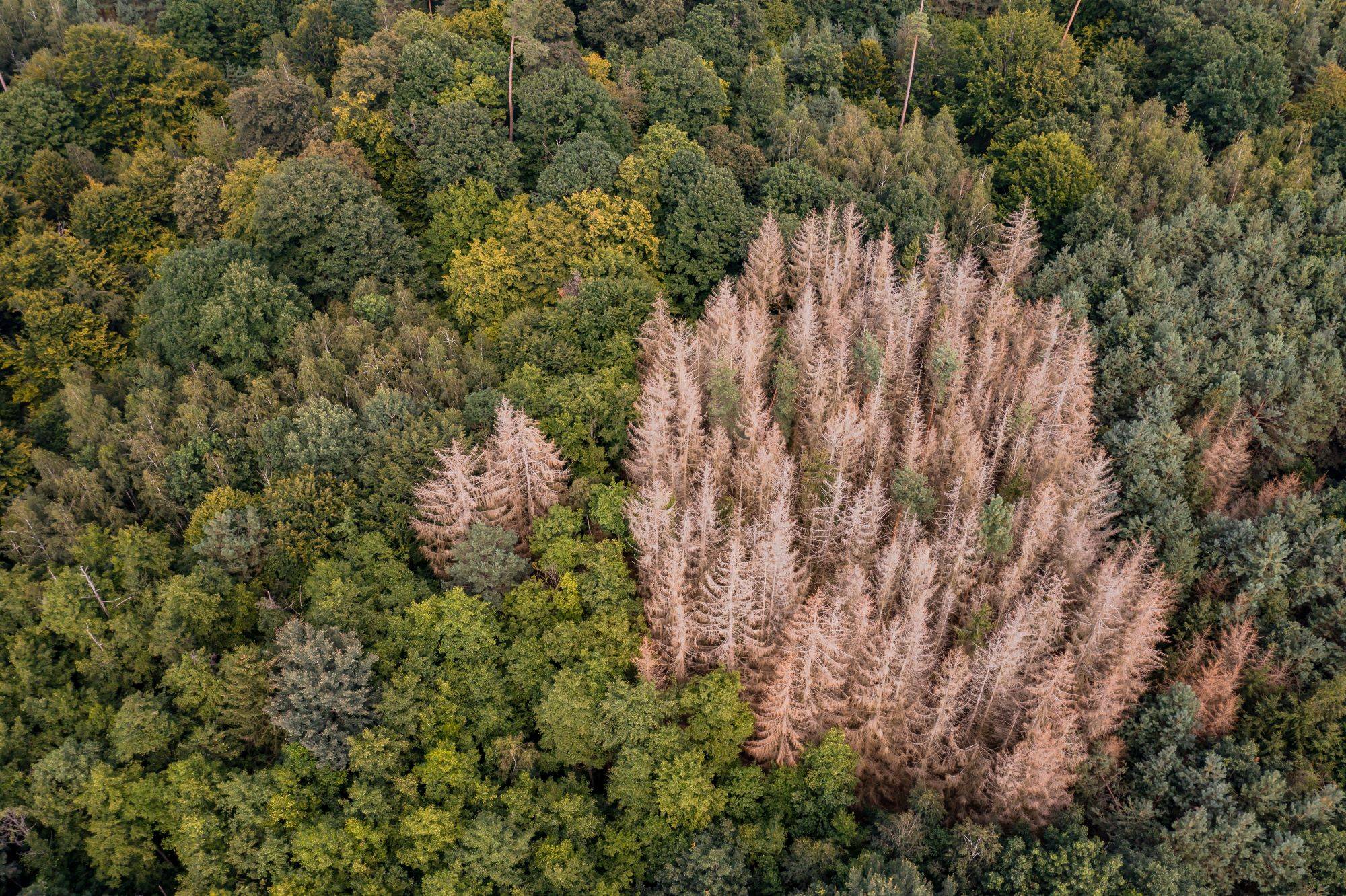
Patches of dead and lifeless trees are a distressing sight. This is the phenomenon of forest dieback. It’s a stark reminder that our forests face significant threats. We must act urgently to protect them.
Forest diebacks are when large areas of forests decline in health and die. It’s haunting. It raises questions about the future of our planet. How will the living beings that depend on these ecosystems survive?
Healthy forests are not just beautiful landscapes. They’re essential for the health and well-being of our planet. Forests act as the lungs of our Earth. They breathe in carbon dioxide and release life-giving oxygen. They give homes to countless species of plants and animals. Forests even contribute to water purification. They also help prevent soil erosion.
But forests are under immense pressure from humans and the environment. We must understand the underlying causes of forest dieback. Then we can take informed action. Then we can address the threats and ensure a healthier future for our forests.
It’s time to preserve our natural wonders. After all, they hold the key to a sustainable future.
Forests aren’t immune to the effects of climate change. Unfortunately, one of the reasons for forest dieback is our changing climate system. The increasing temperatures and changing rainfall patterns affect forests everywhere. As our planet heats up, trees face unprecedented challenges. These stresses affect tree species everywhere. It affects both public and private forests.
The climate system is important for tree survival. With climate change, though, we don’t know what will happen to trees. There are many climate model simulations. They show us what the changing climate will mean for temperatures and rainfall. These may change how we approach forest management.
Rising temperatures create a stressful environment for trees. They disrupt the delicate balance of ecosystems. The climate system affects:
Trees struggling to adapt to these changes become more vulnerable. Stressed trees face diseases and pests. These can cause widespread forest dieback.
Another consequence of climate change is extended drought. When rainfall becomes scarce, trees suffer. Drought weakens trees. Without enough water, their ability to grow and thrive is severely compromised. This makes them more susceptible to attacks from pests and diseases. It’s a vicious cycle that can devastate forests.
Imagine an intruder wreaking havoc in a peaceful ecosystem. That’s what invasive species do. These non-native plants, insects, or pathogens are silent invaders. They disrupt the natural balance of forests.
Invasive insects or pathogens are particularly destructive. They attack native trees that have not evolved defenses against them. This results in widespread damage. These invaders rapidly multiply. They outcompete native species for resources. Ultimately, they leave a trail of destruction in their wake.
The impact of invasive species on forests is immense. They can decimate entire tree populations. This leads to forest diebacks. We need to recognize and address the threats of these invasions. Otherwise, we can’t protect the health and diversity of our forests.
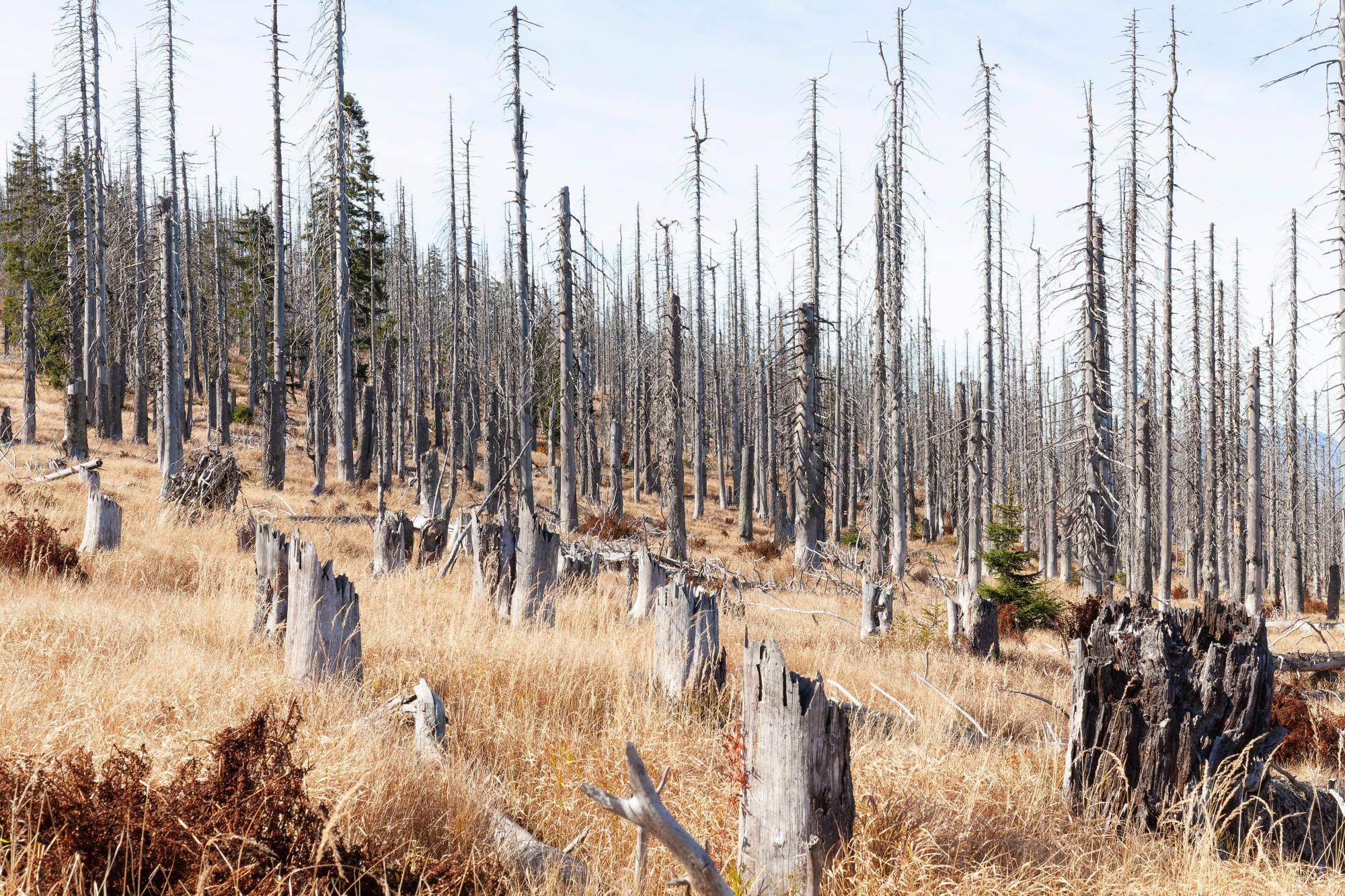
The air we breathe isn’t always as clean as we may think, and unfortunately, it takes a toll on our forests. Human activities that cause air pollution are a big threat to forests. This includes industrial emissions and vehicle exhaust, among other sources.
Pollutants in the air weaken tree immune systems. This makes them more susceptible to diseases and pests. Pollution hinders the trees’ ability to carry out photosynthesis. As you may have learned in school, photosynthesis is vital for trees. In a lot of pollution, trees may experience:
The negative effects of air pollution on forests are far-reaching. Not only do trees suffer, but the entire ecosystem does. After all, other plants and animals are dependent on these forests. To prevent forest dieback, we need to reduce pollution levels.
Let’s explore how we can combat these threats. We hope to protect our forests from further decline. The time for action is now. Together, let’s make a difference and secure a greener future for our planet.
Did you know that the choices we make as humans have a direct impact on the health of our forests? It’s time to face the truth. Our collective actions are contributing to forest dieback. Let’s explore how our activities are pushing our forests to the brink. We’ll also talk about what we can do to reverse this trend.
Deforestation is one of the major culprits behind forest deterioration. When vast areas of trees are cut down, the consequences are devastating. In the South, trees are most likely to die from logging.
Without forests to provide shade and regulate the water cycle, the land becomes vulnerable. Soil can erode. This can lead to changes in water quality and loss of biodiversity. The once thriving ecosystems turn into barren landscapes. Deforested areas can’t support the rich diversity of life that they once did.
Habitat fragmentation is another significant factor in forest diebacks. When humans encroach upon natural habitats, forests become fragmented. In other words, they get broken into smaller, isolated patches. This fragmentation disrupts the interconnected web of life. It makes it harder for plants and animals to thrive. Species that rely on large, continuous forest areas struggle. They can’t find food, shelter, and mates.
Unsustainable logging practices also take a toll on our forests. Clearcutting leaves little room for nature to bounce back. These practices harm the trees themselves. But they also disrupt the delicate balance of forest ecosystems.
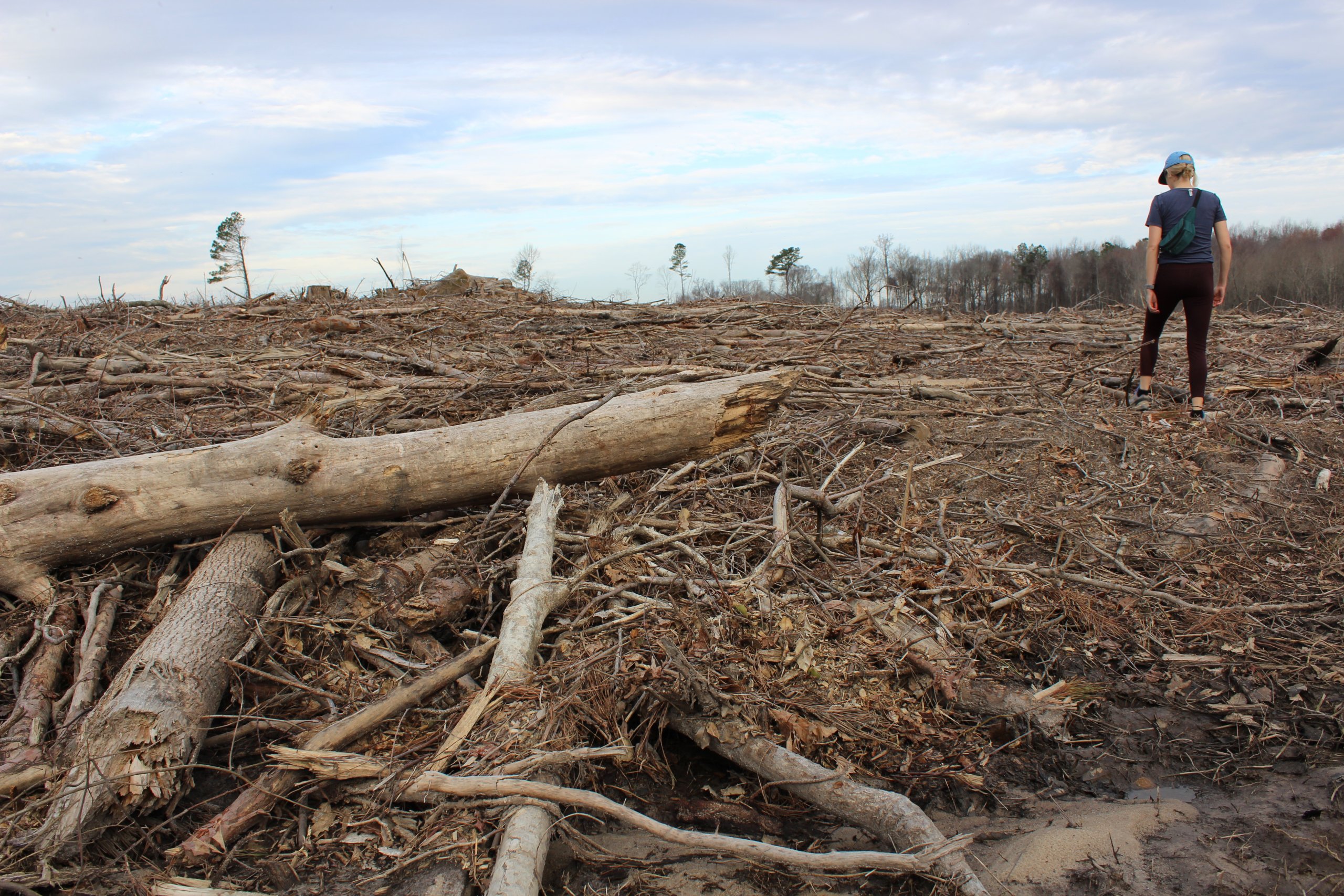
Widespread clearcutting can cause invasive species to take hold. Invasive species usually “invade” from the edge of disrupted habitat. When private forest owners take down trees, they risk a wider forest dieback in the surrounding areas.
Forest diebacks aren’t just a distant concern. They’re happening all around the world. One big concern is the Amazon forest dieback. Ecosystems in the Amazon are crumbling from illegal logging, climate change, and invasive species. The Amazon forest could hold the key to mitigating climate change. Instead, it’s one of the biggest sources of forest death.
The boreal forests of Canada and Russia are facing similar issues. They are known as the “lungs of the planet.” But they face increasing threats from climate change and unsustainable logging practices. These are just a few examples. The reality is that forest diebacks are a global problem. Forest dieback is affecting ecosystems and communities in every corner of the globe.
Let’s take a moment to consider some eye-opening statistics. Every year, we lose tens of millions of acres of forests due to human activities. This is leading to the disappearance of countless species. This loss not only disrupts the balance of our ecosystems. It also releases carbon dioxide into the atmosphere. And that makes climate change worse.
The urgency to protect our forests has never been greater. We can’t continue down this destructive path. It’s time for action! Together, we can make a difference. We need to advocate for sustainable practices. Or support initiatives that promote forest conservation. We can also demand stricter regulations to prevent further deterioration.
As we reflect on the threats facing our forests, it’s impossible to ignore the losses. From the immense loss of biodiversity to the devastating impact on ecosystems. We must ask ourselves: can we afford to lose our forests? What kind of world do we want to leave for future generations?
The consequences of losing our forests are far-reaching. Forests act as vital carbon sinks. In other words, they absorb carbon dioxide and reduce the impacts of climate change. However, when forests decline, the balance is disrupted. Forest death releases stored carbon into the atmosphere. This contributes to the rising levels of greenhouse gases. In other words: forest dieback is making climate change worse.
Imagine a world without birdsong. Without the vibrant colors of diverse plant life. Could you live without the shelter and sustenance that forests provide? This loss would echo throughout ecosystems. Forest dieback impacts the delicate relationships that bind our planet together. We can’t afford to let this happen.
But there’s hope. Each one of us has the power to make a difference, no matter how small. Here are some practical steps you can take to fight for our forests and secure a greener future:
Support organizations like ours that dedicated to forest preservation. Together, we can protect our remaining forests.
Carbon preserves are areas designated for carbon storage. Storing carbon is one of the best ways to fight climate change. We need sustainable forest management of carbon preserves across the world. This strategy is called proforestation.
We’re pushing for a pause on commercial logging activities in some areas. This will provide much-needed time for forests to recover and thrive.
Make conscious choices in your daily life to reduce your carbon footprint. Support companies with a demonstrated commitment to sustainability and environmentally-friendly practices.
Let’s recap the key points we’ve discussed throughout this journey. Many factors can cause forest dieback. These include climate change, invasive species, pollution, and unsustainable human activities. Our forests are in danger. With them, the health of our planet hangs in the balance.
But together, we can be the stewards of our forests and the champions for a greener future. Join us in the fight to save our forests. Let’s unite against biomass energy, climate injustice, and bad forest policy. The future of our planet depends on it. Let’s raise our voices, take action, and demand change.
The urgency is clear, and the time to act is now. Our forests need us. Future generations depend on the choices we make today. Let’s fight for our forests, for the diversity of life they hold, and for a sustainable world we can be proud to pass on.
Biomass is sometimes called bioenergy, wood pellets, woody biomass, and more. Biomass means burning wood and other organic materials to produce energy in power plants. Governments incentivize biomass production and combustion to help them meet renewable energy goals. Biomass producers receive billions of tax dollars every year to prop up their unsustainable industry. But is biomass a good or bad investment?
Governments use energy subsidies to help regulate the energy market. Subsidies can keep electricity costs low for consumers. They also help energy producers remain profitable so they can continue to meet energy demands.
Subsidies come in the form of grants, loans, or other financial awards. Energy producers may receive tax credits, deductions, and deferrals. They can also get preferential tax rates and exemptions.
Biomass was supposed to be a temporary fix. Modifying existing coal-fired power plants was quicker than building new renewable energy infrastructure. The European Union was the first to classify biomass as carbon neutral as part of their Renewable Energy Directive (RED). Power plants started burning wood pellets, usually alongside coal, soon after.
The biomass industry has marketed itself as good for forests and the climate. But that has proven to be false.
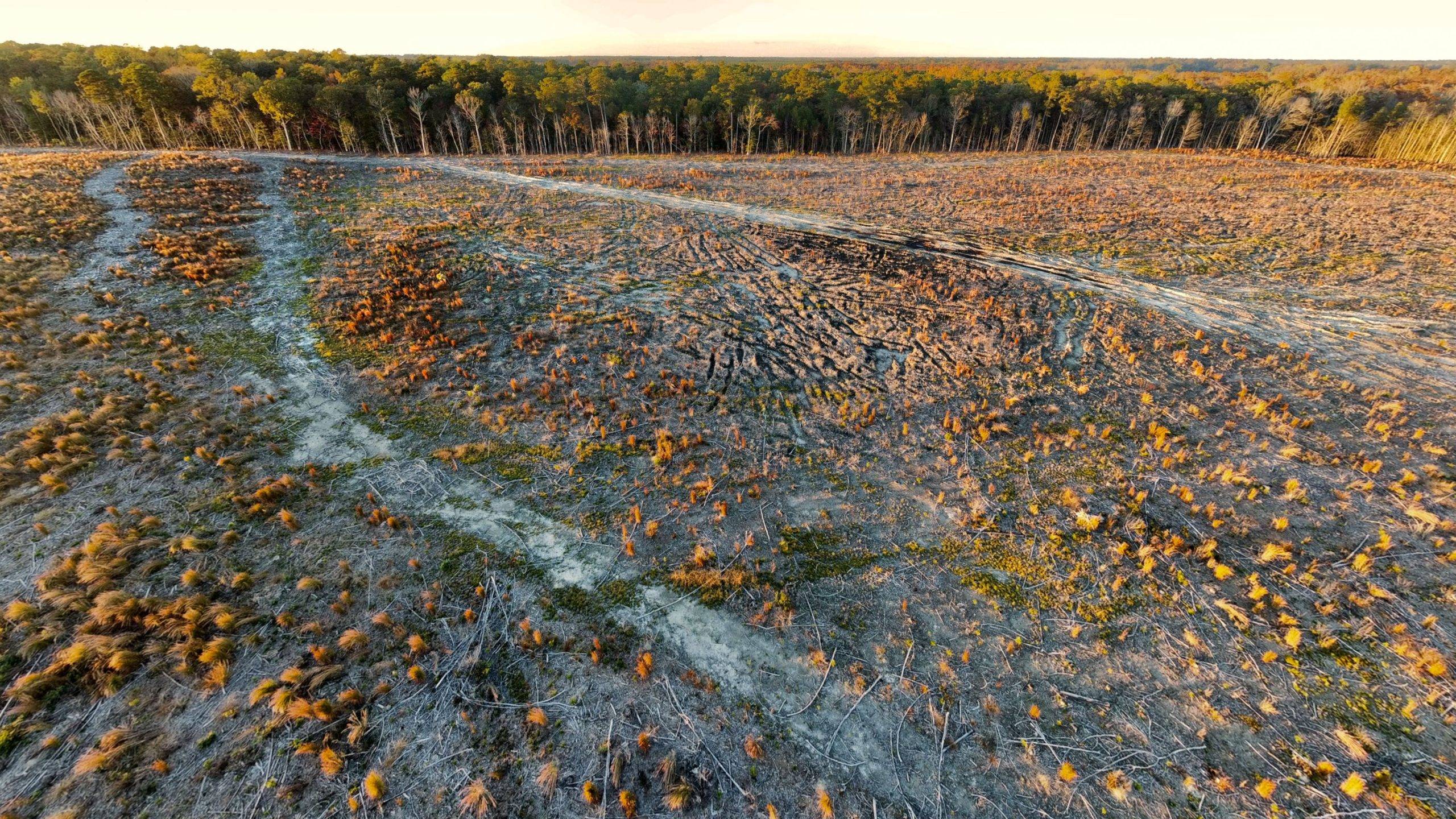
Biomass producers claim that most of the wood they source is “waste” wood. Yet, waste wood alone can’t meet current demand for bioenergy. So the biomass industry sources from clearcut mature, natural forests. To date, the industry has destroyed more than two million acres of forests in the US South. They claim that bioenergy is renewable because trees grow back. But the industry often advises landowners to re-plant single species pine plantations.
Mature, natural forests are not the same as pine plantations. Biodiverse forests store 50% more carbon than plantations. After a forest is clearcut, it can release carbon for up to 13 years. A forest isn’t guaranteed to grow back. It can take decades, or even centuries, to recover what’s lost in a single clearcut.
Harvesting wood for bioenergy also harms wildlife and degrades habitat. Removing “waste wood” decreases the food and shelter wildlife depend on. This can lead to the displacement or decline of certain species.
Biomass produces more carbon than coal. It destroys the biodiversity of natural ecosystems. Biomass should not qualify as renewable or carbon neutral energy.
The biomass industry wouldn’t be viable without renewable energy subsidies. That means biomass is not sustainable environmentally or economically. Foreign governments have invested over $48 billion subsidizing biomass. The US has invested more than $70 million in biomass subsidies. But greedy biomass wants more.
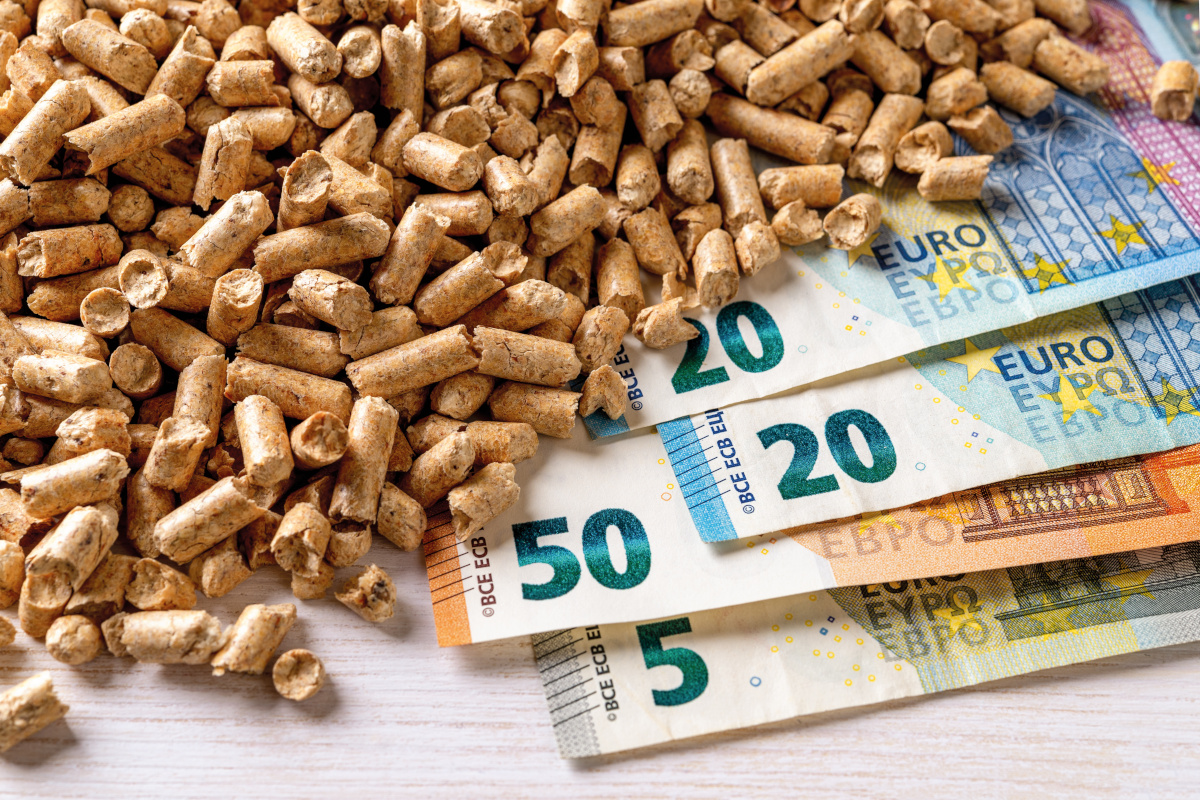
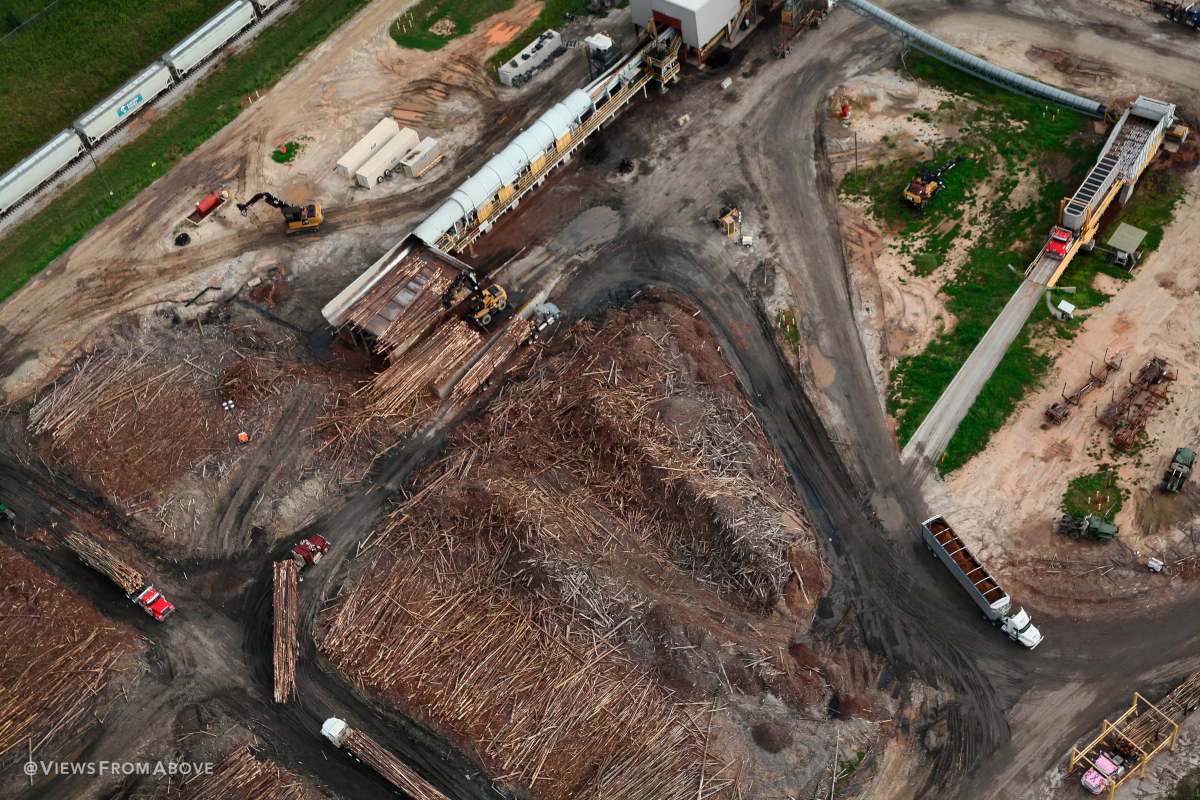
Drax is Europe’s largest biomass power generator. They’re also the second largest biomass producer in the world. They operate five wood pellet plants in Alabama, Louisiana, and Mississippi. Drax receives more than $2.5 million dollars every day in taxpayer subsidies. The UK just approved a $50+ billion investment in Drax’s biomass with carbon capture storage (BECCS). This dubious project with questionable technology will increase energy costs for ratepayers. The UK also plans to extend subsidies through the end of the decade.
Enviva is the world’s largest biomass producer. Enviva operates 10 wood pellet plants in five states across the US South (FL, GA, MS, NC, and SC). The US has granted Enviva more than $9 million in subsidies. Enviva recently applied for more federal subsidies through the US Inflation Reduction Act (IRA). They need our tax dollars to help them expand in Alabama and Mississippi.
Last year, Enviva reported 3rd quarter losses of over $85M. Their stock prices fell off a cliff. The company’s CEO stepped down. This raises serious doubts about their financial stability. The company is renegotiating contracts with the hope it can recover. But Enviva’s future is uncertain at best. Governments that handed out millions in taxpayer subsidies are now facing a failed investment.
The IRA promises the largest investment in US history to reduce carbon pollution. But recent budget reconciliation packages would expand bioenergy subsidies over the next decade. Enviva and Drax are eligible for multiple subsidies through the IRA. They could be awarded billions more.
The Biden administration made a commitment to address environmental injustice. Funding biomass does not align with those goals.
Most biomass wood pellet plants operate in rural, environmental justice communities in the US South. Their facilities emit hazardous air pollutants (HAPs) and dangerous fine dust. Most of the pollutants they release cause cancer and harm human health. They release formaldehyde, acetaldehyde, acrolein, and methanol. Fine dust (PM 2.5) can get into your lungs and bloodstream. It can cause lung and heart disease that leads to premature death.
Biomass producers operate where people are struggling. They promise jobs, but it comes at a cost. Their presence may lower property values and raise property taxes. They destroy roads with large logging trucks. Their plants operate all day and night. Biomass causes non-stop air pollution, traffic, and noise.
Industrial logging has existed in these communities for generations. Yet they are some of the most economically disadvantaged areas of the US South. More logging is not the answer. Rural communities need healthy and sustainable economic opportunities. The Biden administration has the power to deny these subsidies and stop funding injustice.
Biomass shouldn’t receive more tax breaks or subsidies. Especially not renewable energy subsidies meant to help us fight the climate crisis. Biomass is bad for our forests, climate, and communities. Biomass is a bad investment.
Instead, we can and should invest in economic development projects that keep forests standing. Let’s keep wealth in Southern communities. Let’s invest in restoration and resiliency jobs and outdoor recreation. Let’s invest in a #JustTransition away from extractive energy and towards renewable energy. Let’s invest in the communities on the frontlines of biomass pollution. Let’s invest in healthy forests and communities of the future.
In recent years, green roof gardens have gained popularity. People recognize the many benefits that green roofs offer. But what exactly are green roofs? Let’s explore this sustainable and exciting form of urban gardening.
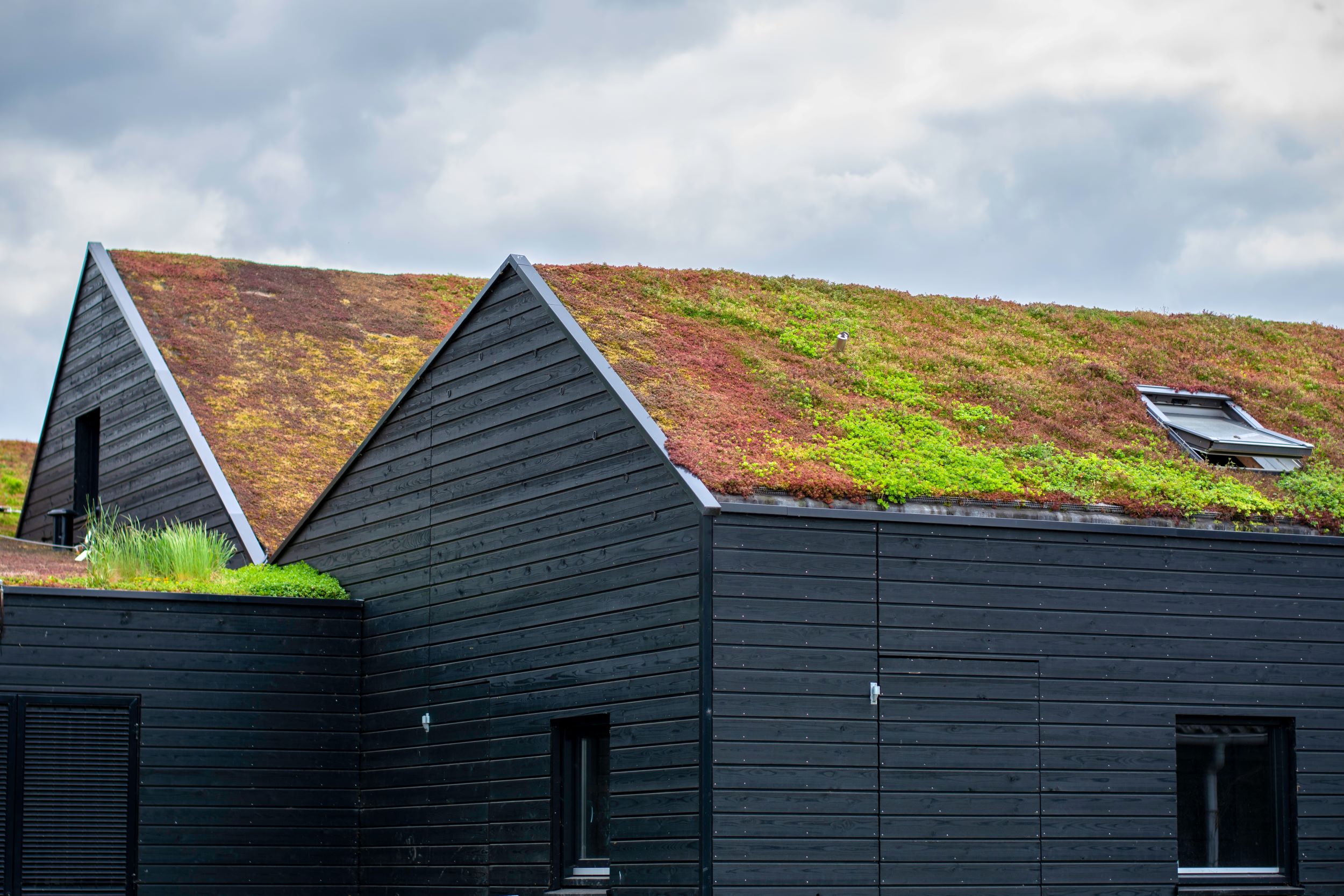
A green roof is a type of garden that is installed on the roof of a building. It consists of several layers. These may include:
These layers work together to create a thriving garden space on top of a structure. Green roof systems are a place where technology meets nature!
There are two main types of green roof gardens: extensive and intensive green roofs.
An extensive green roof is lightweight and low-maintenance. An extensive green roof typically features shallow soil depths. It’s planted with hardy, drought-tolerant plants such as sedums and grasses.
An intensive green roof is more like a traditional garden with deeper soil depths. An intensive green roof allows for a greater variety of plant choices. They can even include shrubs and even small trees. Intensive green roofs require more maintenance. They can even be used for recreational purposes.
Both types of green roofs can help us combat urban heat islands. An urban heat island effect is when urban areas are much warmer than rural areas. This is because of they have fewer trees and other vegetation. Urban areas also have more dark-colored surfaces like asphalt roofs and roadways. Rooftop gardens can decrease the effects of urban heat islands. This is because vegetated roofs are naturally cooler than traditional roofs. Green roof technology will continue to improve cooling effects through time.
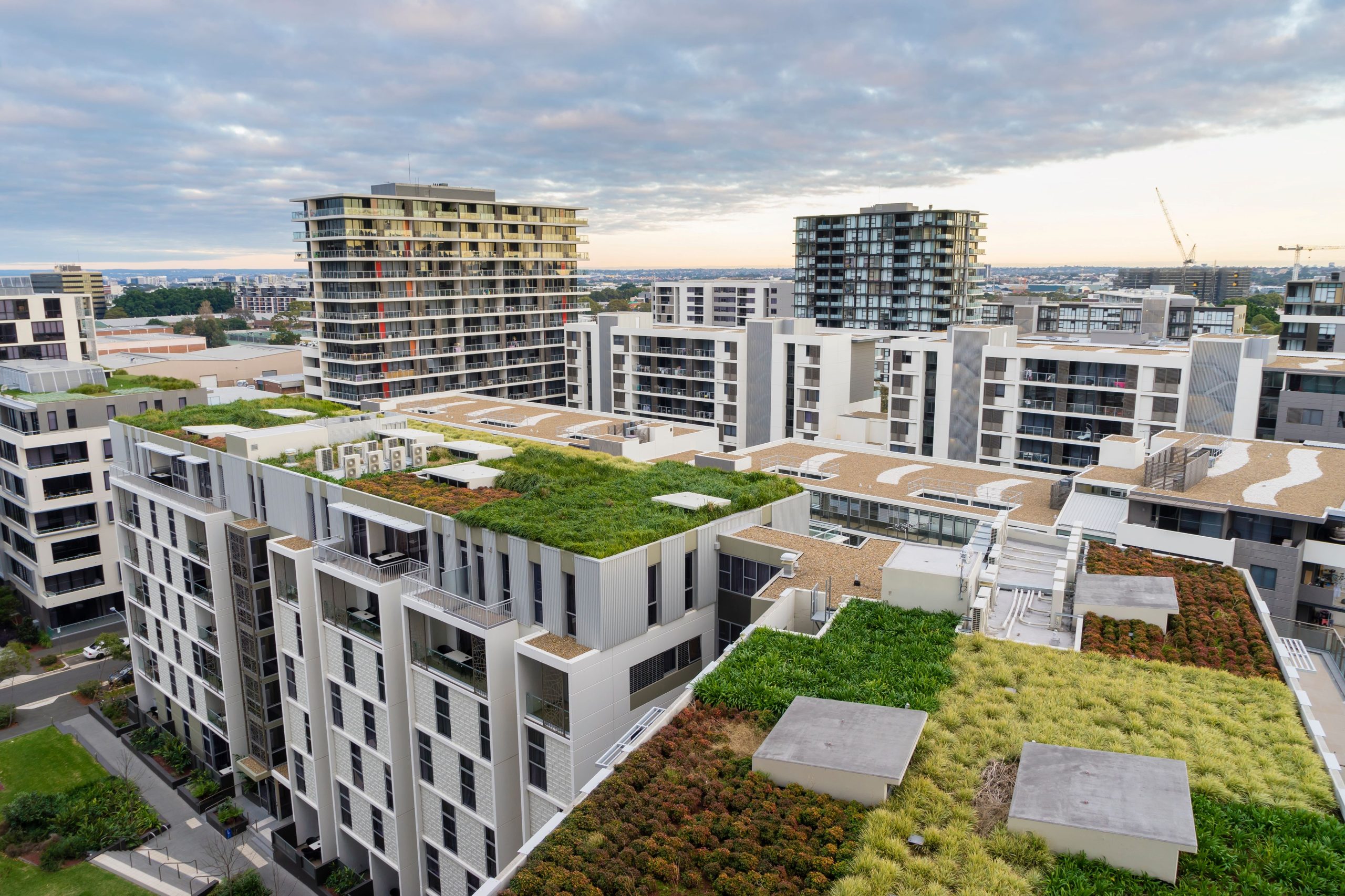
Green roof gardens offer a range of benefits. They can improve both the environment and the people around them. It may not be feasible for you to personally have a rooftop garden. But, you can still advocate for them across your town or city. Green roof technology is very flexible, and a rooftop garden can go anywhere!
There are many benefits to both extensive or intensive green roofs. These include:
Green roof gardens help absorb rainwater. This reduces the strain on stormwater systems. It can also prevent flooding.
The vegetation in green roof gardens helps lower temperatures in urban areas. This reduces the “heat island” effect that lack of trees as well as concrete and asphalt cause.
Plants in green roof gardens remove pollutants from the air. This contributes to cleaner and healthier environments.
Green roof gardens provide habitats for birds, insects, and other wildlife. This promotes biodiversity in urban settings.
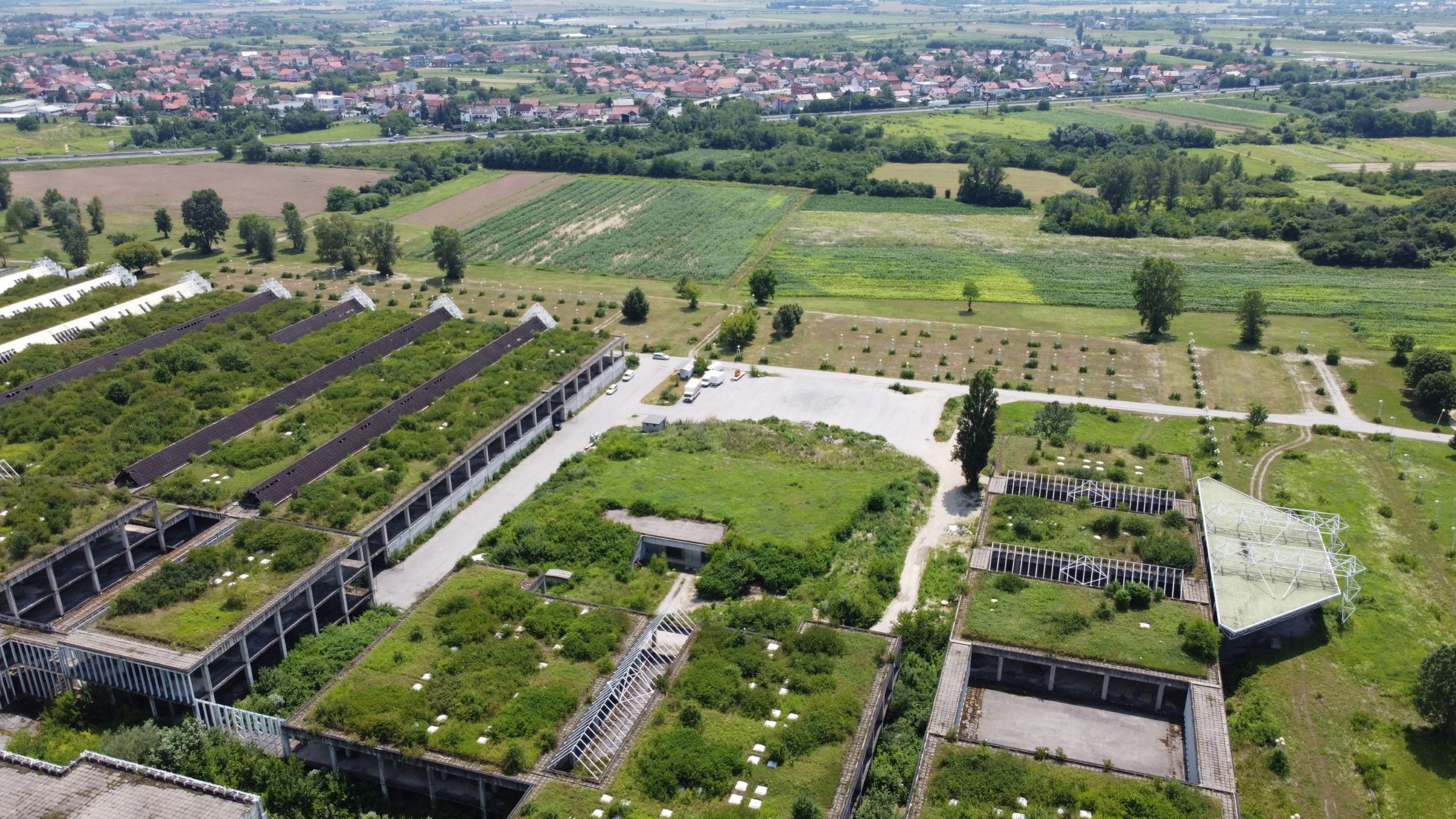
The layers of green roofs act as insulation. This reduces heat loss in winter and heat gain in summer. This helps lower energy consumption and provides cost savings.
Green roof gardens can absorb sound. This reduces noise pollution from the surrounding environment.
Green roof gardens enhance the beauty of buildings. They add a touch of nature to urban landscapes.
Intensive green roofs can be transformed into rooftop gathering areas. These provide valuable outdoor spaces for relaxation and recreation.
Buildings with green roof gardens often have higher property values. This is due to their beauty and sustainability features.
The insulation that green roof plants provide can lead to energy savings. This results in lower utility bills for building owners.
Green roofs offer many benefits. There are several factors to consider before green roof construction.
Ensure that the building’s structure is capable of supporting the additional weight. A green roof can be heavier per square foot because it’s added on top of a normal roof.
Determine the maximum weight limit the roof can withstand. Plan the garden accordingly. Don’t install green roofs on weak or crumbling conventional roofs.
Check with local authorities about building codes and permits required. Your town may have regulations for installing a green roof garden.
Choose plants that are suitable for the climate and growing conditions of the area. Consider the amount of maintenance required to keep the garden healthy and thriving. Who will care for it in the long term?
Determine how the green roof will be watered. Consider water conservation methods like rainwater harvesting.
It may not be a forest, but it’s the next best thing. Green roof gardens offer a sustainable way to bring nature into urban environments. They also provide environmental, energy-saving, and aesthetic benefits. Plus, anyone can create a green or living roof.
Did you enjoy learning these green roof garden tips? If so, why not show us?
Share your favorite rooftop garden photos and tag us on Instagram, Facebook, or Twitter!
Want to do more?
Become a Forest Defender today! Your monthly gift will protect the trees and biodiversity of the South.
Join our email list to get new Biodiversity in Your Backyard sent directly to your inbox!
Embracing Rest: Recharge, Refocus, and Thrive
As a new year begins, resolutions take center stage. There are ambitions to hit the gym or overhaul diets. But let’s shine a light on an essential resolution that’s often neglected. For a fulfilling 2024, we must prioritize REST. We’re part of a powerful movement that spotlights forests, climate, and justice. That can take a toll. Rest is essential if we want to keep showing up strong to do this important work.
Think of your body and mind as intricate machines. Your smartphone needs regular charging. We humans also flourish when we focus on adequate rest. It’s not about indulging in extra sleep, though that’s welcome. It’s about consciously nurturing ourselves. It’s about fostering an environment where body and mind can regenerate and thrive.

Active rest like yoga or going for a walk in the woods is also renewing
Adequate rest isn’t a luxury. It’s a foundational pillar for optimal living. Consider these powerful benefits:

Meditation (especially forest meditation) is rest that calms the mind
We all lead busy lives. But incorporating rest doesn’t mean drastic overhauls to your life. Here are some practical steps to integrate rest into your daily life:
As we embark on the exciting journey of 2024, let’s make rest a non-negotiable priority. Rest isn’t a passive luxury. Because without real rest, how can we keep showing up in our movements and communities? How can we be a positive force for change if we’re always exhausted? Rest is an active investment in our well-being. It paves the way for a year filled with productivity, joy, and health. Remember, a well-rested you is a remarkable you. You’ll be ready to conquer your goals and shine brightly throughout the year. So, make rest your resolution, and watch your life flourish in 2024!
“Rest is not idleness, and to lie sometimes on the grass under trees on a summer’s day, listening to the murmur of the water, or watching the clouds float across the sky, is by no means a waste of time.” – John Lubbock
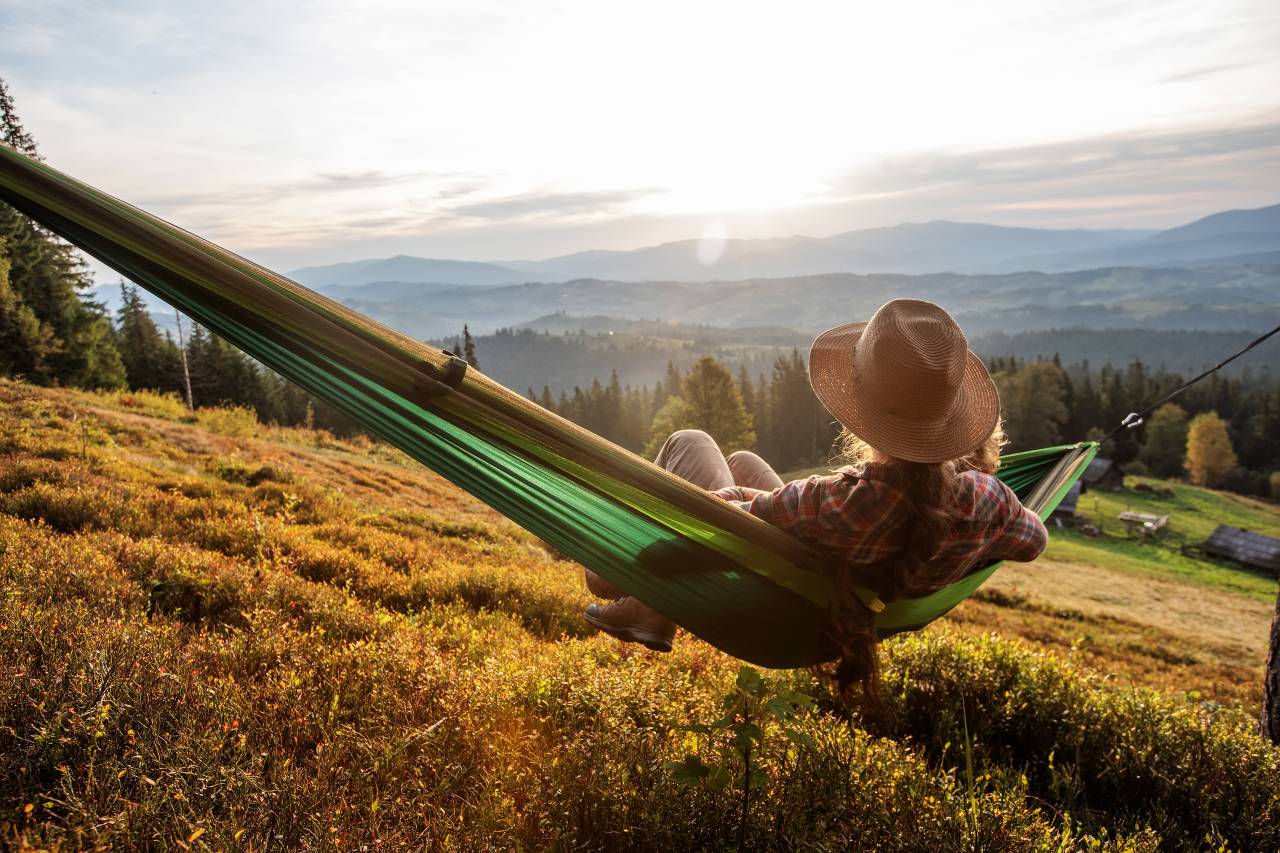
Connecting with nature can be healing rest
Have you ever wondered about the oldest giant trees? Those that have stood tall for centuries in the Southern region of the United States? These remarkable trees are key to our natural history. They provide valuable insights into the past.
But what makes a tree “ancient”? Age, of course! We can figure out the age of a tree by:
Trees that have surpassed hundreds or even thousands of years qualify. It’s amazing that these living beings were around before the United States was even established.
Sadly, many trees don’t get the chance to reach their full potential due to human impacts. Logging and other activities have killed many majestic trees. That’s why we need to recognize the significance of older trees. And we need to protect them from harm.
So join us as we delve into their fascinating stories. Together, we’ll learn about the oldest trees. Finally, we’ll discover the challenges they face in today’s world.
The Southern United States boasts some truly magnificent trees. They’ve stood the test of time. Let’s explore a few remarkable examples:
One of the most awe-inspiring trees in the South: the Angel Oak. She is estimated to be over 400 years old. Her sprawling branches and massive trunk create a mesmerizing sight. The Angel Oak attracts visitors from near and far.
Once standing tall for over 3,500 years, the Senator Tree in Florida held a significant place in history. Sadly, an accidental fire destroyed it in 2012. Despite its loss, the memory of this majestic ancient tree lives on.
Nestled in Goose Island State Park, “The Big Tree” has seen centuries of history. It’s believed to be over a thousand years old and survived the ravages of the Civil War. Standing as a testament to resilience, this tree continues to inspire awe in its visitors.
A unique and storied tree, “The Tree That Owns Itself” holds a special place in Southern folklore. In the 1820s, W.H. Jackson deeded the tree to itself. That granted it legal protection. When the original tree fell in 1942, a replacement tree was planted. That tree is known as “The Son of the Tree That Owns Itself.”
In the enchanting Three Sisters Swamp, one tree stands out among the rest. This ancient marvel is estimated to be at least 2,600 years old. It’s been an extraordinary witness to the passage of time.
There are many secret old trees in the cypress family in Eastern North America. North Carolina’s Black River houses bald cypress trees that are also over 2,500 years old.
These incredible ancient trees are reminders of our connection to nature. They leave an enduring legacy behind. So, the next time you find yourself in the US South, be sure to seek out these giants and marvel at their grandeur.
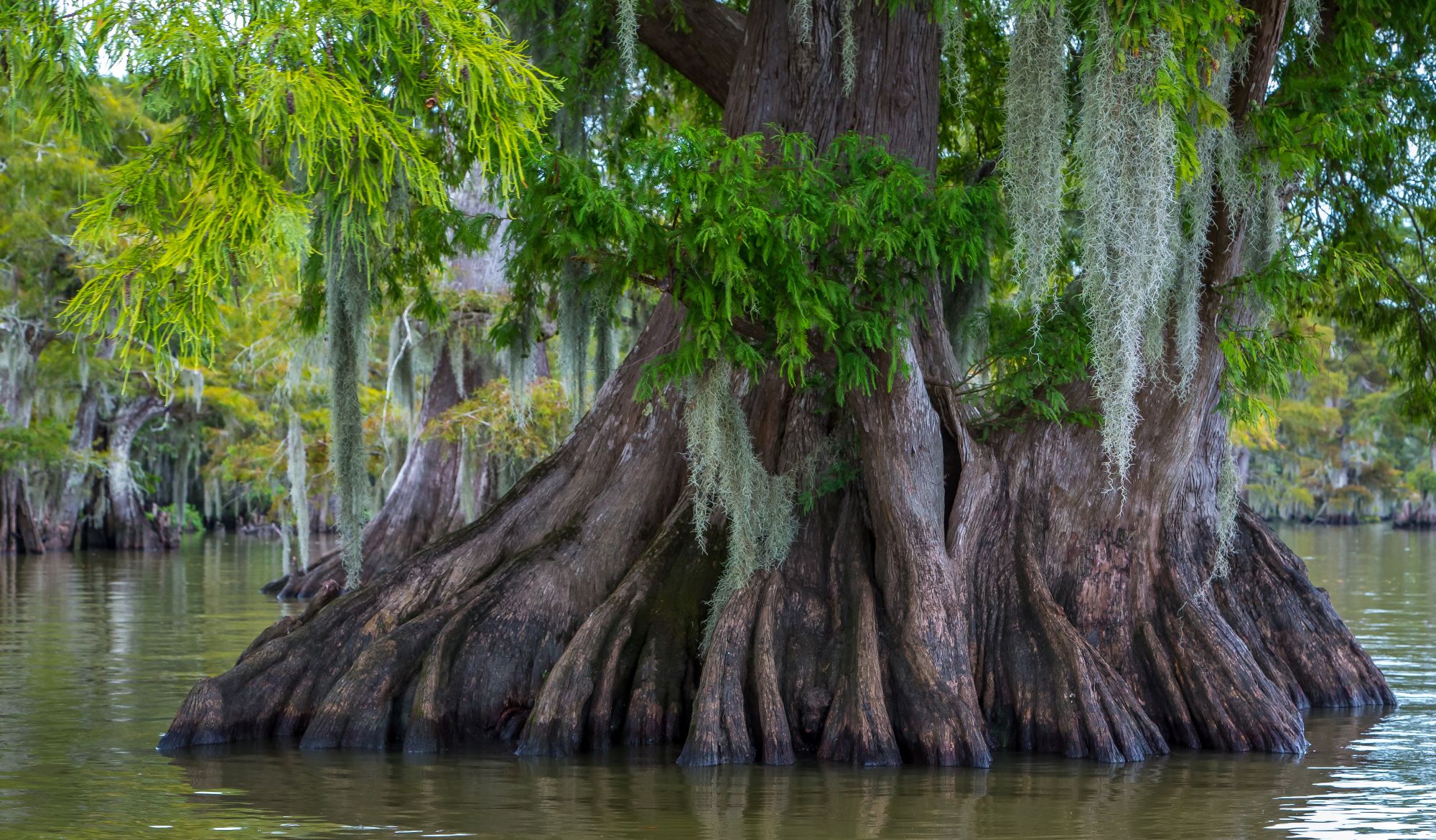
The United States holds many other “oldest tree” designations – by species, state, and park. These include:
Remember, many conservationists are reluctant to share the exact location of individual trees. That is, until they are permanently protected. Ultimately, we’re afraid that curious people may damage a living tree.
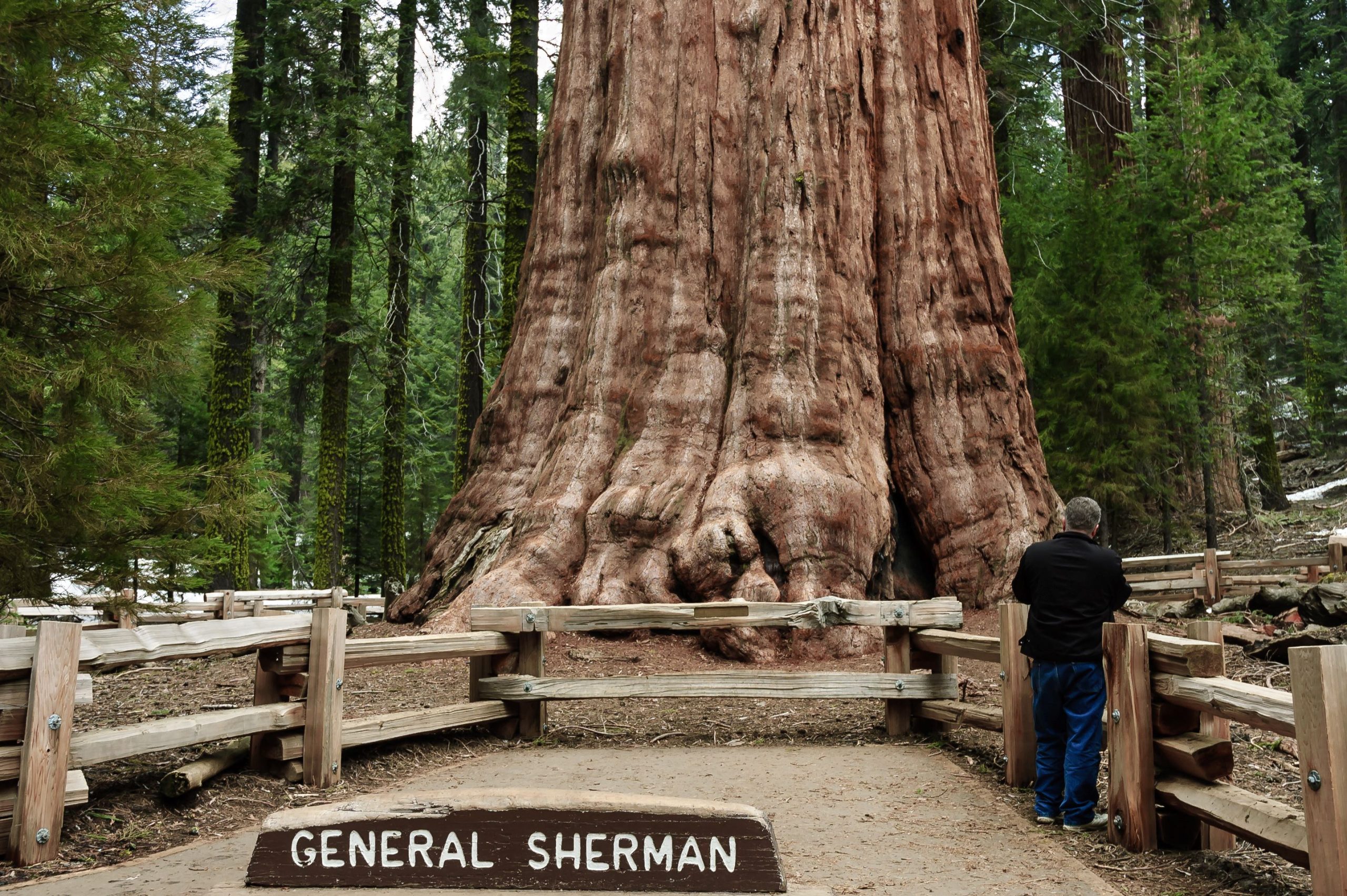
Old trees are not just majestic wonders of nature. They play vital roles in our environment. These old trees even hold cultural significance. Let’s explore why these giants are so important.
Old trees provide critical habitats for a wide variety of plants, animals, and insects. Their large size and complex structures are important. Together, they offer shelter, nesting sites, and food sources for countless species. By protecting older trees, we help maintain biodiversity. This ensures the survival of many interconnected ecosystems.
These ancient trees have stood witness to centuries of human history. Their growth rings and other characteristics can reveal valuable information. This includes information about past climates, environmental changes, and even human activities. They serve as living archives, preserving a tangible connection to our collective past.
Communities, culture, and tourism are all built around big, old trees. Every old tree in a town square or in a protected public place has a story to tell. It’s natural – when your great grandparents knew the same tree, you feel connected! These trees have been integral to the culture of many communities. Their absence can be felt. We need to ensure that these living cultural symbols remain in our public spaces for future generations.
Sadly, these old trees face threats that put their existence at risk. Let’s take a look at some of these challenges. We’ll also see efforts made to safeguard these natural treasures.
Widespread deforestation poses a significant threat to ancient trees. Logging results in the loss of their habitats. We must raise awareness about preserving forests. Ultimately, we need to implement sustainable practices to protect these magnificent trees.
The rapidly changing climate also impacts ancient trees. Extreme weather events, like droughts and storms, can topple these giants. Rising temperatures and altered rainfall patterns can disrupt their growth cycles. This negatively affects their health. We just don’t know if these ancient trees will survive the changing climate.
Urbanization often leads to the destruction of ancient tree habitats. As cities expand, green spaces shrink. Older trees are often cleared to make way for buildings and infrastructure. Balancing urban growth with the preservation of these natural treasures is essential. It’s the only way we can maintain the ecological balance of our environment.
Fortunately, dedicated individuals and organizations are working to protect old growth trees. Conservation efforts include:

Together we’ve learned about the remarkable old trees of the South. Now, it’s time to take action and appreciate these natural wonders. We’ve got some tips to deepen your understanding and make a positive impact.
Visit botanical gardens, arboretums, and natural reserves in your area. These places often have displays and guided tours dedicated to old trees. This allows you to see them up close and learn more about their importance.
Consider participating in forest restoration projects. Join local environmental organizations. Volunteer with community initiatives that preserve old trees. You can even visit one of the many parks that the Forest Service or National Park Service own. Or just volunteer for a work day!
Old trees are are more than awe-inspiring. They also play a crucial role in preserving biodiversity and providing historical insights. We invite you to reflect on the significance of these giants. To reflect on their connection to our past and future.
Share your newfound knowledge with others. Talk to friends, family, and classmates about the importance of old trees and the threats they face. Use social media platforms, school projects, or community events to raise awareness. Encourage conversations about the value of these majestic beings.
If you’re ready to step up and defend nature, become a forest defender. It’s the best way that you have to protect the oldest trees right here in the South. Your monthly contribution supports our work for the forests and communities of the South!
We recorded these 7 episodes live at our Annual Woods & Wilds Storytelling Event. We want to thank everyone who came out and attended the event. No worries if you missed it, though! You can still experience the magic by listening to this latest season of Woods & Wilds: The Podcast.

Angela Hollowell kicked us off with a love letter to nature.
Tiffany Flunory-DE’Bellott shared a story of her hiking expedition up a majestic mountain.
Sha’Air Hawkins told the story of the sign she received from nature while on the fifth floor of her NYC apartment building.
Mari Echevarria describes how she has always been tapped into something greater.
Lockie Hunter talked about her middle school experience—a journey of moving from the mountains of Appalachia to Boston.
Marc Williams reviews some of the most important trees of his life.
Marsha Almodovar unveiled the magic that moves all around her and to her from the natural world.
Want to listen to more?
This morning, Enviva, the world’s largest manufacturer of wood pellets, announced doubts about its survival. They shared this on their quarterly call with shareholders. The company cited:
They are projecting even greater losses in the 4th quarter.
Enviva CEO Thomas Meth has stepped down. He’s been replaced by the company’s brand new CFO. The company’s stock prices are now below $1. That’s down from a high of $91 in April of 2022.
Enviva built a business model based on environmental injustice, forest destruction, and greenwashing. We’ve spent a decade highlighting Enviva’s disastrous impacts. The truth has finally caught up with them. Now our forests and communities can breathe a sigh of relief.
“Our focus continues to be supporting the communities this company is failing,” said Danna Smith, Executive Director at Dogwood Alliance. Now more than ever we need to unite with these communities. Together we can move to a more regenerative economy. One that does not depend on forest destruction and pollution. Enviva cannot cut and run. They must deal with the damage they have done to our communities’ health and vibrancy.
The Our Forests Aren’t Fuel campaign has been raising concerns about the fragility of the biomass industry for 10 years. The industry operates on a model of:
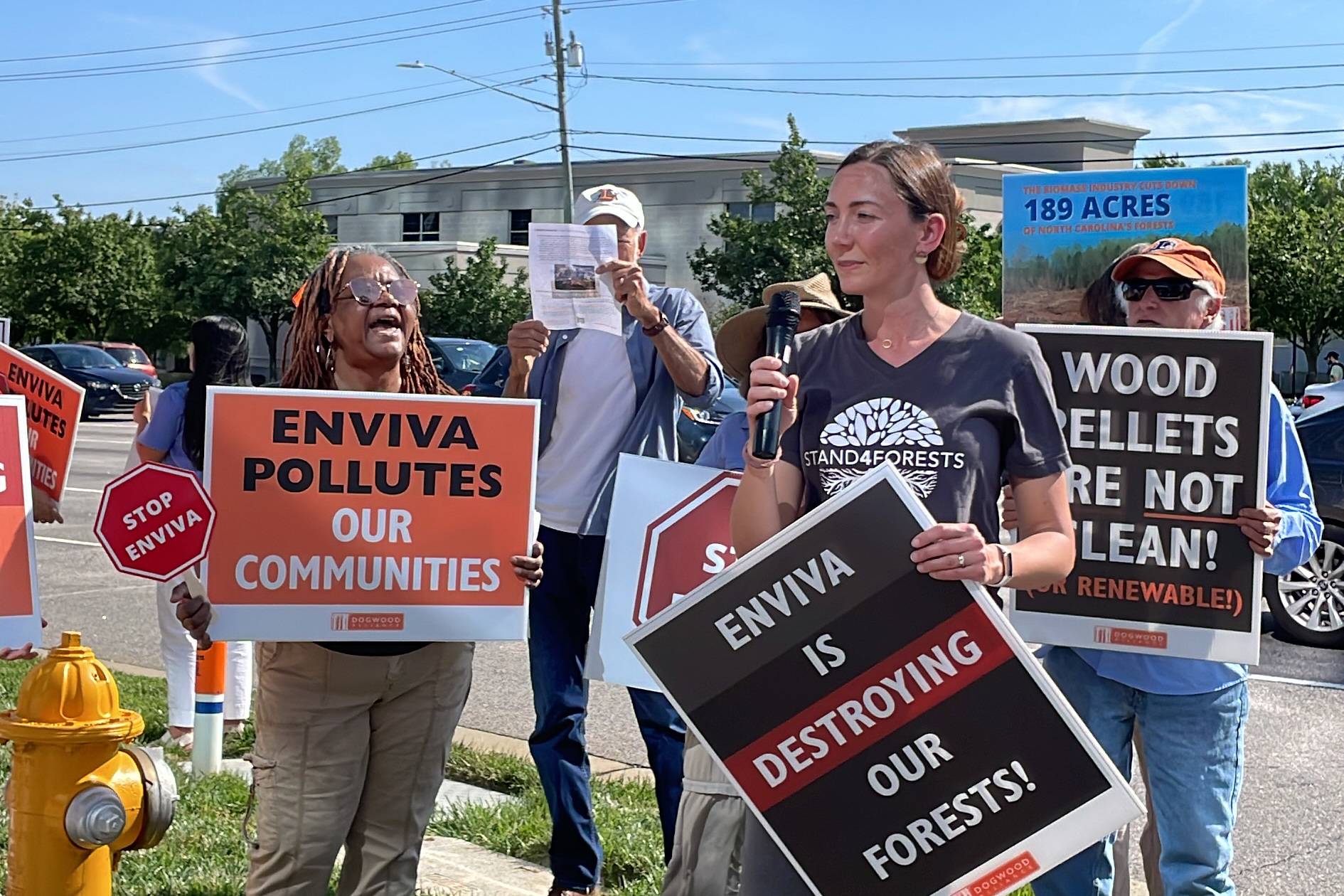
Together, we made the company take responsibility for its pollution and environmental injustices. We exposed their greenwashing. That lead to lawsuits and higher legal costs for Enviva. We have delayed their expansions. We have diminished their production. All through constant pressure and scrutiny of regulatory processes. We made them invest in air quality improvements, which they should have done from the start.
Last year, Enviva announced they will expand production across the US South. Organizations, community leaders, and elected officials across the globe have been calling for an end to this expansion. From this recent news, it looks like the voices for justice and forest protection have been heard.
Smith concluded:
“Enviva is looking for a bailout now. They’ve applied for IRA subsidies from the Department of Energy for clean energy production. Yet, there is not much hope for government bailouts in the US or Europe. And those subsidies will not be enough to save them. The Biden Administration should not grant tax-breaks and subsidies for industrial scale biomass. They should let this industry fade away.”
Climate change is a pressing issue that affects our planet and future generations. Yet, conveying the urgency and impact of the climate crisis can be challenging. This is where visual storytelling comes into play. Through art, photography, and other visual mediums, we can educate and inspire. Together, we can bridge the gap between scientific data and public understanding.
Visual storytelling is a powerful tool. It can evoke emotions, inspire action, and create a connection with audiences. Art has the unique ability to transcend language barriers and cultural differences. It’s a universal medium to communicate complex concepts. The climate crisis won’t wait for us to catch up, and so, climate change art is a great way to us to take the reins. Let’s explore what artists and scientists are using to communicate about climate change.

Art has the remarkable ability to evoke emotions and inspire action. We can use art to create a connection with audiences around global warming. Artists show the urgency and impact of climate change in many ways:
By appealing to our senses, art can evoke emotions that facts and numbers alone may struggle to do. It has the power to capture the essence of nature’s beauty. Art highlights the potential devastation we face with climate change. Artists can show rising sea levels, melting glaciers, and extreme weather events. This allows viewers to visualize the consequences of our actions.
Furthermore, art can serve as a powerful catalyst for action. It can inspire viewers to reflect on their own role in fighting climate change. It may motivate them to make positive changes in their lives. For example, art showing plastic pollution has helped me change my own life.
Several artists have already made significant contributions to climate change communication. For every artist that is well known, there are many more emerging stars.
Chris Jordan’s intricate photographic works capture the size of human consumption and waste. His work urges viewers to rethink their consumption patterns. His art tackles environmental issues and mass production. It also deals with climate action and wildlife conservation.
Allison Maria Rodriguez creates immersive experiential spaces. Her work focuses on climate change, species extinction, and the interconnectivity of existence. Her “Wish You Were Here: Greetings From the Galapagos” uses:
Allison Maria Rodriguez uses art to communicate beyond language. Her piece examines the grief and trauma that we and the Earth suffer when we harm the environment.
Olafur Eliasson has immersive installations that use light, water, and natural elements. Together, these create captivating experiences that raise awareness about climate change. With his immersive projects, Olafur Eliasson sheds light on modern issues. His “the weather project” is in Turbine Hall of Tate Modern in London. It simulates a hazy indoor sunset with artificial mist. Viewers are immersed in unnatural, uncanny light.
Zaria Forman has become a leader with her “Arctic Ocean” – a pastel drawing on paper of summer sea ice. This painting used NASA-derived data. It helps give people a personal experience with climate effects like increasing temperatures.
Erin Jane Nelson captures the complexities of human civilization and environmental distress. Her “Brackish TimePiece” in 2018 connects her – and viewers – to Daufuskie Island in South Carolina. She captures:
We can’t overstate the power of visual storytelling in climate crisis communication. Art, photography, infographics, virtual reality, and social media have proven to be invaluable. They’re tools in raising awareness, fostering empathy, and inspiring action around global warming. As we face the urgent climate crisis, we must harness our creativity and engage in visual storytelling on this critical issue.
Each one of us has the power to make a difference. No matter your skills as an artist, photographer, scientist, or activist, you can contribute. Make your own climate change art. Show connections to the natural world. Address the climate emergency directly. Create informative infographics. Use virtual reality to show the potential impacts of climate change. Art inspired by global warming is one of the most important art projects you can get involved in.
To get involved, join organizations like Dogwood Alliance that work on climate change awareness. For example, we hold a yearly celebration of storytelling around forests and climate. It’s called Woods & Wilds, and it even has a podcast! You could also:
The journey towards a sustainable future needs each of us. Let’s use art and media to change the public perception of climate change. Let’s amplify people affected by climate change in a socially responsible manner. We can highlight the urgency of the issue. And, we can advocate for sustainable practices. Together, we can educate, inspire, and mobilize individuals across the globe.
Remember, the power of visual storytelling lies within each of us. Let’s use it to create a better world for ourselves and future generations.

Did you enjoy reading about climate action through art? I enjoyed writing about it! Tell us in the comments: What’s a sweet art project you’re working on right now? Does it address environmental issues?
Even better: What climate action are you taking this week? Do you need ideas? We have a few actions you can take right now to make your voice heard. Let’s get these scientific facts into the hands of policymakers everywhere. That’s the only way we’ll get the environmental changes that we want.
If you’ve ever encountered a flying squirrel, you were lucky! Maybe you were in awe of their grace. These small creatures are unique and adorable. They’ve got large eyes, soft fur, and the ability to glide through the air. Flying squirrels are found across the United States, including the South. Let’s take a deep dive into interesting facts about these critters.
Unlike bats, flying squirrels don’t actually fly. Instead, flying squirrels glide. They do this with the help of a furry, wing-like membrane. It extends from their wrists to their ankles. This loose skin acts as the gliding mechanism, and their tail acts as the rudder. It looks effortless. These squirrel species are experts at getting around the tree canopy!
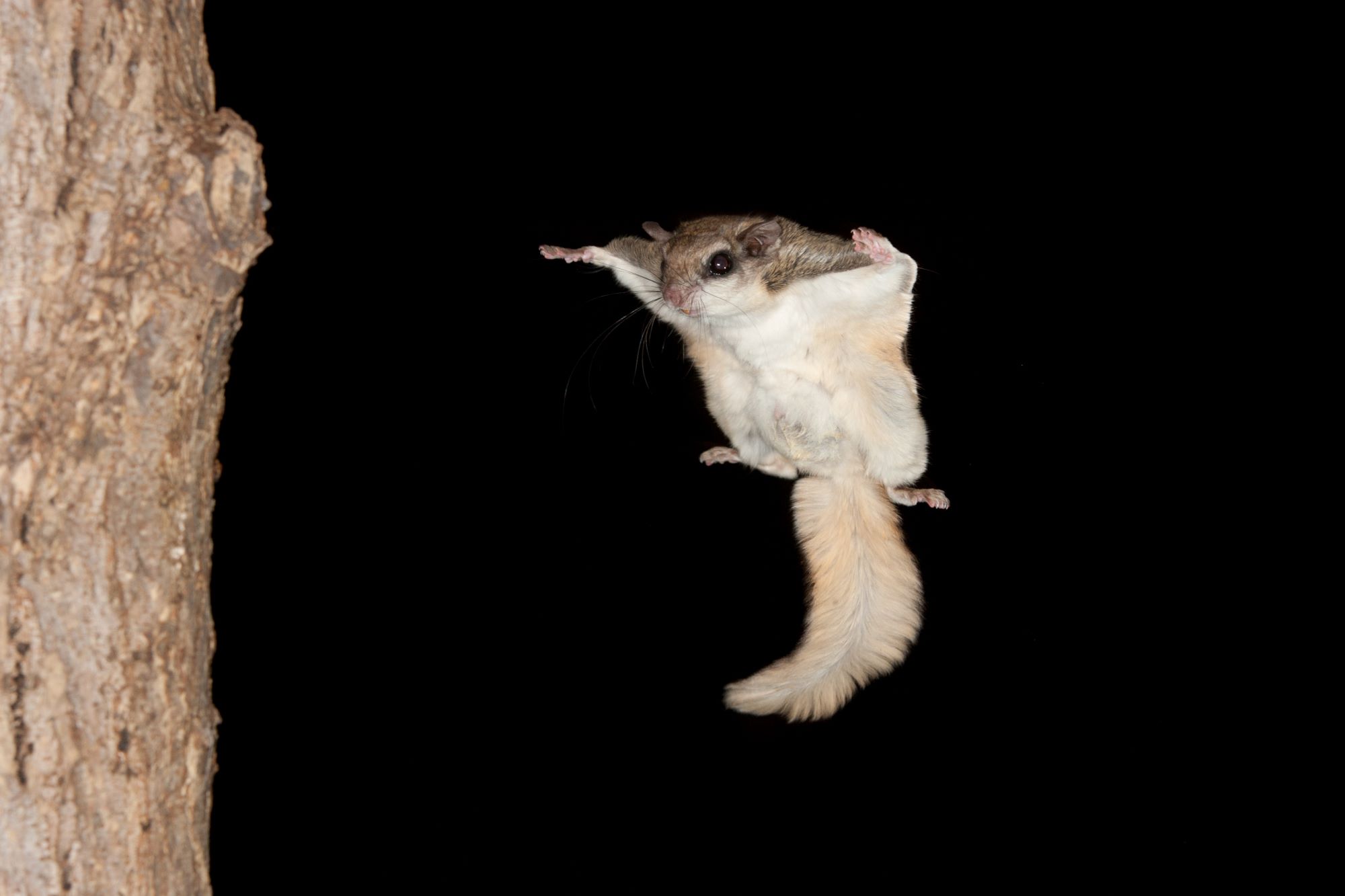
Flying squirrels don’t hibernate, but they do go through a process called torpor. During the cold winter months food is scarce. So flying squirrels reduce their metabolic rate and remain inactive. This conserves energy until the weather becomes warmer. Once their food sources become abundant again, they come out of torpor.
Most flying squirrels are omnivorous. They feed on a variety of food, including nuts, seeds, fruits, insects, and even bird eggs. They also store food in their nests to use during lean periods.
Flying squirrels form close-knit family groups. A squirrel family will live and nest in holes in dead trees. These tiny rodents share their home with as many as 10-15 other squirrels during the winter. This helps them stay warm. They’re social creatures. They communicate with each other through chirps and various body movements.
The northern flying squirrel will only produce one litter of babies a year. This is because of the shortened summers in the north. The southern flying squirrel will have two litters each year. With climate change, the number of squirrel litters may change. When young are born, they rely on their mothers to care for them. This is similar to other mammals (like us!).
Outside of the US, flying squirrels live in North and Central America. They’re also in parts of Asia and Southeast Asia. They inhabit mature and old growth forests where woodpecker holes serve as habitats.
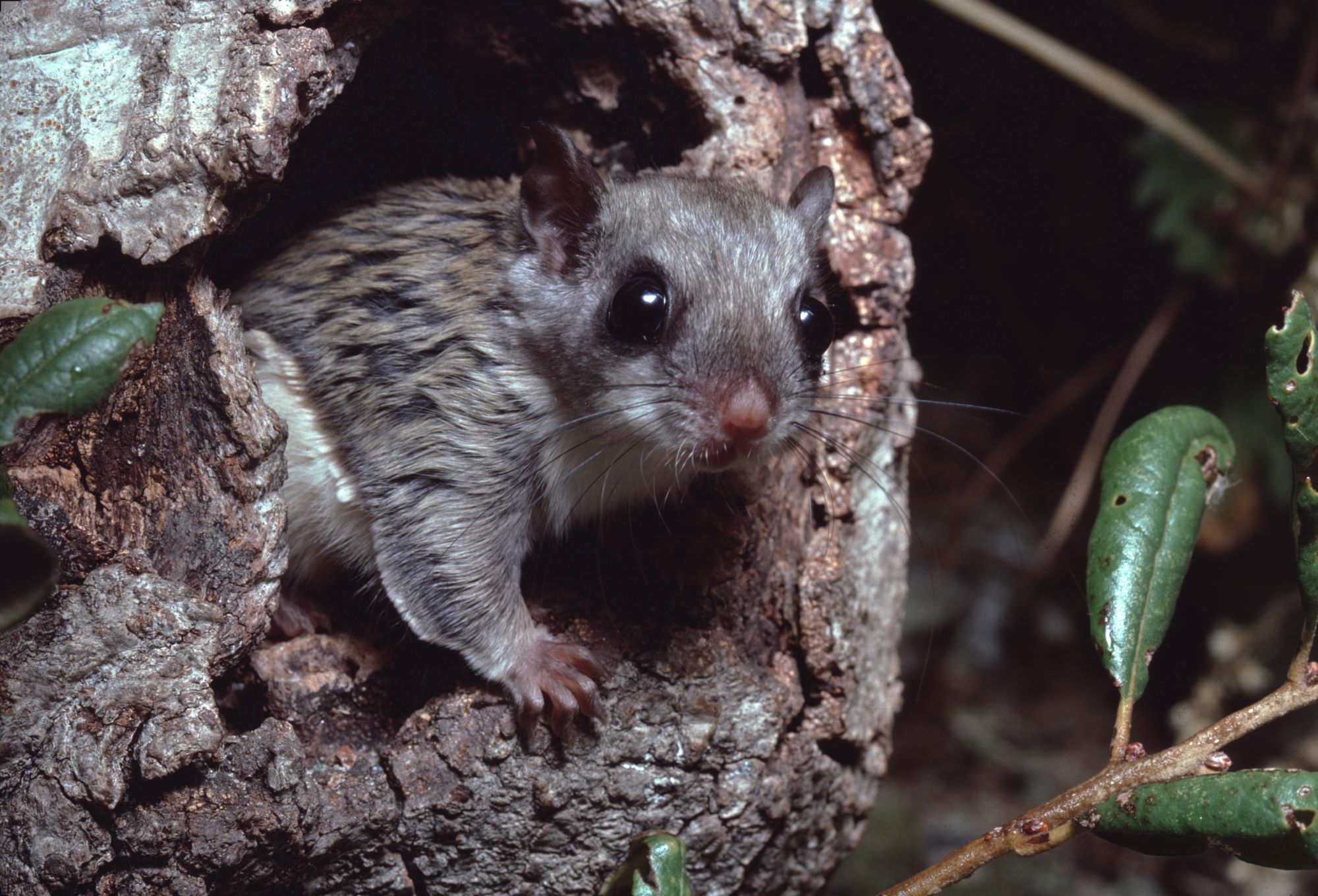
Did you know there are just three different species of flying squirrels in North America? They are:
Of the three species, the southern flying squirrel is much more common than the other two.
Southern flying squirrels live from Maine to Florida. They even live in Minnesota and Texas. The northern flying squirrel is found in the Northeast. You can find them in the mountain states like Idaho and Montana. They’re even on the west coast. Humboldt’s flying squirrels live primarily in the Pacific Northwest.
There are around 50 species of flying squirrels across the world. They live in North America, Central America, and even Asia. There are “pygmy” flying squirrels. And there are even “giant” flying squirrels. (Both of the pygmy and giant flying squirrels live on other continents.)

Flying squirrels are primarily nocturnal animals. That means they’re most active at night. They have large, owl-like eyes. These help them see in the dark. Their keen hearing helps them navigate while gliding through the trees.
Finally, a fun fact: When flying squirrels descend from the canopy to the forest floor, they don’t climb down like other squirrels. Instead, they jump down from the tree’s height. Then they glide until they hit the ground. And they can glide up to 150 feet in one swoop!
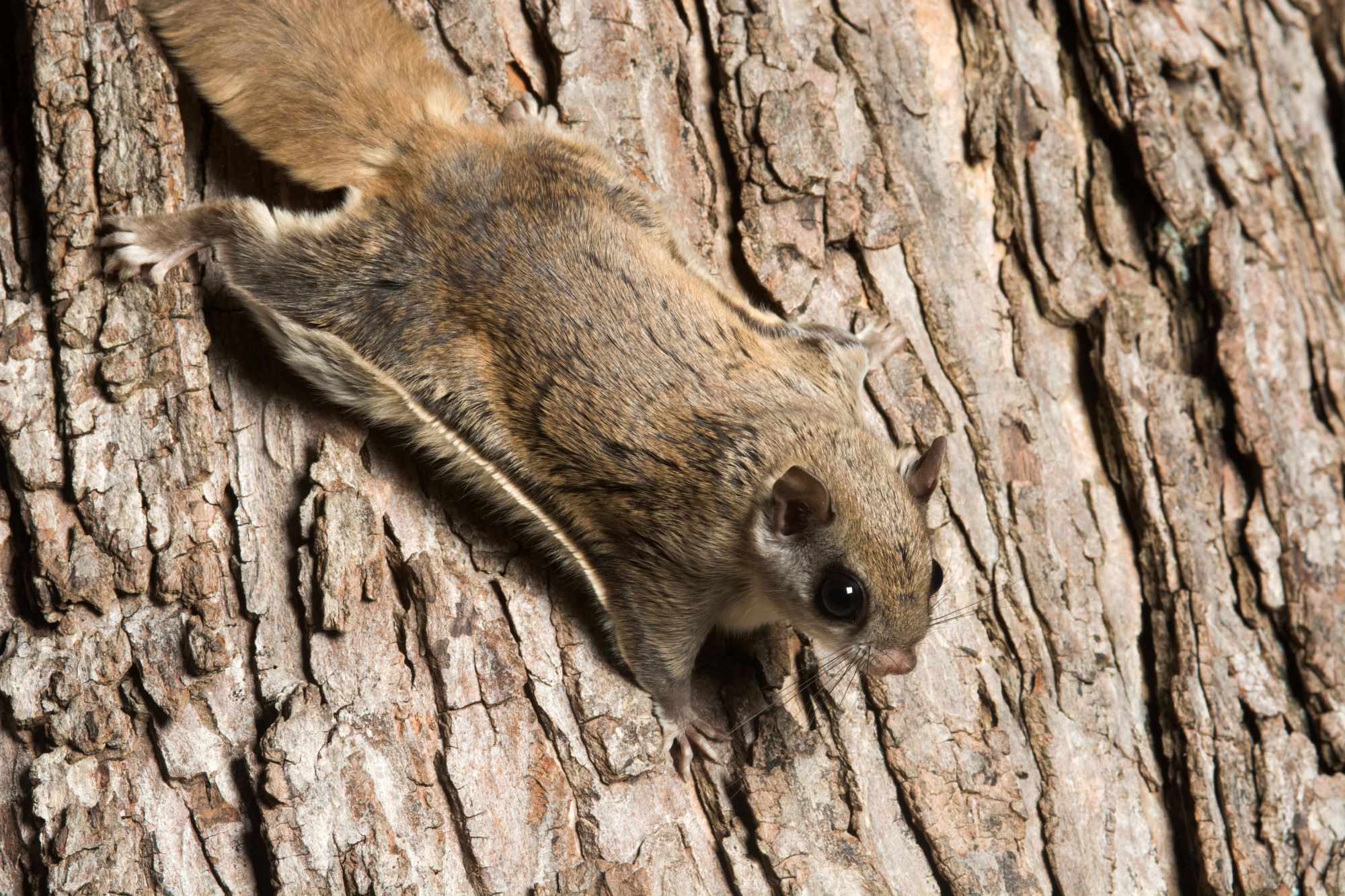
Flying squirrels are fascinating creatures that are unique in their abilities and behaviors. With their gliding skills, omnivore diet, and social nature, these animals are awe-inspiring. Next time you see a flying squirrel, take a moment to appreciate their remarkable way of living. It’s these small things in nature that make it beautiful and worth preserving.
Have you every seen a northern flying squirrel or a southern flying squirrel in the wild? Have you seen giant flying squirrels in a zoo? Let us know in the comments!
Share your favorite flying squirrel videos. Tag us on Instagram, Facebook, or Twitter!
Want to do more?
Become a Forest Defender today! Your monthly gift will protect the night critters and biodiversity of the South.
Join our email list to get new Biodiversity in Your Backyard sent directly to your inbox!
Life on Earth is amazingly weird and cool. It’s countless species interacting with their surroundings. Fighting to survive and reproduce. Today, let’s take a closer look at one of the spookiest creatures out there: the Eastern Hellbender. Despite the weird name, hellbenders are rad. The hellbender is a primordial-looking salamander. It can be found throughout the Southeastern United States.
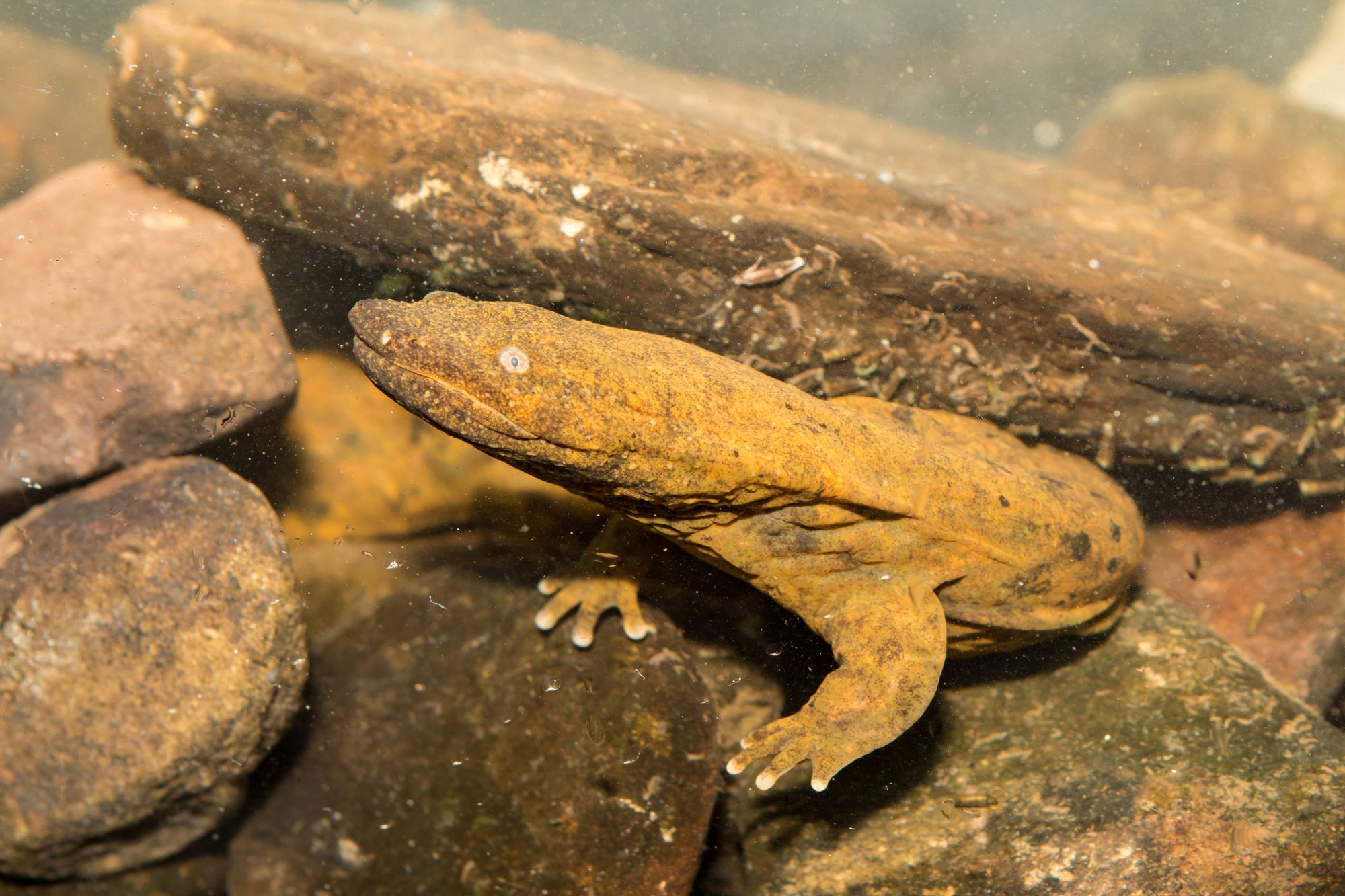
All Hellbenders are known as Cryptobranchus alleganiensis. But there are two subspecies: the Eastern Hellbender and the Ozark Hellbender.
An Eastern Hellbender is also known as Cryptobranchus alleganiensis alleganiensis. They are found throughout the Eastern United States. They’re a rare find due to their habitat requirements. You really know natural habitats if you know where the hellbender populations are!
The other subspecies is the Ozark Hellbender (Cryptobranchus alleganiensis bishopi). The Missouri Department of Conservation (MDOC) says the Ozark Hellbender lives in Southern Missouri and Northern Arkansas.
You can call them hellbender, salamander, or “what the heck is that?” They’re huge! They’re one of the largest salamanders in the world. Hellbenders can reach an impressive length. The average hellbender is about two feet long. Some individuals can reach over 29 inches in length.
Hellbender populations have to stick around for a while to get to that large size. Hellbenders reach sexual maturity around 5-6 years of age. Sexually mature adult hellbenders may live up to 30 years.
Unfortunately, hellbenders need clean water and large flat rocks. These are becoming more rare in streams and rivers. Hellbenders are threatened or endangered in multiple states, including:
The hellbender salamander is a federally endangered species in Missouri. This grants it even more protections.
Cryptobranchus alleganiensis live in streams. Hellbenders are perfectly suited for life in fast-flowing, rocky streams. They spend most of their time hiding under rocks and hunting for prey in the shallow waters. You can find hellbender populations in streams and rivers across Eastern North America.
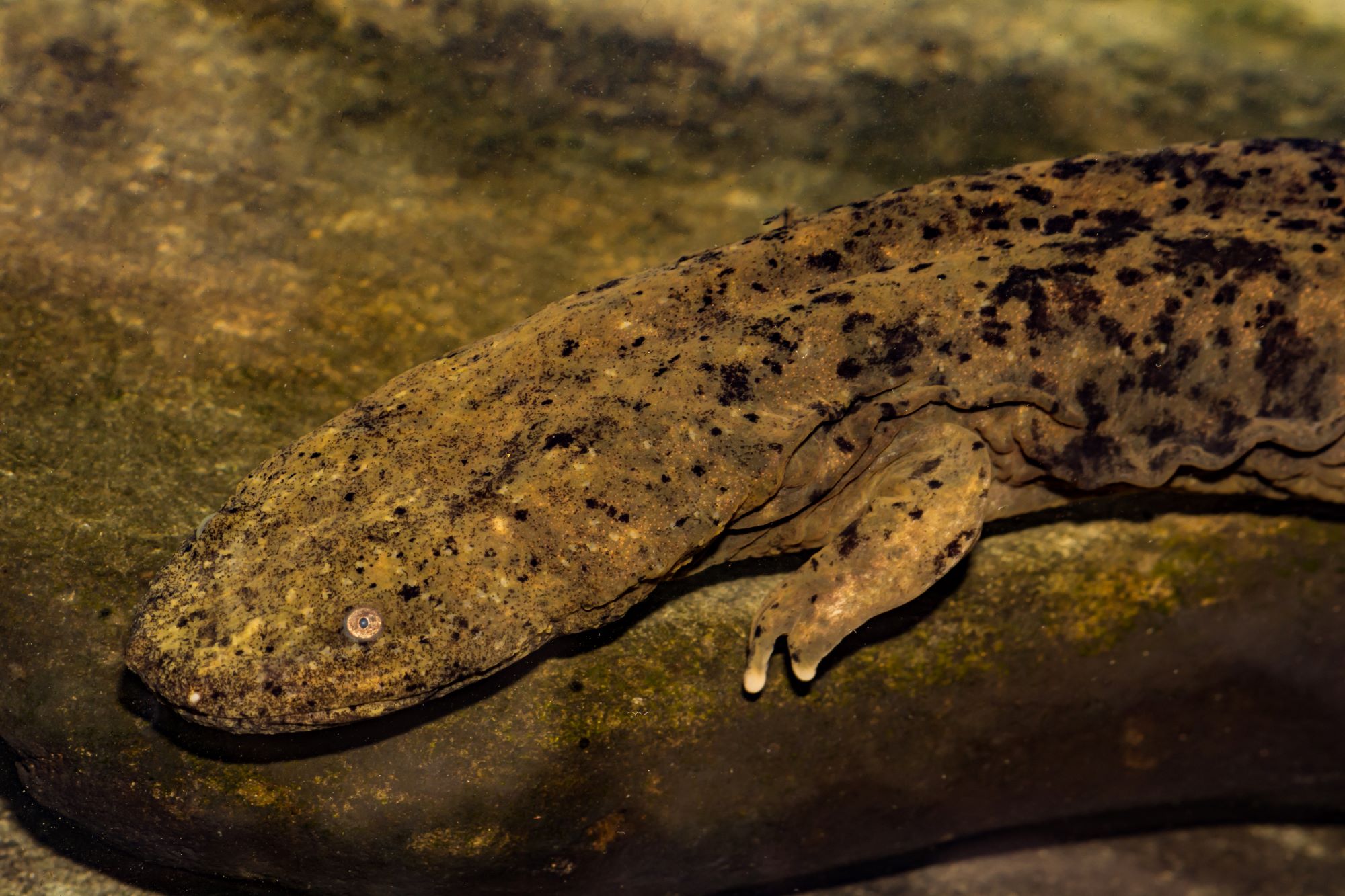
Hellbenders have vestigial lungs that are mostly nonfunctional. 95% of their oxygen comes through loose flaps and skin folds. Mucus covers their bodies to protect them from abrasions and parasites. Their skin is very thin to aid in breathing. Unfortunately, their thin skin makes them very sensitive to water pollution. Water pollution and human disturbances (like climate change) are two leading causes of hellbender decline.
Georgia Parham at the US Fish and Wildlife Service called them both “fantastic beasts” and “gentle giants.” They’re not brightly colored, but their size gives them a mystical quality. Hellbenders have a mottled brown or gray appearance with a light-colored underside. However, their coloring varies based on their habitat.
Telling an Eastern Hellbender from an Ozark Hellbender is more art that science. It’s mainly based on geography. But the Eastern Hellbender is slightly bigger than the Ozark Hellbender. Other than the size difference, the two subspecies are nearly identical. Hellbender habitat is also similar between the two subspecies.
They have distinct mating behavior. During breeding season, males will build underwater nests. They defend them against other males. Females will make their choice and lay their eggs inside the nests. Once the eggs hatch, these dedicated daddies stay to protect the larvae until they can fend for themselves.
In conclusion, this aquatic species is fascinating. They play an essential role in the US South’s biodiversity. Have you seen Eastern Hellbenders out in the wild? Let us know about your experience with these aquatic salamanders in the comments below!
Did you enjoy learning about these hellbender salamanders? If so, why not show us?
Share your favorite salamander photos and videos. Tag us on Instagram, Facebook, or Twitter!
Want to do more?
Become a Forest Defender today! Your monthly gift will protect the night critters and biodiversity of the South.
Join our email list to get new Biodiversity in Your Backyard sent directly to your inbox!
Join us as we explore! We’ll learn about the wildlife, plants, trees, and even mushrooms. All right outside our doors. When you sign up, we’ll deliver more Biodiversity in Your Backyard tips directly to your inbox!



 Donate
 April 5, 2026